Preston Sturges writes fast, funny dialogue without making everyone sound alike. We prize his comedies for their affection as much as their wit, even when he repeats a physical joke or makes defending Hollywood a little too easy.
Fi1m perspective
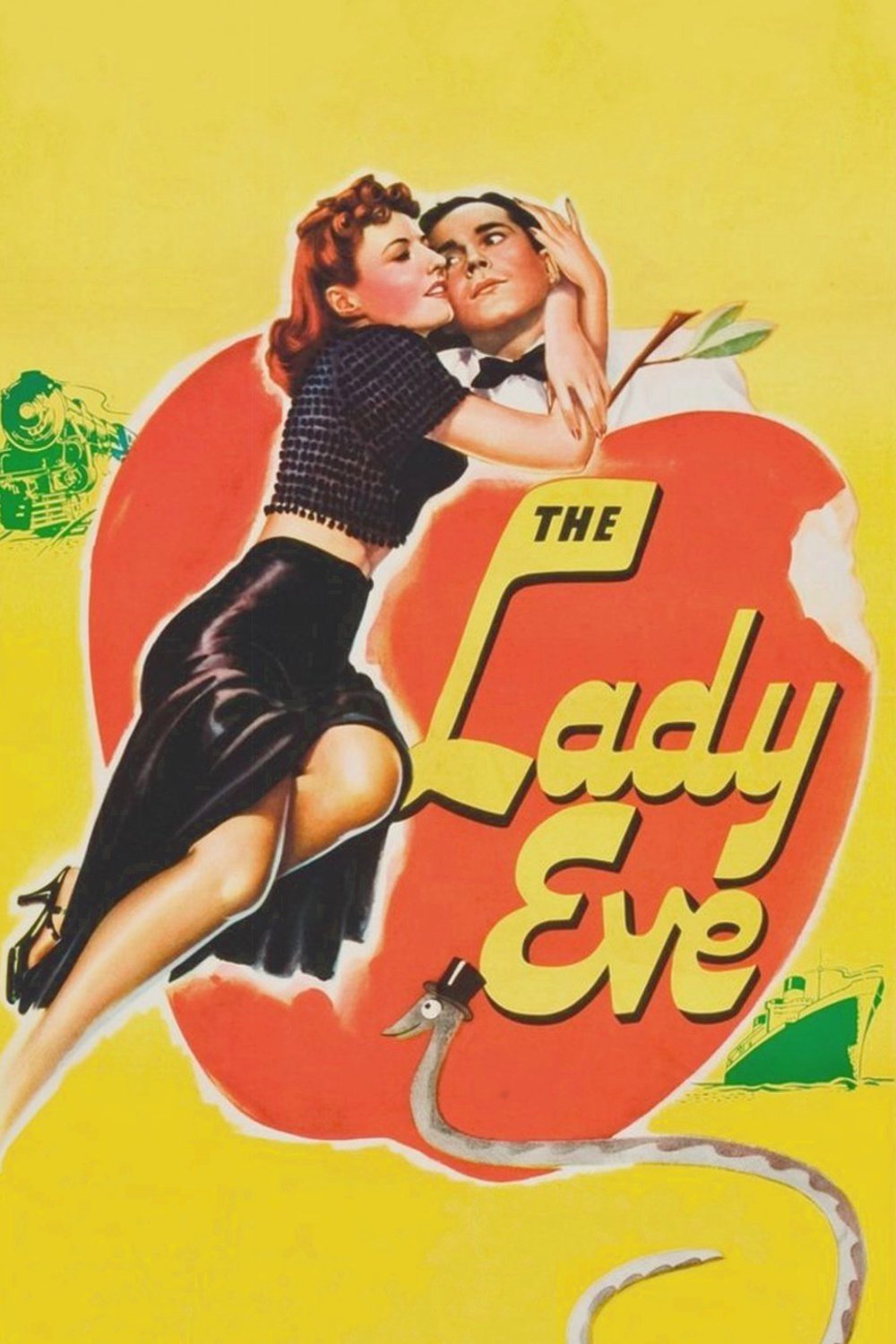
In The Lady Eve (1941), Barbara Stanwyck’s card-sharp Jean Harrington is ahead of Henry Fonda’s guileless Charles Pike, and Sturges enjoys giving her that advantage. The dialogue is sharp because these two people think differently, not simply because each has a supply of good lines. We warmed to Jean because Stanwyck makes her vulnerability as convincing as her calculation. Sturges trusts her to hold both together without making the courtship feel like a pause between jokes. He is less sure when he keeps sending Fonda into pratfalls after an expression has already done the work.
That confidence with words preceded his work as a director: he was a Hollywood screenwriter in the early 1930s, before writing and directing The Great McGinty (1940). His concentrated run from 1940 to 1944 also includes The Palm Beach Story (1942) and Hail the Conquering Hero (1944). The films mix elaborate farce with speech that can still sound natural, however unlikely the situation has become. Later independent projects and studio conflicts accompanied a less consistent stretch of work.
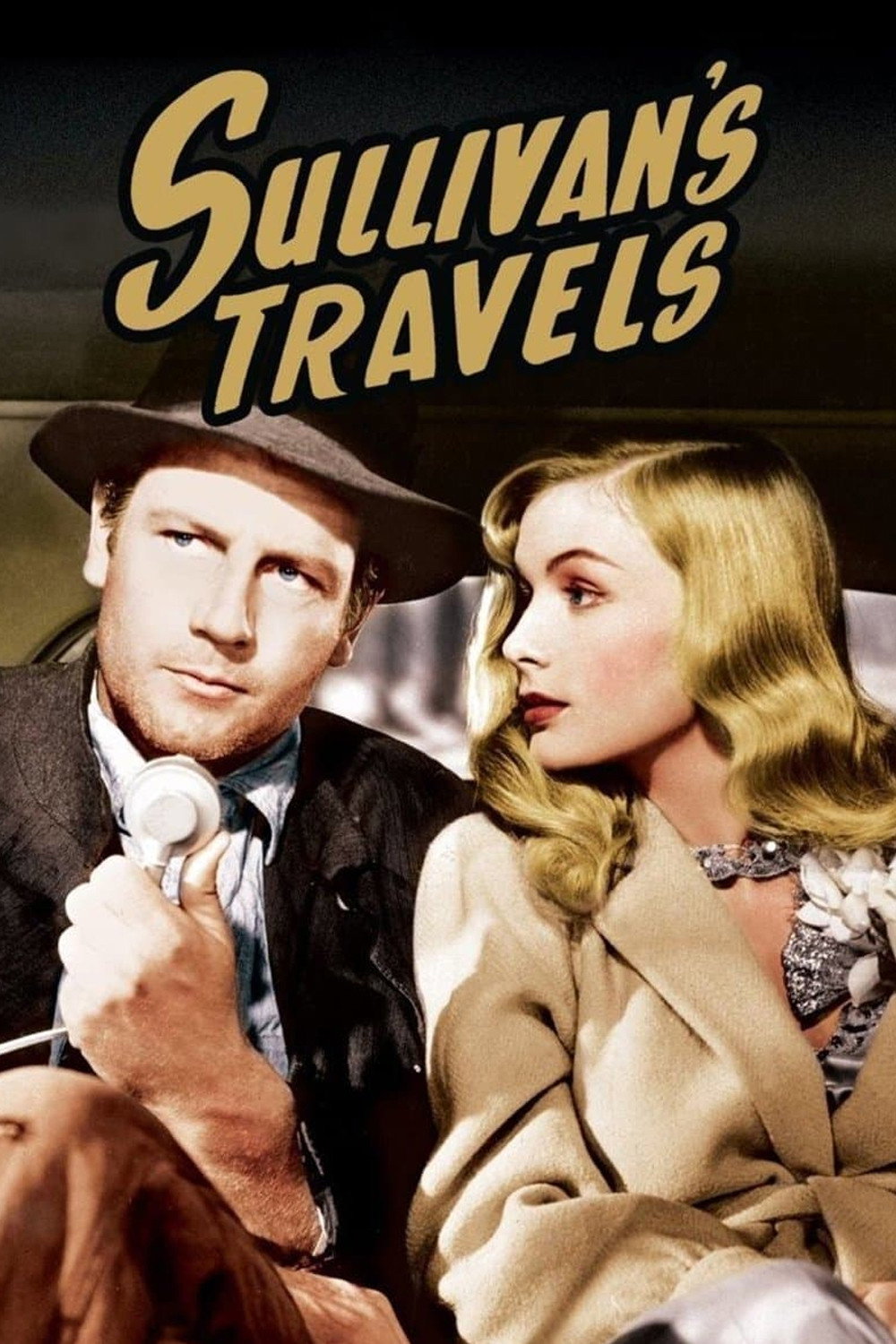
In Sullivan’s Travels (1941), he turns his attention to a filmmaker who suspects comedy is beneath him and dresses as a tramp to learn about poverty. Joel McCrea and Veronica Lake keep the film human while Sturges tests how much experience Sullivan thinks a change of clothes can buy. We recommend it warmly, with one substantial reservation: the mockery sometimes extends from Sullivan’s complacency to his wish to make serious work. Sturges gives us good reasons to doubt this man’s understanding, but fewer reasons to dismiss what he hopes to do. The jokes can let Hollywood off too easily.
His fondness for supporting players helps explain why the talk stays lively. Sturges worked repeatedly with William Demarest and gave his minor characters distinctive voices. In The Lady Eve, Charles Coburn’s ‘Colonel’ Harrington speaks with the assurance of a man accustomed to being heard; Sturges has the sense to give him time. For a first encounter, choose The Lady Eve and pay attention when Coburn starts talking.
Biography
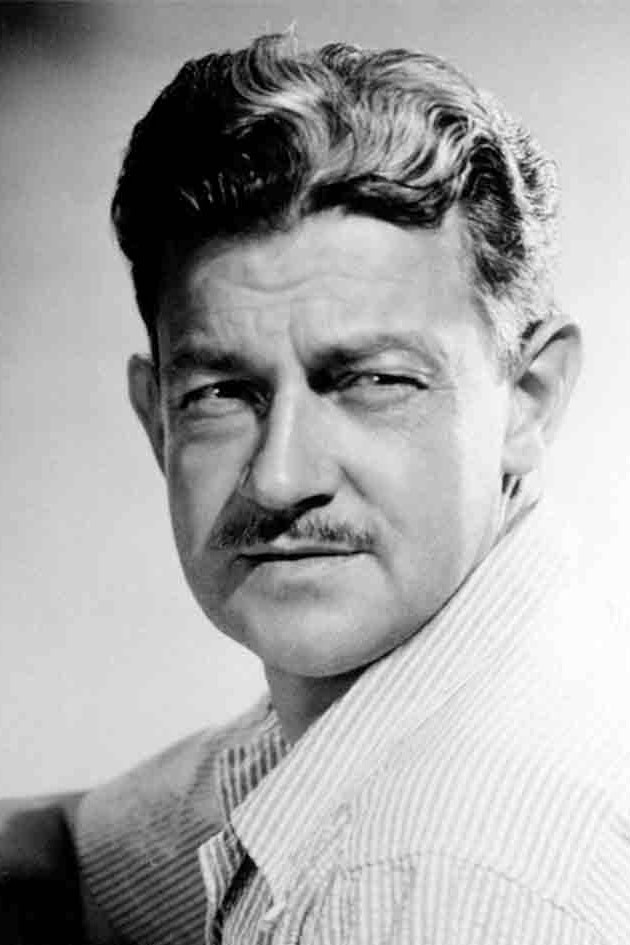
Preston Sturges was an American screenwriter, playwright and film director. Born in Chicago in 1898, he began his career as a playwright before moving to Hollywood, where he became a successful screenwriter in the 1930s.
In 1940 he made his directorial debut with The Great McGinty, for which he won the Academy Award for Best Original Screenplay. He went on to write and direct a series of comedies for Paramount, including Sullivan's Travels (1941), The Lady Eve (1941), The Palm Beach Story (1942), The Miracle of Morgan's Creek (1944) and Unfaithfully Yours (1948). Sturges is often noted as the first prominent screenwriter to direct his own films.
He died in New York City in 1959.