Film review

Sullivan's Travels

1941 · Directed by Preston Sturges · 1h 31m · MPA NR

In a sentenceA Hollywood director approaches poverty with the confidence of a man who can always ask for another take

ComedyRomanceAdventure

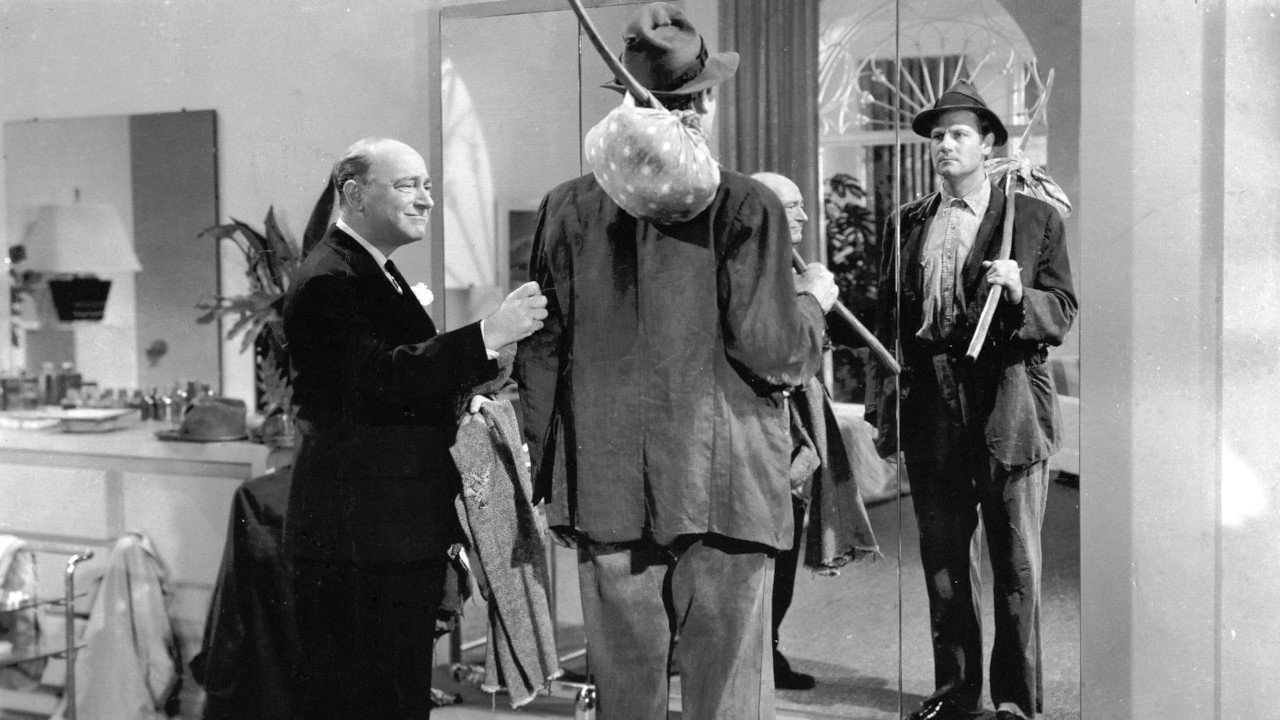
John Sullivan (Joel McCrea) is a Hollywood director setting out to live as a tramp. He wants material for a serious film about hardship, and dresses the part in the hope of experiencing poverty for himself. The Girl (Veronica Lake) and Mr. LeBrand (Robert Warwick) are among the people caught up in his plans. But getting away from his comfortable life proves less straightforward than Sullivan expects. His attempts to experience the world beyond filmmaking keep going wrong, as a journey meant to furnish a socially important picture becomes entangled with romance and physical mishaps.

Plays from YouTube when you press play; nothing loads from them until then.

Fi1m review

Preston Sturges makes a sharp, generous comedy about a filmmaker who thinks comedy is beneath him. Joel McCrea and Veronica Lake keep it human, even when its defence of entertainment starts to sound a little too comfortable.

Sullivan’s Travels is a funny, generous film that occasionally makes defending comedy look too easy. Preston Sturges writes and directs a Hollywood comedy about John Sullivan, a filmmaker who wants to make something socially important. He goes looking for experience by dressing as a tramp, confident that this will give him something useful to put on screen. The film has plenty of fun with his confidence, while allowing us to respect his wish to understand poverty.

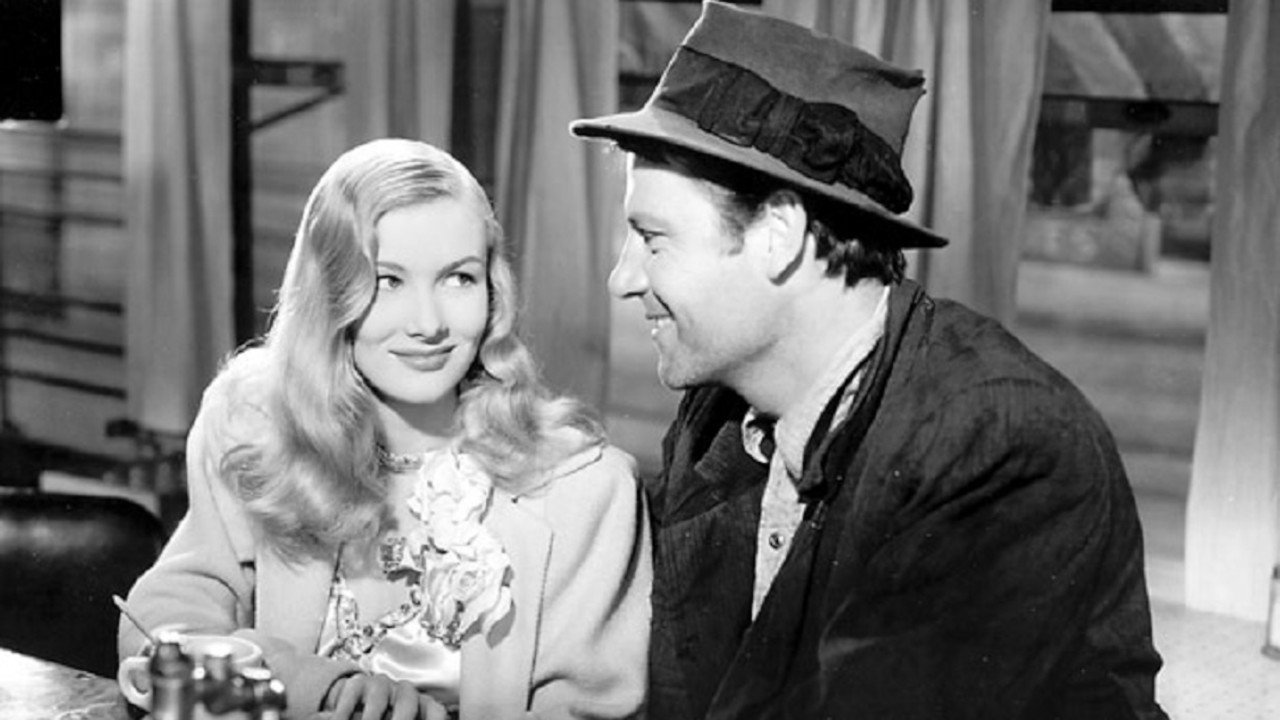
Joel McCrea gives Sullivan the earnestness the joke needs. He makes the man’s ambition plausible enough that we can enjoy watching it go wrong without simply waiting for him to be humiliated. We laughed at Sullivan’s confidence that dressing as a tramp will qualify him to speak about poverty. The joke depends on the seriousness with which he approaches the disguise. We can see why Sullivan thinks this is a worthwhile undertaking, which makes his failures funnier.

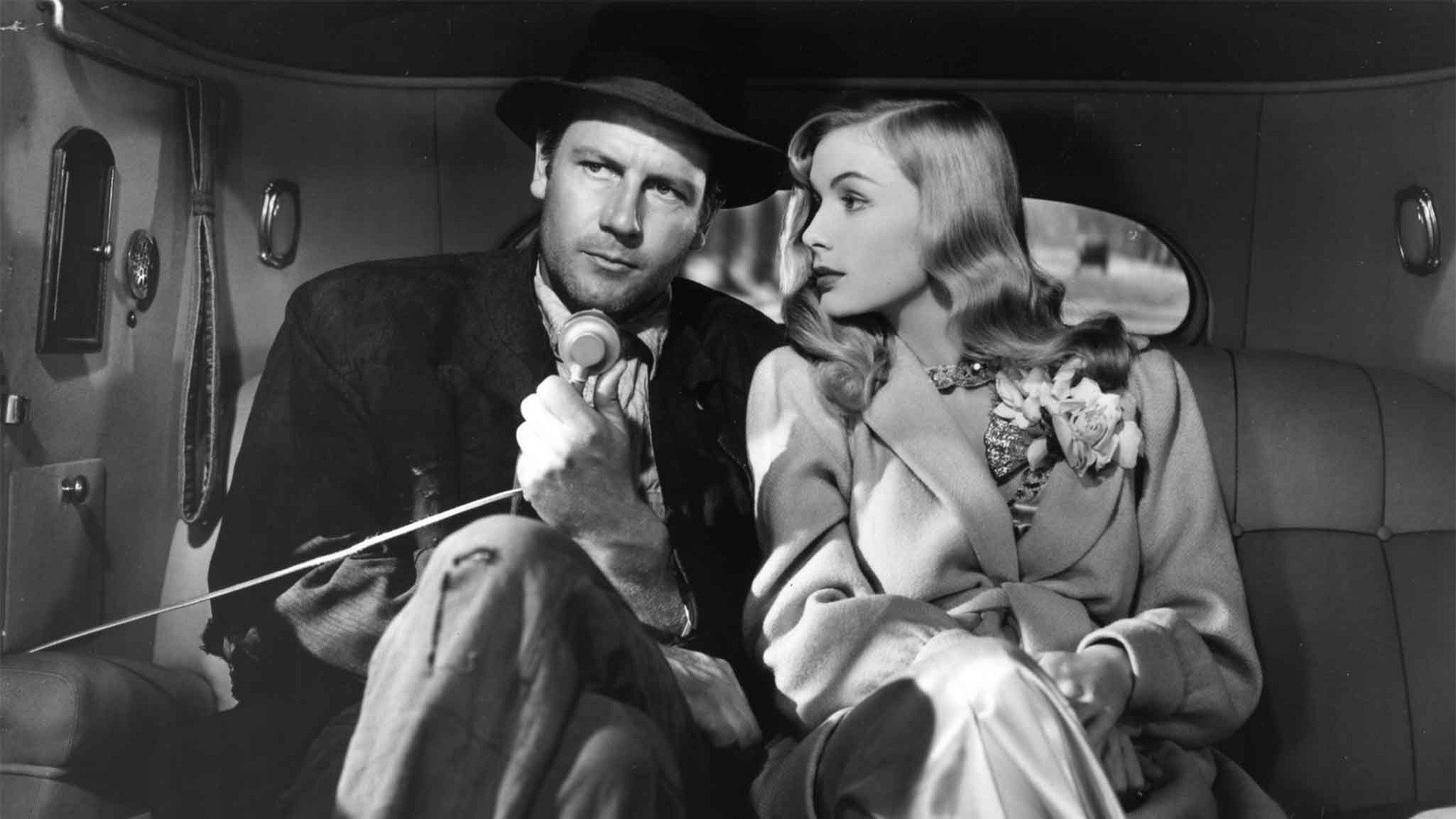
Veronica Lake, credited as The Girl, is essential to keeping that earnestness from wearing us out. She gives the romantic comedy a steadiness that allows the dialogue to be quick without every exchange becoming a contest for the cleverest line. There is pleasure in watching the two leads together because they let the lines do their work without pausing to invite our approval. Robert Warwick and William Demarest add to the bustle without making the smaller roles feel interchangeable.

John F. Seitz’s cinematography keeps the physical comedy readable and makes the poverty uncomfortable to look at. Stuart Gilmore’s editing is particularly good at managing the change from rapid dialogue to slapstick; the film can become boisterous without losing its bearings. The music credited to Leo Shuken and Charles Bradshaw is less memorable than the dialogue, but it supports those changes of pace effectively. At 91 minutes, there is room for both the talking and the action without either feeling rationed.

The reservation is that Preston Sturges sometimes makes Sullivan’s appetite for serious work sound foolish in itself. His film is right to mock a comfortable man’s confidence about understanding poverty. It is less persuasive when the jokes seem to dismiss the possibility that he could make a worthwhile serious film. That lets Hollywood off rather easily, and the writing is sharp enough elsewhere for us to expect more than a choice between laughter and a lecture.

Yet the film’s willingness to become uncomfortable keeps that objection from sinking it. The mood changes substantially, for reasons we will not describe, and the harder passages are allowed to hurt. As a Hollywood satire, it is unusually attentive to the people whom its central filmmaker wants to use as material. That attention matters: the poverty Sullivan has set out to investigate remains troubling even in a film with this much romance and slapstick.

We recommend it for an evening when a comedy sounds welcome but something entirely cosy does not. The dialogue rewards attention, so this is not one to leave chattering away while the conversation carries on elsewhere. Save the discussion about what films ought to do until afterwards; Sullivan is quite capable of filling the silence.
Critical consensus AI synthesised

86
Positive
15
Mixed
0
Negative
0

The consensus is firmly positive: all fifteen reviews favour Sullivan’s Travels, with praise centring on Preston Sturges’ satire of Hollywood seriousness and his defence of laughter. Critics repeatedly admire the crisp dialogue, inventive plotting and shifts between slapstick, romance and hardship. The performances draw praise too: Radio Times singles out McCrea and Lake, while other reviews applaud the supporting cast. Most critics find that the comedy gives its social concerns weight without becoming solemn.

The differences are chiefly in emphasis and enthusiasm, rather than substantial objections. Variety offers a more measured response, describing the mixture of grim tragedy and smart comedy as curious but effective. Sight and Sound concentrates on structural ingenuity and links to silent comedy; Slant Magazine stresses the film’s philosophical questions about humanism and representation. The supplied reviews contain few explicit reservations, even where their enthusiasm is more restrained.

Radio Times
★★★★★ · David Parkinson
100

Hails this sparkling satire as a classic comedy that strikes a winning balance between entertainment and conscience. Praises McCrea's best performance and Lake's star-making turn amid the vigorous action.

Read the full review →
Empire
1 January 2014 · Angie Errigo
90*

The critic calls it a brilliant and funny comic masterpiece that has endured as a favourite among filmmakers and buffs, the granddaddy of movies about the film business. They single out Sturges' assured but light hand in steering between moods and genres, and the film's poignant affirmation of comedy's power.

Read the full review →
Slant Magazine
14 April 2015 · Clayton Dillard
90*

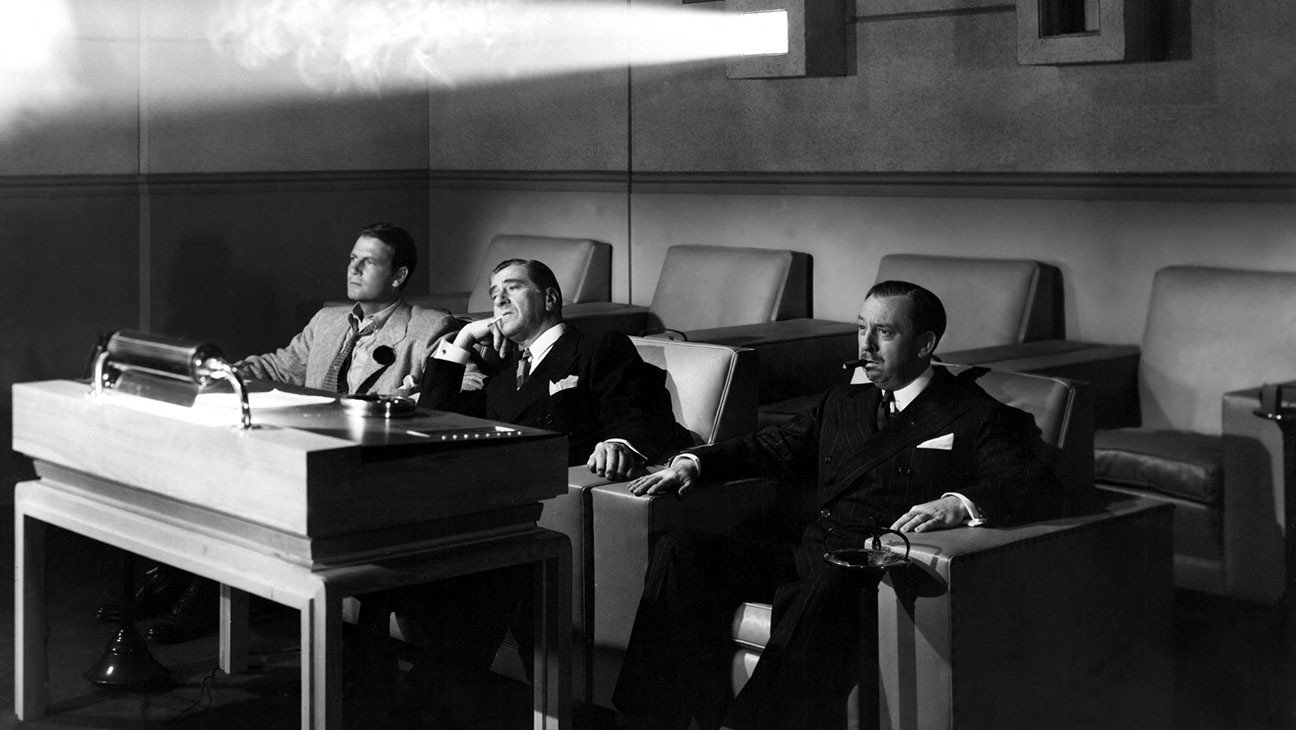
The critic hails the film as Hollywood's greatest comedy and lauds its rigorous philosophical inquiry into humanism, liberalism, and representation through ironic storytelling. They single out the chain-gang church sequence watching a Disney short as a standout moment of joy amid the satire.

Read the full review →
The AV Club
30 December 2013 · Erik Adams
90*

The critic calls the film Sturges' comic masterpiece and praises its insights into the Hollywood studio system and the power of laughter. They single out the rich irony in the protagonist's failed attempts to experience real hardship and the uplifting climactic epiphany.

Read the full review →
The Guardian
12 May 2000
90*

The critic praises Preston Sturges' 1941 film as having irresistible charm and energy, following a high-minded director who disguises himself as a hobo to experience real life. It is described as coming as close as possible to a distillation of pure happiness, with marvellous supporting performances.

Read the full review →
The New York Times
29 January 1942 · Bosley Crowther
90*

The film is a trenchant satire on social significance in pictures and a sardonic defense of Hollywood make-believe. It is expertly made and acted, with the best social comment on Hollywood since A Star Is Born.

Read the full review →

Cast

Stills

If you liked this, try…

The Palm Beach Story poster

The Palm Beach Story

1942 · Preston Sturges lets romance and financial desperation produce even less sensible behaviour.

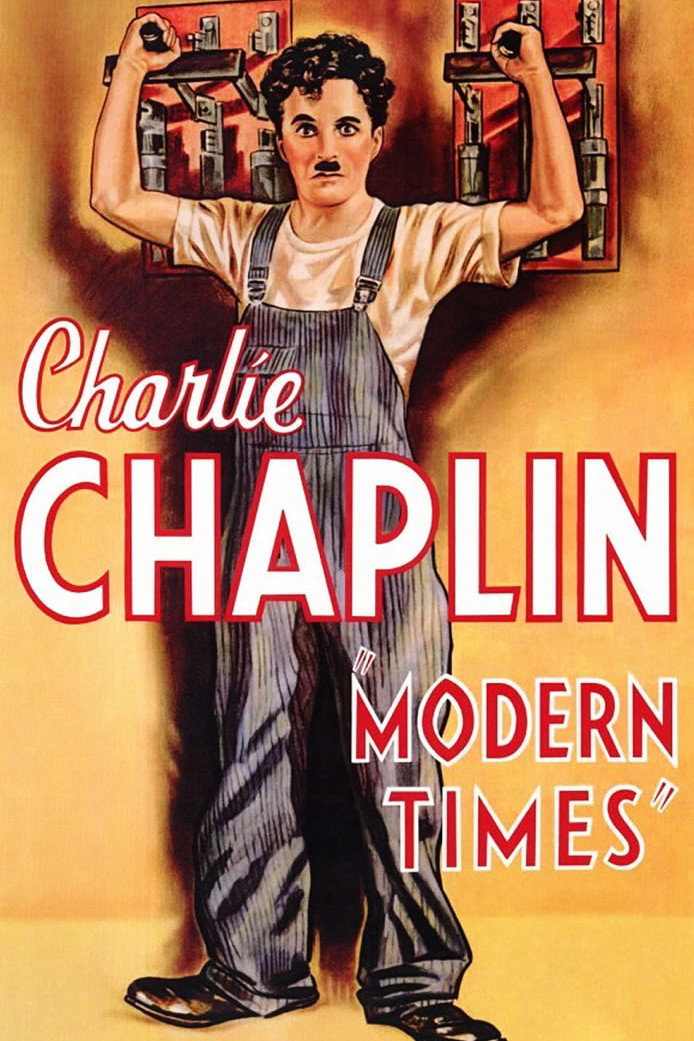
Modern Times poster88

Modern Times

1936 · Poverty and physical comedy share the screen without either being treated lightly.

Good Morning poster

Good Morning

1959 · Children refusing to speak cause domestic havoc in a gentler comedy of stubbornness.

Cinema Paradiso poster84

Cinema Paradiso

1988 · A warmer, more sentimental account of what watching films together can provide.

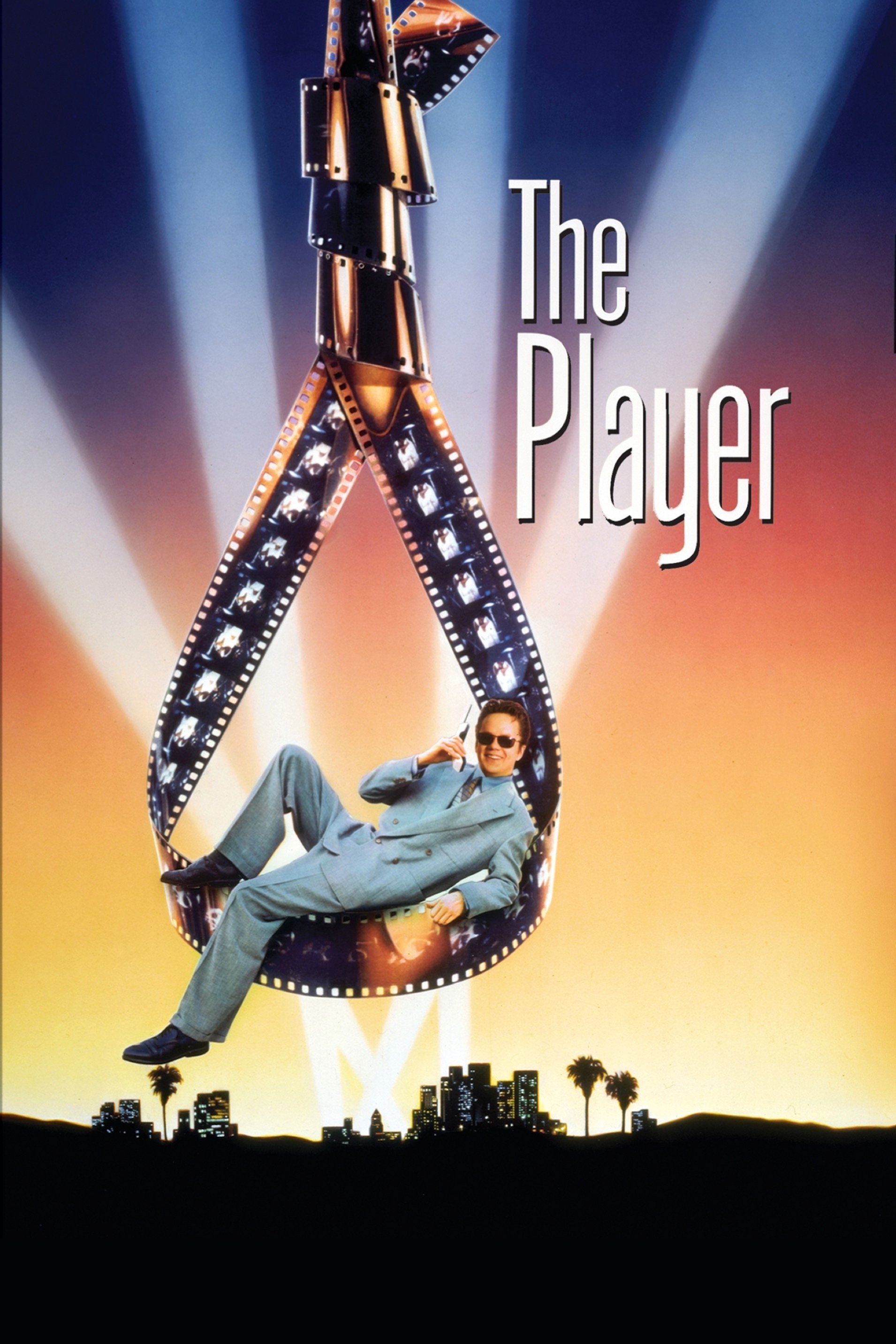
The Player poster85

The Player

1992 · Hollywood congratulates itself while the people making films behave rather less impressively.