Film review

Cinema Paradiso

1988 · Directed by Giuseppe Tornatore · 2h 04m · MPA PG

In a sentenceA small boy falls for the cinema, and we discover we are still that easily led

DramaRomance

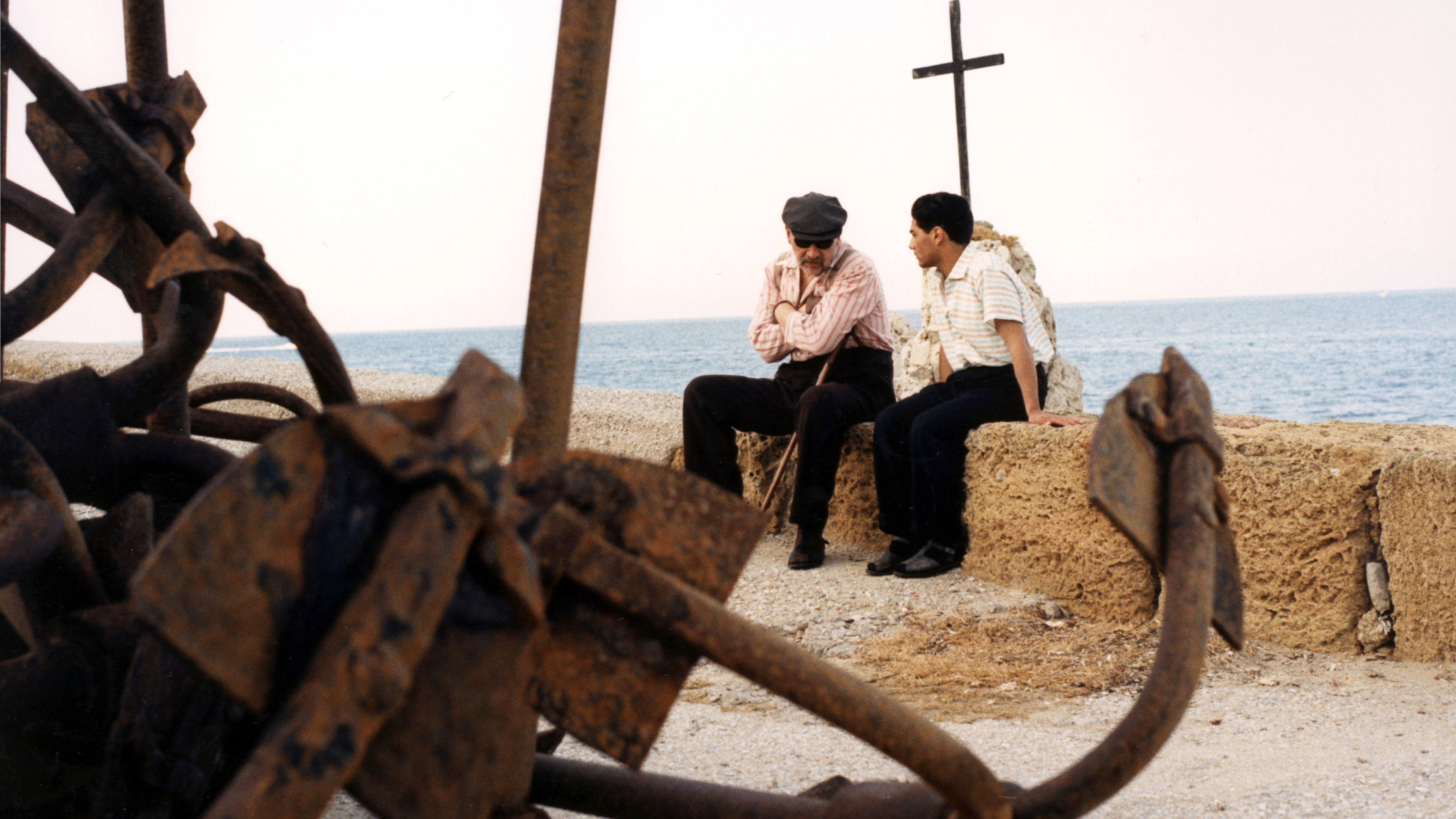
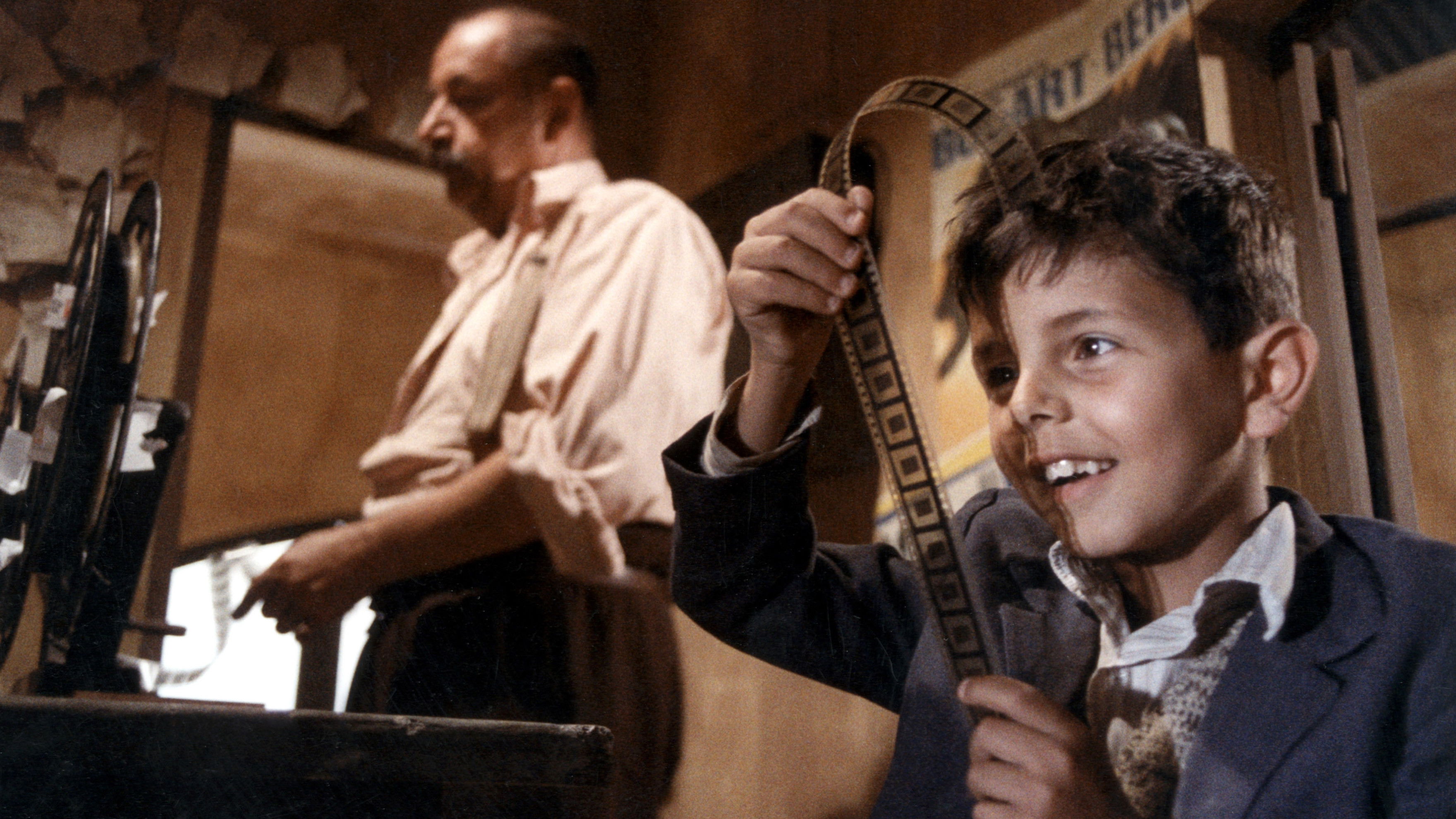
In a Sicilian village, young Salvatore ‘Totò’ Di Vita (Salvatore Cascio) becomes fascinated by the cinema and befriends its projectionist, Alfredo (Philippe Noiret). The cinema is a meeting place for the village, though not everything filmed is allowed to reach its audience: kisses are censored. Giuseppe Tornatore’s drama follows Totò through childhood, adolescence and adulthood, with Marco Leonardi and Jacques Perrin taking over the role as he grows older. Agnese Nano plays Elena, while Antonella Attili and Pupella Maggio play the younger and older Maria Di Vita.

Plays from YouTube when you press play; nothing loads from them until then.

Fi1m review

Giuseppe Tornatore’s village drama is funny, tender and sometimes too sweet. Salvatore Cascio and Philippe Noiret make its central friendship persuasive enough to withstand the film’s determination that we leave in tears.

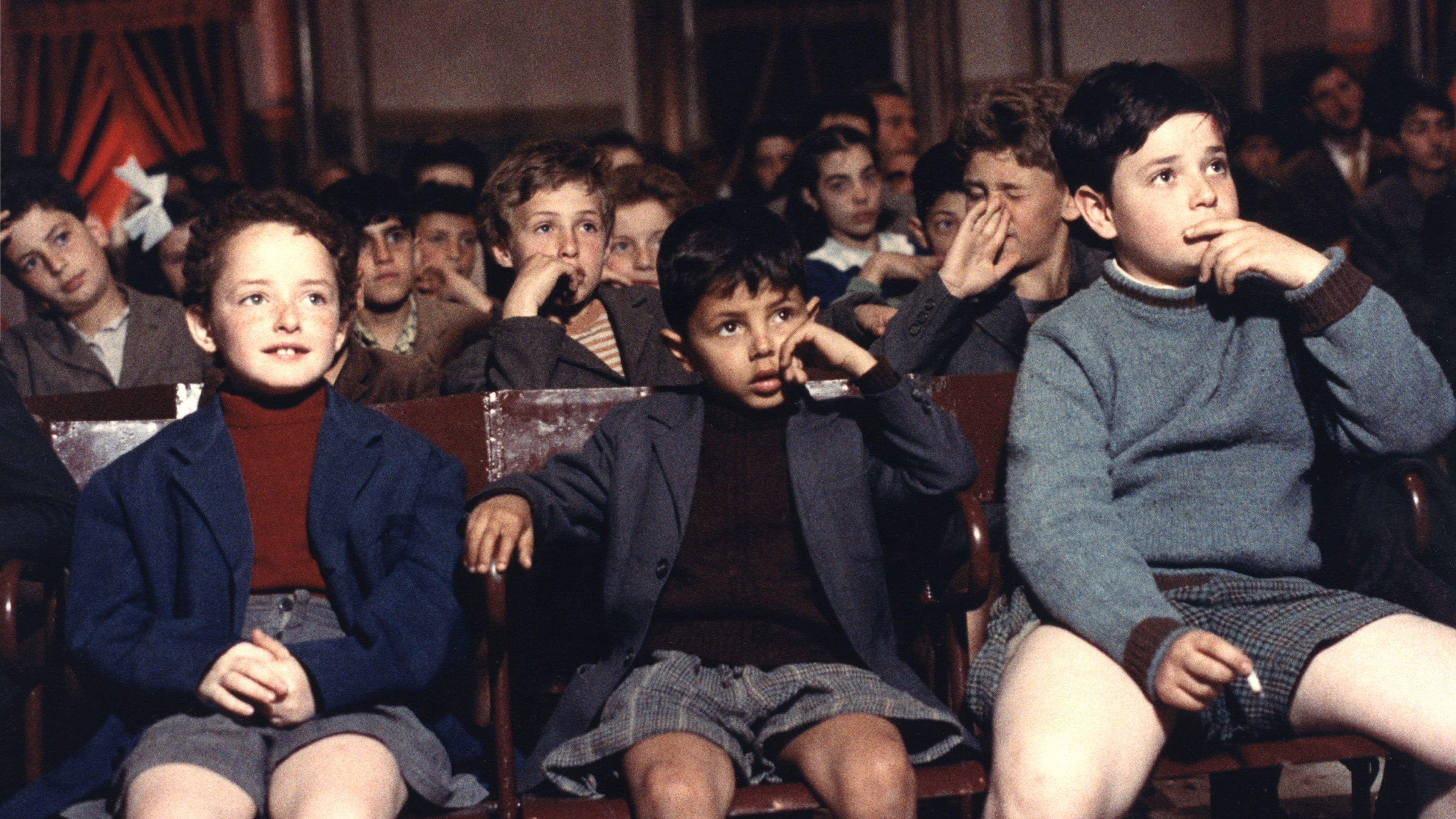
Giuseppe Tornatore’s Cinema Paradiso is a funny, moving account of a boy’s attachment to a village cinema and its projectionist. We recommend it warmly, with a caution about the music. Tornatore, who also writes the screenplay, makes the cinema central to the community, so we understand its hold on a child before the film starts asking us to miss it. The childhood friendship gives that nostalgia a reason to matter.

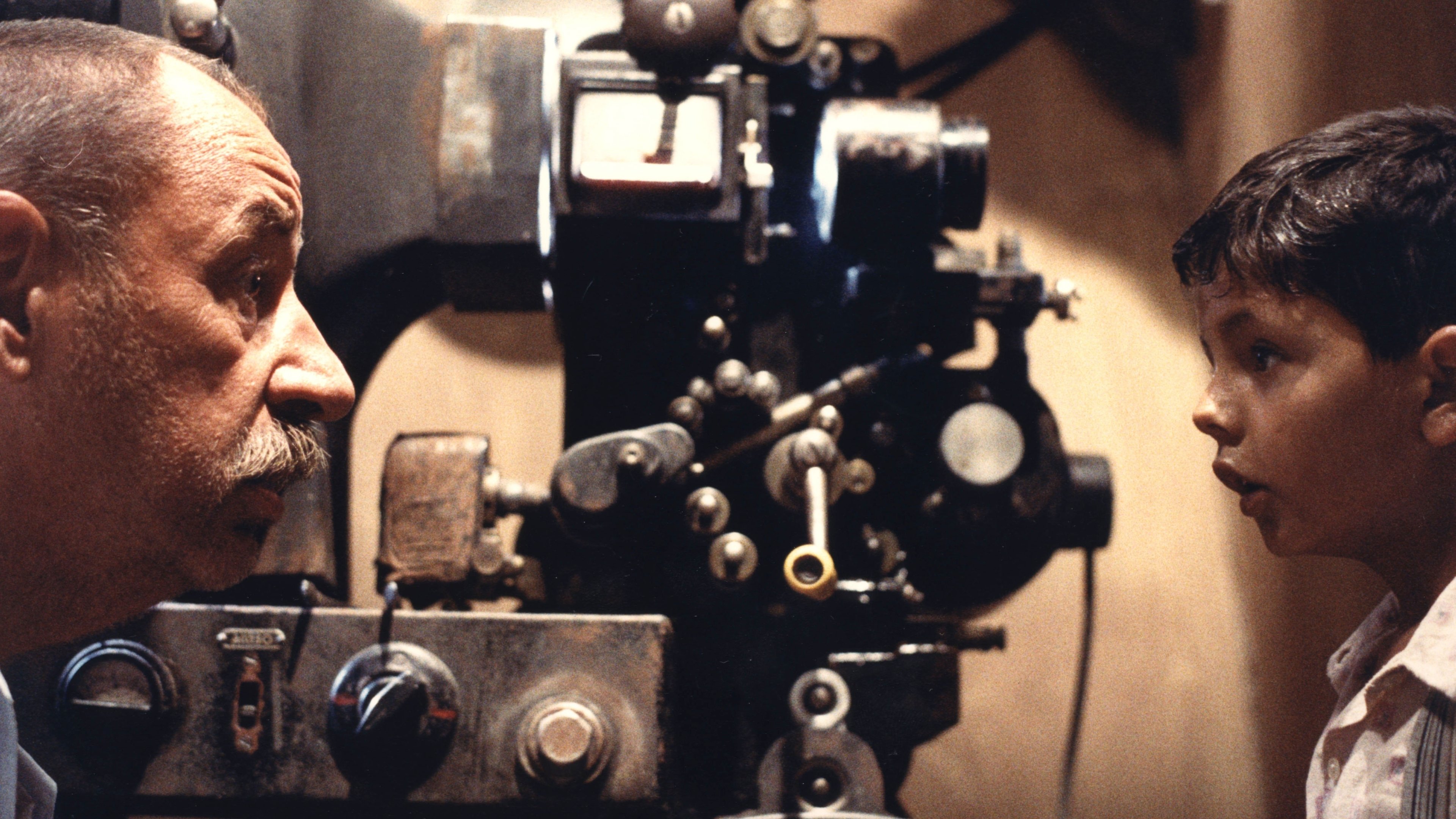
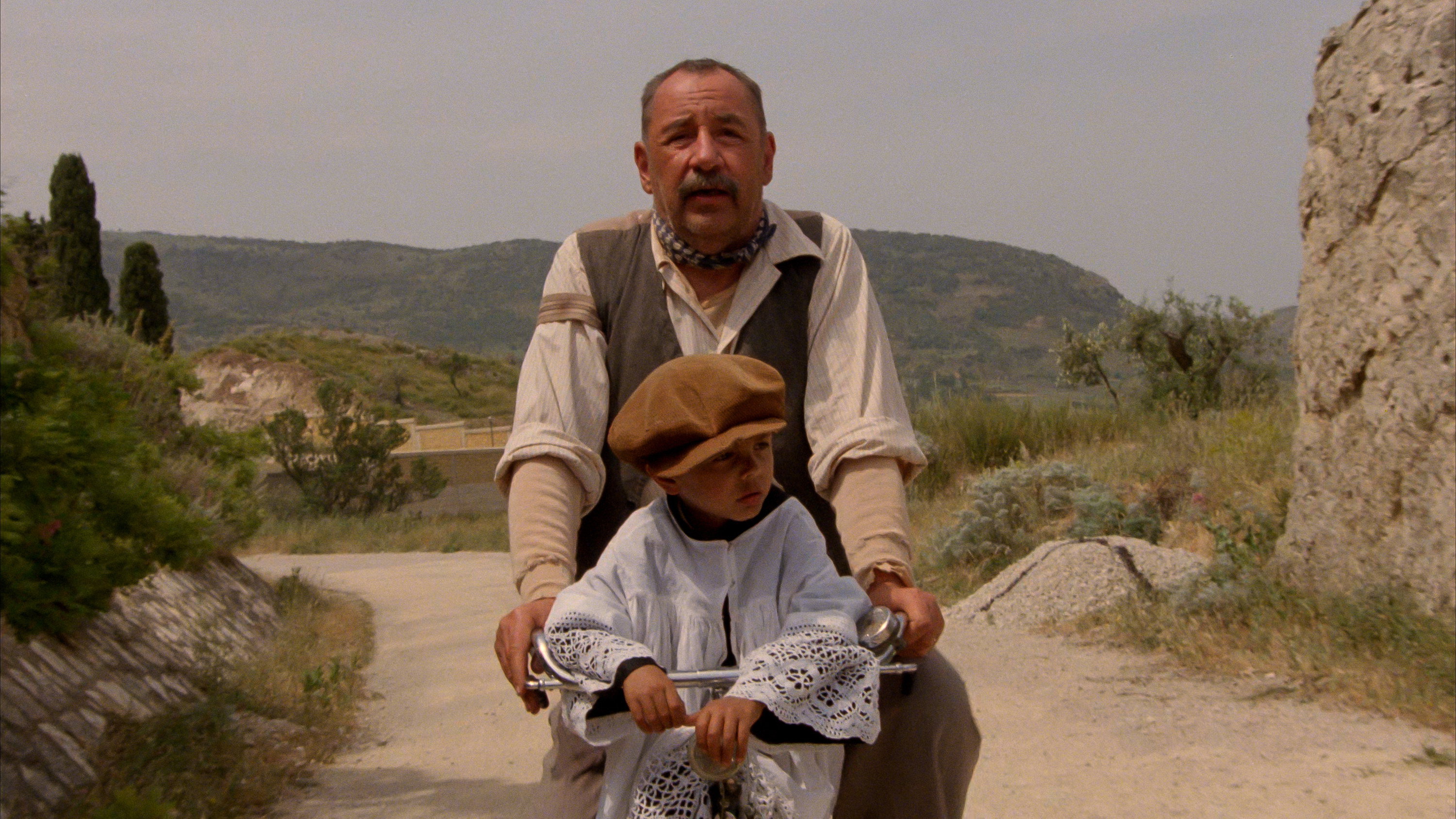
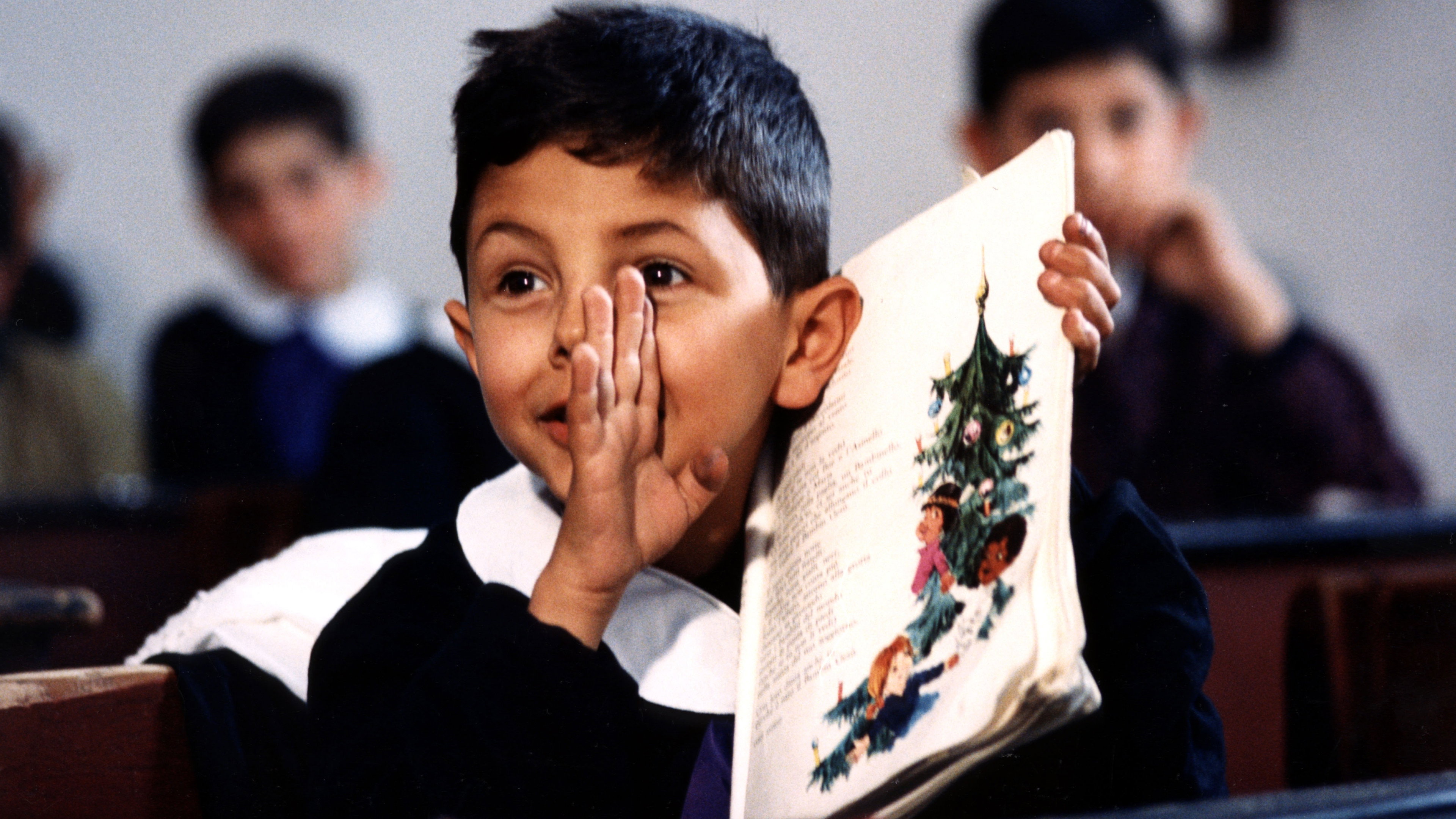
Salvatore Cascio plays the young Totò with an eagerness that makes his fascination with films feel immediate and absorbing. Philippe Noiret’s quieter Alfredo gives that excitement room, and their exchanges never seem arranged simply to make the child endearing. We were moved by the way Cascio’s delighted attention draws out Noiret’s patience. Their affection develops through those responses to one another, and the scenes are funny enough to keep it from becoming solemn.

The censoring of kisses is a small, effective joke about the gap between what people want to watch and what they are allowed to see. It also makes the village cinema feel like a place where people disagree over what should be shown. Andrea Crisanti’s production design serves that communal feeling, giving Totò and Alfredo a gathering place that matters to other people too. Blasco Giurato’s cinematography makes the Sicilian village inviting and picturesque. The prettiness suits a story told through recollection, though it can make the past look more comfortable than the performances suggest.

Marco Leonardi and Jacques Perrin take over as the teenage and adult Totò, and Mario Morra’s editing makes those changes easy to follow. The pace becomes more deliberate as the film moves away from childhood, which is reasonable but not always rewarding. Leonardi and Perrin fit the reflective mood, although we miss the unruly pleasure of Cascio’s presence. The romantic passages are touching enough without being as distinctive as the exchanges with Alfredo. At 124 minutes, the film gives those recollections plenty of time, occasionally a little more than they need.

Ennio Morricone’s romantic score is a considerable pleasure, and its open feeling belongs in a film this affectionate. The trouble comes when it keeps insisting after the actors have already persuaded us. We occasionally wanted the music to leave a scene alone, particularly when the central relationship was supplying all the feeling required. That is the risk in this kind of coming-of-age drama: childhood, romance and a remembered home already offer plenty of encouragement to tears. Tornatore could trust those things a little more.

Watch it with someone who remembers a place they were once certain they would never leave. There is no requirement that the place should have been a cinema. If you object to music that openly encourages tears, however, take that objection seriously before pressing play.

Critical consensus AI synthesised

78
Positive
9
Mixed
0
Negative
1

Most critics respond warmly to Cinema Paradiso, with praise centred on the friendship between young Toto and projectionist Alfredo and the cinema’s place in Sicilian village life. The performances, particularly the young lead’s, make the nostalgia engaging for most reviewers, while the music, cinematography and production design reinforce the affection for childhood and communal filmgoing. Several reviews also find a harder truth beneath the sweetness: the pain of returning to a home that cannot be recovered.

The main division concerns how much sentiment the film can sustain, with responses ranging from wholehearted affection to outright rejection. Even favourable reviews acknowledge its sugary tone; Variety finds the running time excessive and the score too insistent in reinforcing the emotion. The AV Club is the clear dissenter, finding the idealised village life and prolonged nostalgia deadening rather than moving, a rejection of the qualities most critics embrace.

Empire
1 January 2000 · Ian Nathan
90*

The critic praises the film's graceful, moving simplicity as one of cinema's great love songs to cinema, highlighting its tale of friendship and nostalgia in a Sicilian village. They single out the tender performances, locations, soundtrack, and exhilarating kiss-clip finale for particular praise.

Read the full review →
Total Film
17 December 1999
85*

The review positions the film among the century's best and praises its generation-spanning story of friendship between a projectionist and a boy, with the cinema as the vibrant center of small-town life. It singles out the superbly engaging onscreen interaction between the leads for praise.

Read the full review →
Los Angeles Times
27 April 1990
80*

The review portrays the film as a shining valentine to the movies, full of homages and romantic music, that captures why people love films for both breaking and lifting hearts. It highlights the nostalgic, almost unabashedly sentimental story of a youngster's obsession with movies in a small Sicilian village and its influence on his life.

Read the full review →
Time Out
9 December 2013 · ★★★★ · Guy Lodge
80

The critic praises the film’s enduring wide-eyed charm and brazen sentimentality even decades later, noting it is never exactly fashionable. They single out the ‘you can’t go home again’ message that hits hardest amid the sweetness.

Read the full review →
The New York Times
2 February 1990 · Vincent Canby
70*

The critic calls it an Italian memory film about the magic of movies, focusing on a boy's love affair with cinema and his friendship with the projectionist in a picturesque Sicilian theater. It notes the film's picturesque qualities and the censoring of kisses but implies a somewhat soggy, nostalgic tone overall.

Read the full review →
The AV Club
25 June 2002 · Nathan Rabin
40*

The critic sees the film as glossy middlebrow fluff and a shamelessly sentimental love letter to cinema and idealized Sicilian life. The extended cut adds bittersweet elements but the overall nostalgia, sentimentality, and cinephilia become deadening after a while.

Read the full review →

Cast

Stills

Awards

Academy Awards, 1990

Won
Best International Feature Film

International Submission to the Academy Awards, 1990

Nominated
International Submission to the Academy Awards

Silver nugget for the best foreign film, 1990

Won
Silver nugget for the best foreign film

Cannes Film Festival, 1989

Won
Cannes Film Festival Grand Prix

European Film Academy Special Jury Award, 1989

Won
European Film Academy Special Jury Award

European Film Award for Best Actor, 1989

Won
European Film Award for Best Actor

Young European Film of the Year, 1989

Nominated
Young European Film of the Year

If you liked this, try…

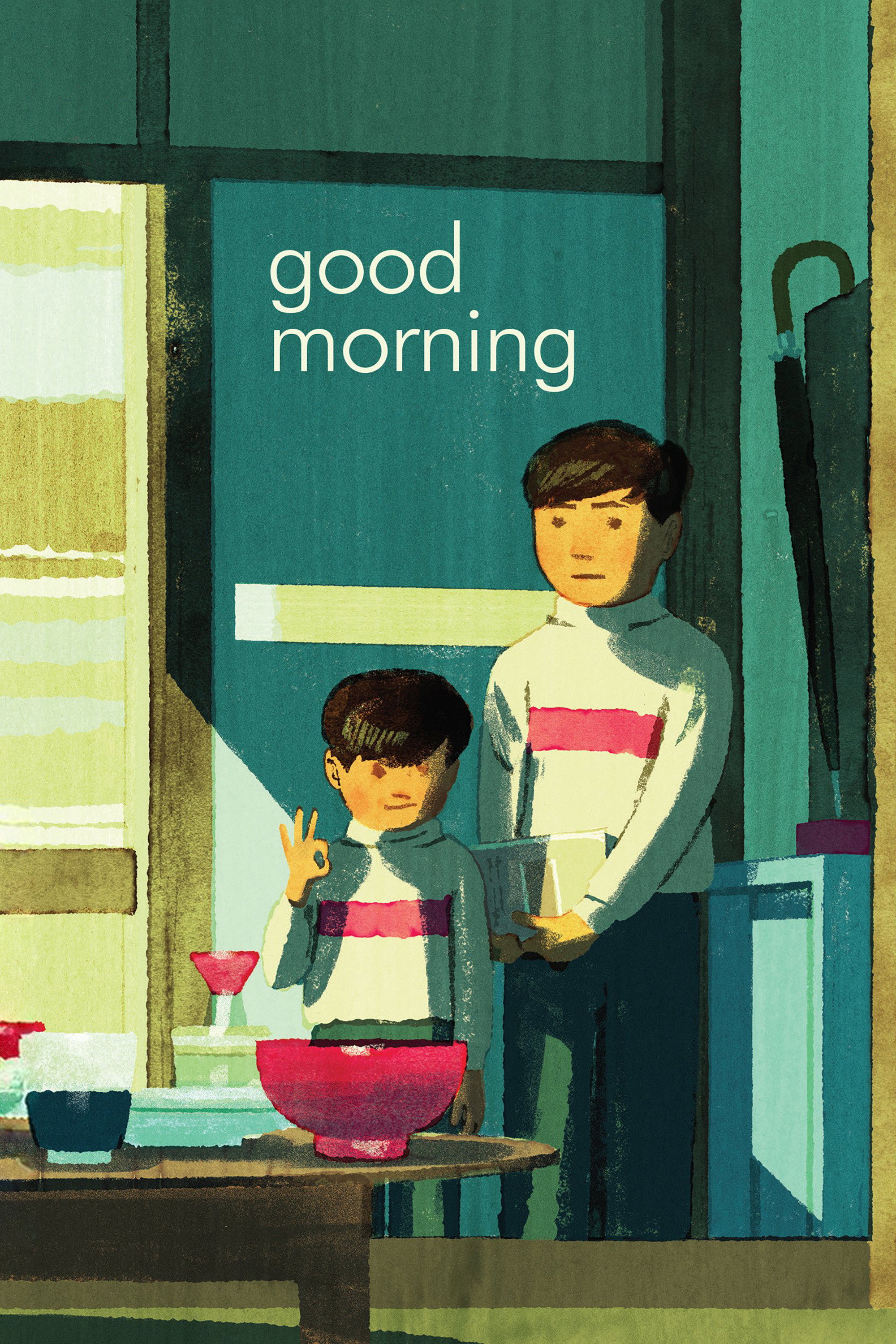
Good Morning poster

Good Morning

1959 · Children, neighbours and a television set make a gentler comedy of communal life.

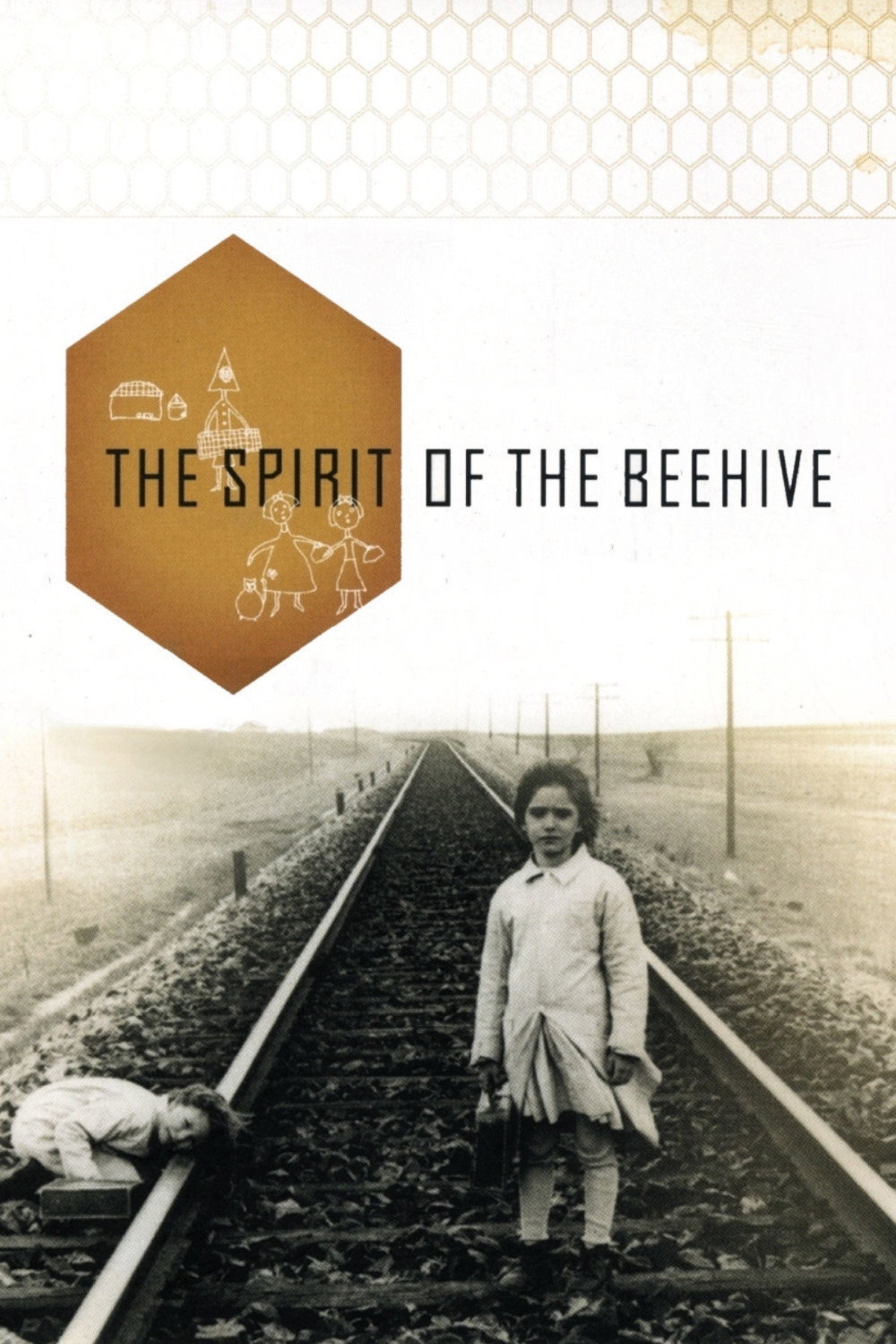
The Spirit of the Beehive poster

The Spirit of the Beehive

1973 · A child’s encounter with cinema opens into a stranger, less reassuring childhood.

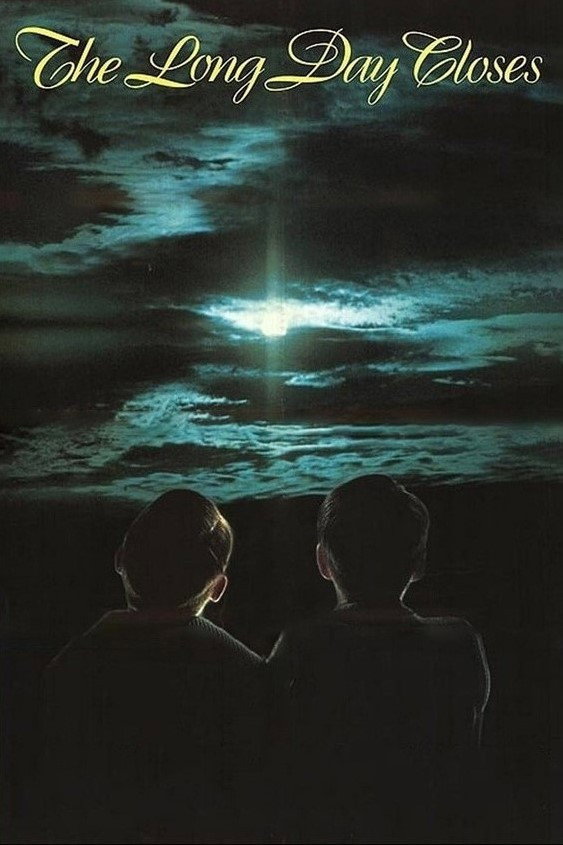
The Long Day Closes poster

The Long Day Closes

1992 · Childhood recollection and cinema-going, with songs doing much of the remembering.

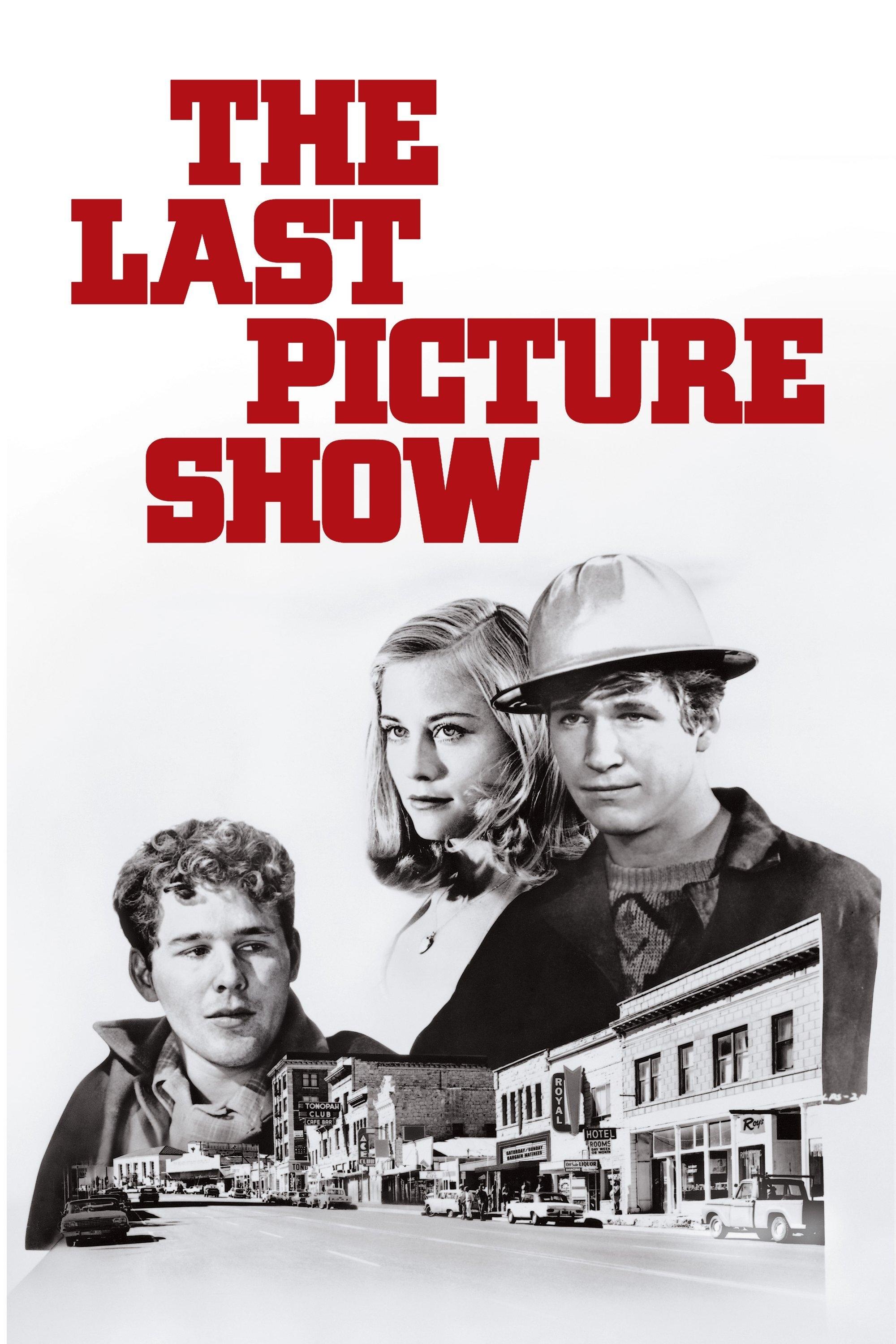
The Last Picture Show poster

The Last Picture Show

1971 · Another small-town cinema, with fewer consolations about growing up and moving on.

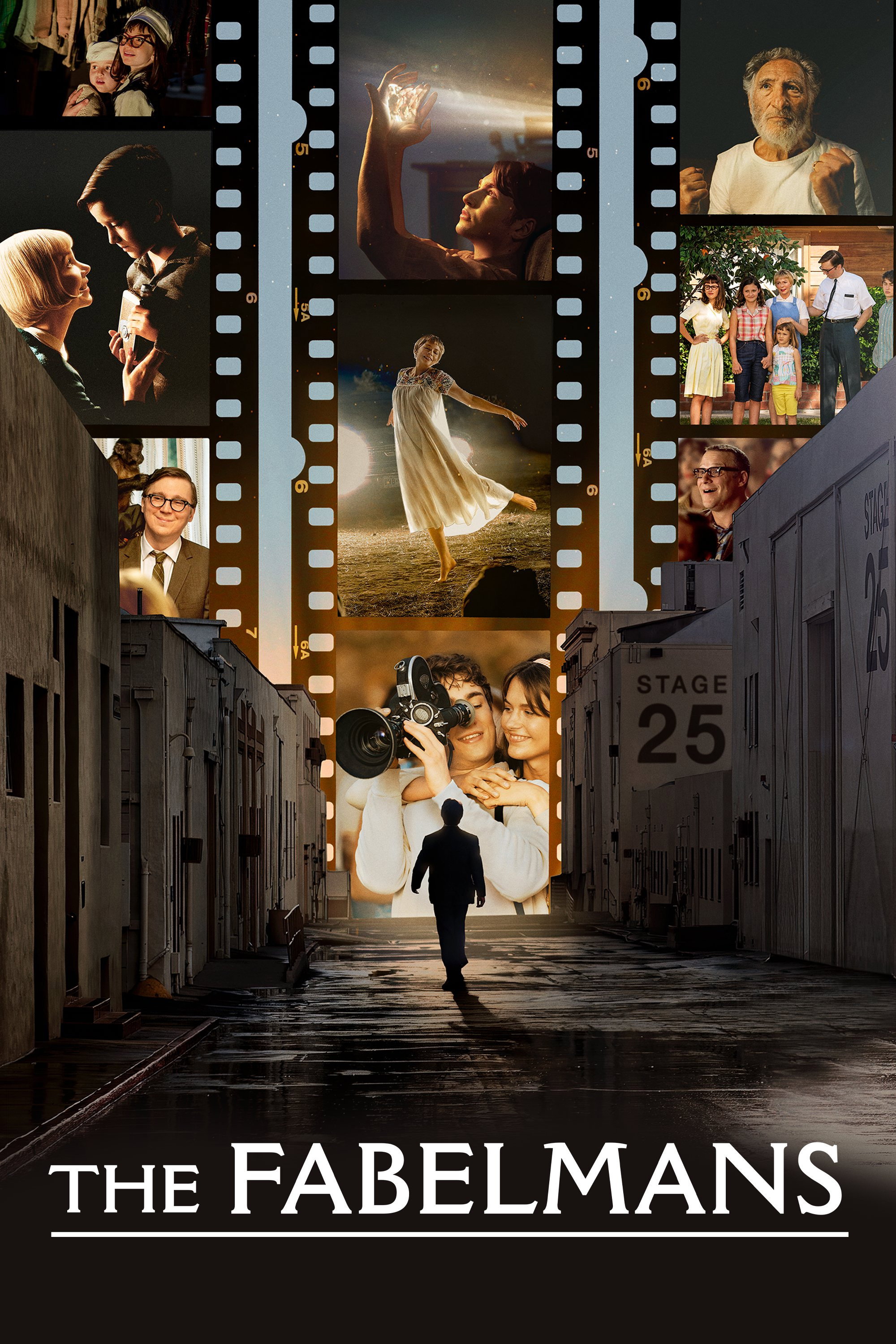
The Fabelmans poster

The Fabelmans

2022 · A young film obsessive discovers how awkwardly family life fits into the frame.