Peter Bogdanovich’s small-town drama is patient, frank about sex and unusually kind to people behaving badly. One central character is underwritten, but the performances make Anarene’s disappointments hurt. We recommend it warmly.
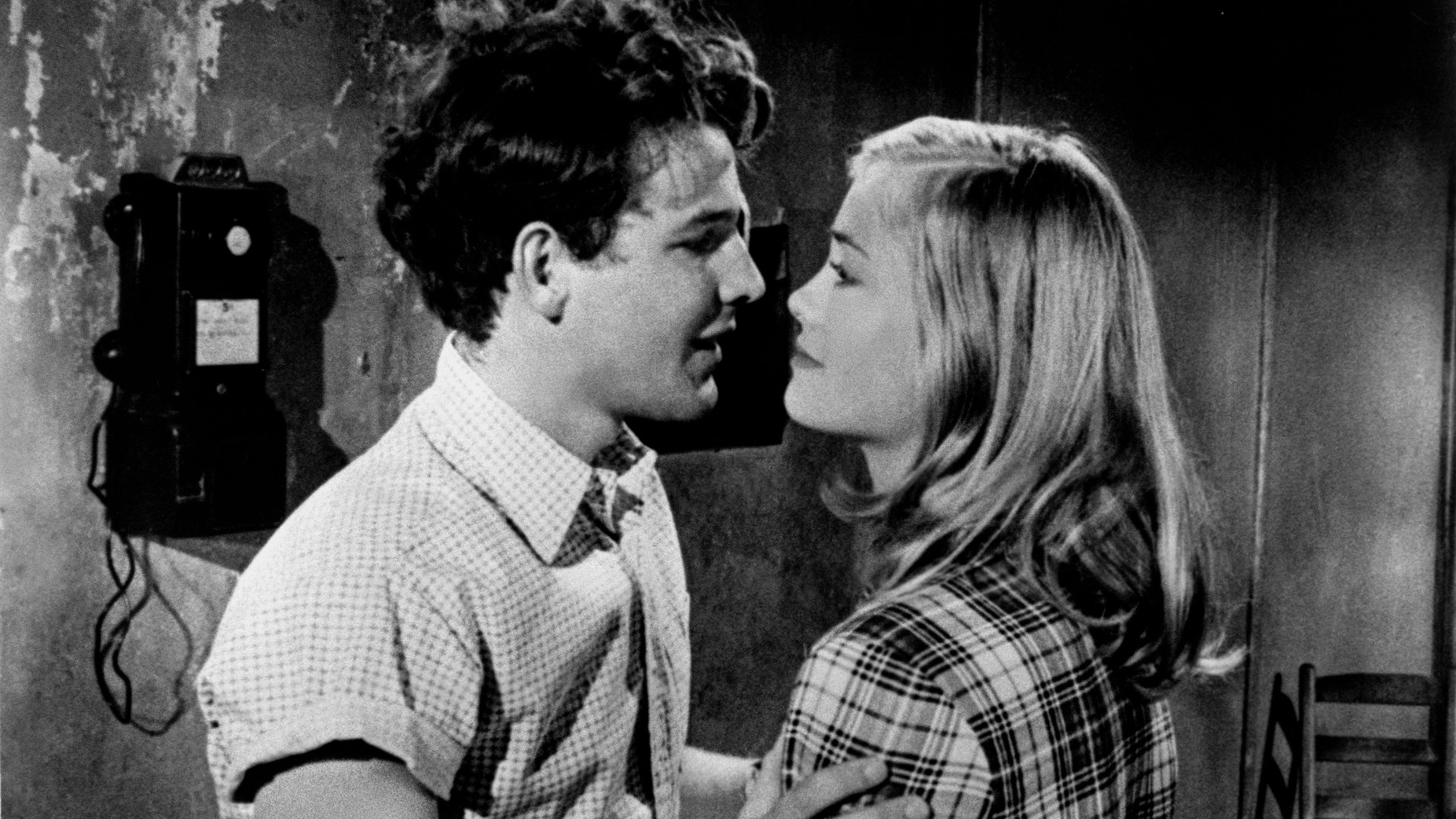
Peter Bogdanovich takes the sexual restlessness of the young people in The Last Picture Show seriously, including their capacity to hurt one another. In Anarene, Texas, in 1951, the adults offer little reassurance that growing older will make life easier. Larry McMurtry adapts his novel with Peter Bogdanovich, and their screenplay is warm, sad and perceptive about people who want affection and mishandle it. It is a fine film, though one of the young leads deserved fuller treatment.
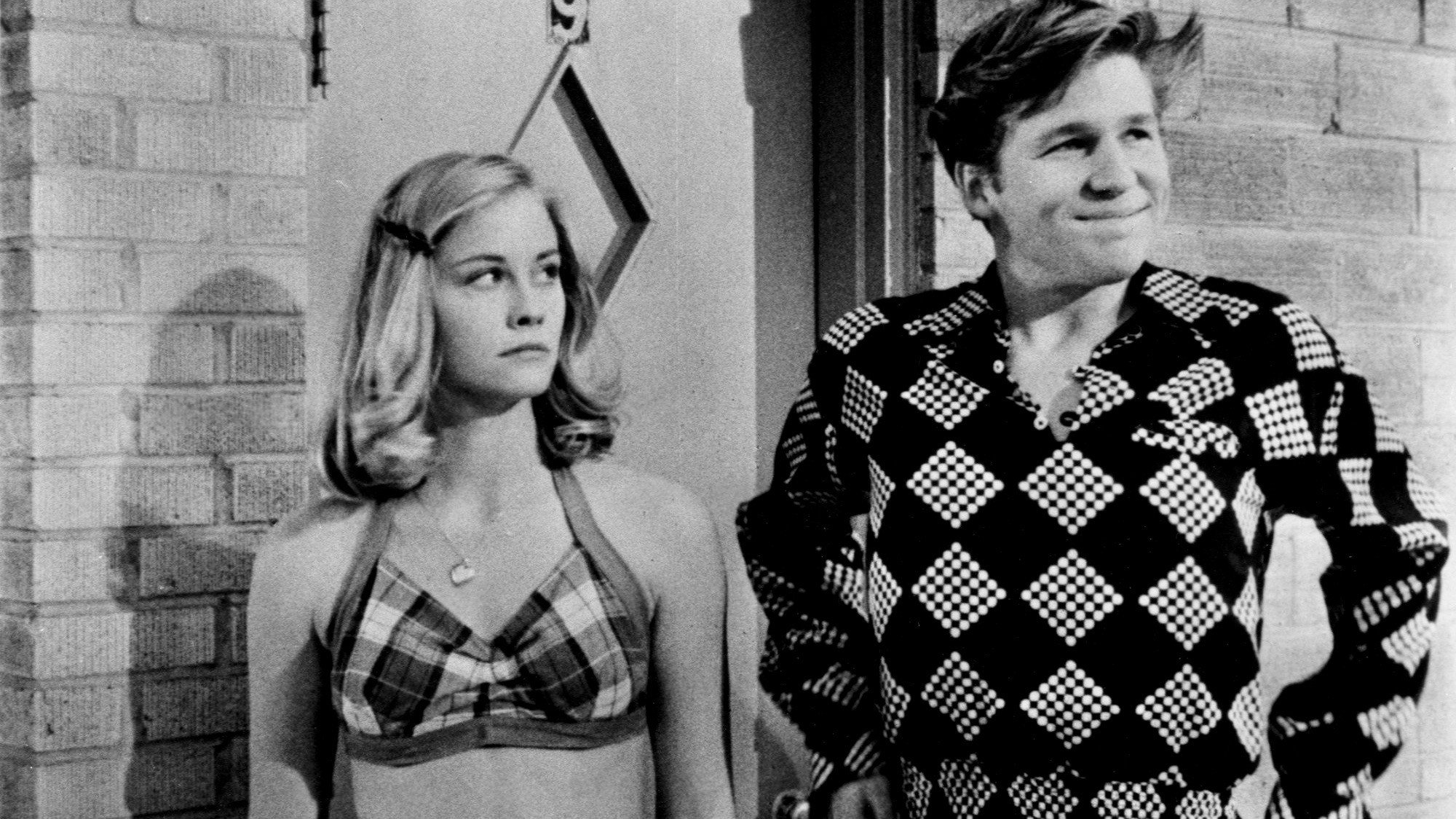
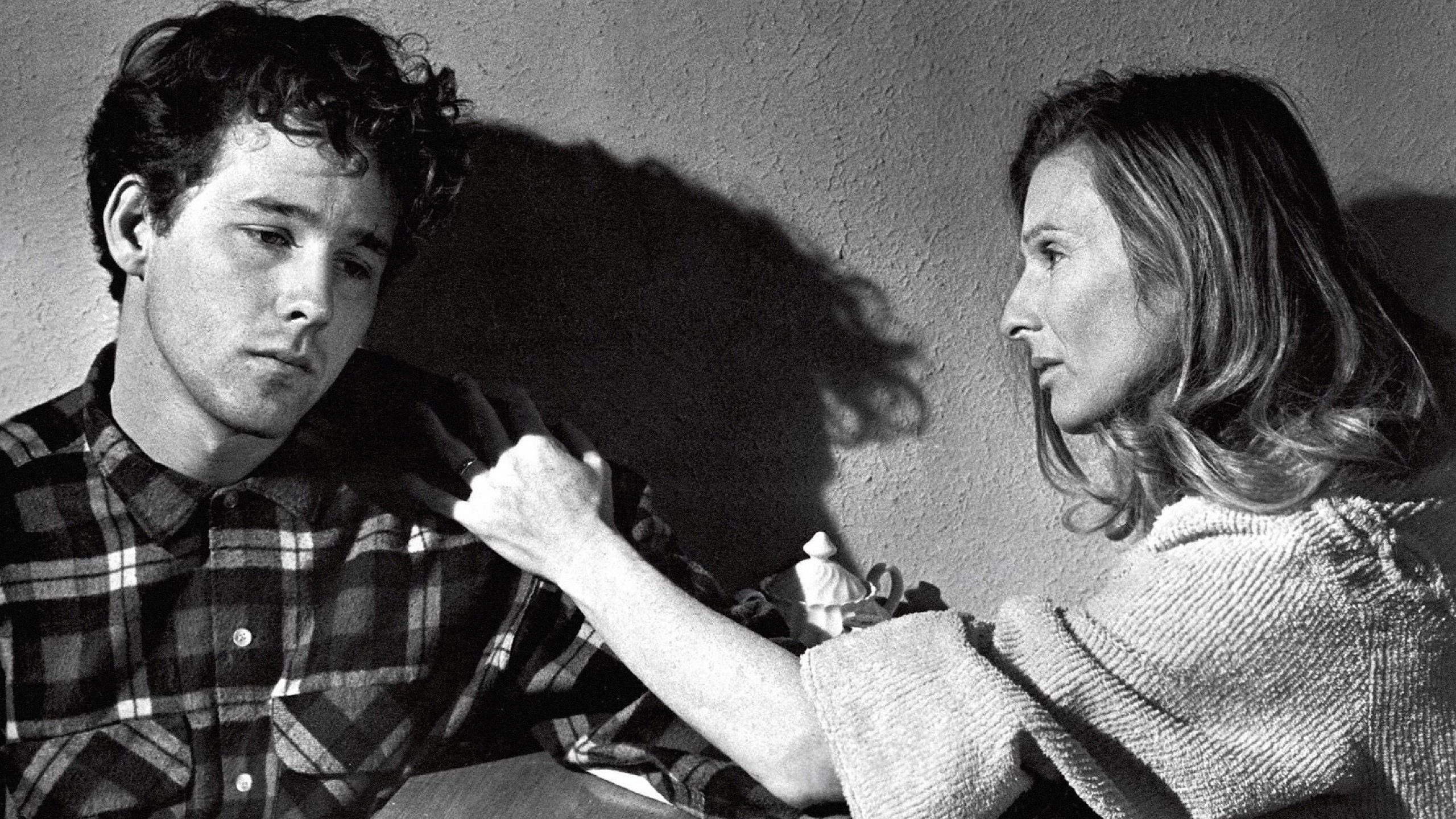
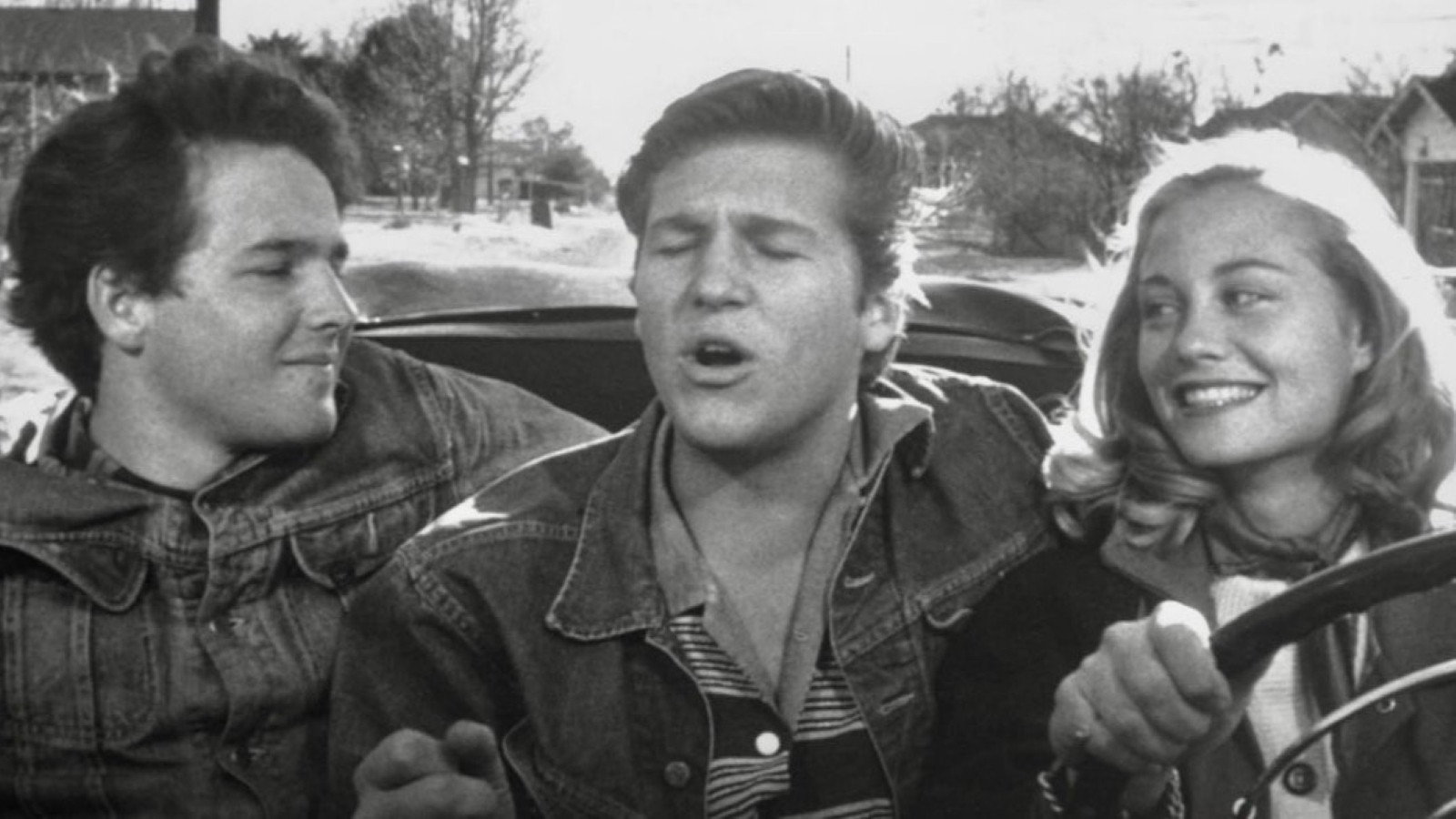
Timothy Bottoms makes Sonny Crawford’s uncertainty worth attending to, without turning him into the young man who understands everything. Jeff Bridges gives Duane Jackson more outward confidence, which helps keep the boys from merging into a general picture of restless youth. Their performances allow foolishness and vulnerability to occupy the same person. The screenplay is candid about sexual appetite, but it also understands the shame of wanting attention from someone who has other things to think about.
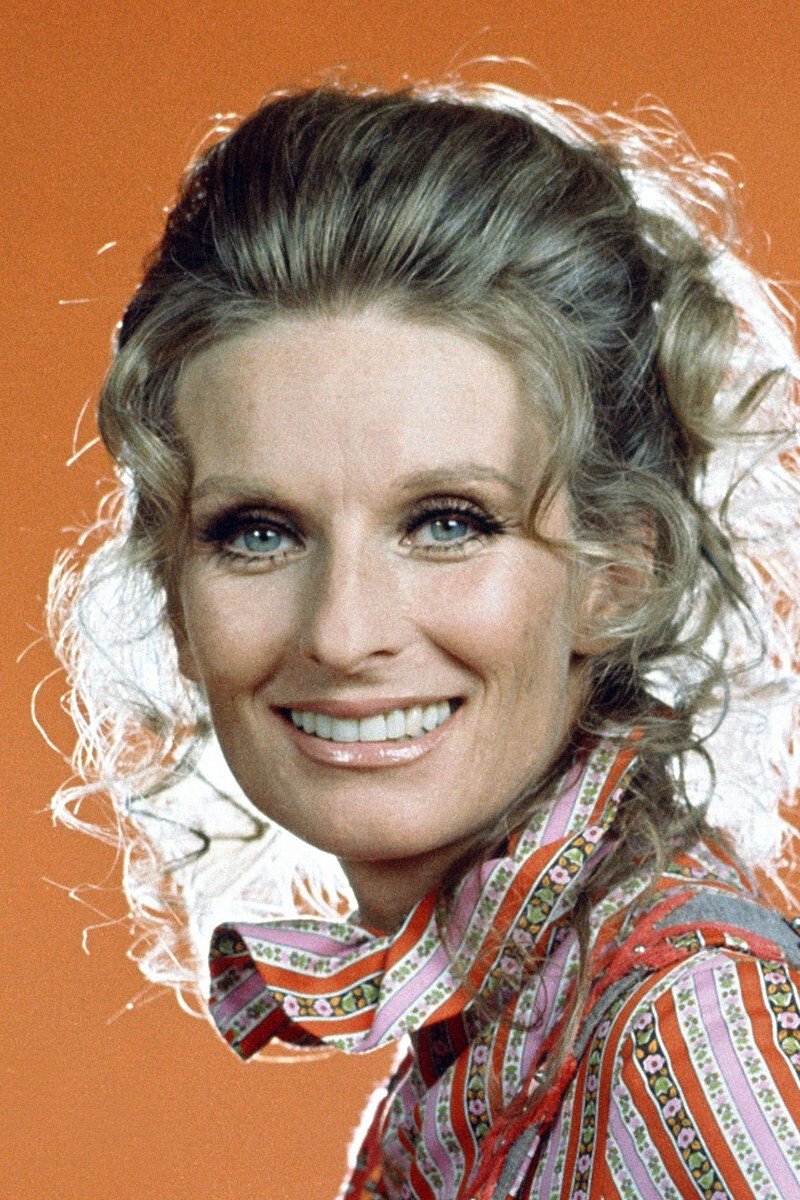
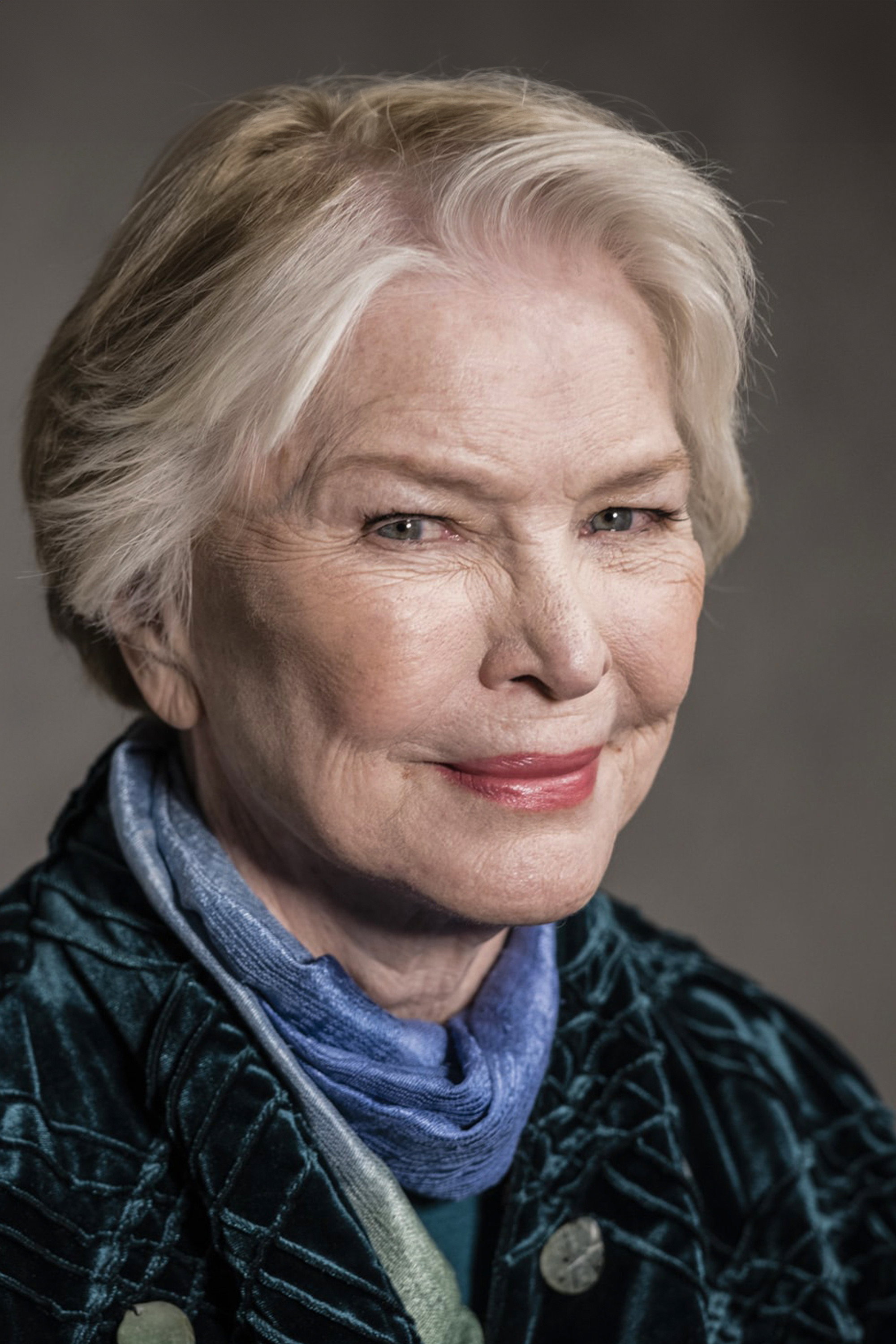
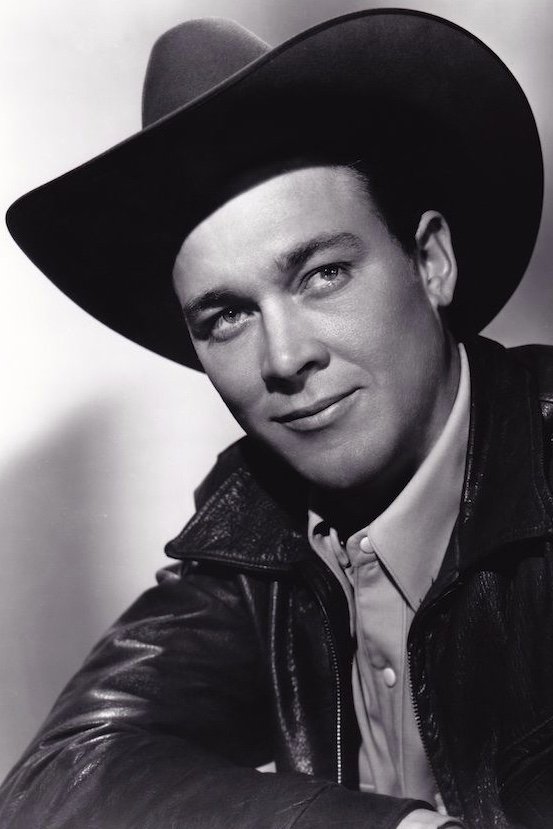
Cloris Leachman, as Ruth Popper, gives that shame an adult face, and we found her longing painful to watch. The embarrassment in her performance makes even the hope of affection seem difficult to admit. Ben Johnson’s Sam the Lion has a quieter authority, but Ben Johnson never lets apparent steadiness make him seem beyond disappointment. Ellen Burstyn’s Lois Farrow helps prevent the older generation becoming a row of warnings for the young; there is appetite here too, and an impatience that age has not cured.
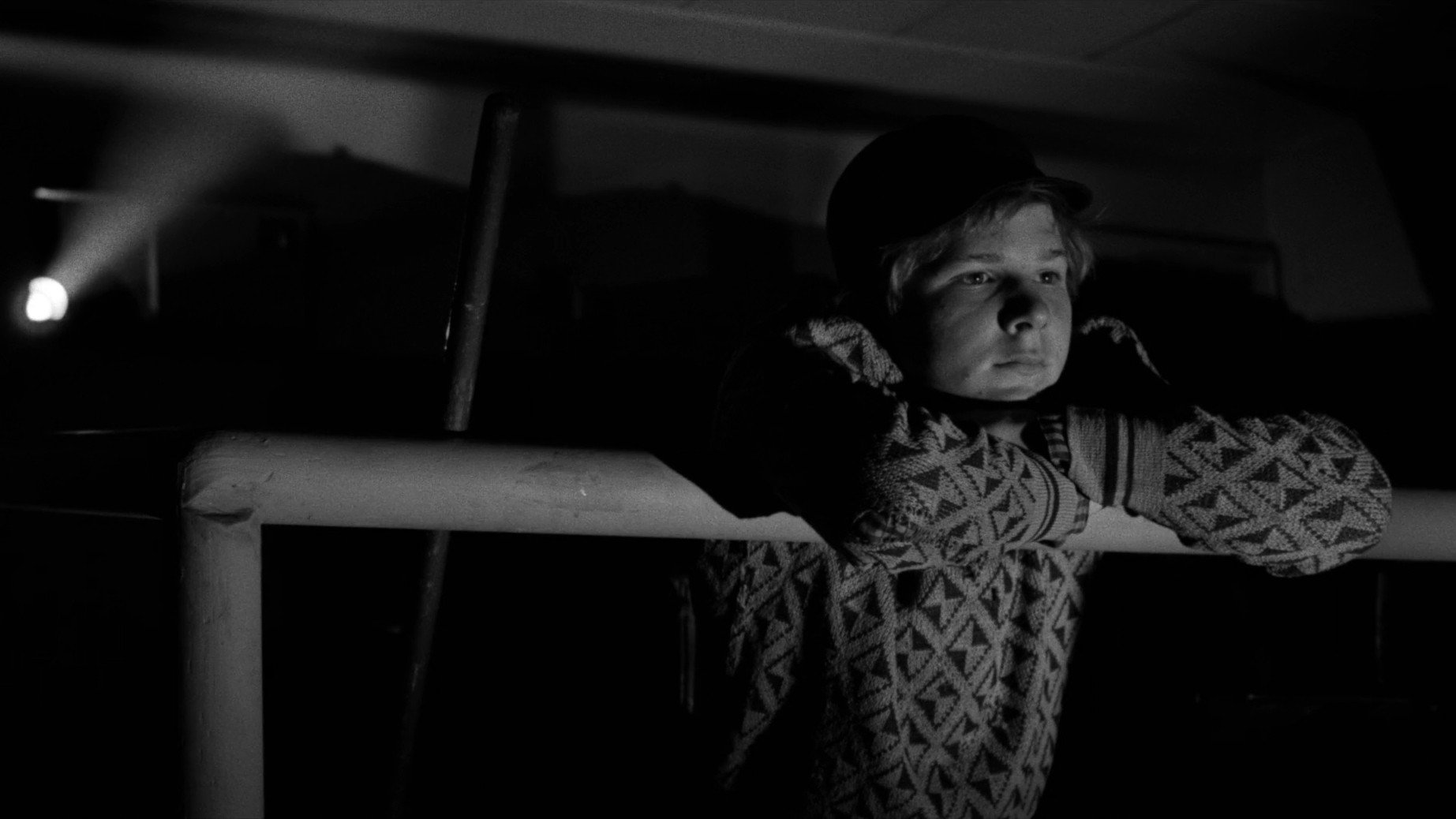
Robert Surtees’s black-and-white cinematography makes the shabby town seem thoroughly familiar to its inhabitants. There is little invitation to admire the period and forget the people living through it. Polly Platt, credited with both production design and costume design, supports that sense of ordinary use: the surroundings and clothes belong to the same unpromising daily life. The restraint works, although the pictures can occasionally look too carefully composed for people whose lives are this untidy. We notice the film’s beauty at moments when we would rather stay with a face.
The editing by Donn Cambern and Peter Bogdanovich gives the interlocking stories room to develop without pushing every exchange towards a dramatic announcement. That leisurely pace lets us consider one person’s foolish decision before the next person’s trouble demands attention. The period songs are equally well judged, supplying words for feelings these characters would struggle to put into a sentence. The music helps us understand them without asking the actors to tell us how much they hurt.
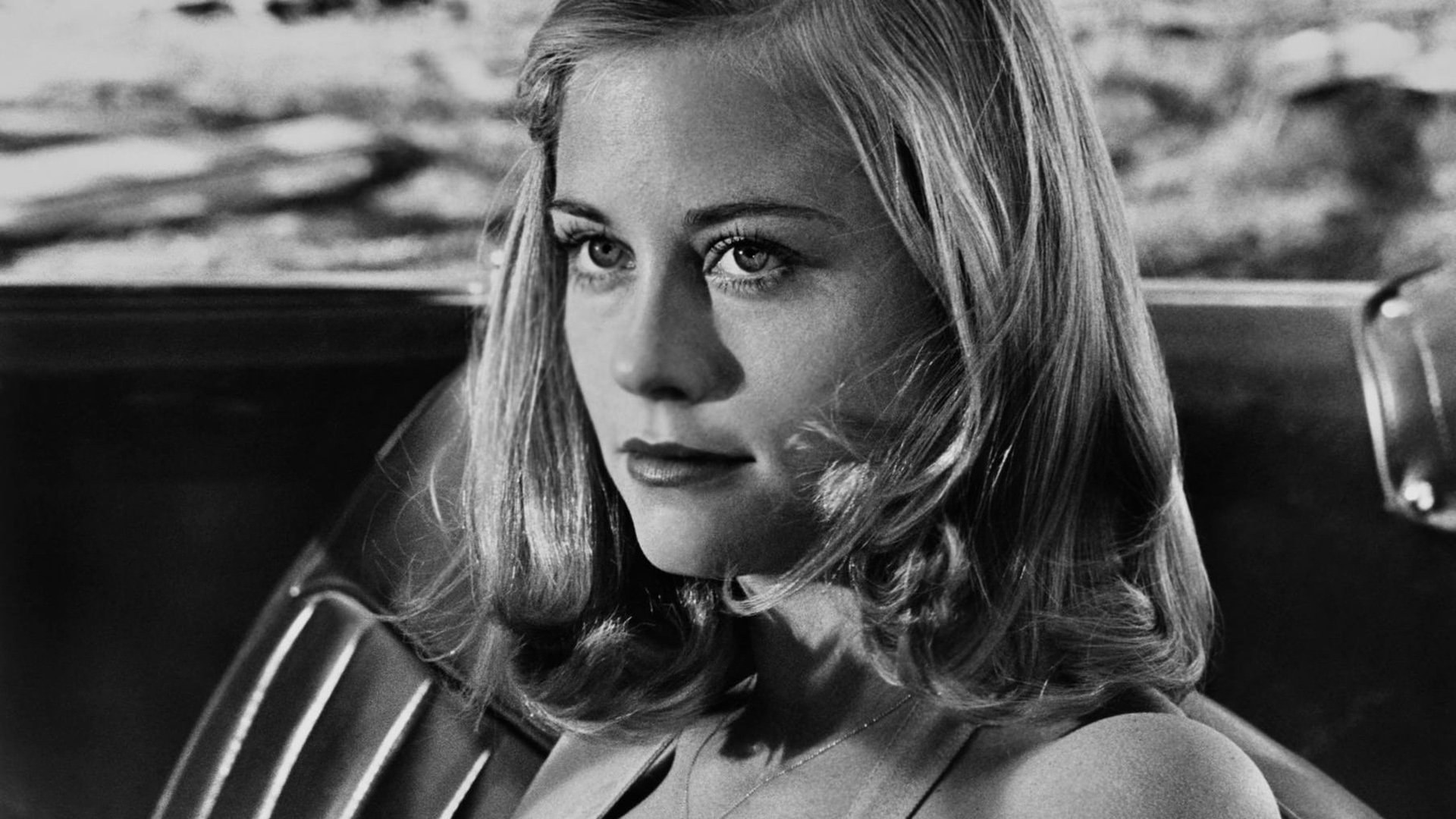
Our reservation is Jacy Farrow. Cybill Shepherd is convincing as someone whose desires do not have to be sensible to feel urgent, but the screenplay gives her less inward life than it gives Sonny or Ruth. That imbalance matters in a film so alert to the pain of being wanted for the wrong reasons. Larry McMurtry and Peter Bogdanovich are generous writers elsewhere, and Jacy needed more of the attention they give to the people troubled by her.
As a coming-of-age drama, the film is unusually willing to let adulthood look unfinished. The older characters have experience, but experience has not made them reliable guides to happiness. That is why its small-town sadness stays with us without requiring us to believe that life was better in 1951. Save it for an evening when nobody needs the people on screen to cheer up.