Critics’ reviews

The Last Picture Show (1971)

13 reviews from 13 publications. Critics’ score 83: 13 positive, 0 mixed, 0 negative.

Back to our review of The Last Picture Show

83
Positive
13
Mixed
0
Negative
0

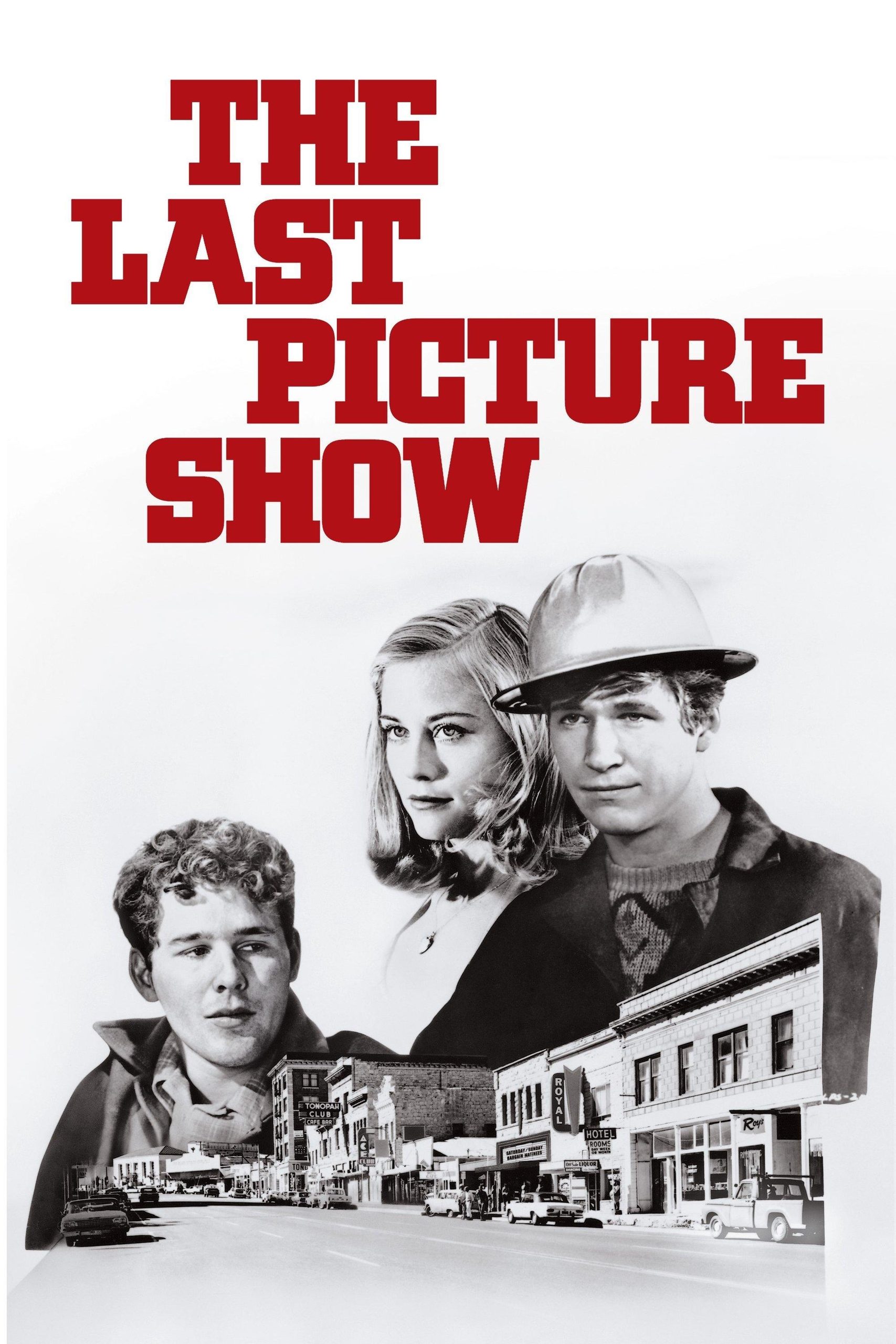
The reviews are uniformly positive about The Last Picture Show, with praise centred on its ensemble, its understanding of small-town life and its treatment of desire and disappointment. Ben Johnson and Cloris Leachman draw particular admiration, while most critics value the black-and-white photography for making the Texas setting feel lived in rather than merely recreated. Several also praise Bogdanovich’s combination of classical Hollywood style and sexual frankness, finding warmth and wit amid the melancholy.

The differences concern the degree of enthusiasm rather than any fundamental rejection of the film. Variety admires the performances but finds the black-and-white cinematography only partly successful, departing from one of the clearest points of agreement elsewhere. Empire finds the accumulation of tragedy slightly excessive, though this does little to diminish its appreciation. The spread runs from measured approval to wholehearted admiration, with the reservations remaining specific and limited.

RogerEbert.com
1 January 1971 · ★★★★/4 · Roger Ebert
100

The film captures the closing of a small-town movie theater as a motif for the fading American movie-going habit and community in early 1950s Texas. Bogdanovich succeeds in evoking not just the period decor but the visual style of a 1951 film itself.

Read the full review →
Time Out
12 April 2011 · ★★★★★ · Tom Huddleston
100

The critic calls the film a masterpiece for its emotional intensity, insight into how people become who they are, and memorable characters, singling out Ben Johnson's performance as the most iconic.

Read the full review →
Slant Magazine
15 November 2023 · Budd Wilkins
90*

The critic praises Bogdanovich’s affecting look at small-town Americana as a Janus-headed product of the New Hollywood that pours sexual frankness into classic Hollywood visual grammar. The film’s tragicomic melancholy, period song score, and performances, especially in scenes of desire and loss, are singled out for praise.

Read the full review →
The Guardian
14 April 2011 · Peter Bradshaw
90*

Peter Bogdanovich's 1971 film is a masterpiece and unmissable re-release in its director's cut. It is praised for its eroticism and sexual tension in a small Texas town, with the nude swimming-party scene singled out as inspired.

Read the full review →
Sight and Sound
· Tom Milne
80*

The critic praises the film's visual reflection of its themes of lost illusions and the way its circular structure suggests history repeating itself, while noting that Bogdanovich handles actors skillfully despite questionable self-advocacy for the work.

Read the full review →
The AV Club
11 January 2011 · Keith Phipps
80*

The piece highlights how the film conveys dramatic life changes in a short time through Duane’s arc and the ensemble, noting its striking black-and-white photography and enduring power as a collection of early star turns. Bogdanovich’s adaptation is called still-striking for its depiction of loss and decline in a dying town.

Read the full review →
Empire
1 January 2000 · Kim Newman
70*

The critic praises Bogdanovich's recreation of time and place in this black-and-white drama of small-town Texas life, mixing wit and poignancy in a John Ford-style Western about a fading era. A single excess tragedy in the final act is noted but does not detract from the film's charm and timeless quality.

Read the full review →
The New York Times
4 October 1971 · Vincent Canby
70*

Bogdanovich's fine second film adapts Larry McMurtry's novel into a leisurely, horizontal portrait of life in a shabby Texas town, with interlocking stories of love and loss that illuminate a segment of American experience. It is beautifully photographed in black-and-white and features strong ensemble performances.

Read the full review →
Variety
31 December 1970
70*

The adaptation of Larry McMurtry's novel tells how it is to be human under certain circumstances in a small Texas town. Strong performances by Ben Johnson and Cloris Leachman stand out, though the black-and-white cinematography does not fully succeed.

Read the full review →
Collider
8 October 2021 · Mike Shutt
90*

The critic praises the film as the most honest depiction of high school experiences, particularly its nuanced exploration of teenage sexuality and small-town dynamics. They single out its black-and-white photography and timeless themes for making the 1950s setting feel relevant today.

Read the full review →
Eye for Film
25 April 2011 · Robert Munro
90*

The film is an unfaltering masterpiece that blends classic Hollywood style with New Hollywood angst in its portrayal of small-town Texas youth facing unfulfilling lives. The critic singles out the striking black-and-white cinematography, powerful performances, and the film's inherent humanism for particular praise.

Read the full review →
The Ringer
7 January 2022
80*

The piece highlights the film's sophisticated bittersweet take on small-town life and generational shifts compared to more nostalgic contemporaries. They single out the exceptional cast, including Oscar winners Ben Johnson and Cloris Leachman, and its moving final gesture.

Read the full review →
Paste
22 October 2021 · Aurora Amidon
70*

The critic examines the film's portrayal of fading traditional masculinity through characters like Sam the Lion and the young protagonists. They single out the black-and-white cinematography and the small-town Texas setting for evoking a sense of obsolescence and melancholy.

Read the full review →

Ordered by the weight we give each publication, then by score. Scores are normalised to 100; * means inferred from an unrated review. Summaries are ours, not quotations; follow the links for the reviews themselves. How we rate