Film review

Distant Voices, Still Lives

1988 · Directed by Terence Davies · 1h 24m · MPA PG-13

In a sentenceThe singing is lovely; we would still hesitate before accepting an invitation to this house

DramaMusic

In working-class Liverpool during the 1940s and 1950s, a family lives with a father’s violence and gathers for weddings and evenings in the pub. Freda Dowie plays Mother, Pete Postlethwaite plays Father, and Angela Walsh, Lorraine Ashbourne and Dean Williams play their children, Eileen, Maisie and Tony. Writer-director Terence Davies draws on his own upbringing, moving between childhood and adult life through fragments of memory. The women sing familiar songs together, giving voice to feelings they struggle to express in conversation. The story unfolds in two parts, with memories interrupting the sequence of family occasions.

Plays from YouTube when you press play; nothing loads from them until then.

Fi1m review

Terence Davies’s Liverpool family drama is frightening and deeply moving, with singing that earns every minute we spend listening. Some characters remain frustratingly remote, but this is a film we would urge a stranger to see.

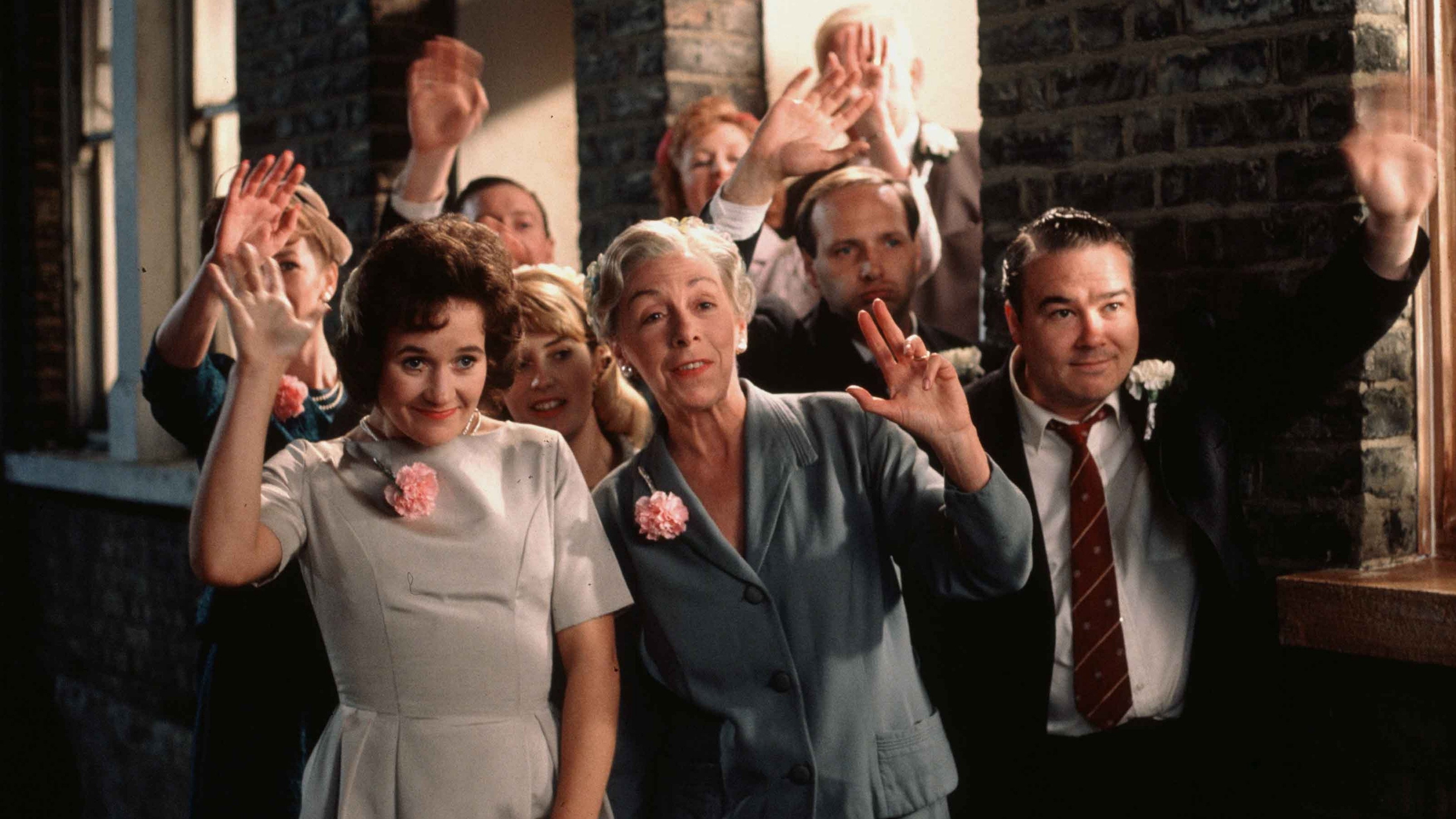
Distant Voices, Still Lives asks us to follow a family through remembered occasions, with little help from a conventional plot. We think it is worth every bit of attention it asks for. Terence Davies writes and directs this account of working-class Liverpool life, drawing on his own childhood. Weddings and pub gatherings bring people together; memories of a violent father interrupt any comfortable enjoyment. The songs are frequent, and Davies gives us time to listen.

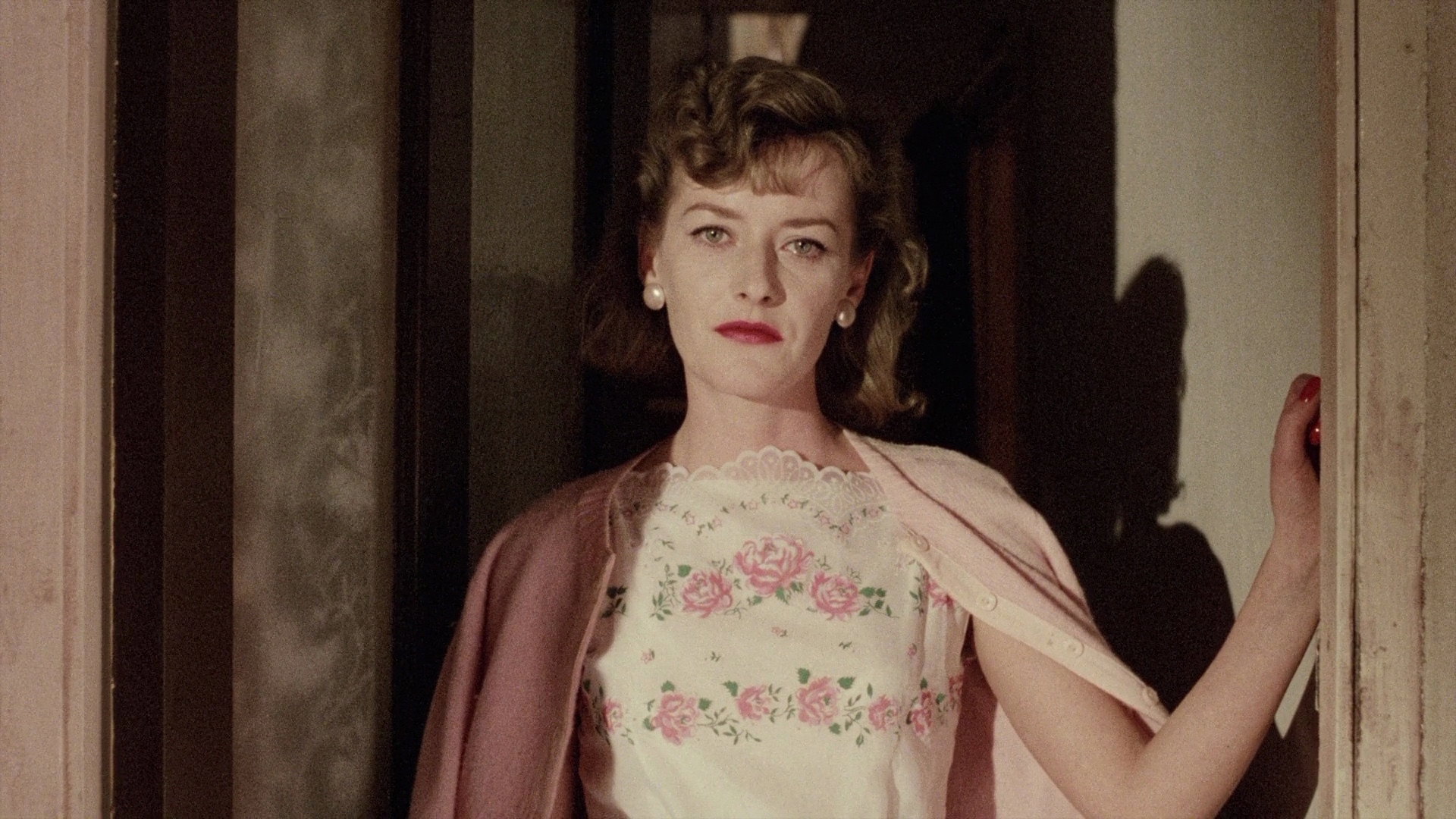
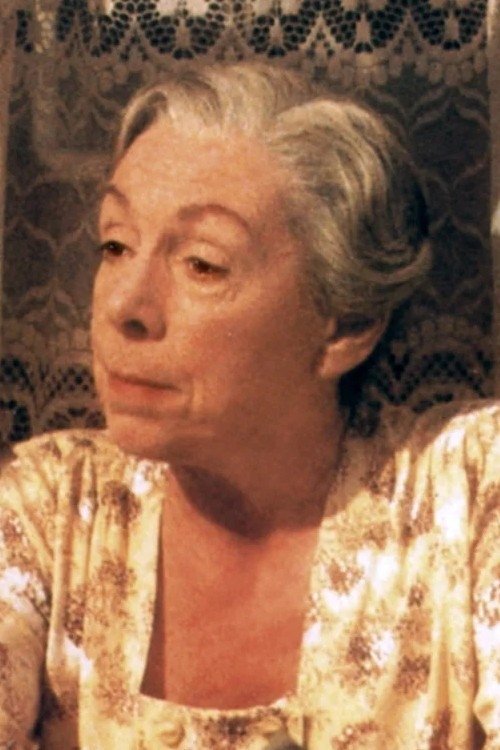
Pete Postlethwaite’s Father supplies the fear that makes such gatherings difficult to enjoy without reservation. His violence affects how we look at everyone around him, including those who are no longer children. Freda Dowie’s Mother has the harder task of making endurance interesting without turning it into a display of goodness. She succeeds because her restraint leaves room for weariness as well as affection. The family remains worth caring about even when being part of it looks intolerable.

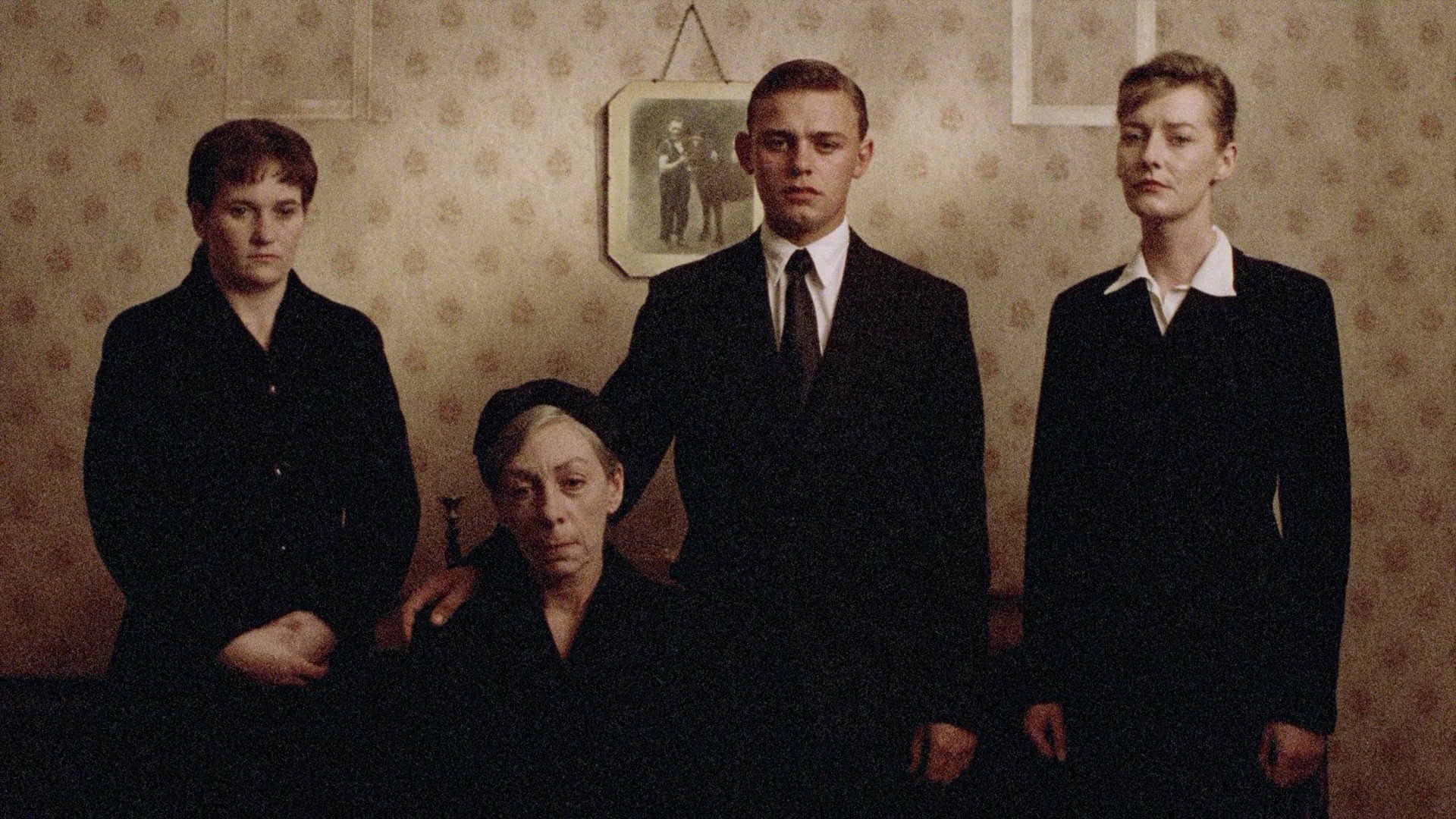
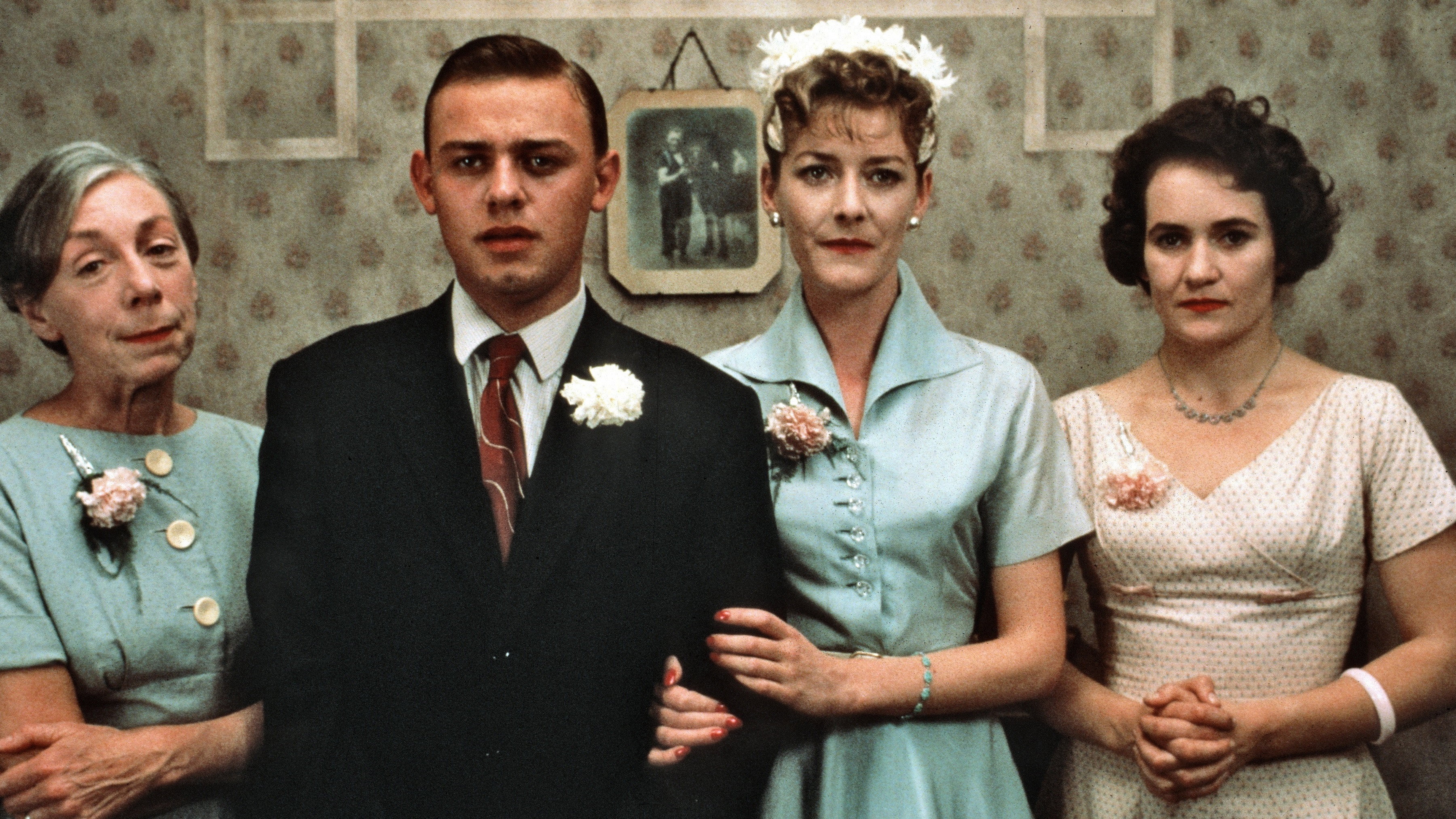
William Diver and Patrick Duval photograph the family in subdued colour and compositions that often hold people still. The arrangements suggest family photographs, with everyone present but little explained about the relationships. We have time to study the faces and wonder who is comfortable standing beside whom. That suits a film concerned with what an adult can recover of childhood. It can also make the people seem difficult to approach.

Diver also edits, and the jumps between occasions keep us alert to what a gathering can bring back. We do not always get the connections immediately. A scene may register first as people sharing a song, then acquire weight through its place among the other recollections. That asks more work of us than a sequence of explanatory conversations would. Davies divides the film into two parts, each built around family occasions.

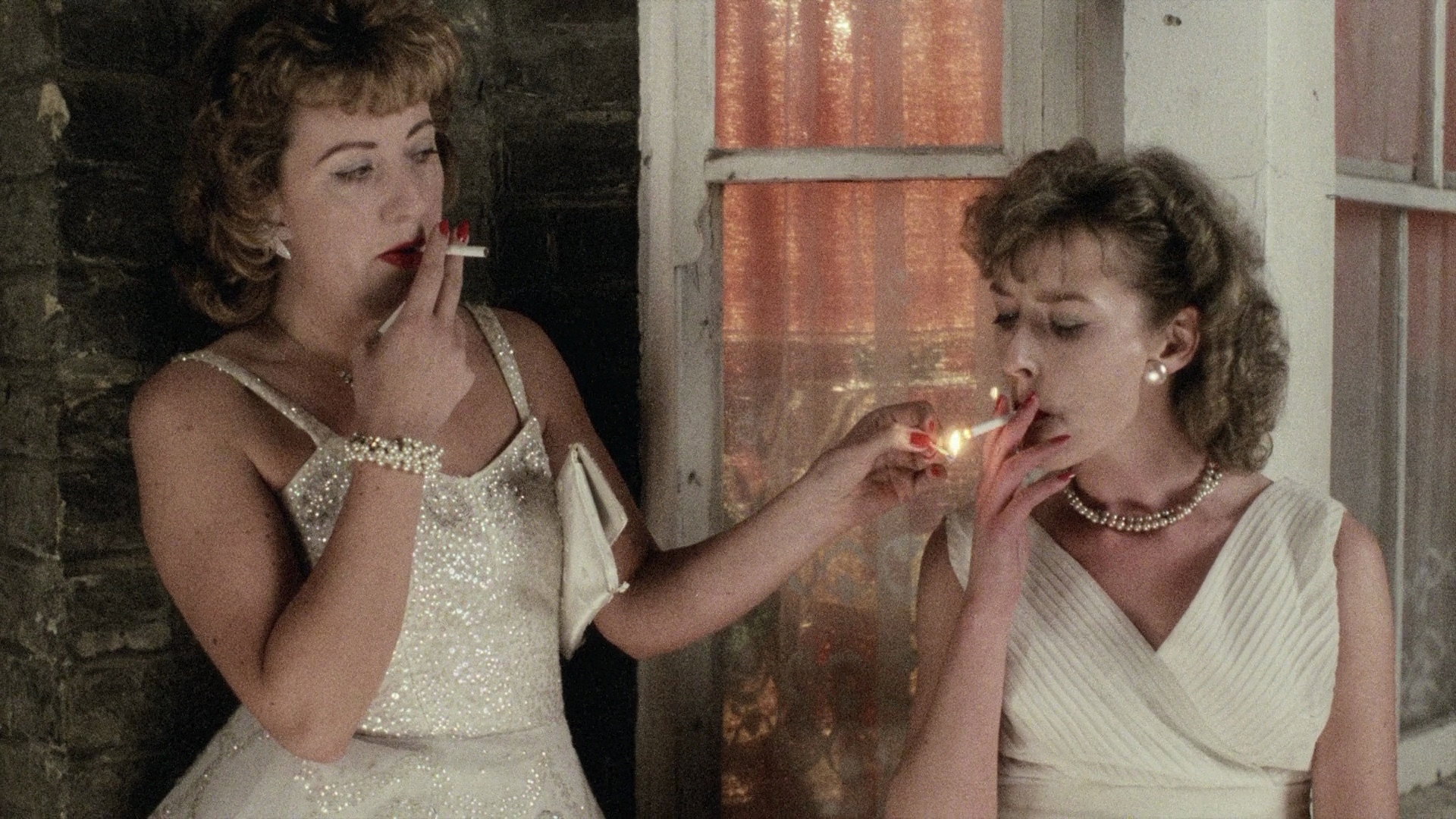
The women’s singing moved us more than we expected. In the shared songs, we could hear people allowing themselves feelings that life with Father has made hard to admit. Davies lets the popular music carry affection, disappointment and jokes. It matters that these are familiar songs performed by the people themselves, and that listening takes up so much of our time with them. At the pub, singing gives the women a chance to be heard by one another.

The cost of this approach is that some of the children remain harder to know than the adults. Angela Walsh’s Eileen, Lorraine Ashbourne’s Maisie and Dean Williams’s Tony can seem confined by the carefully arranged groups. There are moments when we want an ordinary exchange to continue, so that one of them can surprise us. Davies is so precise about what he remembers that he sometimes leaves too little room for that. His pauses will test anyone already struggling with the chronology.

At 84 minutes, this is short for a family chronicle, though it never seems in a hurry. Davies gives the singing space that another drama might use for explanations. The performances justify his patience, especially when the women sing together and momentarily make the family bearable. Watch it in one sitting, with the telephone out of reach.
Critical consensus AI synthesised

82
Positive
8
Mixed
0
Negative
1

Most critics respond warmly to Terence Davies’ fractured portrait of working-class Liverpool family life, praising its emotional force and its refusal to soften domestic cruelty with nostalgia. Praise clusters around the period songs, which give otherwise restrained characters a way to express grief, affection and solidarity. The reviews also admire the careful framing and shifts through memory, while Pete Postlethwaite’s frightening father and Freda Dowie’s stoic mother receive particular recognition for their performances.

The disagreement centres on whether those fragments and songs communicate enough beyond private recollection. The New York Times supplies the sharp dissent, finding the film underdeveloped and deliberately undramatic, with singing used to fill gaps in the narrative. That leaves a broad spread in enthusiasm but little middle ground: most critics find emotional depth in the same restraint and broken chronology that the dissenting review regards as barriers.

The Times
31 August 2018 · ★★★★★ · Ed Potton
100

The critic describes a mesmerising, impressionistic portrait of a working-class Liverpool family, hailing it as a masterpiece of elliptical vignettes. Pete Postlethwaite’s terrifying patriarch and the cast’s renditions of songs are highlighted as standout elements.

Read the full review →
Evening Standard
10 April 2012
90*

The critic calls this quite possibly Davies' masterpiece, a bittersweet autobiographical tracing of his working-class upbringing in postwar Liverpool told in flashback and studded with period songs. It is highly emotional but seldom sentimental, with its subtle stylisation a triumph of real cinematic artifice.

Read the full review →
Los Angeles Times
28 July 1989 · Sheila Benson
90*

Davies’ mesmerizing memory film becomes its own kind of poetry: taut, referential, inward, brilliant, with painterly framing and scenes of shocking beauty. It conveys family as shelter amid emotional brutalization and uses period songs as counterpoint, comment, release, and ribald joke.

Read the full review →
Slant Magazine
· Fernando F. Croce
90*

The critic praises how Davies uses music to express repressed emotions and transcend the film's grim subject matter, turning personal trauma into something redemptive and cinematic.

Read the full review →
The New Yorker
23 August 2018 · Richard Brody
90*

Davies channels vast experience and history into a pain-filled, lyrical first feature about a family in postwar Liverpool marked by a monstrous husband and father. The women's singing provides a soaring vision of solidarity and humanity, making the film both a great memory piece and a profound musical.

Read the full review →
Empire
30 March 2007 · David Parkinson
85*

The critic praises Terence Davies' delicate capture of the poetry of the ordinary in this autobiographical tale of a working-class Catholic family in 1940s Liverpool. The fusty photography and shifting soundtrack evoke bleak austerity and emotional authenticity, making it a gem that blends musical and melodrama in a fond yet forlorn way.

Read the full review →

Cast

Stills

Awards

Amanda Award for Best Foreign Feature Film, 1990

Won
Amanda Award for Best Foreign Feature Film

European Film Academy Special Aspect Award for Best Music, 1988

Nominated
European Film Academy Special Aspect Award for Best Music

European Film Award for Best Director, 1988

Nominated
European Film Award for Best Director

European Film Award for Best Film, 1988

Nominated
European Film Award for Best Film

European Film Award for Best Screenwriter, 1988

Nominated
European Film Award for Best Screenwriter

European Film Award for Best Supporting Actress, 1988

Nominated
European Film Award for Best Supporting Actress

Golden Leopard, 1988

Won
Golden Leopard

If you liked this, try…

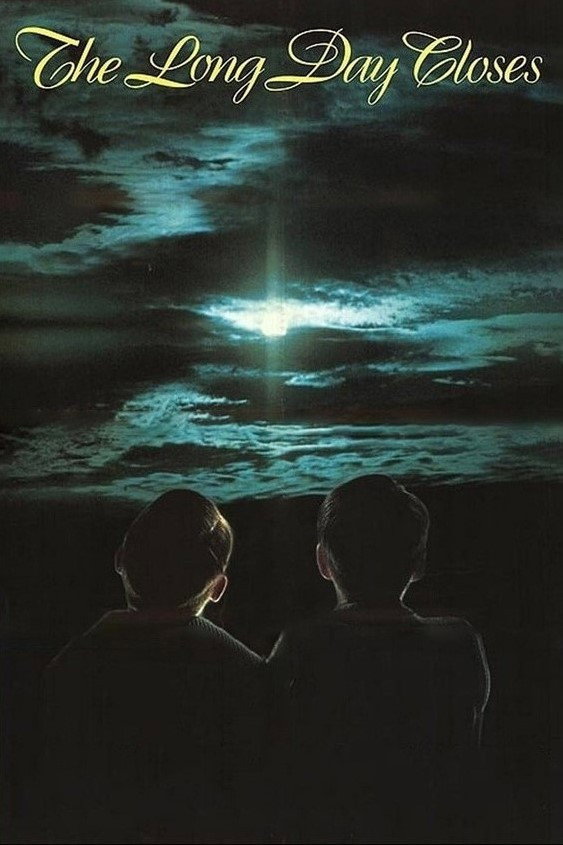
The Long Day Closes poster

The Long Day Closes

1992 · Davies returns to childhood, with cinema and music offering a lonely boy company.

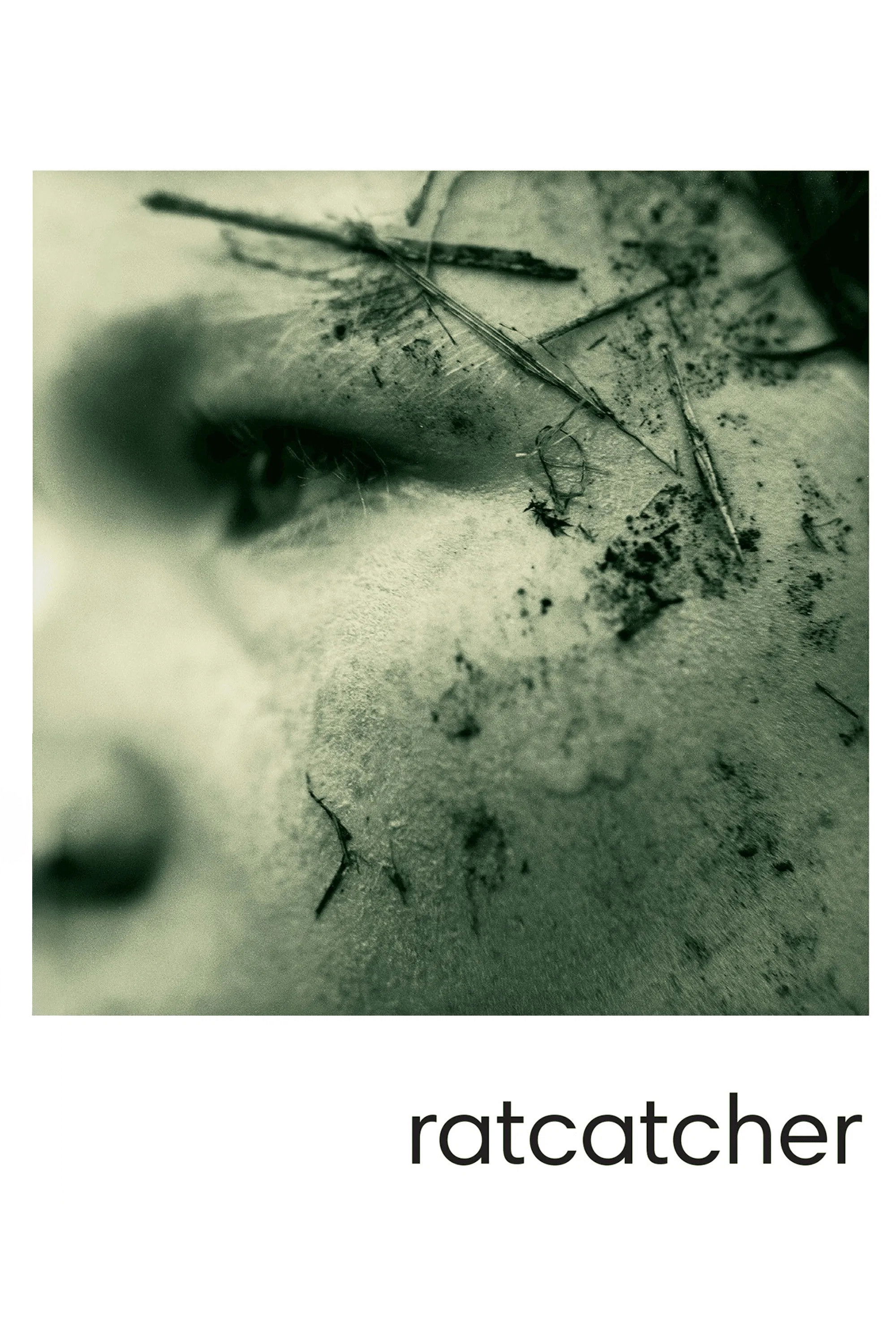
Ratcatcher poster88

Ratcatcher

1999 · Another child’s view of a harsh neighbourhood, with tenderness that never softens the hardship.

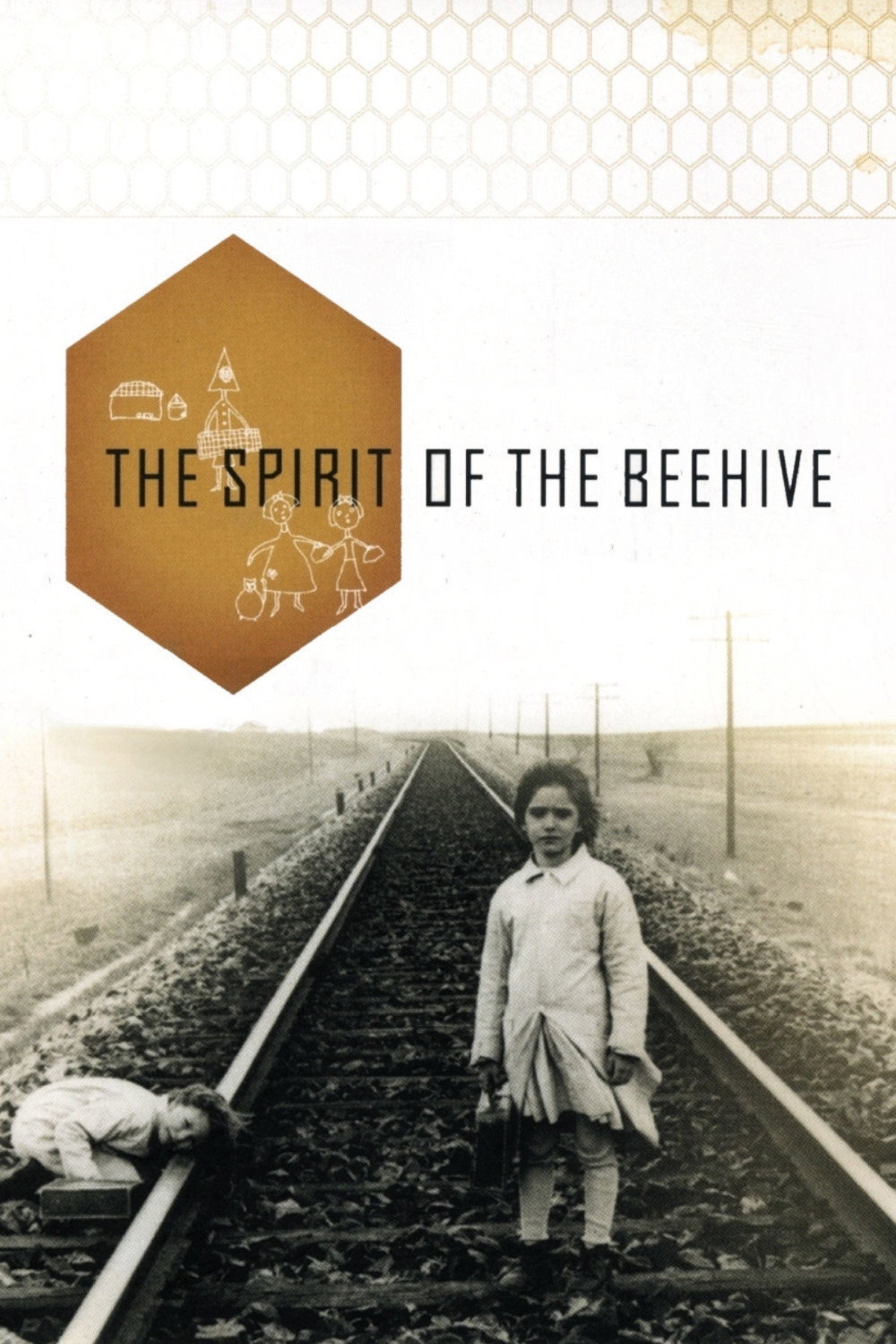
The Spirit of the Beehive poster

The Spirit of the Beehive

1973 · For the watchful children, quiet rooms and adults whose troubles remain only partly understood.

Tokyo Story poster92

Tokyo Story

1953 · Family obligations and disappointments accumulate through patient observation, with little need for raised voices.

The Quiet Girl poster

The Quiet Girl

2022 · A child’s tentative experience of kindness makes small domestic routines matter enormously.