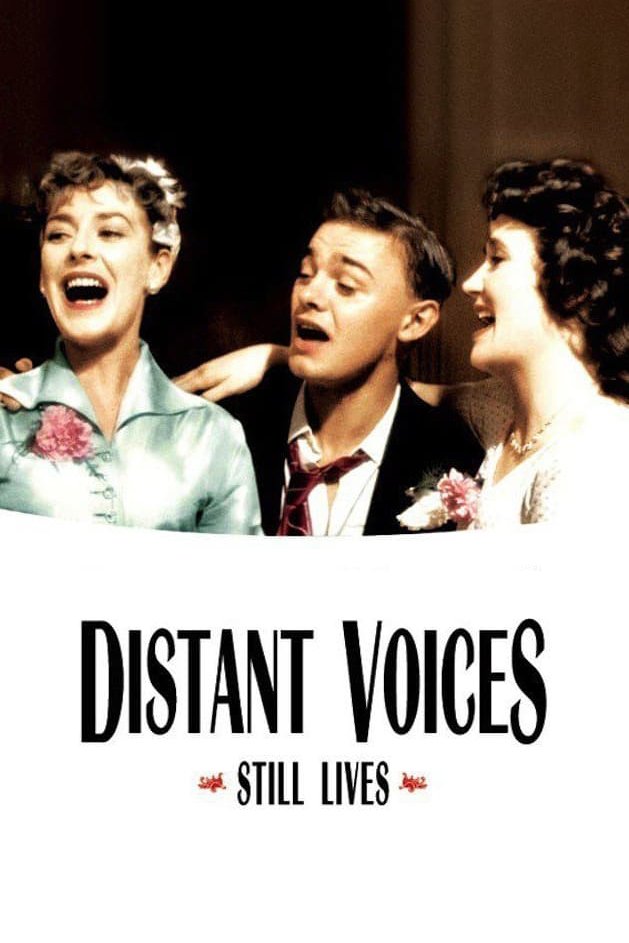
Terence Davies makes remembered lives frightening and deeply moving through songs, family gatherings and memories that interrupt one another. We rate him highly, though his carefully arranged scenes can leave individual characters too little room to surprise us.
Fi1m perspective
In the pub gatherings of Distant Voices, Still Lives (1988), the women sing and Terence Davies gives us time to listen. The songs carry affection, disappointment and jokes without making us forget the violent father whose presence troubles these recollections. We were moved by the women singing together, because they could share feelings that life with him had made difficult to admit. This is a frightening, deeply moving film, and the clearest reason we would recommend Davies to someone who had never seen his work.
Diver’s editing jumps between family occasions, leaving us to work out connections that an explanatory conversation might have supplied. A song can acquire a different meaning through its place among the other memories. Davies uses long takes and carefully arranged groups, asking us to look and listen before we know quite how an occasion fits. We may need a moment to catch up, but the feelings are there before the chronology is clear.
His early autobiographical shorts began with Children (1976), and he returned to his Liverpool childhood in The Long Day Closes (1992), with its emphasis on cinema-going. The literary adaptations, including Edith Wharton’s The House of Mirth (2000), took him beyond recollections of his own family without abandoning his interest in people living under social restrictions. Of Time and the City (2008) returned to Liverpool through archive footage and narration. His final feature, Benediction (2021), brought his concern with memory to a biographical portrait of Siegfried Sassoon.
The cost of that careful control is visible in Distant Voices, Still Lives, where some of the children remain harder to know than the adults. Eileen, Maisie and Tony can seem confined by the arranged groups, and we want an ordinary exchange to continue long enough for one of them to surprise us. Davies sometimes gives a remembered occasion more attention than the individual within it. That is a real limitation, though it does not undo the feeling carried by the singing. Start here, and give the songs the same attention as the conversations.
Biography
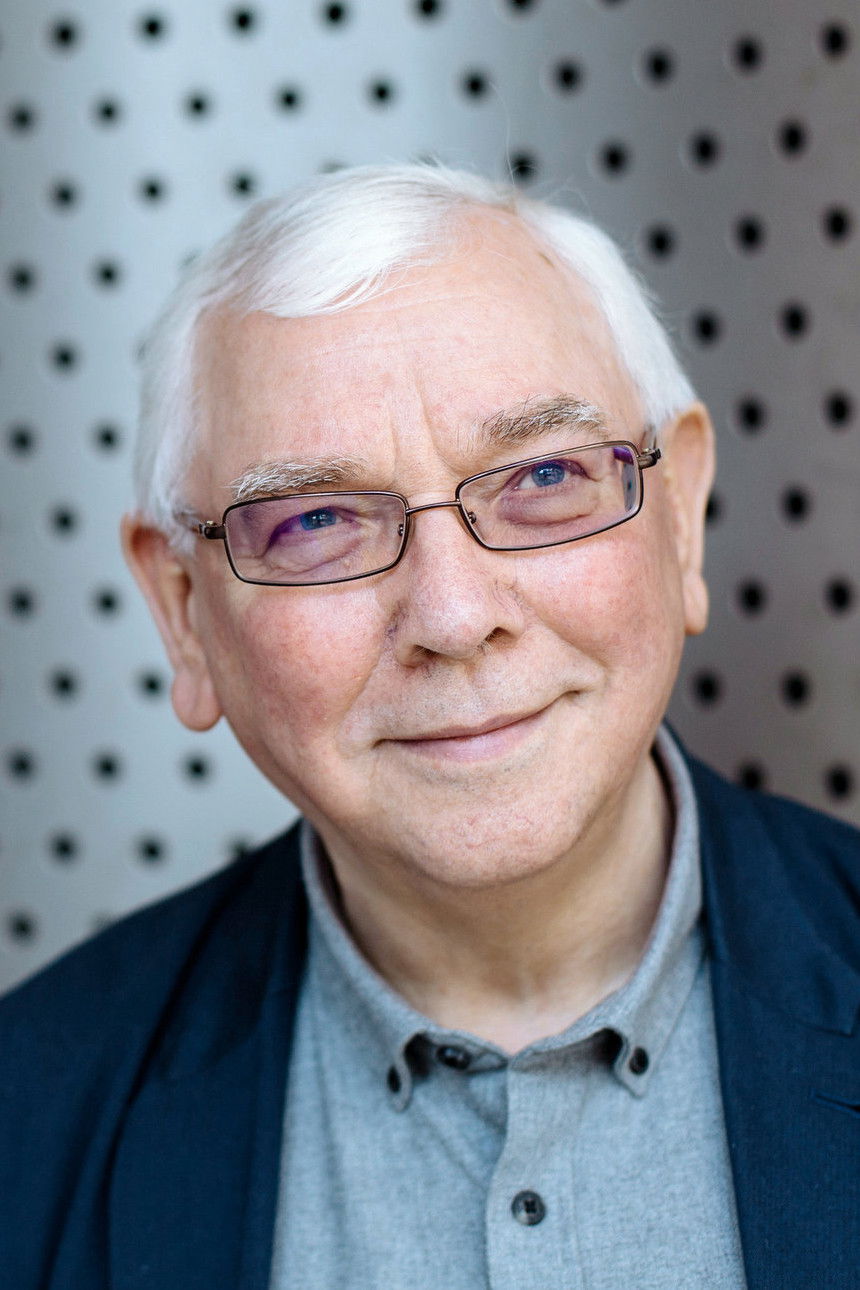
Terence Davies was an English screenwriter and film director. He was born on 10 November 1945 in Liverpool and died on 7 October 2023.
After leaving school at 16, Davies worked for ten years as a shipping clerk and book-keeper before studying at Coventry Drama School from 1973 to 1975. He later attended the National Film School. His early short films formed The Terence Davies Trilogy (1976–1983).
Davies is known for the autobiographical features Distant Voices, Still Lives (1988) and The Long Day Closes (1992), as well as the literary adaptations The House of Mirth (2000), The Deep Blue Sea (2011), Sunset Song (2015), A Quiet Passion (2016) and Benediction (2021).