Film review

The Deep Blue Sea

2011 · Directed by Terence Davies · 1h 38m · MPA R

In a sentenceA pub singalong is a poor substitute for someone loving you back

DramaRomance

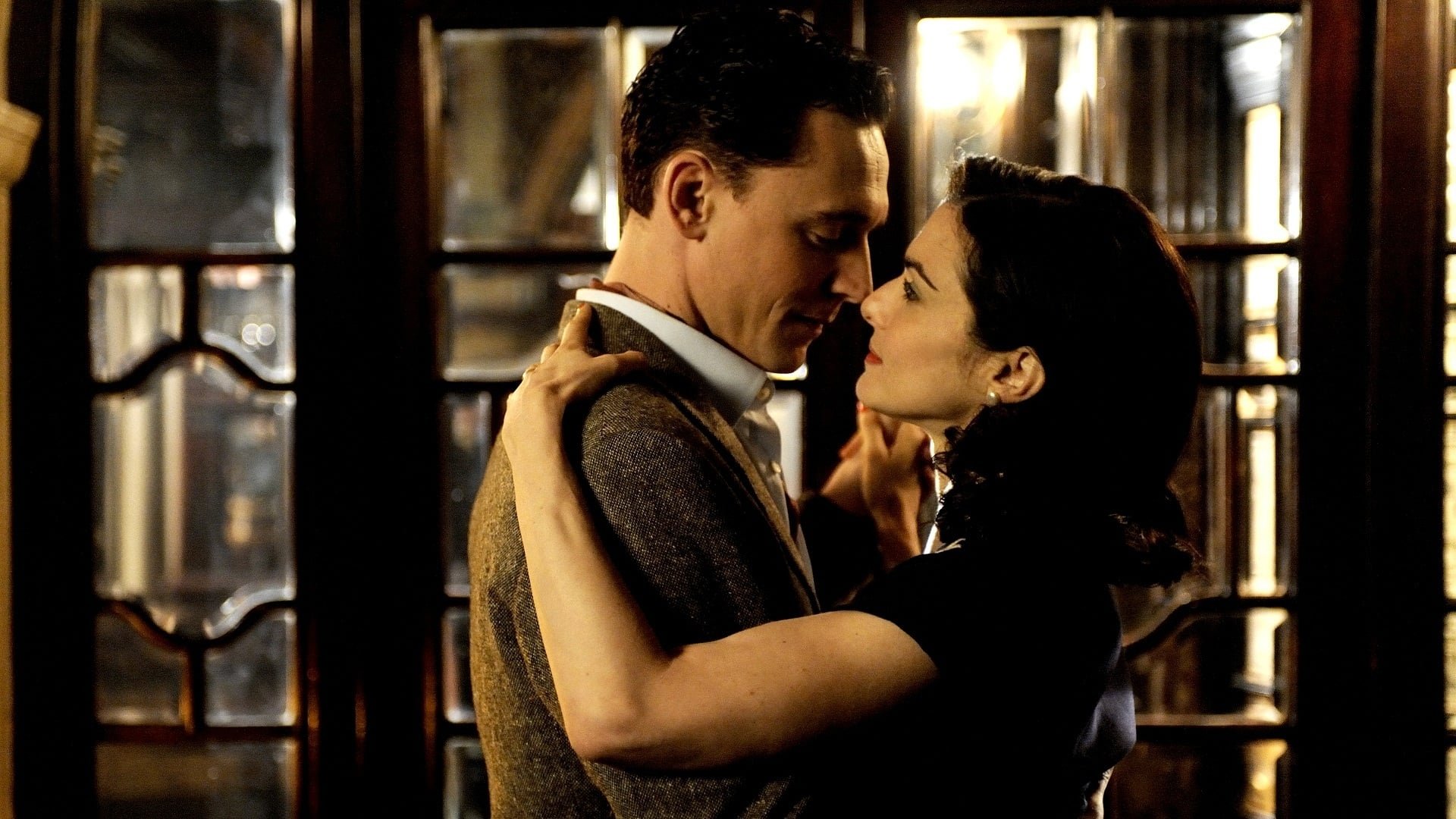
In post-war London, Hester Collyer (Rachel Weisz) wants a life with her lover, Freddie Page (Tom Hiddleston), but his feelings do not match hers. Her husband, Sir William Collyer (Simon Russell Beale), offers kindness without the passion she seeks. The film moves between her present distress and memories of the relationships that bring her here. In shadowed rooms and among pub singalongs, Hester faces the consequences of adultery in a society with little room for her desires. Freddie’s volatility and William’s gentleness leave her struggling to find a love she can live with.

Plays from YouTube when you press play; nothing loads from them until then.

Fi1m review

Rachel Weisz makes this tightly controlled romance hurt, with strong support from Tom Hiddleston and Simon Russell Beale. The music occasionally presses too hard, but the sympathy for a woman wanting more from life is worth the discomfort.

Terence Davies makes The Deep Blue Sea a moving romance, though his care over every image sometimes makes distress look too carefully arranged. His screenplay lets memories interrupt Hester Collyer’s present, gradually showing why neither her husband nor her lover can give her the life she wants. The patience matters, because a brisker account of this triangle could leave her looking merely indecisive. We have time to understand the attraction, the disappointment and the difficulty of knowing what to do when understanding changes nothing.

Rachel Weisz gives Hester an intelligence that makes her helplessness in love especially painful: she can understand her predicament without being able to bear it. There is pride in the performance, too, which prevents the character becoming someone we are simply invited to pity. Tom Hiddleston makes Freddie Page’s volatility credible, although the film gives us less access to his feelings than to hers. As Sir William Collyer, Simon Russell Beale brings enough kindness to the husband that Hester’s dissatisfaction cannot be explained away by making him a brute. All three performances allow affection and hurt to exist together.

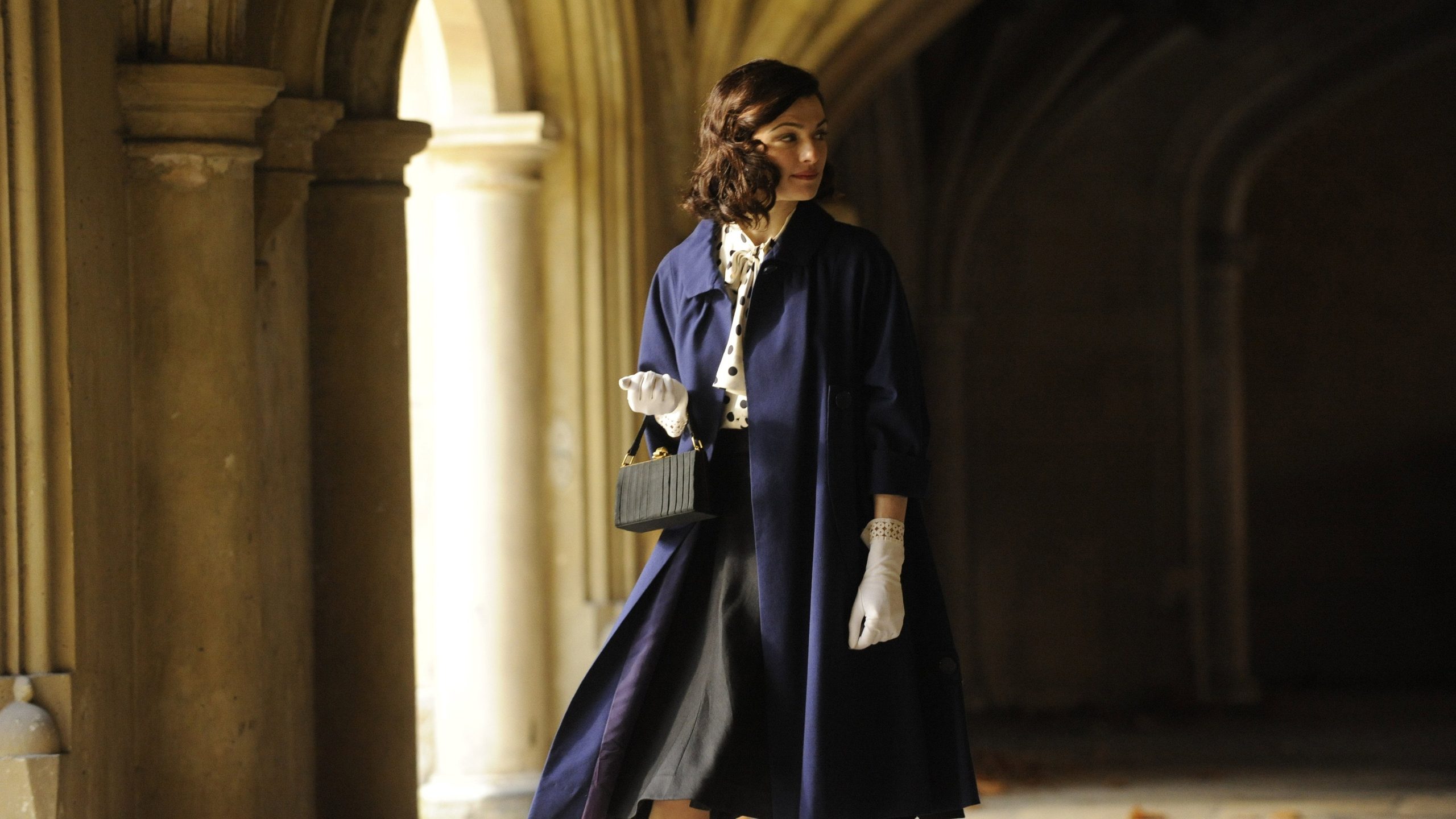
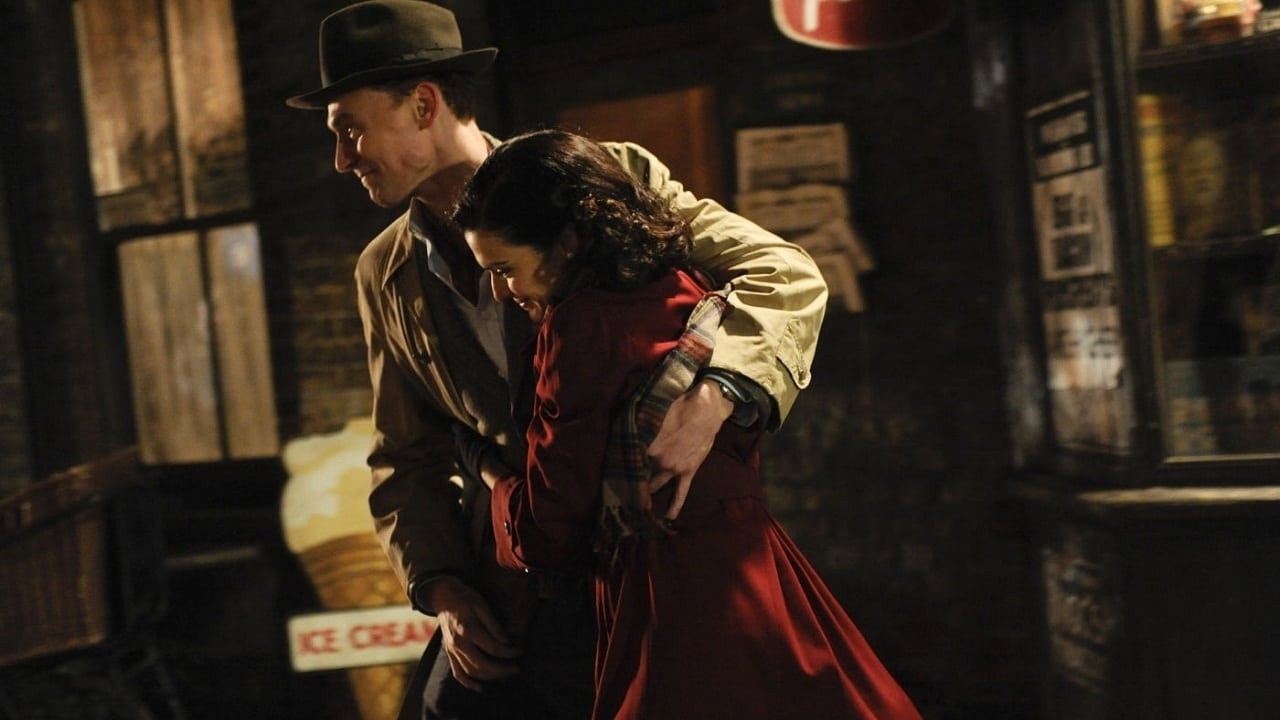
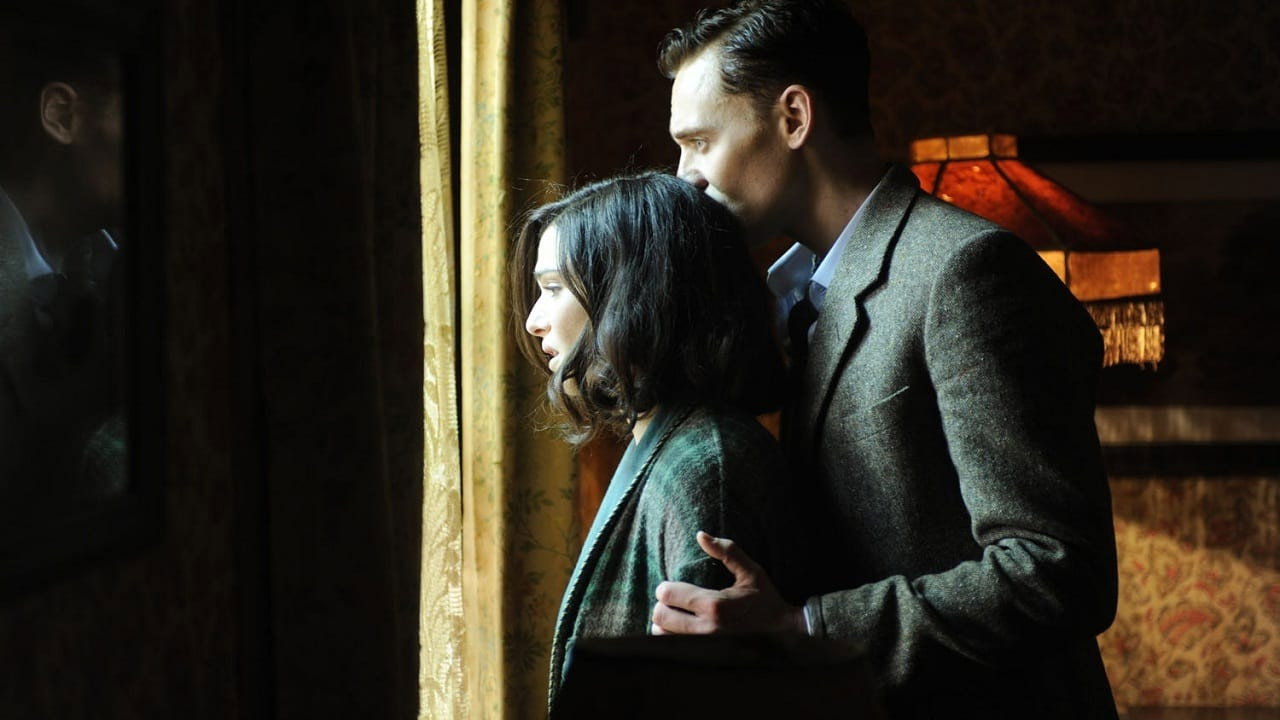
Florian Hoffmeister photographs post-war London through brown haze and deep interior shadows, making the lack of light feel wearing rather than romantic. James Merifield’s production design sets the rooms within a city still bearing bomb damage; the unhappiness belongs somewhere recognisable. The surroundings help explain why a promise of pleasure might carry such weight for Hester. Occasionally, though, the gloom becomes so consistent that separate scenes feel too alike, and the period detail begins to keep the people at a distance.

David Charap’s editing keeps the shifts between past and present fluid enough that the memories feel prompted by Hester’s distress. We are asked to follow her attention, and the cutting generally makes that easy without requiring a spoken explanation. Samuel Barber’s music carries the opening passage with a sweep that announces how seriously the film takes her longing. The violin can be less helpful when it insists on feelings already clear in the acting. At those points, a quieter soundtrack would give the performances more room.

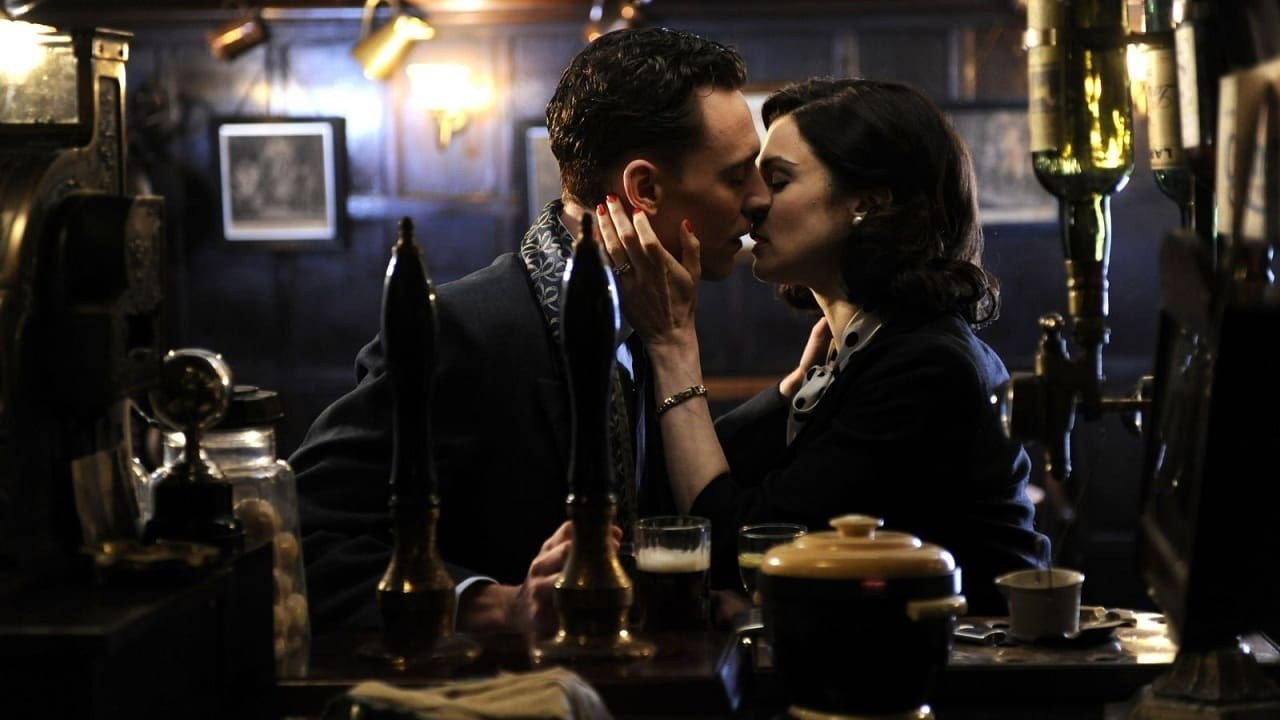
We were moved by the pub singalongs, because hearing people sing together makes Hester’s isolation feel more painful. The songs make it easy to understand why someone would want to stay among these people for another drink. They also give the film a welcome everyday sound after the force of the orchestral music. It is a relief to hear human voices occupying these sombre surroundings, and the scenes let us feel the appeal of company without pretending that company will solve her troubles.

As a romantic melodrama, the film asks us to accept that wanting someone can become the central fact of a life. That narrow focus will frustrate anyone looking for more of the world outside the relationship, and the deliberate pace sometimes makes 98 minutes feel longer. Yet the actors keep finding ordinary human awkwardness inside the formal exchanges, and we never lost interest in Hester. See it for the way Rachel Weisz allows her to remain difficult, clear-sighted and deserving of tenderness at once.

Critical consensus AI synthesised

75
Positive
17
Mixed
2
Negative
1

Most critics respond warmly to Terence Davies’s adaptation of Rattigan, praising its account of frustrated desire and post-war loneliness. Rachel Weisz’s Hester draws the most consistent admiration, with several reviews also commending Hiddleston and Russell Beale. Praise clusters around the atmospheric interiors, period songs and shifts between past and present, which give the play a more fluid screen form. For many, Davies’s careful staging makes the characters’ private unhappiness deeply affecting.

The main disagreement is over how much emotion survives that careful staging. Most find the film moving, but a small minority see its restraint and period manners as distancing. Time Out admires the performances but finds the treatment precious, while Eye for Film argues that the adaptation’s artificiality weakens its impact despite Weisz. The Hollywood Reporter offers the sharpest dissent, finding the film suffocating and the central performances short of passion; elsewhere, reservations concern theatricality or music that pushes too hard.

The AV Club
22 March 2012 · A · Scott Tobias
95

Davies delivers a crushing romantic tragedy about a woman whose unreciprocated passion forces her to confront the wreckage of her life; the film excels in its elegant layering of past and present and in a standout wartime subway scene.

Read the full review →
Evening Standard
10 April 2012 · festival review
85*

Davies is a perfect match for Rattigan, filleting the play while preserving its emotional core and delivering a moving, period-faithful adaptation with a standout performance from Weisz.

Read the full review →
Total Film
23 November 2011 · Philip Kemp
85*

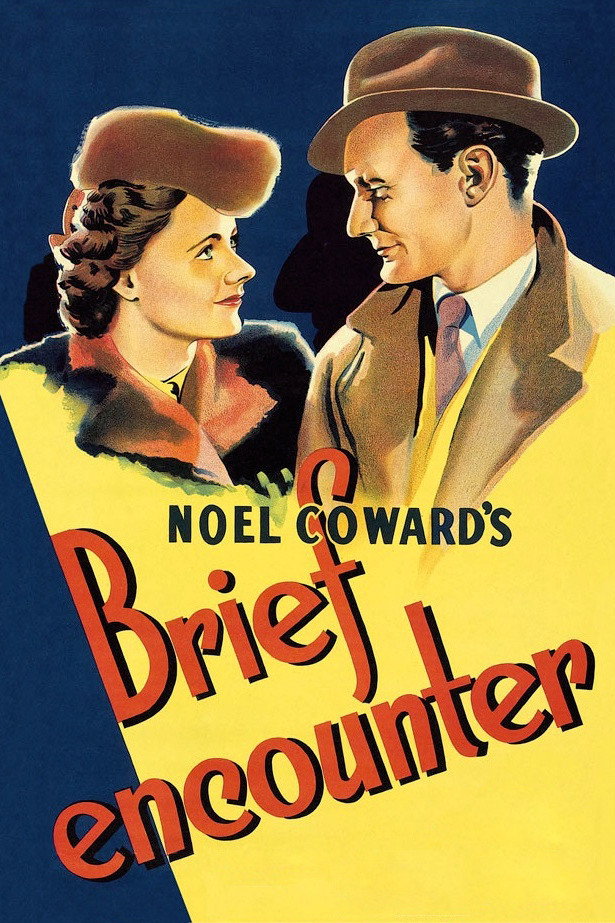
Davies plunges into classic territory with a heart-breaking performance from Weisz as Hester, trapped between passion and emotional aridity in post-war Britain, echoing Brief Encounter.

Read the full review →
Empire
17 November 2010 · Damon Wise
80*

This is one of Davies' stronger films, a mesmeric and haunting study of isolation and post-war dissatisfaction that is beautifully made despite some critical brickbats.

Read the full review →
Little White Lies
24 November 2011 · 5/4/4 · Jason Wood
80

Davies delivers a handsomely designed and luminously shot wartime tragi-romance that is classic Davies territory and filmmaking of the highest order. With an insightful emphasis on women’s position in 1950s patriarchal society and resonant use of music, it offers an almost unbearably moving story about the quest for fulfilment.

Read the full review →
Sight and Sound
20 December 2011 · Jonathan Romney
80*

Davies adapts Rattigan’s play into a cinematic opera that gives Hester’s intense emotions unembarrassed resonance in the tradition of 1940s and 1950s women’s pictures. The film’s masterstroke is an eight-minute Barber-scored prelude with a crane shot, and the three leads deliver superb performances despite some casting questions.

Read the full review →

Cast

Stills

If you liked this, try…