Wong Kar-Wai makes a deeply moving romance from two people struggling to behave properly. Maggie Cheung and Tony Leung Chiu-wai justify the patience it asks for, even when the repeated slow passages become a little insistent.
We would recommend In the Mood for Love to people who usually avoid screen romances. Wong Kar-Wai, who writes and directs, starts with two married neighbours discovering that their spouses are having an affair. In 1960s Hong Kong, Su Li-zhen and Chow Mo-wan draw closer while trying to remain respectable. The film takes their concern about how to behave seriously. It also understands how exhausting that concern can become.
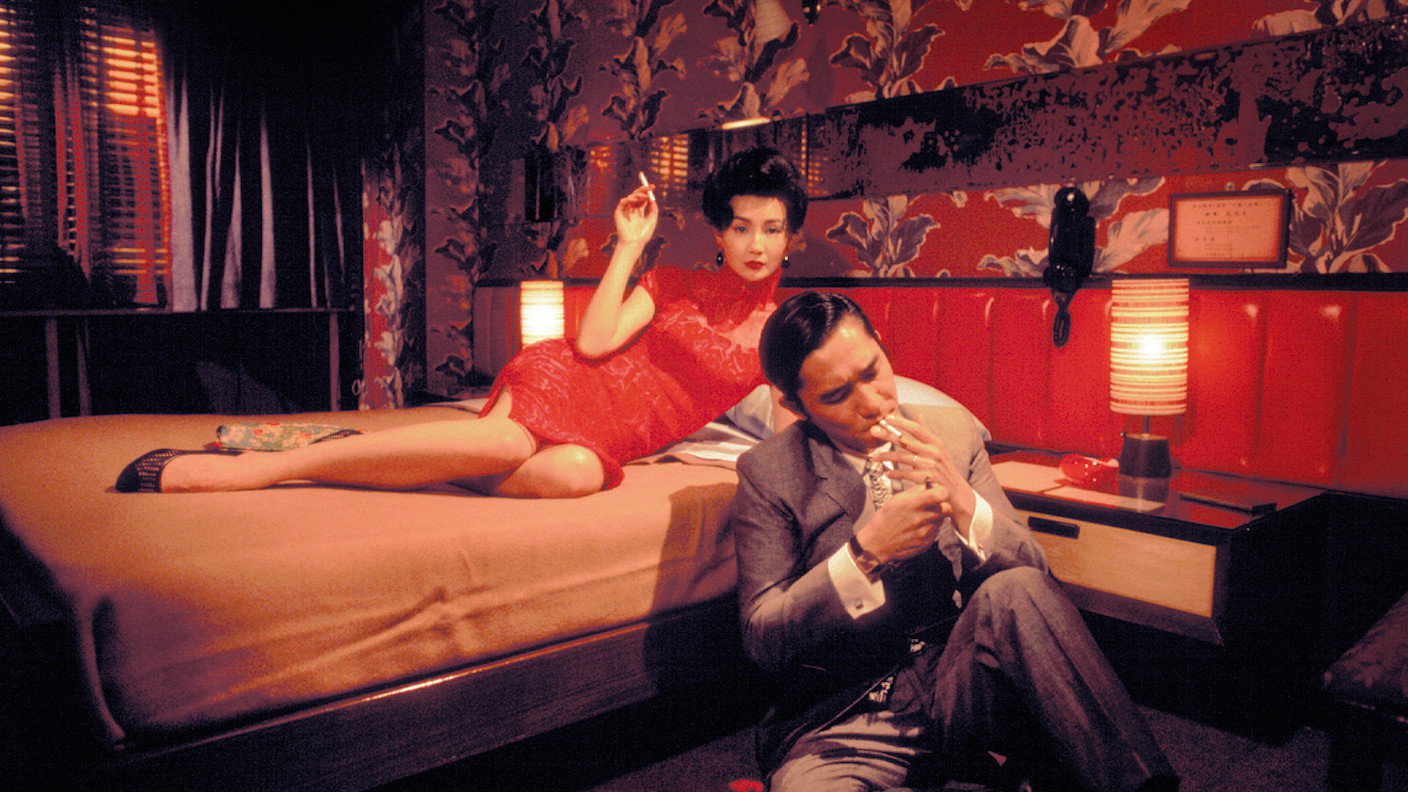
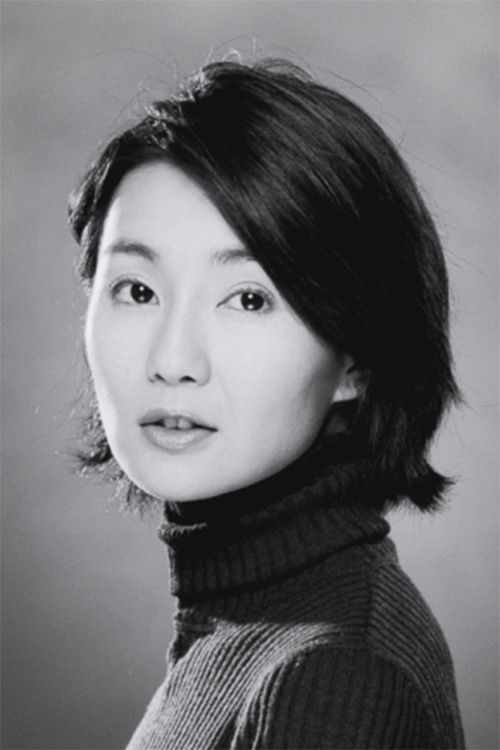
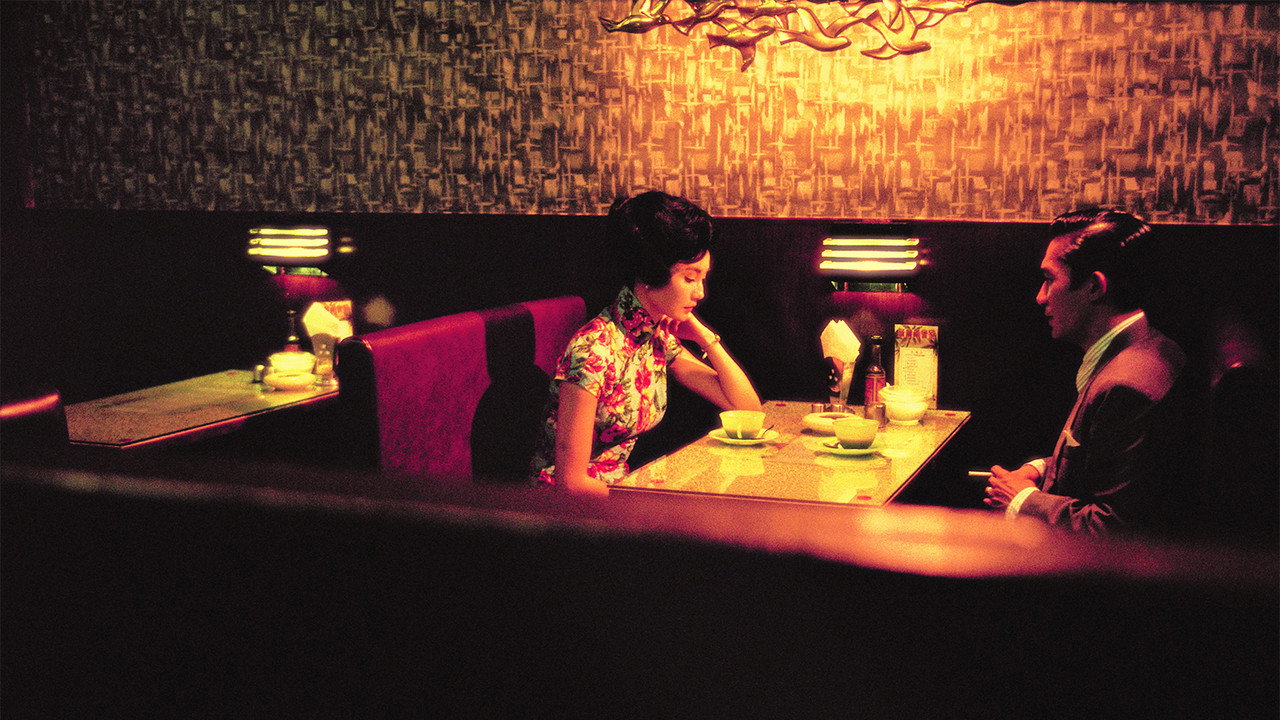
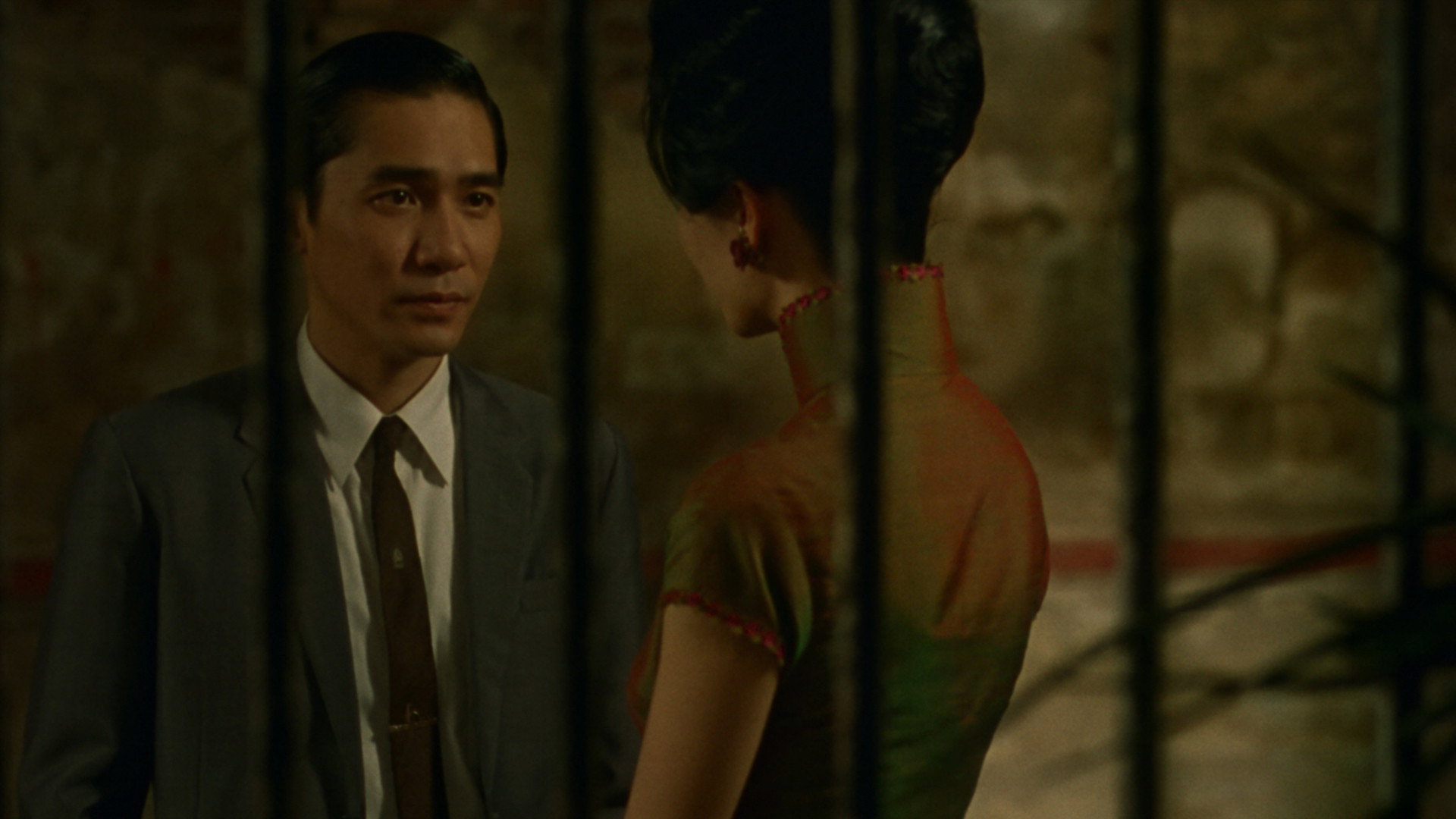
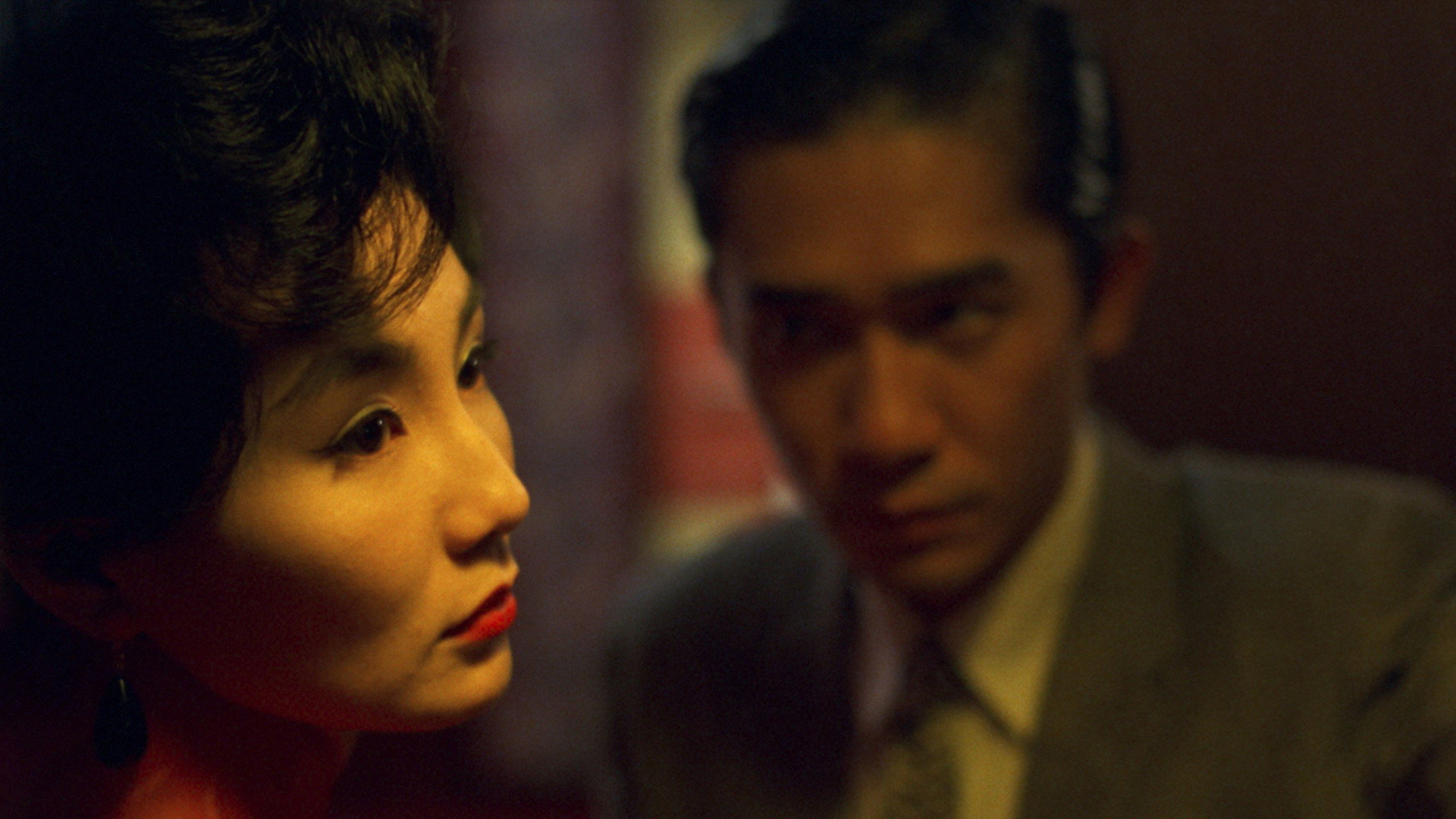
Maggie Cheung plays Su with a composure that makes the slightest change in expression worth watching. Tony Leung Chiu-wai’s Chow is equally careful, and their chemistry depends on how much attention each pays the other while keeping the conversation polite. We ached for them during those courteous exchanges over tea. The actors make us feel the effort of speaking ordinarily when each response matters far too much. Neither performance needs a raised voice to make a scene painful.
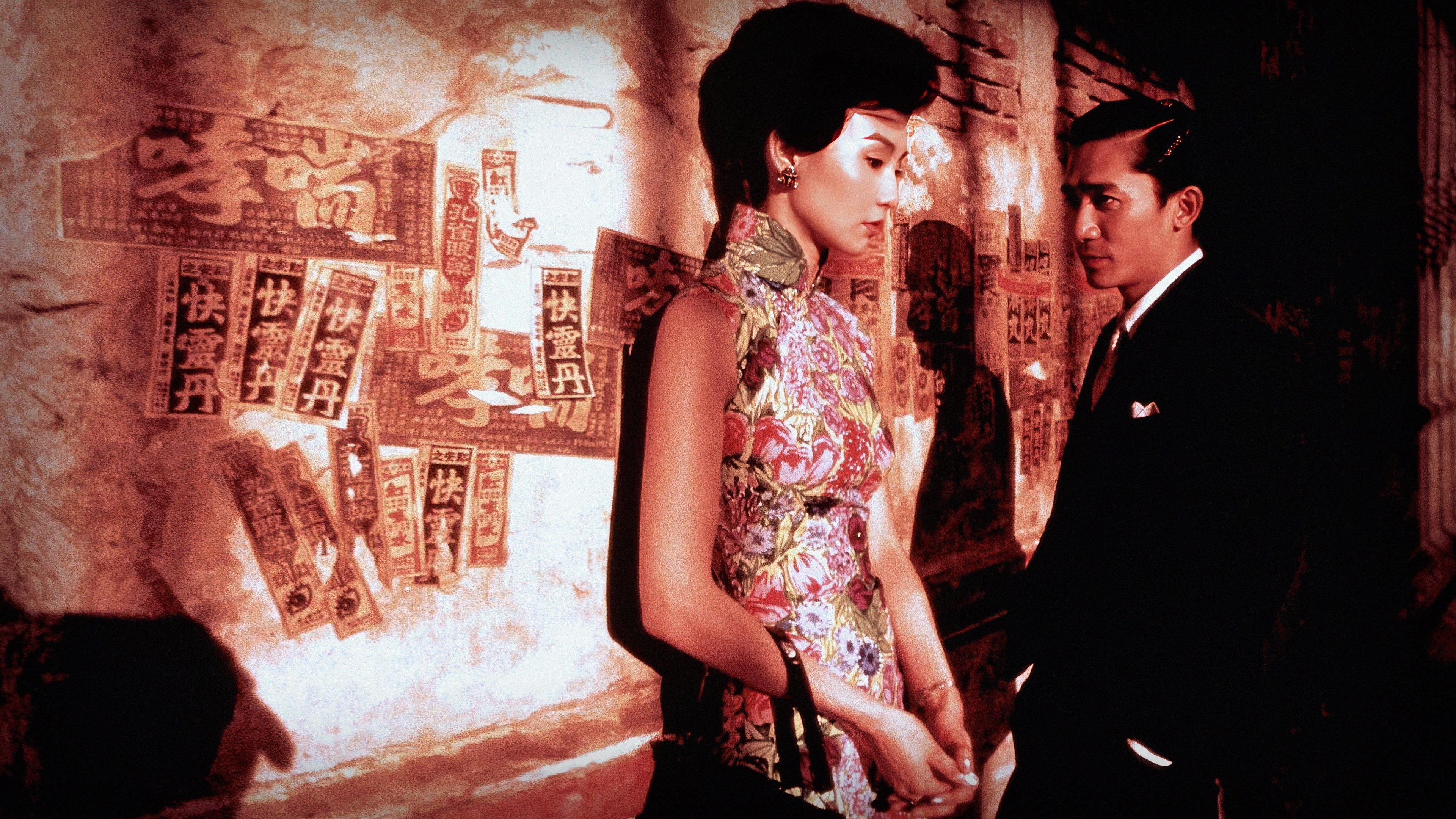
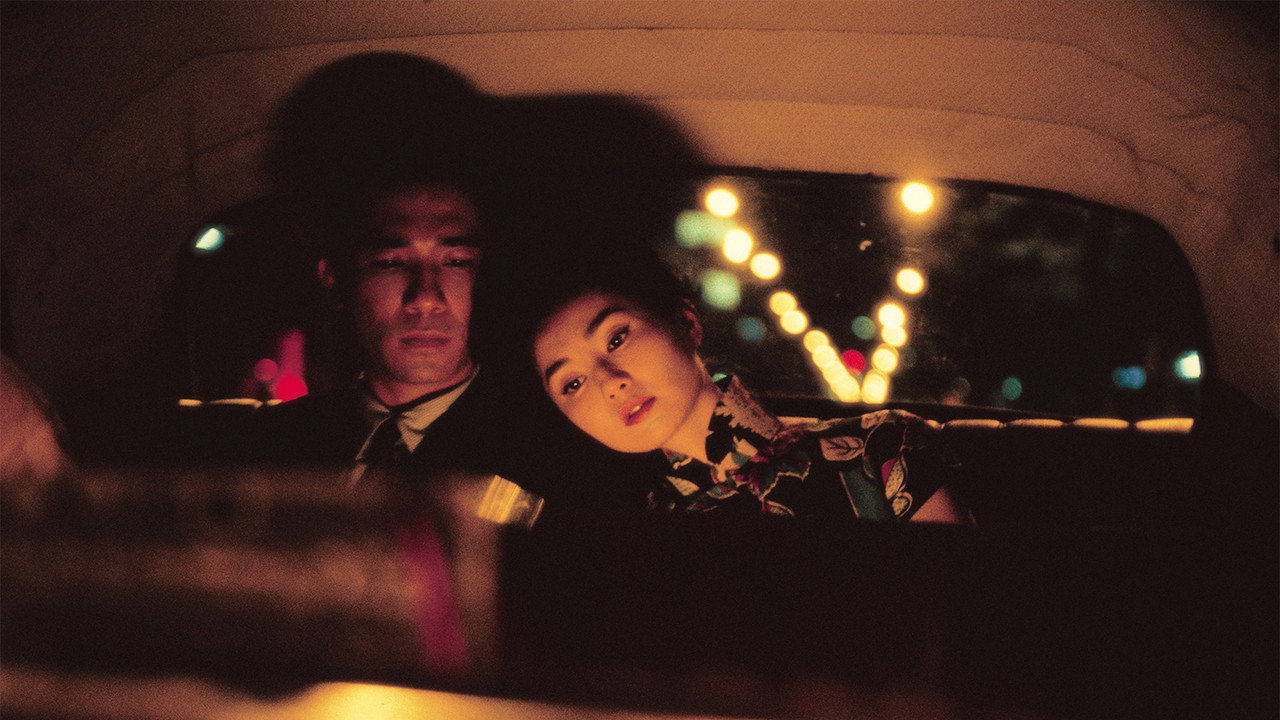
Cinematographers Christopher Doyle and Mark Lee Ping-Bing make the cramped interiors matter in almost every composition. Their layered framing keeps us aware of the room around the couple, so privacy feels difficult even when our attention is entirely on their faces. William Chang Suk-Ping’s production design makes those rooms feel inhabited and constricting. The colours are rich, but the people have little room to move. We understand the pressure of neighbours without needing a speech about social convention.
Chang also designs the costumes, and Cheung’s clothes keep drawing our eye back to the effort of looking composed. The attention paid to dress and hair could easily turn Su into something to be admired at a distance. Cheung prevents that by making her movements feel considered, as though she must think about how she appears even when she has something more pressing on her mind. The clothes make good manners seem physically demanding.
Editors William Chang Suk-Ping and Chan Ki-Hop do not build a steady chain of events for us to follow. Scenes seem to survive as selected moments, with the gaps between them making us watch the next encounter more closely. The slowed movement gives a passing look more time to register than ordinary conversation allows. Music credited to Michael Galasso and Shigeru Umebayashi makes the romantic feeling audible while the characters keep their language guarded. The pacing asks us to attend to small changes, and the performances reward that attention.
We do have one reservation: the repetition sometimes insists on a feeling that Cheung and Leung have already made clear. Another lingering passage can briefly make us conscious of the technique when we would rather stay with the people. Anyone wanting a complicated story may find the 99 minutes slow, because the film keeps returning to the same emotional difficulty instead of multiplying incidents. We felt that impatience occasionally, but never enough to want the central performances hurried.
Romantic melodrama often gives its characters a chance to declare themselves at length. Here, a courteous conversation is enough to show what a declaration would cost. There is pleasure in watching actors trusted to make so little speech carry so much feeling, even when it hurts. Give this your undivided attention, and do not choose it for an evening when you need everyone to say what they mean.