Film review

The Age of Innocence

1993 · Directed by Martin Scorsese · 2h 18m · MPA PG

In a sentenceAll those beautiful clothes, and nobody can get comfortable

DramaRomance

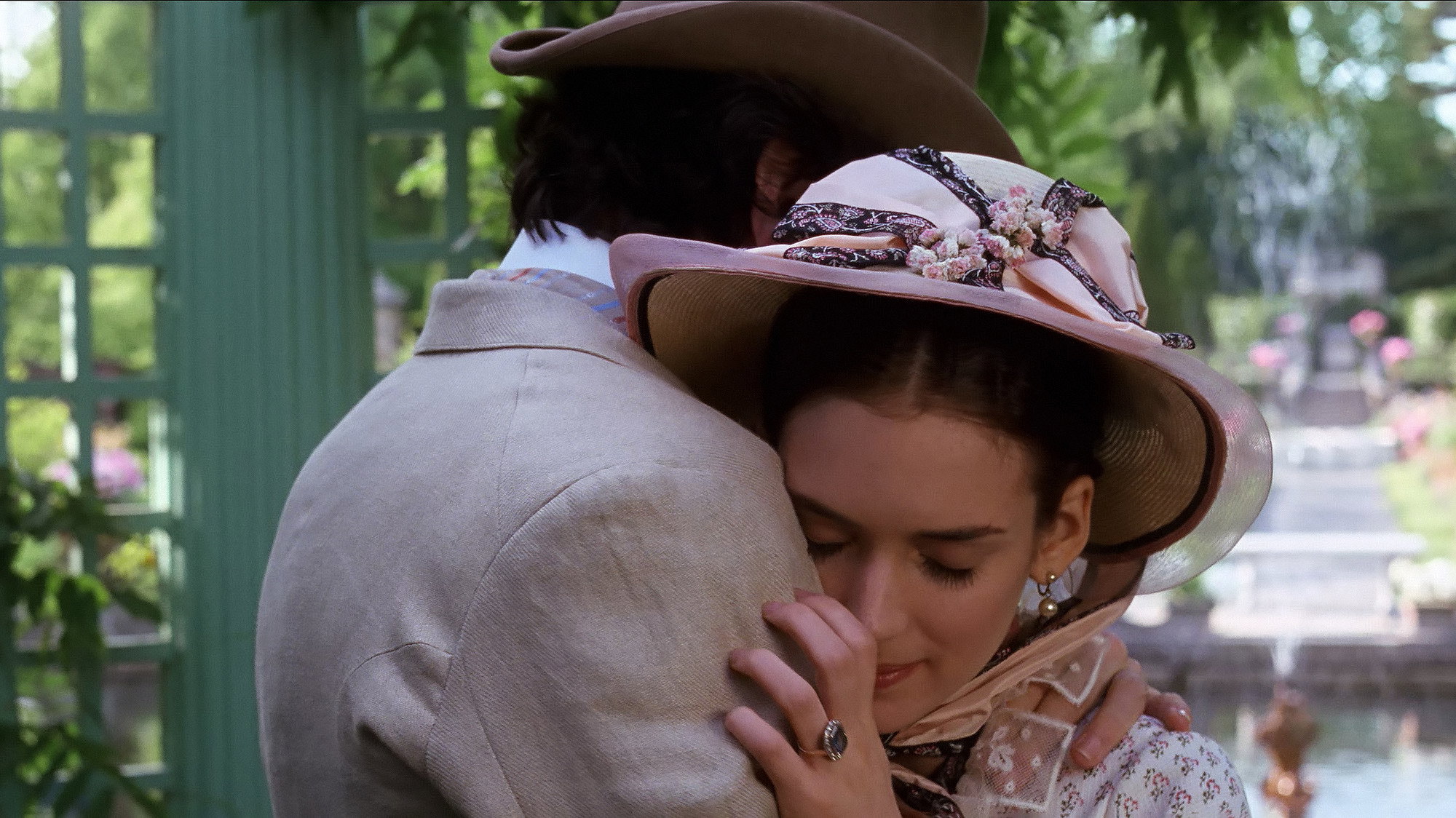
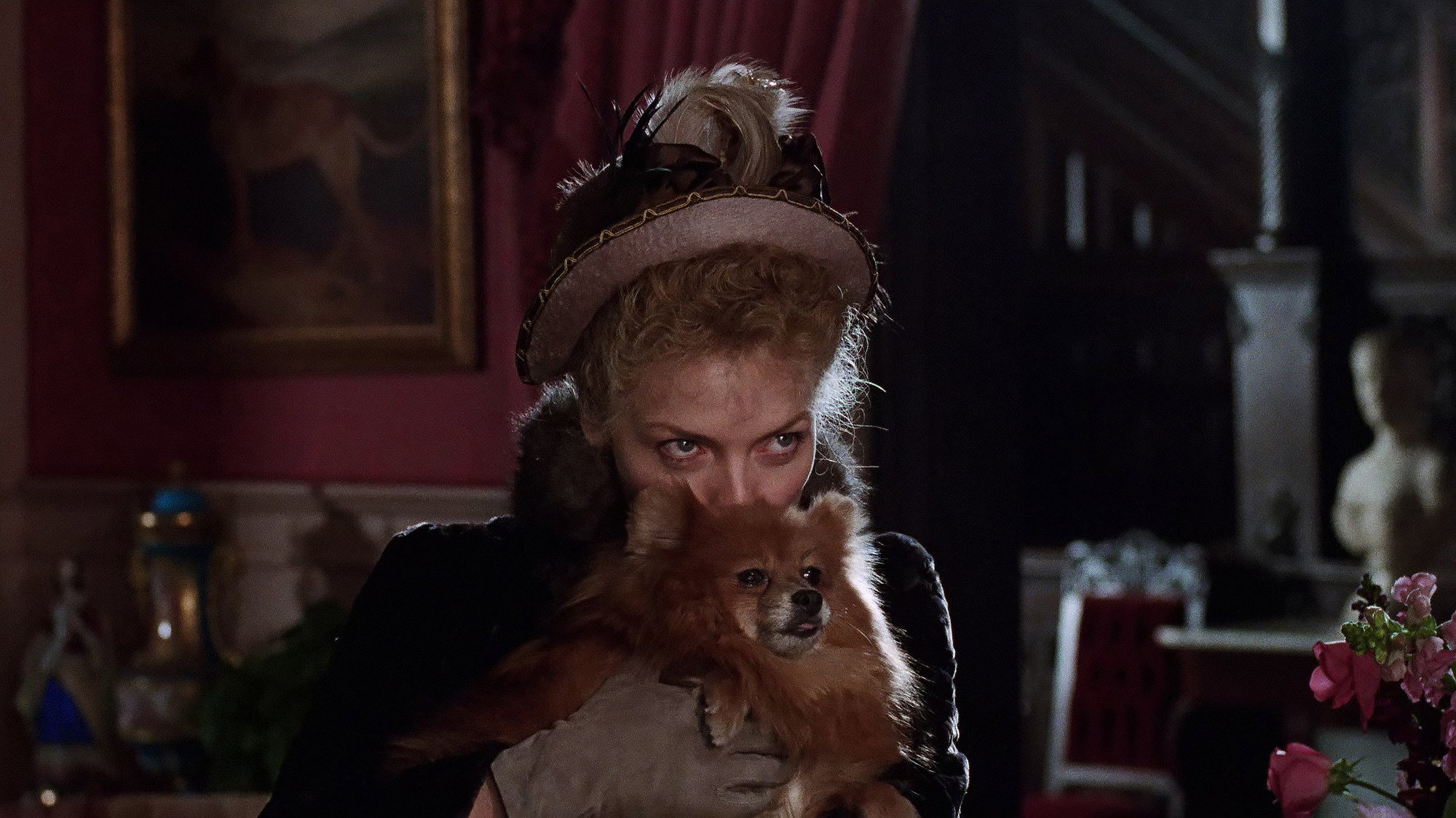
In 1870s New York, Newland Archer (Daniel Day-Lewis) belongs to a society governed by family connections, reputation and rules of conduct. He is engaged to May Welland (Winona Ryder), whose cousin, Countess Ellen Olenska (Michelle Pfeiffer), attracts his attention. Ellen’s unconventional manner unsettles a circle accustomed to keeping its feelings and disagreements under control. As Archer falls in love with her, his engagement and his place in society become harder to reconcile with what he wants. Martin Scorsese directs this adaptation of Edith Wharton’s novel, with a screenplay by Scorsese and Jay Cocks.

Plays from YouTube when you press play; nothing loads from them until then.

Fi1m review

We recommend Martin Scorsese’s patient, painful romance for its finely judged performances and its understanding of social cowardice. The period detail occasionally becomes over-insistent, but the longing between Daniel Day-Lewis and Michelle Pfeiffer is hard to resist.

Martin Scorsese’s The Age of Innocence is a moving, occasionally over-elaborate romance that takes social embarrassment seriously enough to make it frightening. Adapting Edith Wharton with Jay Cocks, he treats the conventions of 1870s New York high society as rules that people have learned to enforce upon themselves. Nobody needs to explain the attraction of belonging to this wealthy circle. The difficulty is seeing how much a person might surrender to remain acceptable within it.

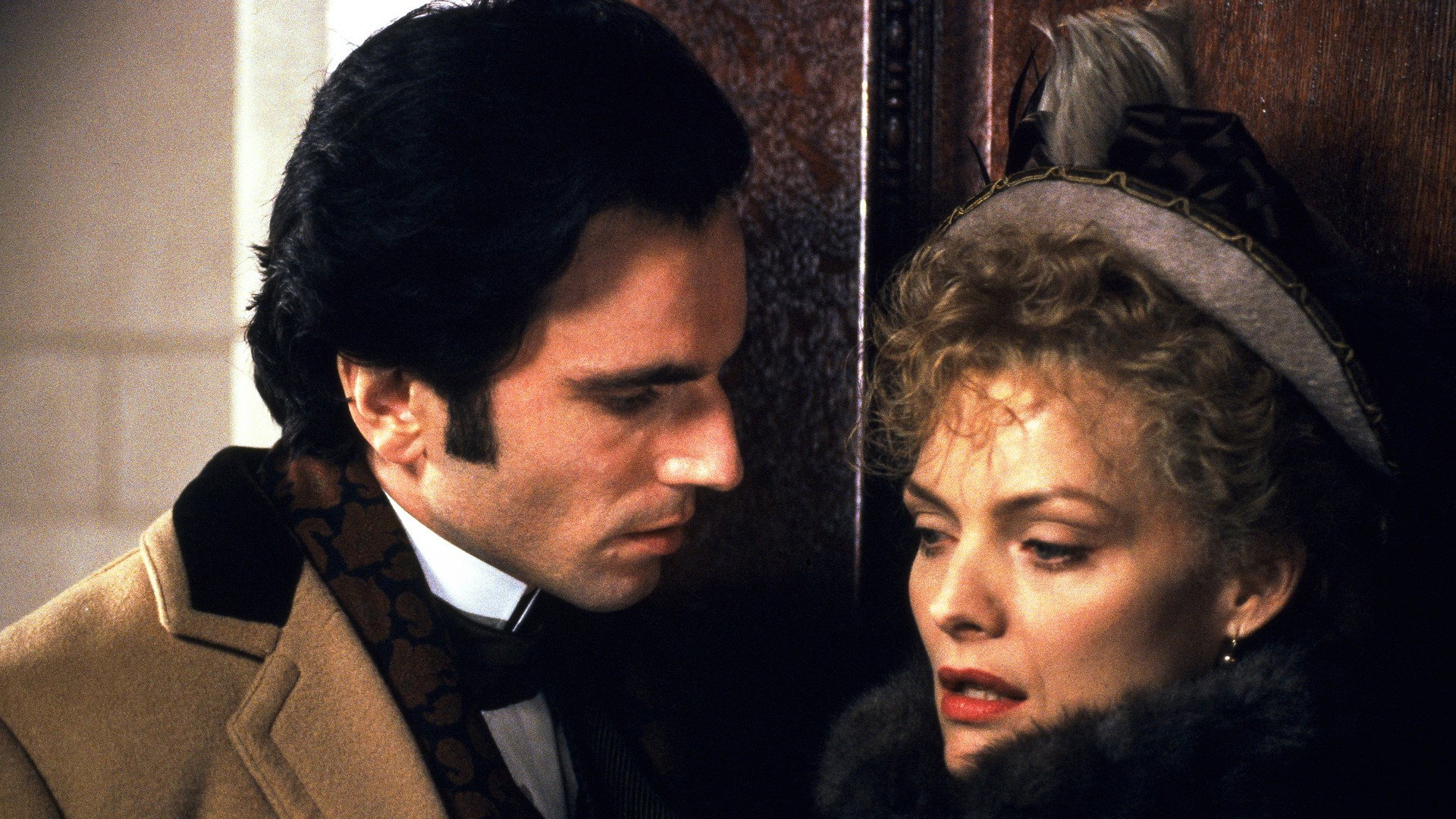
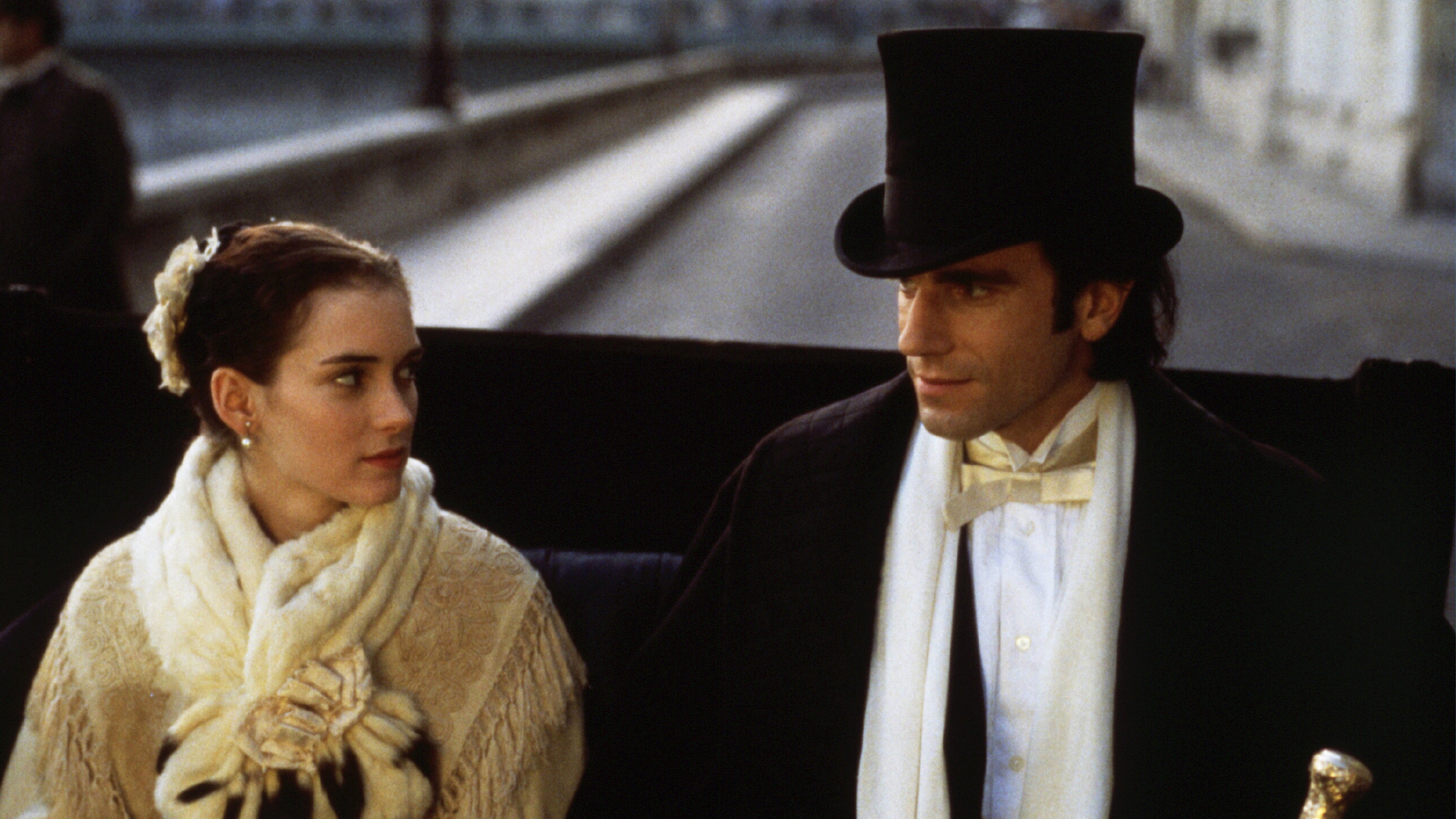
Daniel Day-Lewis gives Newland Archer the bearing of a man who expects his own good intentions to be sufficient. Engaged to May Welland, he finds himself drawn to her cousin, Ellen Olenska, played by Michelle Pfeiffer. Day-Lewis makes Archer’s hesitation absorbing without asking us to mistake it for courage. Pfeiffer gives Ellen a directness that makes the surrounding etiquette seem exhausting, and the attraction between them has enough force to make even their restraint feel intimate.

Winona Ryder’s May is essential to the film’s success, because an uninteresting fiancée would make Archer’s predicament altogether too convenient. Ryder takes May’s good manners seriously and gives her a presence that cannot simply be dismissed when the romance requires it. We remain conscious that Archer’s desires involve another person, with expectations of her own. Scorsese and Cocks use the ironic narration to expose the hypocrisy beneath this society’s courtesy, while allowing us to understand why its approval matters.

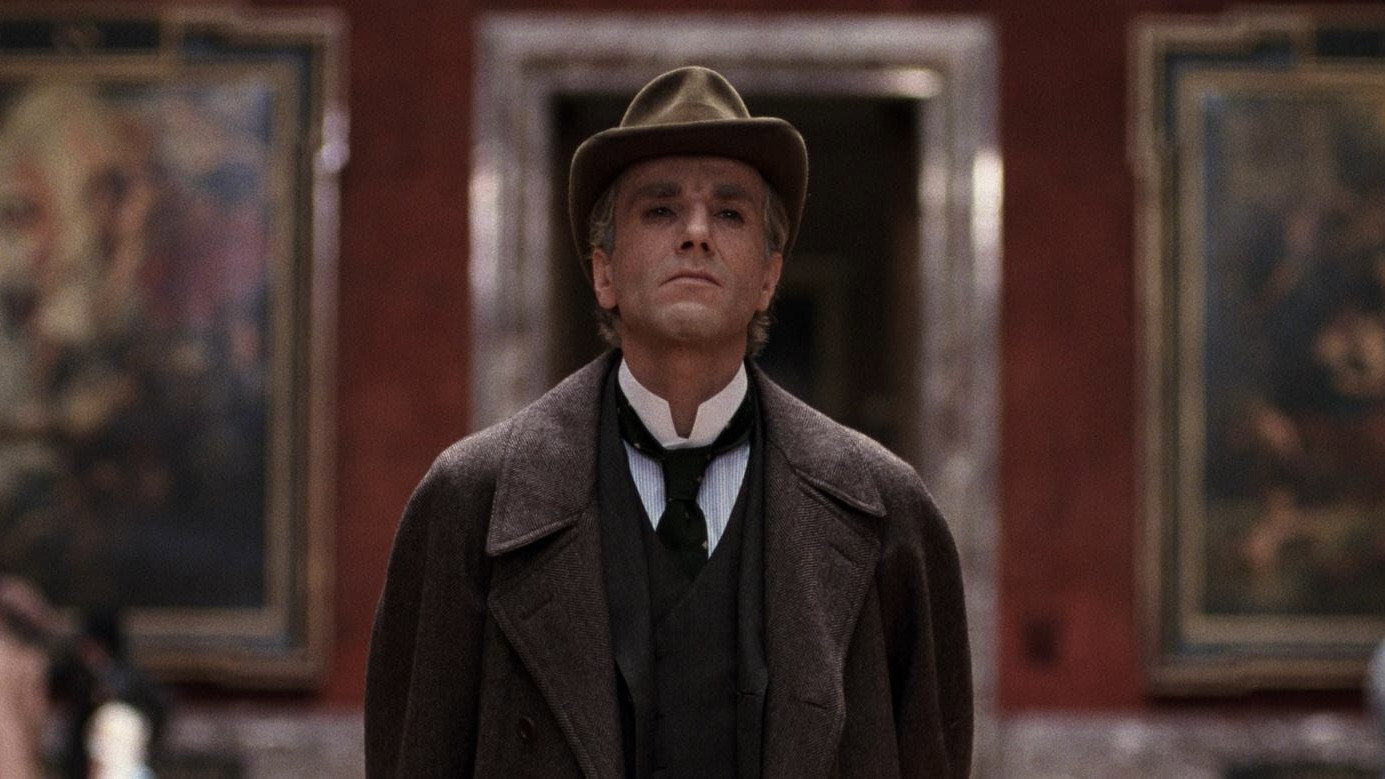
Dante Ferretti’s production design makes the elaborate interiors feel like places where a careless choice would be noticed. The abundance of period detail is pleasurable, then a little tiring, which suits these people and their standards. Michael Ballhaus’s cinematography gives the furnishings an attention that makes wealth a constant presence, even while we are trying to concentrate on faces. Gabriella Pescucci’s costumes contribute to that sense of scrutiny: being properly dressed looks like another obligation that cannot be neglected.

Thelma Schoonmaker’s editing keeps the social encounters legible without stripping away their awkwardness or their elaborate preliminaries. Elmer Bernstein’s music gives the longing a fullness that the characters cannot allow themselves in conversation. We found their restraint painful, because Day-Lewis and Pfeiffer make the effort of remaining polite so palpable when they are together. The performances keep desire present even when little can be said plainly. Scorsese lets that frustration last, and the music makes it harder to put aside.

The reservation is that Scorsese sometimes gives us too much opportunity to inspect the workmanship. Across 138 minutes, the accumulated detail can distract from the lovers, and the narration occasionally explains a social judgement that the performances have already made clear. We began to feel managed in those passages, when we wanted a little more space to watch and decide. The actors are expressive enough to be left alone more often.

Period romances can make defiance look easy once the right person arrives. Here the pull of convention remains credible, and that gives the attraction its weight without requiring us to approve of Archer’s conduct. The film asks for patience with people who have learned to make themselves difficult to read. Give it an undistracted evening, especially if the small evasions in a conversation can hold your attention as firmly as an argument.
Critical consensus AI synthesised

3 of 6
Positive
3
Mixed
0
Negative
0
The Times
17 March 2023 · ★★★★★ · Kevin Maher
100

Scorsese’s most uncharacteristic film is also one of his finest: a visually sumptuous adaptation pulsing with frustrated tension and unspoken sadness. The electrifying chemistry between Day-Lewis and Pfeiffer, the tribal order of society and the shattering final scene are highlighted as masterful.

Read the full review →
The Independent
28 January 1994 · Adam Mars-Jones
85*

Scorsese reformulates his style for a softer subject, taking the past seriously with meticulous detail and a subtler dynamism suited to a world of indirection and etiquette. The film excels in conveying hypocrisy as the secret strength of high society while delivering a poignant romance through virtuoso cinematic language.

Read the full review →
Empire
1 January 2000 · Angie Errigo
80*

Scorsese delivers a ravishing, obsessively detailed adaptation of Edith Wharton's novel, with impeccable production values, music, and editing that immerse viewers in 1870s New York high society. The performances, especially Ryder's revelation as May, and the craft of America's greatest living director make it ecstasy for fans of well-told stories of love and denial.

Read the full review →
The Guardian
15 March 2023 · Peter Bradshaw

Scorsese’s adaptation of Edith Wharton is a gorgeous, visually breathtaking tragedy of manners and concealed guilt in 1870s New York society. Day-Lewis and Pfeiffer are powerfully matched as the guilty lovers, with superb production design, costumes and supporting turns singled out for praise.

Read the full review →
The New Yorker
6 September 1993 · Anthony Lane

Scorsese delivers a serious, technically dazzling adaptation that captures the shock of the old through lavish period detail and strong performances, especially Day-Lewis. The film falls short of the novel's moral depth and hard-edged satire, treating history more as spectacle than a site of genuine emotional struggle.

Read the full review →
The New York Times
17 September 1993 · Vincent Canby

Scorsese has crafted a gorgeously uncharacteristic film that serves as a window onto a newly discovered world of 1870s New York high society. The director's outsider fascination with the era's manners and customs matches Wharton's own bittersweet recollection of privilege and constraint.

Read the full review →

Cast

Stills

Awards

Academy Awards, 1994

Nominated
Best Original Score
Nominated
Best Production Design
Nominated
Best Supporting Actress
Nominated
Best Writing, Adapted Screenplay
Won
Best Costume Design

BAFTA Film Awards, 1994

Won
Best Actress in a Supporting Role

David di Donatello for Best Foreign Actress, 1994

Nominated
David di Donatello for Best Foreign Actress

Directors Guild of America Award for Outstanding Directing – Feature Film, 1993

Nominated
Directors Guild of America Award for Outstanding Directing – Feature Film

Golden Globes, 1993

Nominated
Best Actress – Motion Picture Drama
Nominated
Best Director
Nominated
Best Motion Picture – Drama
Won
Best Supporting Actress – Motion Picture

National Board of Review Award for Best Director, 1993

Won
National Board of Review Award for Best Director

National Society of Film Critics Award for Best Cinematography, 1993

Nominated
National Society of Film Critics Award for Best Cinematography

If you liked this, try…

Brief Encounter poster90

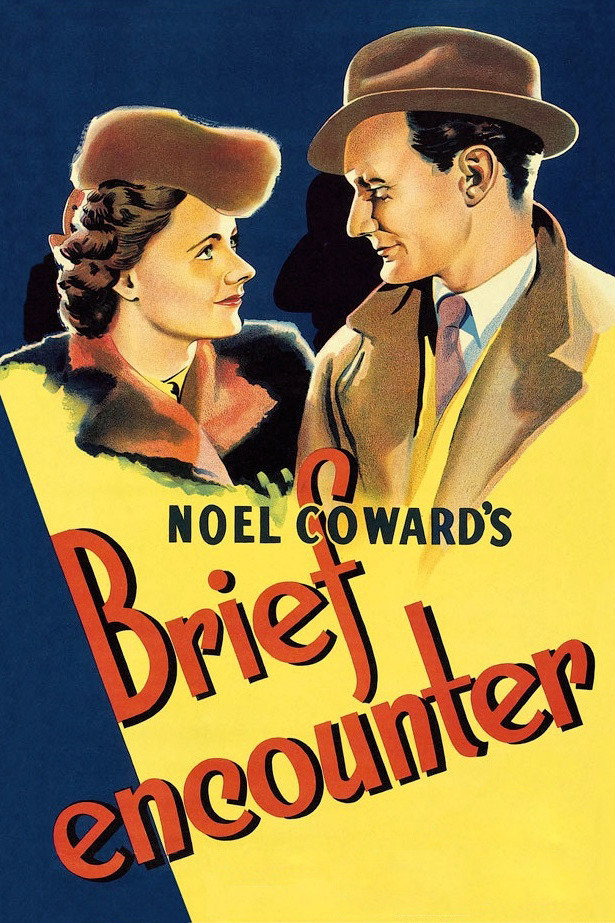
Brief Encounter

1945 · Another romance in which ordinary good manners make desire almost unbearable.

The Earrings of Madame de… poster

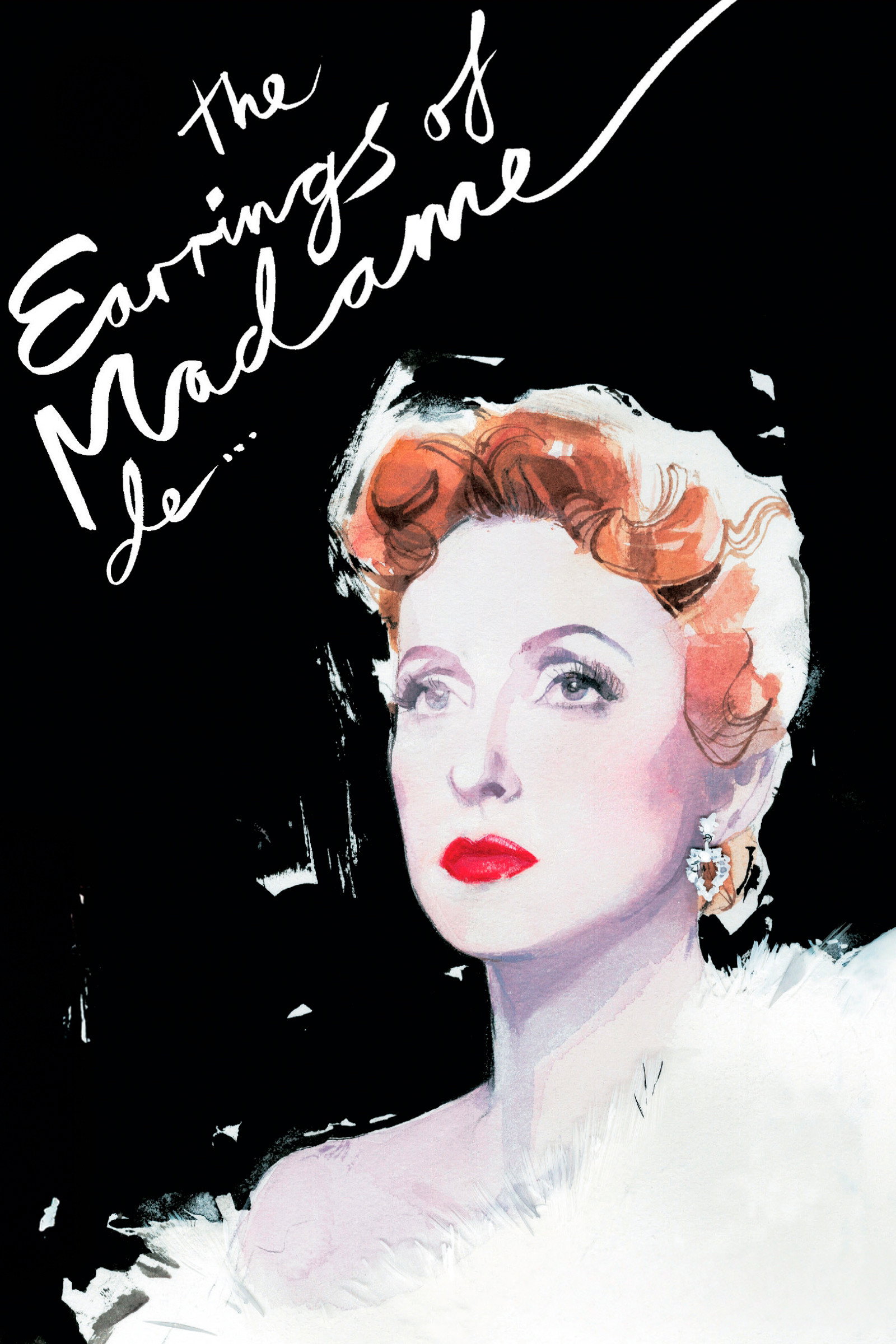
The Earrings of Madame de…

1953 · Jewellery, social rituals and divided loyalties, with each courtesy carrying a cost.

In the Mood for Love poster

In the Mood for Love

2000 · For another close study of desire, propriety and the things left unsaid.

The Remains of the Day poster86

The Remains of the Day

1993 · A life organised around correct behaviour leaves painfully little room for intimacy.

The Music Room poster

The Music Room

1958 · A proud man clings to costly rituals as his social world recedes.