Anthony Hopkins and Emma Thompson make James Ivory’s restrained romance deeply affecting. The pace occasionally stiffens and the music over-explains, but the performances make every awkward exchange worth attending to.
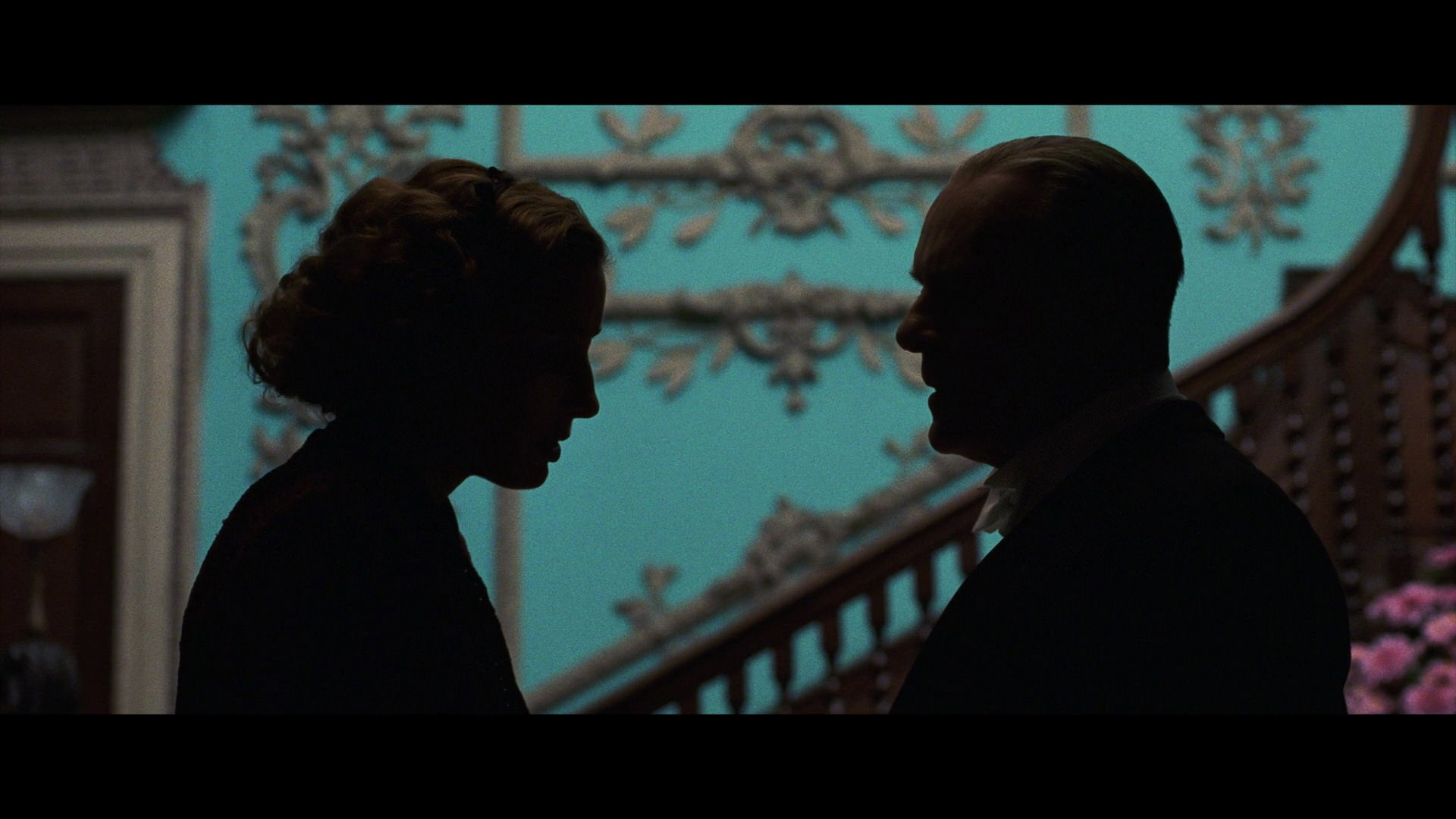
James Ivory’s The Remains of the Day is a moving, occasionally over-deliberate account of what happens when a man treats every personal feeling as a professional inconvenience. Adapted by Ruth Prawer Jhabvala from Kazuo Ishiguro’s novel, it gives Anthony Hopkins a butler whose devotion to his work has become a reason not to question anything. The English period setting invites us to admire the running of the household. The story unfolds through flashbacks, with Stevens’s work and his dealings with Miss Kenton at its centre.
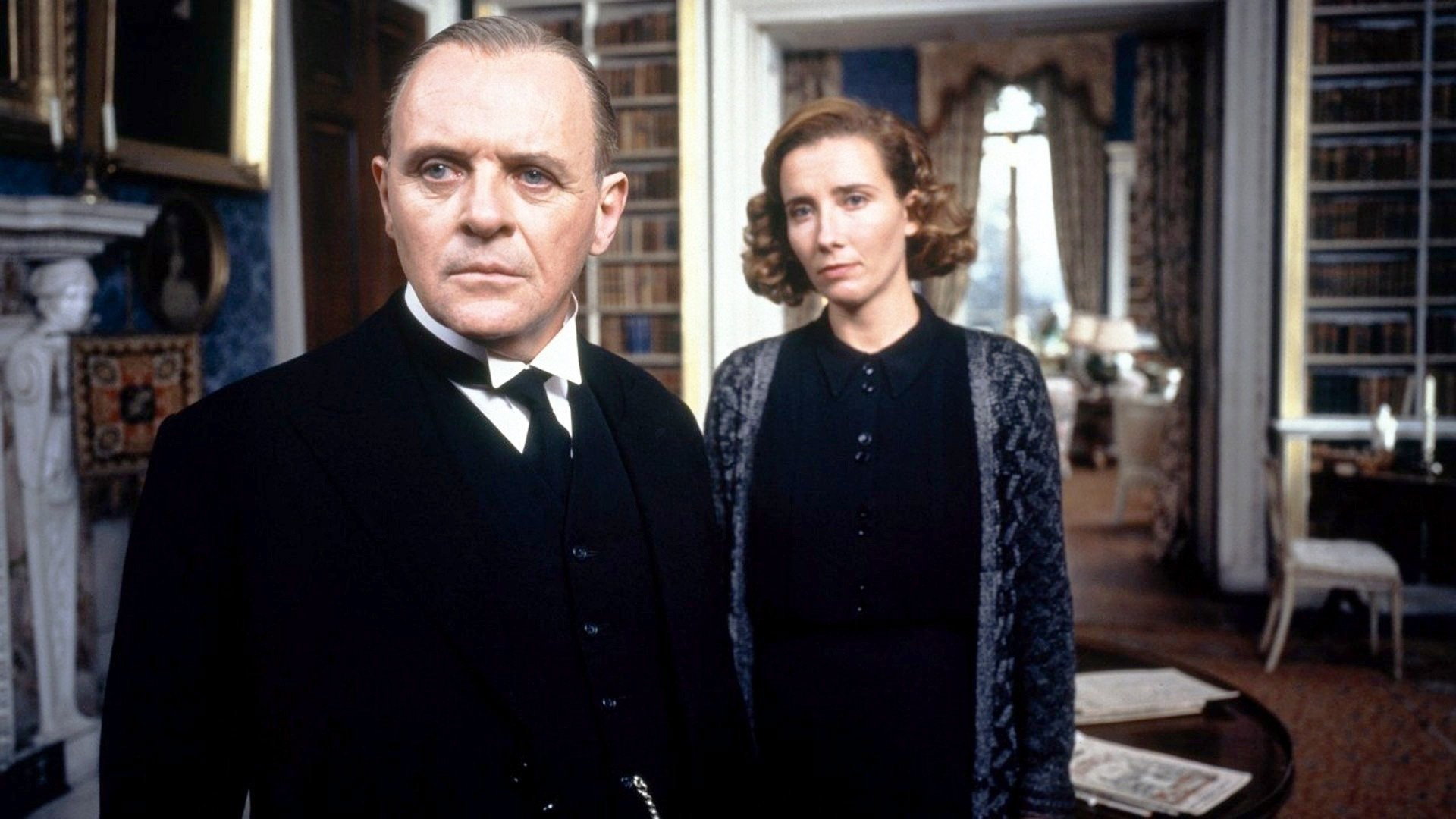
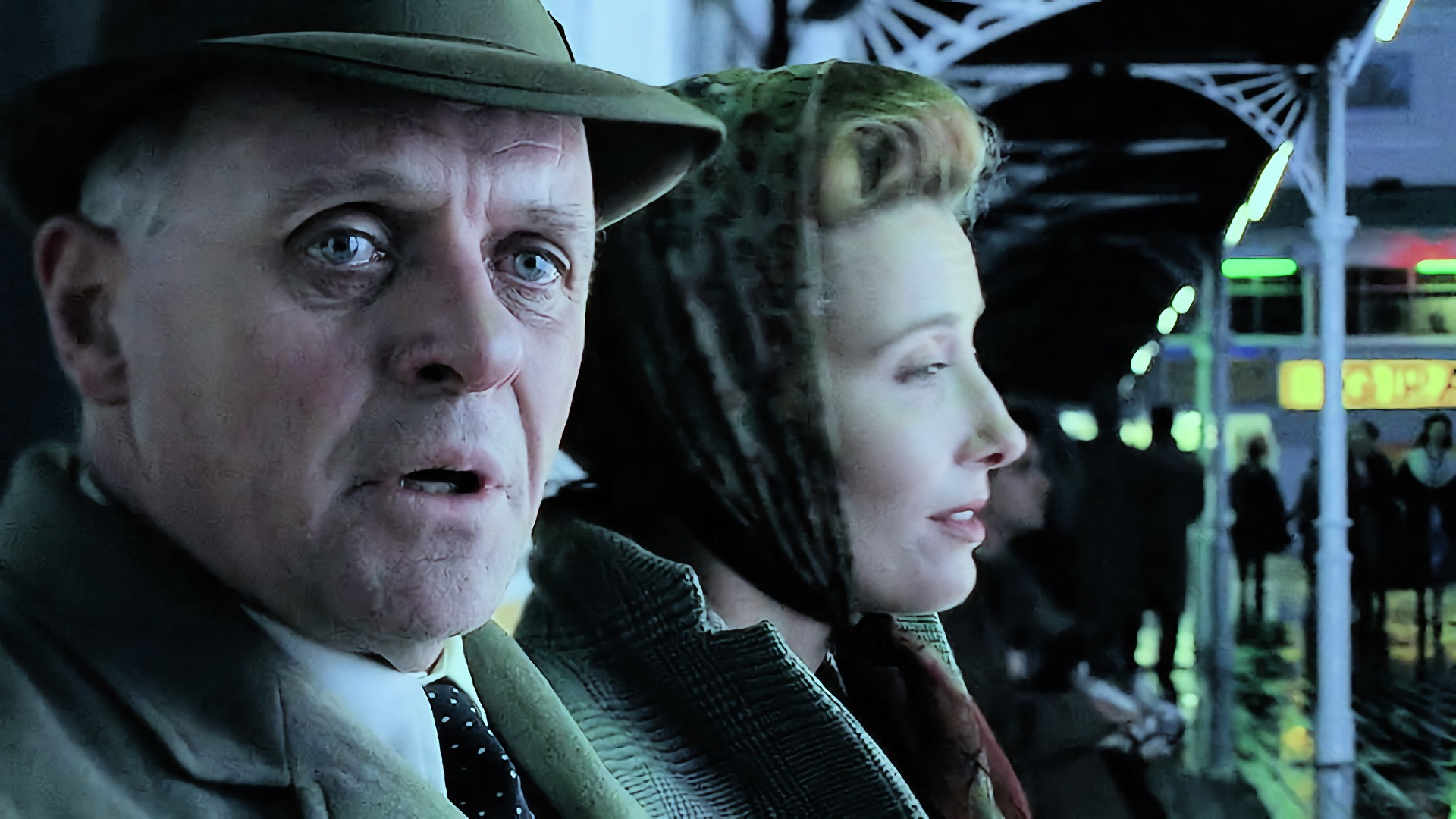
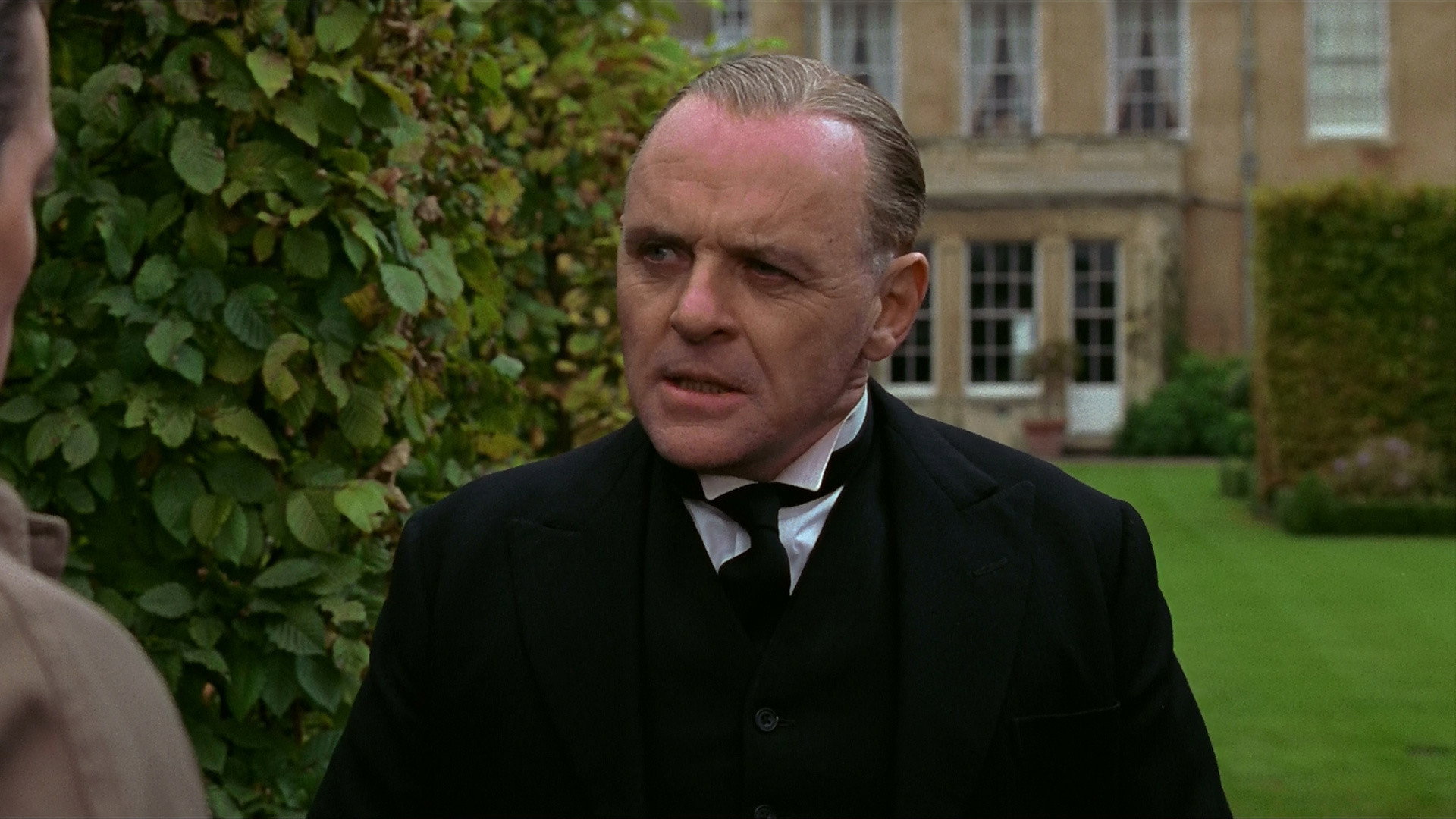
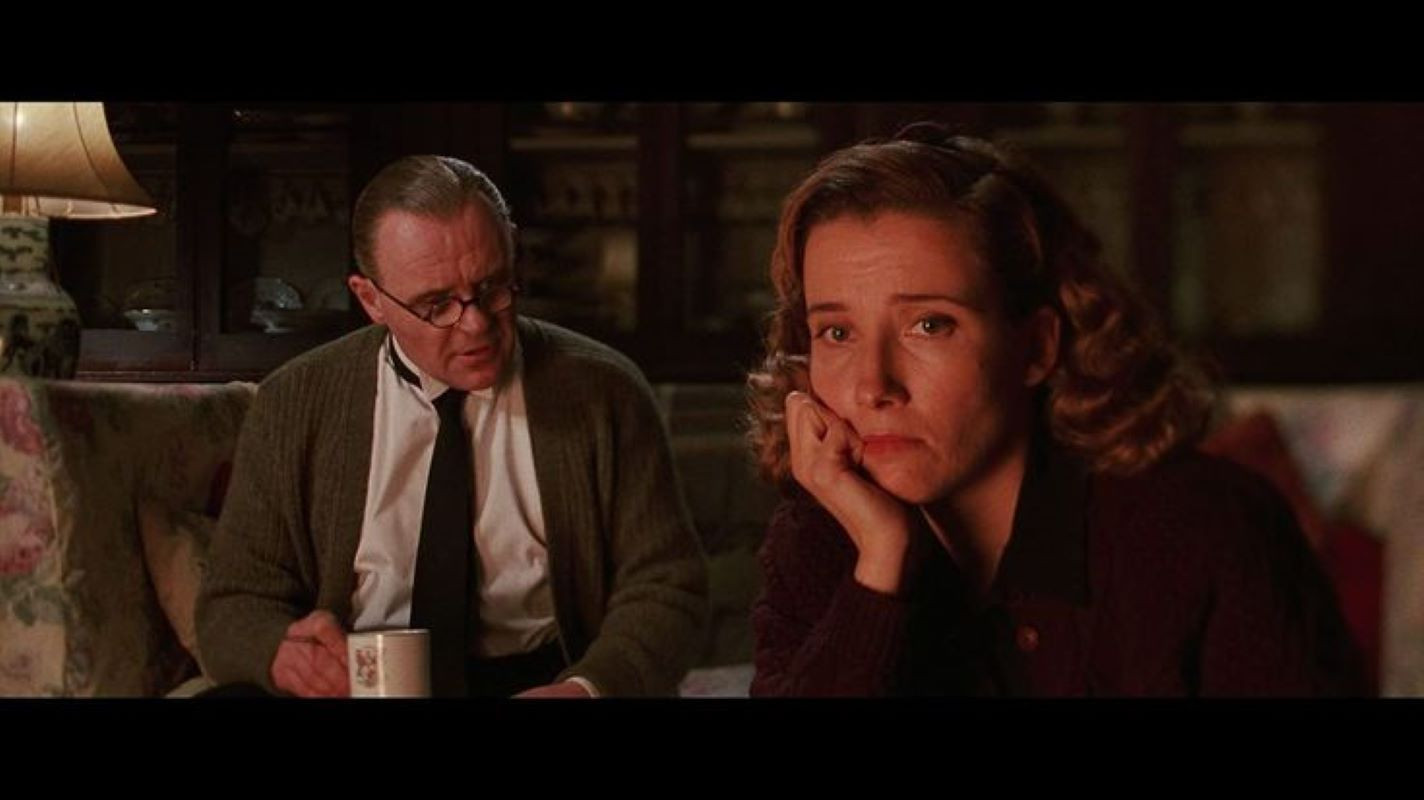
Hopkins’s James Stevens is so practised at restraint that the small movements of his face begin to command our attention. The performance asks us to notice how much effort goes into keeping his manner even. His courtesy becomes a way of avoiding an answer, even when nobody is asking him anything especially dangerous. We felt painfully sorry for him, because Hopkins makes an ordinary exchange with Miss Kenton seem like more intimacy than Stevens can safely manage.
Emma Thompson’s Miss Kenton keeps the film from becoming an extended inspection of one man’s restraint. Her housekeeper can answer back, and the exchanges between them have the irritation and humour that a solemn treatment of repression badly needs. Thompson lets us recognise how much work it takes to keep reaching towards someone who insists on meeting her as a colleague. She gives Kenton’s exasperation as much attention as her affection, particularly in their verbal sparring.
Jhabvala’s screenplay is equally interested in the habit of leaving difficult decisions to one’s social superiors. The film’s treatment of class and fascism makes Stevens’s pride harder to indulge: there are consequences to serving without questioning, however properly the work is done. Ivory does not let our concern for the relationship with Kenton push those questions aside. The connection is clear enough to follow without turning Stevens into a spokesman, and Hopkins keeps his professional stubbornness recognisably human.
Tony Pierce-Roberts photographs the period interiors with a composure that suits Stevens, keeping the surroundings as formally presented as the man. Luciana Arrighi’s production design makes the rooms look scrupulously maintained, so that we can understand why someone might mistake their good order for proof that all is well. The setting is attractive, but its upkeep starts to seem oppressive. These are convincing rooms for people who spend their working lives making themselves unobtrusive.
Andrew Marcus’s editing accommodates the flashback structure without hurrying the performances, but the pace sometimes becomes dutiful. A little less space between exchanges would not have made Stevens any less inhibited. Richard Robbins’s music is a more definite problem when it tells us how much to feel about a face that is already telling us enough. That extra emphasis can make a delicate exchange feel laboured, particularly when the actors have communicated so much with so little movement.
For a period romance, this pays an unusual amount of attention to the working habits that can make a private life difficult. It asks us to take Stevens seriously as a professional even when we want him to stop behaving like one, and that can make for uncomfortable company. Save it for an evening when Hopkins and Thompson will not have to compete with another conversation.