James Ivory's period dramas are worth watching for their patient attention to people. We value his humour and his trust in actors, even when the polished storytelling explains more than it needs to.
Fi1m perspective
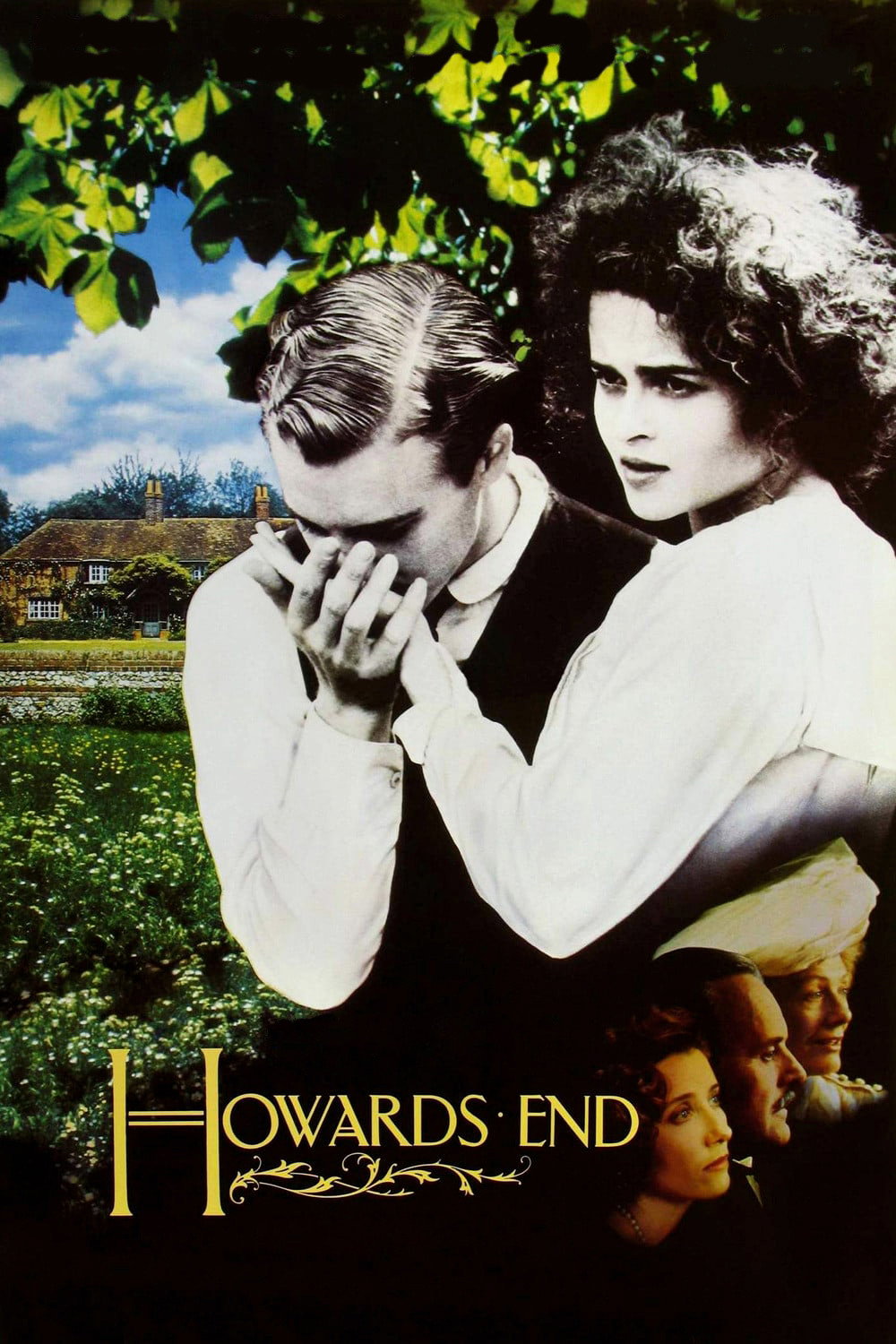
In Howards End (1992), people keep talking politely long after it is clear that they agree on almost nothing. James Ivory gives the actors time to show the habits that make such conversations painful, and sometimes funny. The clothes and rooms never become the main reason to watch. Working from Ruth Prawer Jhabvala's adaptation of E.M. Forster, he makes class felt through the way people treat one another.
The literary adaptations can obscure the earlier documentaries, Indian-set films and American features. The Householder (1963) was his first feature, with Jhabvala writing the screenplay. Producer Ismail Merchant was the other central partner, while cinematographer Tony Pierce-Roberts became a recurring collaborator. The move towards literary adaptations gathered pace from the late 1970s. A Room with a View (1985) and Maurice (1987) belong to the period when those films came to define his reputation.
Jhabvala's writing is central to what works in Howards End: people reveal their beliefs in conversation without having to deliver a lecture. Emma Thompson's Margaret has to make an effort to be generous. We were moved by that effort, because Thompson lets the strain show without making Margaret a lesson in goodness. Ivory also leaves room for these people to be ridiculous. The humour keeps the sympathy from becoming solemn.
The difficulty comes when he makes behaviour too readily understandable. In Howards End, some conversations have explained the characters before the scene is finished, leaving the actors little more to reveal. Leonard suffers particularly from being treated as a social problem when we want more time with him as a person. We would welcome a little less explanation here, even at the cost of some of the film's polish.
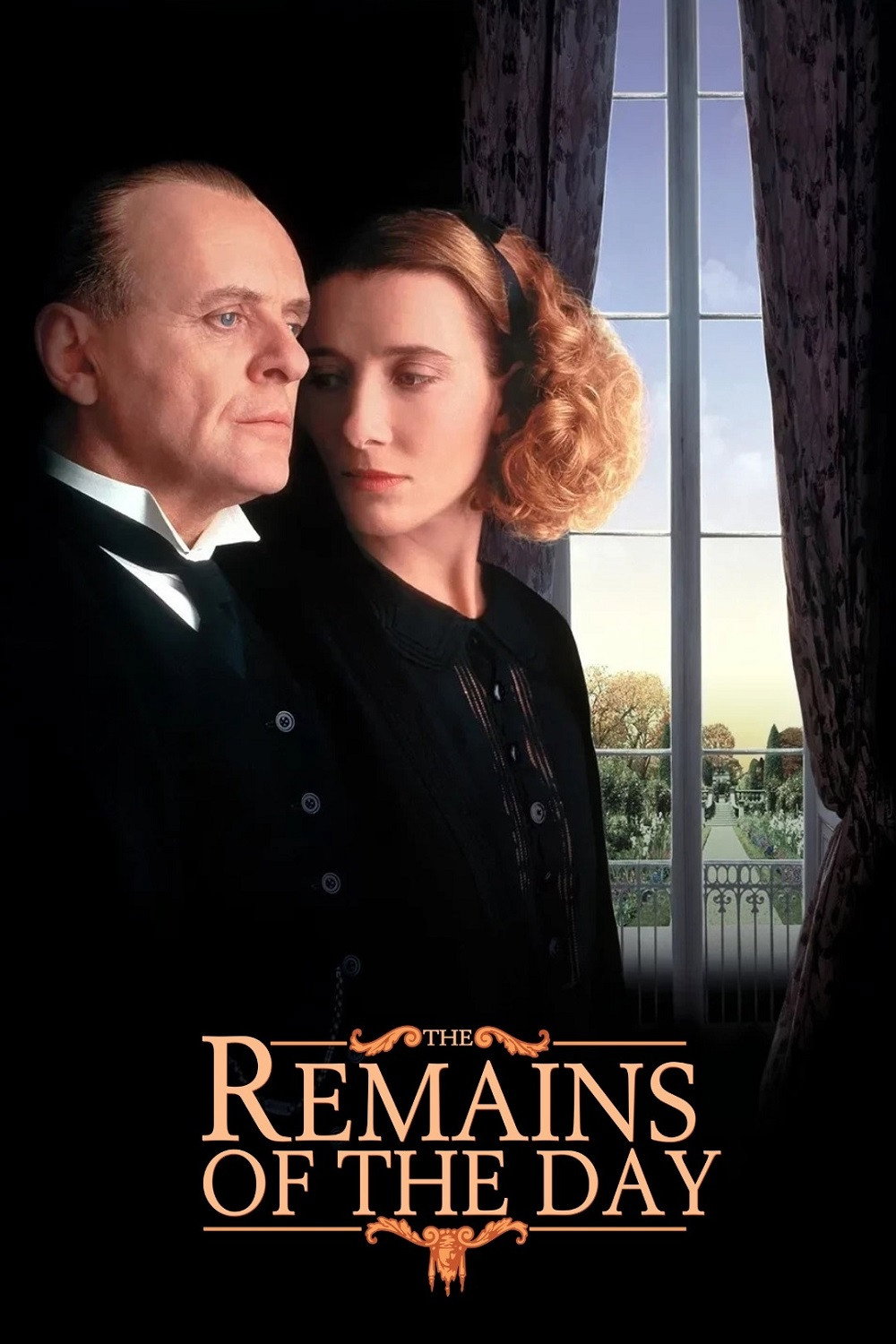
The Remains of the Day (1993) gives further room to his interest in social nuance and restrained emotion. His later screenplay for Call Me by Your Name (2017) is also a reminder to distinguish his writing from the films he directs. For a first encounter with Ivory the director, choose Howards End on an evening when nobody needs the conversations hurried along.
Biography
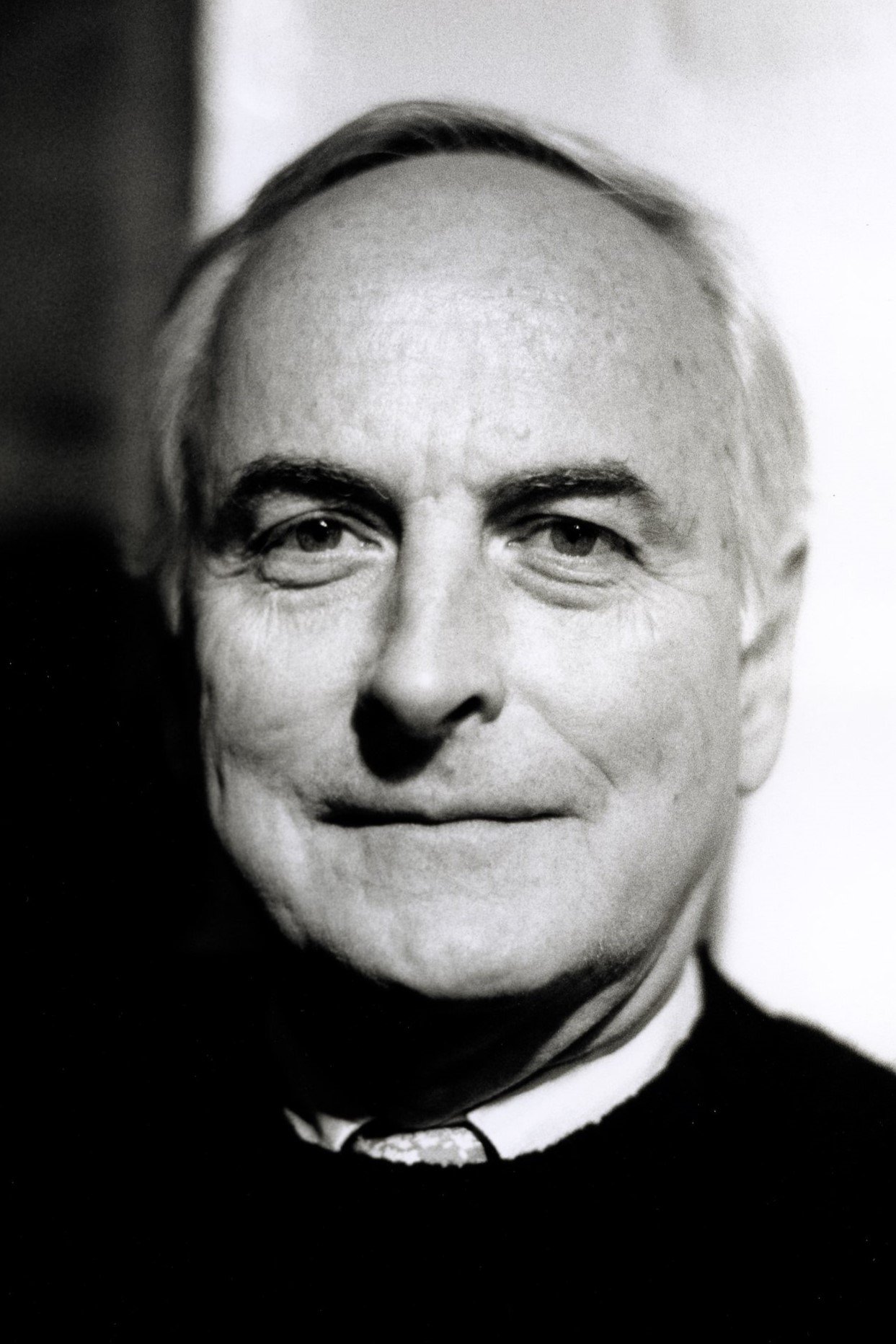
James Ivory is an American film director born on 7 June 1928 in Berkeley, California. He is best known for his work with Merchant Ivory Productions, collaborating with producer Ismail Merchant and screenwriter Ruth Prawer Jhabvala on numerous literary adaptations.
His notable films include A Room with a View (1986), Maurice (1987), Howards End (1992) and The Remains of the Day (1993). He received three Academy Award nominations for Best Director. In 2018, at the age of 89, he won the Oscar for Best Adapted Screenplay for Call Me by Your Name (2017).