Film review

Call Me by Your Name

2017 · Directed by Luca Guadagnino · 2h 12m · MPA R

In a sentenceAll that education, and still no reliable way to ask if someone fancies you

RomanceDrama

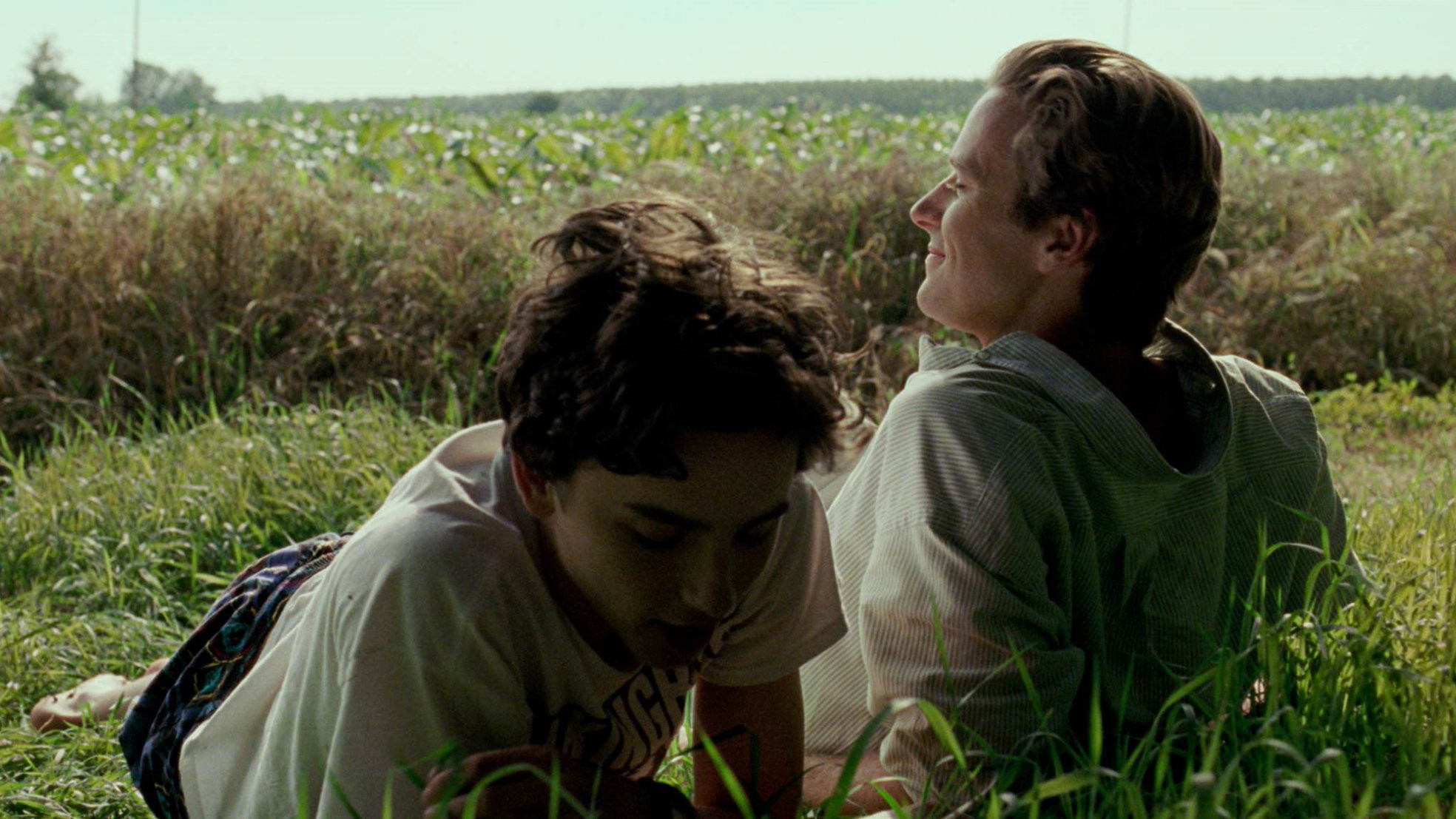
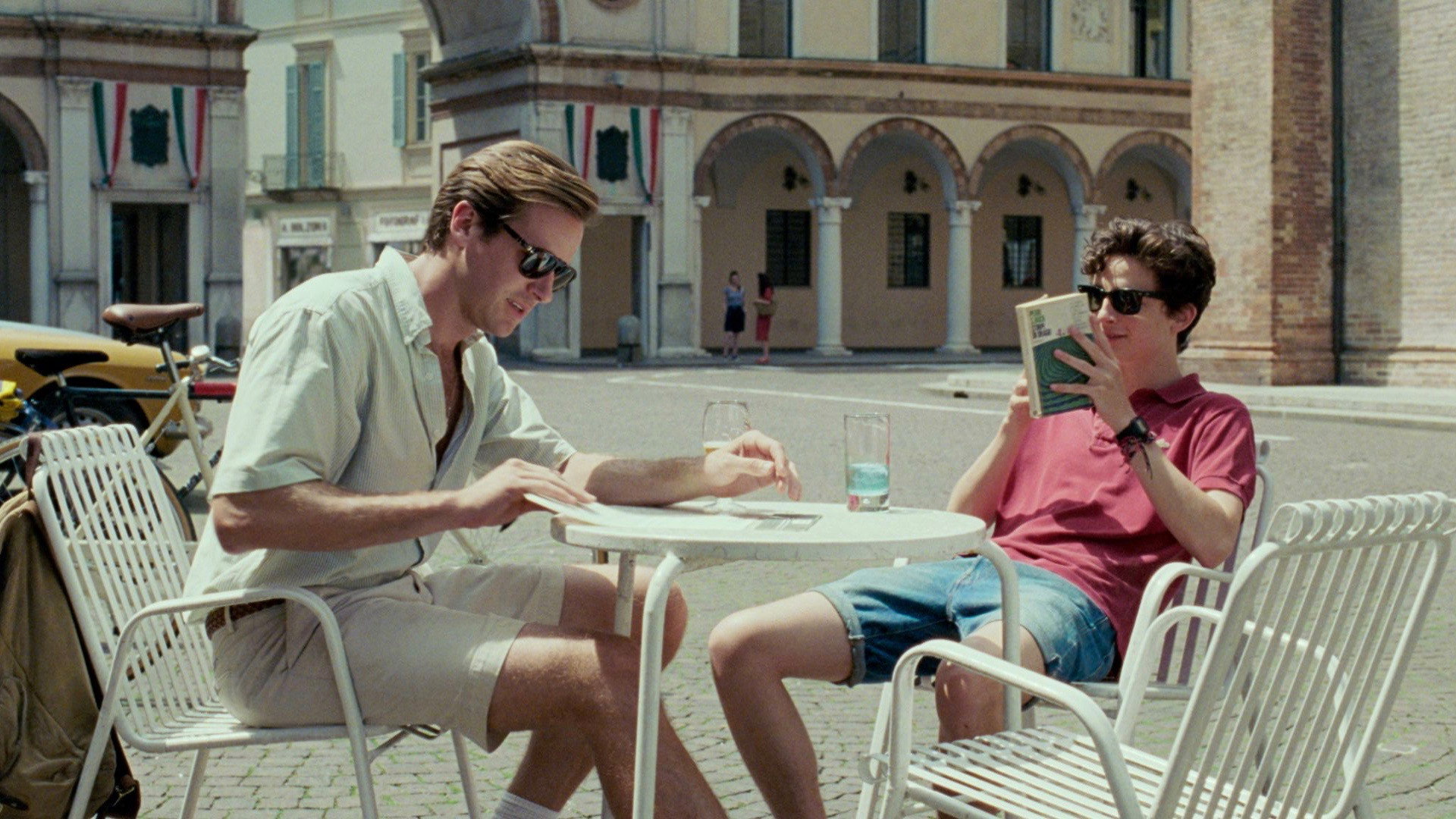
It is summer 1983 in Italy. Teenager Elio (Timothée Chalamet) is drawn to Oliver (Armie Hammer), an older graduate student, but wants to find out if the feeling is mutual before he risks saying so. Elio’s father, Mr. Perlman (Michael Stuhlbarg), is part of a family whose conversation turns readily to art and history. Elio can keep up with the talk; understanding Oliver is more difficult. Between their intellectual exchanges and the long summer days, he tries to make himself understood without letting his inexperience show.

Plays from YouTube when you press play; nothing loads from them until then.

Fi1m review

Luca Guadagnino makes first love feel awkward, absorbing and worth the risk, with Timothée Chalamet doing the difficult work. The leisurely pace sometimes becomes indulgent, but we recommend this romance for its attentiveness to embarrassment as much as desire.

Luca Guadagnino gives Call Me by Your Name time to let attraction become inconvenient. James Ivory’s screenplay, adapted from André Aciman’s novel, follows a teenage boy whose intelligence offers little help with wanting an older man. Elio can talk about art and history without being any better at understanding Oliver. We recommend it because the performances make that uncertainty matter, though the film occasionally takes longer over a mood than it needs to.

Timothée Chalamet plays Elio with an alertness that makes even the quieter exchanges feel risky. His physical expressiveness keeps exposing what the intellectual conversation might otherwise conceal, so the character’s cleverness never makes him seem safely in control. We were embarrassed for him, because his face makes his uncertainty plain while he is trying to sound assured. It is a generous performance, letting us recognise the awkwardness without encouraging us to laugh at the boy.

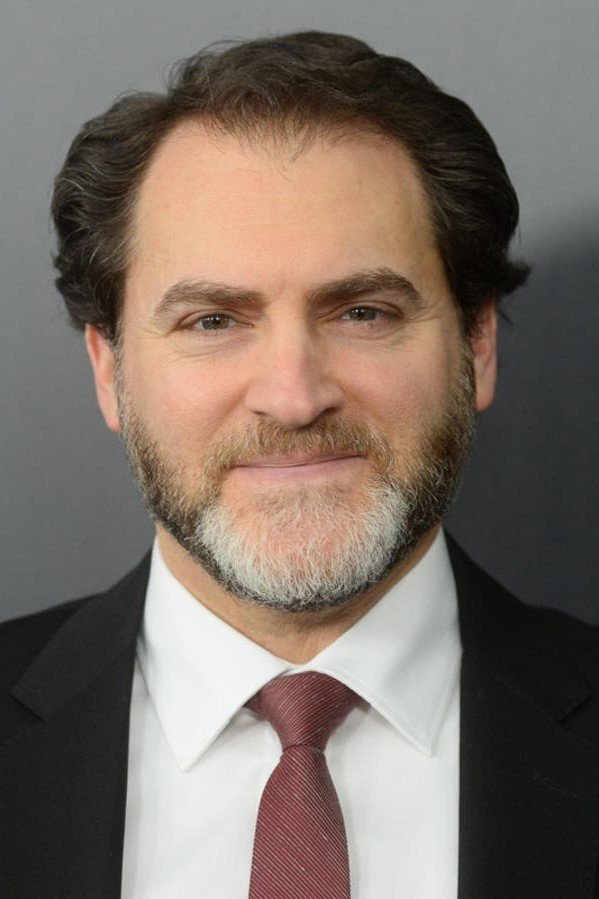
Armie Hammer gives Oliver an ease that makes Elio’s self-consciousness harder to hide. The attraction is convincing, although Oliver is less fully drawn, and the film sometimes relies on Armie Hammer’s presence where another detail of character would help. Michael Stuhlbarg, as Mr. Perlman, brings warmth to the family scenes without making kindness look like an achievement. The people around Elio can seem too well chosen to help him understand his feelings; we occasionally wanted somebody to be less understanding.

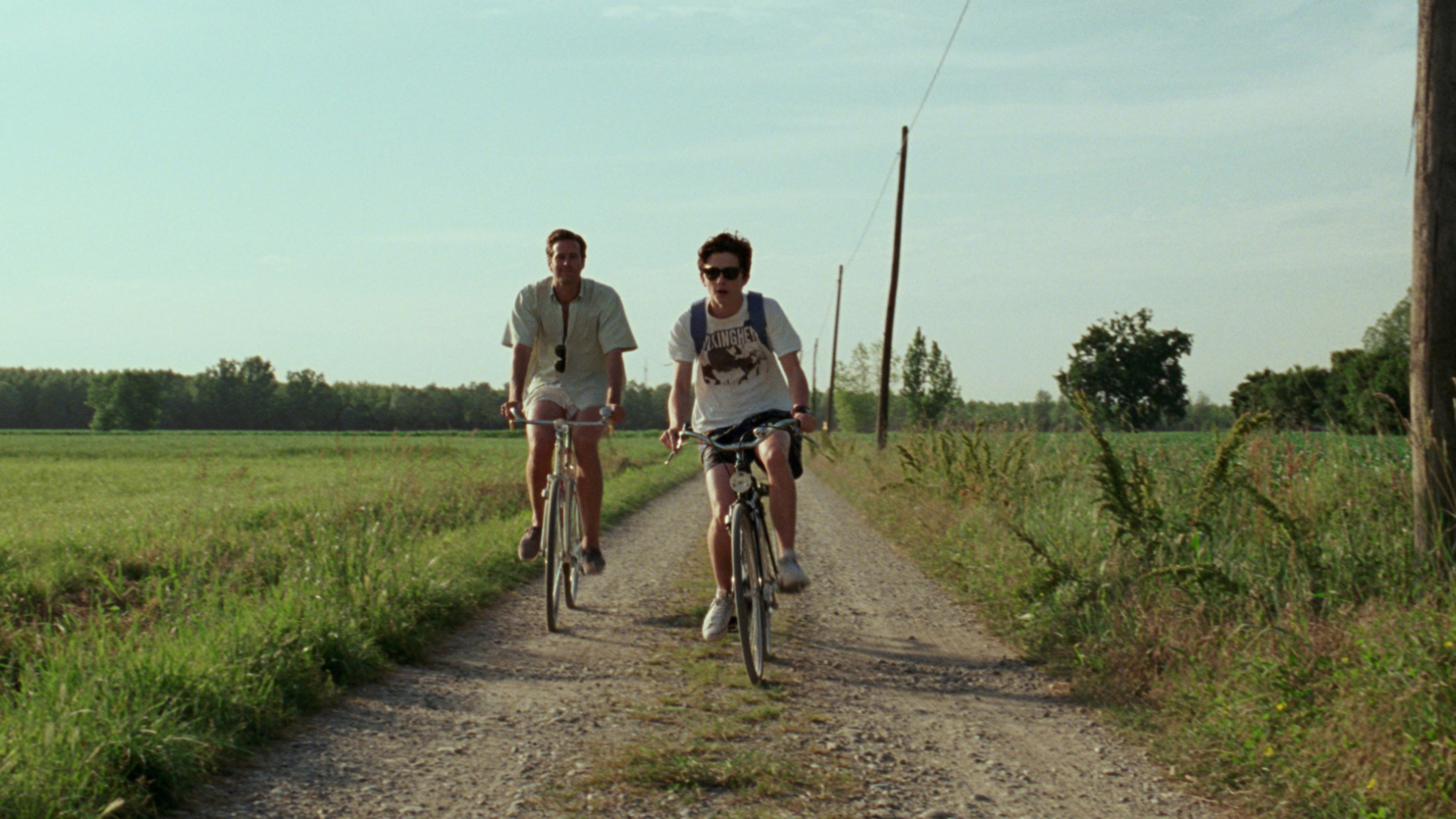
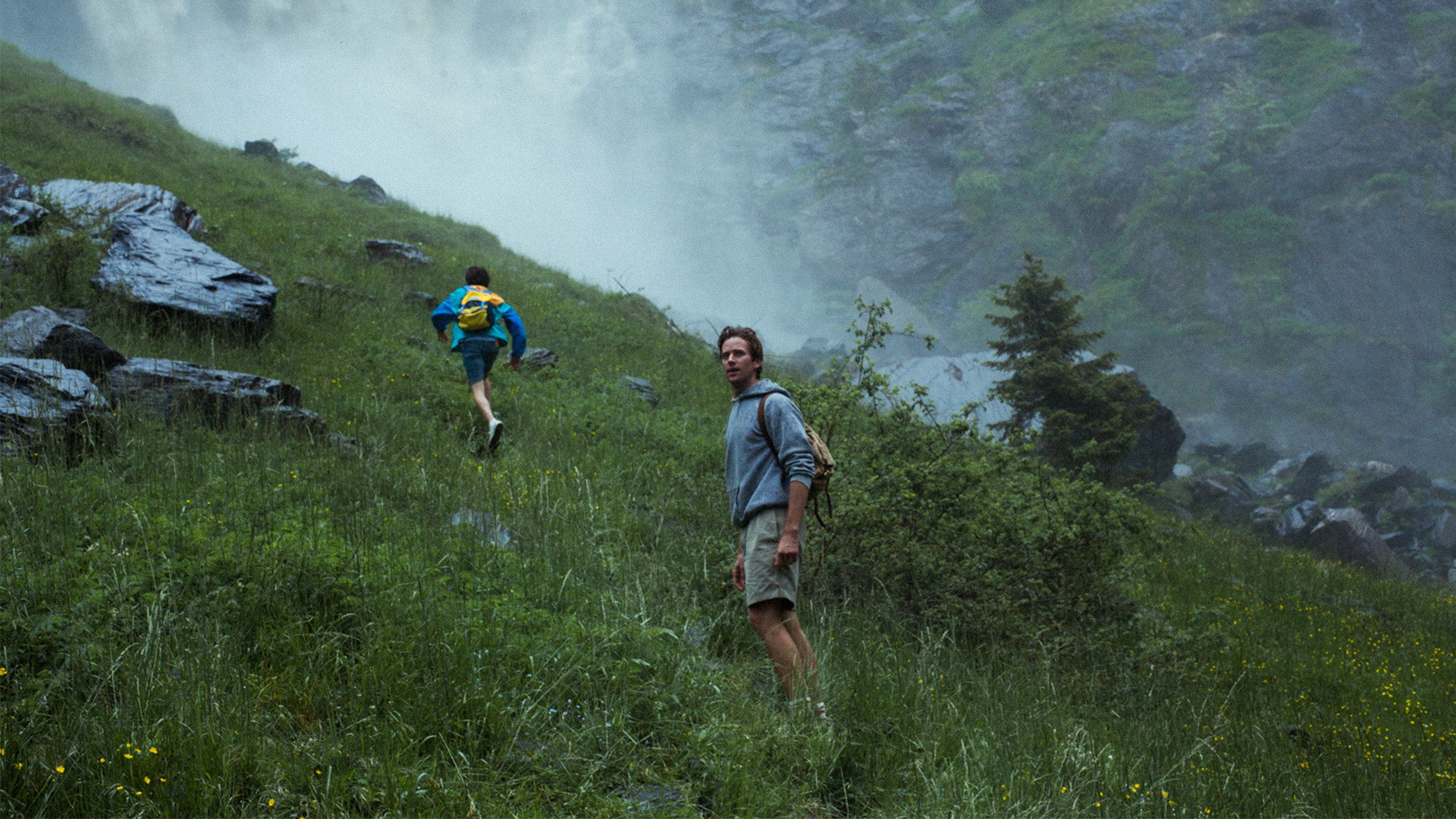
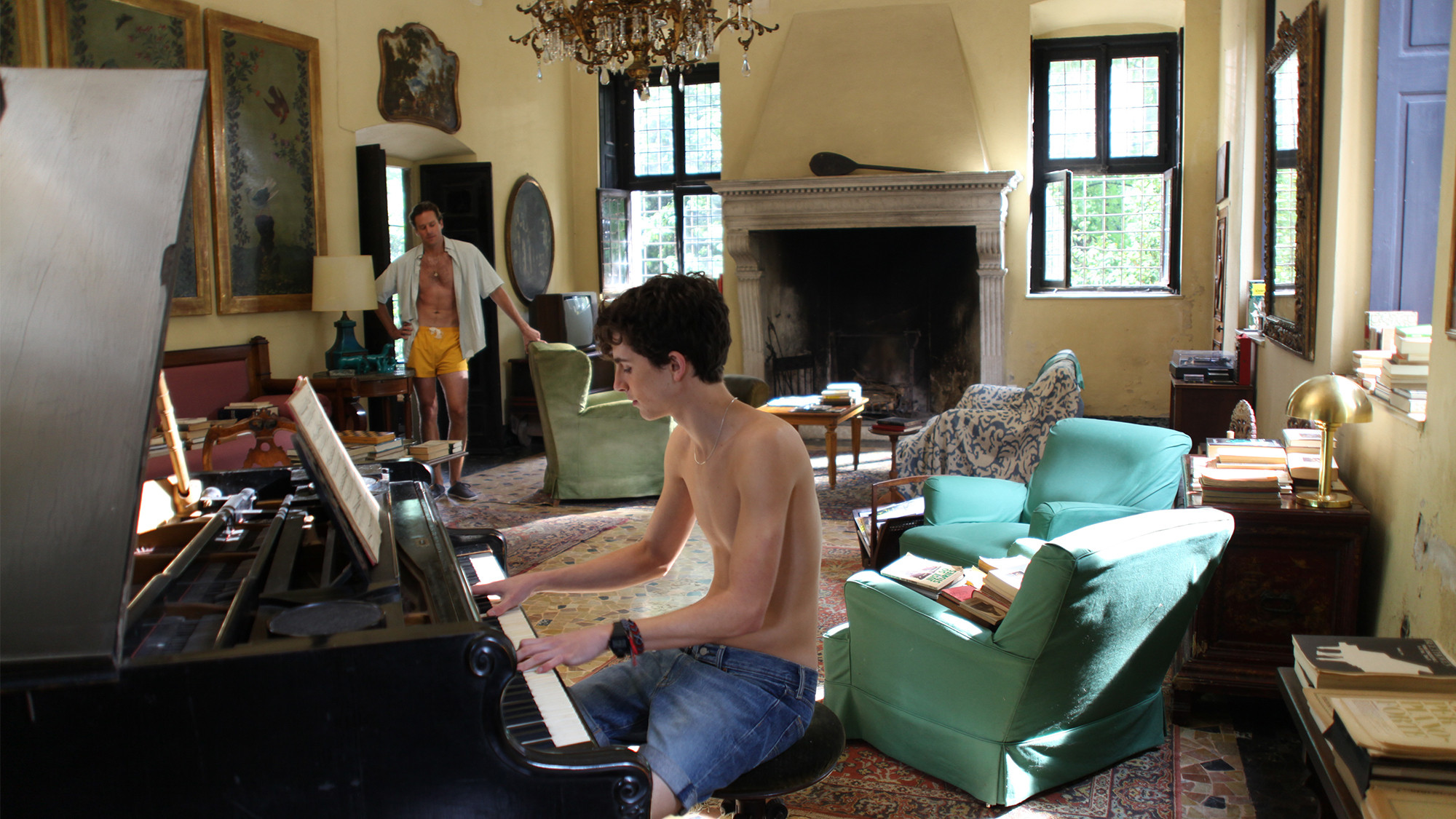
Sayombhu Mukdeeprom’s wider compositions let us watch how the two men occupy space around each other. Keeping the camera back lets us read their awkwardness for ourselves, without a close-up insisting on its importance. Samuel Deshors’s production design makes the period setting inviting, and helps the conversations about art and history feel at home there. The surroundings can be so pleasant that we stop attending to the people, which is a problem in a romance.

Walter Fasano’s editing allows the romance to develop slowly enough for hesitation to become interesting. At 132 minutes, however, the film sometimes gives us more time to understand a feeling we have already understood. John Adams’s music brings a welcome restlessness. Sufjan Stevens’s songs sound close and private, helping when the camera keeps its distance. They suit the film, though occasionally we would rather have been left with the actors, who have already made the feeling clear.

For a coming-of-age romance, this is unusually willing to let embarrassment take its time. It also allows pleasure without treating it as something the characters must apologise for, which makes the occasional prettiness easier to forgive. The film takes Elio’s feelings seriously even when he cannot find a sensible way to express them, and that is worth a little patience. Save it for an evening without interruptions; the small changes in his expression deserve attention.


Critical consensus AI synthesised

93
Positive
22
Mixed
0
Negative
0

Most critics greet Call Me by Your Name with strong enthusiasm, praising its patient account of first love and the sensual atmosphere of its Italian summer setting. Praise centres on Timothée Chalamet’s physically expressive performance, which the reviews credit with making uncertainty, desire and hurt legible in small gestures and silences. Guadagnino’s direction also draws broad approval for allowing the relationship to develop slowly, with several critics finding that the warmth and humour make its emotional force more affecting.

The differences are chiefly matters of emphasis, though there is a clear dissent. While most reviews find the restraint intimate and absorbing, Paste considers the film emotionally distant, arguing that its long-shot compositions and limited tactile detail hold back the eroticism despite strong lead performances. The spread therefore runs from emphatic praise to a reservation about the very quality others admire: how closely the film lets us experience its characters’ feelings.

Little White Lies
25 October 2017 · 4/5/5 · Adam Woodward
100

The film is a stunning, lyrical exploration of love and longing, with the critic noting its sensual motifs and emotional depth.

Read the full review →
Slant Magazine
3 October 2017 · ★★★★/4 · Sam C. Mac
100

The film excels in exploring how relationships take on larger meanings through art and history, with evocative visuals and strong performances, especially Chalamet's. Guadagnino's reserved form allows the actors' emotional acuity to shine in this coming-of-age story.

Read the full review →
The i Paper
26 October 2017 · ★★★★★ · Matthew Turner
100

This is hailed as one of the year's best films and an emotional masterpiece, with exceptional direction that captures the rush of first love through nostalgic atmosphere, gorgeous cinematography and a perfect balance of joy and bittersweetness. Standout elements include the star-making performances, especially Chalamet's expressive portrayal and the profoundly moving father-son speech.

Read the full review →
The Telegraph
26 October 2017 · ★★★★★
100

The review calls it an incomparably lovely period romance as warm and therapeutic as sunlight, with elegance and passion from the Merchant Ivory connection and Guadagnino's best work to date. It highlights the sensual possibilities in a memorable food scene.

Read the full review →
Time Out
11 September 2017 · ★★★★★ · Joshua Rothkopf
100

A triumphant, emotionally intense coming-of-age romance that captures the essence of first love with style and wisdom.

Read the full review →
Empire
23 October 2017 · Olly Richards
90*

The review calls it a full-hearted romantic masterpiece that is at once light, joyful and emotionally devastating, with deeply affecting central performances. Guadagnino fills every scene with life and the cast, led by Chalamet's raw teenage emotions, makes the silences and small surprises count.

Read the full review →

Cast

Stills

Awards

David di Donatello for Best Director, 2019

Nominated
David di Donatello for Best Director

Academy Awards, 2018

Nominated
Best Actor
Nominated
Best Original Song
Nominated
Best Picture
Won
Best Writing, Adapted Screenplay

European Film Award – People's Choice Award for Best European Film, 2018

Won
European Film Award – People's Choice Award for Best European Film

Dorian Award for Film of the Year, 2017

Won
Dorian Award for Film of the Year

Dorian Award for LGBTQ Film of the Year, 2017

Won
Dorian Award for LGBTQ Film of the Year

If you liked this, try…

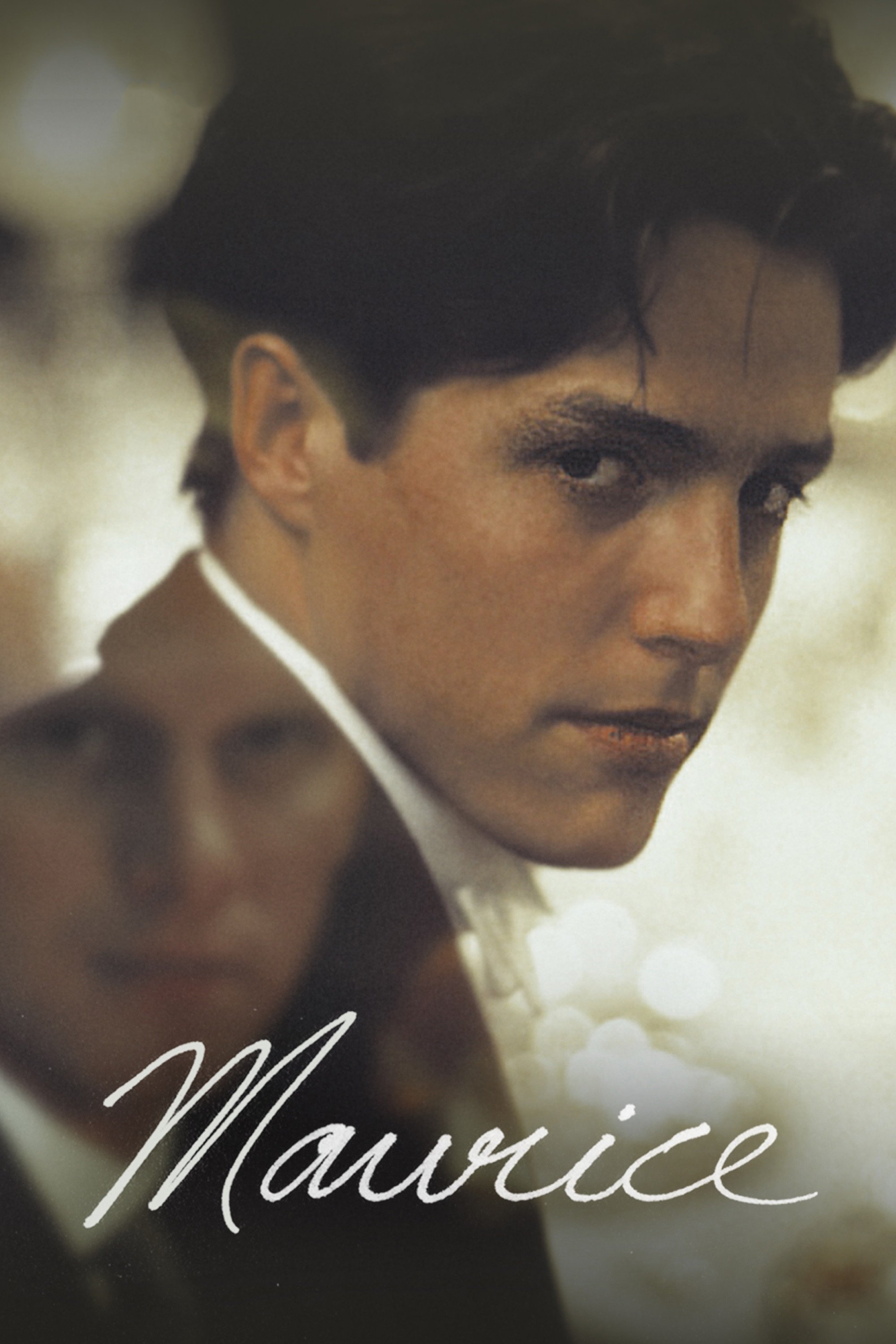
Maurice poster

Maurice

1987 · A more formal period romance, equally attentive to the difficulty of admitting desire.

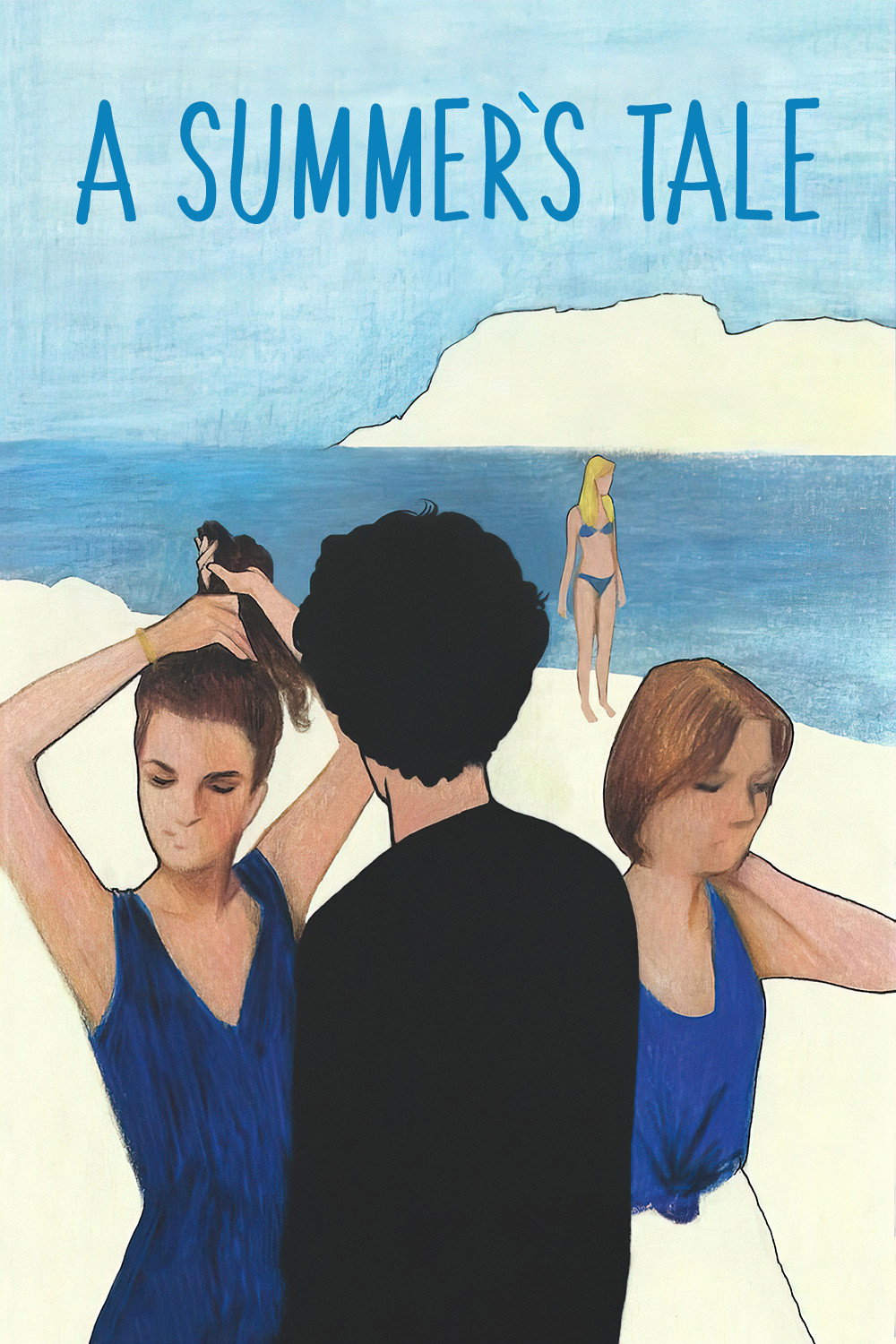
A Summer's Tale poster

A Summer's Tale

1996 · Another summer of clever talk that does little to simplify romantic decisions.

Happy Together poster86

Happy Together

1997 · A bruising romance in which mutual attraction offers no guarantee of mutual kindness.

Weekend poster

Weekend

2011 · A brief encounter between two men, with conversation doing the difficult emotional work.

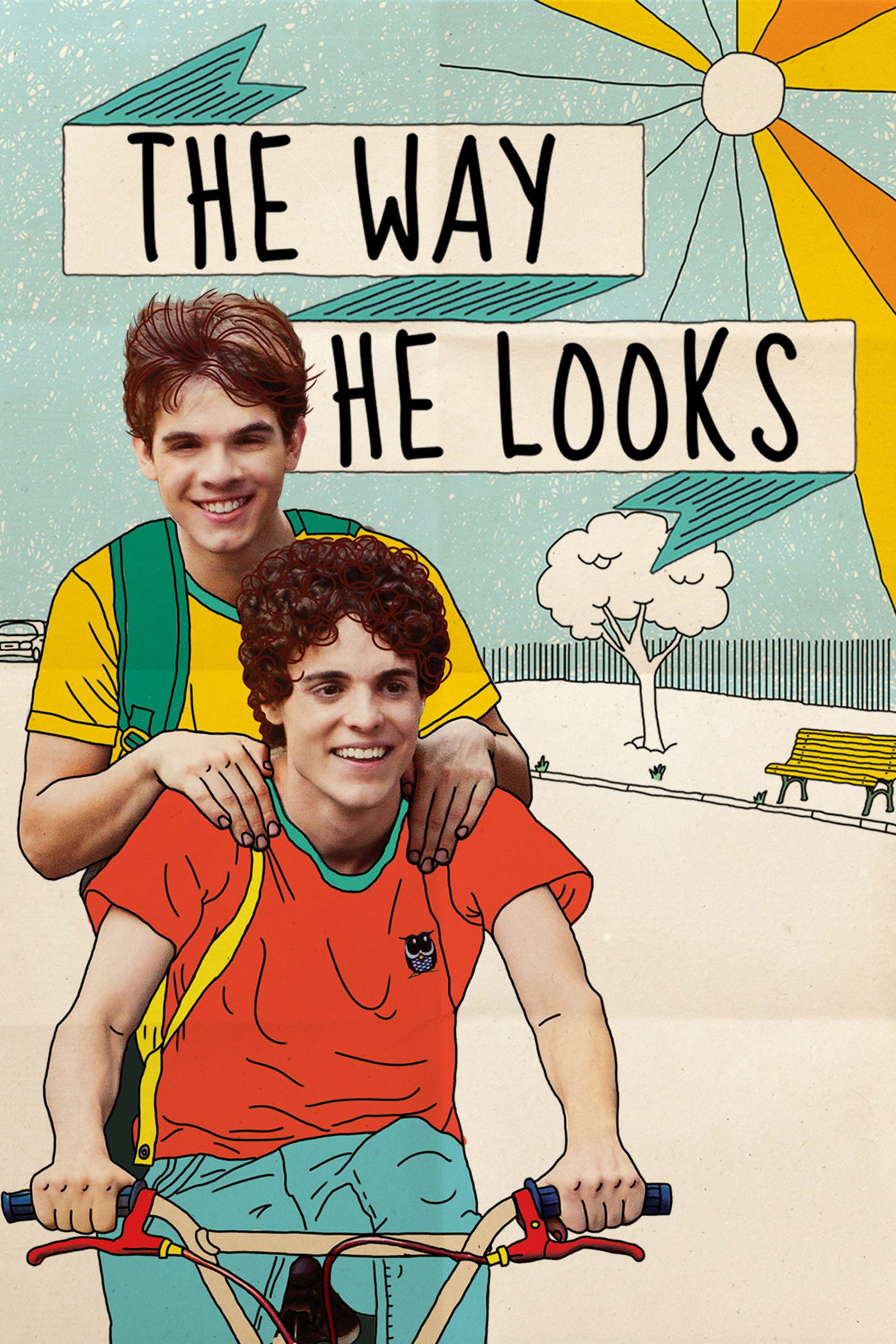
The Way He Looks poster

The Way He Looks

2014 · A gentler coming-of-age romance that lets curiosity and awkwardness develop at their own pace.