Film review

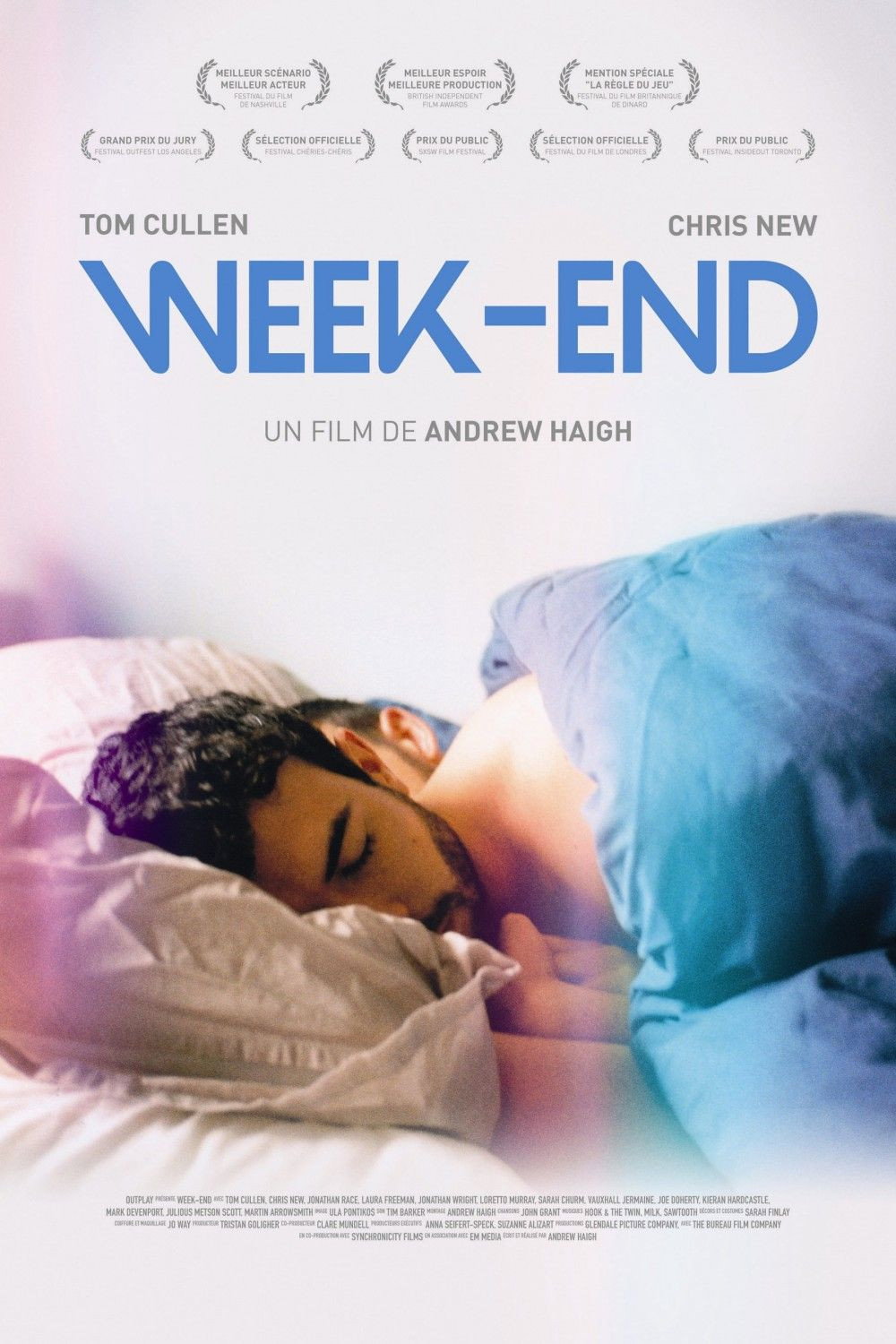
Weekend

2011 · Directed by Andrew Haigh · 1h 36m · MPA NR

In a sentenceBoy meets boy, boy records boy for his art project, and Nottingham looks on without comment

DramaRomance

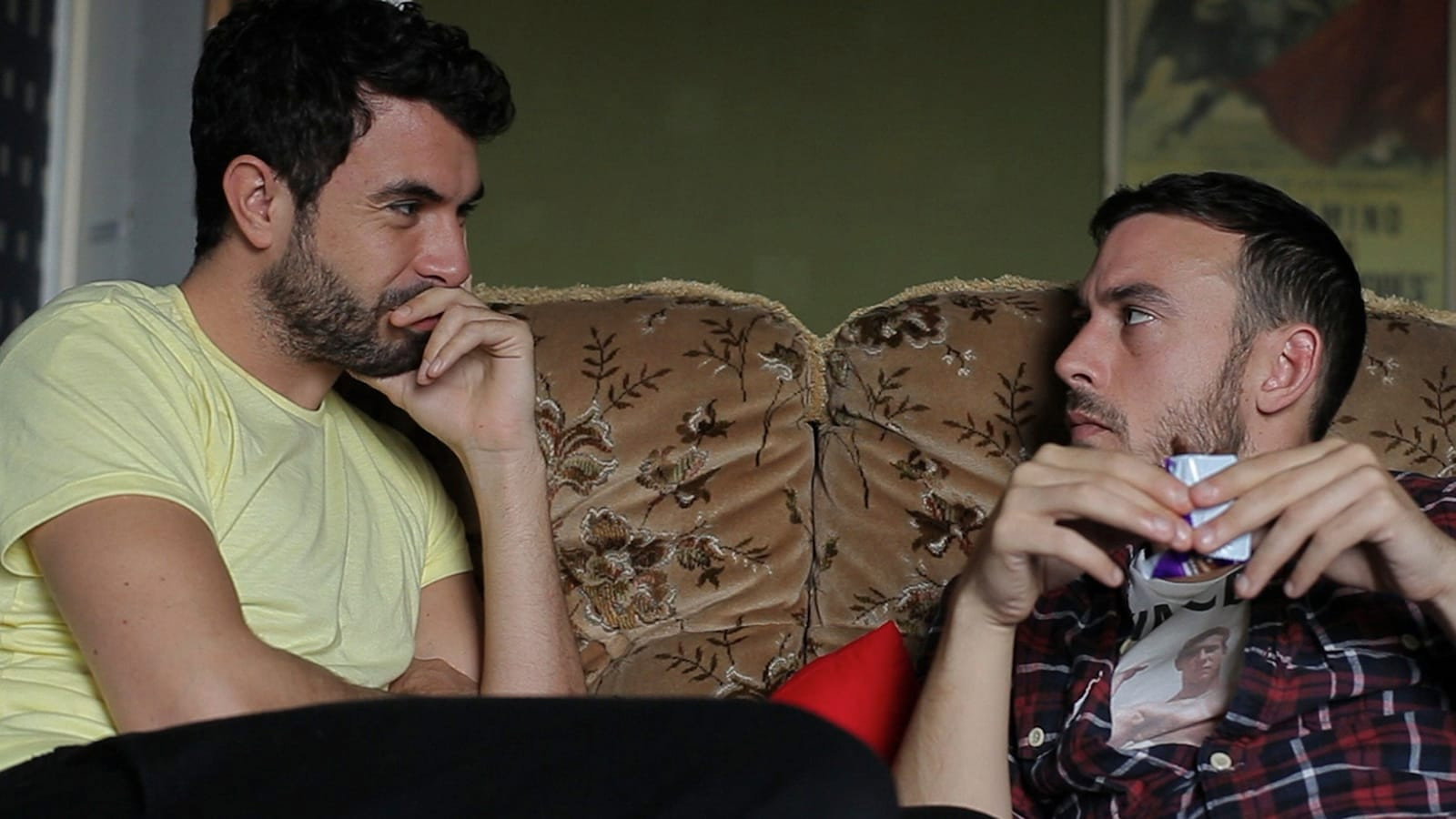
Nottingham, a cold weekend in October. Russell (Tom Cullen) works as a lifeguard at a leisure centre and lives alone in a council flat high in a tower block. On Friday night he leaves a party at the house of his oldest friend Jamie (Jonathan Race) and Jamie’s wife Jill (Laura Freeman), goes on to a gay club by himself and takes home Glen (Chris New), an art student. On Saturday morning Glen produces a tape recorder and asks Russell to describe, in detail, what they did the night before. It is for an art project about the stories people tell after sex. Russell is embarrassed, goes to work, and is surprised to find he wants to see Glen again. Glen, it turns out, is leaving the country on Monday.

Plays from YouTube when you press play; nothing loads from them until then.

Fi1m review

Andrew Haigh’s second feature follows two men in Nottingham from a Friday-night pick-up to Sunday evening, and it is small, plain and mostly talk. It is also as true a British love story as we can name, though Glen speaks for his writer a little too often.

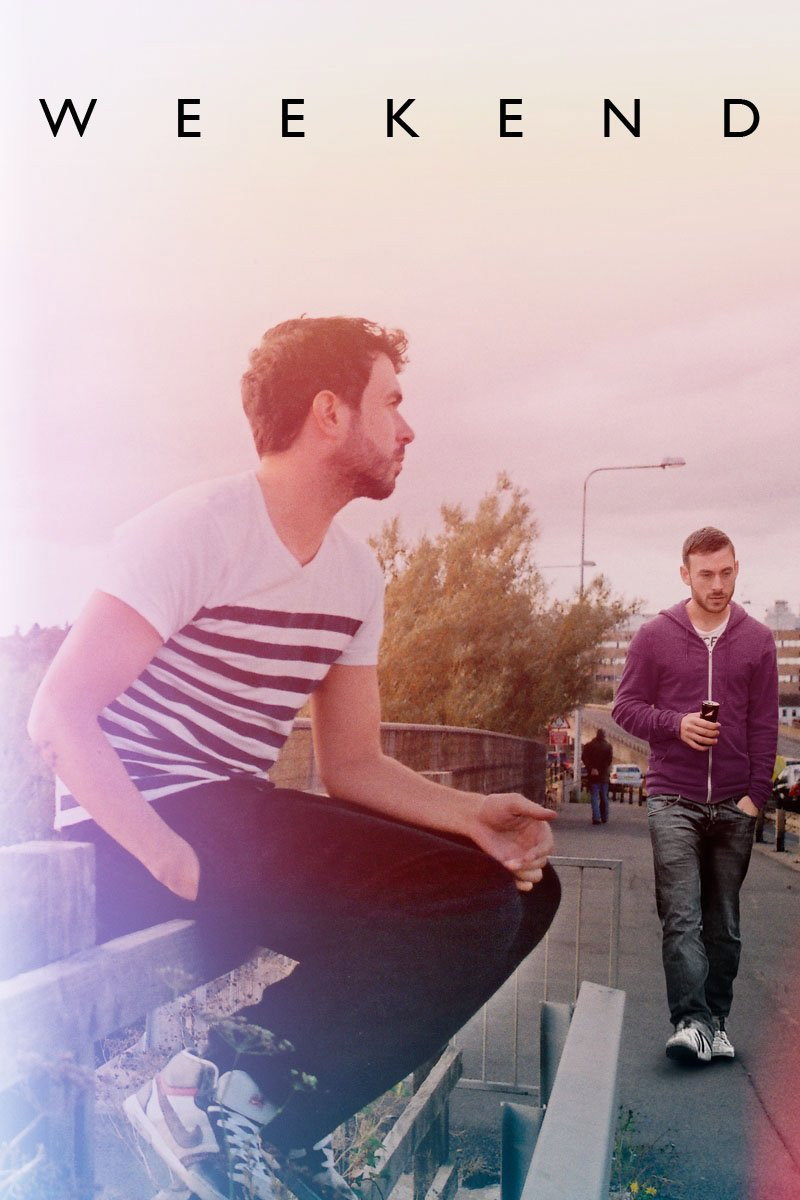
Andrew Haigh wrote, directed and edited Weekend, and the tagline called it “a (sort of) love story between two guys over a cold weekend in October”. That is the whole of it. Russell and Glen meet in a club on Friday night in Nottingham and spend most of the next two days in each other’s company, talking, drinking, taking things, going to bed. Nothing else happens. It is a small film and a fine one, and we would recommend it to anyone who can sit still for a conversation.

The scene that sets the terms comes the morning after. Glen (Chris New) sits on the edge of Russell’s bed with a tape recorder and asks him to describe, precisely, what they did the night before. It is for an art project, he says: what people say about sex afterwards, and who they say it for. Russell (Tom Cullen) pulls the duvet up and mumbles. We laughed at him, and then the laugh caught, because New keeps pushing and Cullen keeps flinching and the scene stops being about sex and becomes about a man who has never once said out loud what he wants. Haigh holds the shot and lets it happen.

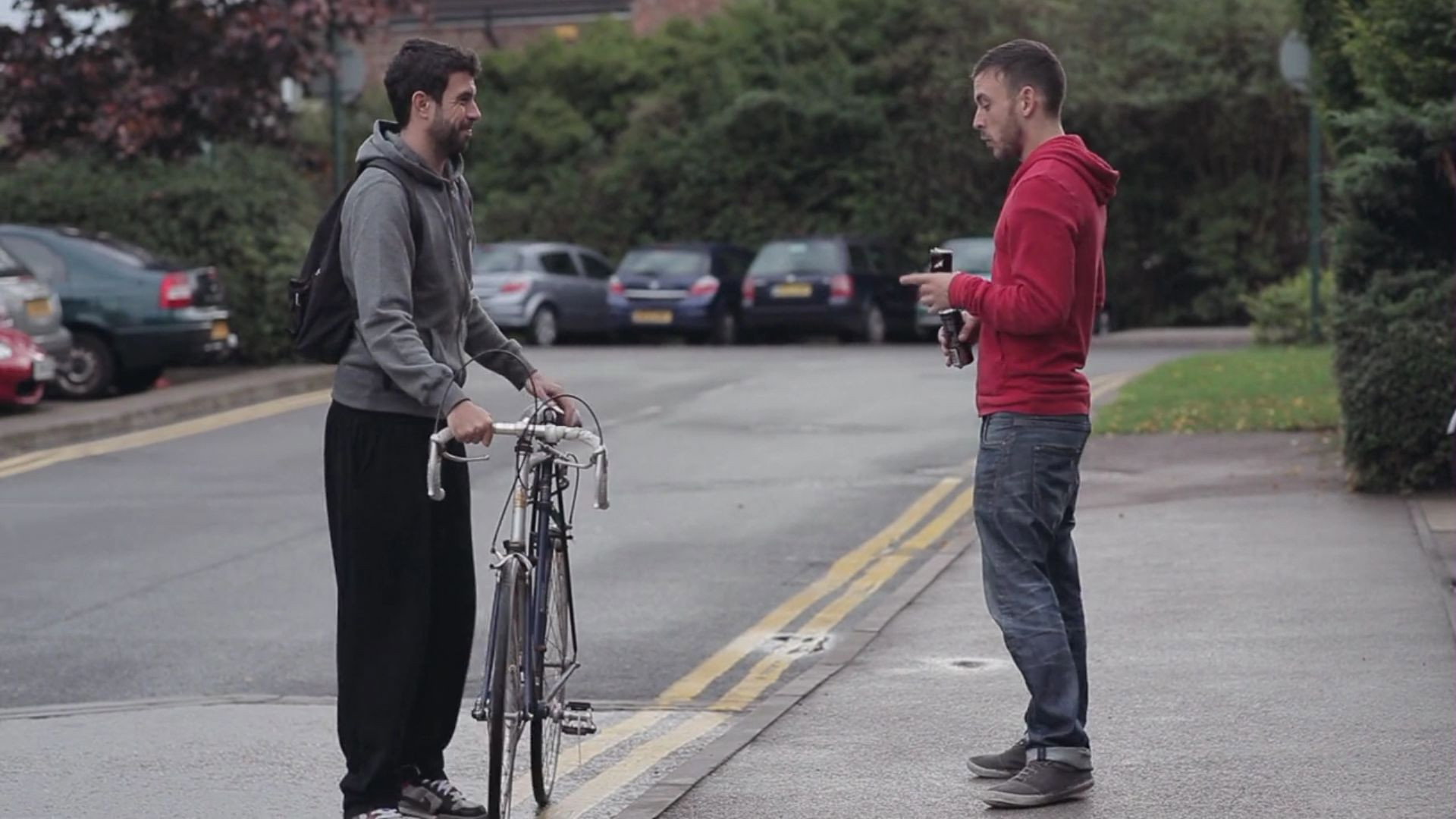
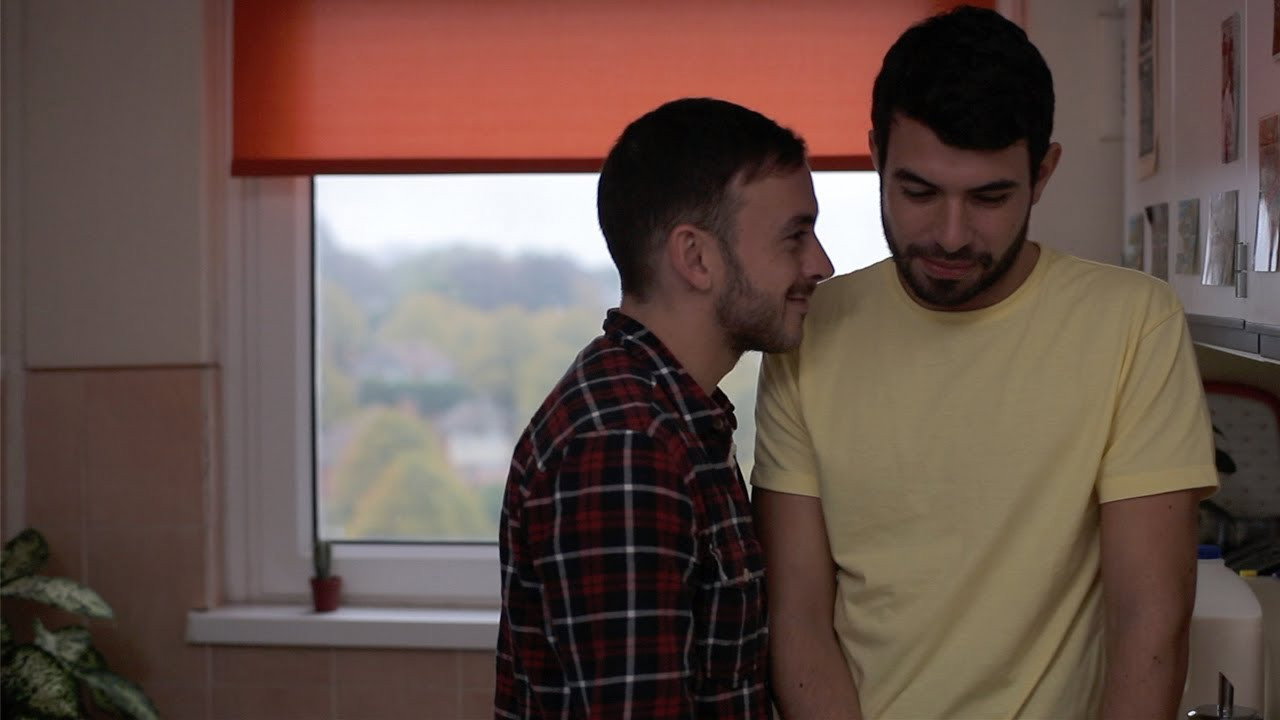
Urszula Pontikos shoots much of the film from a long way off. Russell is seen through the window of his flat, from across a car park, at the far end of a tram platform, a small figure in a dark coat under a grey sky. When the camera does come close it stays close for a long time, in the flat, on a bed, across a kitchen table. Sarah Finlay’s design gives Russell a tidy flat with almost nothing in it and a view over the city he spends a good deal of the film looking at. James Edward Barker’s music is used so sparingly that when it arrives you notice, which is the point.

The two performances are built differently. Cullen plays Russell as a man who has arranged his life so nobody has to look at him: he is out, but only just, and only to people who already know. New plays Glen fast and loud, a man with a theory about everything, most of them about how gay men are made to shrink themselves so straight people can feel comfortable. In a pub on Saturday night two men at the next table (Mark Devenport and Steve Blackman, each credited as Straight Man in Bar) object to the pair of them, and Glen will not let it go while Russell wants only to leave. Haigh lets us see that both are right and neither is happy about it.

Glen is also where the film is weakest. Some of his speeches, about marriage, about coming out, about what straight audiences will tolerate on screen, sound less like a man talking to a lover than a writer clearing his throat, and New is good enough that you wish he had been handed fewer of them. The long Saturday night, fuelled by drink and drugs, runs on past the point where the talk is telling us anything new. And Jonathan Race and Laura Freeman, as Jamie and Jill, are warm and exact in their few scenes and could have done with more. Their Sunday afternoon is the only look we get at the life Russell is deciding whether to stay in.

Most critics reach for Before Sunrise, and the shape is the same: two strangers, a city, a clock. Haigh’s film is colder and more English than Linklater’s. His characters are not charming for our benefit. They are awkward, funny by accident, and often unkind to each other in the way people are when they have started to care and have not yet admitted it. The realism sits closer to Loach or Leigh than to any romance, and the sex is explicit and treated as ordinary, which in a British film with an 18 certificate is rarer than it should be.

We will not describe the last ten minutes. We will say that they moved us more than we thought a film this quiet could, and that nothing in them is a device we had not seen before. What did it was the previous eighty-odd minutes: we knew exactly what each man had learned to say and exactly what it would cost him to say it. Ninety-six minutes, two actors, one town. Watch it on a cold night in, and do not put your phone within reach.


Critical consensus AI synthesised

84
Positive
20
Mixed
0
Negative
0

Every one of the twenty reviews is positive, and the praise gathers in the same place: the two lead performances and the talk between them. Most critics find Tom Cullen and Chris New credible and unshowy, and say the long conversations across the 48 hours carry the film rather than slow it. Several single out Andrew Haigh’s long takes and his plain view of an ordinary English town. The comparison to Before Sunrise comes up, and most reviews credit the film with sidestepping the stereotypes of gay romance.

The reservations are small and few. The Hollywood Reporter thinks the drinking and drugs dull it a little. Variety finds it modest in scope, effective mainly as a two-hander. The Playlist notes some structural looseness. Those three are the coolest notices and all came from festival screenings; the reviews written on release in Britain are the warmest, several of them at full marks. The spread runs from good to very good and no further.

The AV Club
22 September 2011 · A · Alison Willmore
95

The critic calls it a great indie romance that is bittersweet, achingly authentic, and intimate to the point of feeling invasive. It excels through detailed looks at two flawed, likable men whose connection unfolds via realistic conversation and contradictions.

Read the full review →
Film Comment
· Paul Brunick
90*

The critic calls the film a work of surpassing emotional insight and artistic accomplishment, already one of the best of the year. They single out its ambitious, unhurried characterizations and the lead actors' emotionally complex, unself-regarding performances that build to an unexpectedly powerful climax.

Read the full review →
RogerEbert.com
28 September 2011 · Roger Ebert
90*

The critic finds the film a smart, sensitive portrayal of two men whose one-night stand deepens into unexpected emotional intimacy through extended conversation. It singles out the natural dialogue and performances for making the connection feel poignant and real, akin to the Before Sunrise films.

Read the full review →
Screen Daily
12 August 2011 · festival review
90*

A casual one-night stand blossoms into a meaningful connection in this beguiling second feature. It features believable characters, true dialogue, layered performances, and develops into a genuine heartbreaker.

Read the full review →
Sight and Sound
20 December 2011 · Samuel Wigley
90*

A one-night stand deepens into a deeply romantic weekend in Nottingham. The film excels through long takes, sincere performances, and intimate exploration of a new relationship.

Read the full review →
The New York Times
23 September 2011 · Critic's Pick · A.O. Scott
90*

The critic calls the film an astonishingly self-assured and unassumingly profound exploration of two young men whose casual encounter grows into something more serious. It singles out the matter-of-fact observation of ordinary British life and the risks of emotional openness for making it one of the most satisfying love stories of the year.

Read the full review →

Cast

Awards

GLAAD Media Award for Outstanding Film – Limited Release, 2012

Nominated
GLAAD Media Award for Outstanding Film – Limited Release

Dorian Award for Film of the Year, 2011

Won
Dorian Award for Film of the Year

Dorian Award for LGBTQ Film of the Year, 2011

Won
Dorian Award for LGBTQ Film of the Year

If you liked this, try…