Wong Kar-Wai makes a painful, persuasive romance out of two men who keep trying again. Leslie Cheung and Tony Leung Chiu-wai give the relationship weight, even when the fractured storytelling begins to repeat itself.
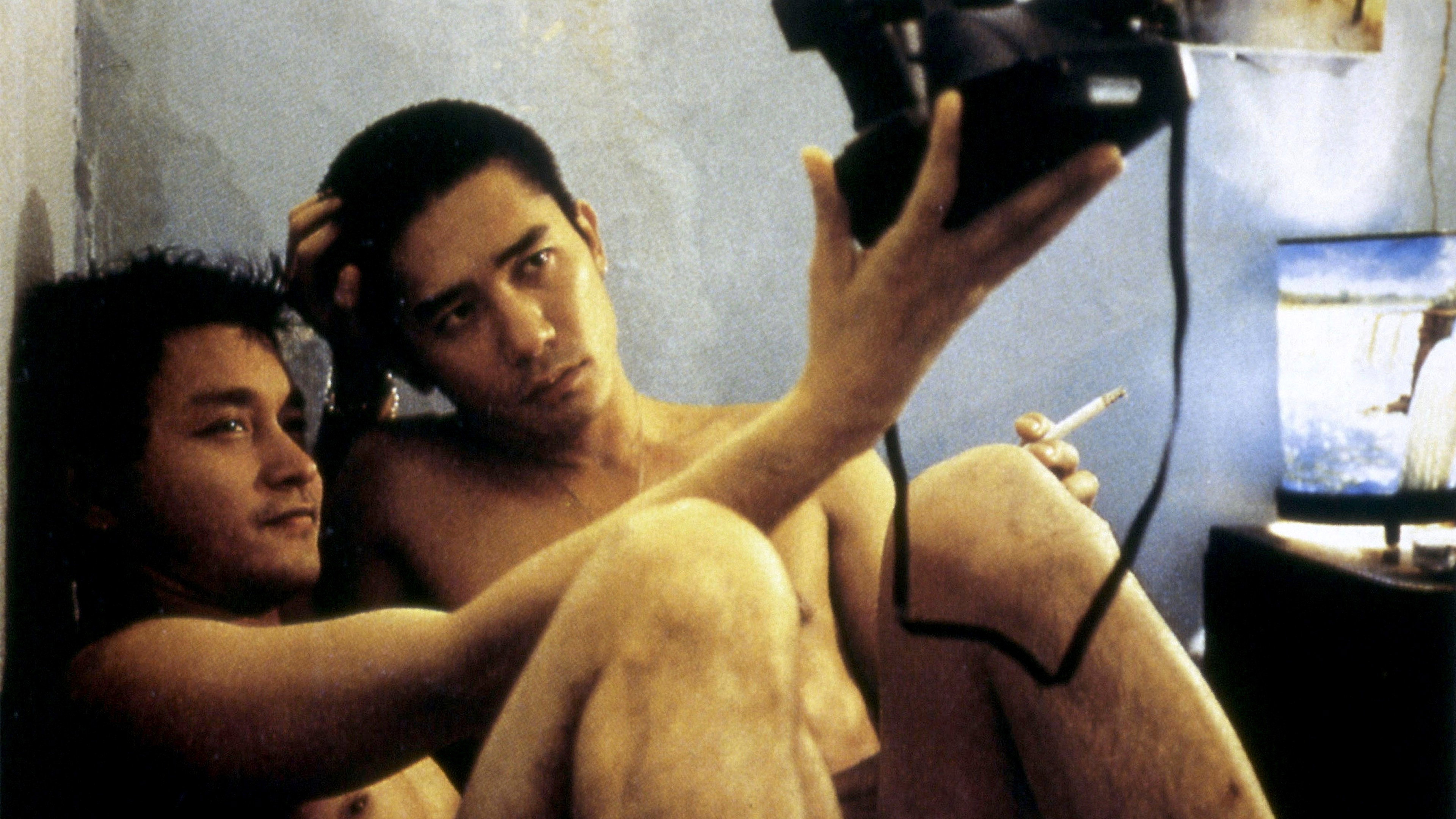
Wong Kar-Wai’s Happy Together is a painful, persuasive romance, worth seeing for two performances that make a failing relationship difficult to dismiss. Ho Po-wing and Lai Yiu-fai leave Hong Kong for Argentina, but their troubles come with them. Wong is interested in why people try again when experience has given them ample reason to stop. His fractured storytelling sometimes repeats what we already understand, but he takes the men’s attachment seriously without making either of them easy company.
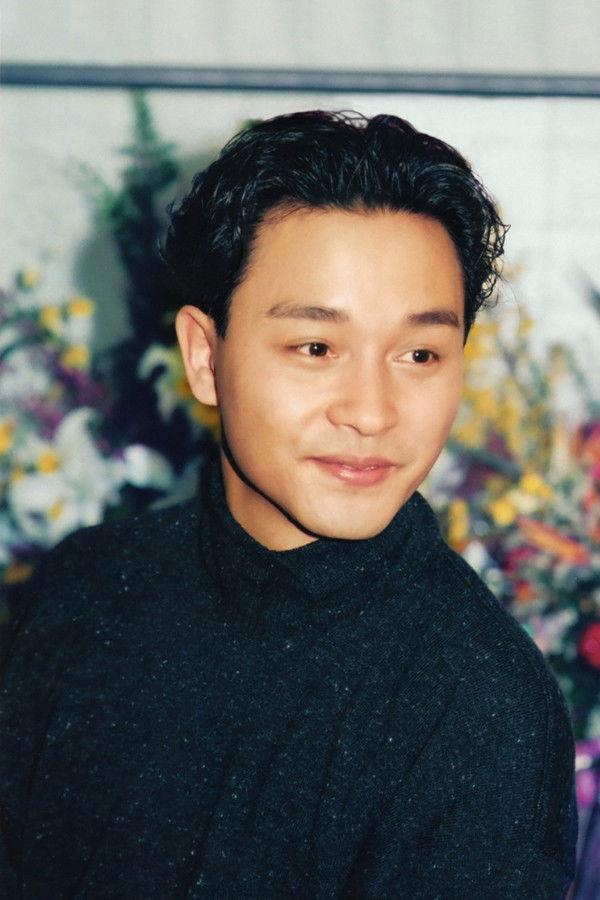
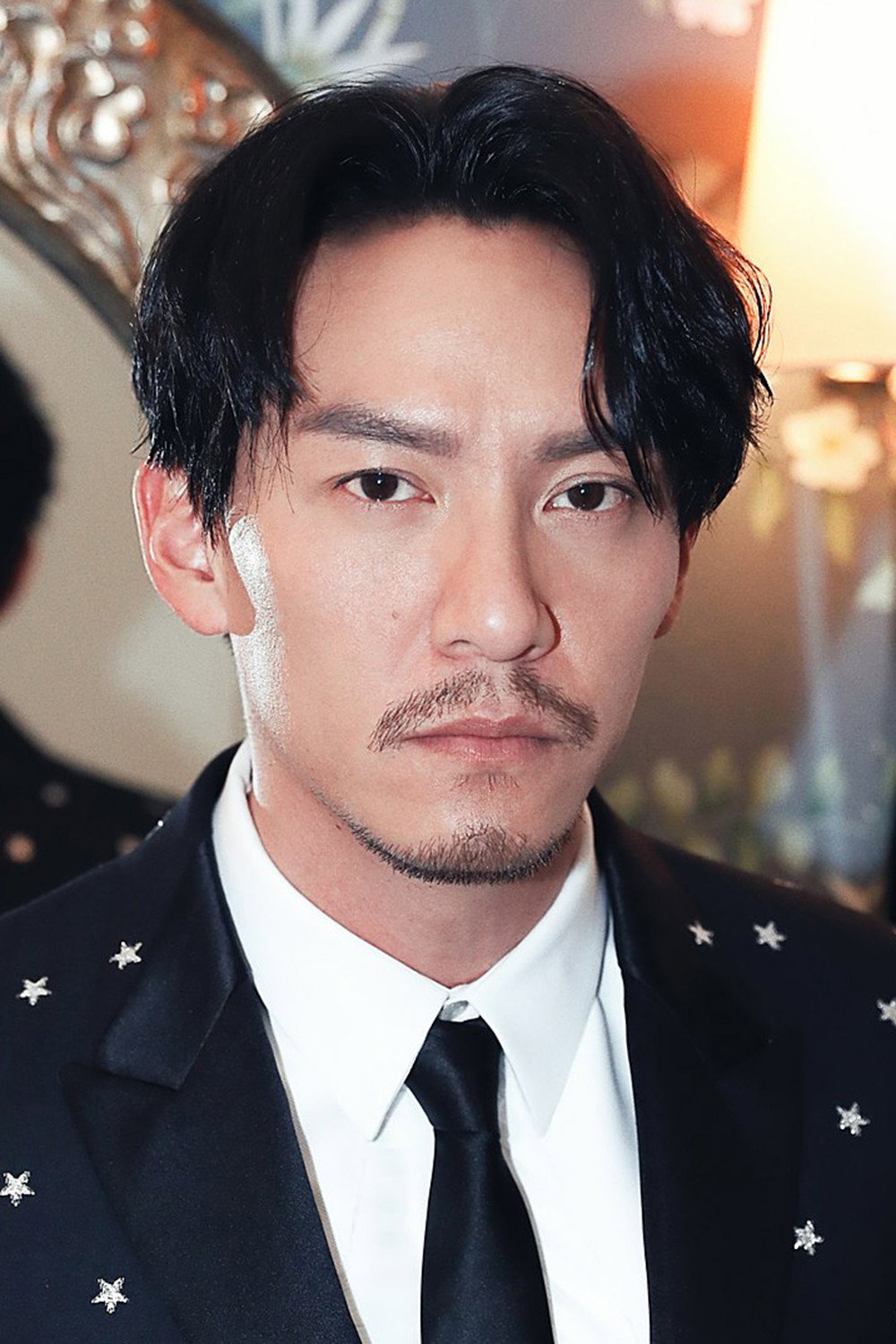
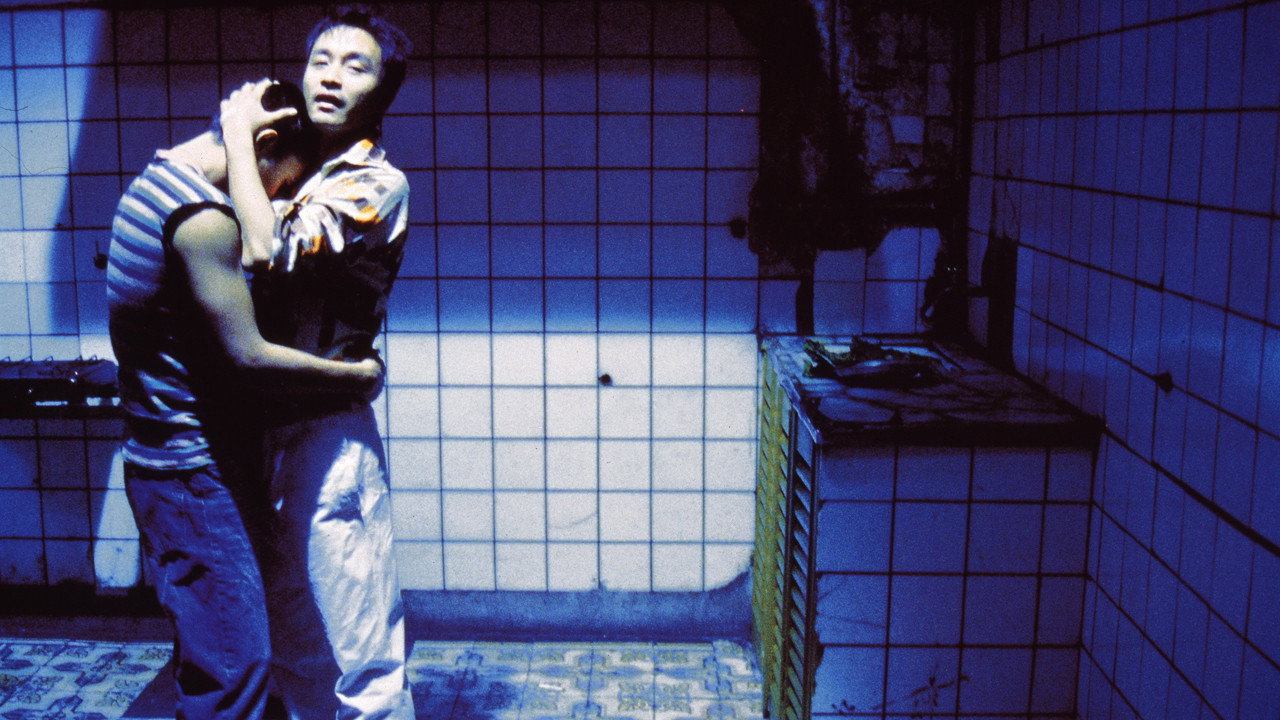
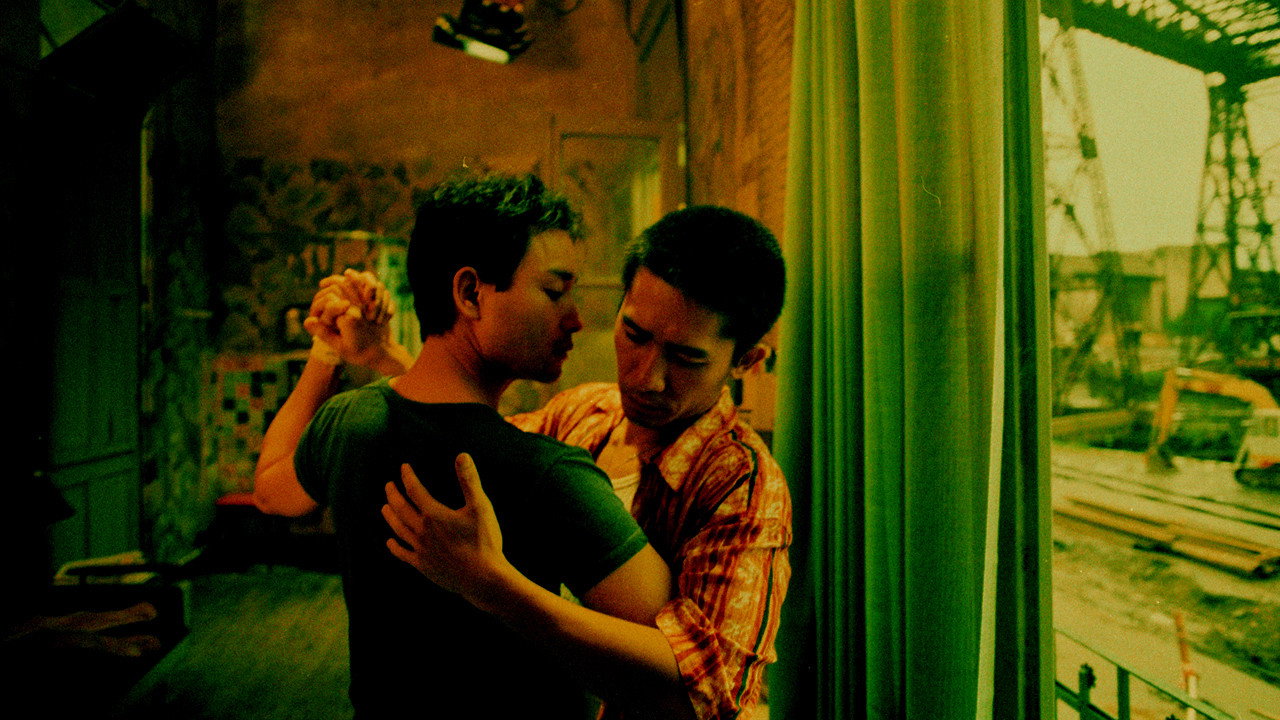
Leslie Cheung makes Ho’s appeal survive behaviour that could easily exhaust our sympathy, while Tony Leung Chiu-wai gives Lai’s unhappiness a convincing weariness. Neither performance turns the other man into a simple obstacle to happiness. We were moved by the attachment the actors convey even when the men cannot live comfortably together.
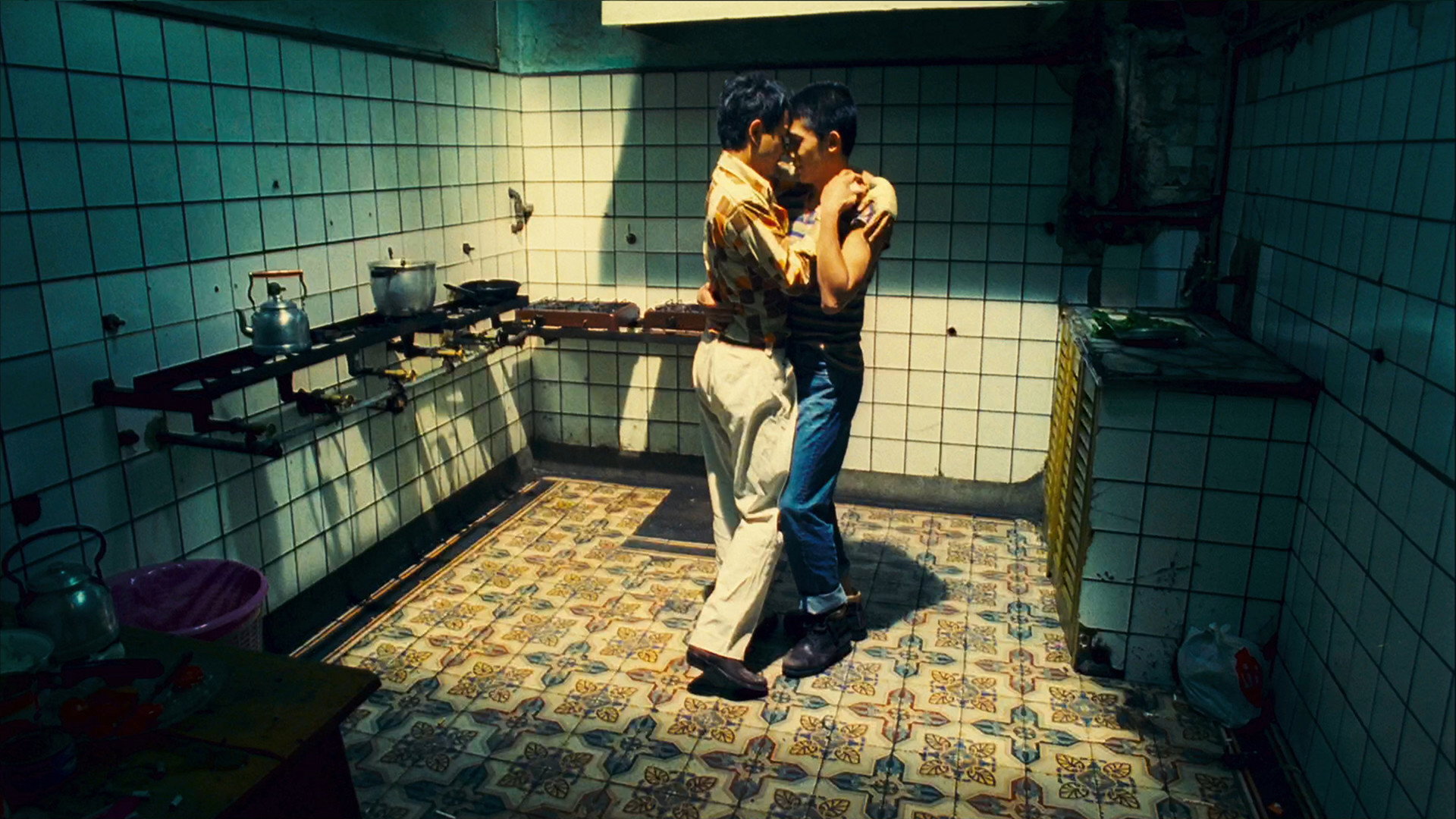
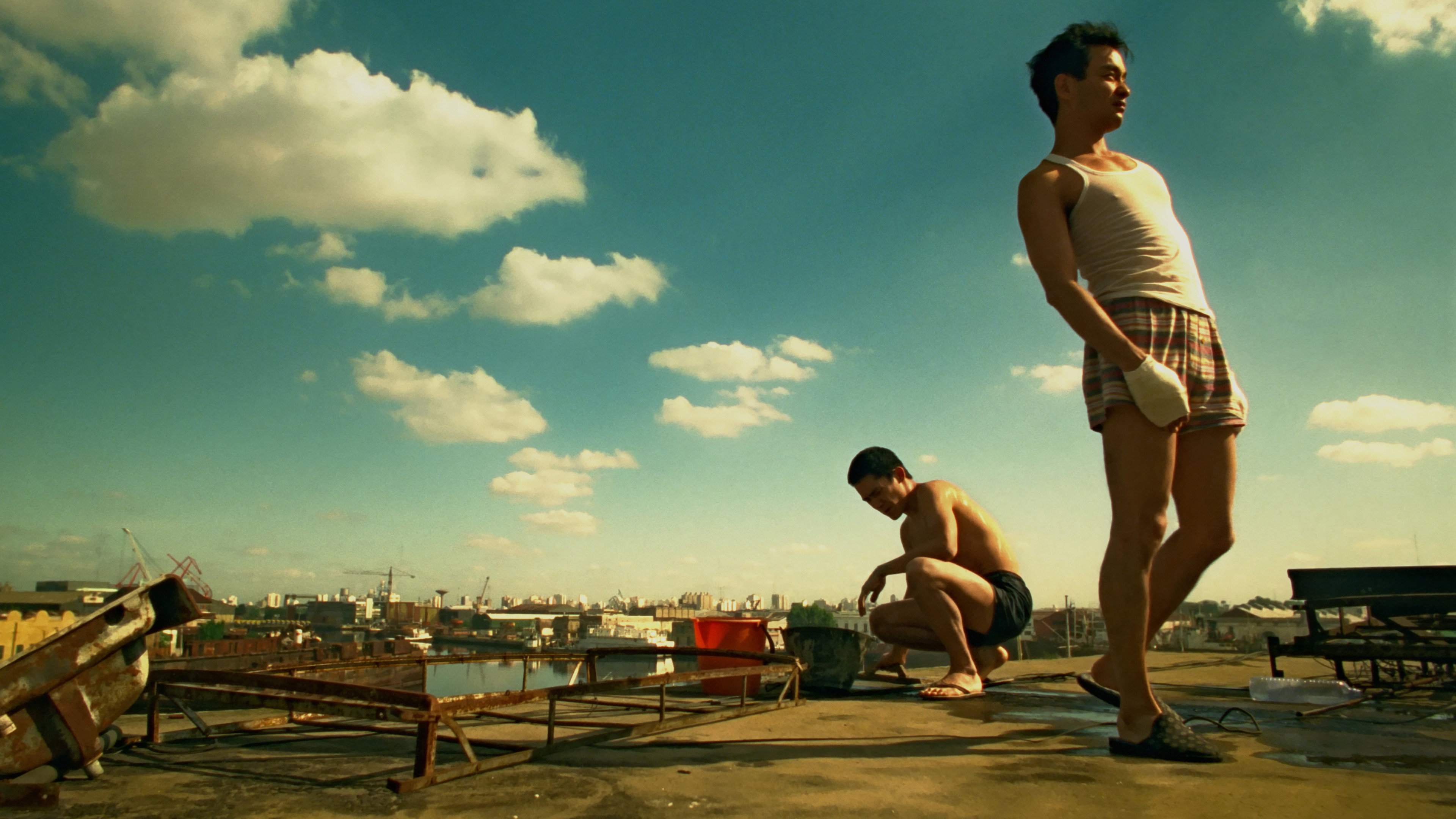
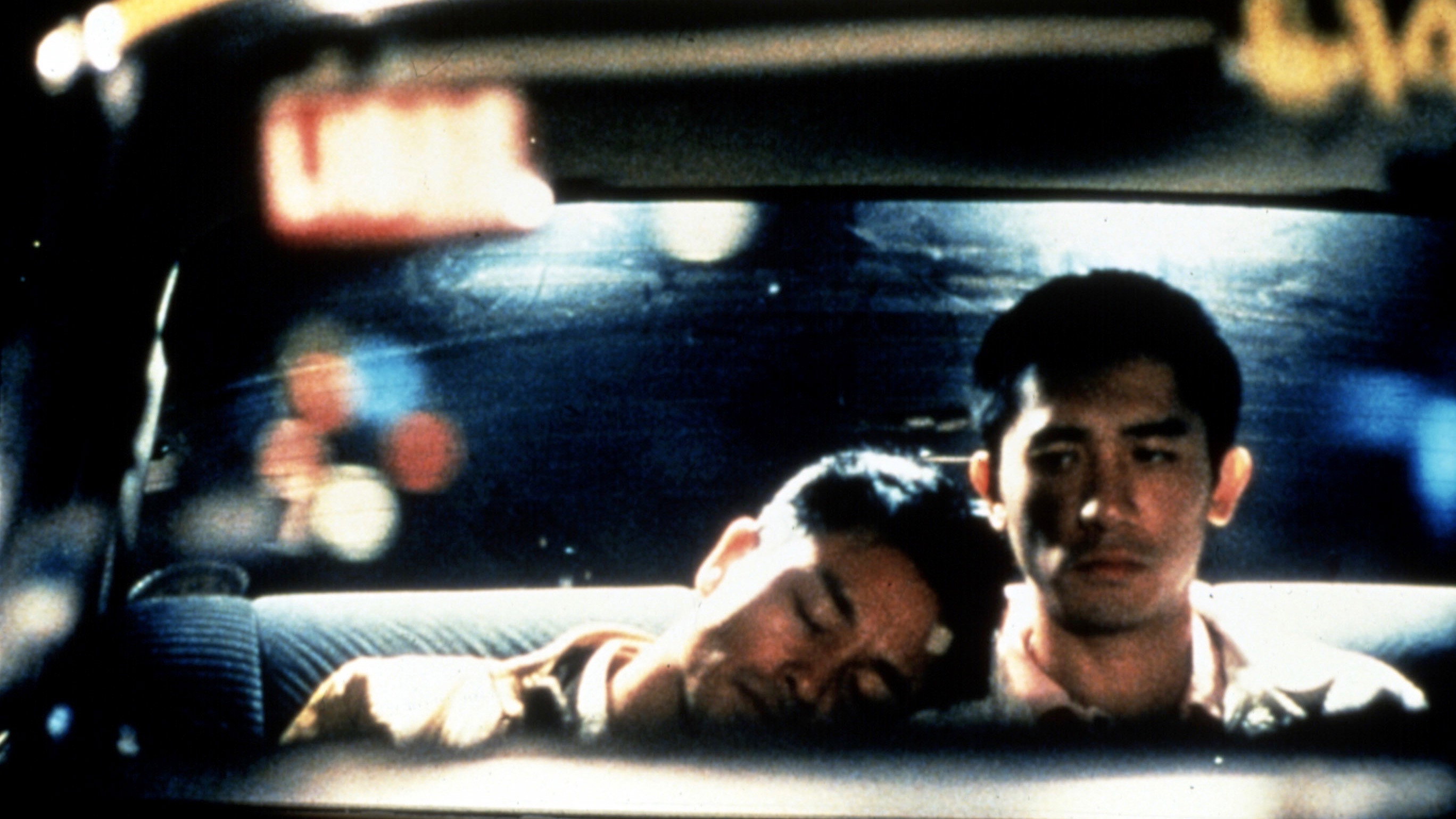
Christopher Doyle’s handheld photography gives their life in Buenos Aires a restlessness that suits them, while the rich colour keeps the film from becoming merely punishing. Doyle photographs them romantically even when their behaviour offers little encouragement. That is a risky choice: beautiful pictures can make staying miserable seem more appealing than it ought to be. Here the performances are uncomfortable enough to stop us simply admiring the view.
William Chang Suk-Ping’s production design helps Buenos Aires feel like a place to live unhappily, rather than a destination chosen to improve the pictures. He also edits with Wong Ming-Lam, and their broken-up telling suits a couple unable to settle their difficulties. The cutting asks us to reconsider a relationship we might otherwise have judged in the opening stretch. At its most effective, it makes another attempt feel plausible without pretending the previous damage has gone.
Danny Chung Ting-Yat’s music contributes to the film’s romantic feeling, though this is hardly the department in need of assistance. The more persistent problem is Wong’s writing, which sometimes brings the lovers back to familiar emotional ground without giving us enough new understanding. We begin waiting for the relationship to become clearer while the film offers another variation on its unhappiness. At 96 minutes it is not long, but several passages still feel like repetitions, and the unsettled editing cannot always disguise that.
Yet Wong avoids a more serious trap of troubled romances: treating the lovers’ suffering as proof that they must belong together. There is tenderness here, but it does not make their behaviour harmless. The men are allowed to be unreasonable, needy and particular, without being made to explain gay relationships in general. That freedom gives the performances more room than a tidier, more instructive script would have allowed.
The performances are the reason to stay when the repetitions begin to chafe. Cheung and Leung keep the men interesting without demanding that we take sides in every fresh difficulty. We would save it for an evening when we were already getting along.