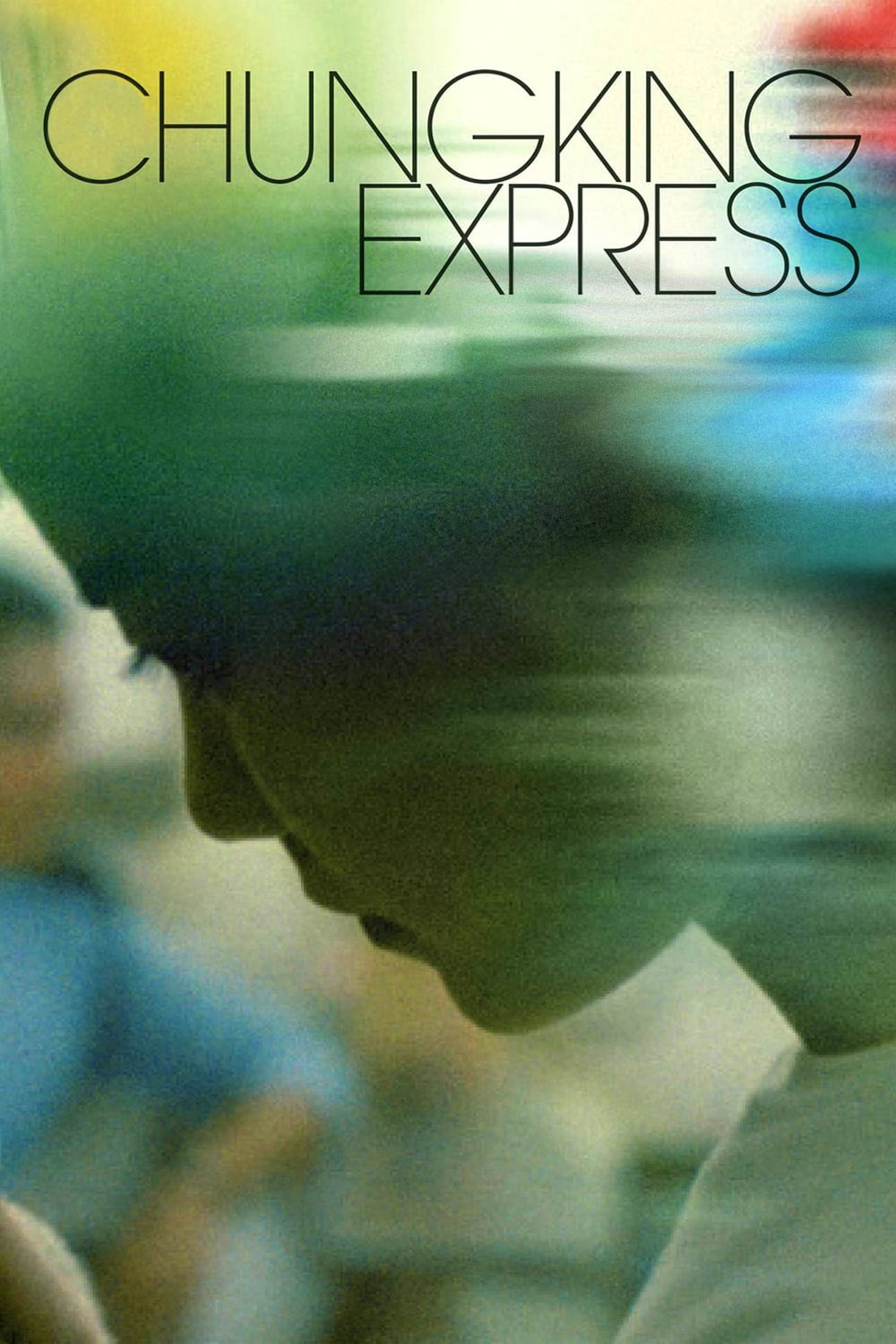
Wong Kar-Wai makes romantic longing funny, restless and difficult to shake. He can let music and colour do too much, but Chungking Express shows how warmly he understands people being ridiculous about love.
Fi1m perspective
A lonely policeman behaves ridiculously in Chungking Express (1994), and Wong Kar-Wai gives us reason to enjoy his company. There are two such policemen, with separate stories, and the humour interrupts their unhappiness without curing it. This is Wong at his most inviting: restless, funny and interested enough in his characters to make their company worth having. We were moved more than we expected, because he lets these men behave foolishly without making their loneliness seem foolish too. The loose plot is a fair price for that warmth.
He began within the gangster genre with As Tears Go By (1988). Days of Being Wild (1990) brought his voice-overs, fragmented stories and concern with time into fuller use, and began his collaborations with Christopher Doyle and Tony Leung Chiu-wai. By the international breakthrough of Chungking Express, music and gaps in the storytelling were central to his approach. Its welcome surprise is how little solemnity Wong needs to make loneliness matter.
Doyle's cinematography gives Chungking Express its bold colour, making the city somewhere we want to spend time even when the characters would rather have company. William Chang works across production design, editing and costume, helping to hold together films whose stories arrive in fragments. The colour and the cutting give us things to enjoy without waiting for a plot to explain their importance. Yet some scenes in Chungking Express do coast on music and colour. We recommend it warmly, but its performances are what keep those pleasures from wearing thin.
The films that followed found other ways of working with longing: the relationship in Happy Together (1997), the restraint of In the Mood for Love (2000), and the science-fiction elements of 2046 (2004). The Grandmaster (2013) moved towards more conventional storytelling through martial-arts heritage. The risk in so recognisable a style is repetition, with each return to slow motion or a fragment of memory doing less than the last. For a first encounter, start with Chungking Express and allow it to wander; anyone requiring a tidy plot should make another choice.
Biography
Wong Kar-wai is a Hong Kong film director and screenwriter. He was born on 17 July 1958 in Shanghai, China, and moved with his family to Hong Kong in 1963. He studied graphic design at Hong Kong Polytechnic and began his career as a screenwriter, working with director Patrick Tam on films including Final Victory (1987).
His directorial debut was As Tears Go By (1988). He is known for Days of Being Wild (1990), Chungking Express (1994), for which he also wrote the screenplay, Fallen Angels (1995), Happy Together (1997), In the Mood for Love (2000), 2046 (2004) and The Grandmaster (2013). He later directed the television series Blossoms Shanghai (2023).