Wong Kar-Wai’s two-part Hong Kong romance is funny, restless and unexpectedly affecting. Some scenes coast on music and colour, but the performances make its lonely policemen worth spending an evening with.
Romantic films often ask us to believe that two people belong together before giving us much reason to enjoy their company. Chungking Express starts with loneliness and makes the company worth having, even when its characters are being ridiculous. Wong Kar-Wai, who writes and directs, gives two lovelorn Hong Kong policemen separate stories, letting humour interrupt their unhappiness without pretending to cure it. We recommend it warmly, with one warning: anyone waiting for a tidy plot will spend a fair amount of it waiting.
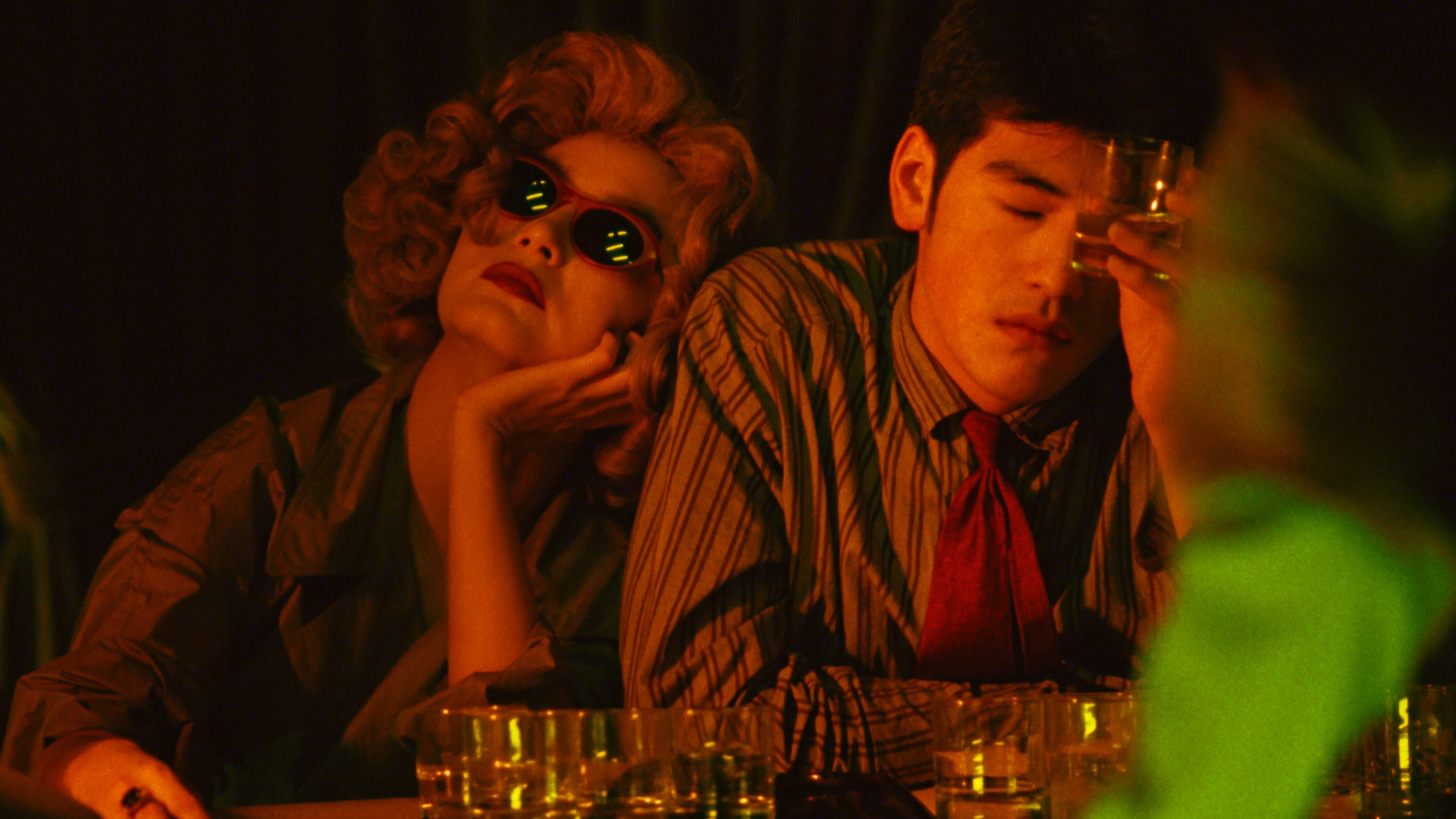
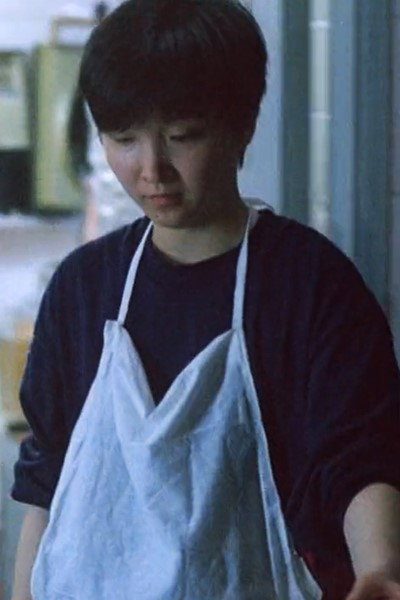
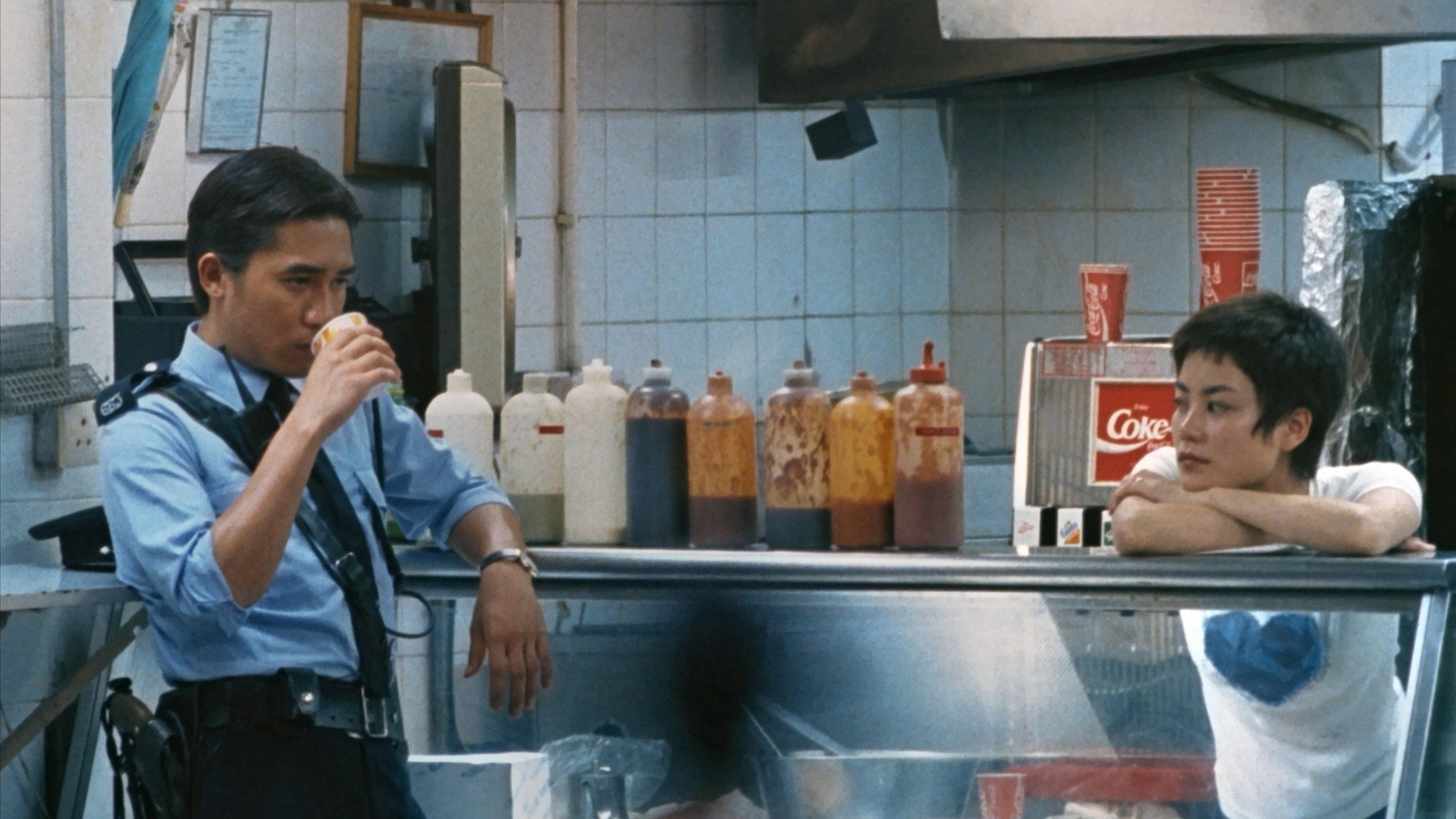
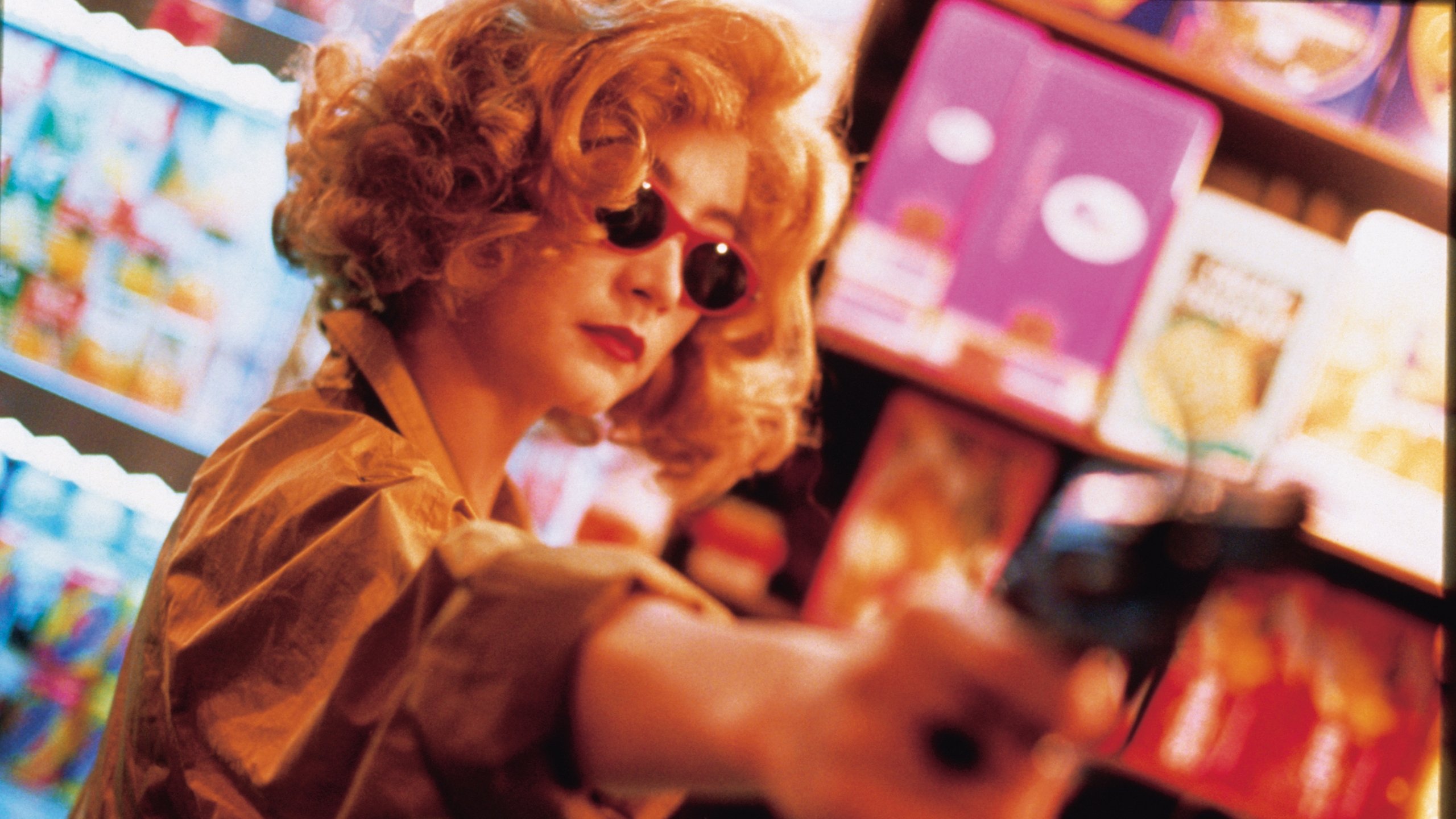
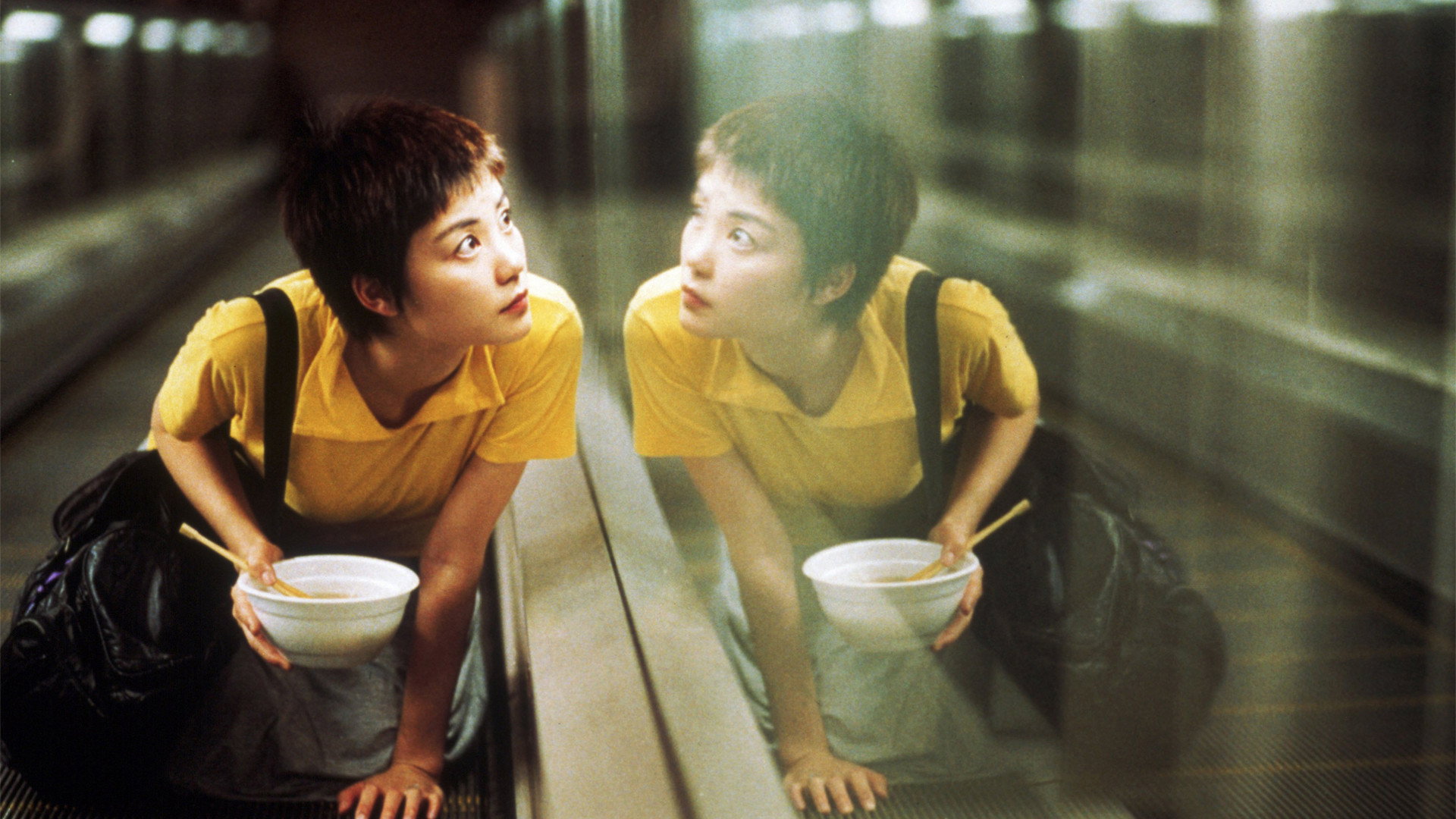
Takeshi Kaneshiro plays He Zhiwu, or Cop 223, and Tony Leung Chiu-wai is Cop 663. They give loneliness different weights: Kaneshiro makes it seem restless and slightly absurd, while Leung suggests how tiring it has become. Brigitte Lin’s woman in a blonde wig brings a harder edge to the film’s romantic wandering. Faye Wong, as Faye, has a playful energy that makes the second story the more engaging of the two. Their self-pity is often funny because the actors let us see the embarrassment beneath it.
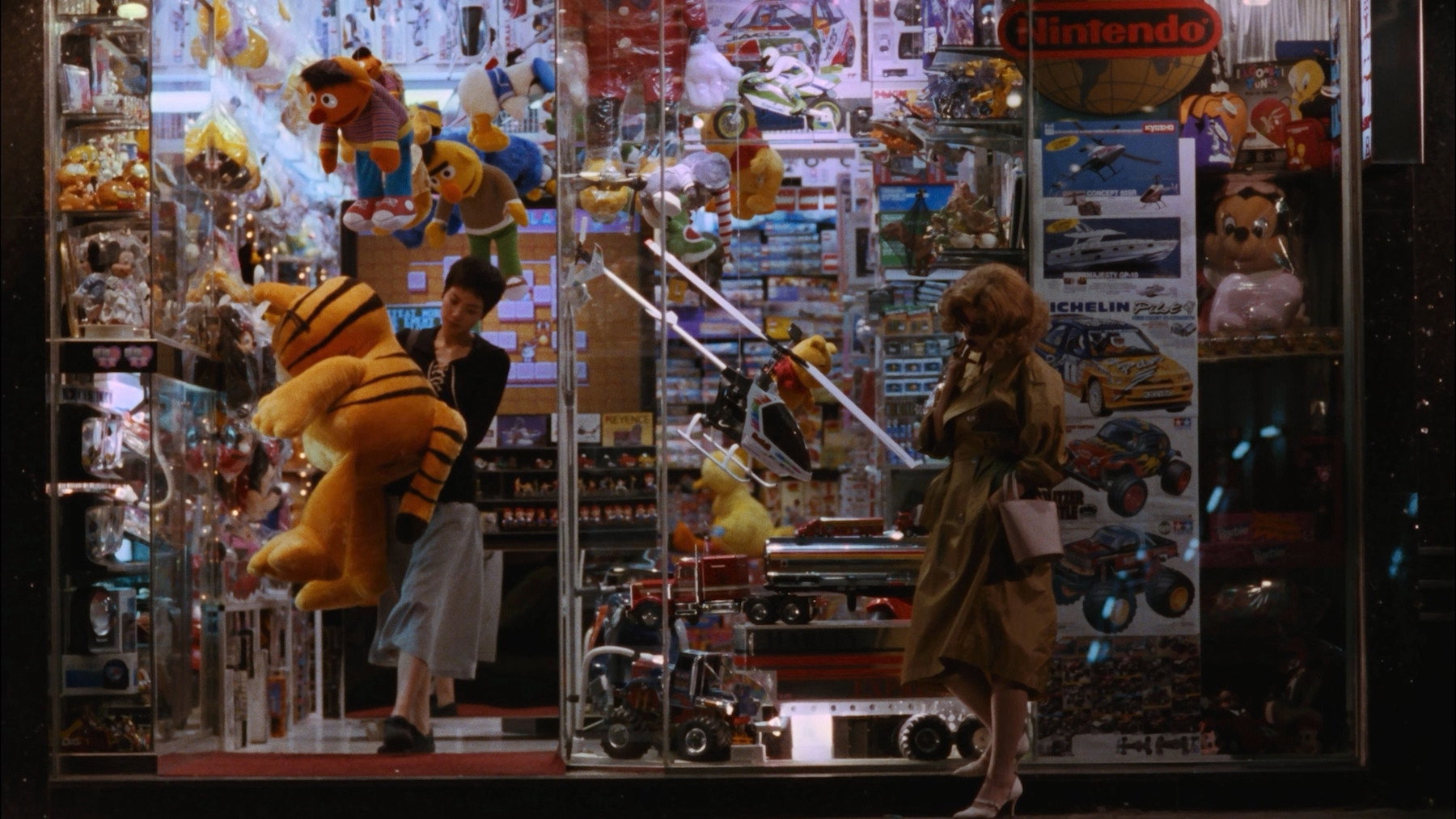
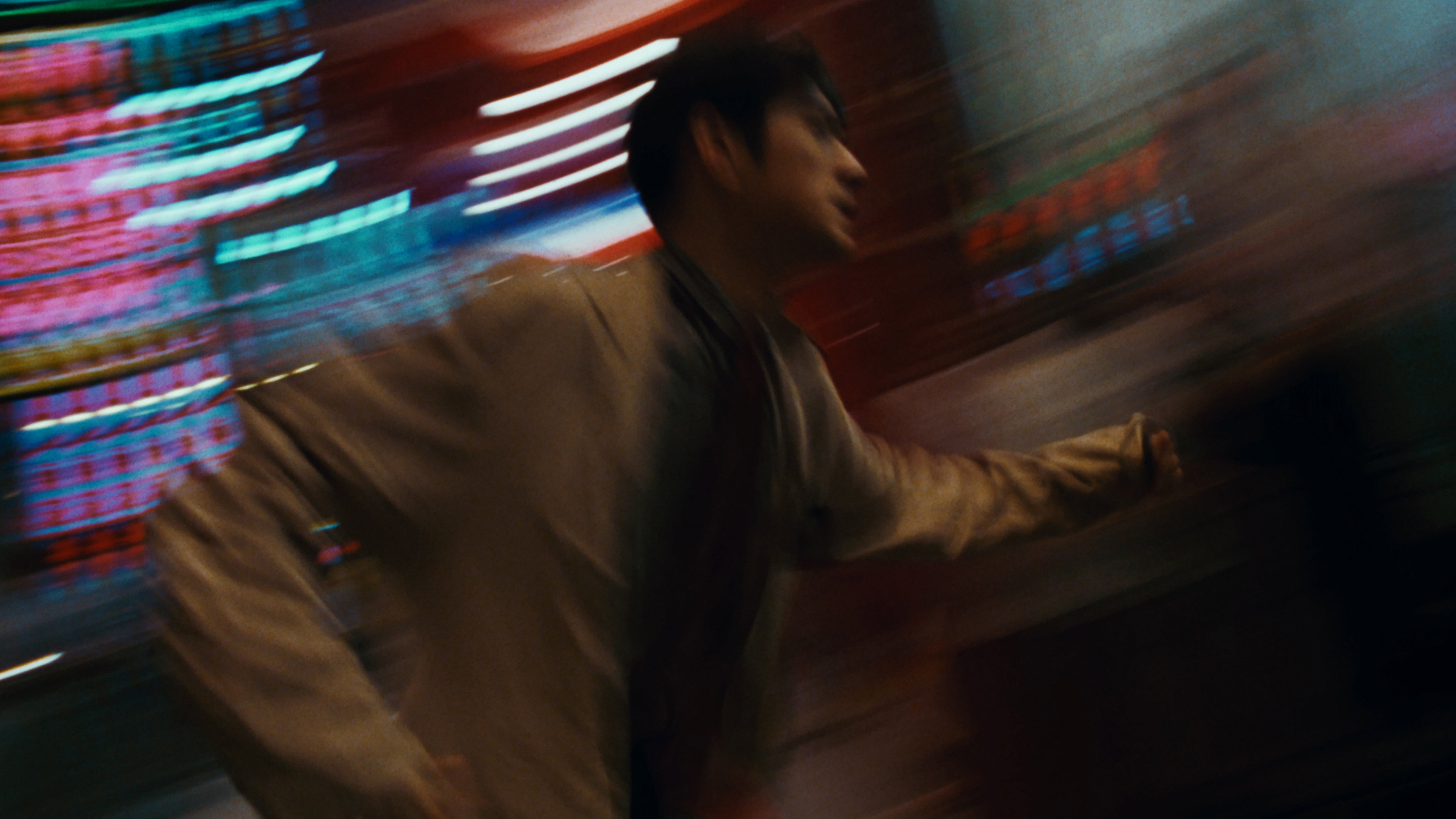
Andrew Lau Wai-Keung and Christopher Doyle’s cinematography keeps Hong Kong moving around them, with handheld images and bold colour that make the city feel busy without reducing it to scenery. We felt unexpectedly lonely watching these policemen surrounded by so much bustle. The camera gives us the crowds as well as the solitary faces, so their unhappiness never seems exceptional or grand. That makes the feeling more recognisable, and it gives the comic moments room to arrive without cancelling the sadness.
The editing, by William Chang Suk-Ping, Eric Kwong Chi-Leung and Hai Kit-Wai, gives the divided story its quick, unsettled rhythm. Jump cuts keep us alert to a change of mood instead of smoothing every transition for us. Chang also handles production design and costumes, and the snack-bar setting gives the film a welcome everyday centre. Fast food belongs in this account of city life as much as glamour does. Having that ordinary place to return to helps the film stay approachable while Wong experiments with how to tell it.
Roel A. García, Frankie Chan Fan-Kei and Michael Galasso contribute music that helps sustain this movement, though the American pop songs are the sounds that linger. They let the characters’ romantic self-absorption be cheerful, even danceable, without making us stop believing in it. The music also supplies continuity when the stories wander. Occasionally it does too much of the persuading: we are enjoying the sound and colour while waiting for a scene to give us another reason to care. Wong can prolong a mood beyond what the situation earns.
That matters in a film whose situations are sometimes too slight for the attention they receive. At 103 minutes, it could lose a few stretches without losing much that hurts or amuses. Still, romantic comedy need not prepare every misunderstanding or explain every attraction to earn our affection. Wong’s willingness to follow uncertain, distracted people is part of the pleasure, particularly with performers this comfortable allowing their characters to look foolish. Give it an evening when getting straight to the point is not the priority.