Film review

Columbus

2017 · Directed by Kogonada · 1h 44m · MPA PG-13

In a sentenceThe most emotionally available thing in Columbus, Indiana, is a bank

Drama

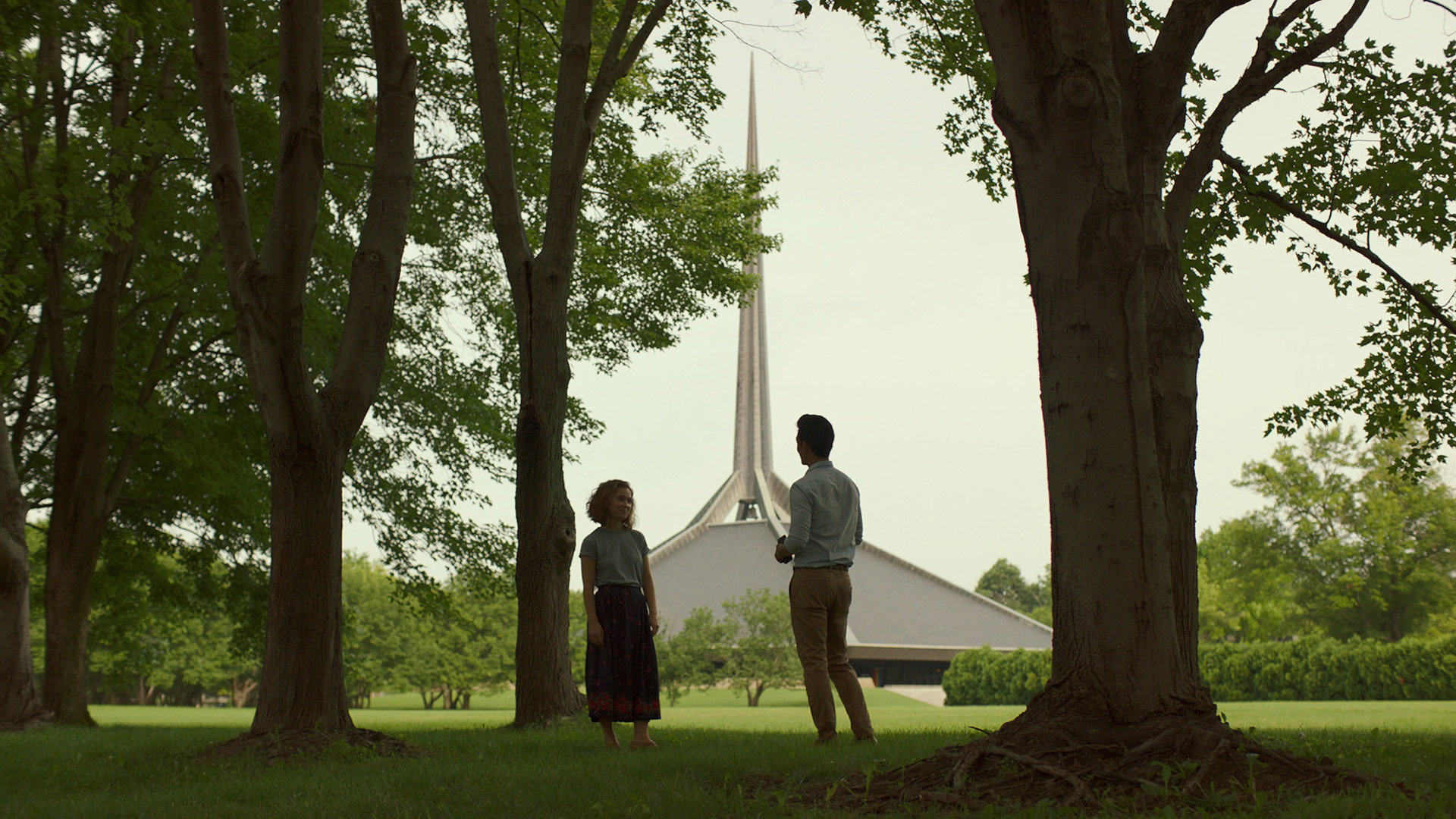
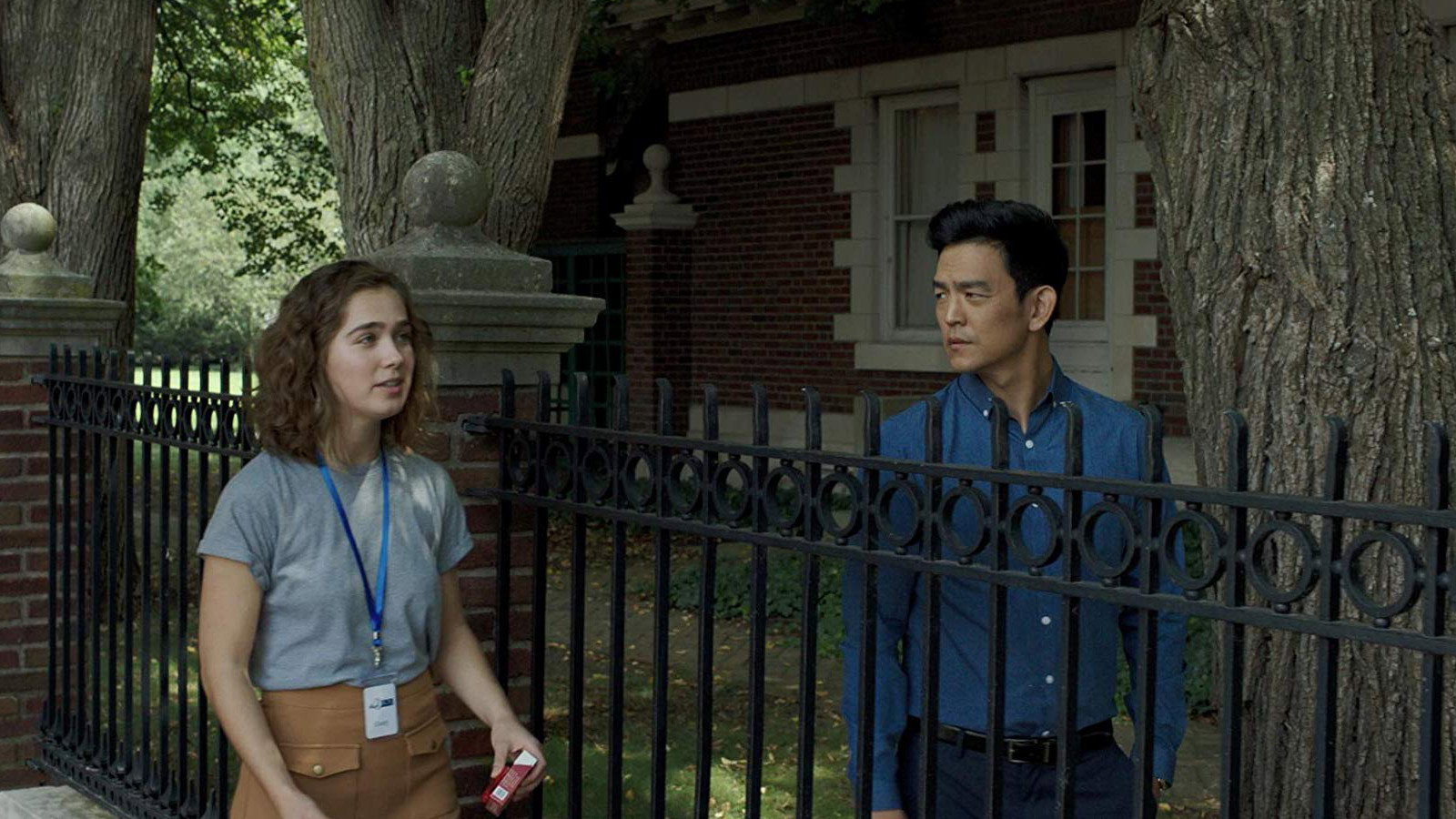
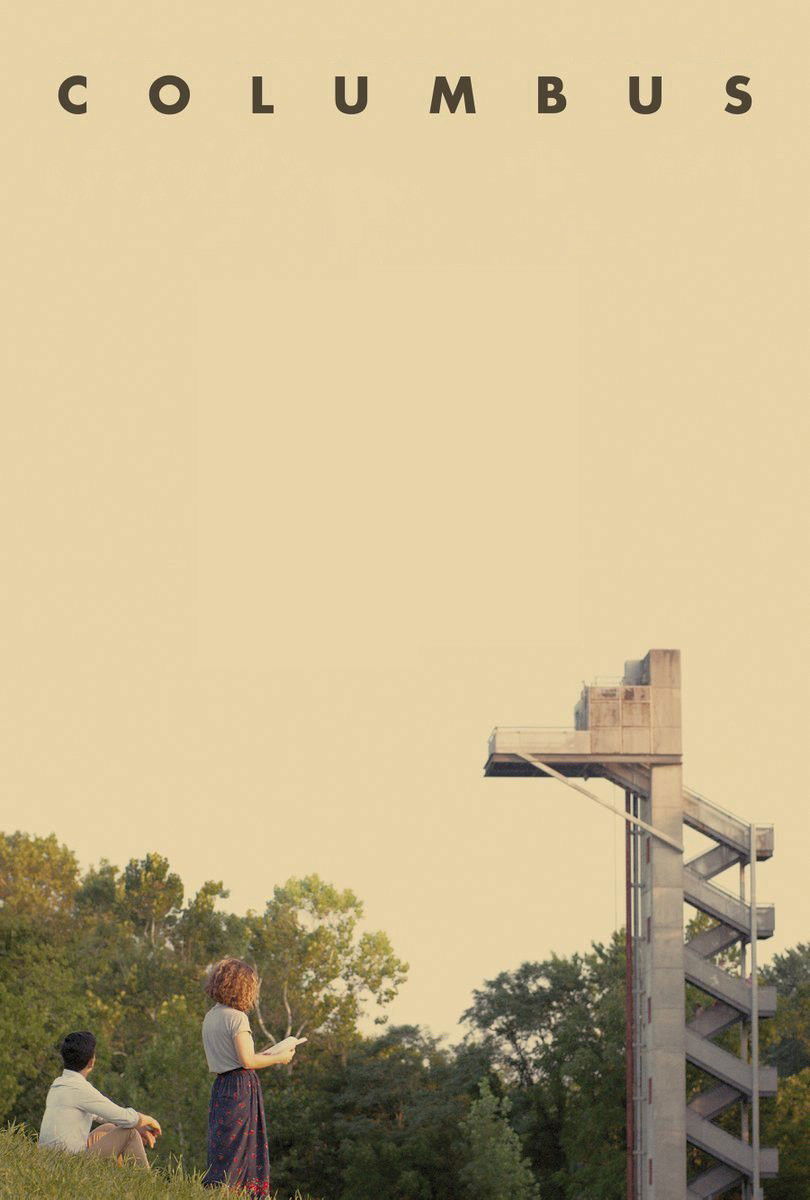
Columbus, Indiana, a small town known for its modernist buildings. Jin (John Cho), a translator who lives in Seoul, arrives after his father, a scholar of architecture, collapses the day before a lecture and is taken to hospital in a coma. Jin takes a room at an inn and waits, with his father’s colleague Eleanor (Parker Posey) for company. Casey (Haley Lu Richardson), a year out of school, works at the town library alongside Gabriel (Rory Culkin) and lives with her mother Maria (Michelle Forbes). She spots Jin smoking outside the inn and, across a fence, offers to show him her favourite buildings.

Plays from YouTube when you press play; nothing loads from them until then.

Fi1m review

Kogonada’s first film sets two stalled people loose among the modernist buildings of Columbus, Indiana, and lets them talk. It is exact, quiet and more affecting than its stillness suggests, though Jin’s half of the story stays thinner than Casey’s.

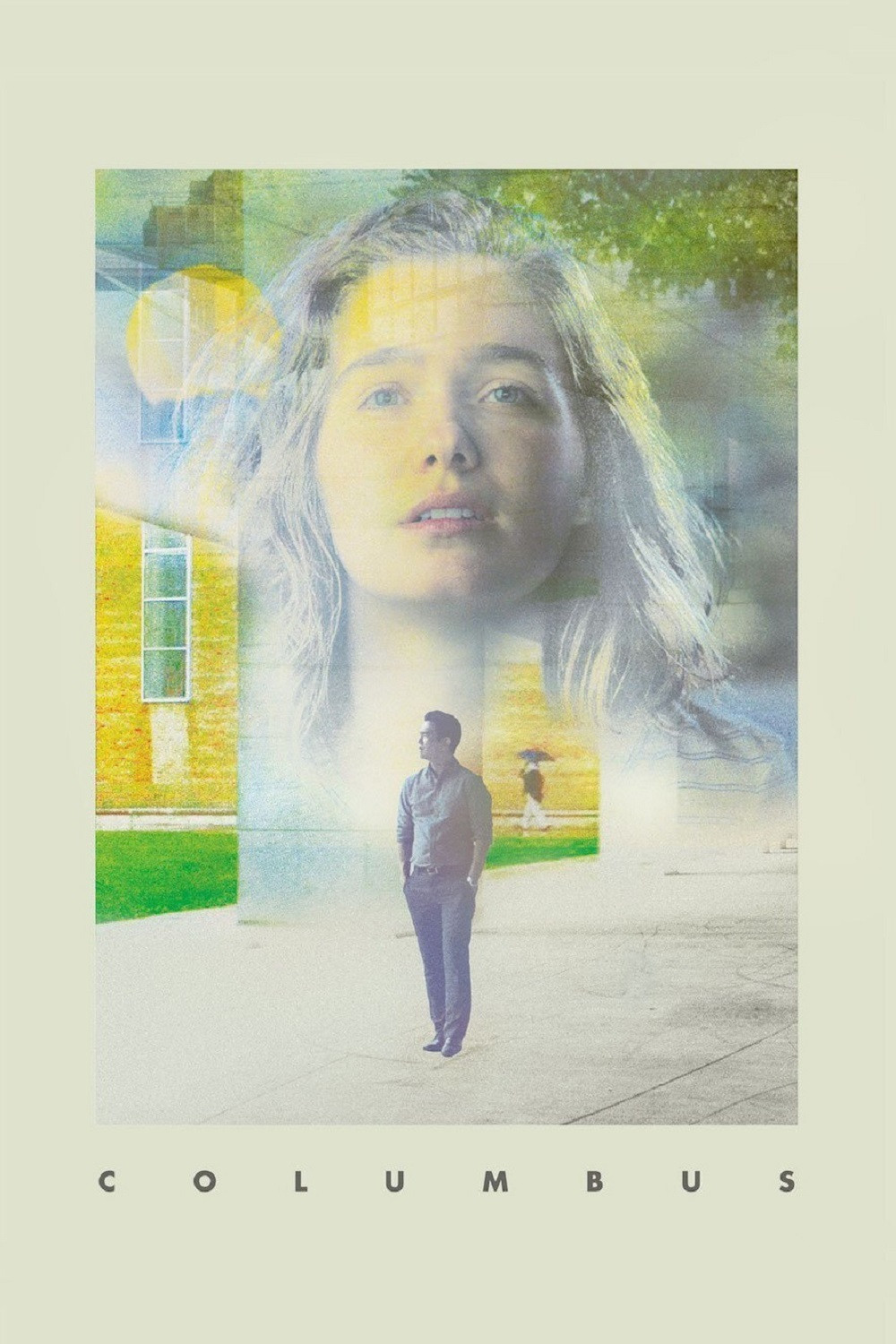
Jin (John Cho) is in Columbus, Indiana, because his father, a scholar of architecture, collapsed there the day before a lecture and has not woken up. Jin translates books in Seoul, has not spoken properly to his father in years, and does not want to be here. Casey (Haley Lu Richardson), a year out of school and working at the library, loves the town’s modernist buildings the way other people her age love bands. She sees him smoking across a fence and offers to show him her favourites. Kogonada, who writes, directs and edits, has built a whole film out of those walks.

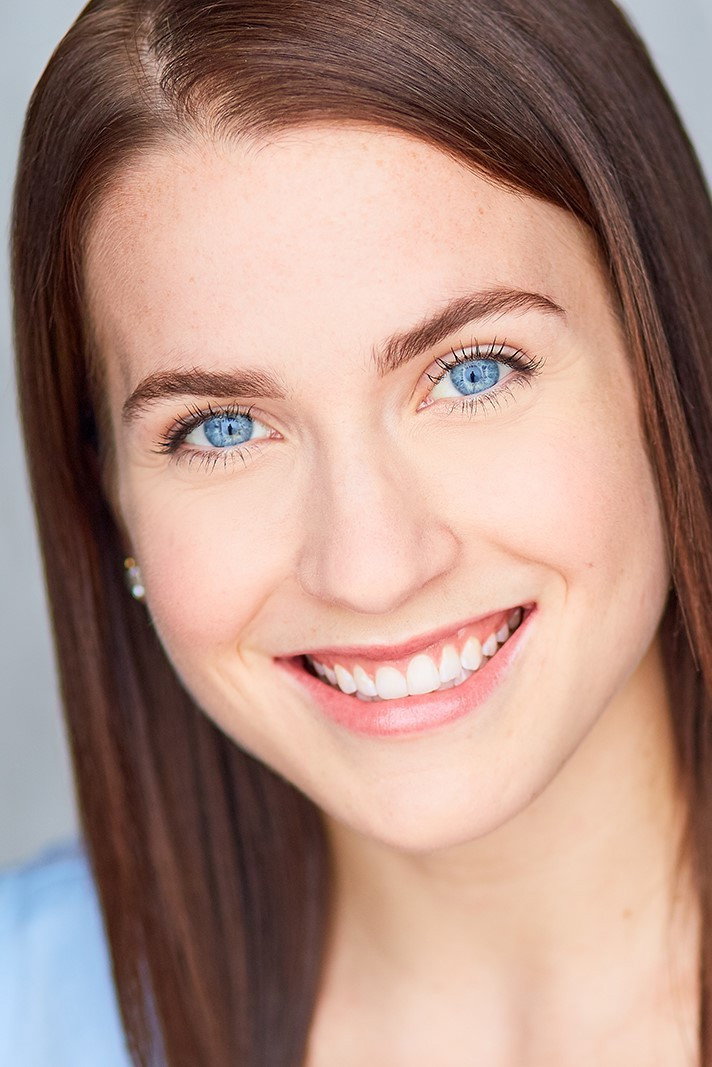
It is a small film and an exact one, and we recommend it. The plot is two people talking in front of buildings. What Kogonada gets from that is one of the best performances by a young actor we have seen in some years. Richardson plays Casey as someone who has learned to seem fine: she recites the guidebook facts about each building with bright, practised fluency and goes quiet when asked anything about herself.

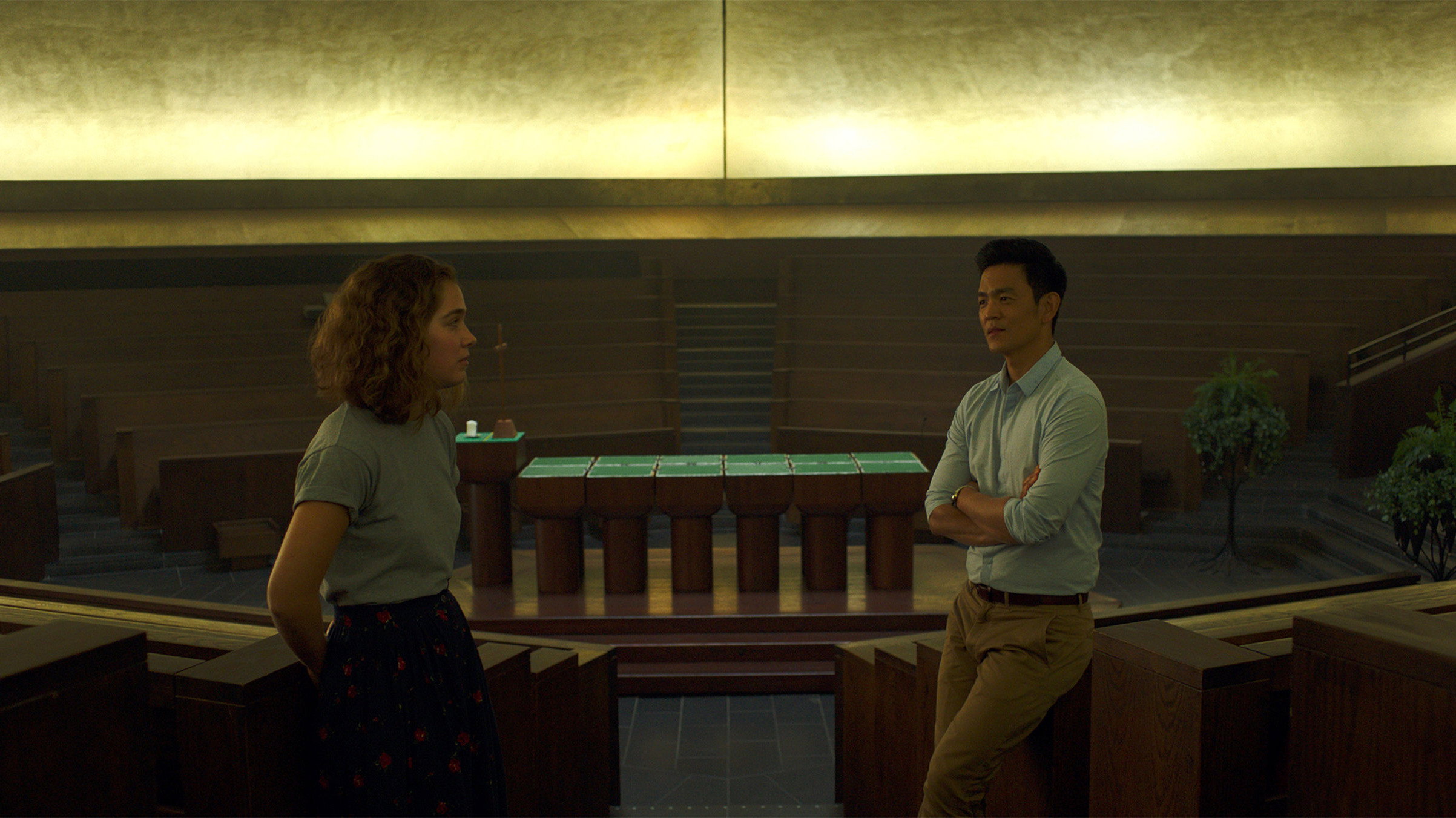
The scene most critics single out is the right one. Outside a glass-walled bank at night, Jin stops her patter and asks what the place actually does to her. As she starts to answer Kogonada takes the sound away and films her through the glass, so we watch her hands and her face and hear nothing. It moved us more than we expected, and we think that is why he did it: he wants us to look at her the way she looks at the building.

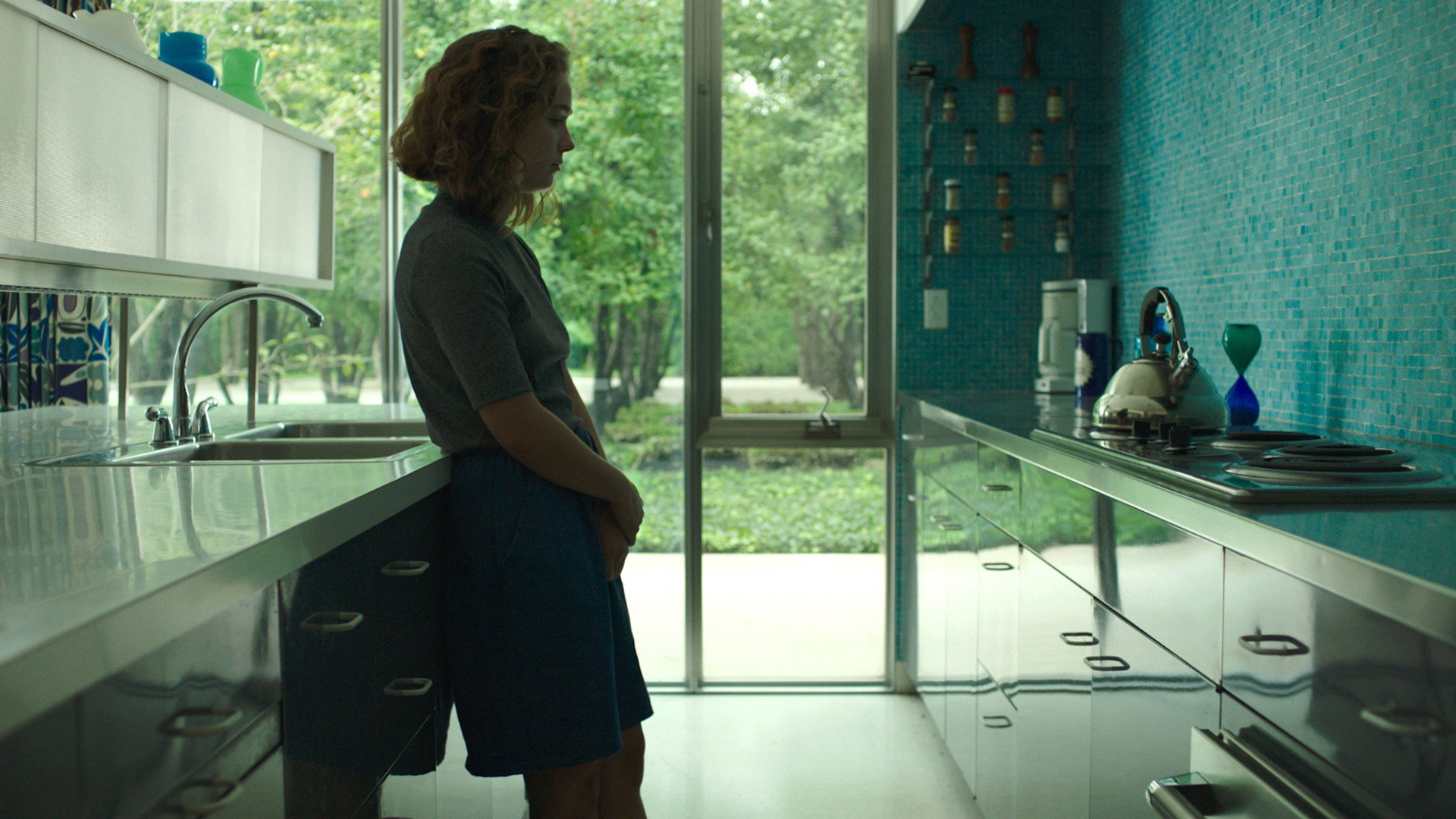
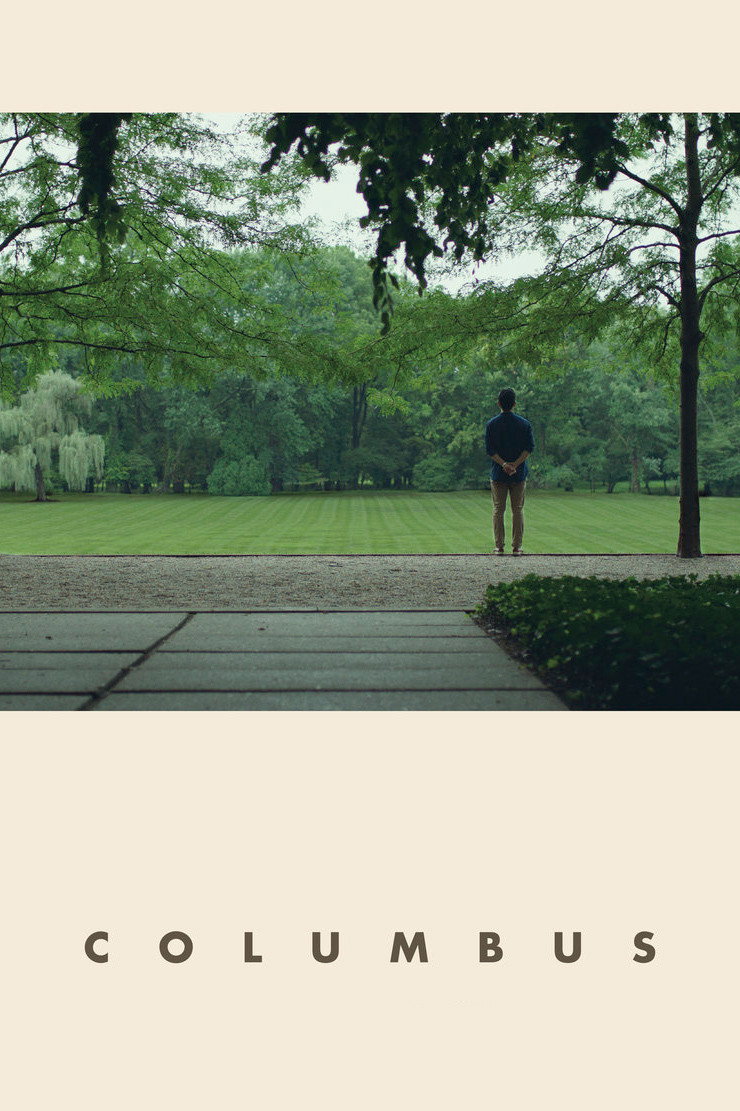
Elisha Christian shoots nearly everything from a fixed camera, straight on or at right angles, with the people set off to one side and the architecture taking the rest of the frame. Kogonada, cutting his own film, holds on rooms after people have left them. Diana Rice’s production design sets the town’s clean concrete and glass against Casey’s house, low-ceilinged, cluttered and lit by a television, so that each time she steps outside the film seems to take a breath. Emily Moran keeps her in the same few plain shirts, and Marc Byrd and Andrew Thompson’s score is long held tones that come in over the buildings and stay out of the kitchen.

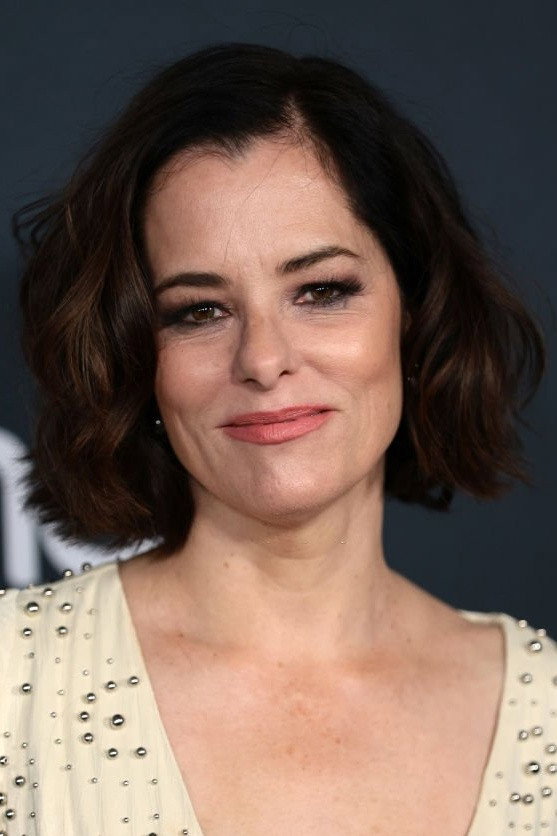
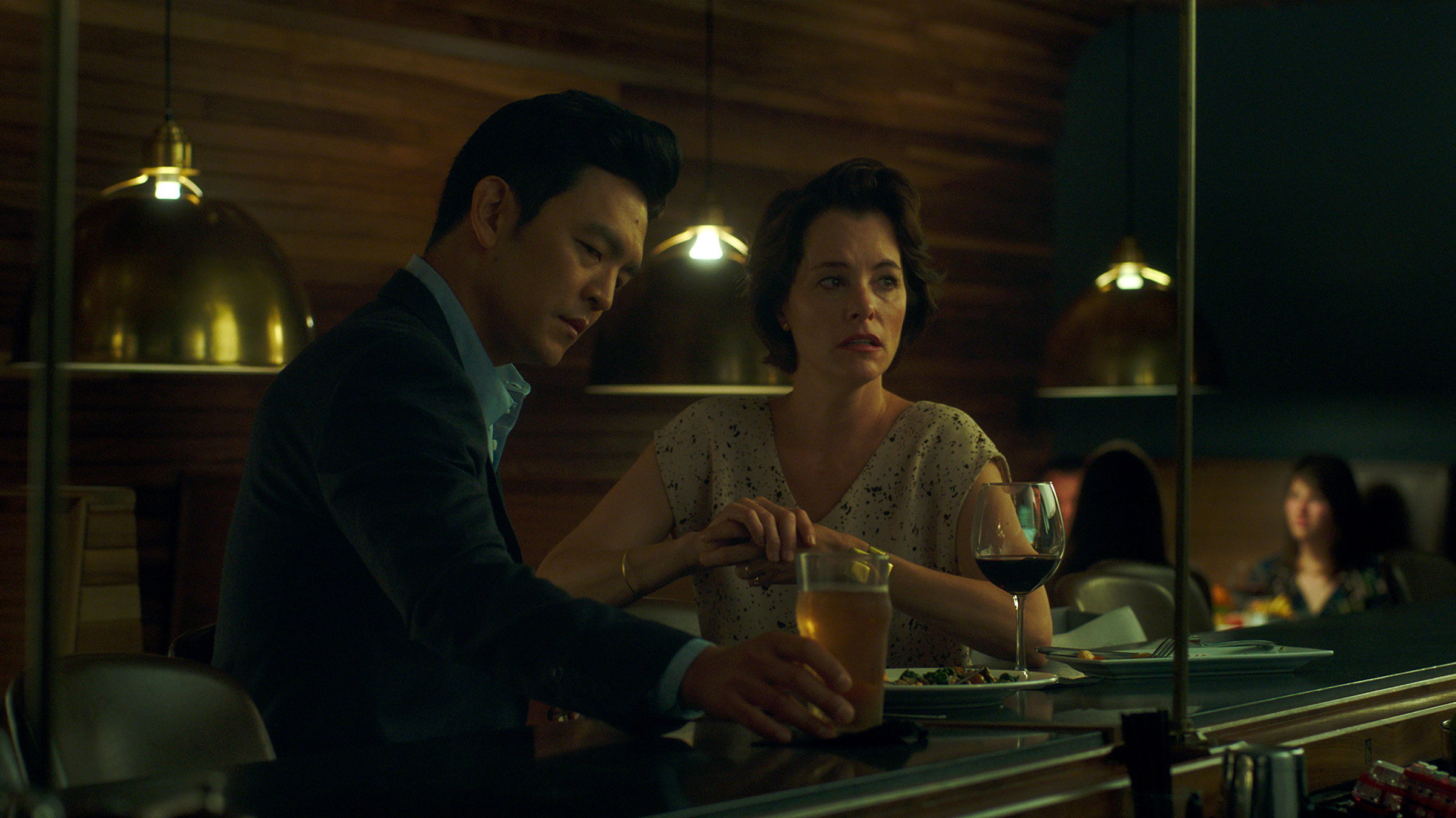
Cho has the harder job, because Jin’s grievance is with a man we only see asleep, and he plays it small: a tightness in the shoulders, a flat voice whenever his father comes up. His scenes with Eleanor (Parker Posey), his father’s colleague and a figure from his own adolescence, are the most wary in the film, and Posey plays a woman who has decided to be kind and is finding it an effort. Rory Culkin’s Gabriel, Casey’s colleague at the library, gets a speech about attention and interest that is funnier than it has any right to be. Michelle Forbes has three or four scenes as Maria, Casey’s mother, and makes each one count.

The flaws are mostly on Jin’s side. Casey is shown and Jin is explained; his history arrives in speeches. The Eleanor strand hints at more than it delivers. Two or three times the pair are posed before a landmark with such care that the shot looks like a brochure, and the film briefly becomes about how handsome the buildings are, which is the one thing it does not need to be about. And there is a stretch late on, which we will not describe, in which decisions that took an hour to set up are settled in about ten minutes.

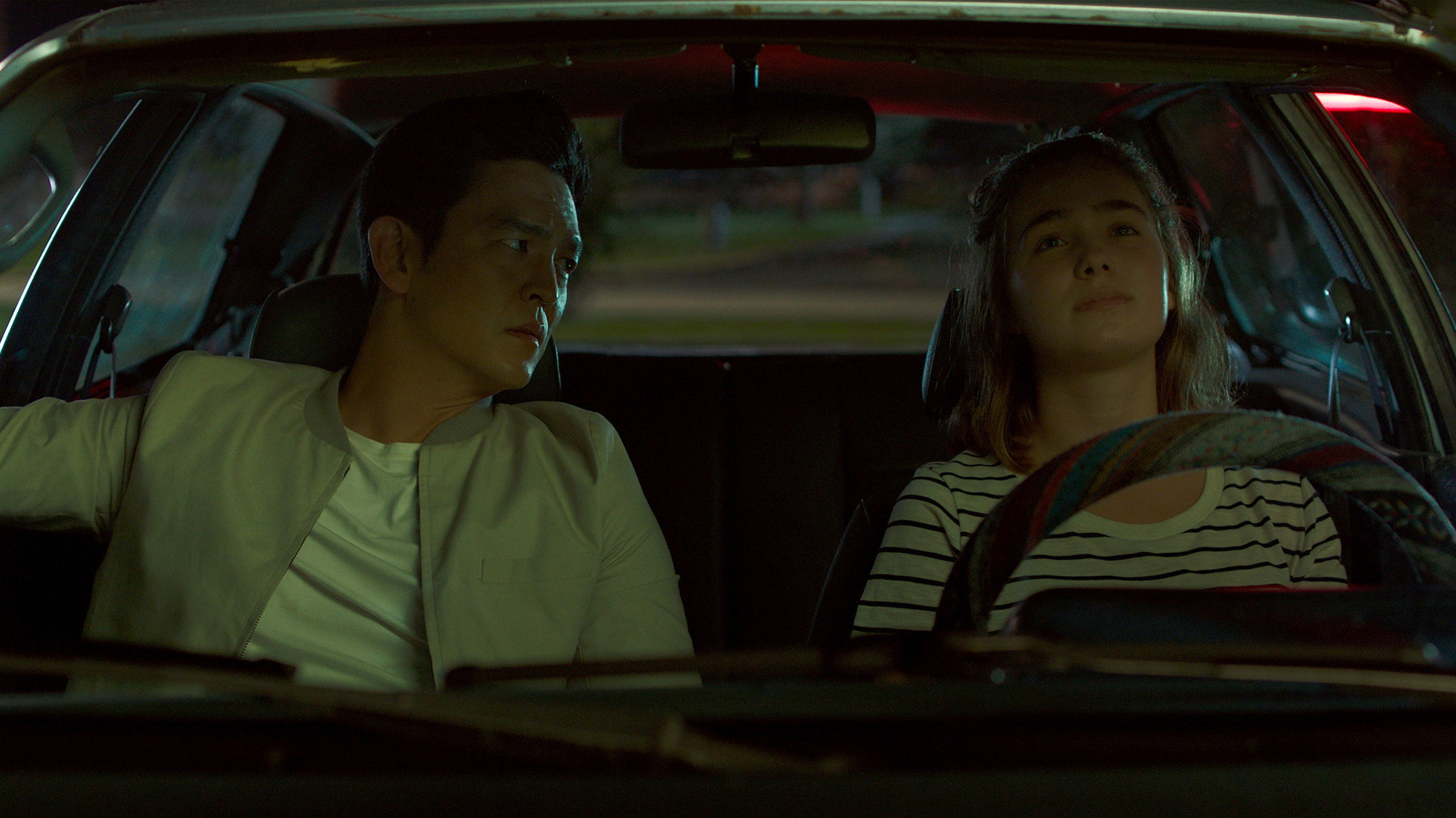
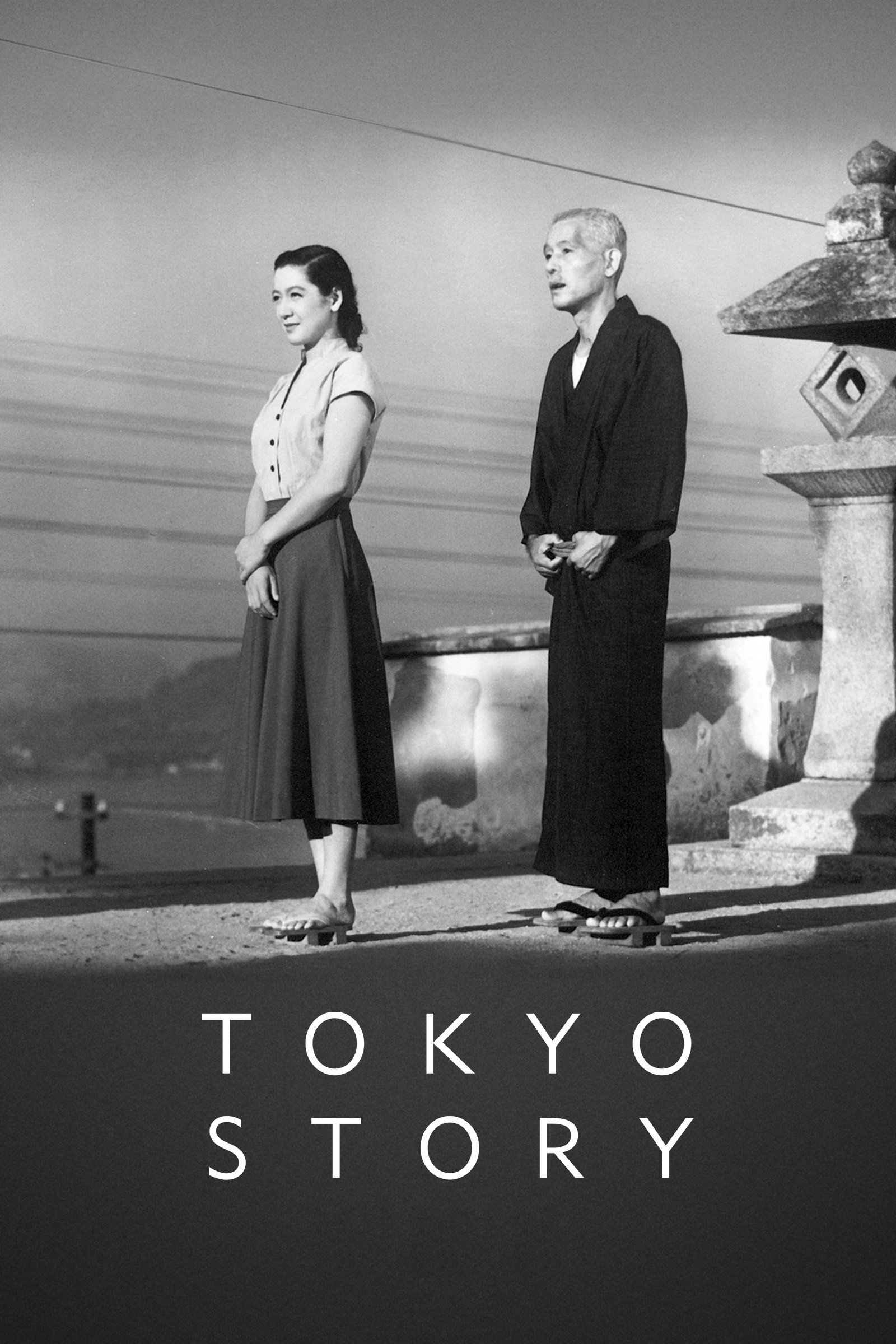
Most critics reach for Ozu and for Richard Linklater, and both fit: the low fixed camera, the kitchen tables, talk as the action. Our own best moment was not in front of any building. Casey, alone at night, puts music on in her car and dances in the headlights, badly, the way a person dances when nobody is watching, and Kogonada does not cut. We were closer to tears than we could account for, and we still cannot.

It runs 104 minutes and is a 12A, with nothing in it a child would object to and a fair amount they would sleep through. Watch it at home with the phone in another room. It needs the quiet, and it repays it.

Critical consensus AI synthesised

82
Positive
19
Mixed
2
Negative
0

Most critics warm to Kogonada’s debut, and they warm to it for the same reasons. The praise clusters on the way the film puts the modernist buildings of Columbus, Indiana, at the centre of a friendship rather than behind it, and on Haley Lu Richardson, whose performance is named again and again as the emotional core. John Cho is often mentioned alongside her. The composition and framing draw near-universal admiration, and Ozu is the comparison most reviews reach for.

The reservations are few and mild, and the spread is narrow, with almost every review landing in the same approving range. Where critics hesitate, it is over pace and thinness. Little White Lies finds the final act jarring; Time Out finds the story and performances less polished than the photography; The Wrap, the one plainly cool notice, complains that the minimalism leaves the characters underdeveloped. Nobody disputes that the film is carefully made. The question the dissenters raise is whether the care carries the story.

The Guardian
5 October 2018 · Peter Bradshaw
90*

The architecture is the star in this absorbing debut where Kogonada creates an engrossing and unexpectedly passionate film about feelings displaced into space and building materials. Haley Lu Richardson is outstanding as the young architecture buff who forms a friendship with John Cho's character.

Read the full review →
The Hollywood Reporter
27 January 2017 · festival review · Boyd van Hoeij
90*

The critic calls it a soft-spoken and perceptive art-house treat that announces a new director blending small-scale Ozu-like humanism with impressive formalist command of film. Architecture is singled out as the key third ingredient that elevates the character drama into unexpected territory.

Read the full review →
The New Yorker
9 June 2017 · festival review · Richard Brody
90*

Brody celebrates the film’s intellectual coming-of-age story centered on a young woman’s passionate engagement with Columbus, Indiana’s architectural treasures and her friendship with a visitor. He singles out Haley Lu Richardson’s performance for its emotional and intellectual acuity alongside Kogonada’s analytical visual approach.

Read the full review →
The Times
5 October 2018 · ★★★★☆ · Kevin Maher
90*

Brainy and sensual, this wildly impressive feature debut is a coming-of-age drama that consistently defies expectation and is built on an indecently charismatic performance from Haley Lu Richardson. It is impeccably filmed with geometric precision.

Read the full review →
Film Comment
festival review · Jonathan Romney
85*

The critic praises Kogonada’s debut as a strikingly distinctive and mature American film that celebrates architecture’s emotional power and everyday wonder through restrained, cerebral storytelling. It singles out Haley Lu Richardson’s radiant, rapturous performance as a highlight of intellectual and aesthetic passion.

Read the full review →
Financial Times
3 October 2018 · Nigel Andrews
85*

Columbus is an absolute charmer whose absolutism is its strength as Kogonada places the modernist buildings of the Indiana town before us and tests the characters’ responses to the artistic verities posed. The framings are uncannily beautiful and the dialogue a wonder.

Read the full review →

Cast

If you liked this, try…