Sofia Coppola makes a funny, affecting romance from two people struggling to explain themselves. Bill Murray and Scarlett Johansson reward the patience it asks for, though the Japanese characters deserve more of the attention given to its leads.
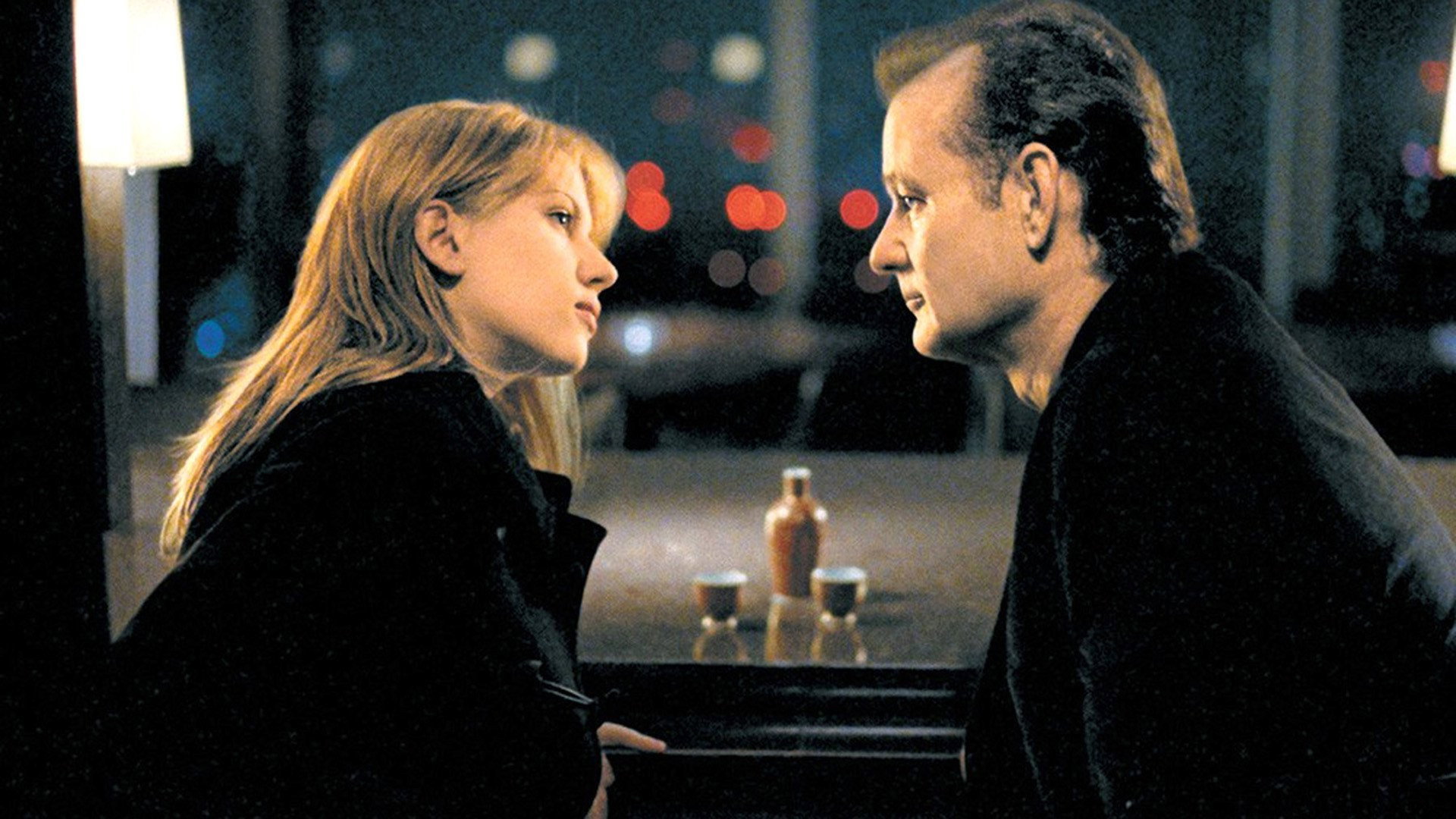
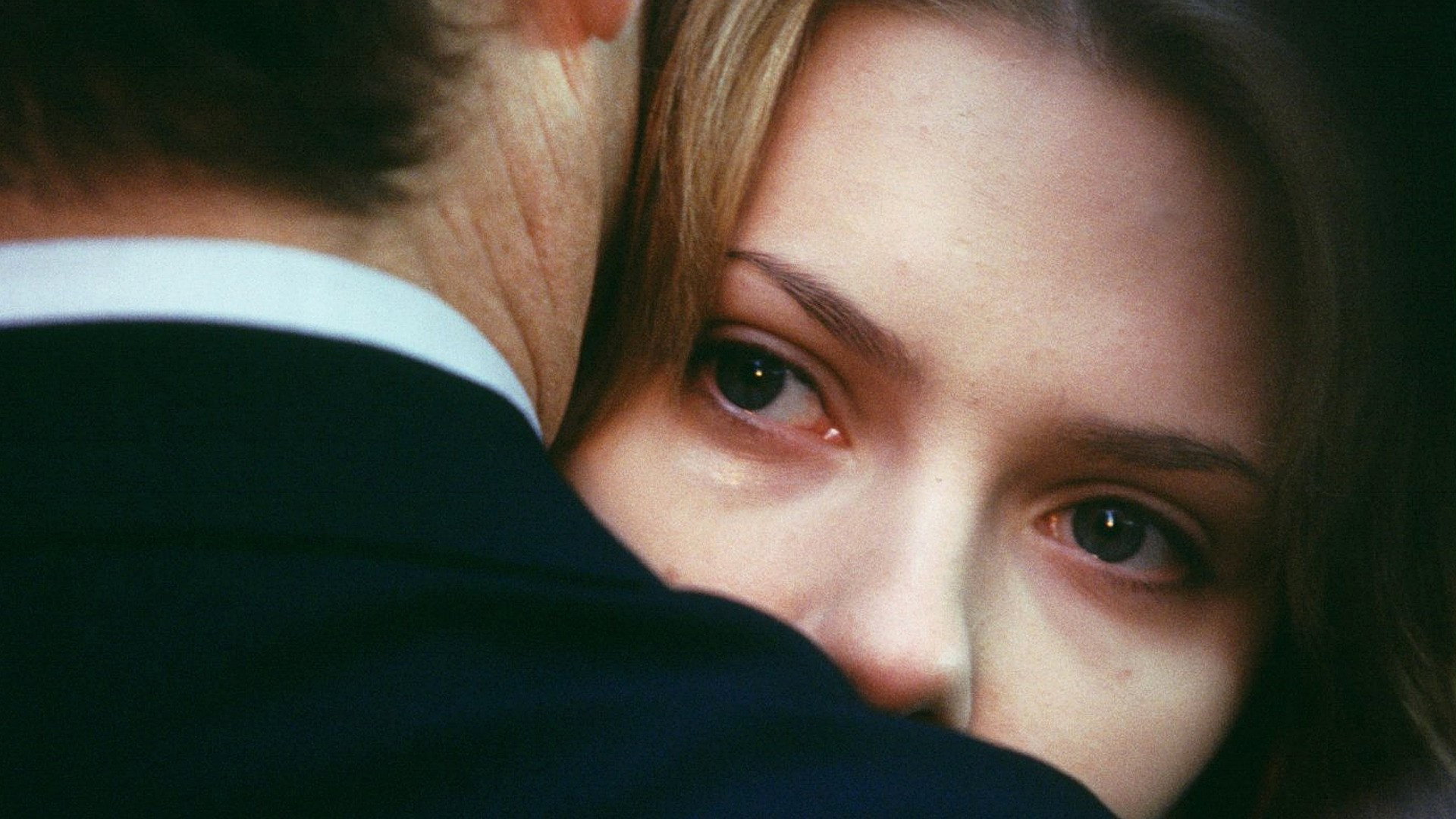
Sofia Coppola gives Lost in Translation a small task and takes it seriously: persuade us that two lonely people might feel less stranded in each other’s company. Bob Harris is a weary actor in Tokyo; Charlotte is younger, unhappily married and uncertain about what comes next. Their attraction develops through talk and the hesitations around it, without the usual hurry to turn closeness into sex. This is a funny, affecting romance, and its quietness mostly earns the attention it asks for.
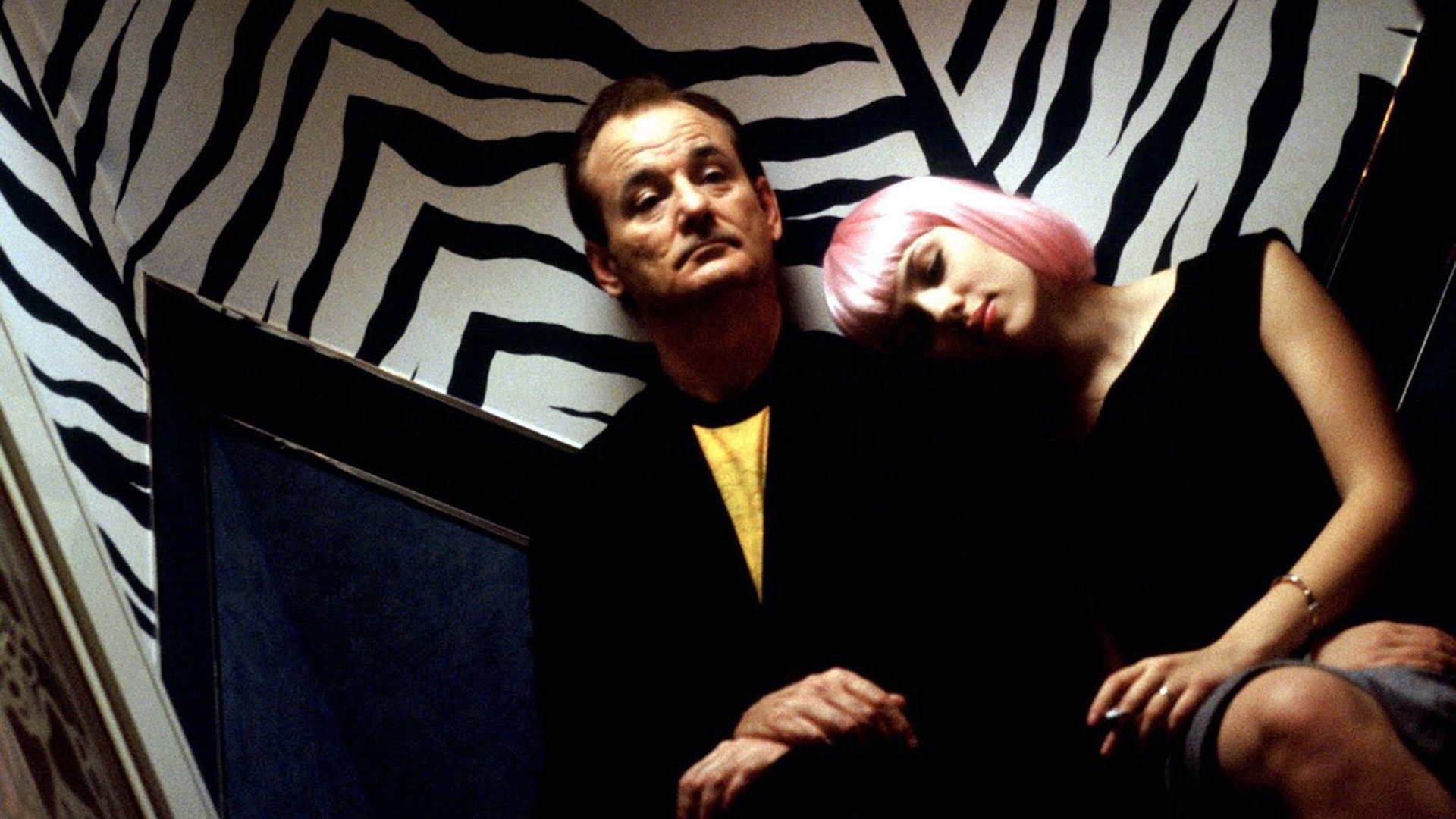
Bill Murray is especially good at making Bob’s weariness funny without asking us to applaud his disenchantment. The dry delivery could easily become a way of standing above everybody else, but there is enough warmth beneath it to suggest someone who would rather stop being lonely than win another exchange. We believe that Charlotte might want to spend time with him. Coppola gives him room to be amusing and does not require a joke at the end of every conversation.
Scarlett Johansson has the harder job, since Charlotte’s unhappiness offers fewer immediate comic rewards. She keeps the character’s uncertainty from becoming a request for our sympathy, and the difference in age never seems sufficient explanation for their interest in each other. We were more moved than we expected by the karaoke scene. Murray and Johansson make taking part in the same small pleasure feel like a risk, with the attraction carried by their attention to each other.
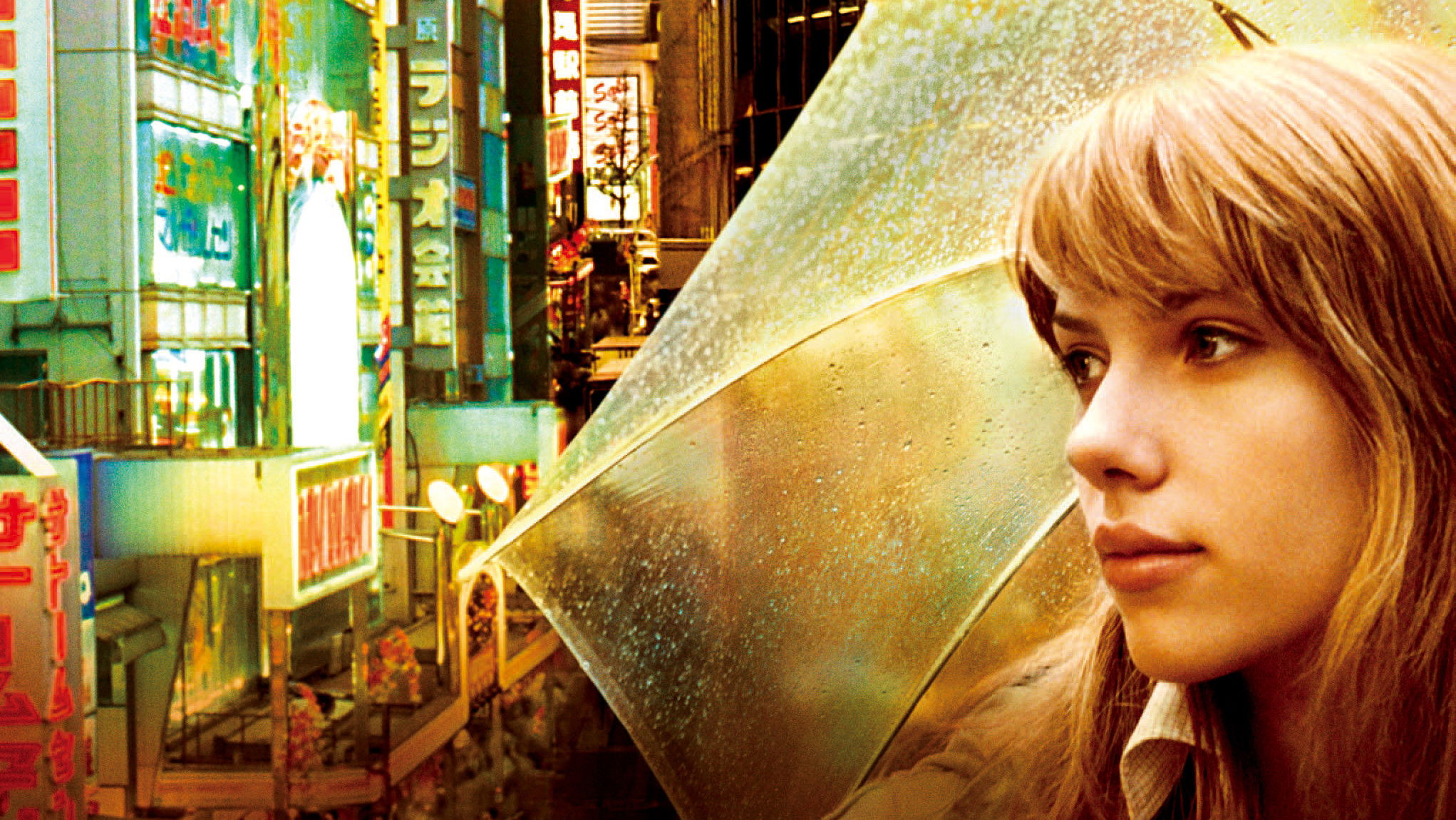
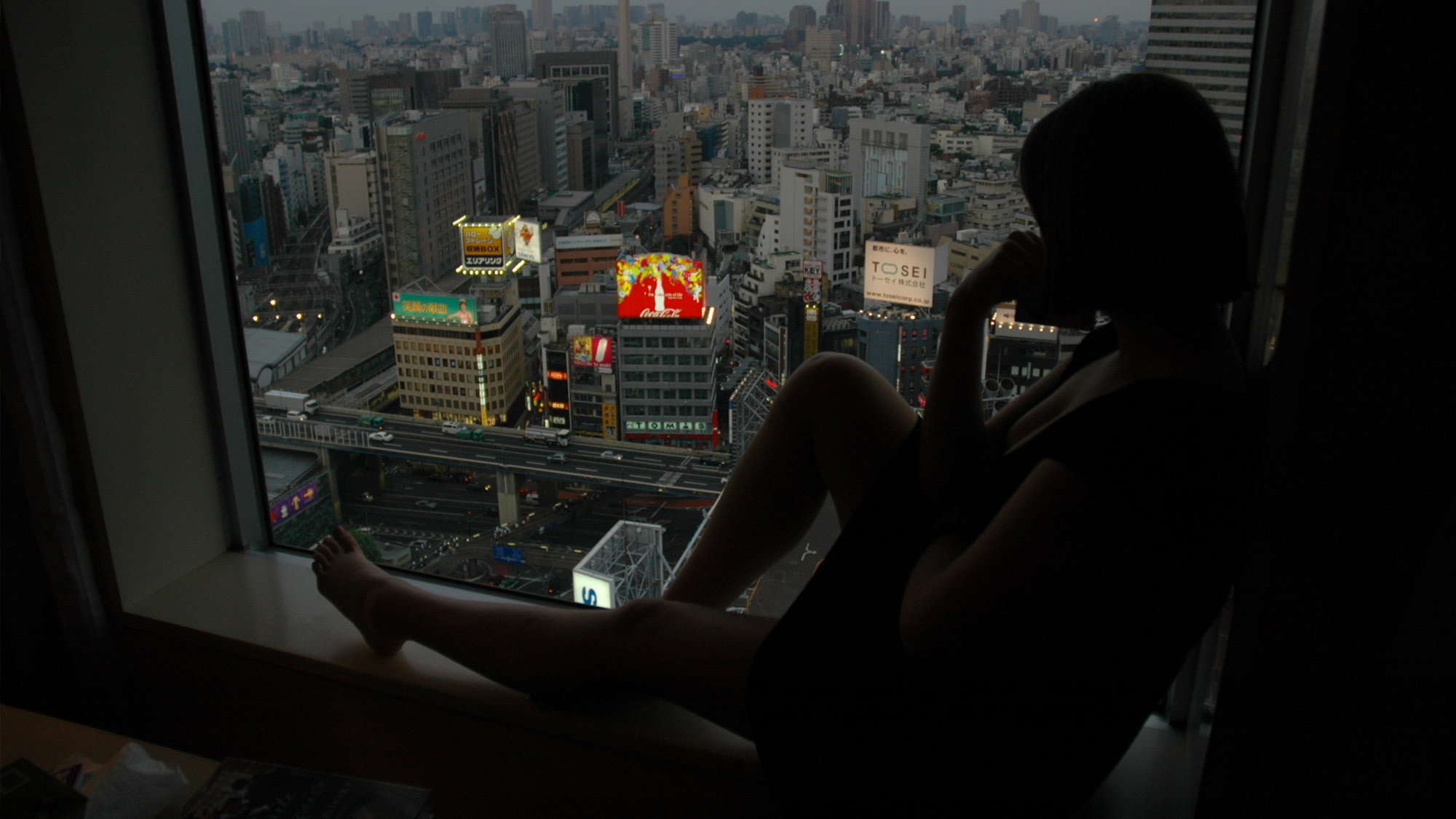
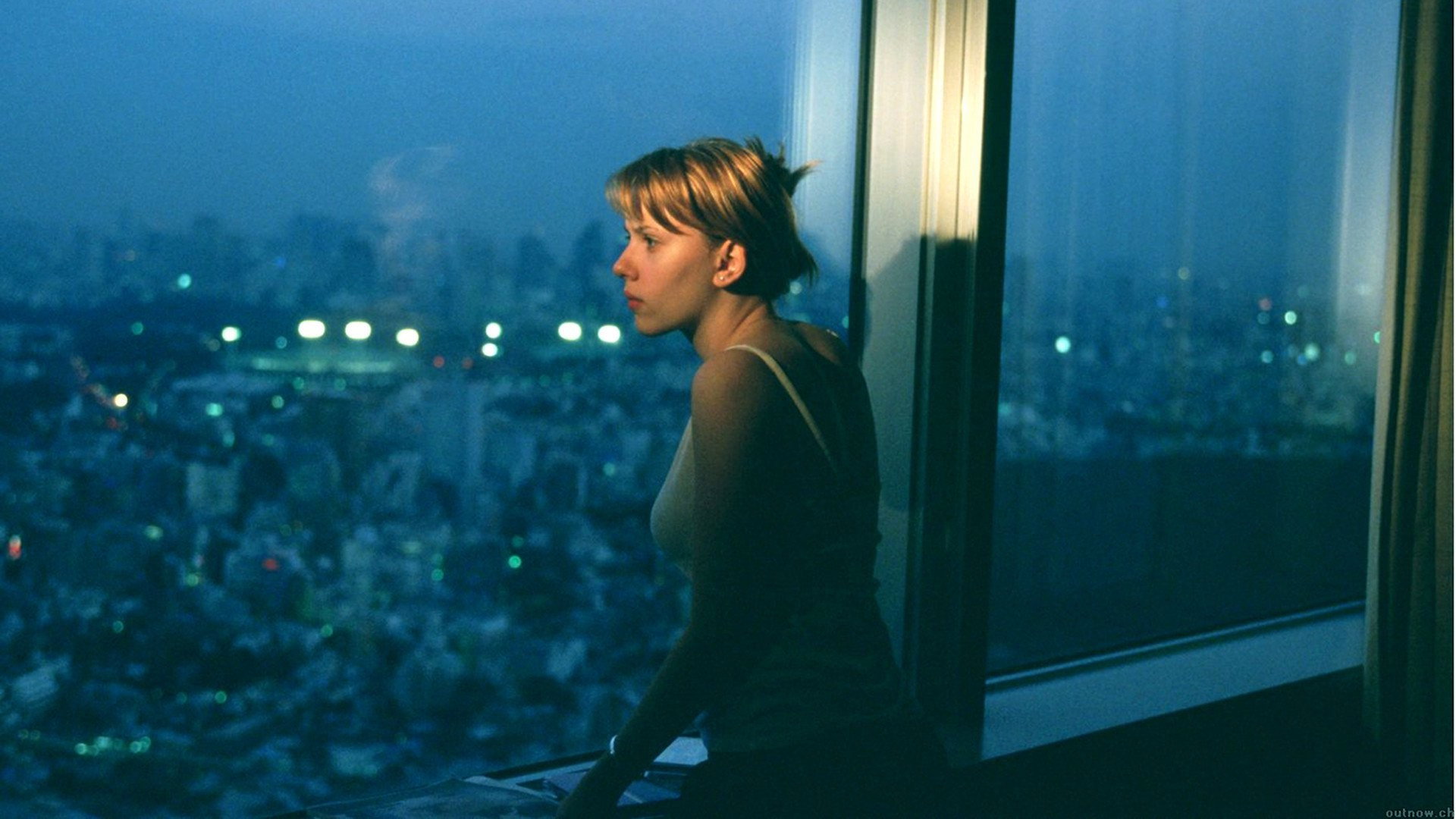
Lance Acord’s cinematography gives Tokyo the slightly unreal look that suits this shortage of sleep. The city can feel remote even when it fills the screen, a convincing match for Bob and Charlotte’s difficulty settling into their surroundings. Production designers Anne Ross and K.K. Barrett help sustain the feeling of being somewhere that never quite becomes home. We understand why these two might feel adrift here, although we sometimes wanted Coppola to look beyond what the surroundings do for her visitors.
Sarah Flack’s editing allows the performances to remain hesitant, and we rarely feel a cut arriving simply to get the story moving. That patience is useful in a romance built around people who cannot readily explain what they want, though a few stretches linger after the feeling is clear. Kevin Shields’s music suits the drowsiness and uncertain pleasure of their company. The danger is that each element makes the same mood so agreeable that the film can seem reluctant to disturb it.
The more substantial flaw is Coppola’s uneven generosity. The Japanese characters are too often asked to supply the strangeness against which Bob and Charlotte recognise each other, and the comedy sometimes settles for their bewilderment when it could have been more curious about its cause. We do not need a romance to become a survey of Tokyo, but we do need the people around its lovers to seem worth knowing. The film’s patience with its leads makes that lack of interest harder to excuse.
Within a romantic comedy, this much hesitation can be a pleasure: Coppola lets uncertainty last long enough for us to recognise it. Murray and Johansson keep the film from becoming merely languid, because their company feels welcome even when neither has anything decisive to say. At 102 minutes, it has time to be quiet without demanding an evening’s devotion. Give it a quiet evening, and resist the temptation to fill the silences yourself.