Film review

Before Sunrise

1995 · Directed by Richard Linklater · 1h 41m · MPA R

In a sentenceTwo strangers talk all night, and for once we would rather listen than get some sleep

DramaRomance

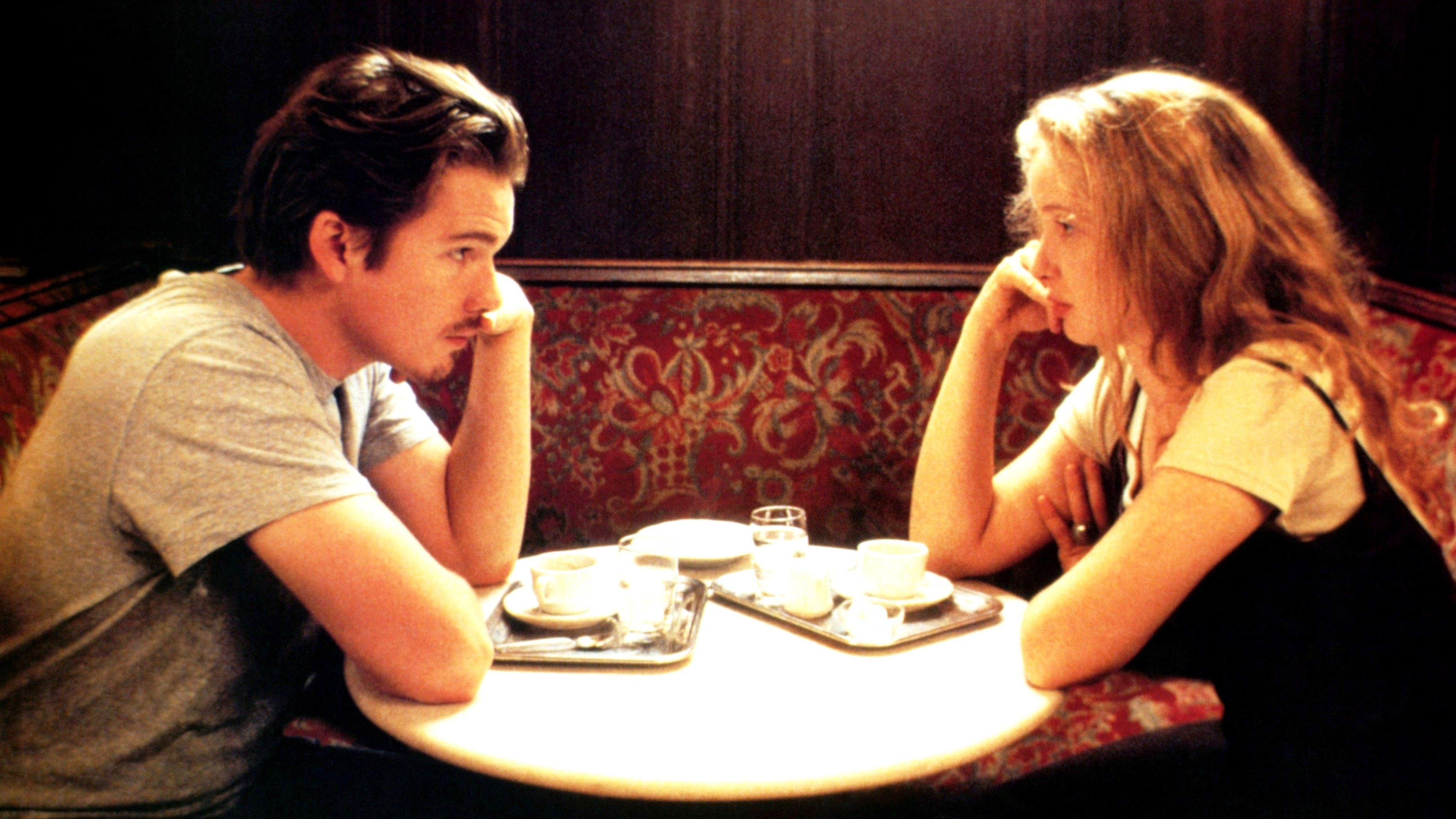
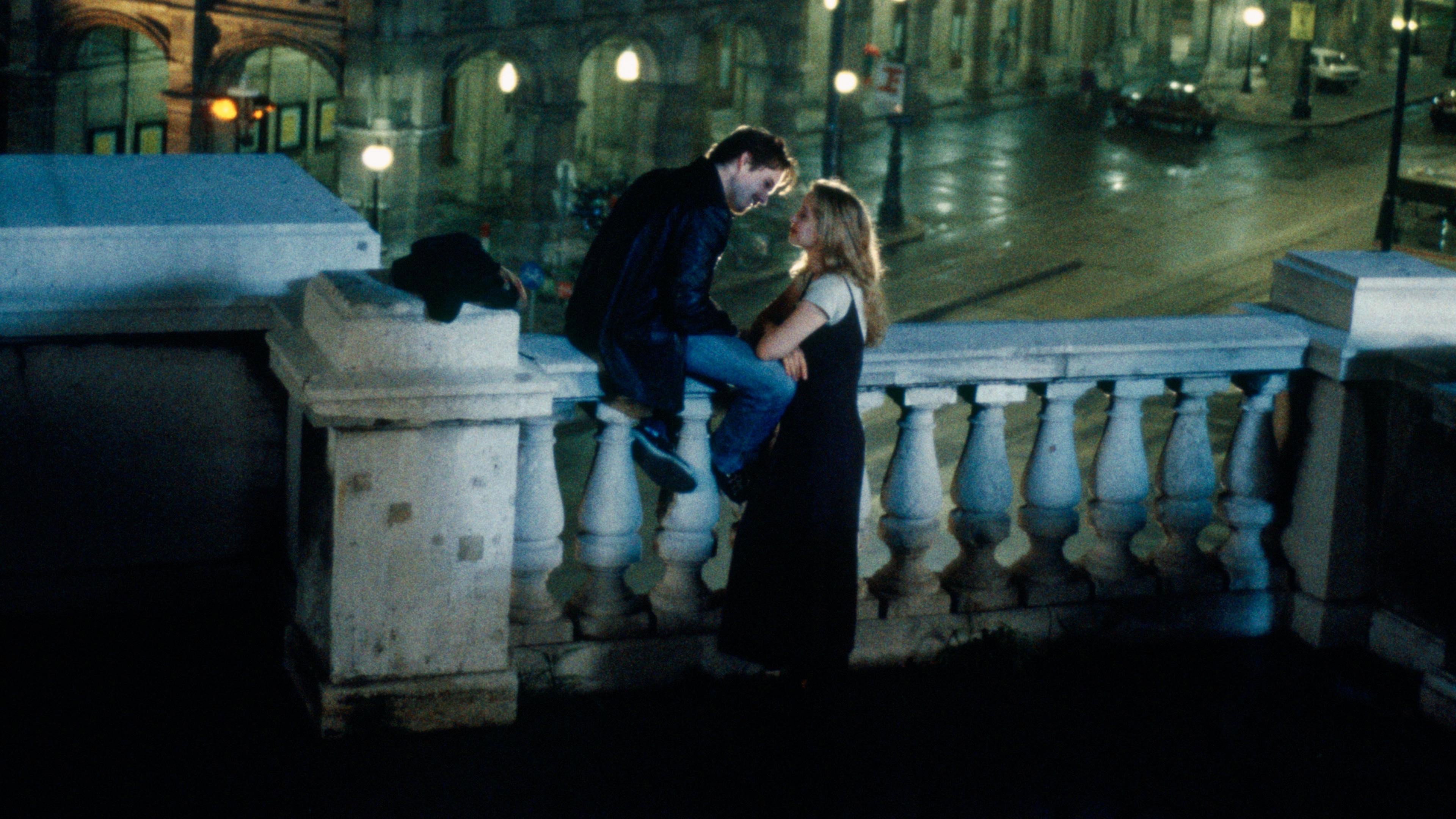
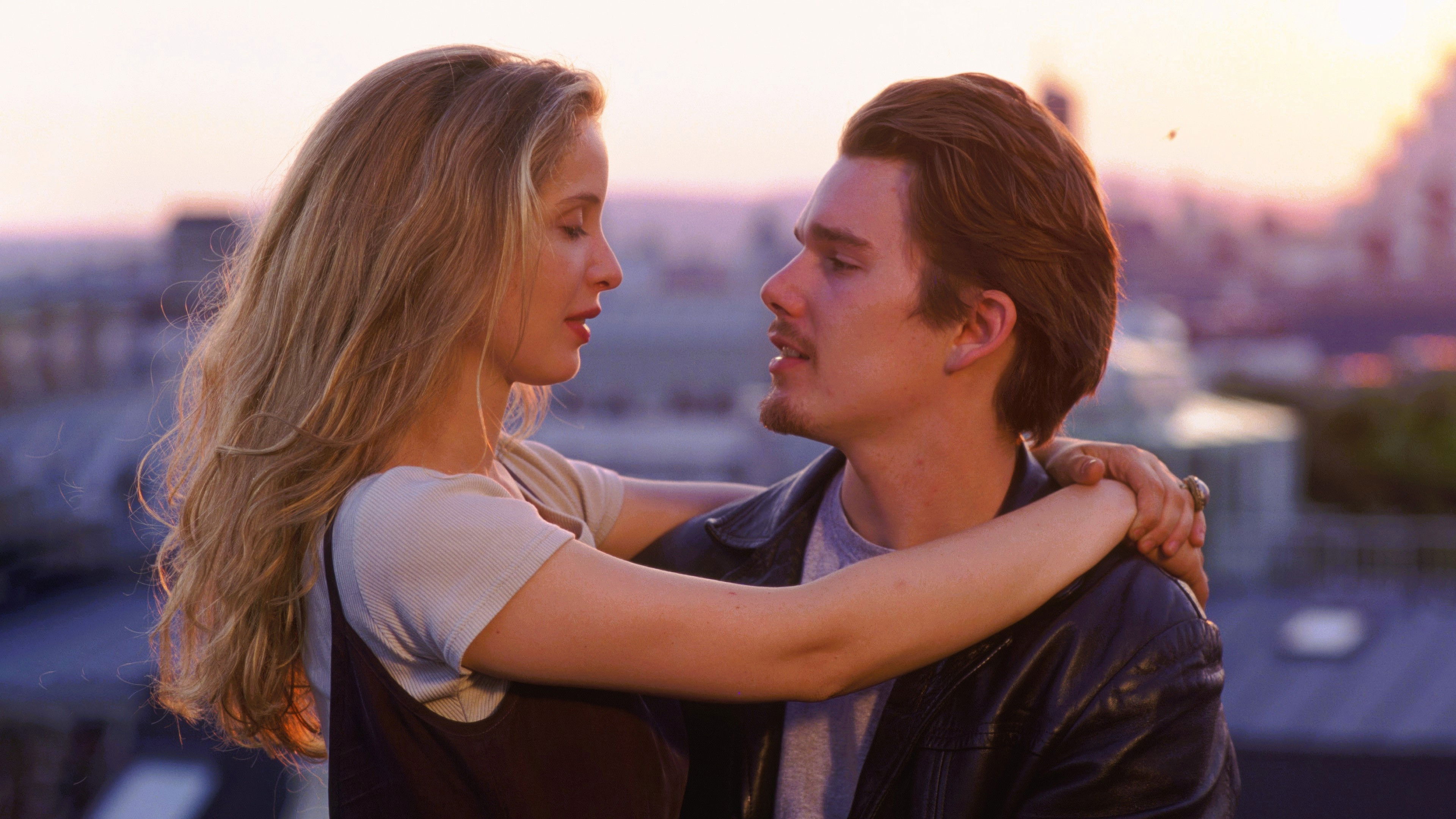
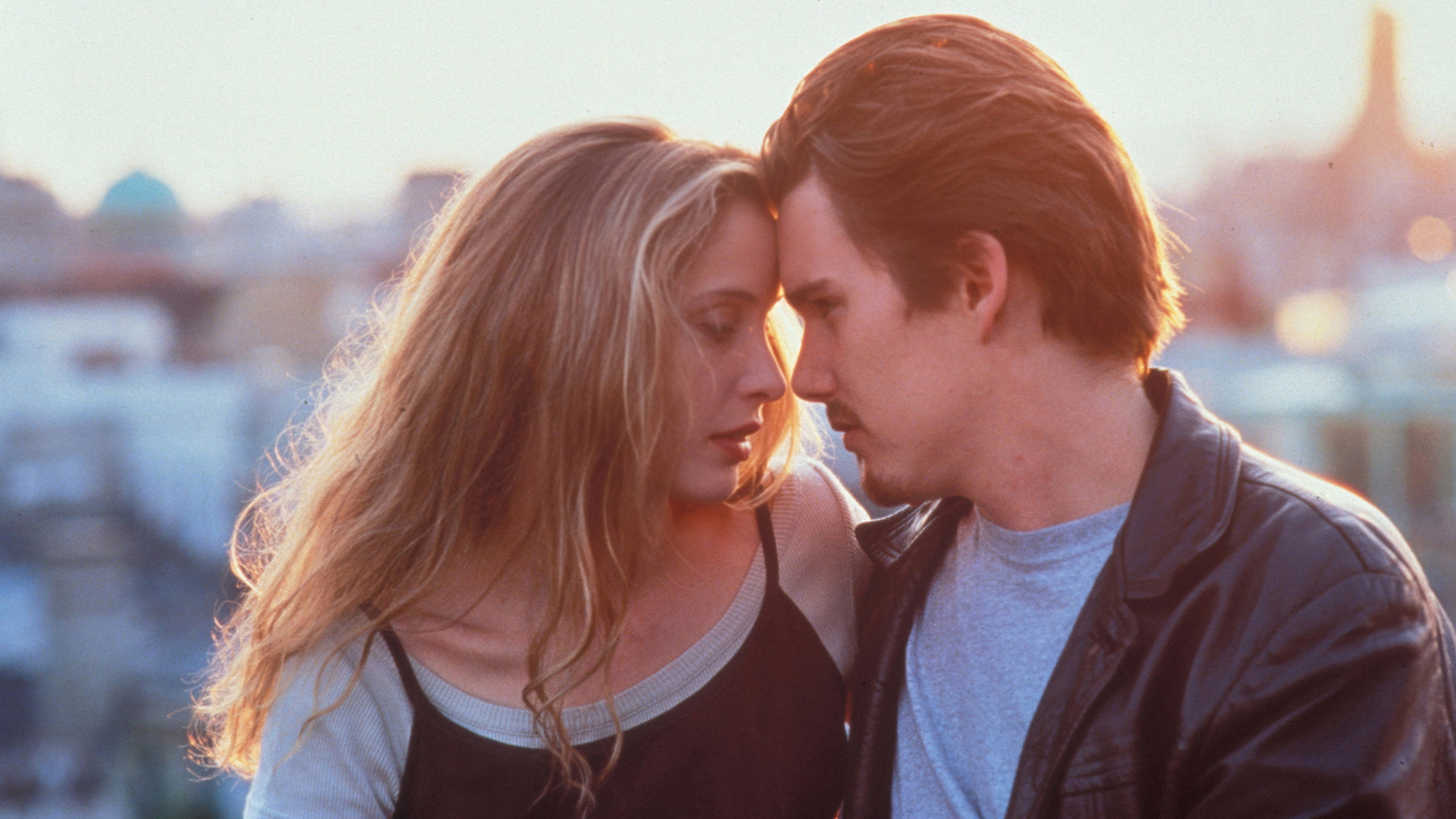
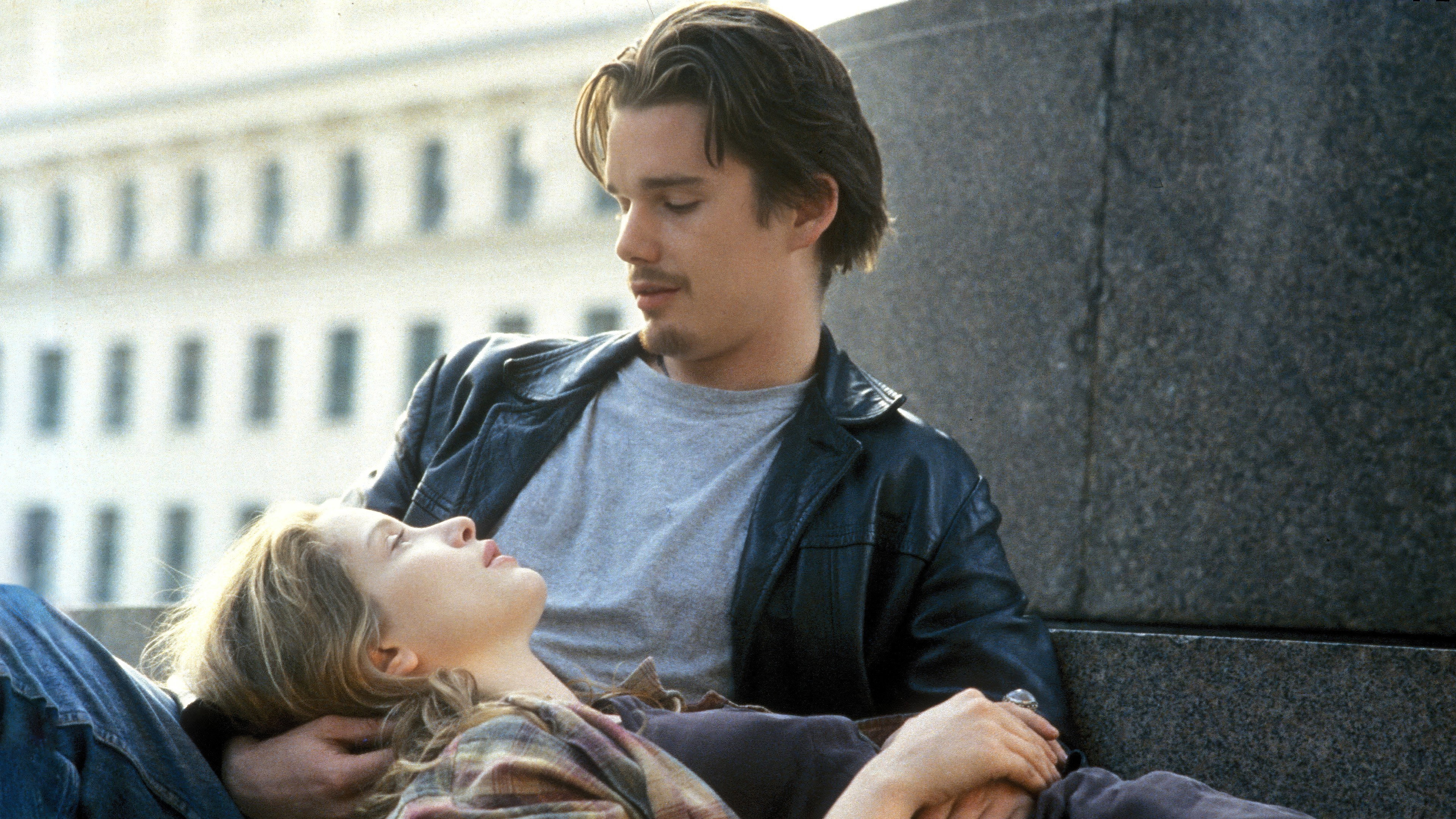
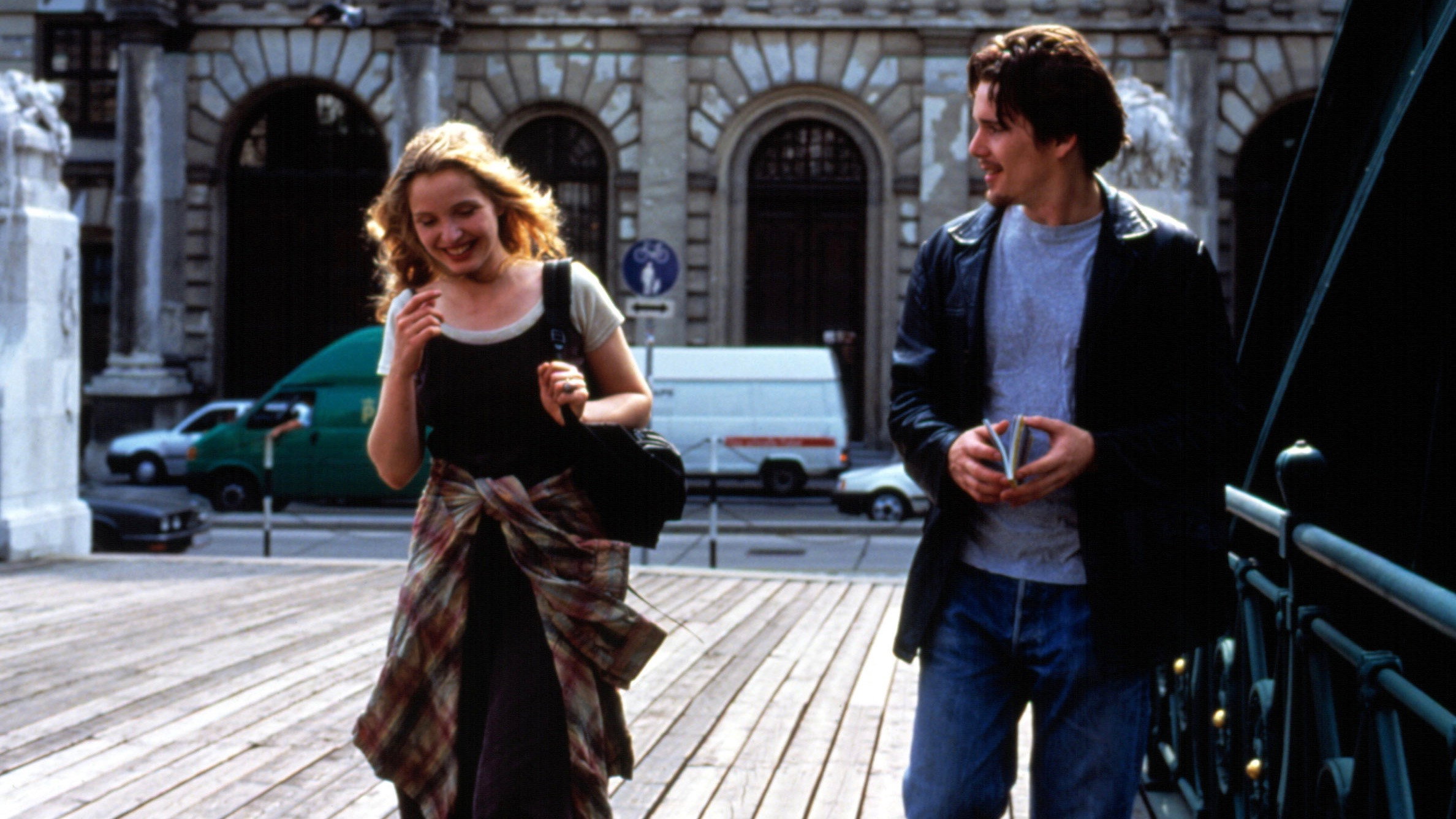
Jesse (Ethan Hawke) and Céline (Julie Delpy) meet on a train and spend a night wandering through Vienna. Both are young travellers, and neither knows the other beyond what they choose to say as they walk. Conversation becomes their way of testing an attraction, with stretches of talk giving way to moments when neither says much at all. Richard Linklater directs from a screenplay written with Kim Krizan, keeping the story with the pair as they get to know someone who, until the train journey, was a stranger.

Plays from YouTube when you press play; nothing loads from them until then.

Fi1m review

Richard Linklater makes a night of conversation feel absorbing and unexpectedly tender. Ethan Hawke and Julie Delpy give the romance its awkward life, though the talk occasionally sounds too pleased with its own intelligence.

Richard Linklater’s Before Sunrise is a funny, affecting romance that earns our interest in two people by letting them talk. The story stays with Jesse and Céline, who meet on a train and spend a night wandering through Vienna. We recommend it warmly, with a warning for anyone who needs a plot to keep changing direction. It helps that Linklater understands how much effort goes into sounding spontaneous.

The screenplay, written by Linklater and Kim Krizan, gives the conversation the awkwardness of people trying to be interesting without seeming to try. Their opinions matter because each wants to know what the other makes of them. We listen partly for what they think, but also for the impression they hope to make. That keeps even the more expansive stretches from sounding like a discussion that could have happened between any two strangers.

Ethan Hawke’s Jesse and Julie Delpy’s Céline are persuasive because neither performer treats attraction as something that removes embarrassment. They make the effort of getting acquainted visible even when the conversation seems easy. We felt unexpectedly nervous for them when the talking gave way to silence. After all that apparent confidence, simply being together without a subject to discuss suddenly looks difficult. Those wordless moments make us care about them more than another clever exchange would.

Lee Daniel’s cinematography makes the listener worth watching even during the more fluent stretches of conversation. We keep looking for the small signs that a remark has landed differently from how it was meant. Sheri Galloway and Sandra Adair’s editing gives the exchanges room without making every pause seem momentous. The relaxed pace works because a change in the pair’s ease with each other can be enough to move a scene along.

Florian Reichmann’s production design helps Vienna feel hospitable to this aimless evening, a place where lingering seems a reasonable thing to do. The city is a flattering setting for their freedom from ordinary obligations, and the film makes no great effort to disguise that. Fred Frith’s music stays modest beside the conversation. That restraint works: we can attend to the changes in the speakers’ voices without being told how much each exchange should matter.

There are stretches when their self-consciousness becomes wearing. Linklater and Krizan occasionally let a line sound too pleased with its own intelligence, and an exchange can continue after we have grasped what each person is trying to communicate. Anyone irritated by young people working out what they think in public will find some of this hard going. The film’s freedom from practical worries is part of its pleasure, though it makes the evening feel a little protected.

Yet a romance is allowed an unusually fortunate meeting, and this one is attentive to the uncertainty that survives good luck. Across its 101 minutes, it gives embarrassment and curiosity time that a more hurried courtship would spend on complications. The modest scale feels right for the people in it. Make time for it when conversation is what you want from an evening, rather than something to talk over.
Critical consensus AI synthesised

1 of 6
Positive
1
Mixed
0
Negative
0
Time Out
10 September 2012 · GA
90*

The critic praises the film's ability to convey emotional truths through conversation between the leads, calling it a funny, poignant, perceptive brilliant gem.

Read the full review →
Empire
1 January 2000 · Caroline Westbrook

Linklater's intelligent, witty and poignant tale breathes new life into the romance genre with believable characters and a script that crackles with wit and wisdom. It is too intelligent to be soppy and too damn good to be ignored, feeding the mind as well as warming the heart.

Read the full review →
Los Angeles Times
27 January 1995 · Peter Rainer

The critic finds the film enjoyably minor, noting the engaging chemistry of the two leads and the director's intuitive handling of youthful self-consciousness and chance encounters. It succeeds as a mainstream youth romance with extra feeling and mystery.

Read the full review →
The Guardian
30 January 2025 · Peter Bradshaw

The critic calls it a romance rather than a romcom or romantic drama, a brief encounter that feels like a strange and wonderful miracle without being cloying. They single out the film's elegant handling of unresolved sexual tension and the lightness with which the characters float through Vienna free from everyday cares.

Read the full review →
The Independent
19 April 1995 · Sheila Johnston

The film is a risky but largely successful departure for Linklater, sticking with two characters who meet on a train and spend a night chatting in Vienna. It offers diverting, cerebral conversation and sweet wordless moments but ends on a sceptical, faintly bittersweet note about relationships and time.

Read the full review →
The New Yorker
23 January 1995 · Anthony Lane

The review celebrates the film's odd, improvised-feeling structure of two strangers wandering and talking through Vienna, defying conventional plot rules. It singles out the strong performances by the leads that emerge from this open, bemused style.

Read the full review →

Cast

Stills

If you liked this, try…

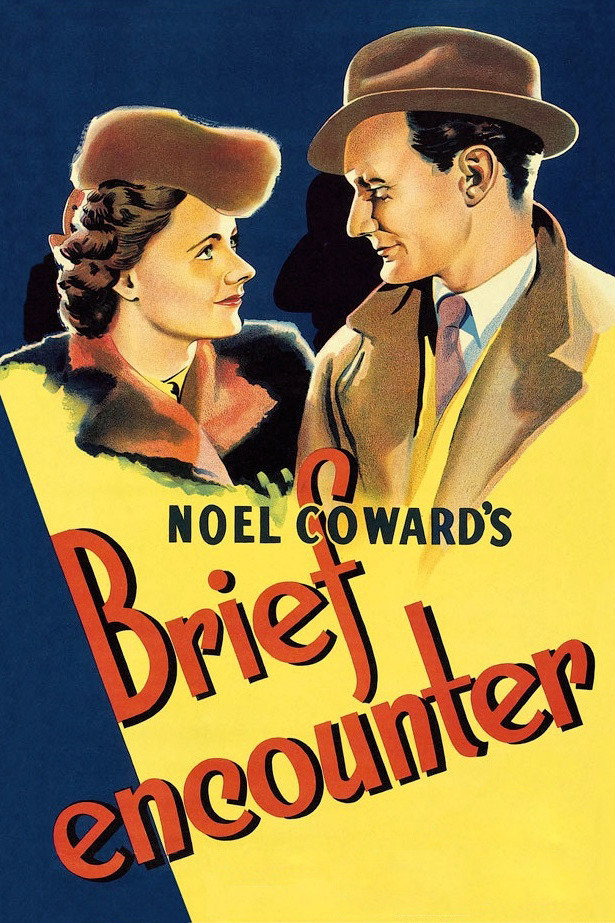
Brief Encounter poster90

Brief Encounter

1945 · Another chance meeting, with less freedom and more fear of being seen.

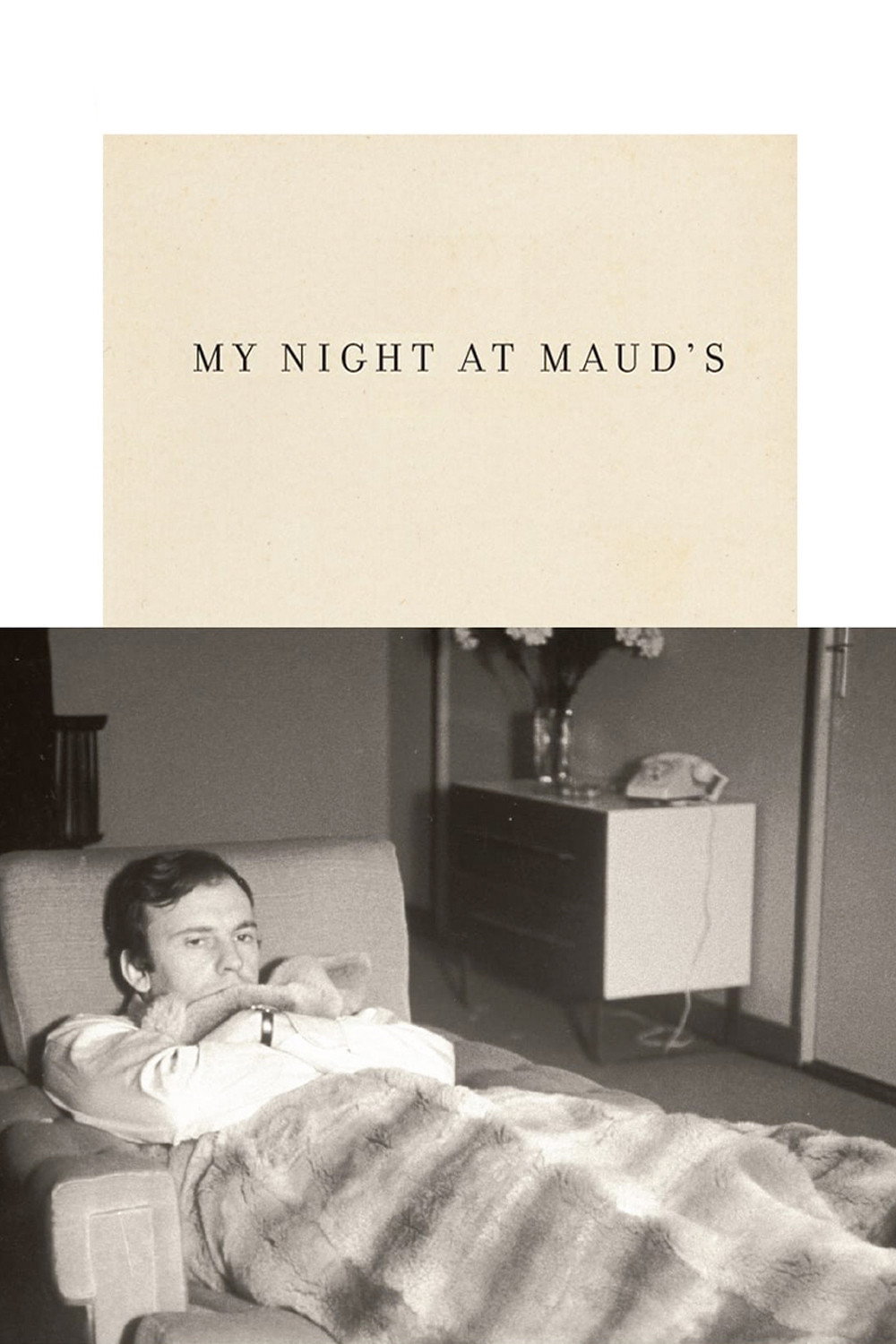
My Night at Maud's poster

My Night at Maud's

1969 · Personal principles become harder to defend when an attractive stranger is listening.

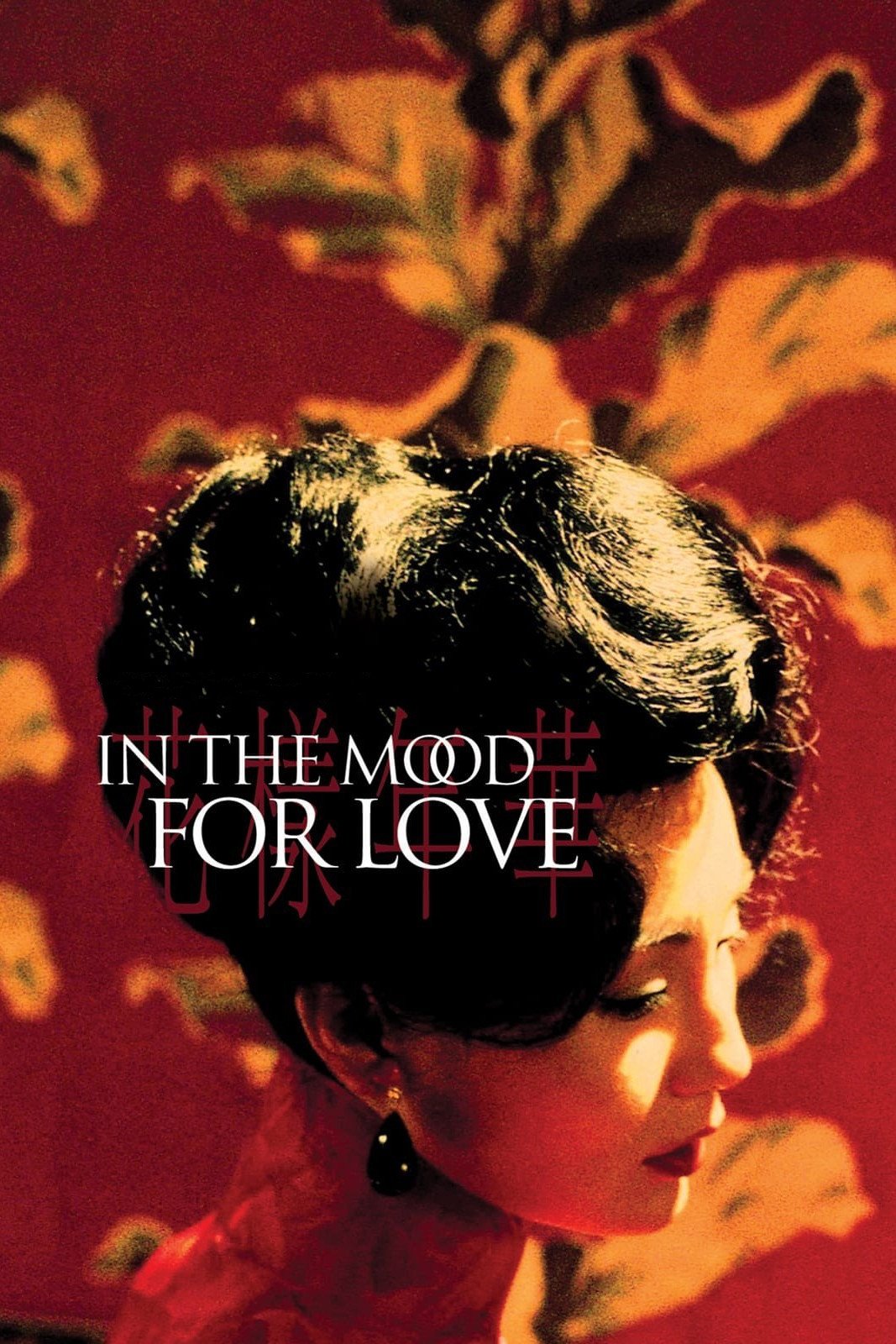
In the Mood for Love poster

In the Mood for Love

2000 · For the glances and hesitations, with fewer words and stricter social limits.

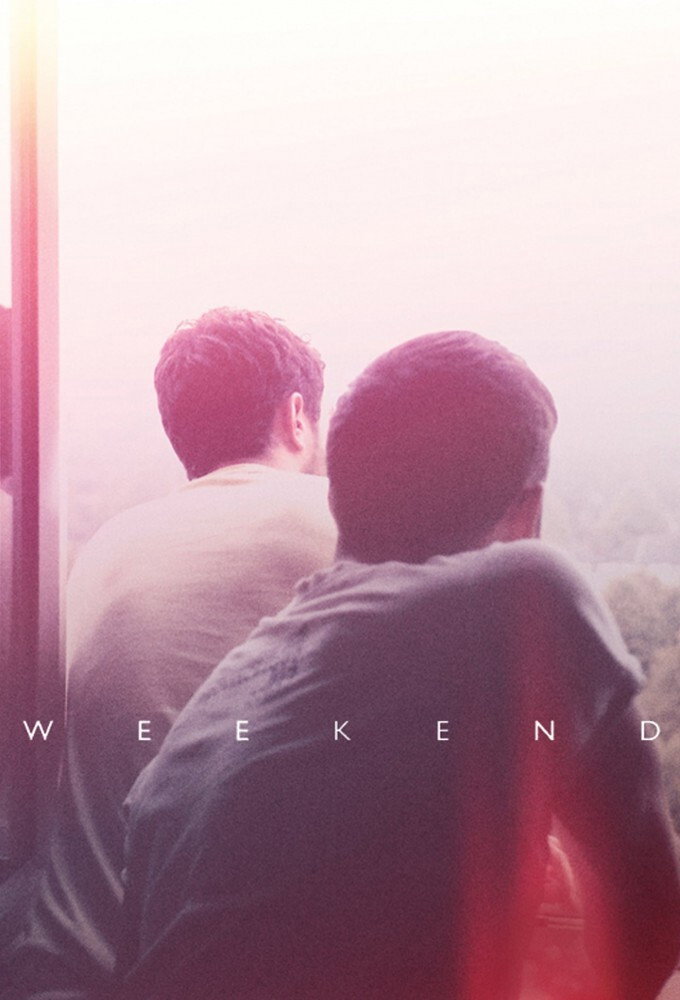
Weekend poster

Weekend

2011 · Two men get acquainted, with frank talk and limited time together.

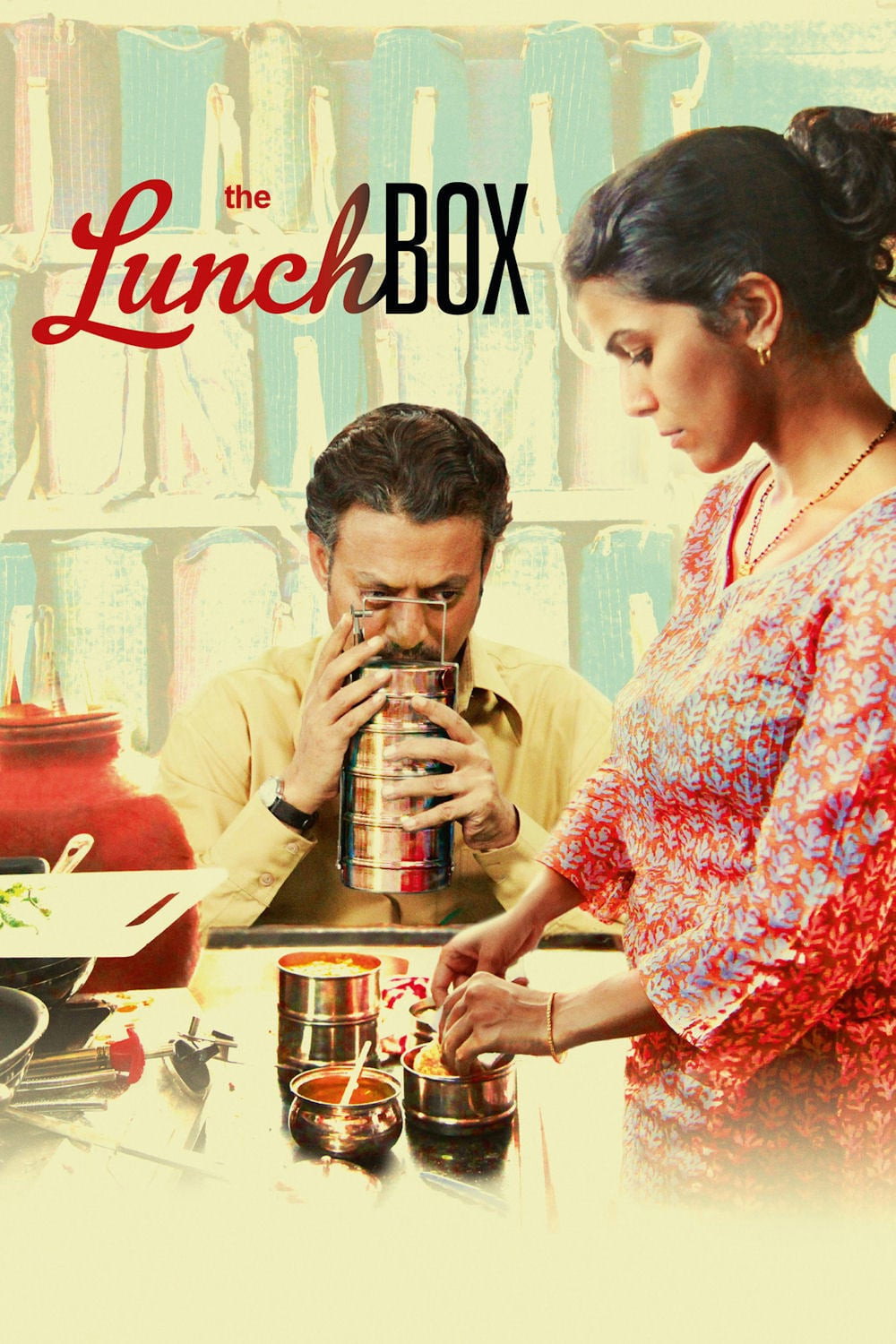
The Lunchbox poster

The Lunchbox

2013 · An accidental correspondence gives two lonely people room to speak honestly.