Film review

Paterson

2016 · Directed by Jim Jarmusch · 1h 58m · MPA R

In a sentenceA bus driver writes poems, and for once cinema doesn’t demand he hand in his notice

DramaComedyRomance

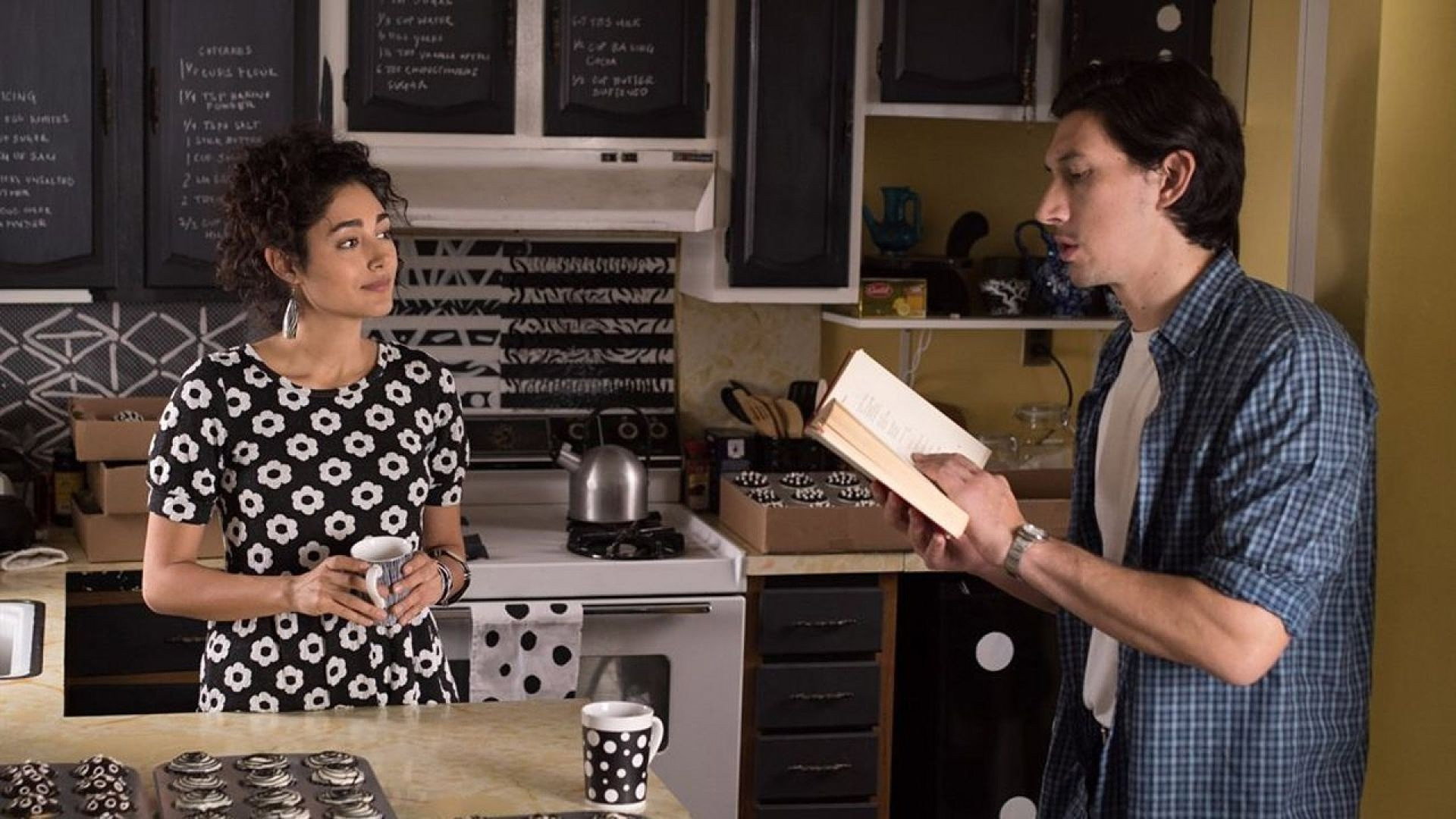
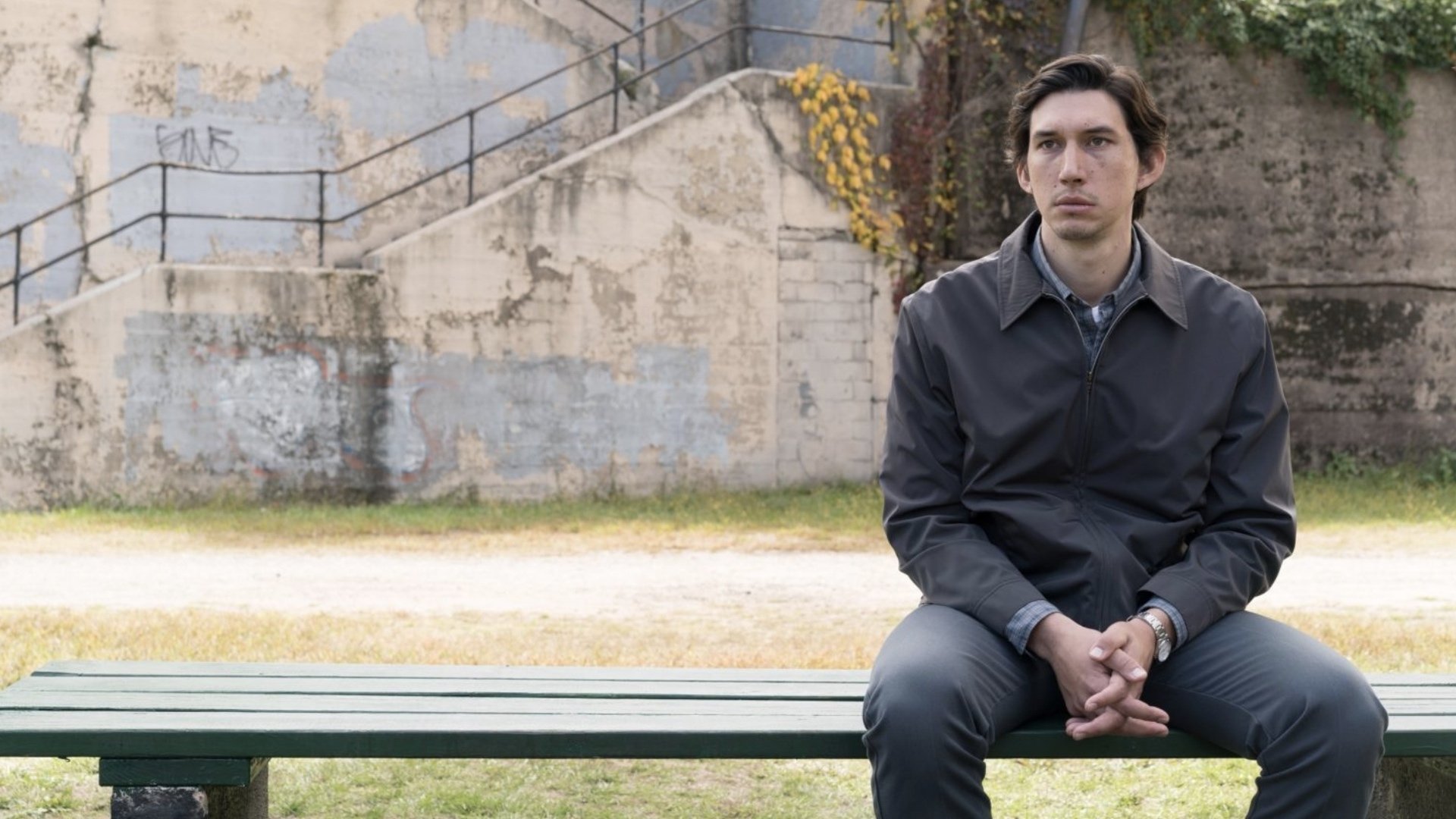
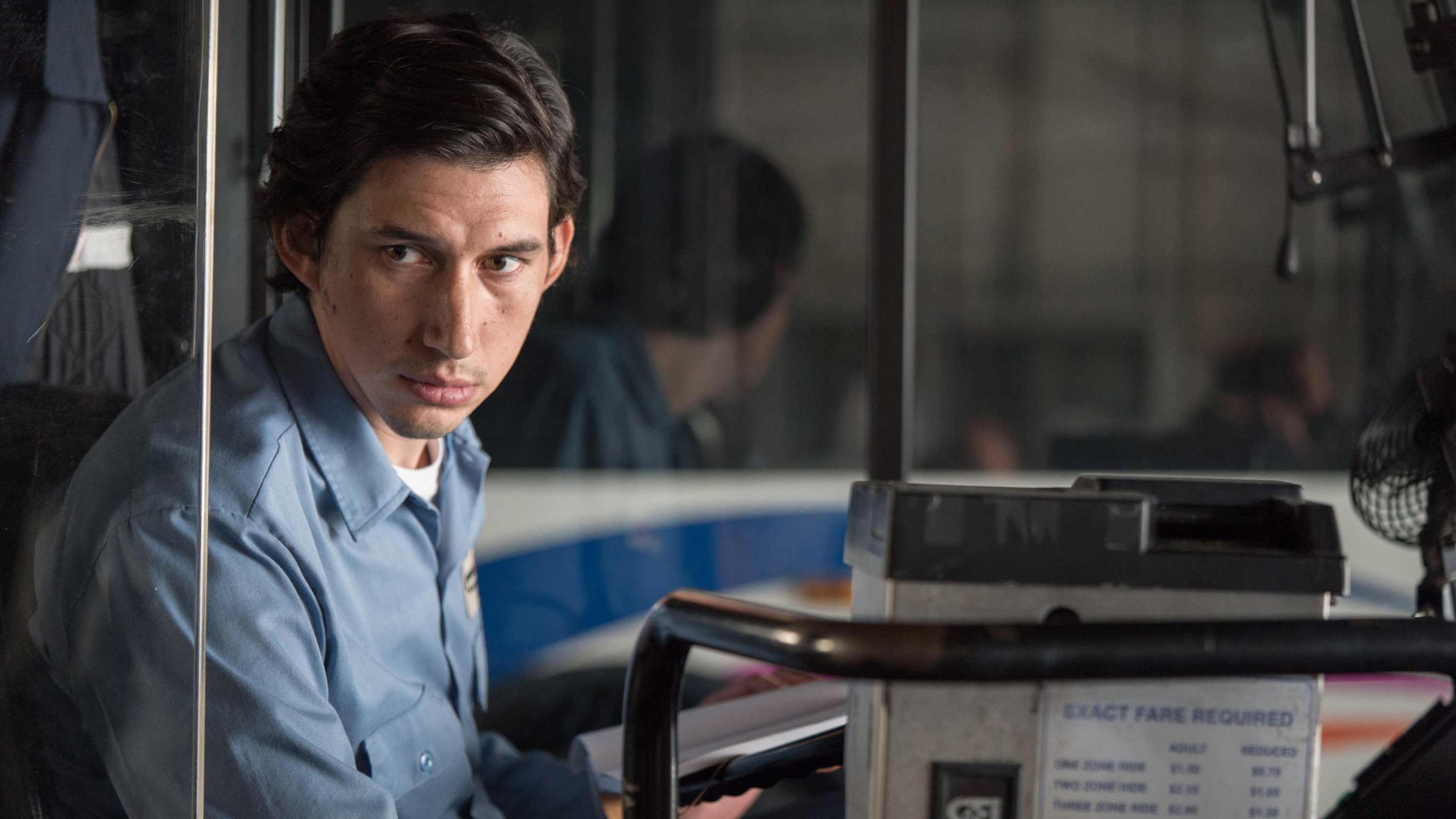
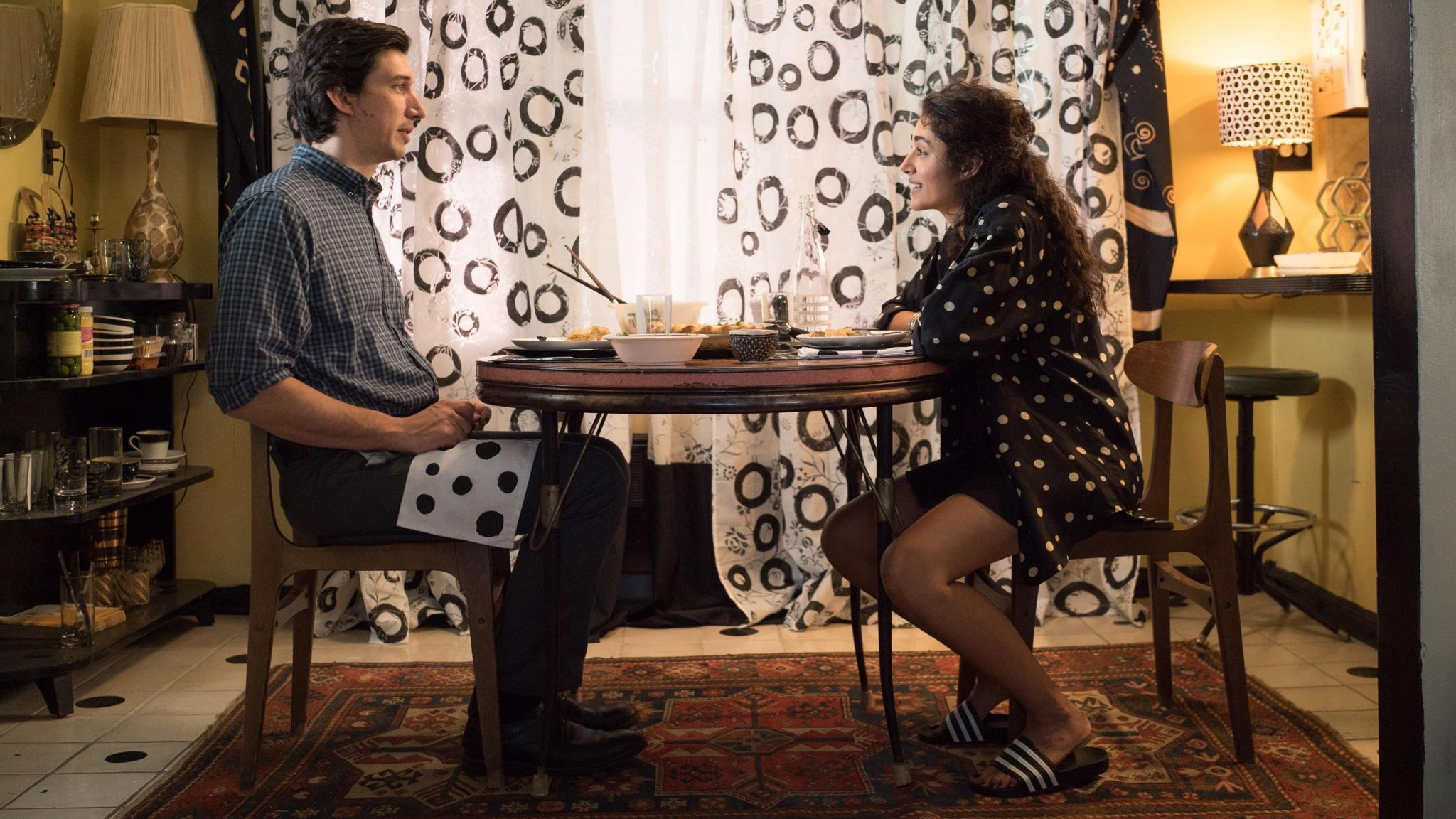
In Paterson, New Jersey, Paterson (Adam Driver) drives a bus and writes poetry, finding material in the details of his daily life. At home is his wife, Laura (Golshifteh Farahani); Donny (Rizwan Manji) is another familiar presence in his routine. Paterson wants to keep writing while carrying on with his job and marriage, so his poems take shape around work, conversations and time at home. His words appear on screen as he reads them aloud. Across a week, the same activities recur, with small changes giving him something new to notice.

Plays from YouTube when you press play; nothing loads from them until then.

Fi1m review

Jim Jarmusch makes a bus driver’s working week absorbing, funny and unexpectedly comforting. Adam Driver gives the quiet stretches plenty to watch, though Laura deserves more than the affectionate sketch Golshifteh Farahani is asked to fill out.

Paterson is absorbing, quietly funny and worth an unhurried evening. Jim Jarmusch, who writes and directs, follows a bus driver who writes poems through a week in Paterson, New Jersey. Work, marriage and writing each deserve the man’s attention, and the film takes all three seriously. Anyone waiting for the job to become unbearable, or the poetry to become a ticket out, will need to adjust to a story interested in why he might be content.

Adam Driver makes listening an activity worth watching. His Paterson seems to be taking things in even when there is little for him to say, and his concentration never becomes a display of sensitivity. The poems let us hear some of what occupies him, but the performance leaves room for reserve and humour. We believe that this man can drive a bus, enjoy his marriage and write without regarding the first two as obstacles to the third.

The verses appear on screen as Paterson reads them aloud, giving the words time to be read as well as heard. We felt ourselves relax during these passages, because the film allowed us to follow a thought without hurrying towards the next incident. Editor Affonso Gonçalves keeps the returning routines from feeling like a recap: there is time to recognise the familiar activity and notice a small difference. The pace asks for attention, but the repetitions give us enough to attend to.

Frederick Elmes gives the daily surroundings a sunny warmth that suits Paterson’s pleasure in them. The photography keeps familiar places inviting through repeated visits, without needing a dramatic change of light to renew our interest. Mark Friedberg’s production design makes the domestic world feel worth returning to, with a homespun character that belongs to this couple. The music by Carter Logan and Jim Jarmusch fits the unhurried pace without making the poetry feel like a recital demanding hushed respect.

Golshifteh Farahani has a harder assignment as Laura. Her warmth makes the couple’s happiness persuasive, but the writing gives us less reason to linger over her thoughts than over his. That imbalance matters in a film asking us to take an interest in the people around its hero. We wanted a little more time with Laura on her own terms, rather than another reason to admire how gently Paterson moves through his life.

There is also a little too much satisfaction in the film’s own quaintness. Some of the verse is slight, and the attention paid to it can make an ordinary observation feel overvalued. The reaction shots of the dog are another small pleasure that gets more encouragement than it needs. These are modest complaints about a film that avoids a familiar weakness of stories about artists: treating paid employment as an inconvenience to be overcome before the interesting work can begin.

At 118 minutes, this needs a willingness to stay with small variations in familiar days. We would not choose it for an evening when we wanted brisk plotting; the pleasure lies in having time to notice what occupies this man. Give it enough quiet to hear the words and watch Adam Driver listening. There is no need to arrive with an interest in poetry; a little curiosity about other people’s days will do.
Critical consensus AI synthesised

84
Positive
24
Mixed
1
Negative
0

Most critics warmly recommend Paterson, with praise centred on Adam Driver’s restrained performance and Jim Jarmusch’s patient attention to daily life. The reviews repeatedly find humour, tenderness and creative purpose in the bus driver’s routines, admiring how the repeating structure allows small changes to matter. Driver’s watchfulness gives the quiet scenes weight, while the measured pacing, photography and use of poetry draw praise for bringing his inner life onto the screen without requiring much conventional plot.

The differences are chiefly in enthusiasm, with reservations about whimsy and characterisation rather than widespread dissatisfaction. Evening Standard finds some poems dull and the sweetness occasionally cloying, while Film Comment questions the characterisation of Laura. The Hollywood Reporter is more reserved, describing modest pleasures aimed at Jarmusch admirers and noting the attention given to the dog’s reactions; most critics find considerably more substance in the same uneventful approach.

Little White Lies
23 November 2016 · 5/5/5 · Sophie Monks Kaufman
100

Jarmusch crafts an immaculate, perfectly paced film that finds sublime meaning amid routine, with Driver’s performance cementing his status as an actor who makes the smallest actions magnetic. The critic praises the measured pacing, silences, and the way the film evokes poetry through observation and relationships.

Read the full review →
The i Paper
25 November 2016 · ★★★★★ · Matthew Turner
100

The critic calls it possibly the best film of the year, praising its calm pace and charming, quietly melancholy world. Driver and Farahani deliver wonderful, soulful performances that highlight the characters' decency and love.

Read the full review →
The Telegraph
24 November 2016 · ★★★★★ · Tim Robey
100

The film is special and will be treasured for its calm wisdom, attentive observation of daily life and coincidences in a quiet New Jersey town. The critic singles out Adam Driver's mellow charisma and the precise, mantra-like structure for praise.

Read the full review →
The Times
25 November 2016 · ★★★★★ · Kevin Maher
100

Jarmusch delivers a perfect, thrilling rumination on poetry, creativity and finding meaning in simple acts through the story of a bus-driving poet. The critic singles out the mimetic aspects of poetry and the film's lack of conventional plot as strengths.

Read the full review →
The AV Club
21 December 2016 · A · A.A. Dowd
95

The critic praises the film as a sublimely mellow comedy about everyday life that respects both the ordinariness and artistry of its blue-collar hero. It highlights the lead performance and the way the film aligns the audience with the protagonist's observant perspective.

Read the full review →
The Guardian
24 November 2016 · Peter Bradshaw
90*

Jarmusch's film is a gentle, unironic delight celebrating simple everyday goodness and a happy marriage through the life of a poetic bus driver. The critic singles out Adam Driver's open, beguiling performance for praise.

Read the full review →

Cast

Stills

If you liked this, try…

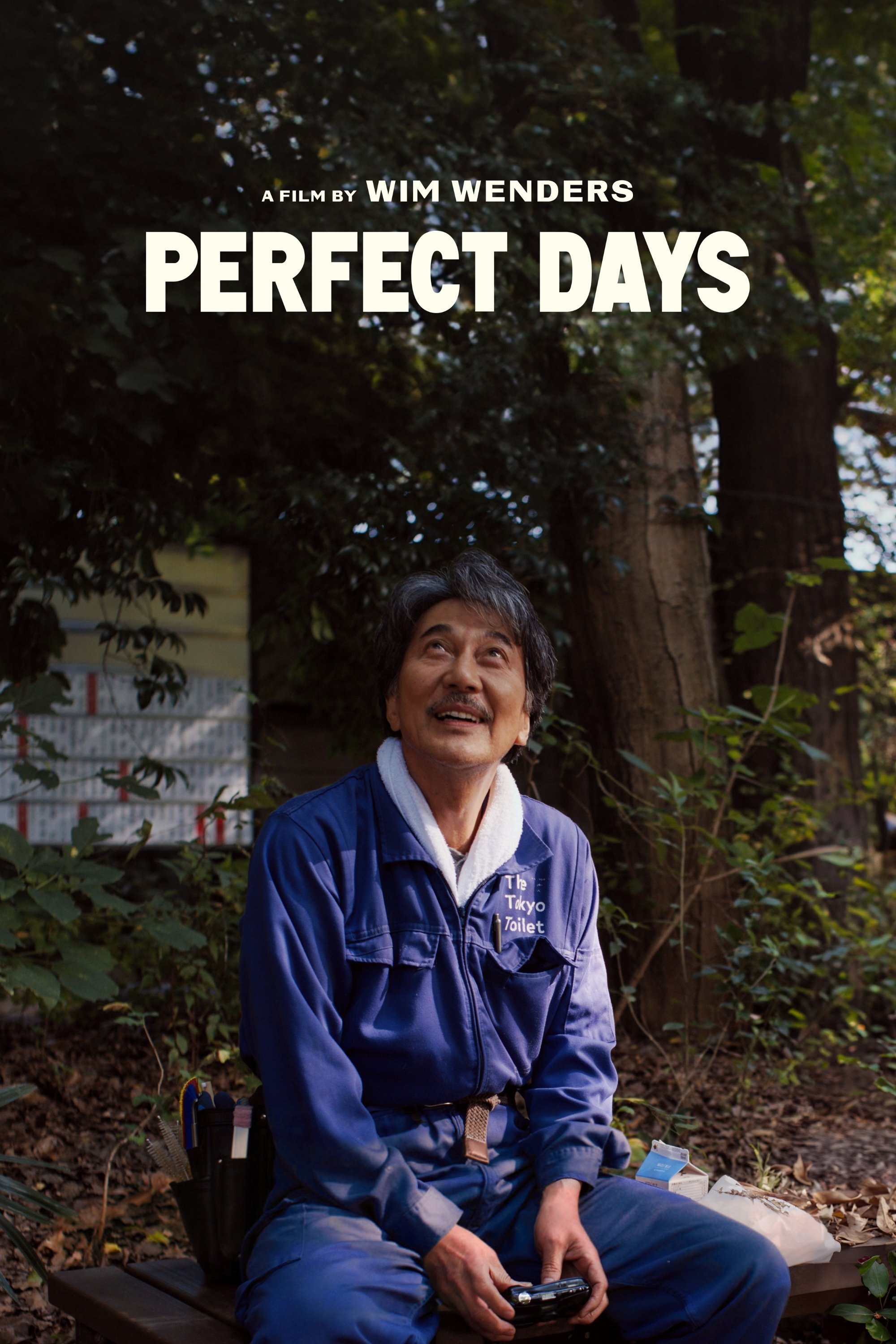
Perfect Days poster83

Perfect Days

2023 · Another working routine rewards close attention, with more solitude and less domestic comedy.

The Lunchbox poster

The Lunchbox

2013 · Daily work and private longing meet through a misdirected lunch delivery.

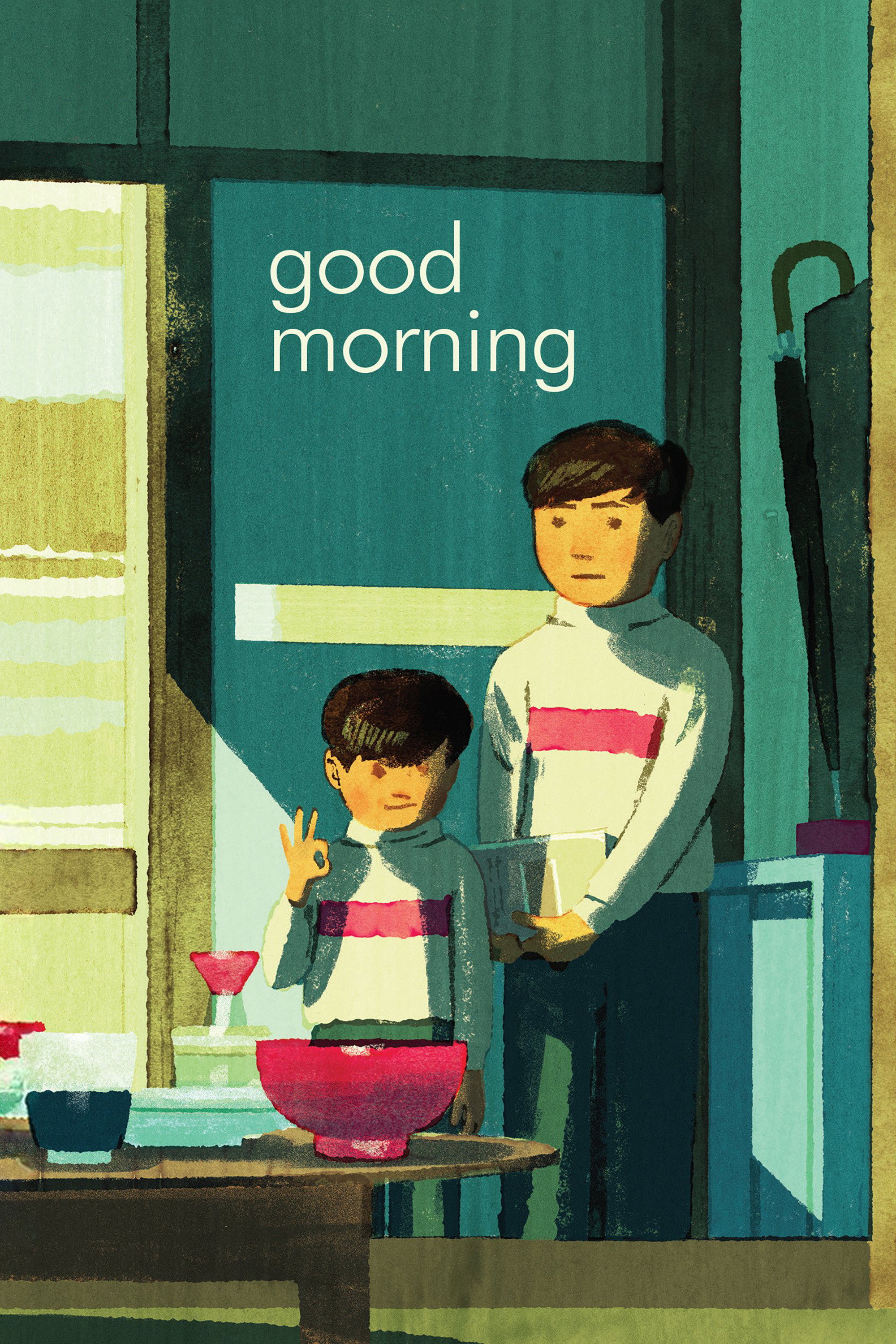
Good Morning poster

Good Morning

1959 · Small domestic disputes become patient comedy about neighbours, habits and what goes unsaid.

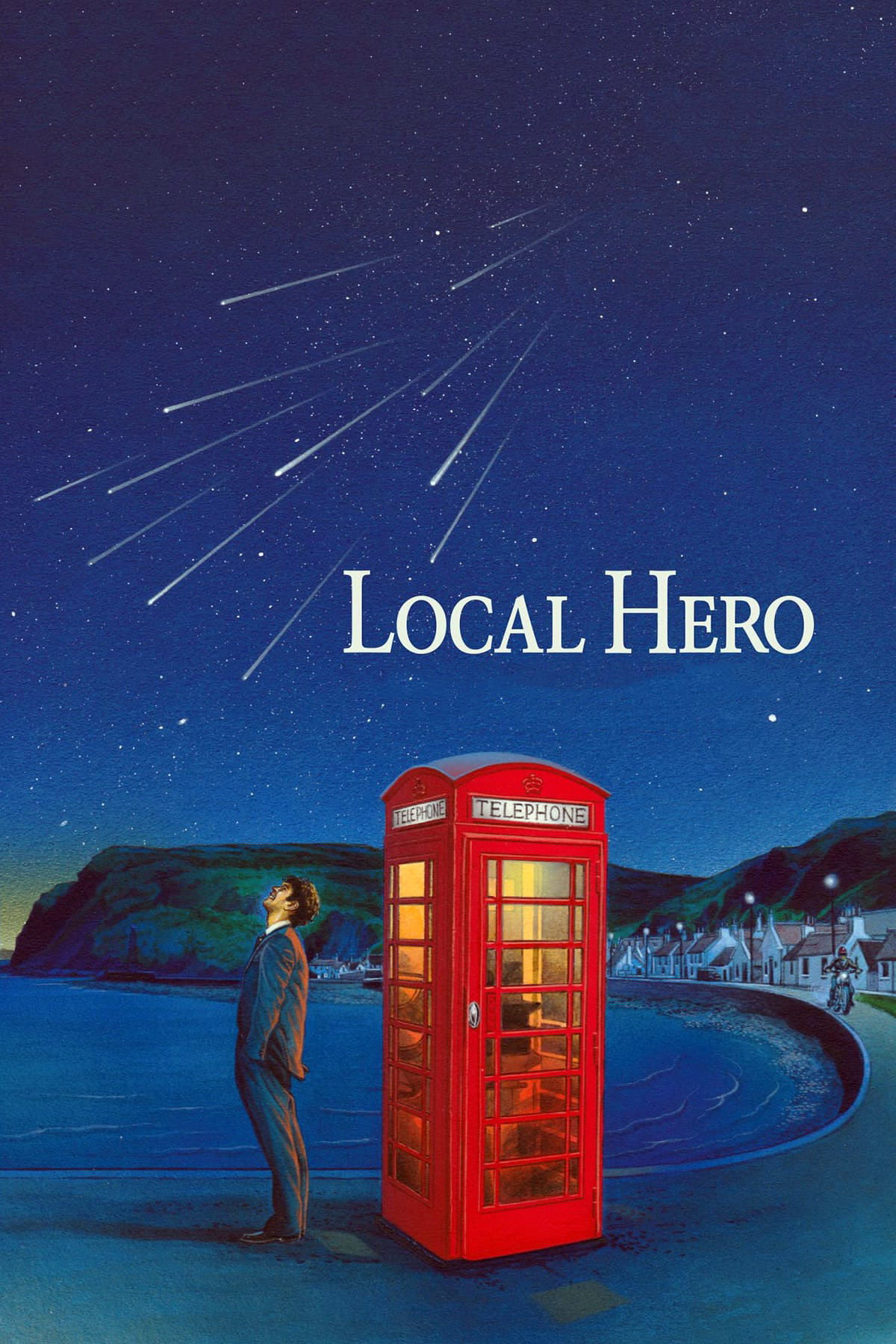
Local Hero poster86

Local Hero

1983 · Work takes second place as an outsider learns to notice where he is.

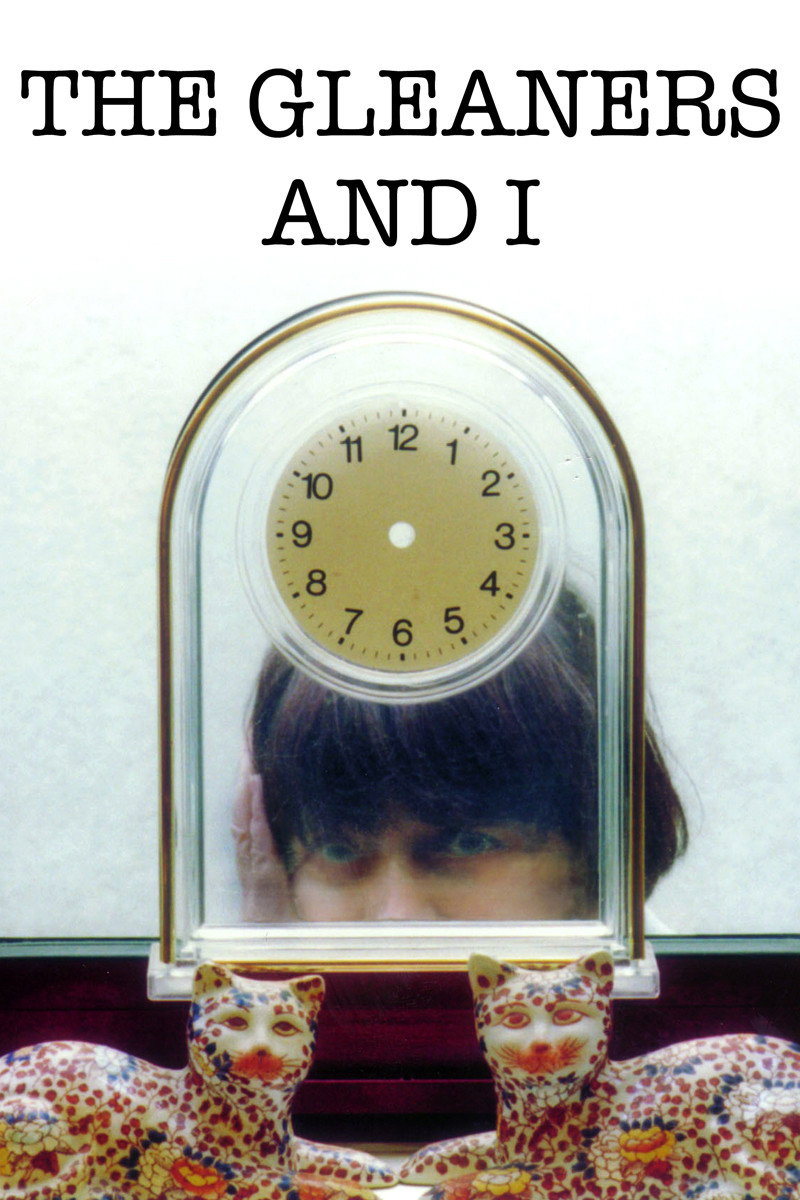
The Gleaners and I poster

The Gleaners and I

2000 · A curious, companionable documentary that finds invention in things other people discard.