Kogonada makes films out of rooms and the things left in them, holding a still frame until the feeling arrives. When it does, as in Pachinko, it is overwhelming; when it does not, the stillness can look like a lecture.
Fi1m perspective
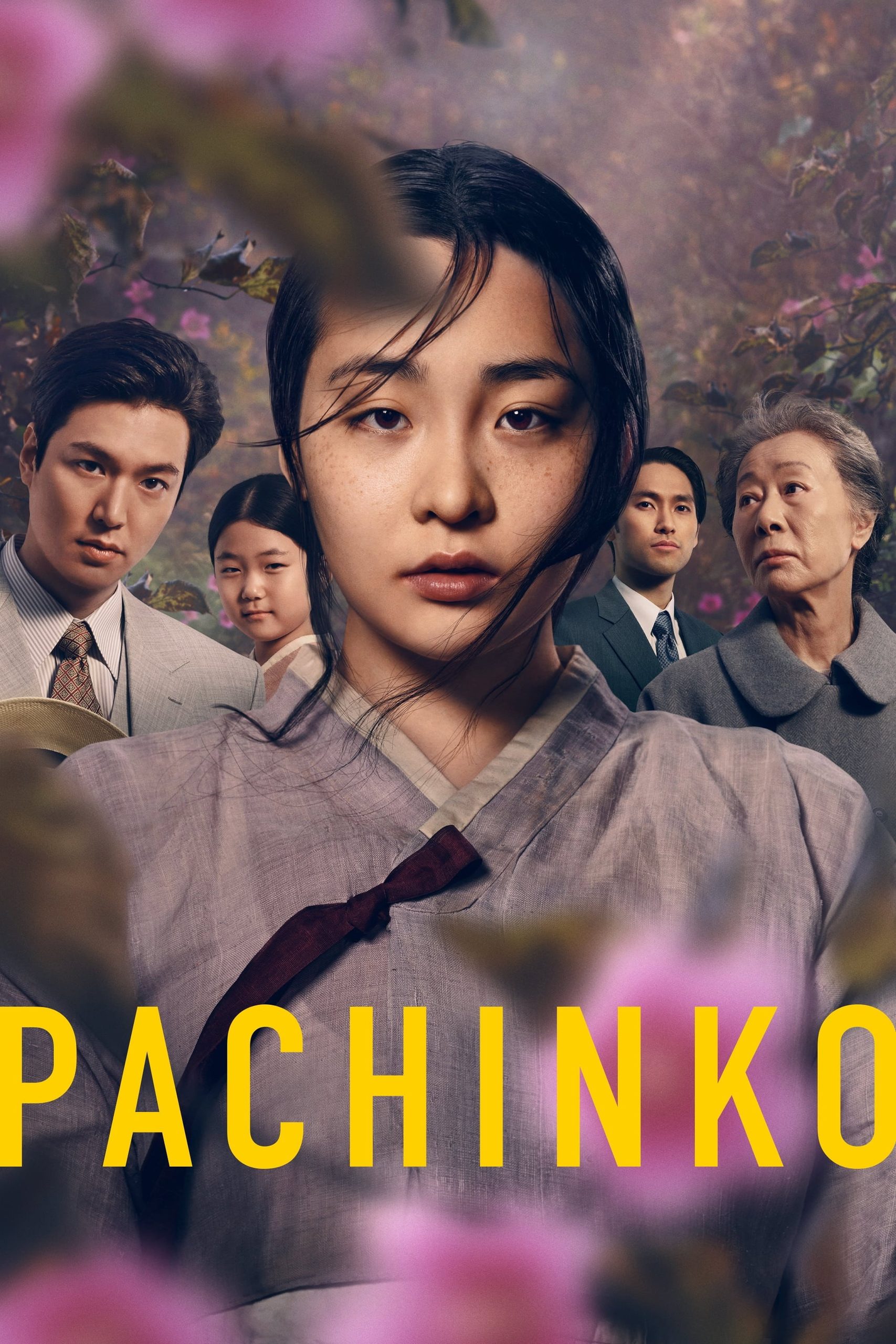
In Pachinko (2022) an old woman is served a bowl of white rice and, a few mouthfuls in, begins to cry. Nobody tells us why. Kogonada, who directed the episode, holds the camera on Youn's face and lets the silence run, trusting that we remember what white rice cost in occupied Korea and who was allowed to eat it. We were in tears at a woman having her dinner, and slightly startled to be. That is his method in one shot: a small object, a long history behind it, and no speech to help.
He came to directing sideways. He began posting video essays in 2012 while he was a doctoral candidate studying Yasujirō Ozu, and then left the university to make films of his own. Ozu is still all over them. The camera sits low and does not move. Between scenes he cuts to a room, a corridor, a building against the sky, and holds it a beat longer than the story needs. The ordinary things people live among are asked to carry the feeling the dialogue leaves out.
Columbus (2017), which he wrote, directed and edited, set two people down among modernist buildings and let the architecture do a good deal of the talking. After Yang (2021), again written, directed and cut by him, turned the same attention on a family, on memory, and on the machines we now share a house with. Haley Lu Richardson has acted for him twice. Four episodes of Pachinko followed, then two of The Acolyte (2024), and then the features grew: A Big Bold Beautiful Journey (2025), a romantic fantasy with well-known names in it, and Zi (2026).
The risk in all this is plain, and he knows it. He has said that "An empty room can break me." It can break an audience too, but only if they have been given a reason to care who used to sit in it. When the groundwork is there, as with that bowl of rice, the long held shot is devastating. When it is not, the films can look like they are being arranged for a photograph, and the complaint that his work is more formal than it is warm has followed him from the start. On the evidence of Pachinko, where the past is so well made that the present struggles to keep up, we come down on his side.
He has moved from small films he cut at his own desk to larger productions with stars who expect to speak. The test now is whether he will still let a shot sit in silence while one of them waits for a line. We hope he does. His best moments are the ones in which nobody says anything at all.
Biography
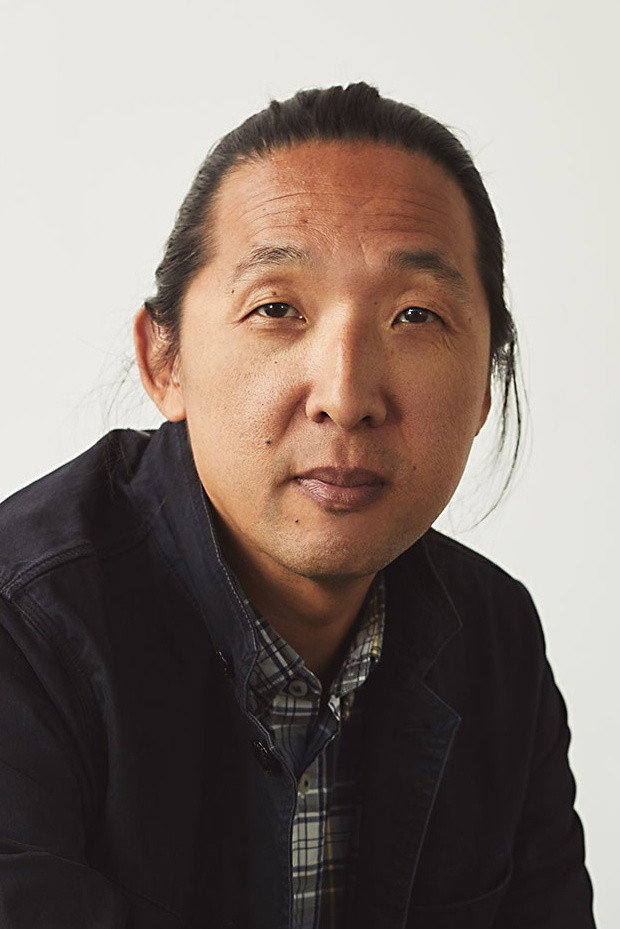
Kogonada, also known as Park Joong Eun (박중은), is a South Korean-born American filmmaker and video essayist. He first gained recognition for video essays analysing the form and aesthetics of films and television series, many commissioned by the Criterion Collection and published in Sight & Sound.
His feature directorial debut was Columbus (2017), which he also wrote and edited. He followed this with the science fiction film After Yang (2021). In 2022 he directed four episodes of the Apple TV+ series Pachinko, and in 2024 he directed two episodes of the Disney+ series The Acolyte. His next feature, A Big Bold Beautiful Journey, is scheduled for release in 2025.