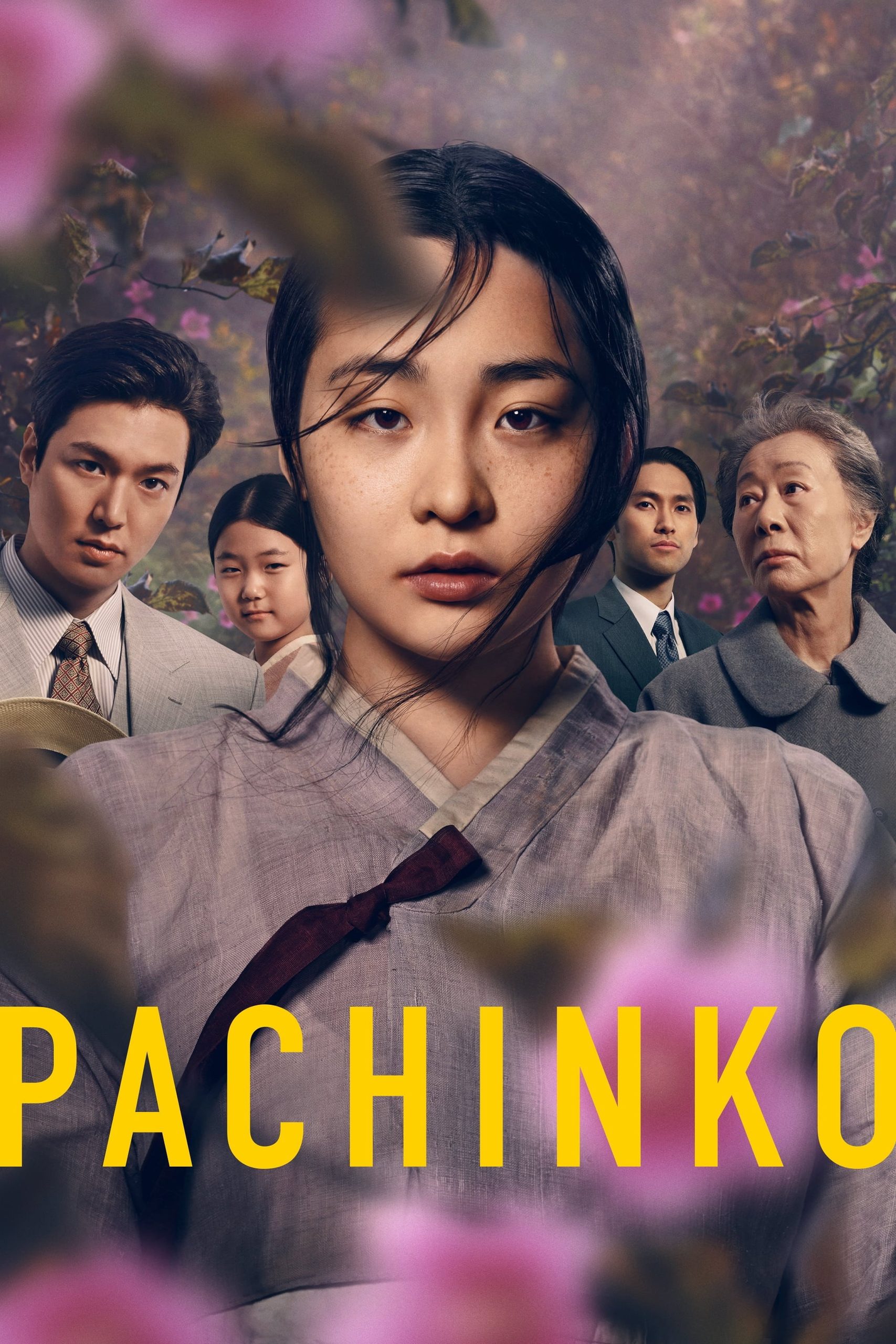
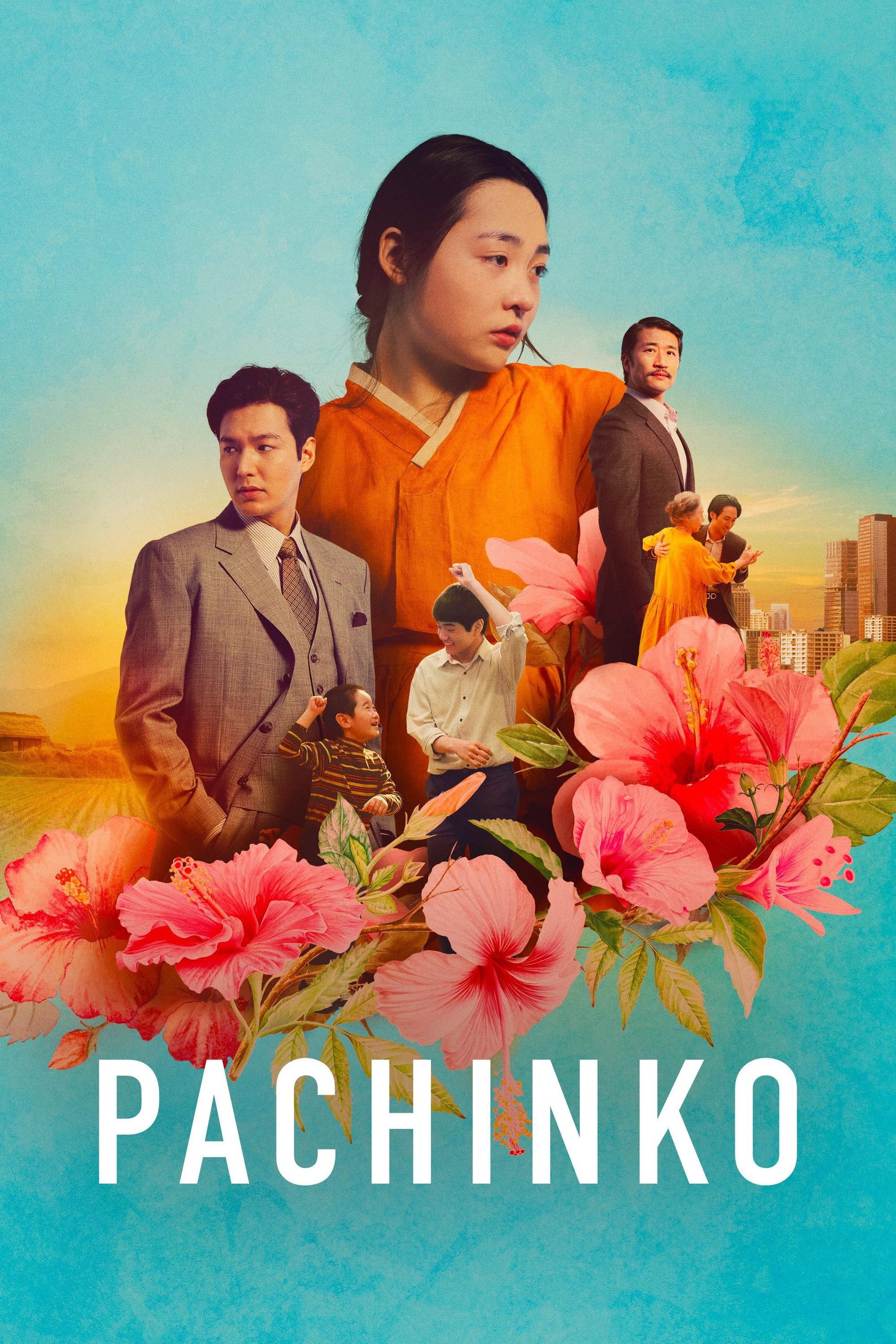
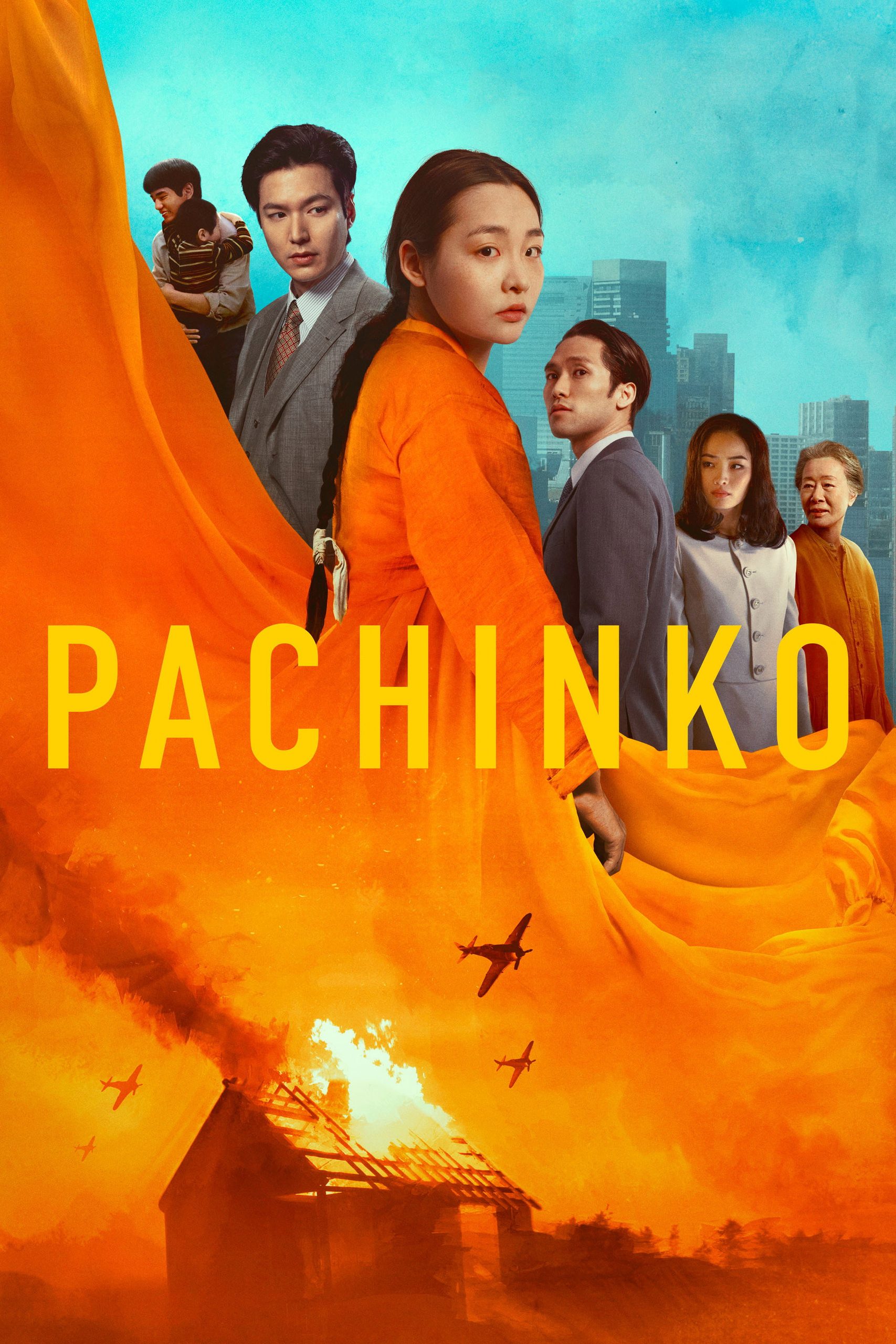
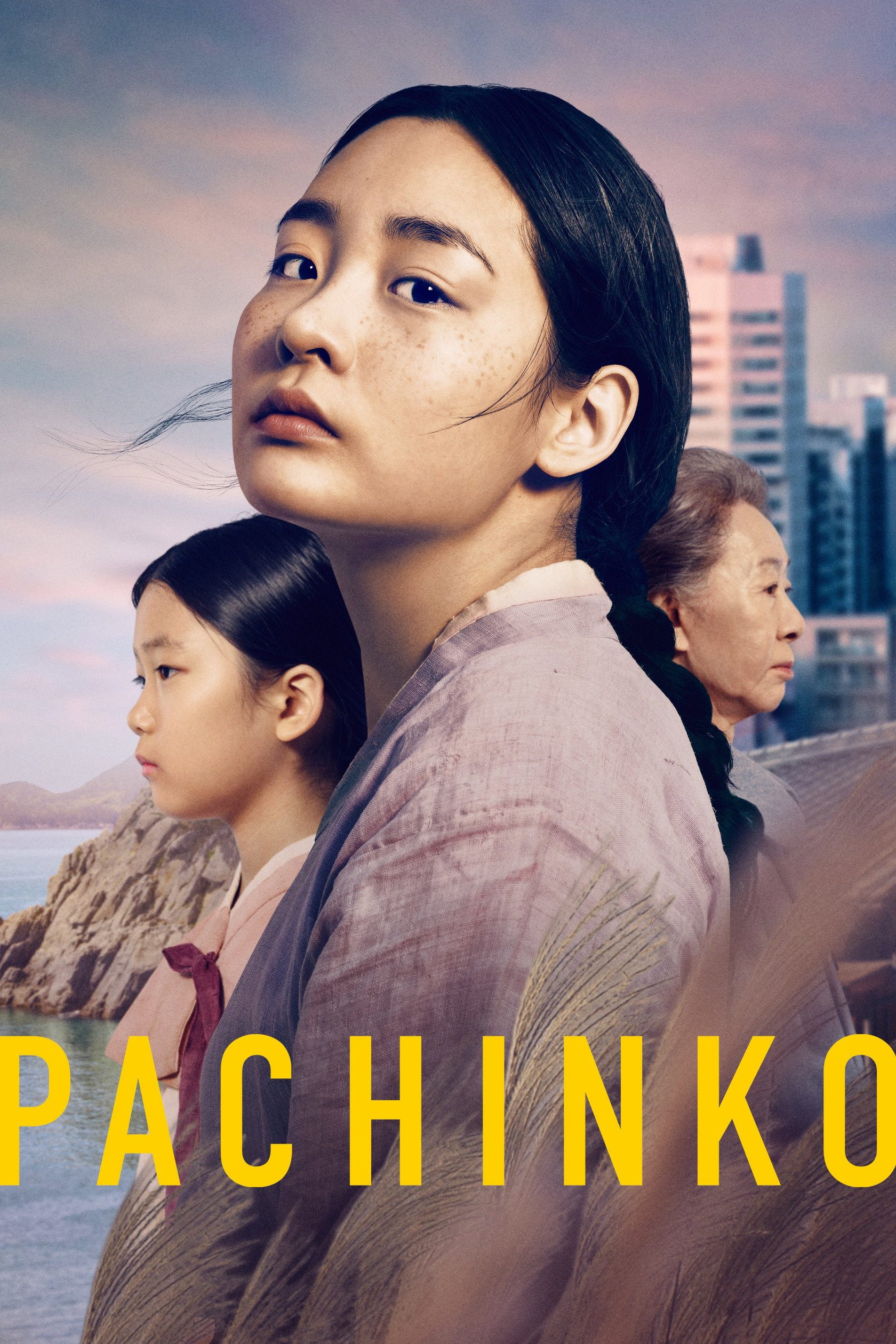
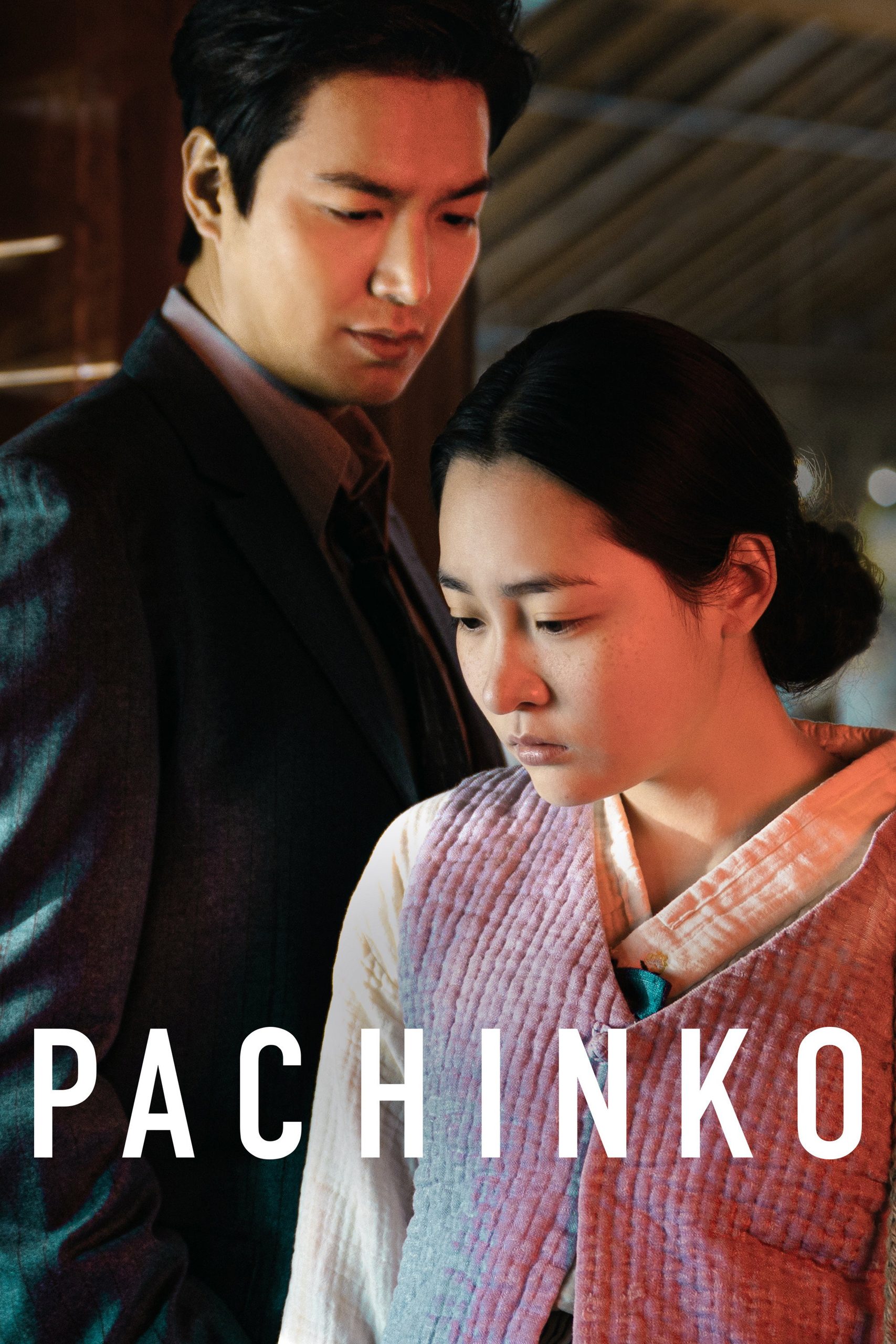
Soo Hugh’s adaptation of Min Jin Lee’s novel follows a Korean family from a Busan fishing village under Japanese rule to a Tokyo bank in 1989. The past is so well made that the present struggles to keep up; give it your evenings anyway.
Soo Hugh’s adaptation of Min Jin Lee’s novel follows one Korean family for most of a century, from a fishing island off Busan under Japanese occupation to a Tokyo bank in 1989. Sixteen episodes over two seasons, in Korean, Japanese and English. Our verdict is that the historical half is as fine a piece of television drama as we have seen in years, and the modern half is a decent programme that happens to be sharing the same hour. Watch it for the first; put up with the second.
Hugh’s decision is to cut between the two eras inside each episode rather than give each its own run. A girl hauling fish through a Busan market in the 1920s and a man in a good suit in a Tokyo lift in 1989 share the same forty-odd minutes, and the cut between them is meant to tell us something. It usually does. The subtitles are coloured by language, yellow for Korean and blue for Japanese, and the device is more than a courtesy. In this world which language you speak, and when you switch, is a choice with a price on it, and the colours let you watch people paying.
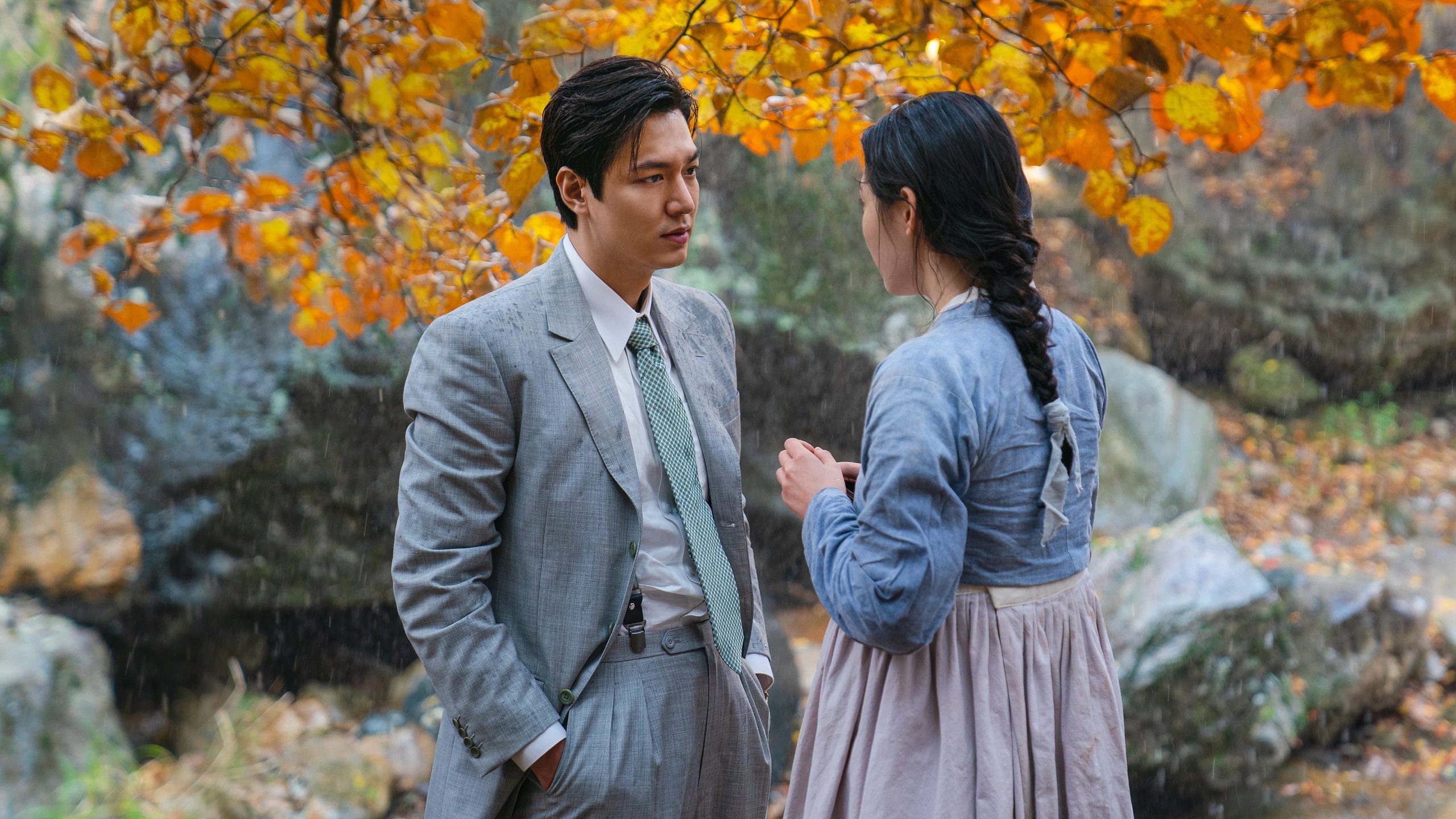
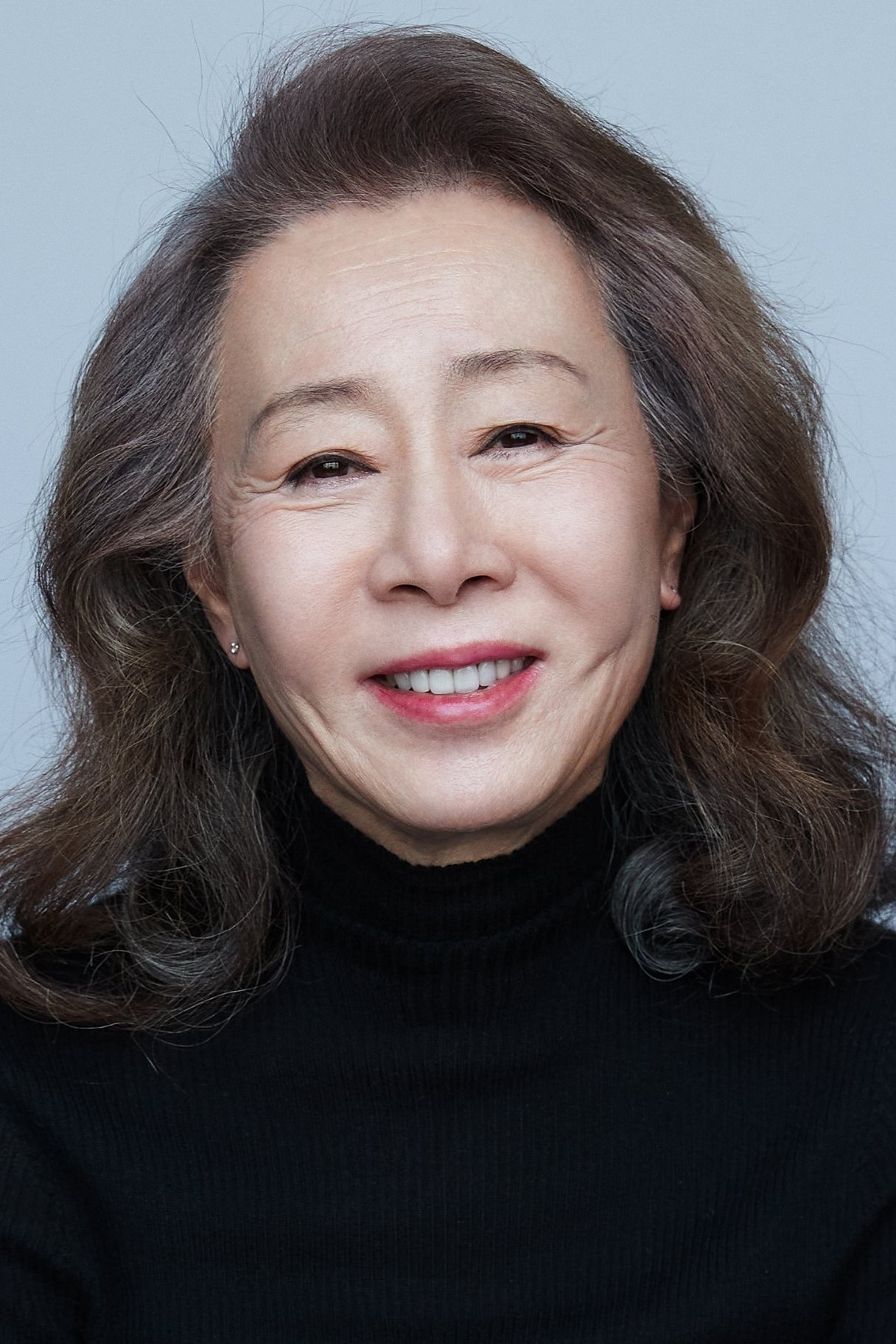
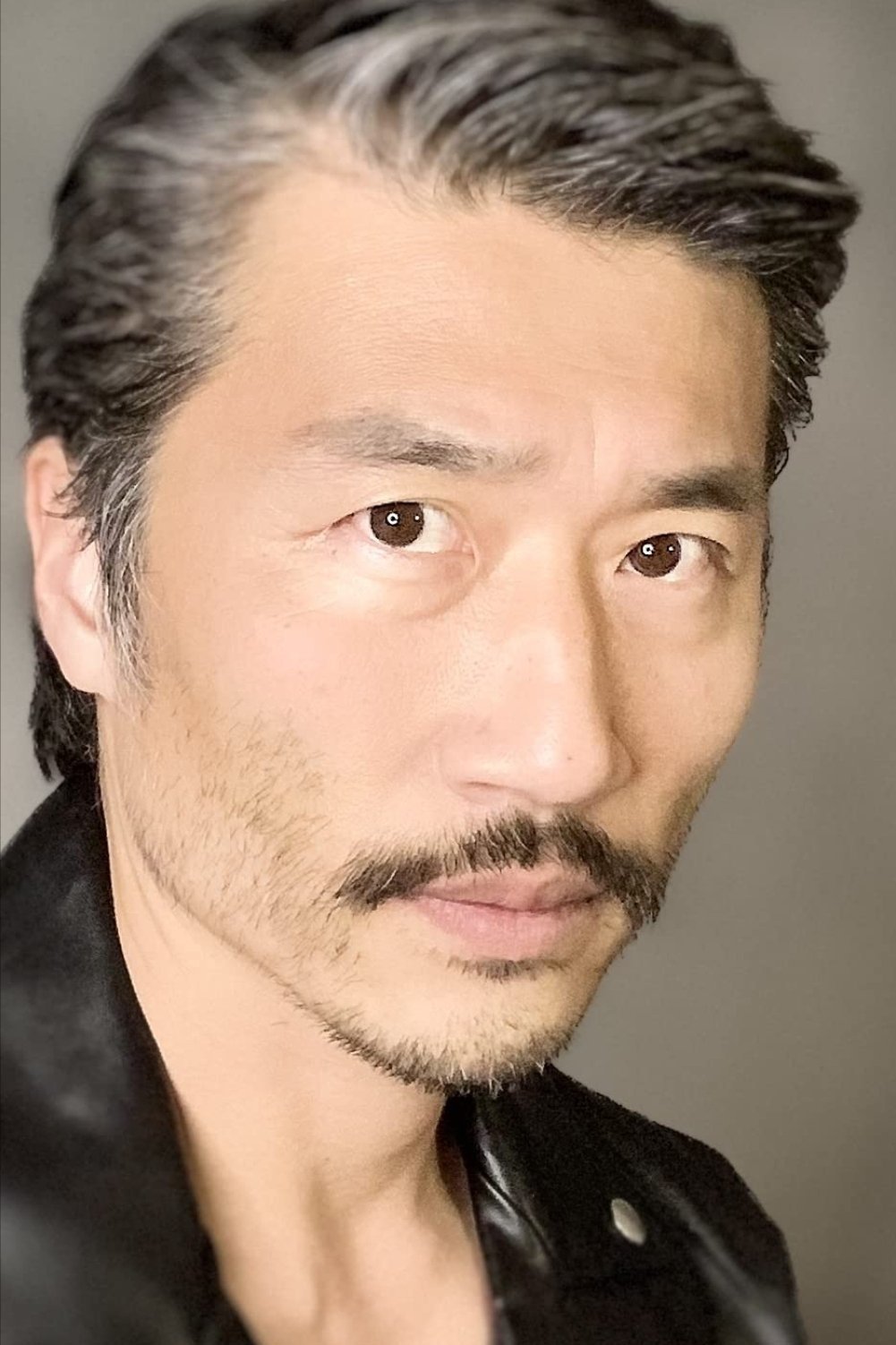
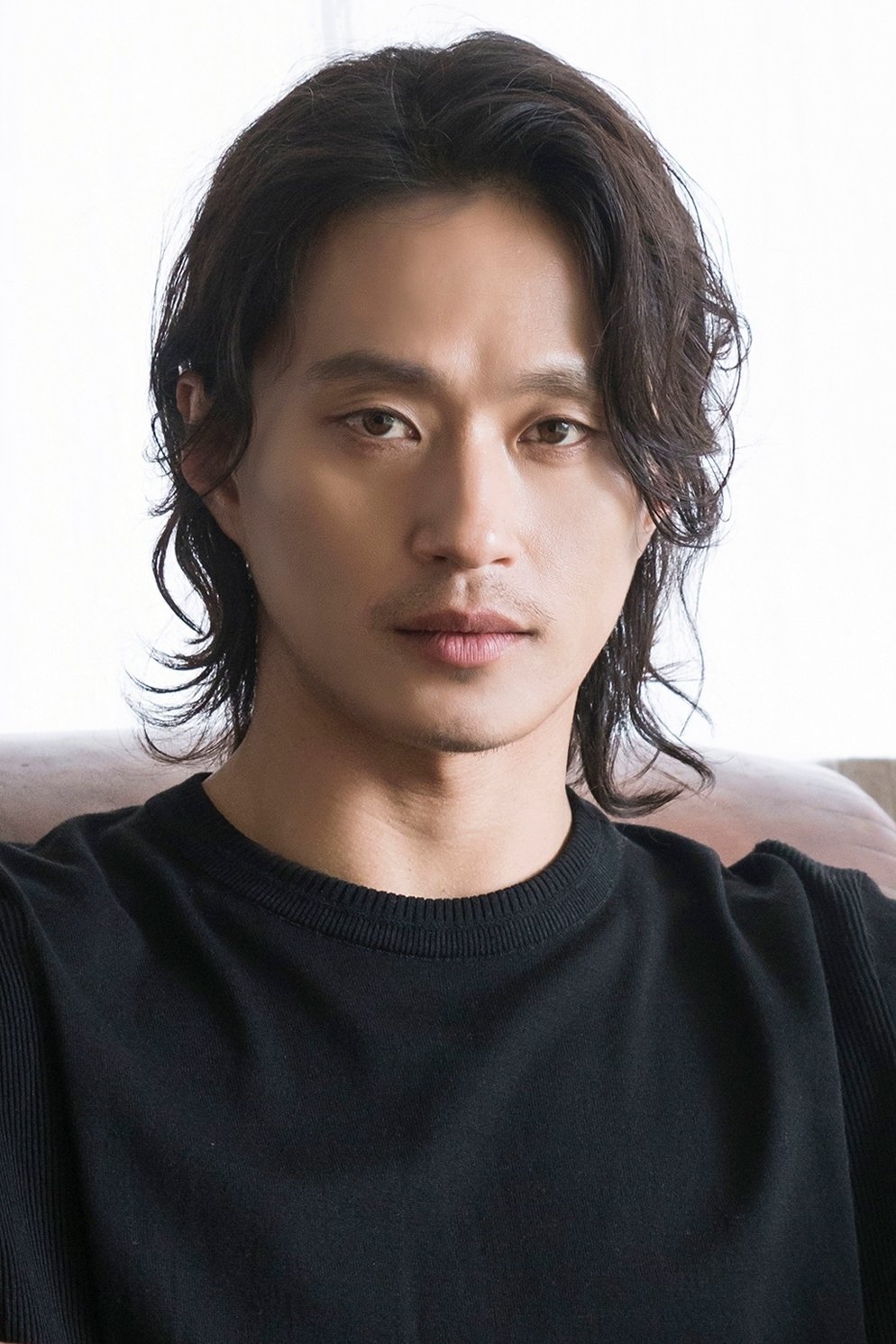
Kim Min-ha plays the young Sunja with her chin up and her mouth shut. She does not cry until the series has earned it, and she looks at Lee Min-ho’s Hansu, the fish broker in the white suit, as if she were weighing him for market. Lee has been cast as a pin-up and for two episodes that is all he is allowed to be; the series takes its time before letting him be frightening, and it improves once it does. Steve Sanghyun Noh makes Isak, the sick young pastor at the boarding house, gentle and a little scared of himself. Youn Yuh-jung’s older Sunja has decided what she thinks about almost everything and says it, and the comedy of watching her grandson try to manage her is the best thing in the 1989 scenes. Jin Ha does what can be done with Solomon, a man written as a lesson rather than a person.
Ante Cheng and Sofian El Fani shoot Yeongdo in cold greens against a grey sea, with the boarding house lit by whatever comes through the doors, and shoot 1989 Tokyo in bank glass and yellow lamplight, so the present looks richer and the past looks alive. Mara LePere-Schloop and Ruth Ammon’s design gives Osaka’s Korean quarter tin roofs and a street you can smell, and Chae Kyung-hwa dresses Sunja in white cotton that gets greyer with every year. Nico Muhly’s score is strings and a chorus of voices, used well and slightly too often. The title sequence, in which the cast dance through a pachinko parlour to an old American pop song, is the one place the series lets its hair down, and we grinned at it every time.
We did not expect a bowl of rice to get to us, and it did. White rice in occupied Korea was kept for the Japanese, and there is a scene in which some is bought at a ruinous price and set down in front of a person who knows exactly what it cost; later the older Sunja eats a bowl of it and weeps. Nobody explains. Kogonada, who directs the episode, keeps the camera on Youn’s face and lets the silence run, and we found ourselves in tears at a woman eating her dinner. That is how the series works when it is working: a small object, a long history behind it, and no speech.
The faults are nearly all in 1989. Solomon’s plot, in which his American boss Tom Andrews (Jimmi Simpson) sends him to talk an old Korean woman into selling her land, is the kind of story a lesser series would have built itself around, and here it looks thin because of what it is cut against. The second season moves the family into the war and slows down; Jung Eun-chae’s Kyunghee is given a strand of her own and it is slow. With ten editors credited across the run, the intercutting sometimes cuts by the clock rather than by sense. Most critics are warmer than us about the whole; we suspect they were, like us, thinking of the first half when they said so.
Give it two episodes. Keep the subtitles on and leave your phone in another room, because half the drama is in who chooses which language, and the series will not repeat itself for you.