Film review

Cold War

2018 · Directed by Paweł Pawlikowski · 1h 28m · MPA R

In a sentenceTwo people who sound wonderful together and should probably never share a kitchen

RomanceMusicDrama

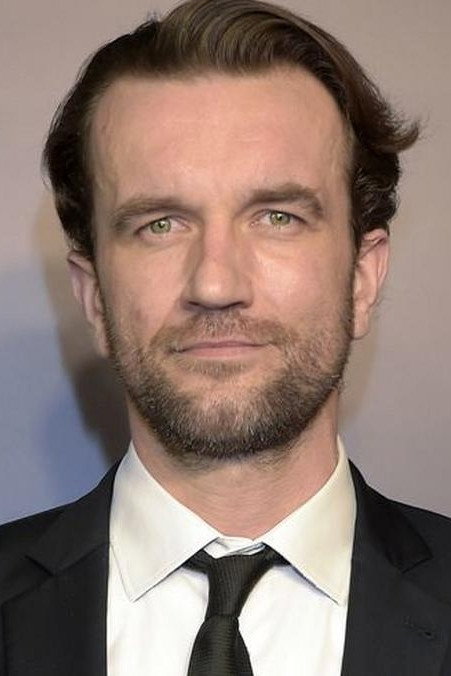
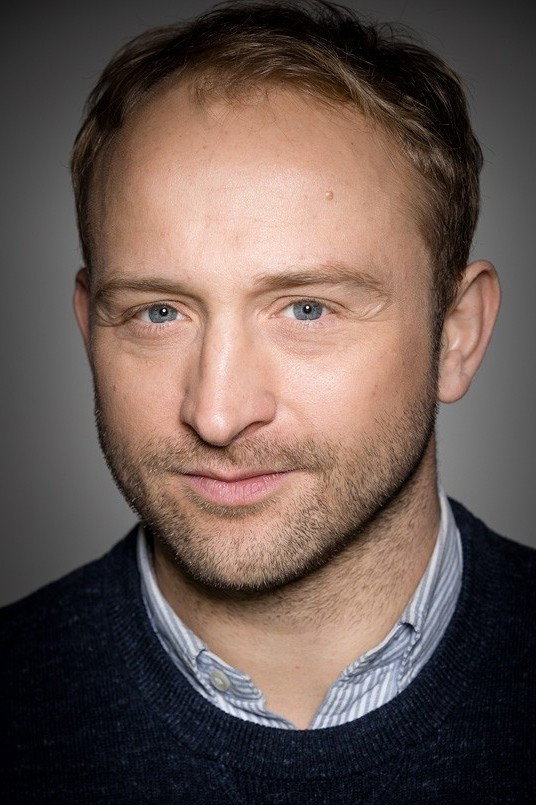
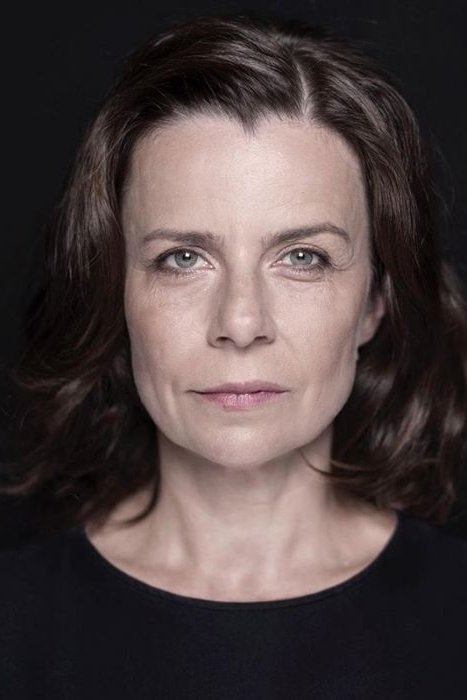
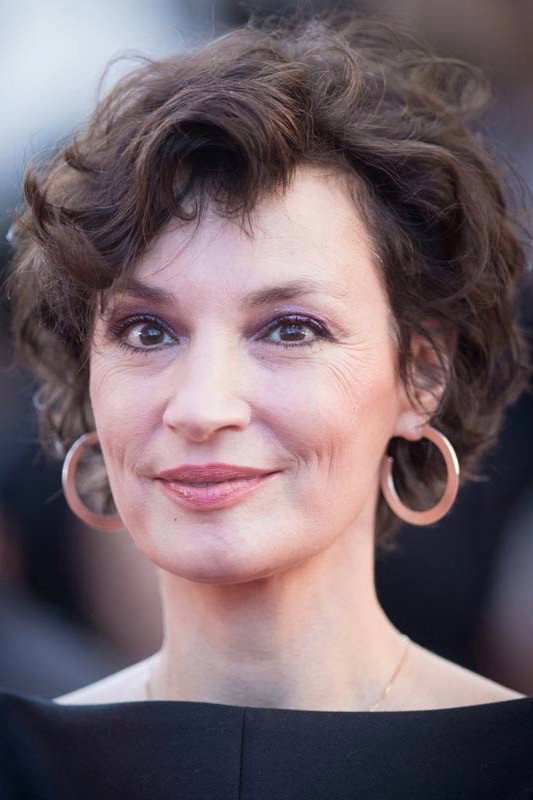
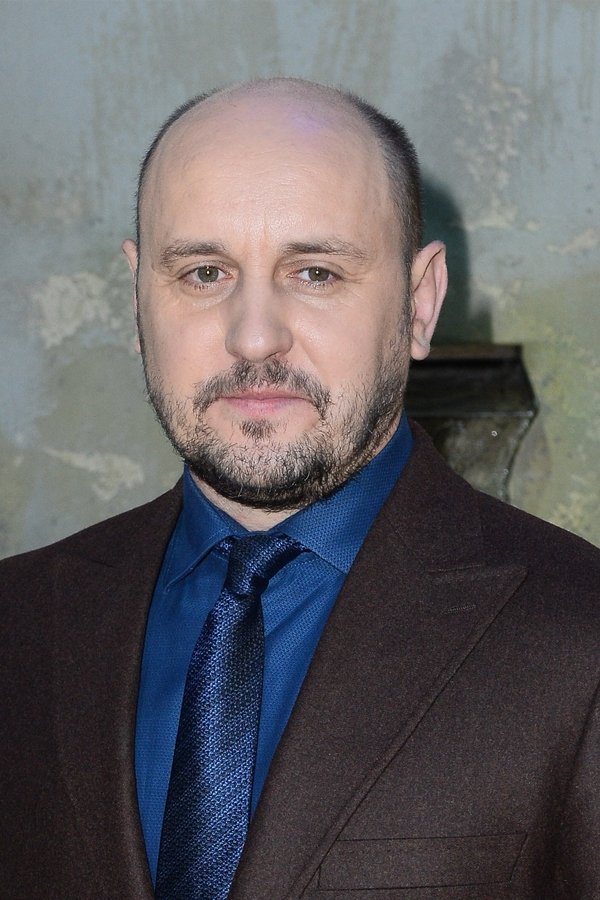
Zuzanna ‘Zula’ Lichoń (Joanna Kulig) and Wiktor Warski (Tomasz Kot) meet in postwar Poland, where folk music and political demands are entangled. Wiktor wants Zula, whose impulsiveness makes their attraction difficult to settle into anything secure. Around them are Irena Bielecka (Agata Kulesza) and Lech Kaczmarek (Borys Szyc), in a country where the state reaches into private lives. Music draws the pair together, but their different temperaments complicate the relationship from the start. Their romance begins under pressures neither can simply ignore, with the prospect of a shared life requiring more than mutual desire.

Plays from YouTube when you press play; nothing loads from them until then.

Fi1m review

Paweł Pawlikowski’s compact romance earns its sorrow through Joanna Kulig, Tomasz Kot and the music. We recommend it, with one reservation: the gaps between scenes sometimes leave the lovers’ feelings harder to follow than they should be.

Cold War is a fine romance with two persuasive leads and an occasional habit of cutting away before we have felt enough. Paweł Pawlikowski gives their relationship 88 minutes, with little patience for the explanations and reconciliations that usually fill a love story. He wants us to recognise the attraction before we have decided whether these people ought to be together. For most of the film, we do.

The screenplay, credited to Janusz Głowacki and Paweł Pawlikowski, follows the lovers through postwar Europe, where politics makes being together difficult without explaining everything that goes wrong. These are people capable of making difficulties for themselves, which saves the film from becoming an illustrated complaint about borders. Their volatility gives the actors something more interesting to play than wounded innocence. The pressure of the state is felt, but the couple cannot blame it for every hurt.

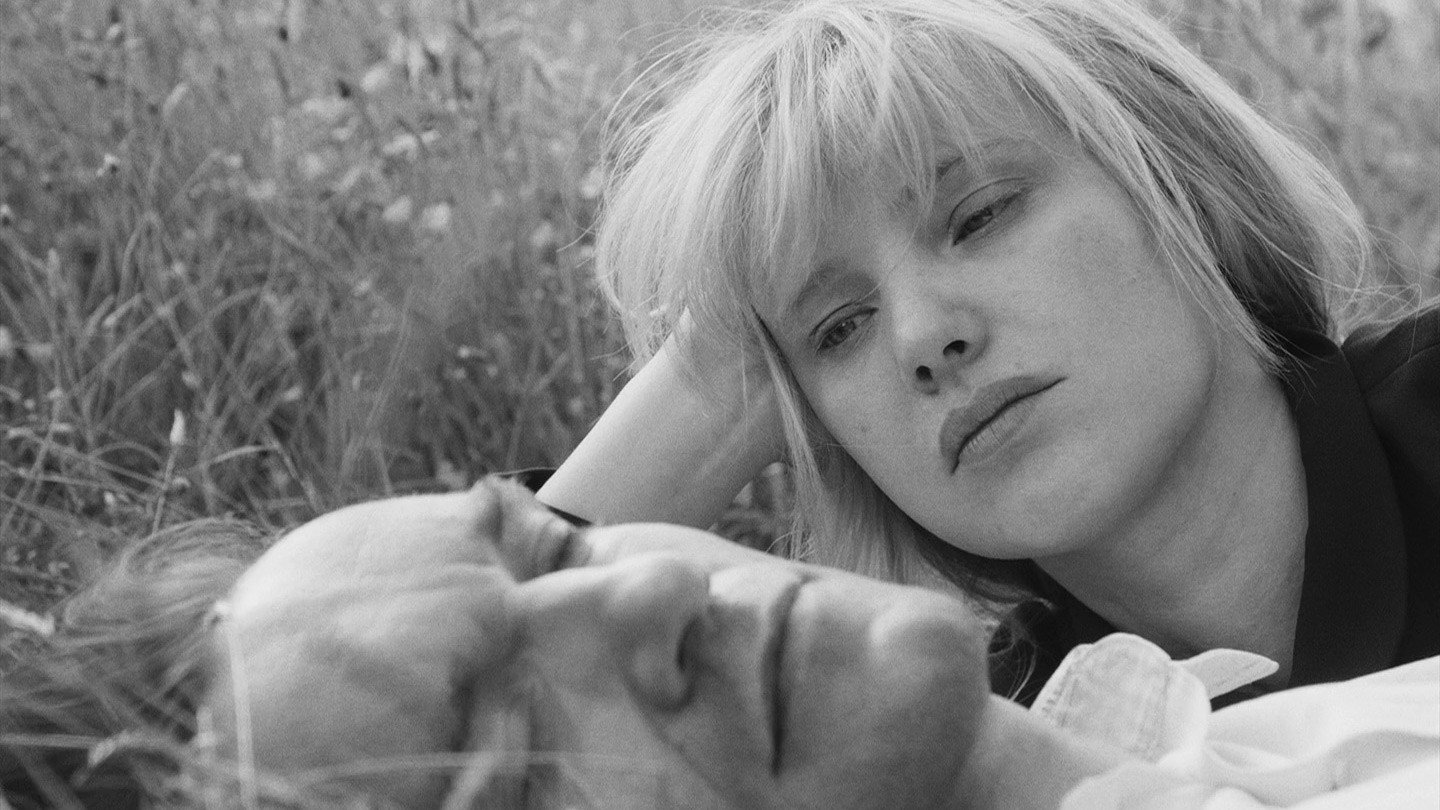
Joanna Kulig plays Zuzanna ‘Zula’ Lichoń with enough impatience and appetite to disturb the careful compositions around her. Tomasz Kot gives Wiktor Warski a persistent longing that makes her restlessness harder to watch. We were moved by him; he makes wanting this woman seem an exhausting, permanent condition. Their differences make the attraction persuasive, and neither actor asks us to approve of the couple’s behaviour before taking their feelings seriously.

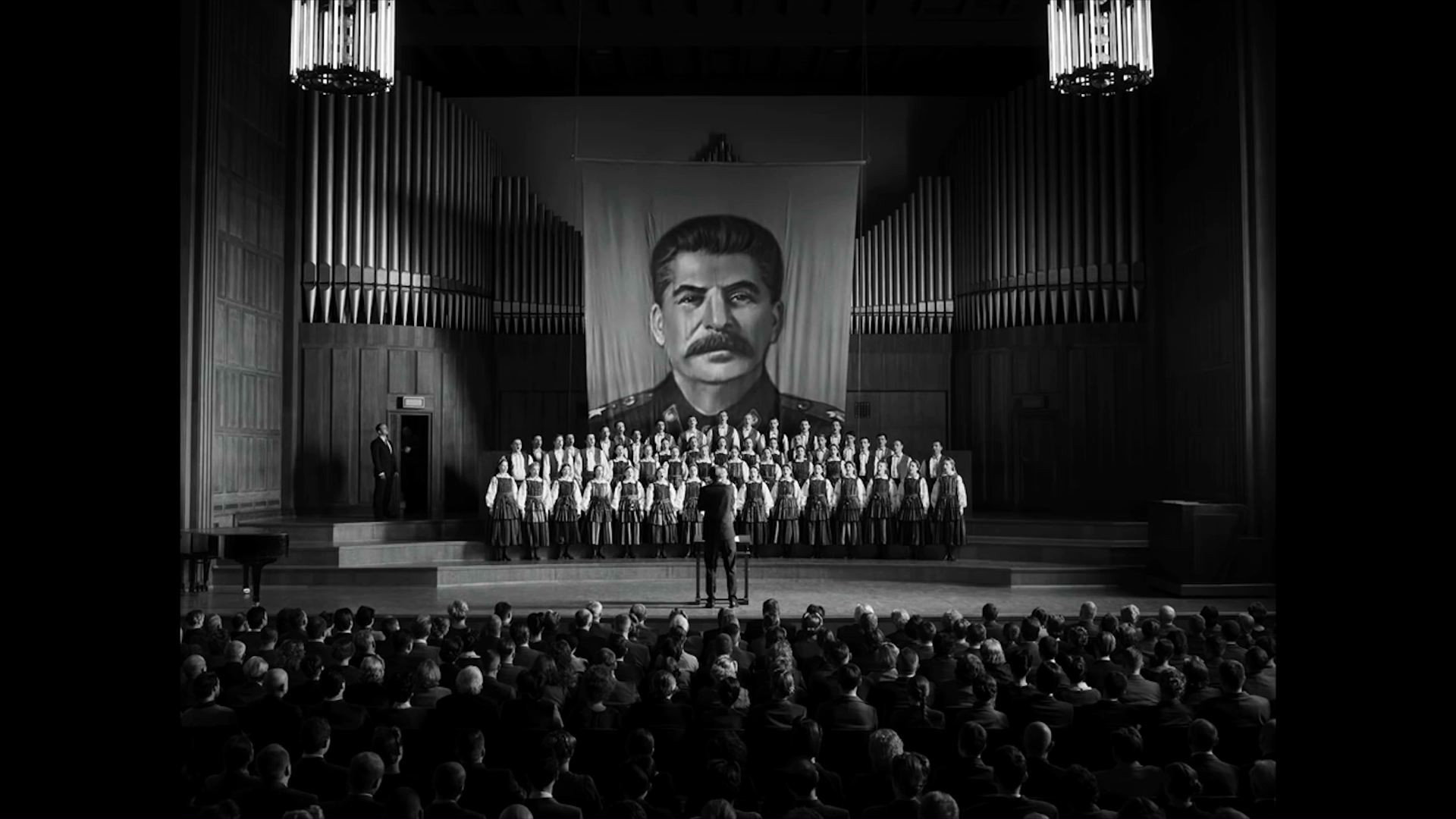
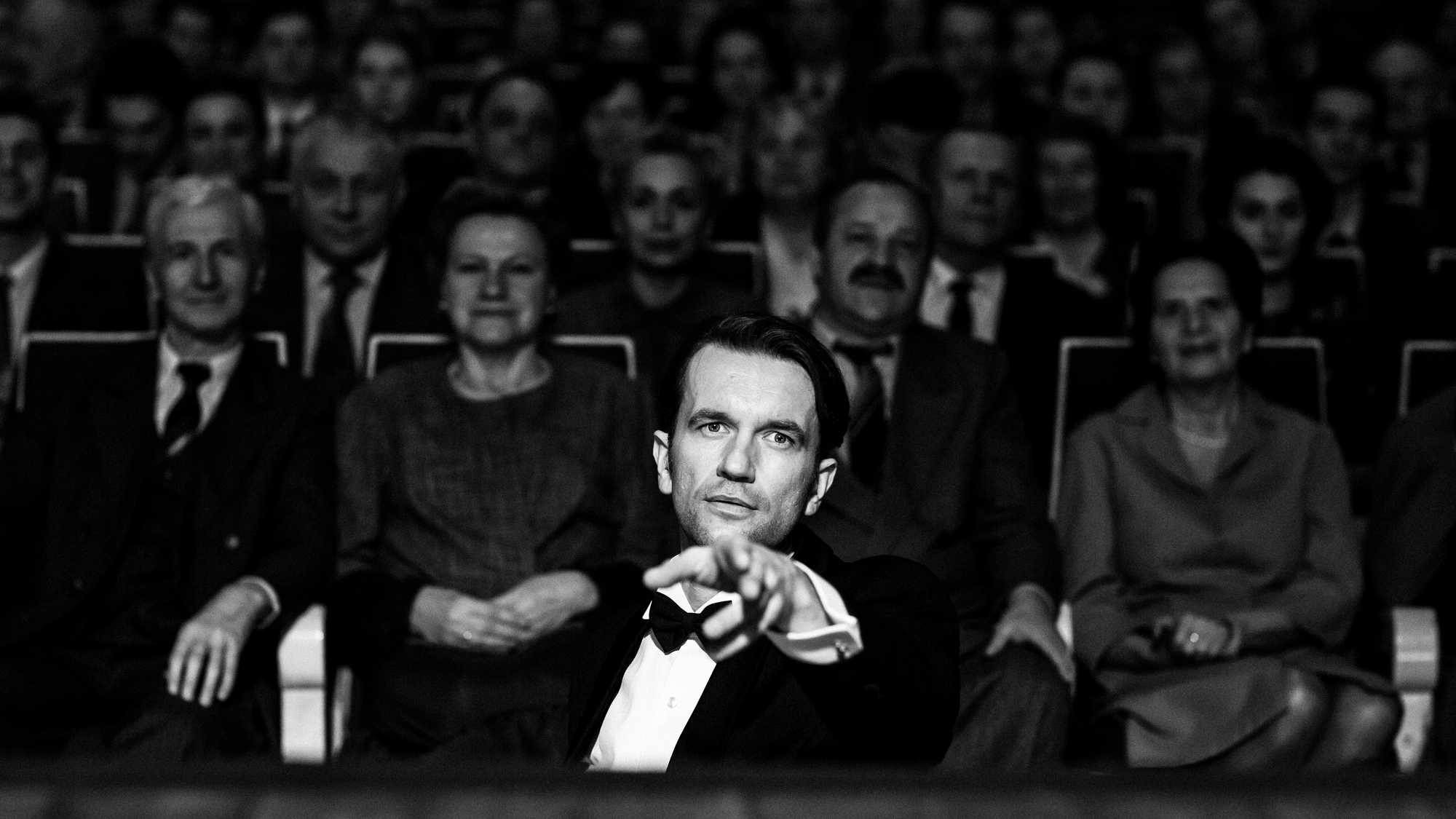
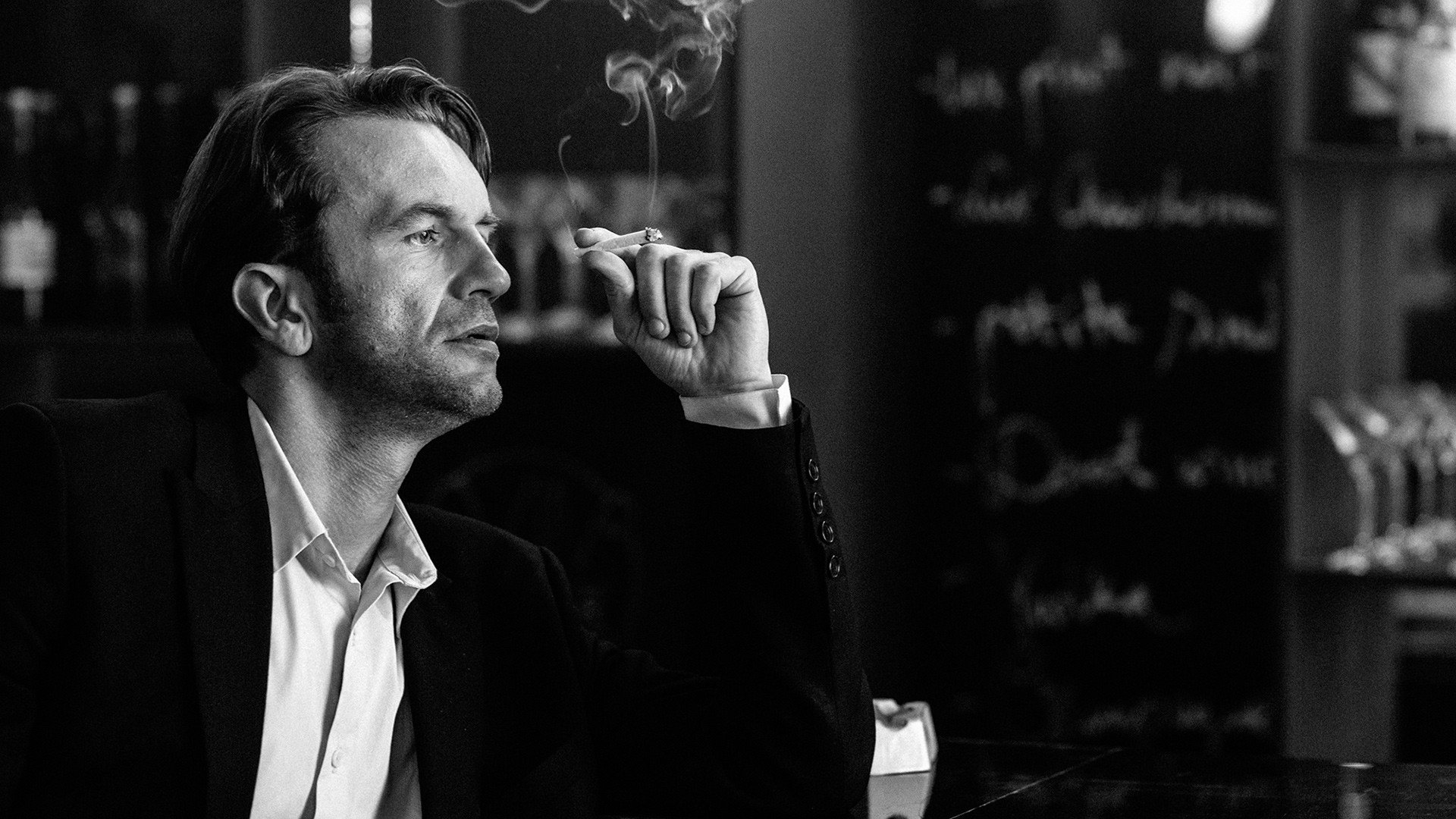
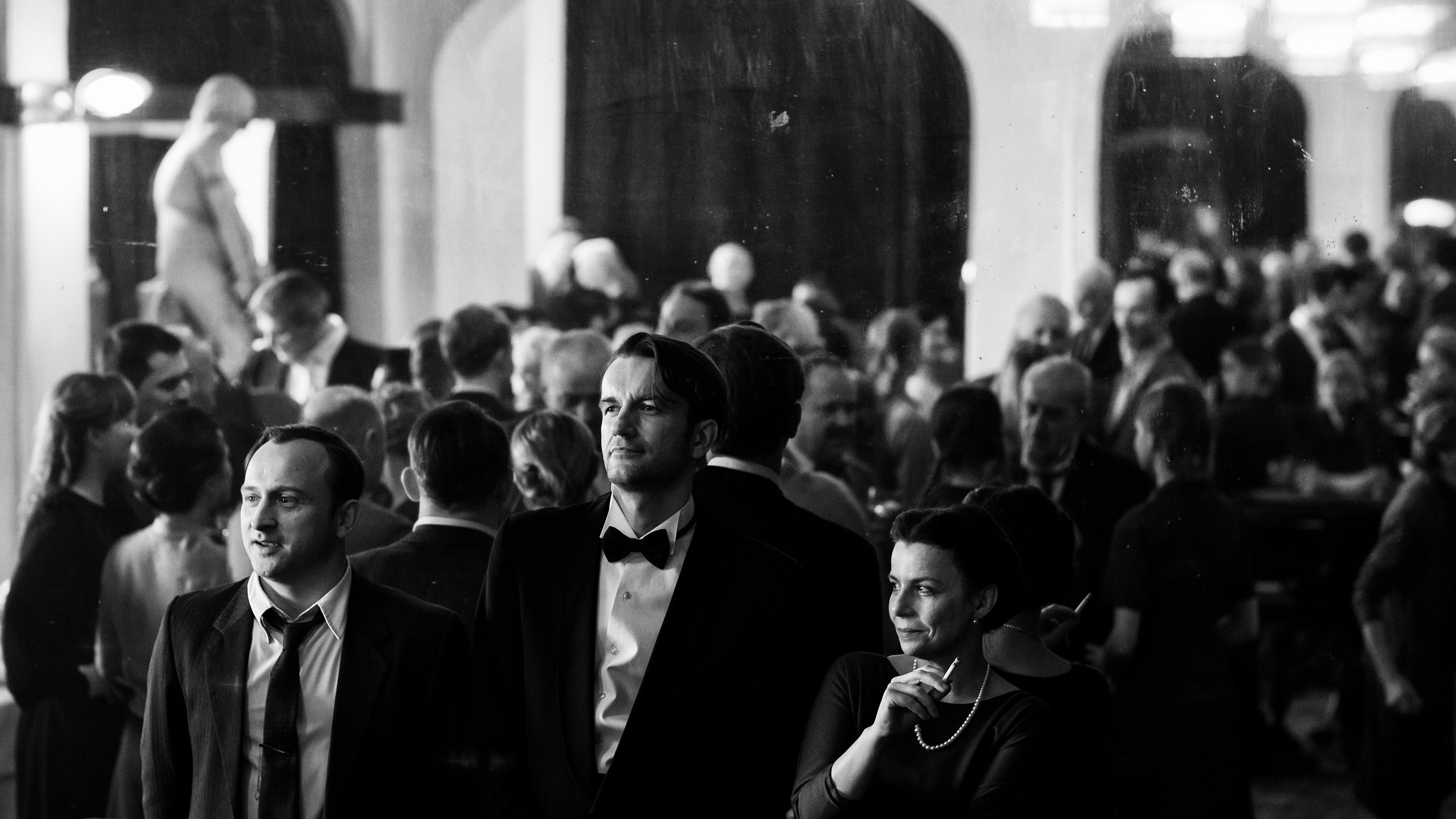
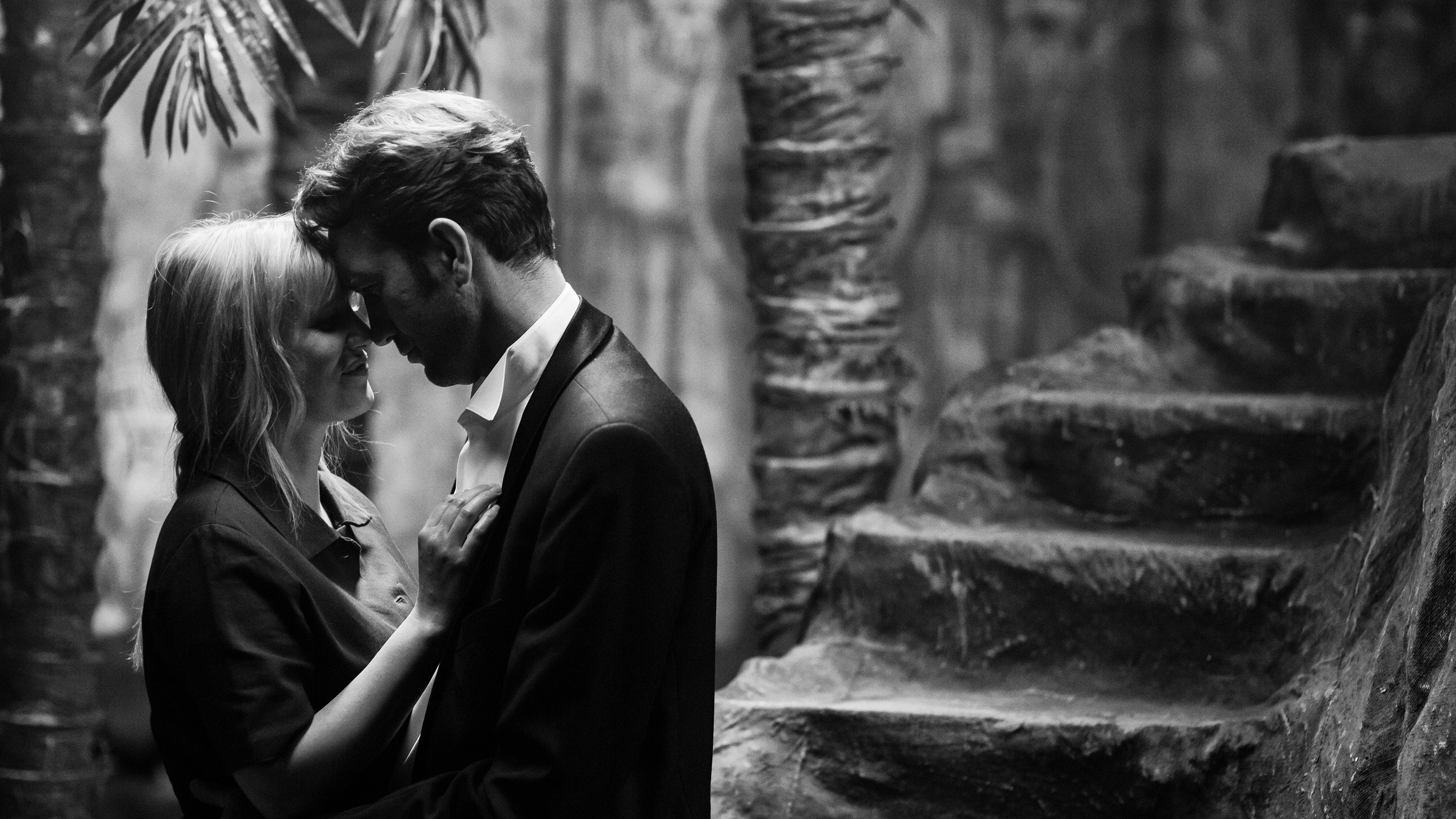
Łukasz Żal’s black-and-white photography uses the narrow Academy frame to keep our attention on the people rather than the scale of the journey. The precision is a pleasure in itself, though it sometimes makes suffering look a little too carefully arranged. Production designers Marcel Sławiński and Katarzyna Sobańska give the period settings enough detail to make the places feel inhabited. That helps in a film which gives us so little time to get our bearings before moving on.

Music does a good deal of the storytelling, with folk material and jazz giving the relationship different sounds as it develops. The changing songs help us register shifts that the abbreviated scenes cannot always explain. We listen for what has changed in the lovers as well as in the music, and that makes the soundtrack more involving than a collection of tasteful choices. In a romance so reluctant to spell things out, it is welcome to have something we can follow by ear.

Jarosław Kamiński’s editing is responsible for much of that brevity, moving between episodes and leaving years for us to supply. Usually the gaps sharpen our attention, because a changed mood carries more weight when we have not watched every step towards it. Sometimes, though, we need one of those missing steps: the film asks us to accept the force of an attachment it has hurried past. We would have welcomed a little more time with the couple, even at the expense of such an admirably short running time.

Romantic dramas can wear us down by explaining every change of heart; this one trusts a look or a song to do the work. That trust is mostly justified by the performers, even when the jump to the next episode comes too soon. Give it an uninterrupted evening, and do not expect these lovers to reward the attention by behaving sensibly.
Critical consensus AI synthesised

88
Positive
16
Mixed
0
Negative
0

The consensus is strongly positive, with praise clustering around Pawel Pawlikowski’s economical storytelling, the black-and-white compositions and Joanna Kulig’s performance. Most critics find the central romance passionate and melancholy, with the leads giving substance to a relationship shaped by political division and exile. Music earns particular attention: the changing songs and styles help carry the lovers across years and borders. The reviews also admire the period detail and the precision of the framing.

The main reservation concerns how much feeling survives that formal restraint. The Evening Standard admires the style but finds the central relationship less moving than hoped. The Playlist goes further, arguing that the restraint and narrative choices make the characters difficult to connect with. The spread is chiefly between enthusiastic approval and admiration with reservations, rather than outright dissent; what many critics value as economy, others find emotionally distancing.

The Times
31 August 2018 · ★★★★★ · Kevin Maher
100

Love, politics and creative obsessions collide in this sad and often unutterably beautiful masterpiece. Kulig gives an effortlessly empathetic performance in the meatier role, and the film features some of the year’s most ravishing black-and-white images in academy ratio.

Read the full review →
Time Out
10 May 2018 · ★★★★★ · Phil de Semlyen
100

Pawel Pawlikowski’s epic love story is an achingly romantic, melancholy joy and a dazzling, painful universal odyssey through the human heart. The monochrome Academy-ratio framing and standout performances, especially Joanna Kulig’s, create one of the most colourful things in black and white.

Read the full review →
Los Angeles Times
20 December 2018 · Kenneth Turan
90*

The critic calls the film a passionate, tempestuous and haunting white-hot romance that smolders despite its title, praising its assured direction, convincing performances and gorgeous black-and-white cinematography. It singles out the volatile central relationship and the director’s personal dedication to his parents as making the story feel immediate and dazzling.

Read the full review →
The Guardian
2 September 2018 · Mark Kermode
90*

Pawlikowski delivers a sweeping, searing love story inspired by his parents, spanning 15 years across postwar Europe with music, politics and passion at its core. Joanna Kulig gives a star-making performance of astonishing range as Zula.

Read the full review →
Vulture
18 December 2018
90*

The critic calls it a stunning love story told through love songs, visually stunning, passionate, wistful, and thoughtful. It singles out Joanna Kulig's astounding performance and the way music evolves with the characters for praise.

Read the full review →
Slant Magazine
11 May 2018 · ★★★½/4
88

The critic finds it striking for its precise calibration of narrative minimalism and aesthetic elementalism, breaking from the formalism of Ida. It singles out the obsessively detailed period settings and reverently curated soundtrack for praise while noting it sometimes reins in emotional depth.

Read the full review →

Cast

Stills

Awards

Academy Awards, 2019

Nominated
Best Cinematography

European Film Award – People's Choice Award for Best European Film, 2019

Won
European Film Award – People's Choice Award for Best European Film

International Submission to the Academy Awards, 2019

Nominated
International Submission to the Academy Awards

European Film Award for Best Actor, 2018

Nominated
European Film Award for Best Actor

European Film Award for Best Actress, 2018

Won
European Film Award for Best Actress

European Film Award for Best Director, 2018

Won
European Film Award for Best Director

European Film Award for Best Editor, 2018

Won
European Film Award for Best Editor

European Film Award for Best Film, 2018

Won
European Film Award for Best Film

European Film Award for Best Screenwriter, 2018

Won
European Film Award for Best Screenwriter

Meeting Point Europe Award, 2018

Won
Meeting Point Europe Award

If you liked this, try…

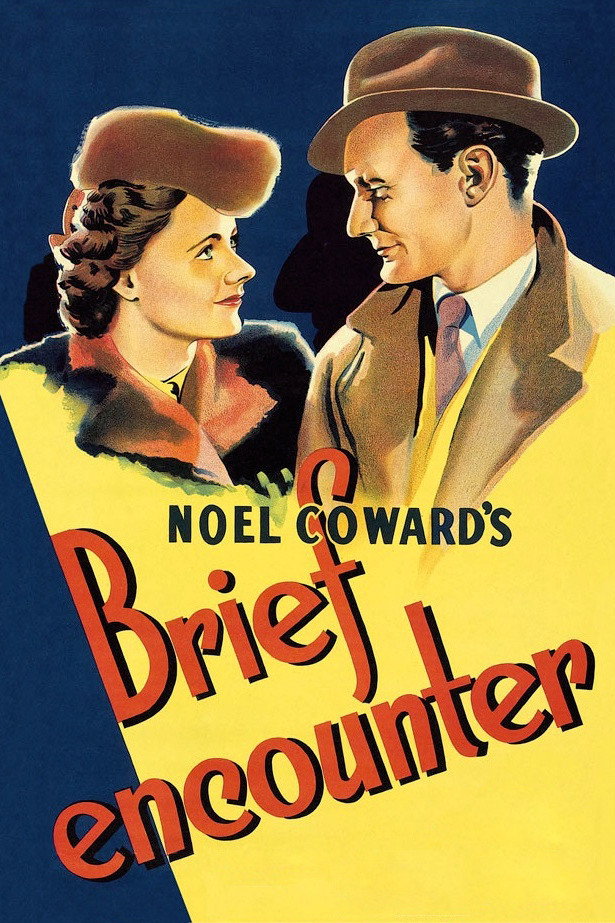
Brief Encounter poster90

Brief Encounter

1945 · Another compressed romance where music makes respectable people dangerously difficult to forget.

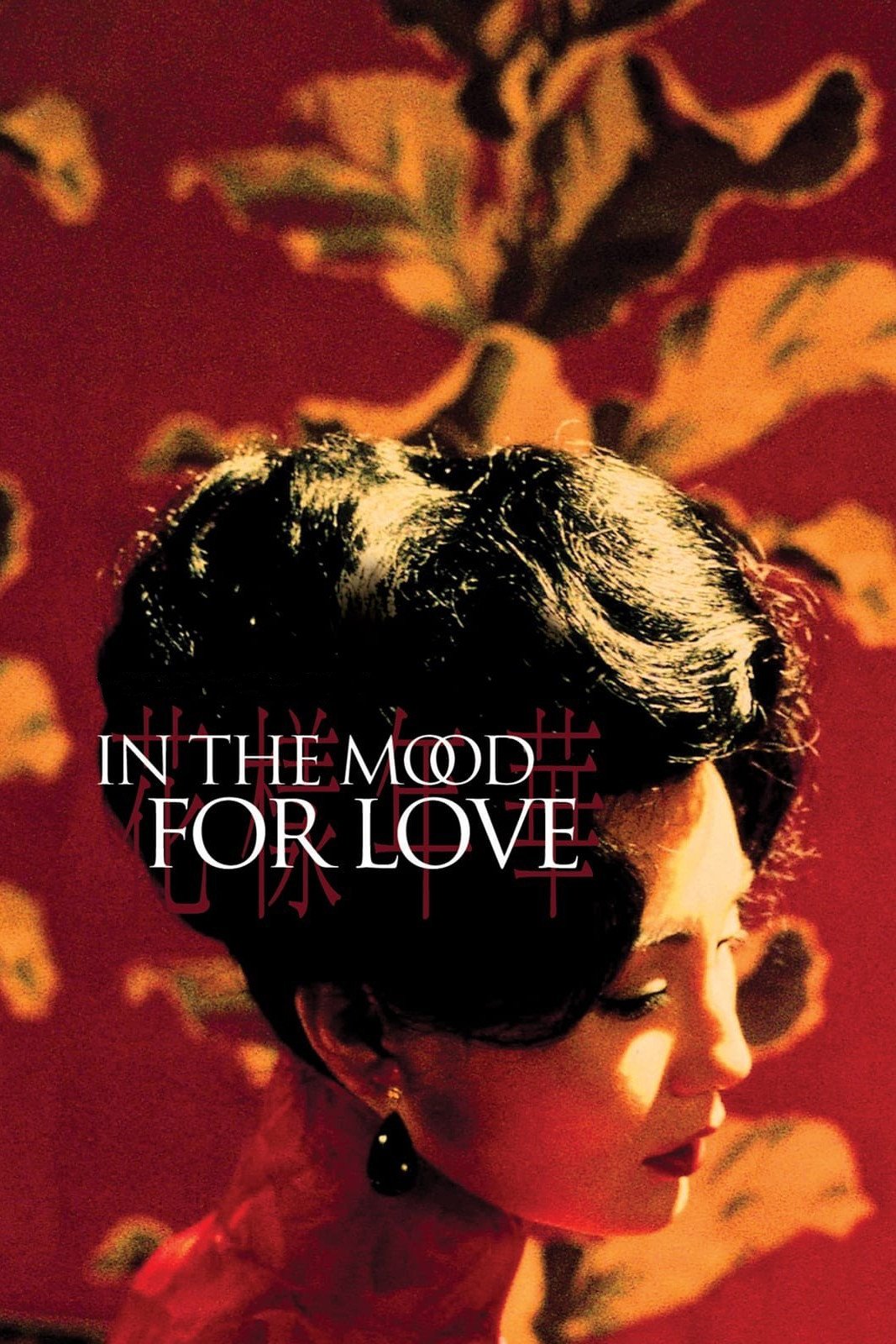
In the Mood for Love poster91

In the Mood for Love

2000 · For another pair whose attraction becomes painfully clear through restraint and repetition.

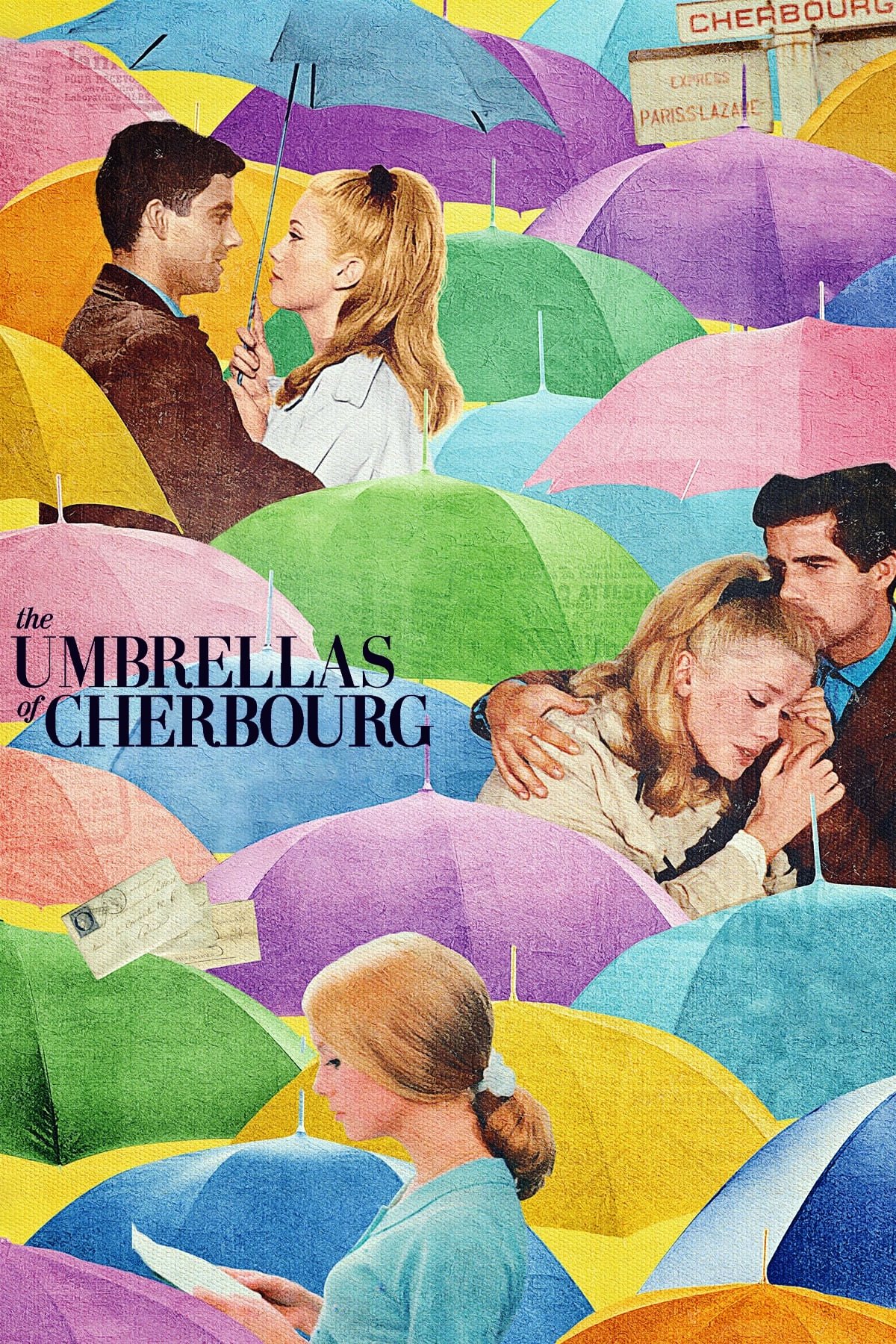
The Umbrellas of Cherbourg poster

The Umbrellas of Cherbourg

1964 · Music carries young love through compromises that ordinary dialogue might soften.

Phoenix poster

Phoenix

2014 · Postwar damage and a singer’s voice make this a sharper, stranger companion.

The Cranes Are Flying poster

The Cranes Are Flying

1957 · War bears down on private love, with camerawork far less inclined to sit still.