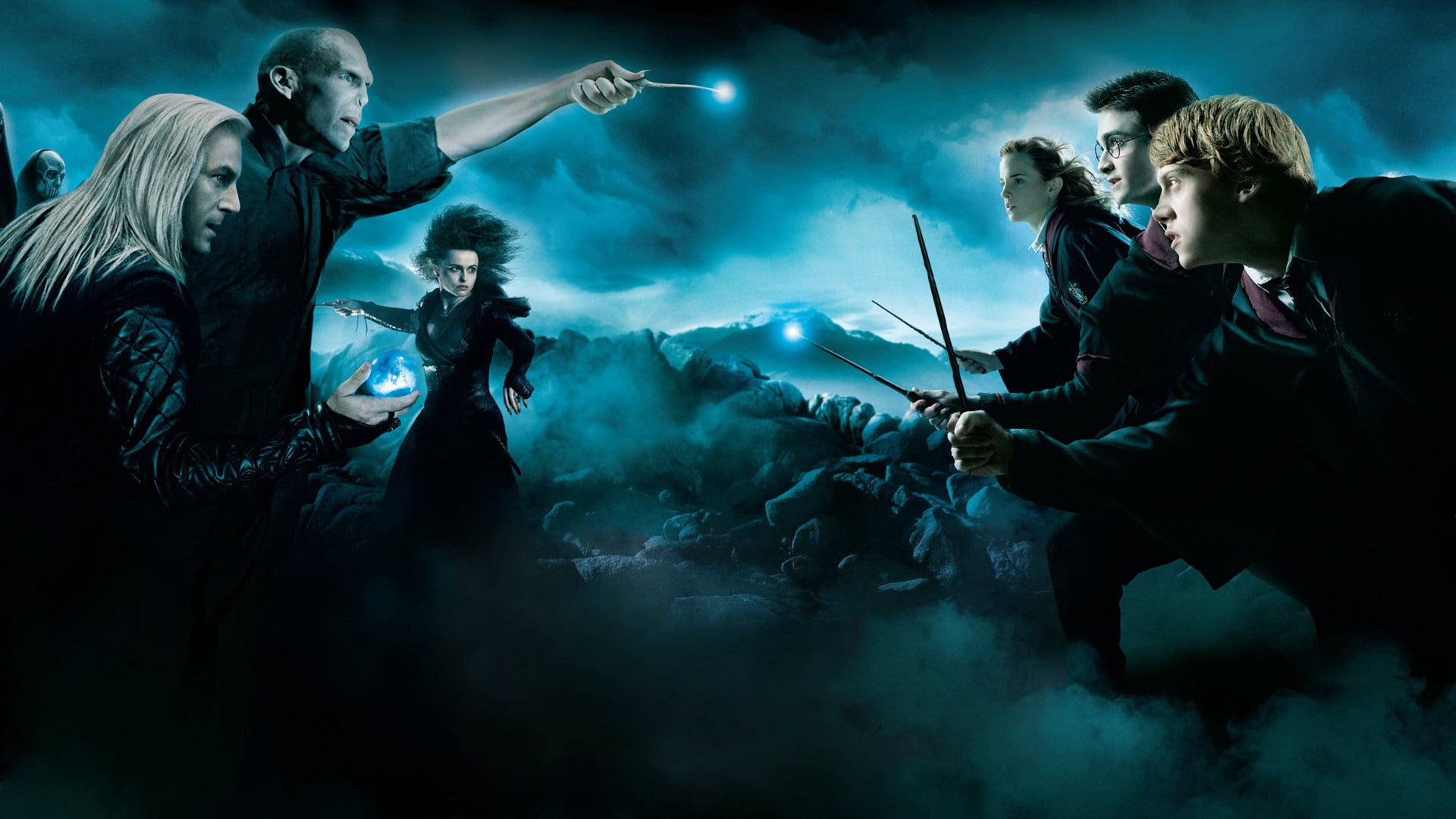
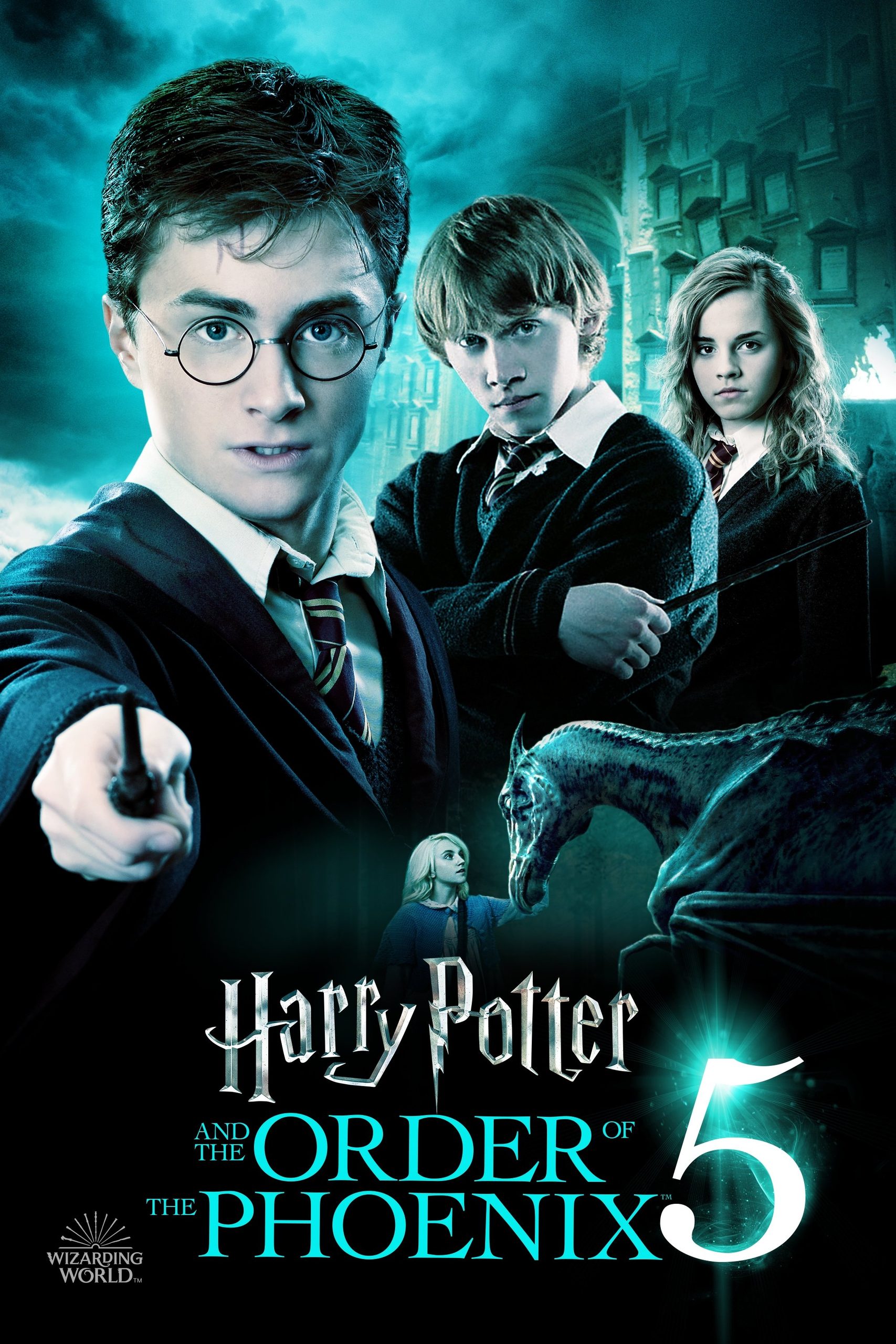
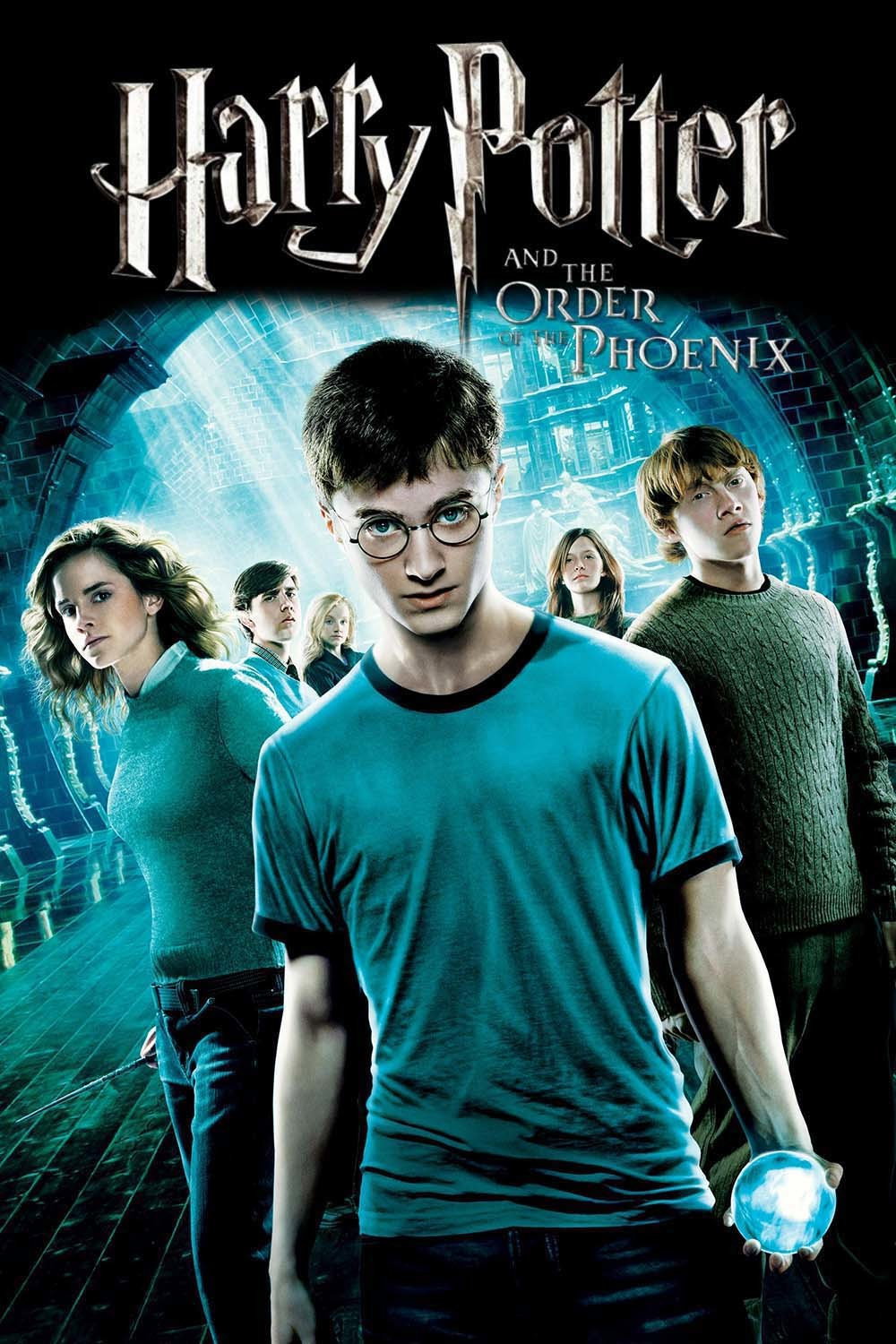
David Yates strips the longest book in the series to 138 brisk, grey minutes and hands Imelda Staunton the best villain the films have had. It is the most grown-up Potter yet and, for long stretches, the least magical.
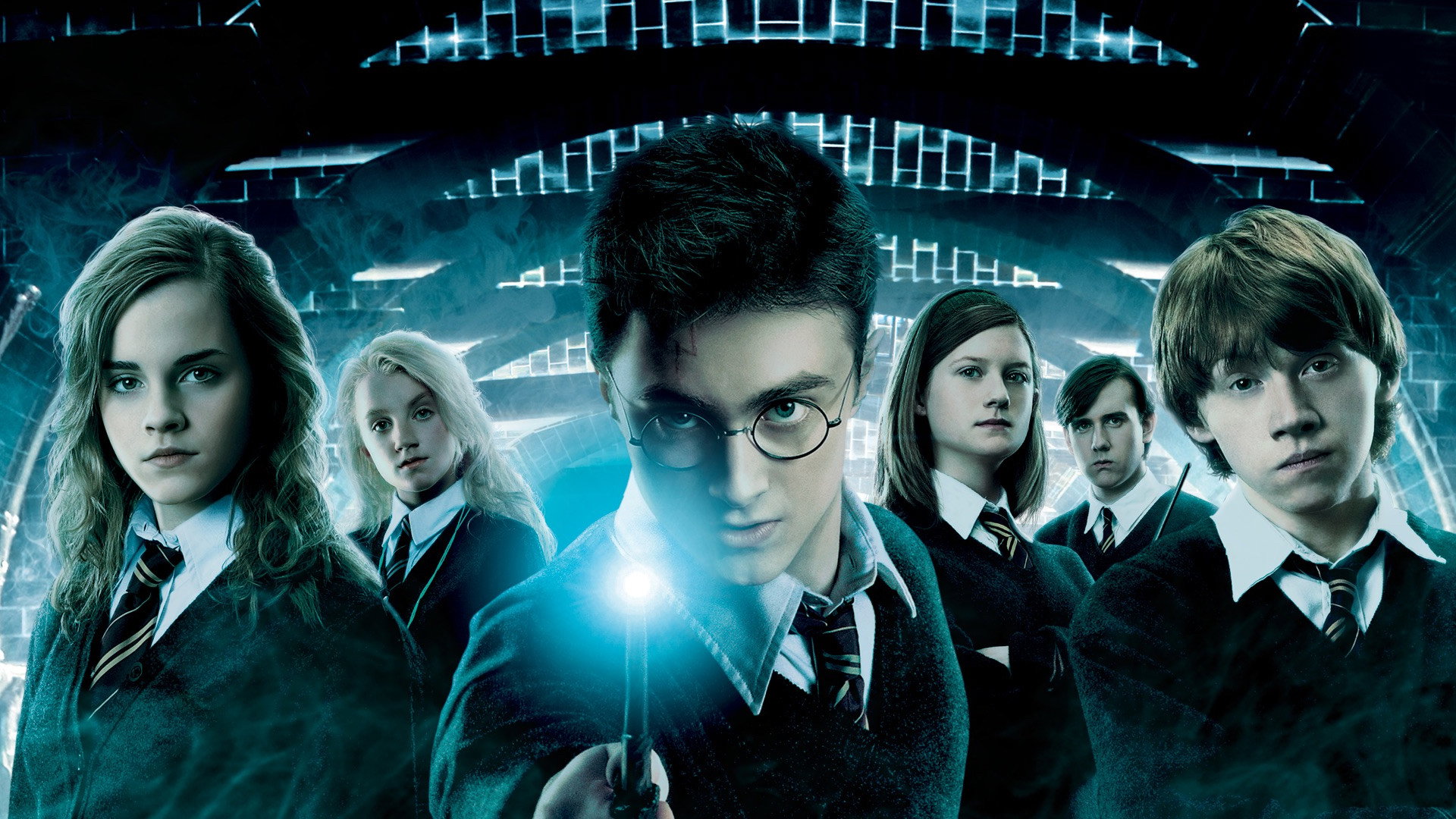
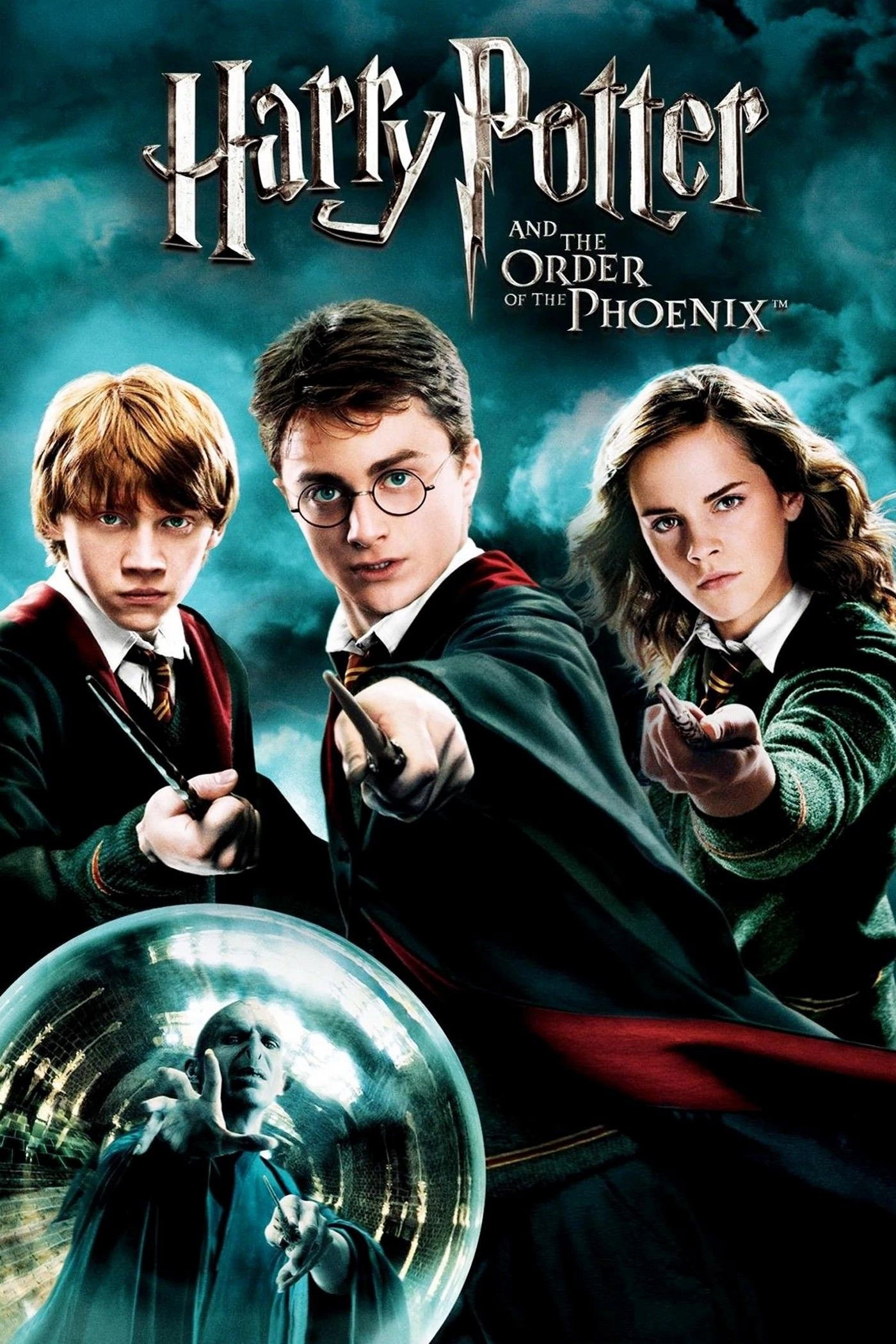
Five films in, the series has its fourth director, and David Yates has been handed the longest book of the lot. This is the one in which the Ministry of Magic decides Voldemort has not come back, the newspapers call Harry a liar, and Hogwarts is occupied by a government inspector with a fondness for kittens. Michael Goldenberg’s screenplay gets it down to 138 minutes, and the result is brisk, grey and frequently gripping. It is also the first Potter film in which we would struggle to point to a moment of wonder. The film never quite decides whether that is a loss.
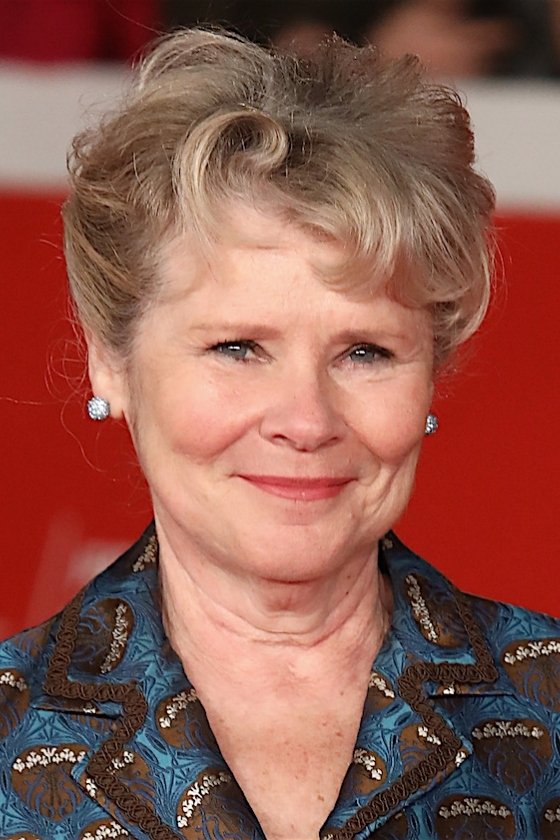
Imelda Staunton is the reason to see it. Her Dolores Umbridge arrives in pink tweed, clears her throat in a tiny cough before every interruption, and talks to children in the voice of someone reading a statement to the press. Stuart Craig gives her an office hung with plates on which live kittens mew, and Jany Temime dresses her in pinks that brighten as her powers grow. The detention in which she hands Harry a quill that writes in his own blood made us flinch, and the effect had nothing to do with it. It is Staunton’s smile, held a beat too long, while the boy’s hand bleeds.
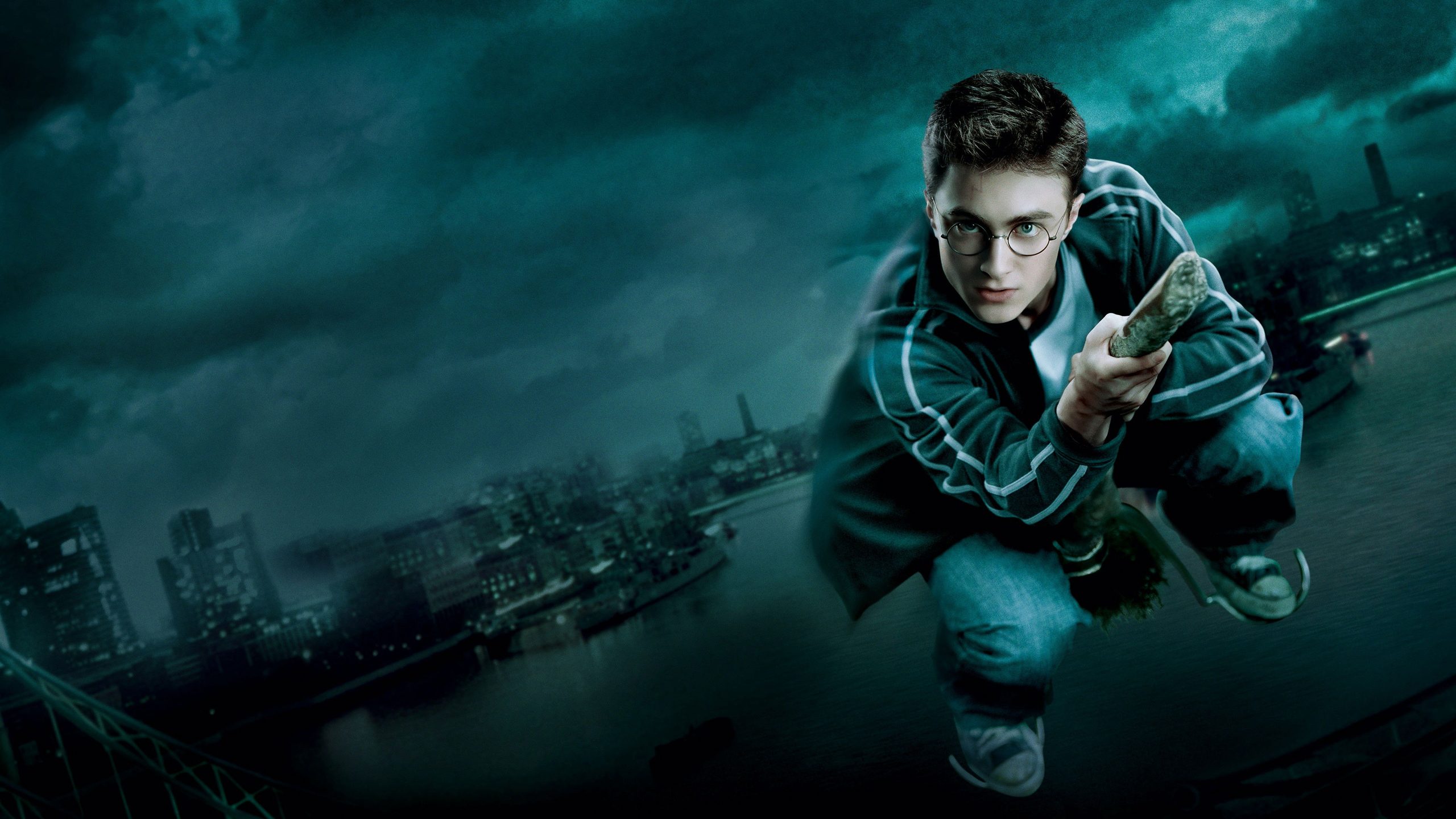
Sławomir Idziak shoots the whole thing as if the sun had given up. The Dursleys’ suburb is bleached, the London house where the Order meets is lit by candle and not many of them, and Hogwarts, which used to glow, is seen mostly through drizzle. It suits the story and it wears over two hours; there were points where we wanted a window opened. Nicholas Hooper’s score lifts for a night flight over the Thames and murmurs elsewhere. It is competent, and we could not hum you a bar of it.
The book is enormous and the film’s method for coping is the montage. Mark Day cuts headlines spinning out of the Daily Prophet, Umbridge’s decrees nailed to a wall until it is nothing but frames, and weeks of secret defence lessons compressed into a couple of minutes of spells and stumbles. It keeps the plot legible, and it means that for a long stretch in the middle each scene exists to tell us something rather than to happen. Around the hour mark we noticed we felt briefed rather than involved. Quidditch is gone entirely. We did not miss it, but nothing looser has taken its place.
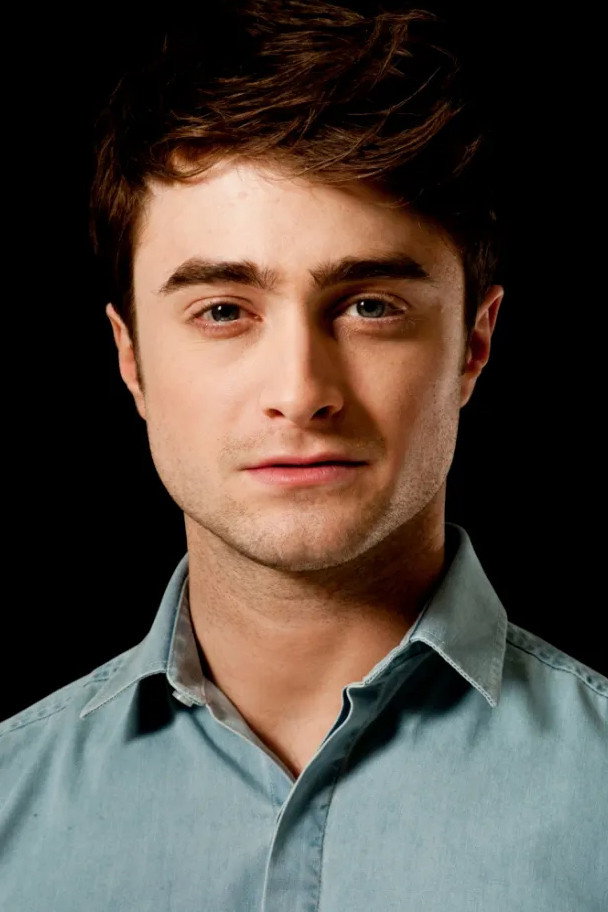
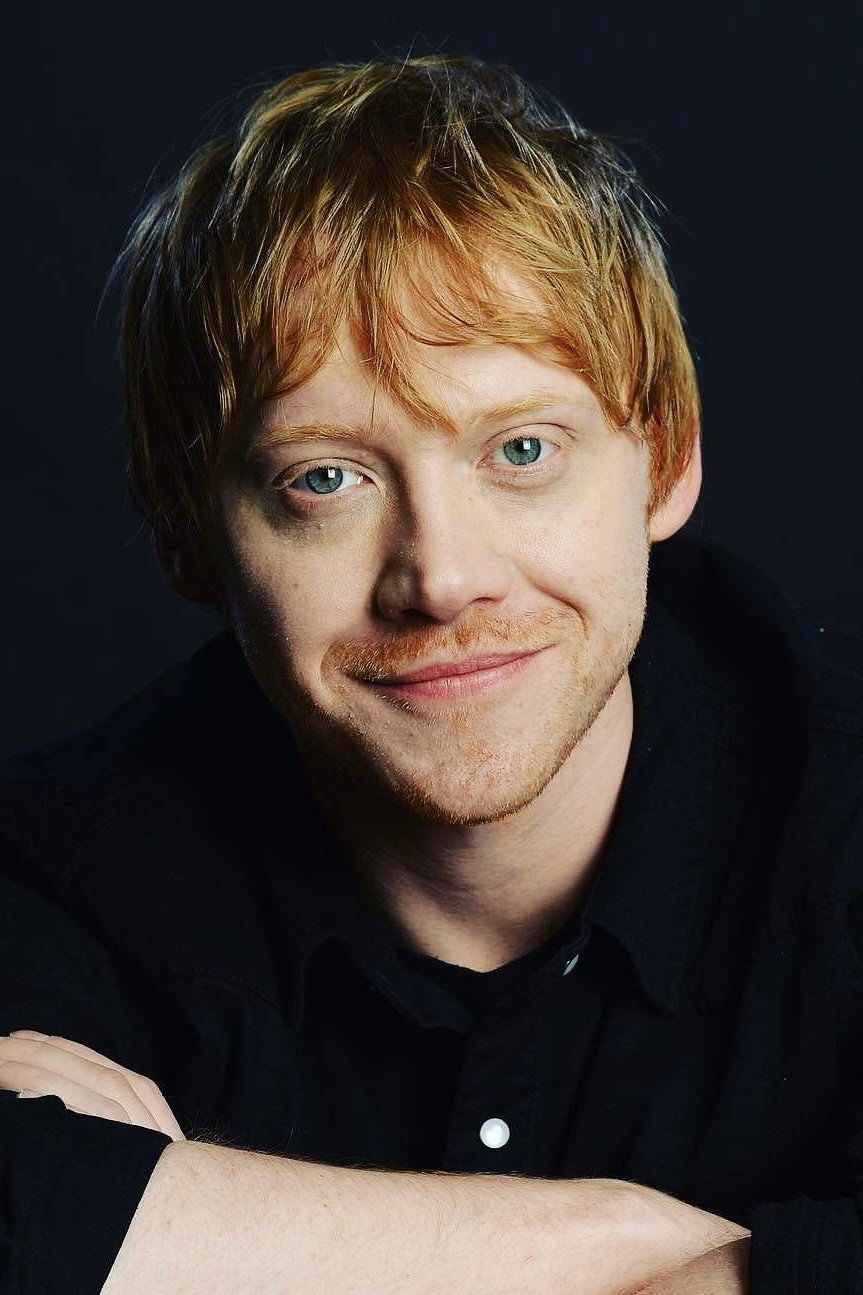
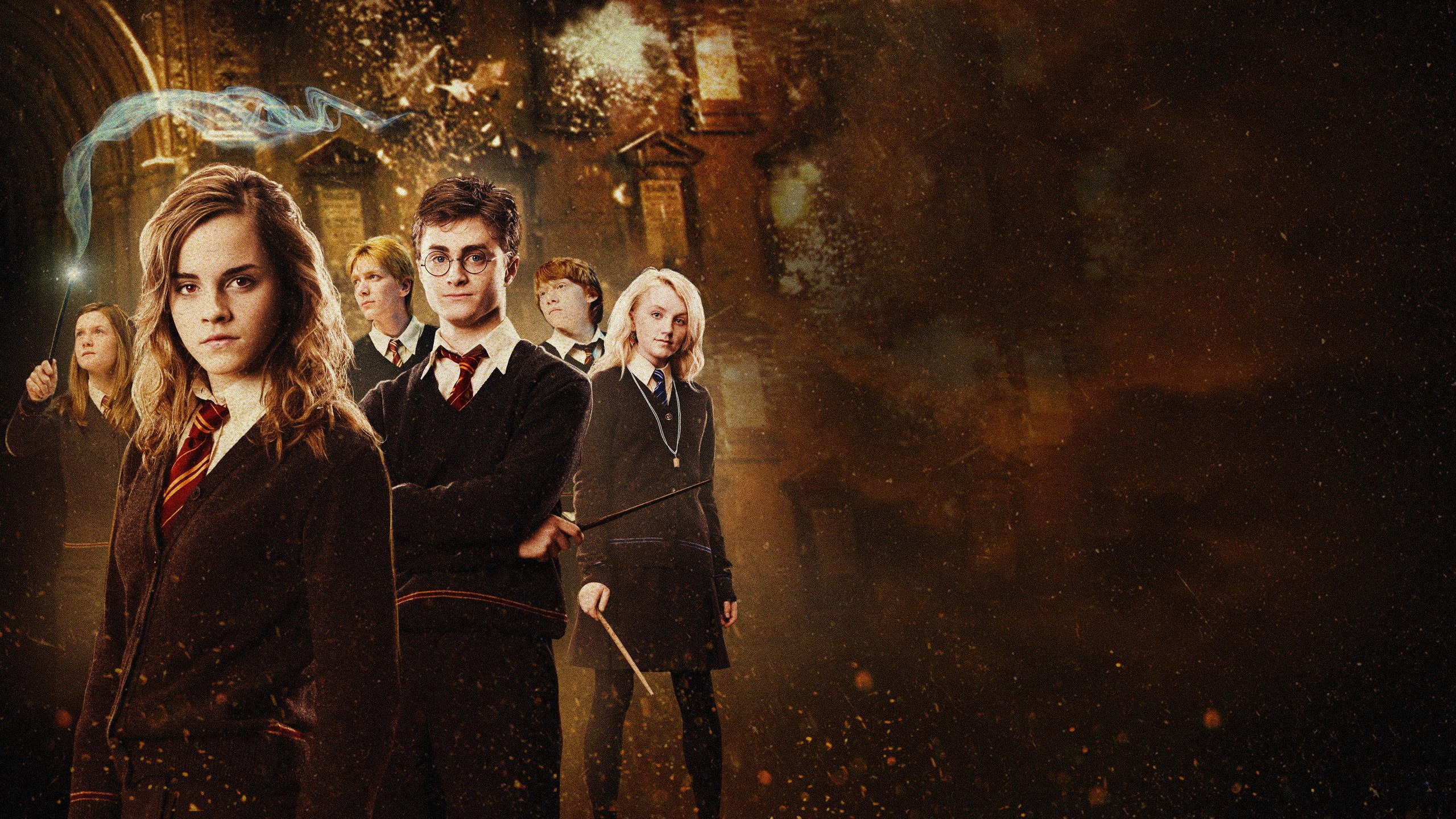
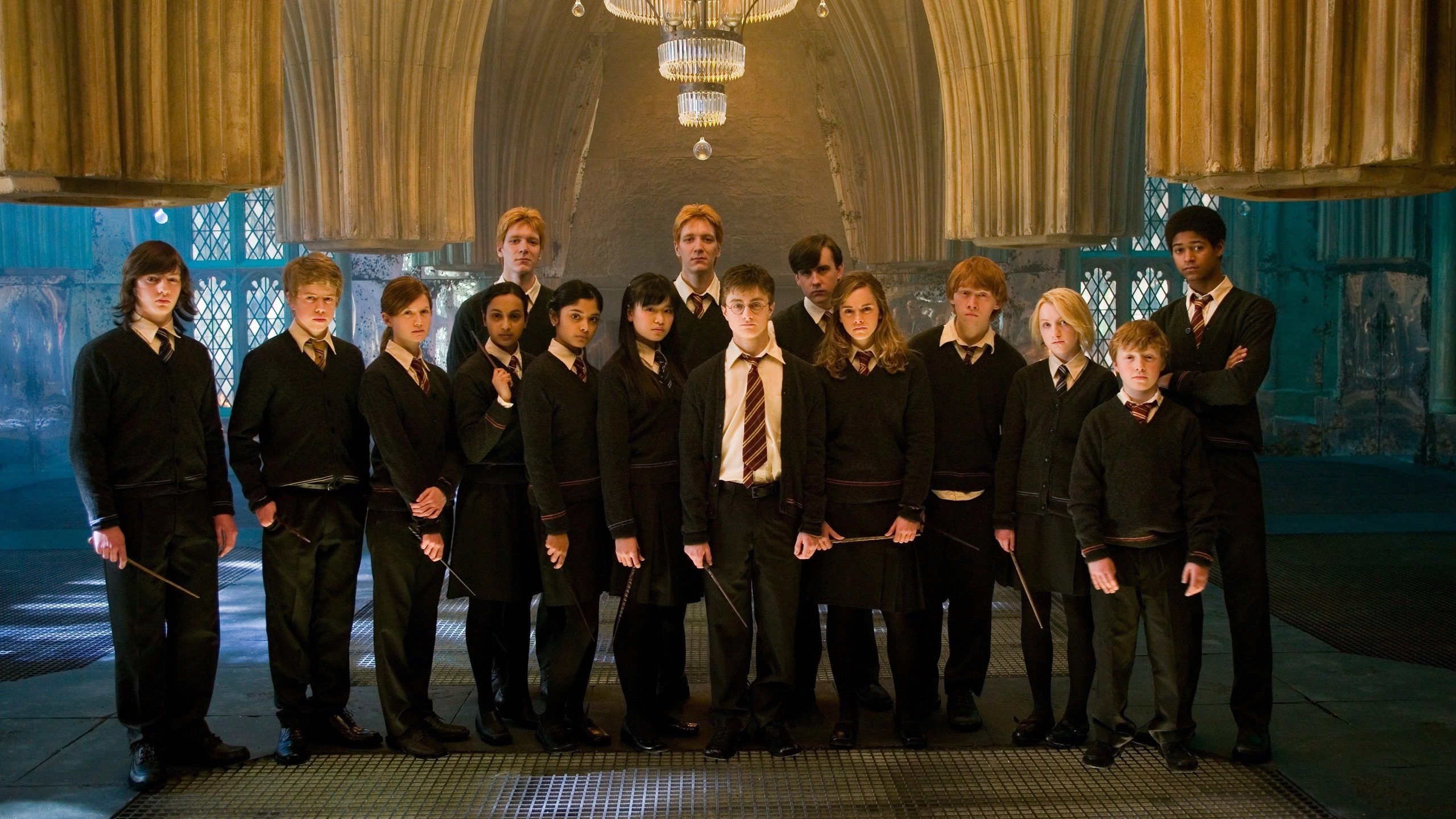
Daniel Radcliffe is better here than before because he has been given a temper. His Harry is short with his friends, sleeps badly and shouts at the adults who keep things from him, and Radcliffe can do sullen without doing petulant, which is harder than it sounds. Rupert Grint and Emma Watson are pushed to the edges and make do with reaction shots. Gary Oldman gives Sirius Black a shabby, damaged warmth, and the film is kinder whenever he is on screen. Michael Gambon plays Dumbledore as a man too busy to explain himself, which is the point and also a little cold. Alan Rickman gets one proper scene, a private lesson in which Snape rifles through Harry’s memories, and makes a meal of every pause. Helena Bonham Carter, Brendan Gleeson and Ralph Fiennes have small allocations of time and spend them loudly.
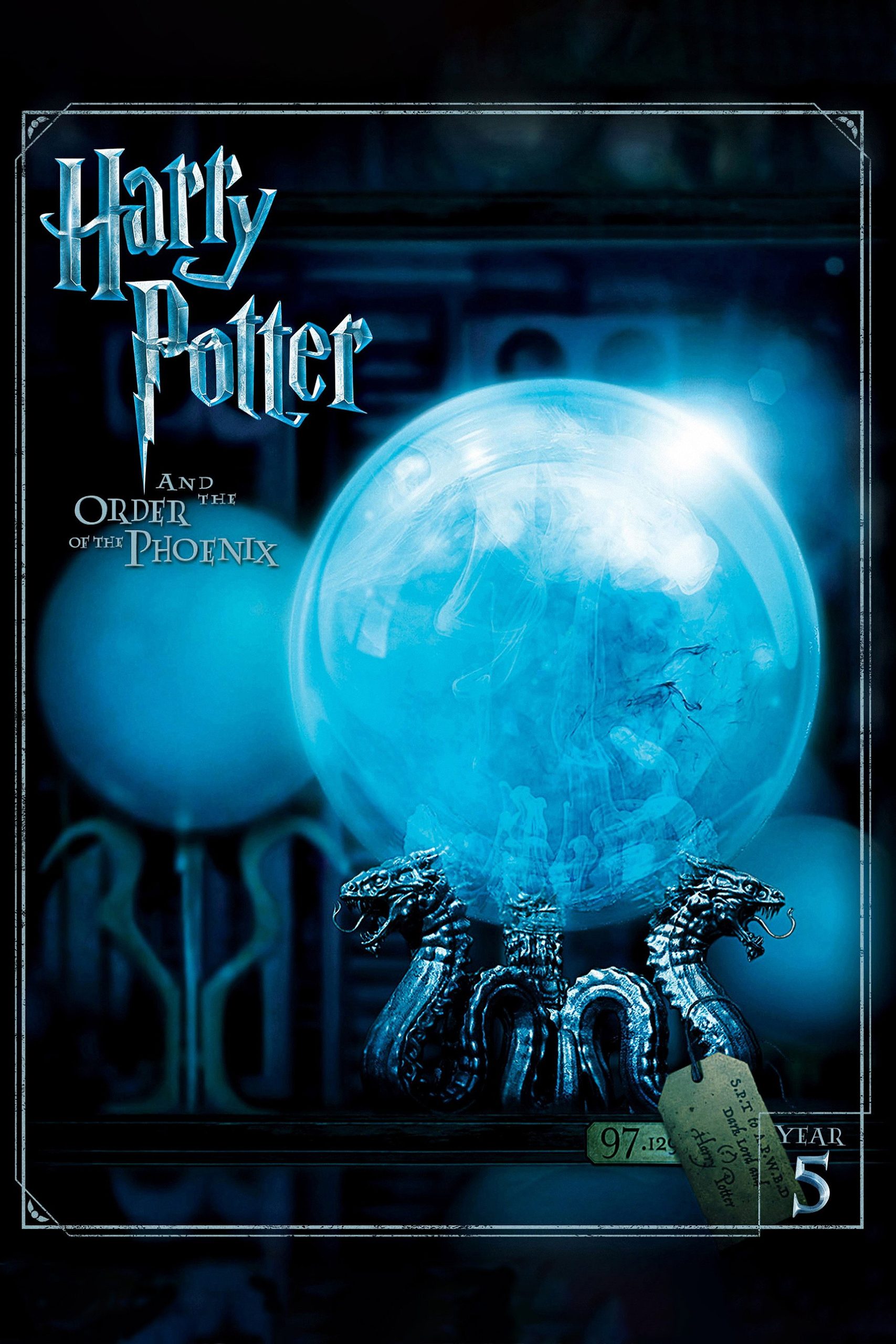
The last half hour is where Yates shows his hand. The Ministry is Craig’s best set in the series so far, a black-tiled underground hall with a fountain at its centre, and beneath it a room of shelves stacked to the ceiling with glowing glass orbs. What happens there we will not describe, except to say that the film stops summarising and lets one sequence run at its own length, and that we sat forward for the first time in an hour. It is well staged, frightening enough to test the 12A, and it does not end tidily.
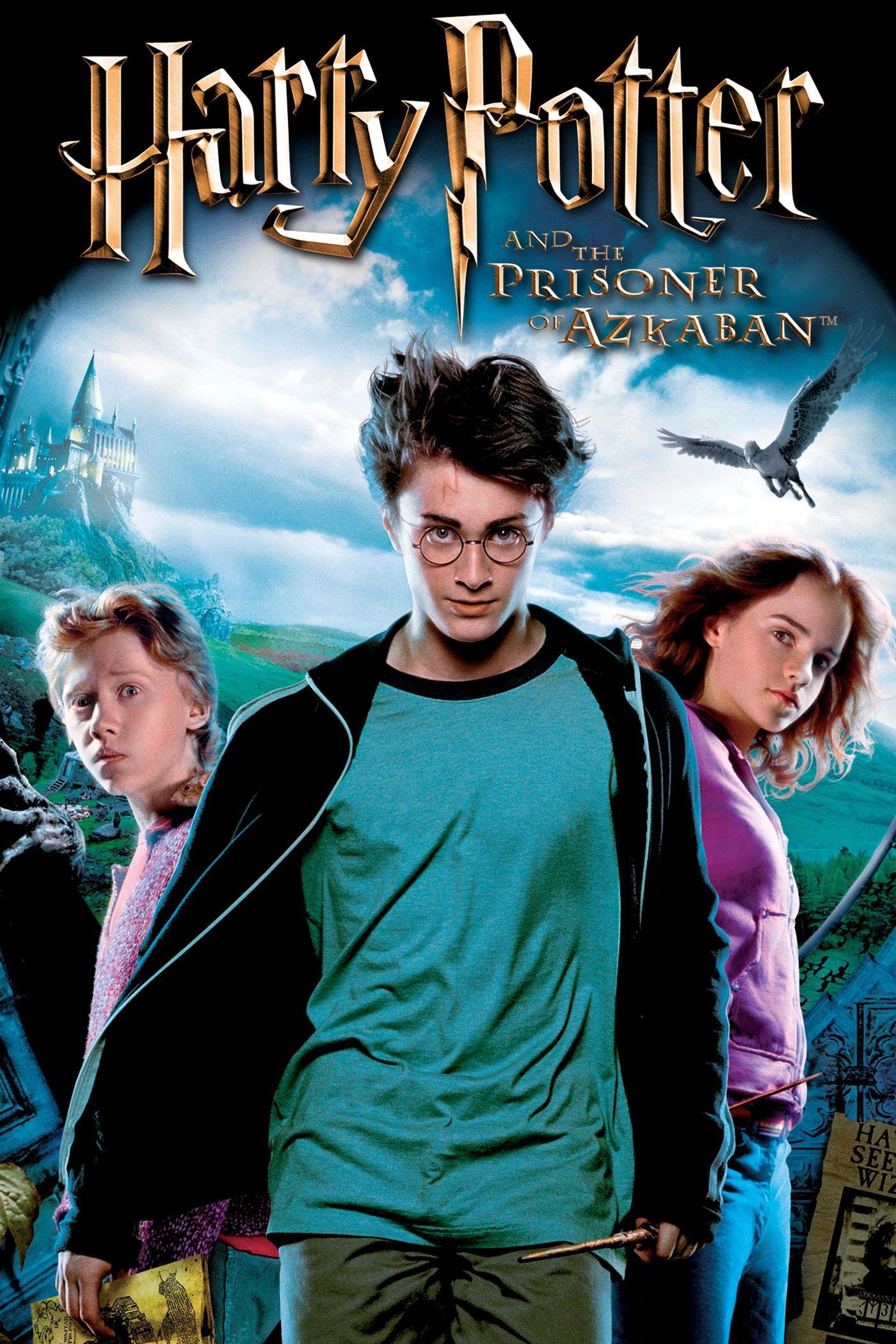
Against the series’ own standards this sits in the middle: more confident than the first two films, less alive than Harry Potter and the Prisoner of Azkaban (2004), which is still the one where a director’s eye and the material met halfway. Newcomers will be lost inside ten minutes and should not try. For everyone else it is a sober, well-made chapter and a slightly airless film, best watched at home, where the grey looks like a decision rather than a fault in the projection. Yates stayed on for the remaining three films, and on this evidence you can see why he was asked.