Film review

if....

1968 · Directed by Lindsay Anderson · 1h 52m · 15

In a sentenceA school where bullying counts as character building and thinking for yourself is a disciplinary problem

Drama

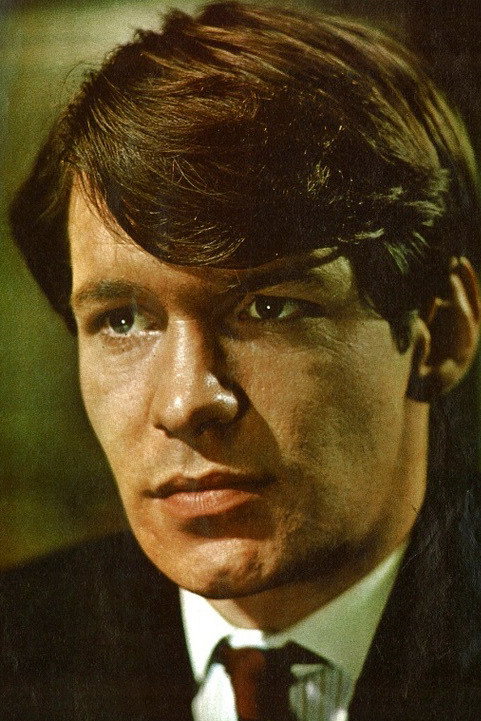
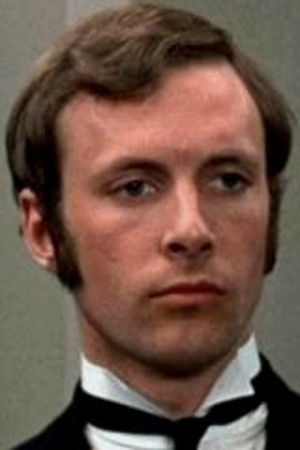
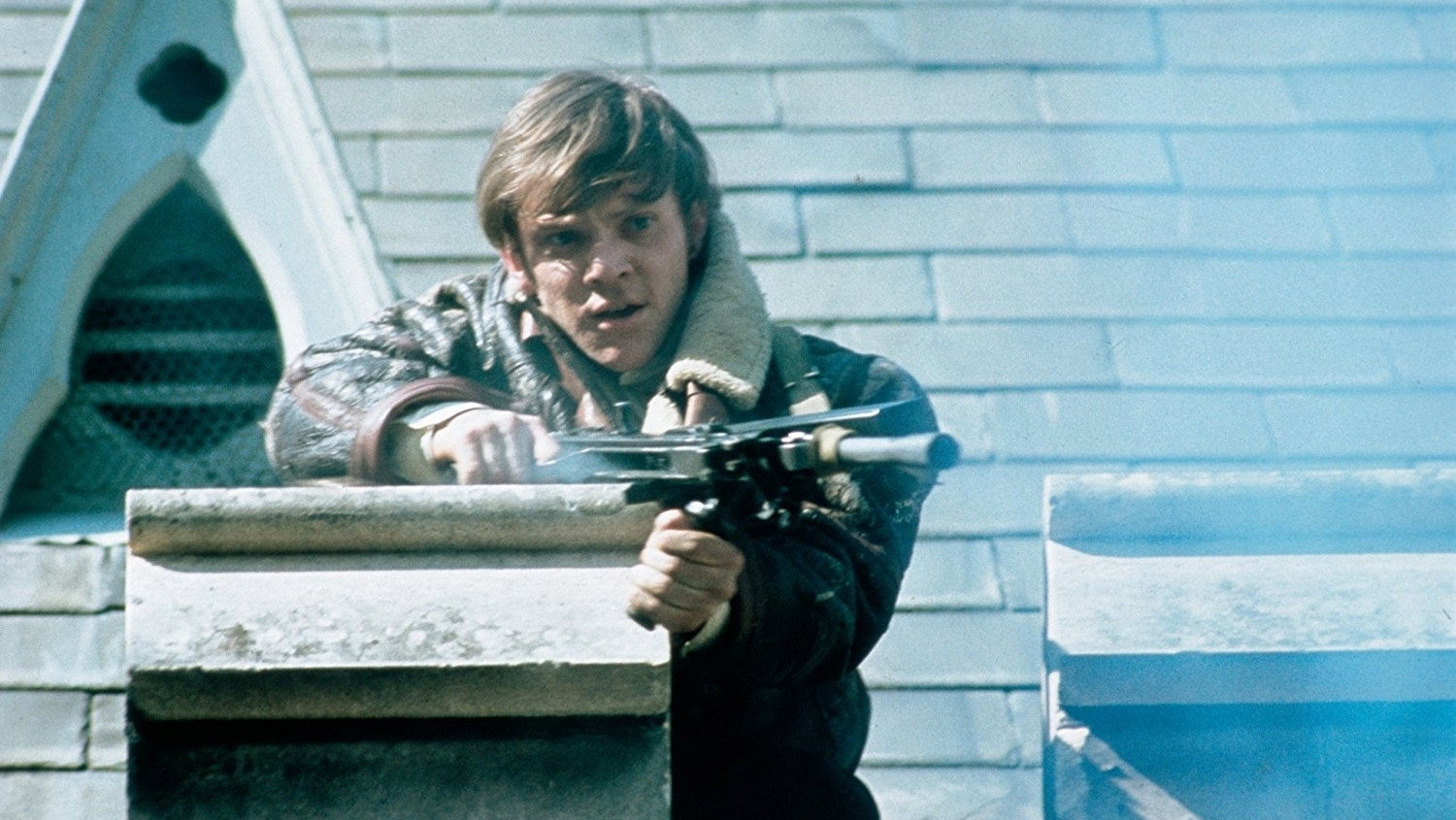
At an English boarding school, boys learn the rules of an institution that expects obedience and tolerates bullying. Mick Travis (Malcolm McDowell) grows impatient with the authority surrounding him as school rituals and hierarchies shape the pupils’ days. The boys live under pressure to accept their place, while resentment feeds thoughts of rebellion. Lindsay Anderson’s drama moves between everyday school life and surreal departures as it considers the relationship between education, class and power. David Wood plays Johnny Knightly, Richard Warwick plays Wallace, and Peter Jeffrey plays the headmaster.

Plays from YouTube when you press play; nothing loads from them until then.

Fi1m review

Lindsay Anderson’s school-rebellion drama is angry, funny and observant, with Malcolm McDowell giving its defiance a persuasive face. The surreal passages sometimes lose force, but the bullying and institutional absurdity remain sharply drawn.

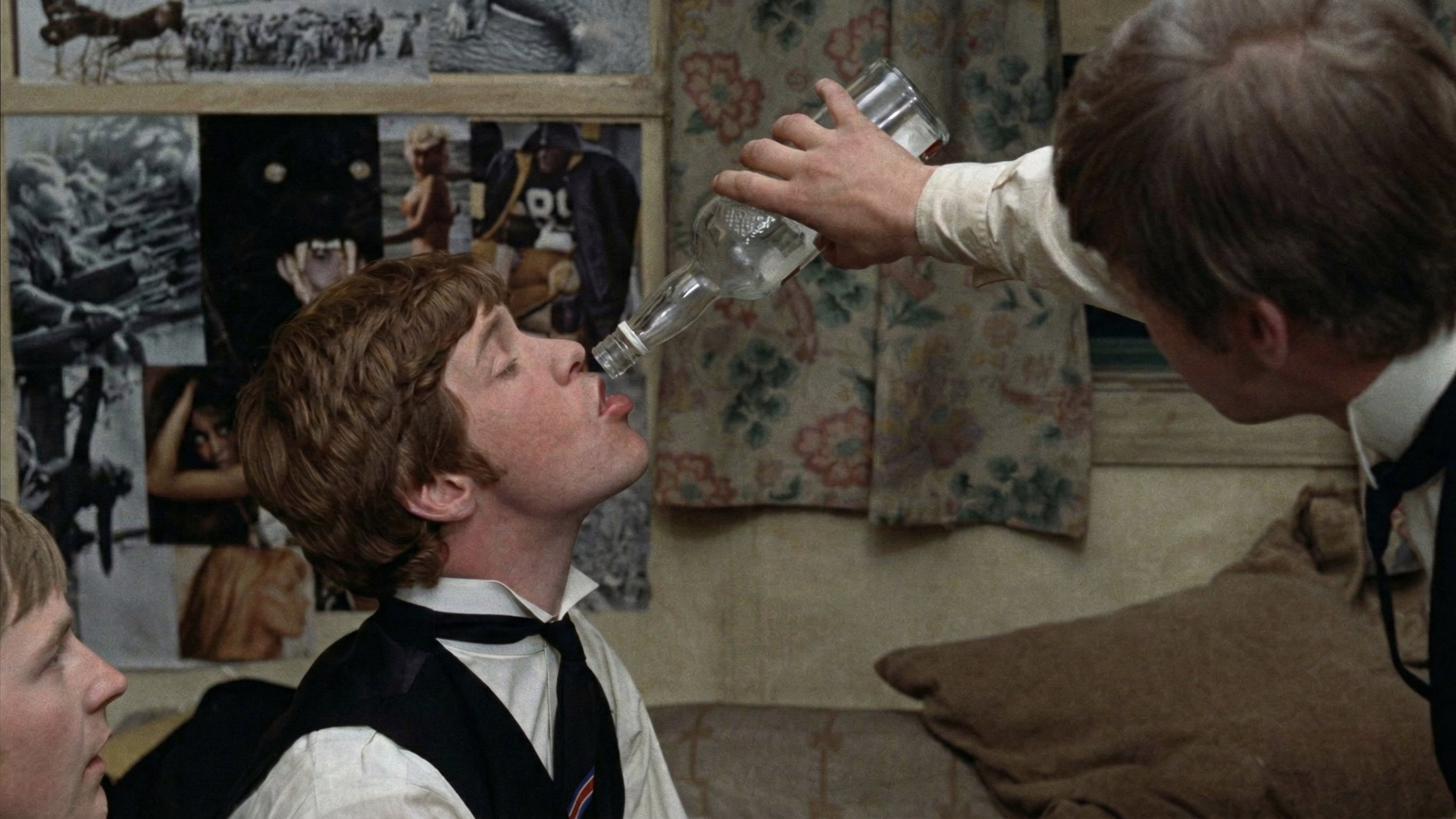
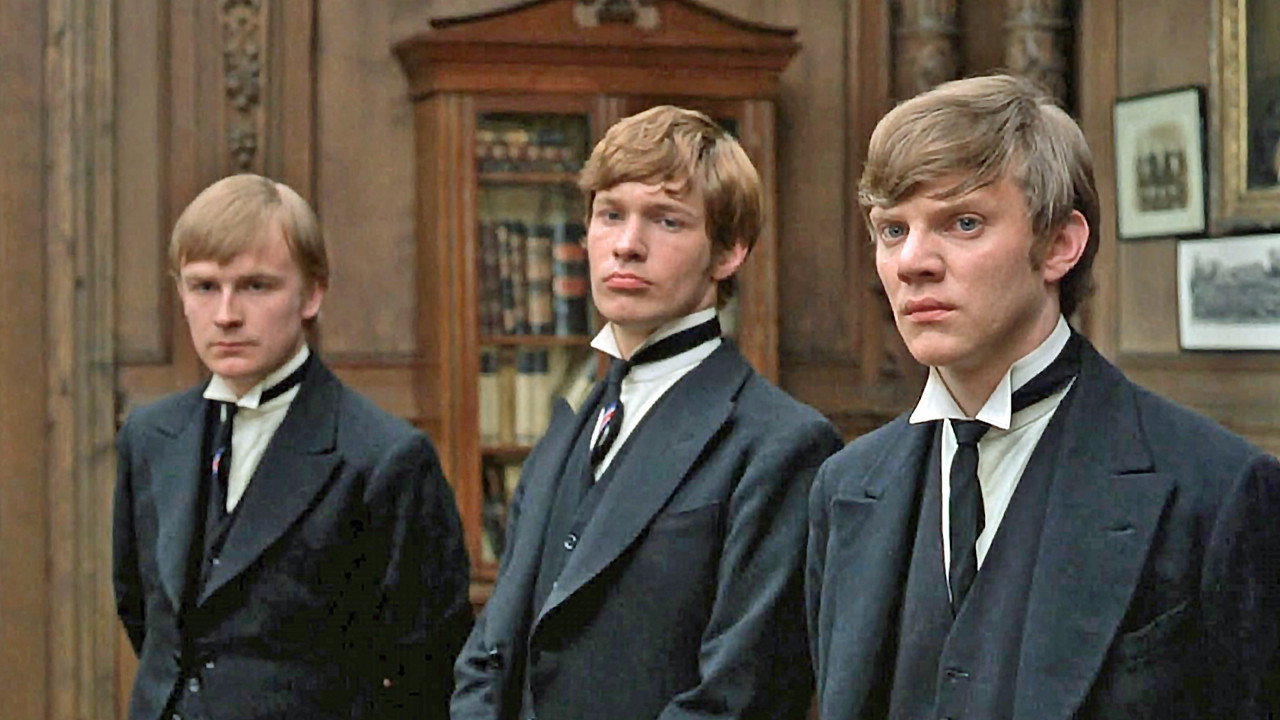
if…. is a funny, angry school film worth seeing for how closely Lindsay Anderson watches the people in charge. Its schoolboys’ revolt has force because the everyday arrangements already seem unreasonable, even before the film starts taking liberties with reality. The English public school gives Anderson a place where authority is everywhere and almost nobody needs to justify exercising it. He gets considerable comedy from that confidence, then makes us sit with the bullying it permits.

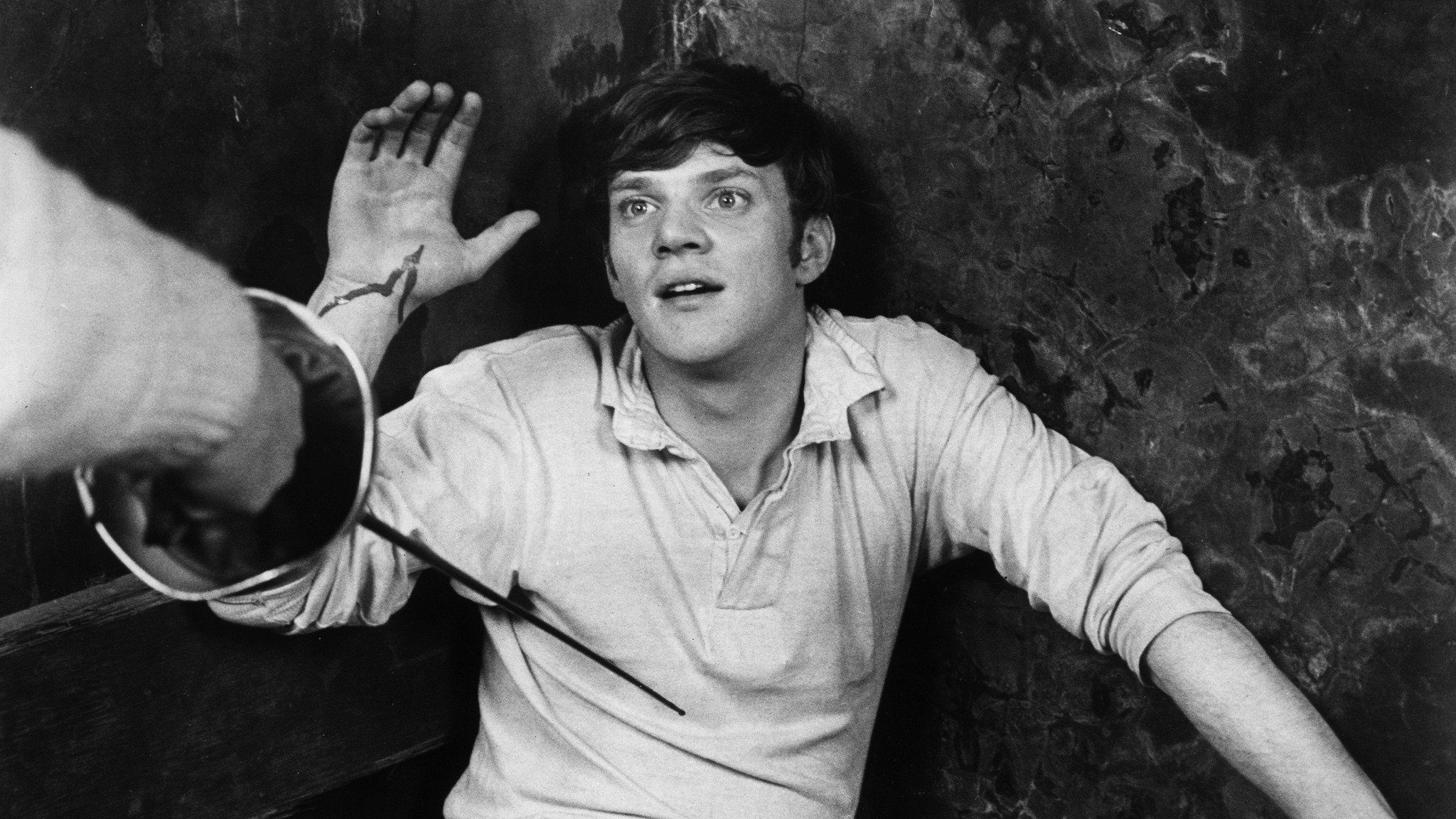
Malcolm McDowell’s Mick Travis is the right boy to put in that environment: his contempt makes submission seem difficult even when resistance looks foolish. McDowell gives the anger enough humour to keep Mick from becoming a solemn advertisement for youth, and enough arrogance to stop him being merely endearing. We enjoy his insolence without needing to approve of every thought behind it. The performance leaves room for the possibility that an angry pupil can see the adults clearly and still know little about what should replace them.

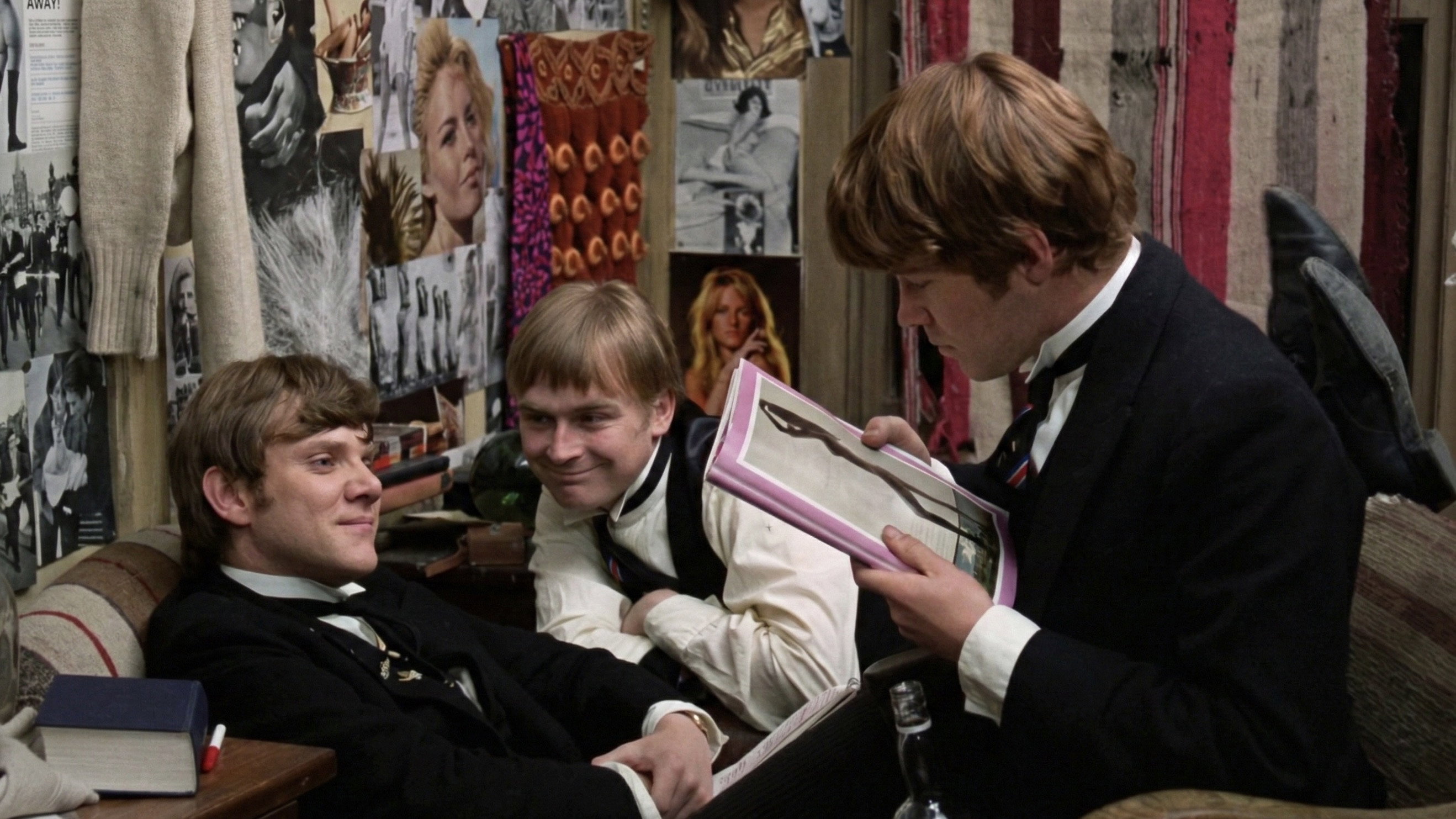
We were angrier than we expected at the boys’ bullying of one another, because Anderson makes it look like an accepted part of their education. The cruelty has room to grow inside the school’s routines, and its familiarity makes it harder to dismiss as the work of a few unusually unpleasant people. David Sherwin’s screenplay is good at tracing how obedience and aggression can be taught together. The humour remains uncomfortable because the institution is so practised at treating its own absurdities seriously.

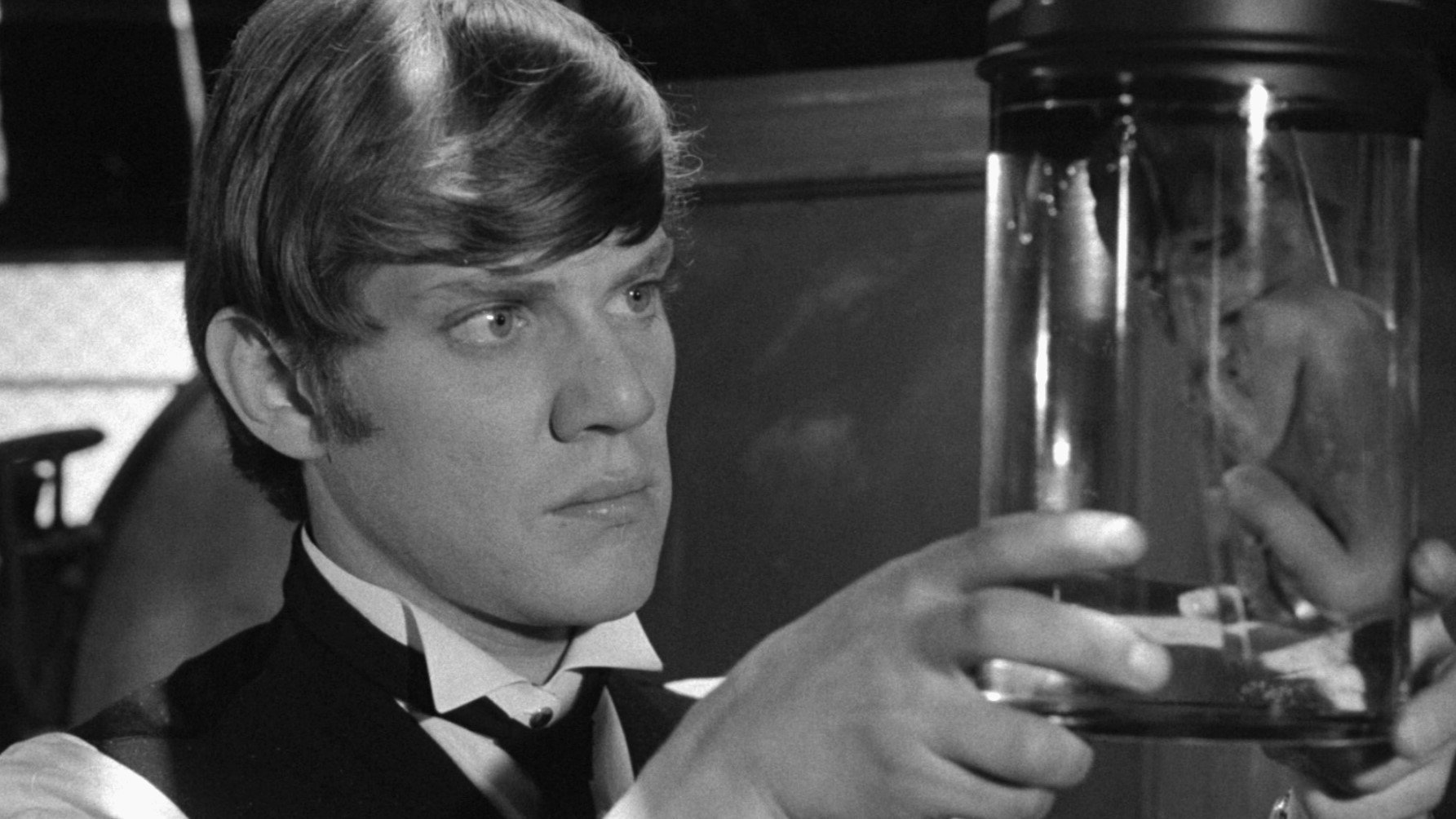
Miroslav Ondříček’s cinematography gives the school a convincing everyday presence, which matters when Anderson starts departing from ordinary behaviour. We believe in the place sufficiently to feel the disturbance when realism no longer holds. Jocelyn Herbert’s production design contributes to that sense of an institution thoroughly accustomed to itself; the surroundings make the rules feel established before anybody has to explain them. The school remains recognisable even when the behaviour becomes strange.

David Gladwell’s editing has the awkward job of joining close observation to surreal episodes without making either feel like a separate film. The shifts can be bracing, and we like Anderson’s reluctance to supply an explanation each time ordinary logic slips. Marc Wilkinson’s music deepens our unease about the school, helping the comedy remain uncomfortable. At its most assured, the film can make the same behaviour seem ridiculous and threatening without having to announce a change of mood.

The surreal passages are also where the film becomes less convincing. Some expand our sense of what might happen within this school, but others seem to excuse Anderson from being as precise as he is about its ordinary cruelties. The later stretches occasionally become slack when they need the pressure built by the earlier observations. Those scenes held our attention less firmly than the school routines.

School rebellion films have an easy route to applause: make the adults monstrous and let the pupils enjoy being right. Anderson gives us enough of the boys’ arrogance to make that comfort difficult, although his handling of the adults is sometimes broad. What distinguishes if…. within the genre is the attention paid to the everyday business of getting people to obey, long before rebellion offers any release. Give it an evening when there is time to disagree about it afterwards.

Critical consensus AI synthesised

75
Positive
6
Mixed
1
Negative
0

Most critics respond warmly to if…., praising its attack on public-school repression and the class assumptions behind it. The reviews repeatedly credit its close observation of school rituals, bullying and institutional cruelty with giving the satire force beyond its setting. Malcolm McDowell’s performance is a recurring strength: Radio Times praises its ferocity, while The New York Times singles him out within a strong ensemble. Empire particularly values the film’s subversive wit and mischievous anarchy.

The reservations centre on how successfully that observed reality accommodates surrealism. The Guardian finds the ending loose, while Time Out considers its logic sound. Eye for Film also finds some surreal elements unconvincing, despite admiring the handling of institutional sadism. The spread is mostly favourable, with one substantial dissent: The New Yorker finds a bleak solemnity and lingering attention to schoolboy cruelty that limit the appeal of its vision of revolt.

Empire
1 January 2011 · Adam Smith
85*

The critic praises the film's enduring mischievous anarchy and subversive wit as a gleeful attack on public-school repression and English society. They highlight its unique structure blending surrealism with reality and its superior passion and craft compared to other youth-revolt films.

Read the full review →
Radio Times
★★★★ · David Parkinson
80

The film succeeds in capturing the atmosphere and absurdities of public school life while investing its satire of class-ridden British society with plenty of venom. Malcolm McDowell gives a blistering performance.

Read the full review →
The Guardian
1 March 2002
80*

The film is a High European classic that is also quintessentially English. It rivetingly evokes the nastiness of the public school establishment with brilliant touches and terrific brio, though the surrealist ending feels flabby.

Read the full review →
The New York Times
10 March 1969 · Vincent Canby
80*

The critic finds the film good and strong despite some mistakes, describing it as a very human, very British social comedy that aspires to the cool, anarchic grandeur of Godard films while pushing clear-eyed reality to its outer reaches. It singles out the strong ensemble acting, particularly Malcolm McDowell's debut performance as Mick.

Read the full review →
Time Out
10 September 2012 · SG
80*

Anderson minutely captures both the particular ethos of a public school and the general flavour of any structured community, achieving clear allegorical force. The conclusion's logic is impeccable despite drawing from an earlier film.

Read the full review →
The New Yorker
8 March 1969 · Pauline Kael
50*

The critic questions whether the film is a masterpiece despite advance raves, viewing it as a schoolboys' revolt modeled on Jean Vigo’s “Zero for Conduct” that provides a psychological rationale for revolution but has a bleak, pseudo-documentary solemnity unlikely to reach a broad audience. It singles out the lingering attention to juvenile sadism, flogging, and homoeroticism in the boarding-school setting.

Read the full review →

Cast

Stills

Awards

Cannes Film Festival, 1969

Won
Palme d'Or

If you liked this, try…

Zero for Conduct poster

Zero for Conduct

1933 · Another boarding school discovers that obedience cannot be taken for granted.

Daisies poster

Daisies

1966 · Two young women make bad behaviour a cheerful assault on respectable expectations.

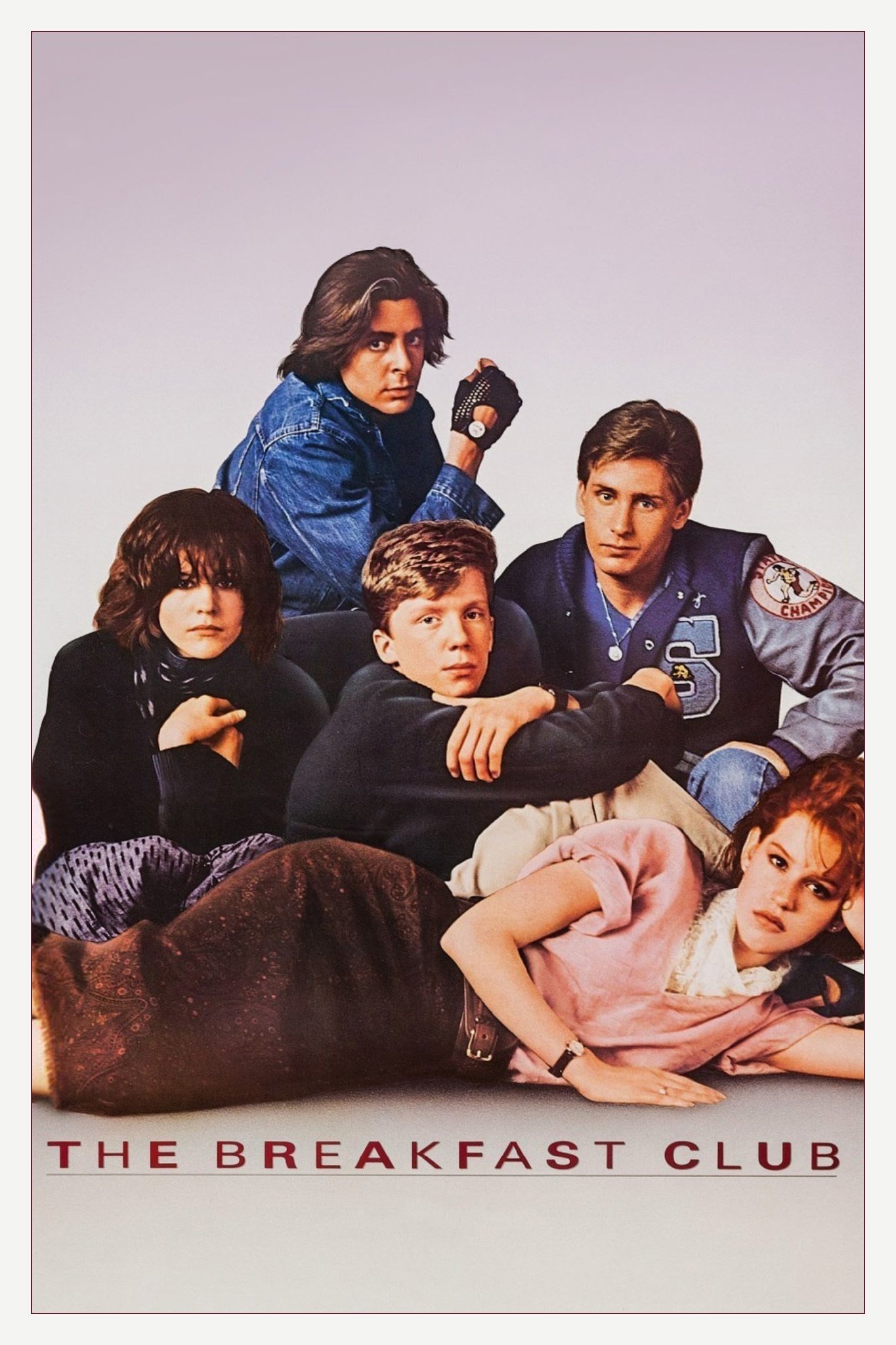
The Breakfast Club poster

The Breakfast Club

1985 · A gentler school rebellion, with teenage hostility slowly giving way to conversation.

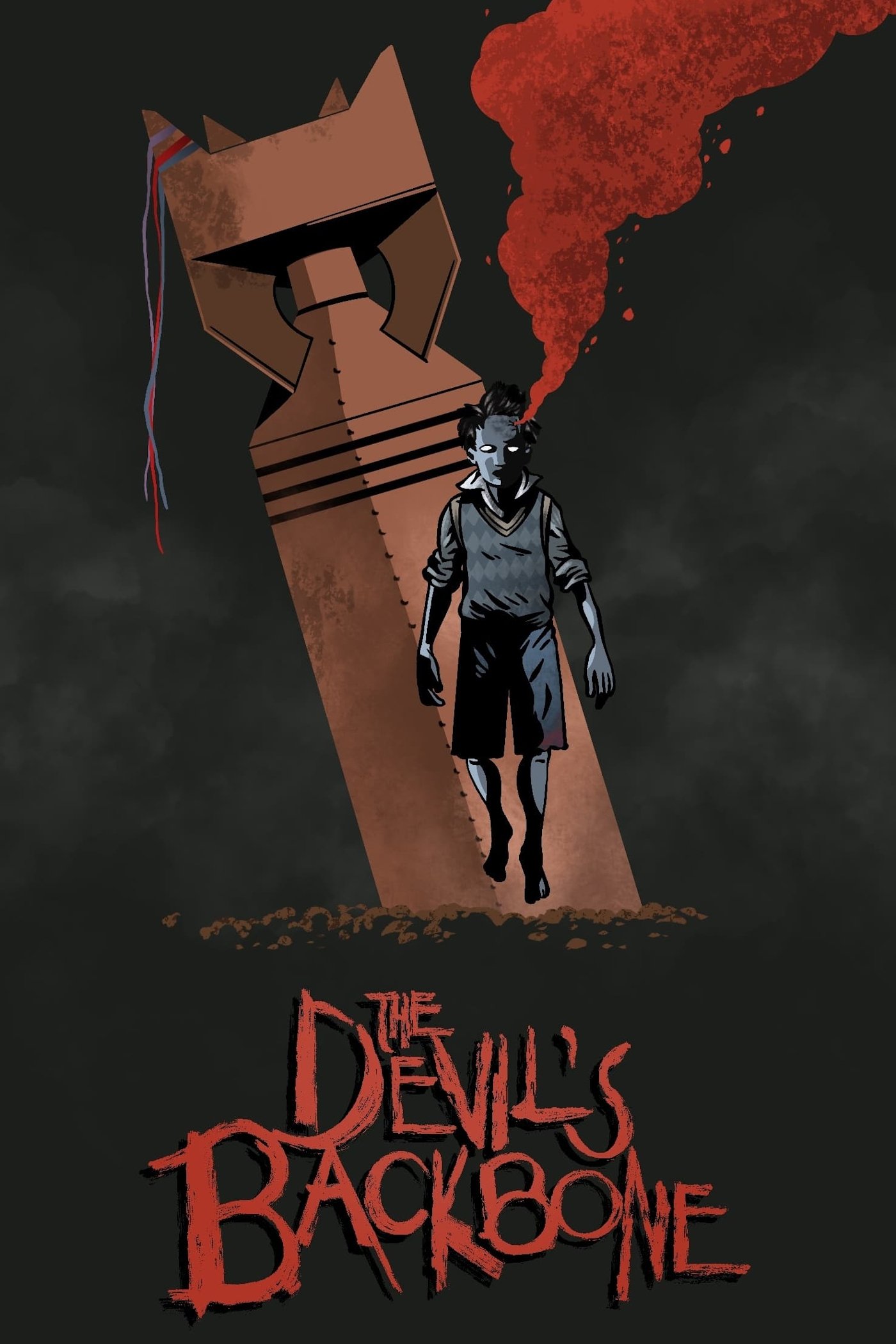
The Devil's Backbone poster

The Devil's Backbone

2001 · An orphanage becomes a frightening enclosure for childhood loyalties and adult cruelty.

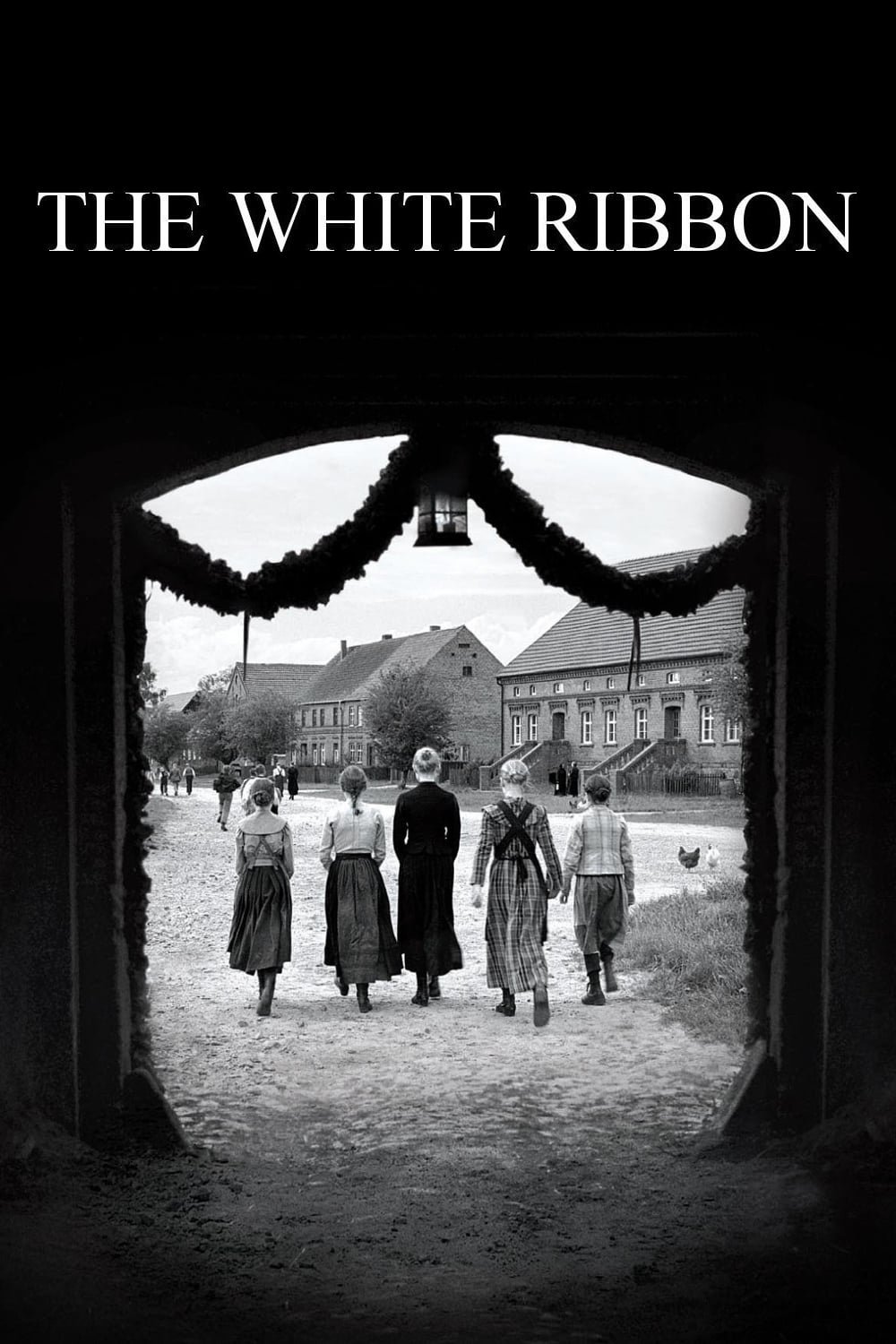
The White Ribbon poster

The White Ribbon

2009 · A village teaches its children obedience, then struggles to recognise the consequences.