Hayao Miyazaki’s fantasy makes a child’s work in a spirit bathhouse compelling, frightening and moving. Its wandering pace asks for patience, but we would recommend it to adults and children alike.
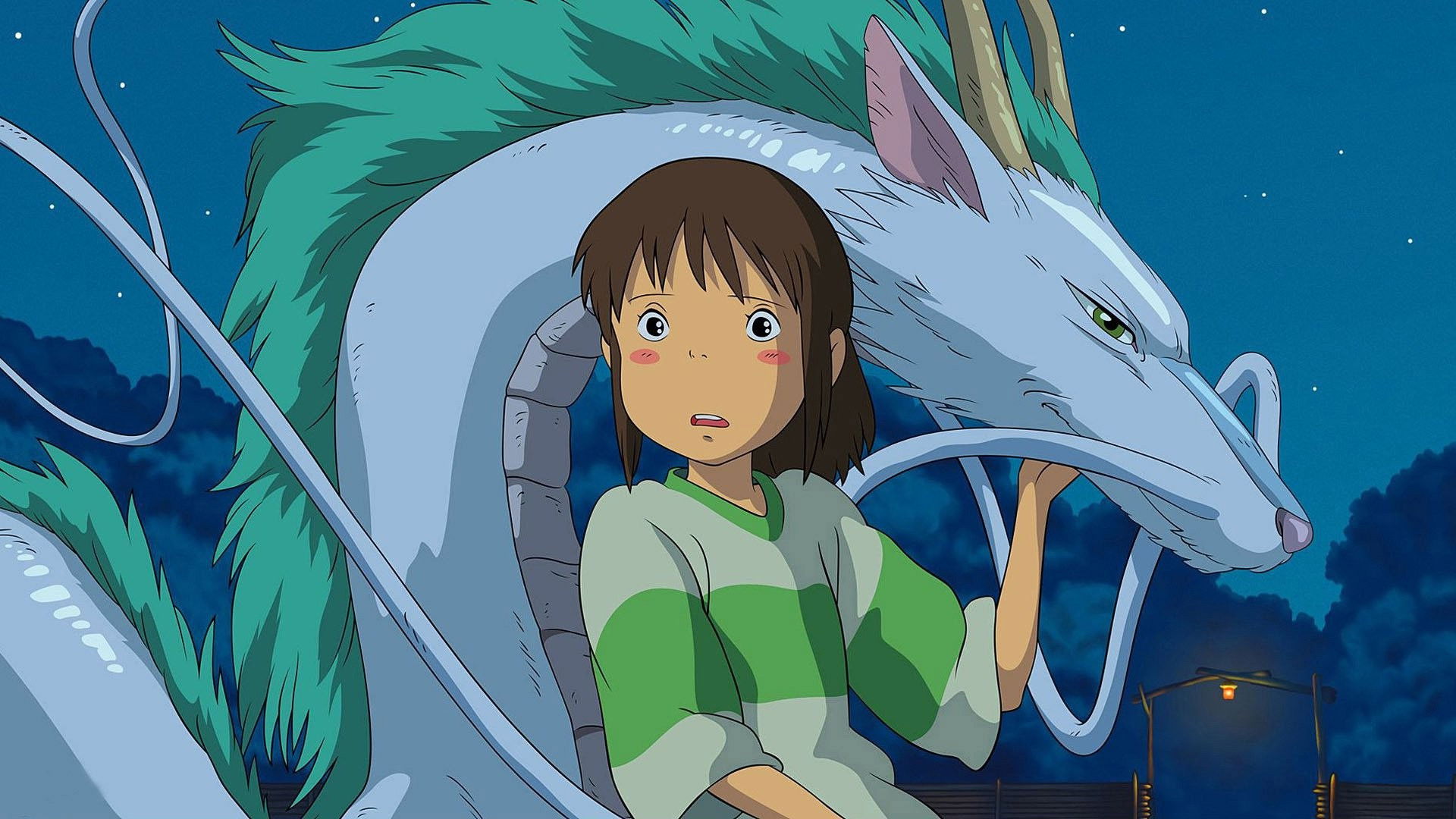
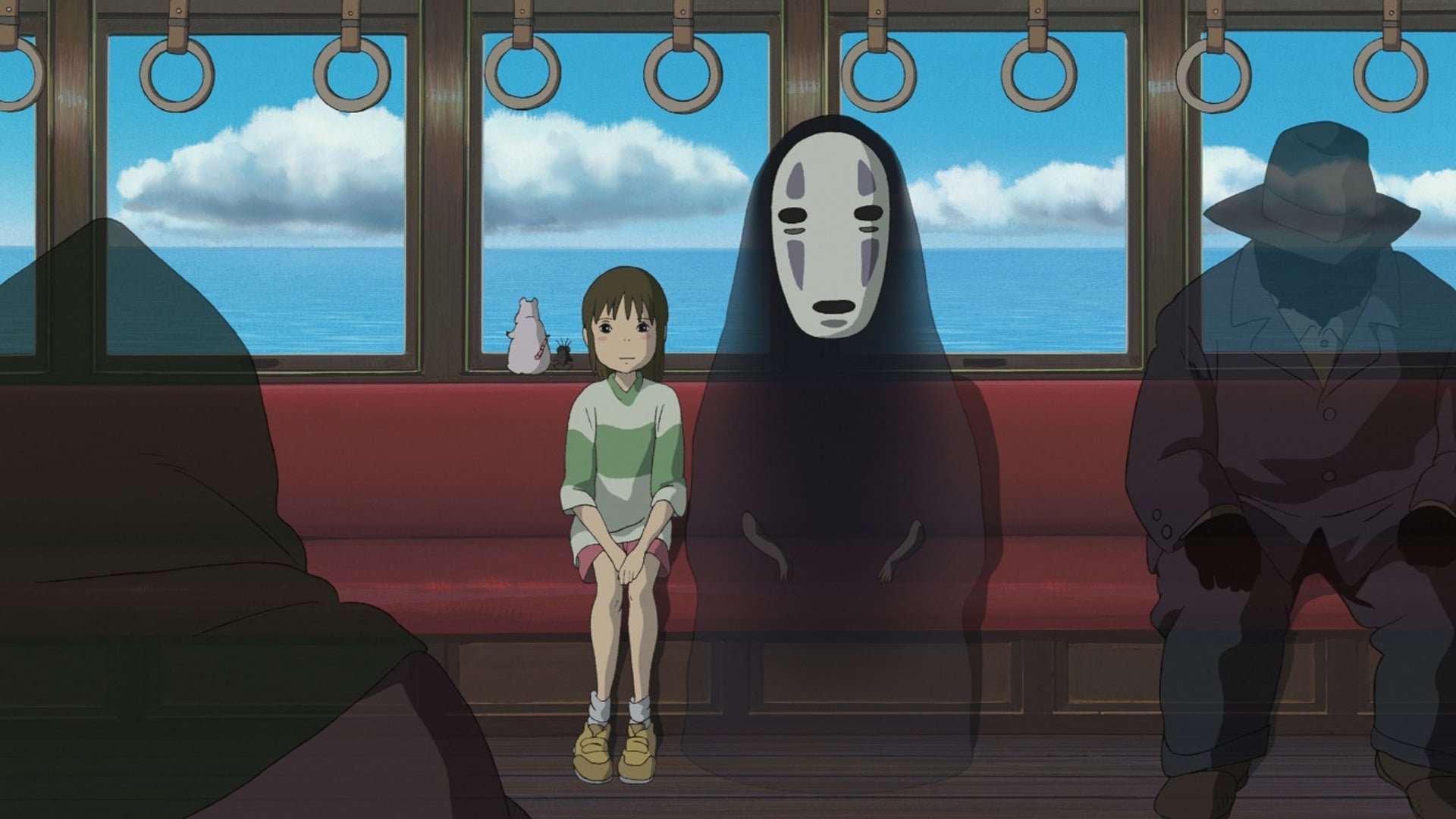
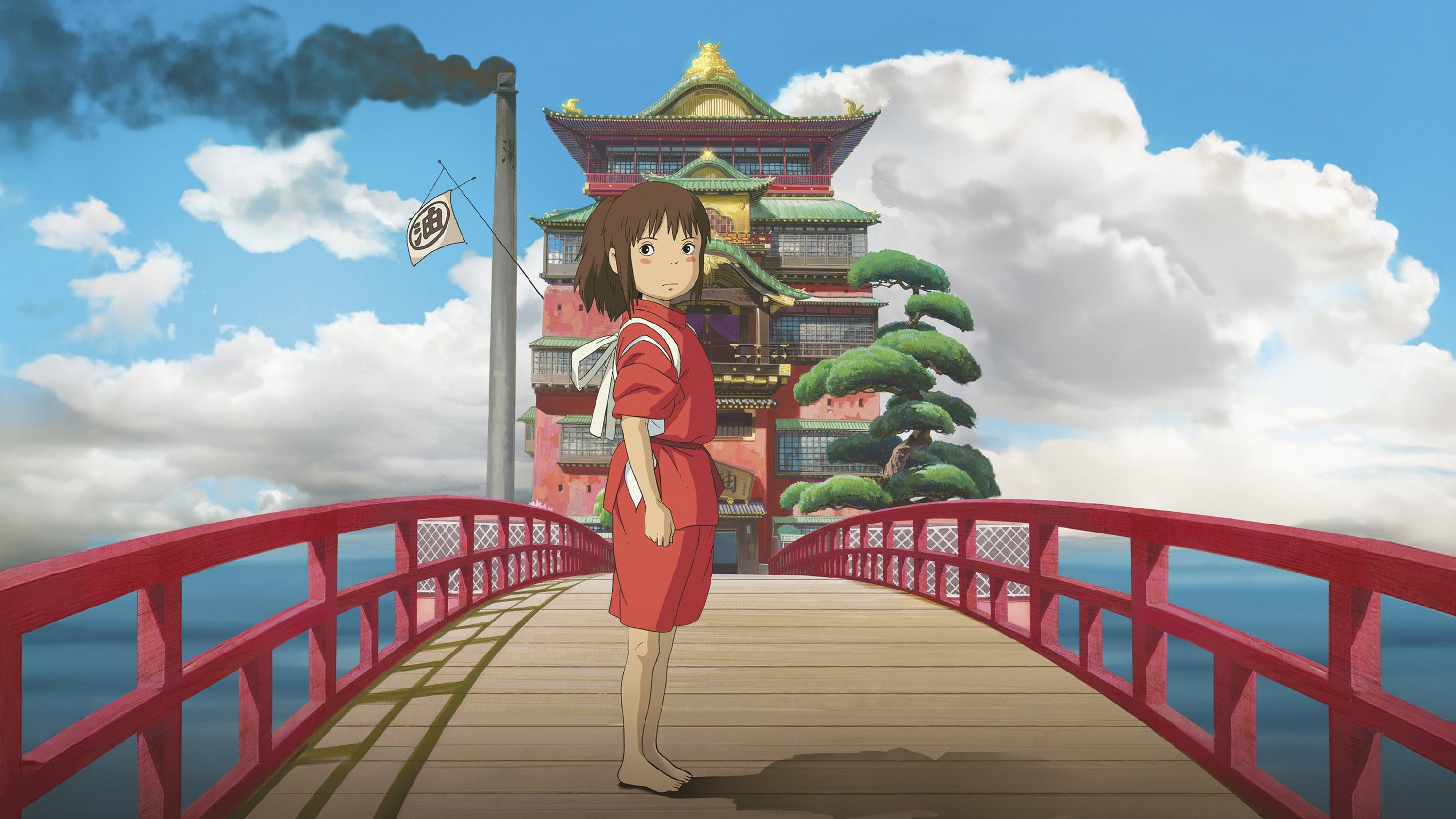
We would readily recommend Hayao Miyazaki’s Spirited Away to someone who never chooses animation. Its heroine, Chihiro, needs to find her way through a spirit world whose ways she cannot take for granted. Miyazaki, who also wrote the screenplay, takes her uncertainty seriously. For all the pleasure of exploring this place, the film keeps us conscious of how much there is for one girl to learn.
Rumi Hiiragi’s voice performance keeps Chihiro young enough to be unsure of herself, even when the story asks her to be resourceful. We can hear effort in her responses, which makes her growing confidence persuasive. The bathhouse gives that change a practical setting: Chihiro has work to do, and doing it helps her find a purpose. We were moved by Chihiro working in the bathhouse, because Miyazaki makes the effort of an inexperienced child worth watching without pretending it is easy.
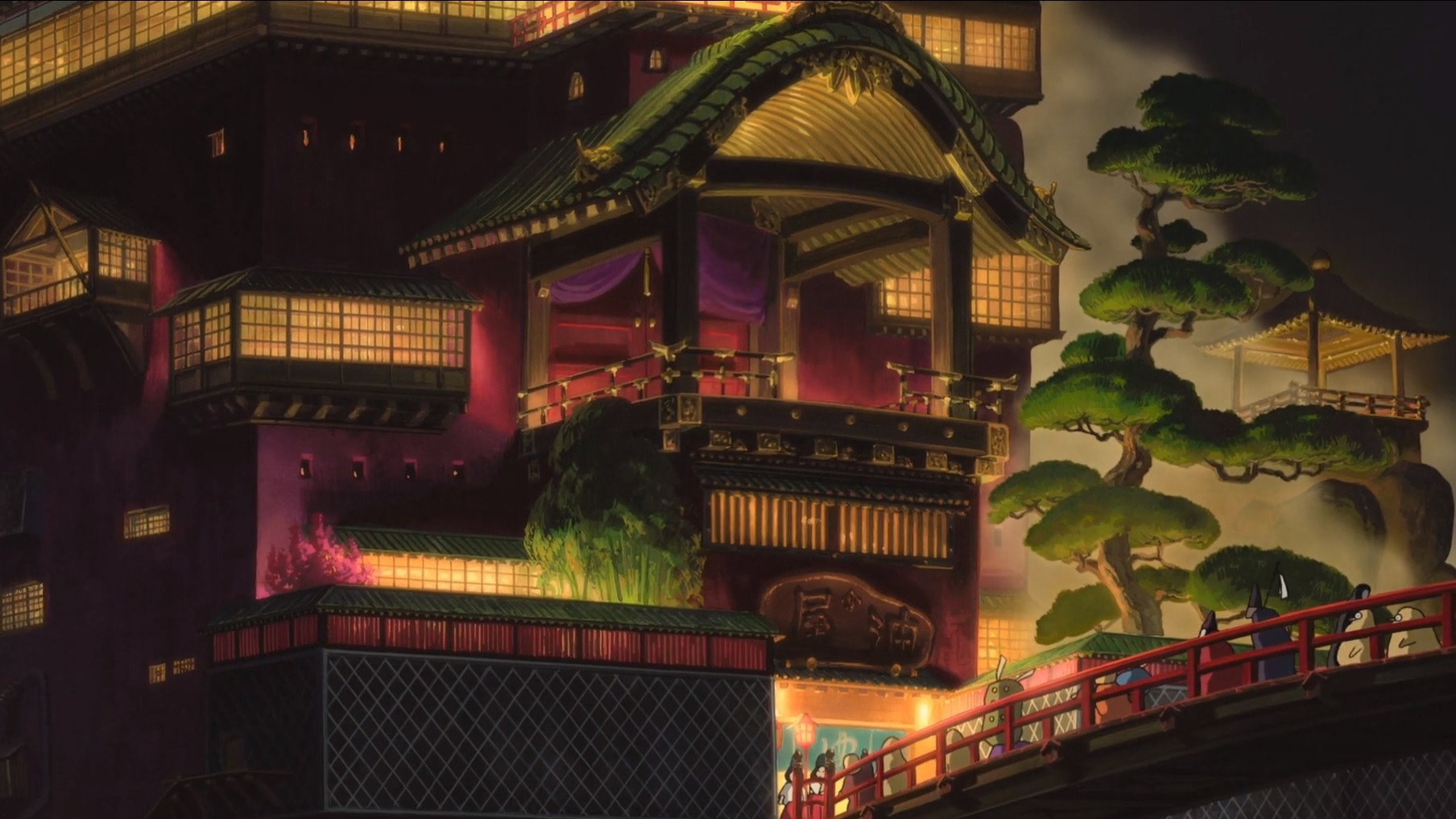
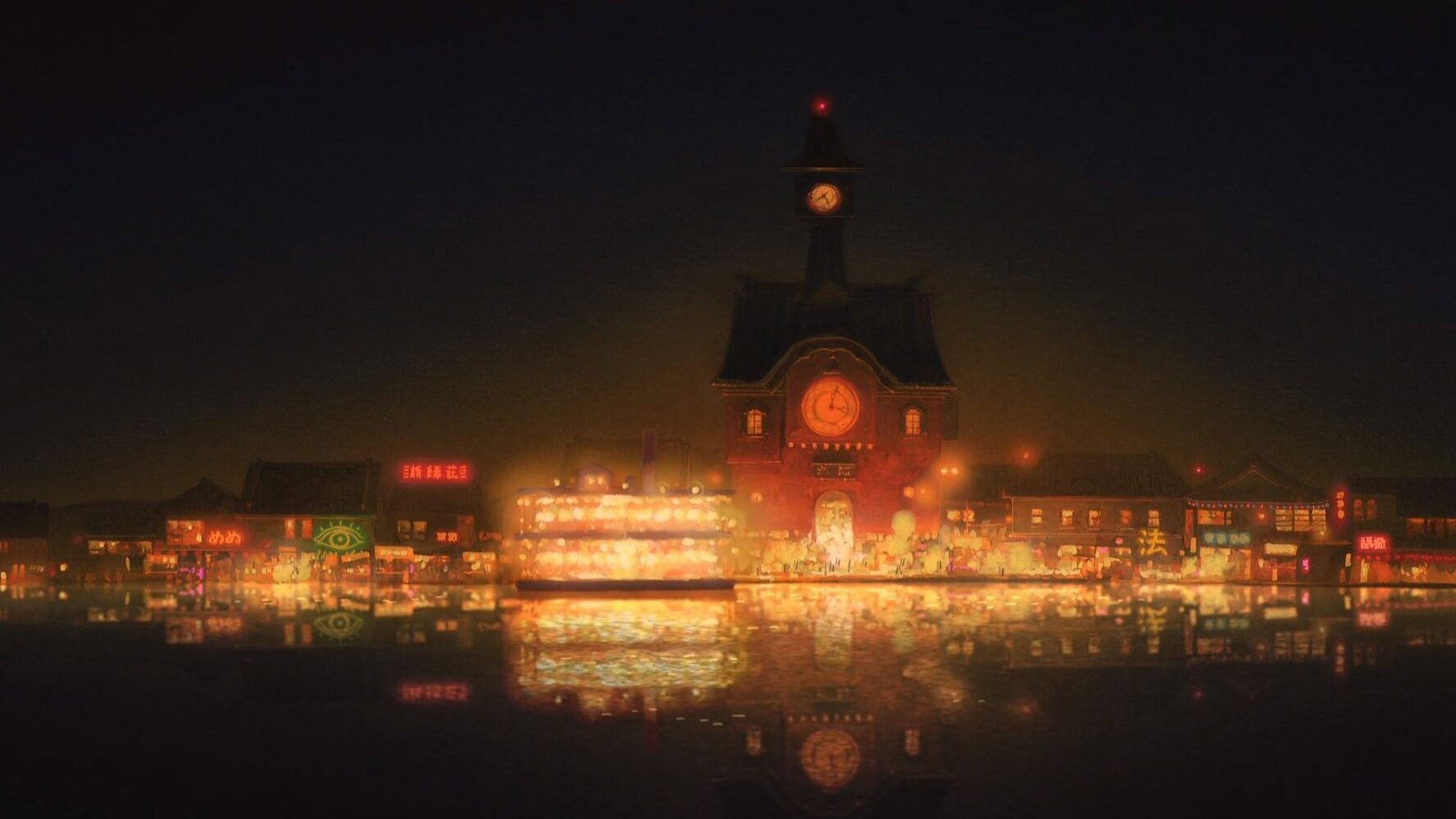
Atsushi Okui’s cinematography keeps Chihiro readable within the densely drawn bathhouse. The eye can enjoy the elaborate surroundings and still return to the girl trying to manage inside them. That matters because a fantasy becomes tiring when everything in the frame demands equal attention. The fluid, hand-drawn animation also gives these unlikely beings a convincing physical presence. Their movements tell us something about them, so we have more to watch than a succession of peculiar creatures being presented for inspection.
Takeshi Seyama’s editing lets the story follow the odd associations of a dream without making Chihiro’s situation feel inconsequential. There is time to become curious about the place, rather than simply wait for the next danger. Joe Hisaishi’s score keeps her vulnerability audible amid the busy images, giving the quieter emotions room to register. The music’s tenderness is welcome because Miyazaki has not made this a reliably comforting place.
The pace does slacken, and at 125 minutes the film asks for more sustained attention than every small child will have to spare. Seyama sometimes gives us longer to absorb a passage than we need. The movement between encounters can also leave us waiting for Chihiro to take charge again, however much there is to look at along the way. We wanted a little more urgency in those passages, particularly when our concern for her was stronger than our curiosity about her surroundings.
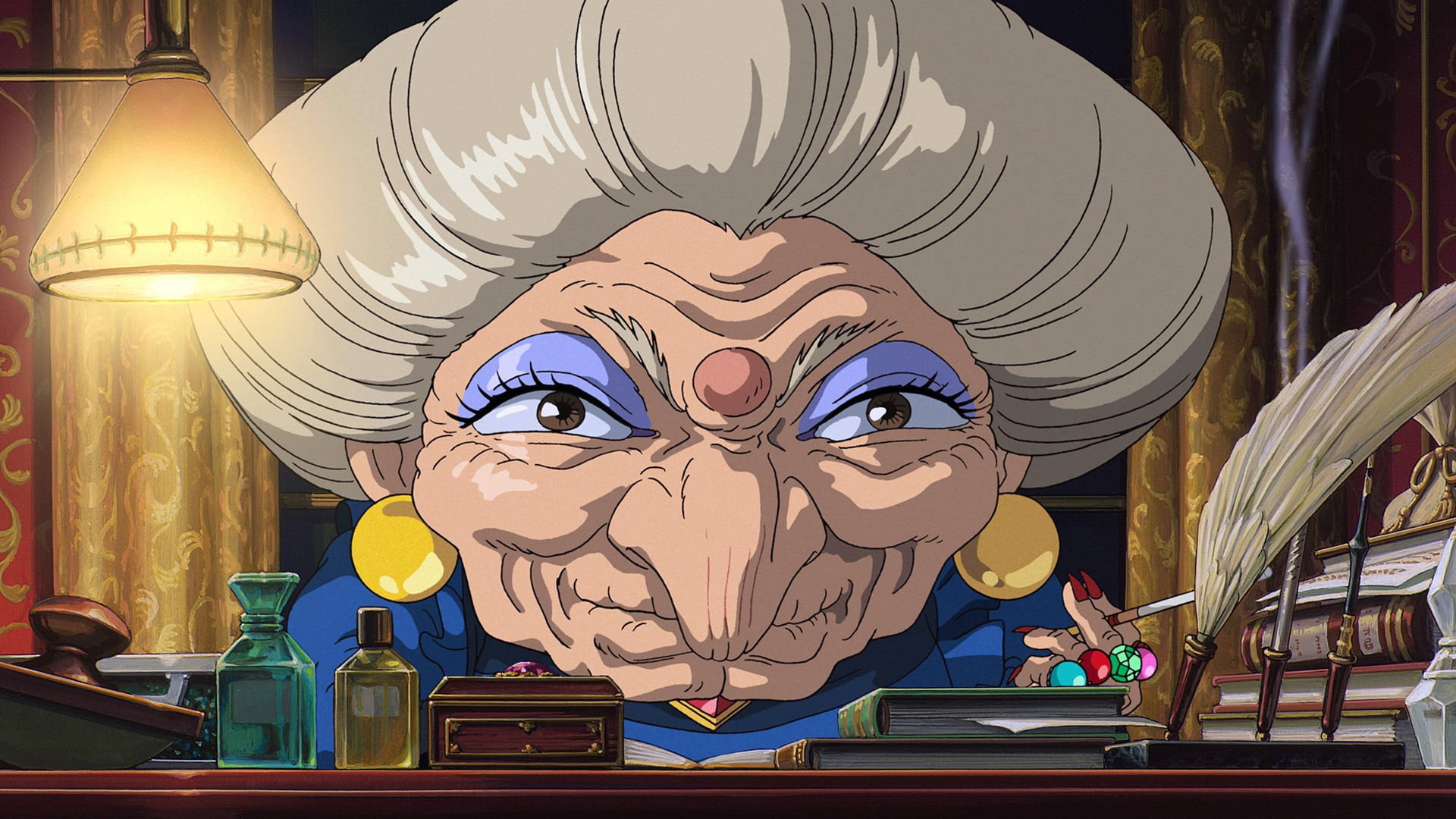
Miyazaki allows the spirits to be difficult to judge, which makes Chihiro’s trust matter. We cannot assume we understand someone simply because of the way they have been drawn, and that uncertainty keeps the encounters interesting. The concern with greed is clear enough, but the film is more engaging when it lets Chihiro learn through the demands of her work. Family adventures can make growing up sound like a matter of discovering special gifts; here, the process includes having to be useful.
It carries a PG certificate, though the unfamiliar creatures and uncertain rules may be a lot for a small child to take in. We would rather watch it together than treat it as something to occupy the youngest person in the house. Allow time afterwards for questions, particularly if a child is watching with you.