Hayao Miyazaki’s small-scale fantasy is funny, patient and unusually attentive to children. The adults can seem too agreeable, but we recommend it warmly to anyone who remembers how seriously children take the things they find.
We recommend My Neighbor Totoro warmly, with a small reservation about how agreeable its adults can be. Hayao Miyazaki, who writes and directs, follows two sisters as they move house and encounter forest spirits. He gives the new home and the creatures much the same attention, allowing the girls time to become curious about both. It is a patient way to tell a family story, and a rewarding one. The film finds enough to interest us in the sisters’ affection, their boisterousness and the unfamiliar things around them.
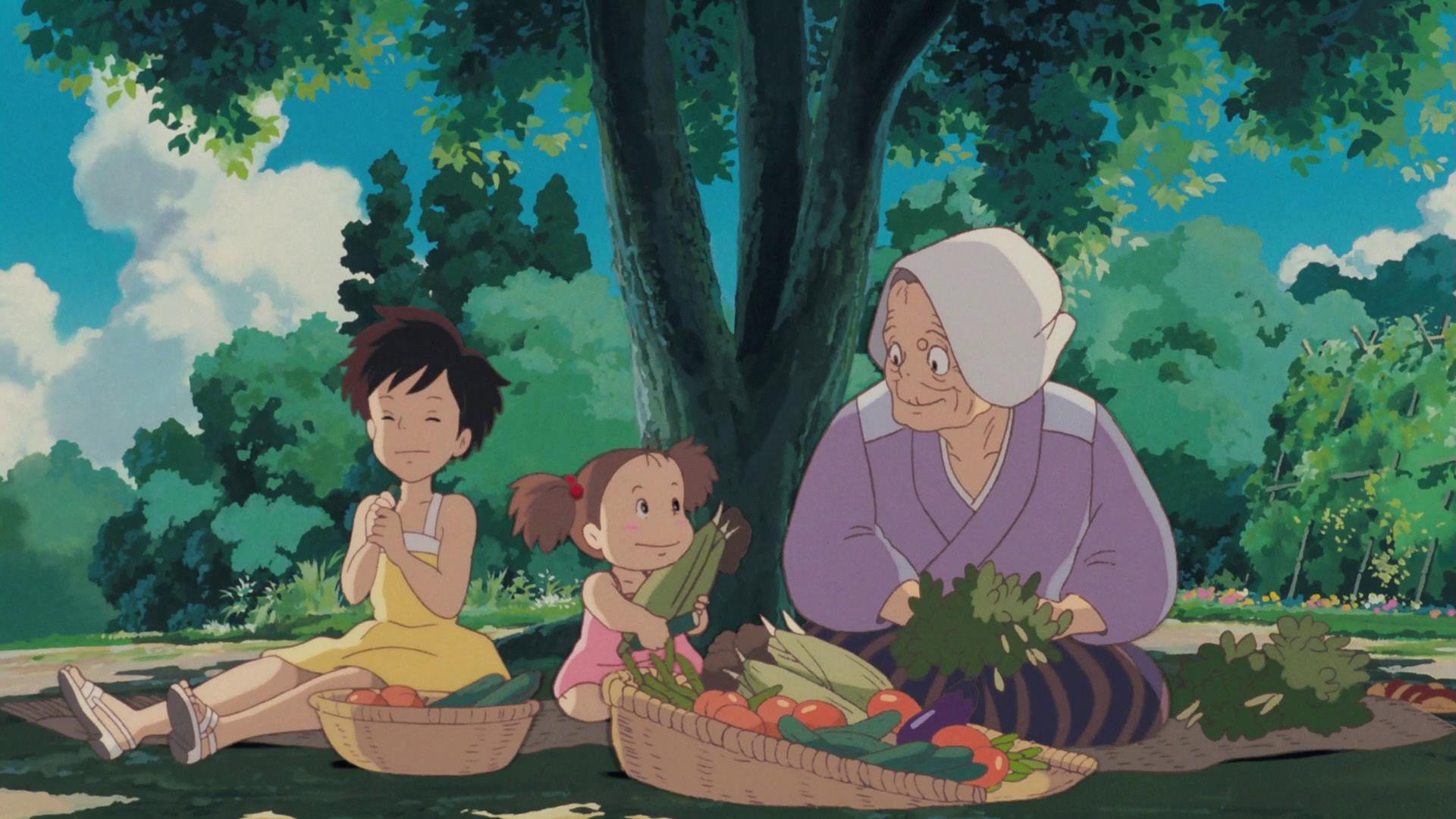
Noriko Hidaka voices Satsuki Kusakabe and Chika Sakamoto voices Mei, and the pair make the sisterly bond feel comfortably untidy. The affection does not prevent either child from being noisy. Mei is especially persuasive: the animation gives her curiosity such physical force that she seems incapable of taking a mild interest in anything. We laughed at her boisterousness, which Sakamoto’s voice and the animated performance make difficult to resist. Miyazaki gives her enthusiasm room rather than continually correcting it with an adult’s response.
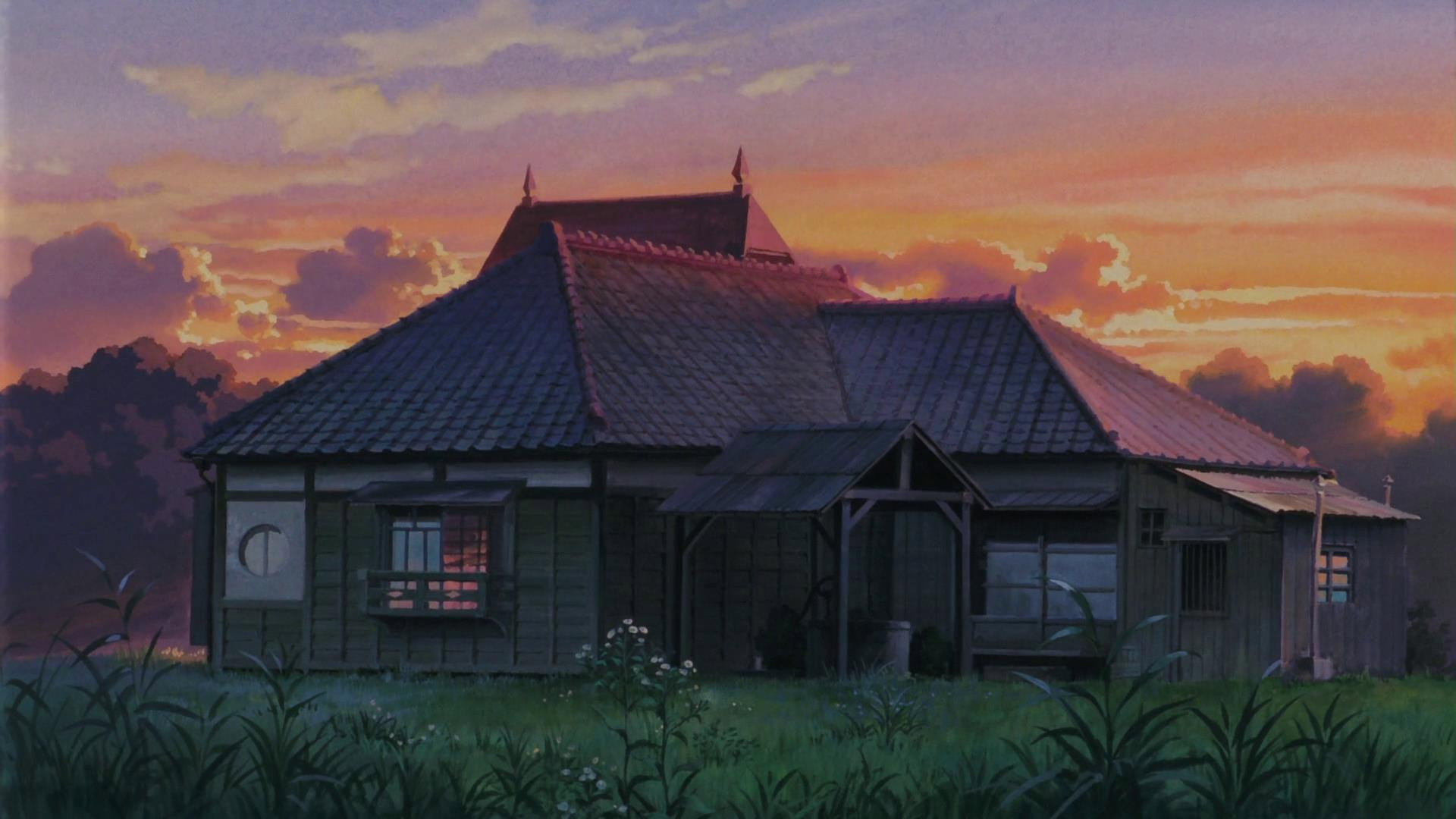
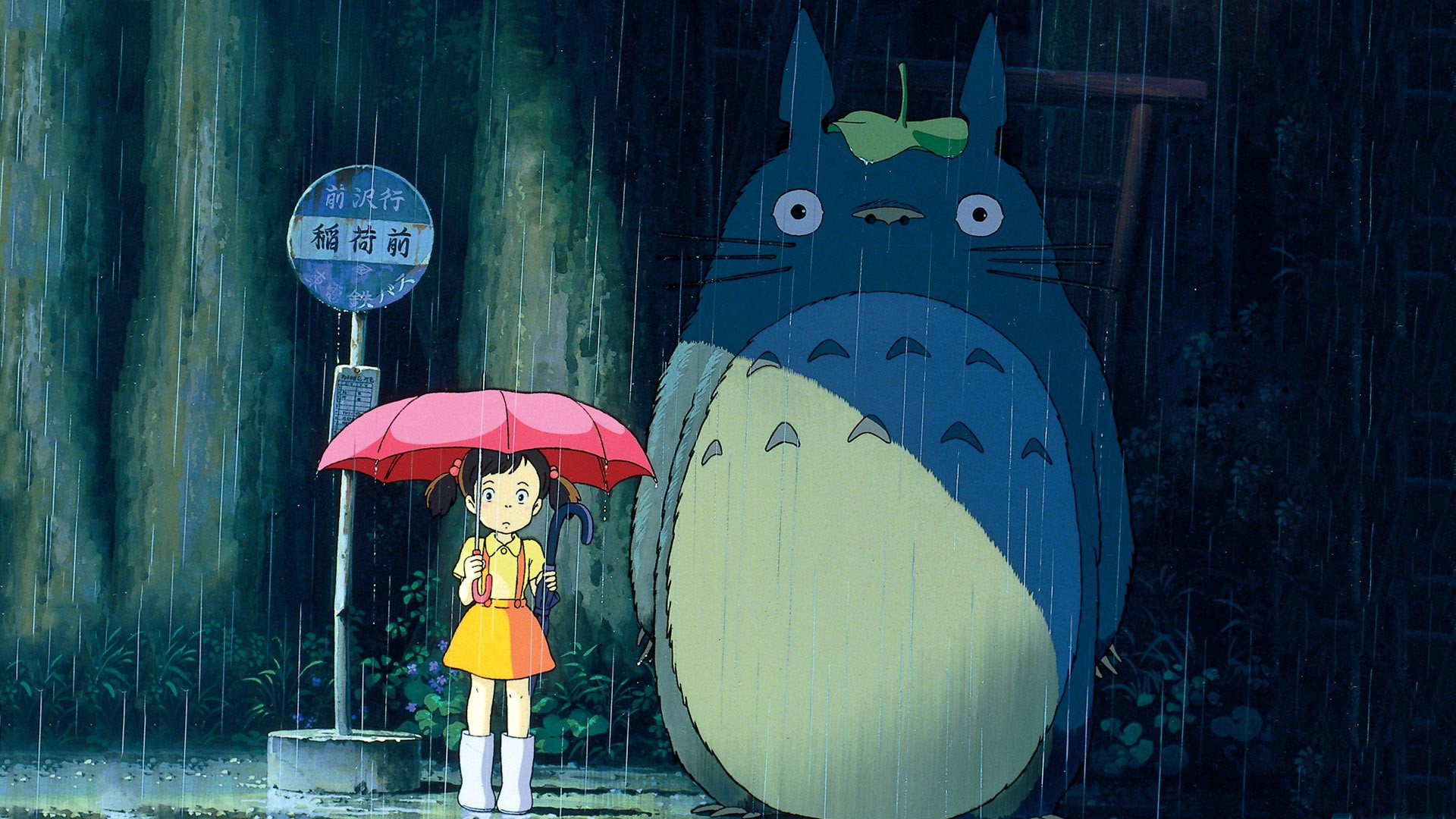
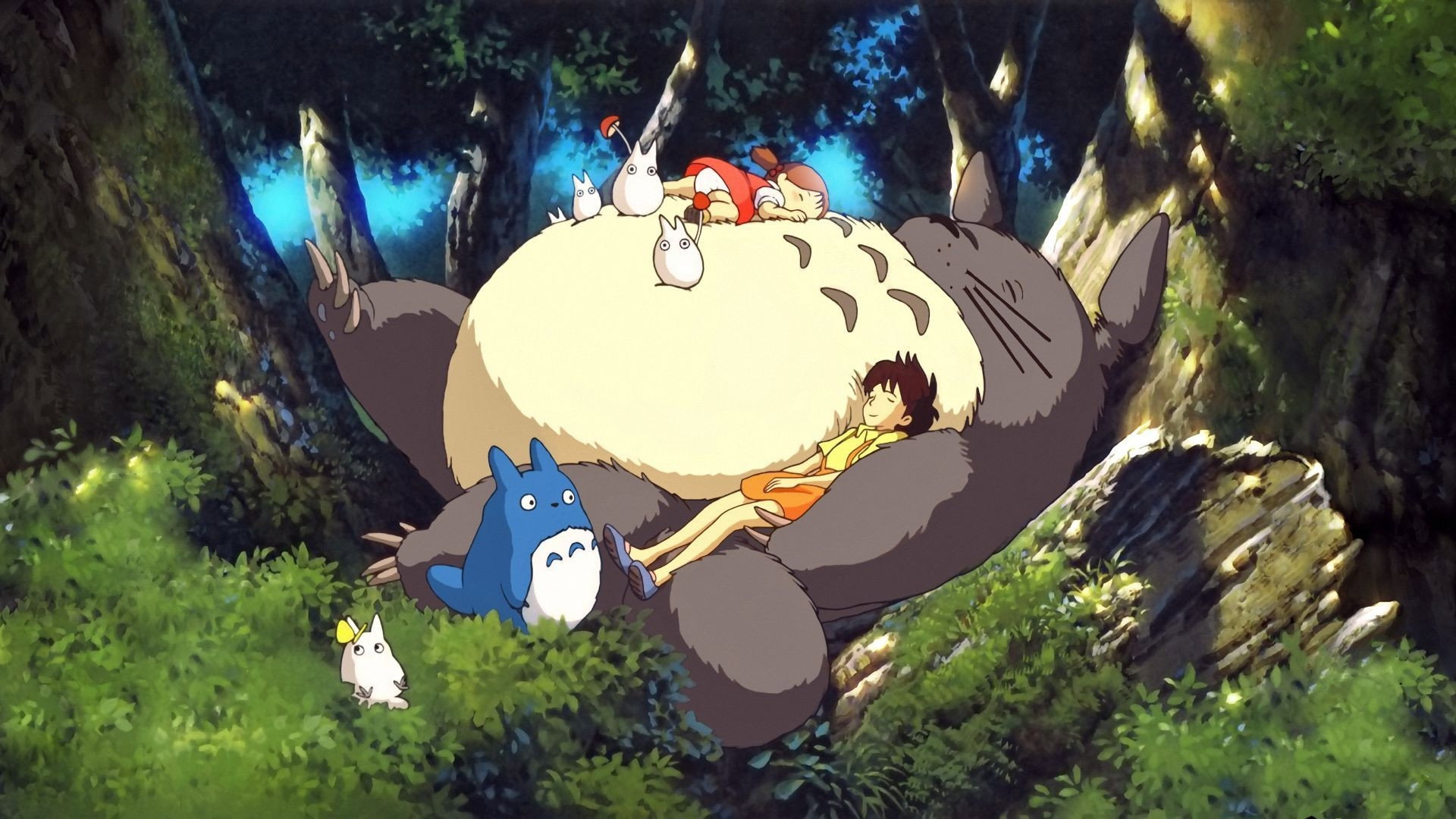
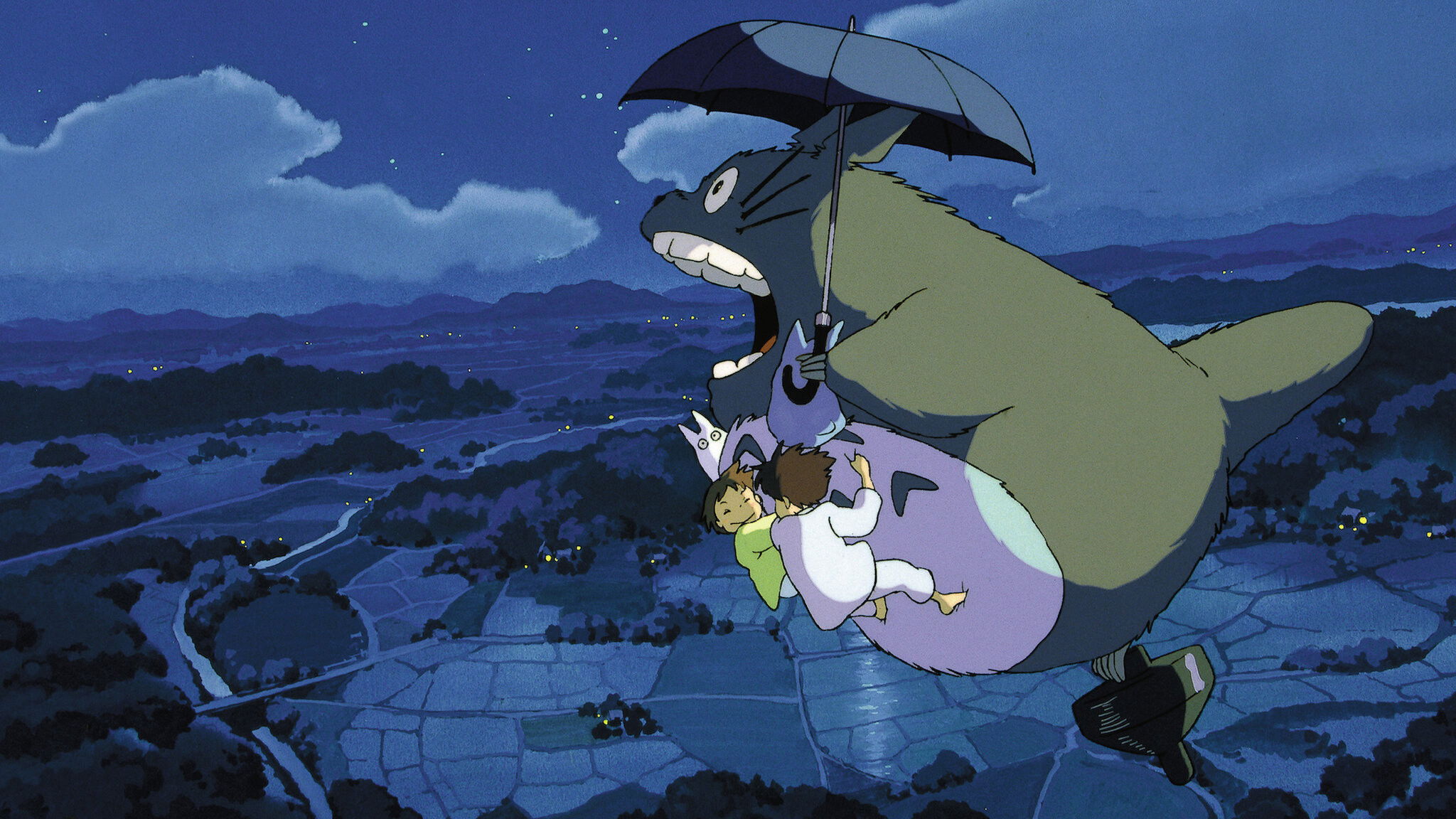
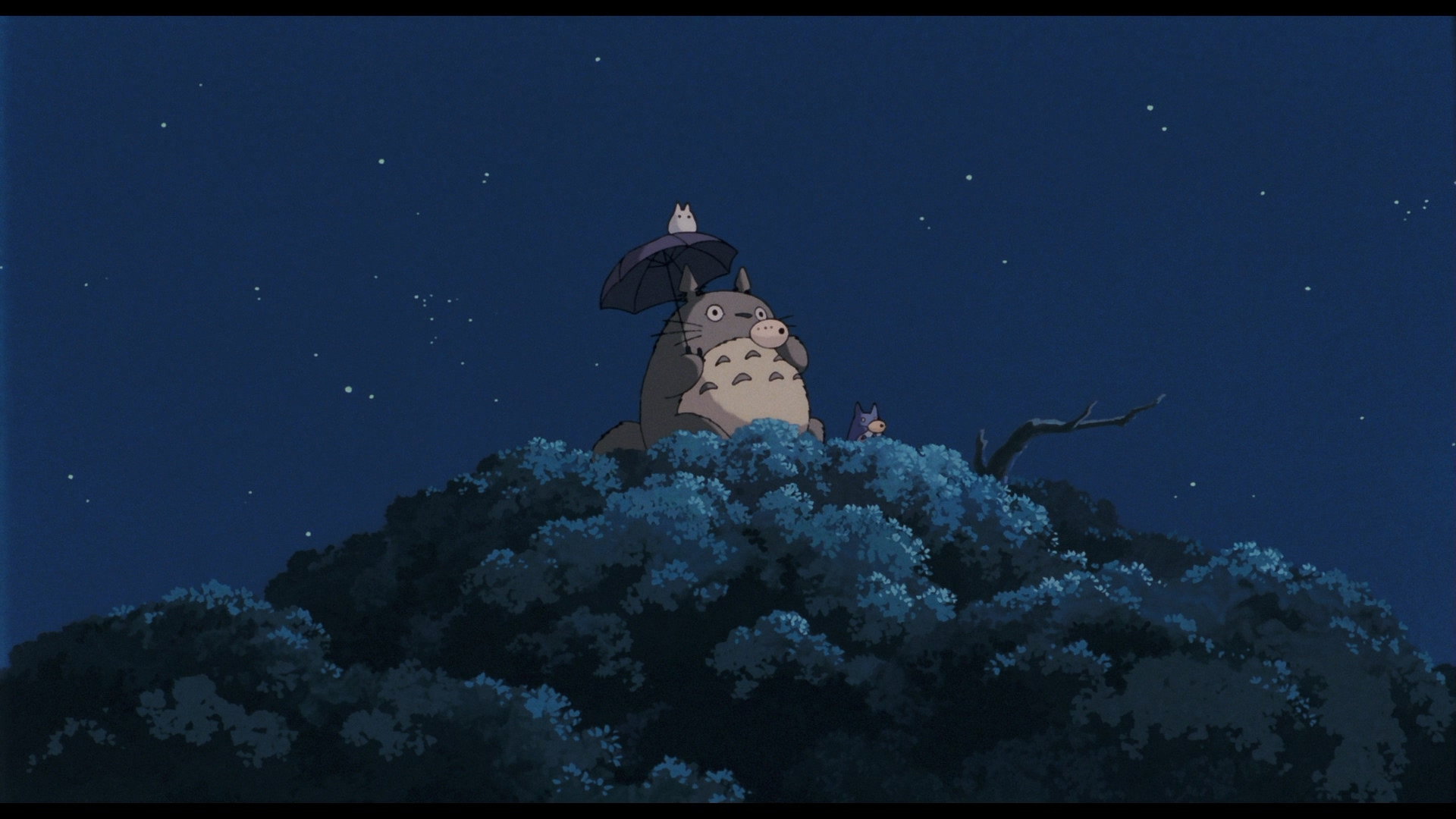
Hisao Shirai’s photography keeps the simple hand-drawn images clear, so that the children remain easy to read within their pastoral surroundings. The backgrounds invite attention without making the figures look like an interruption, and that matters in a film so interested in childhood curiosity about nature. Totoro’s approachable design also does useful work: the sisters’ wish to befriend him makes immediate sense. There is enough strangeness left in the creature to keep the encounter from feeling entirely cosy. Hitoshi Takagi supplies his voice.
Takeshi Seyama’s editing leaves space around the encounters, letting the sisters’ interest in what they find establish the pace. We have time to look alongside them, and the quiet stretches seldom feel like waiting for the story to resume. Joe Hisaishi’s bright music is a large part of the pleasure, giving the discoveries a lift without insisting that each is momentous. Occasionally its sweetness makes the family scenes feel a little too comfortable. The running time is 86 minutes.
The adults are the weaker company. Miyazaki’s fond view of family life leaves them less individual than the children, and some of the dialogue feels stiff beside Mei’s animation. We would have welcomed a little more awkwardness from the grown-ups; their reassuring presence can make the family seem tidier than it needs to be. That sweetness is the chief caveat for anyone resistant to an affectionate portrait of childhood. The sisters are observed closely enough that the film rarely becomes as sugary as it threatens to.
For a family fantasy, the absence of a villain or a contrived succession of obstacles is a considerable virtue. Miyazaki trusts the children meeting unfamiliar creatures to hold our attention, and their curiosity proves sufficient. There is pleasure in finding a film that does not keep interrupting them to announce what they should learn from the experience. It asks for a little patience from anyone accustomed to a busier sort of animation. Choose it for a family evening when nobody needs another battle to sit through.