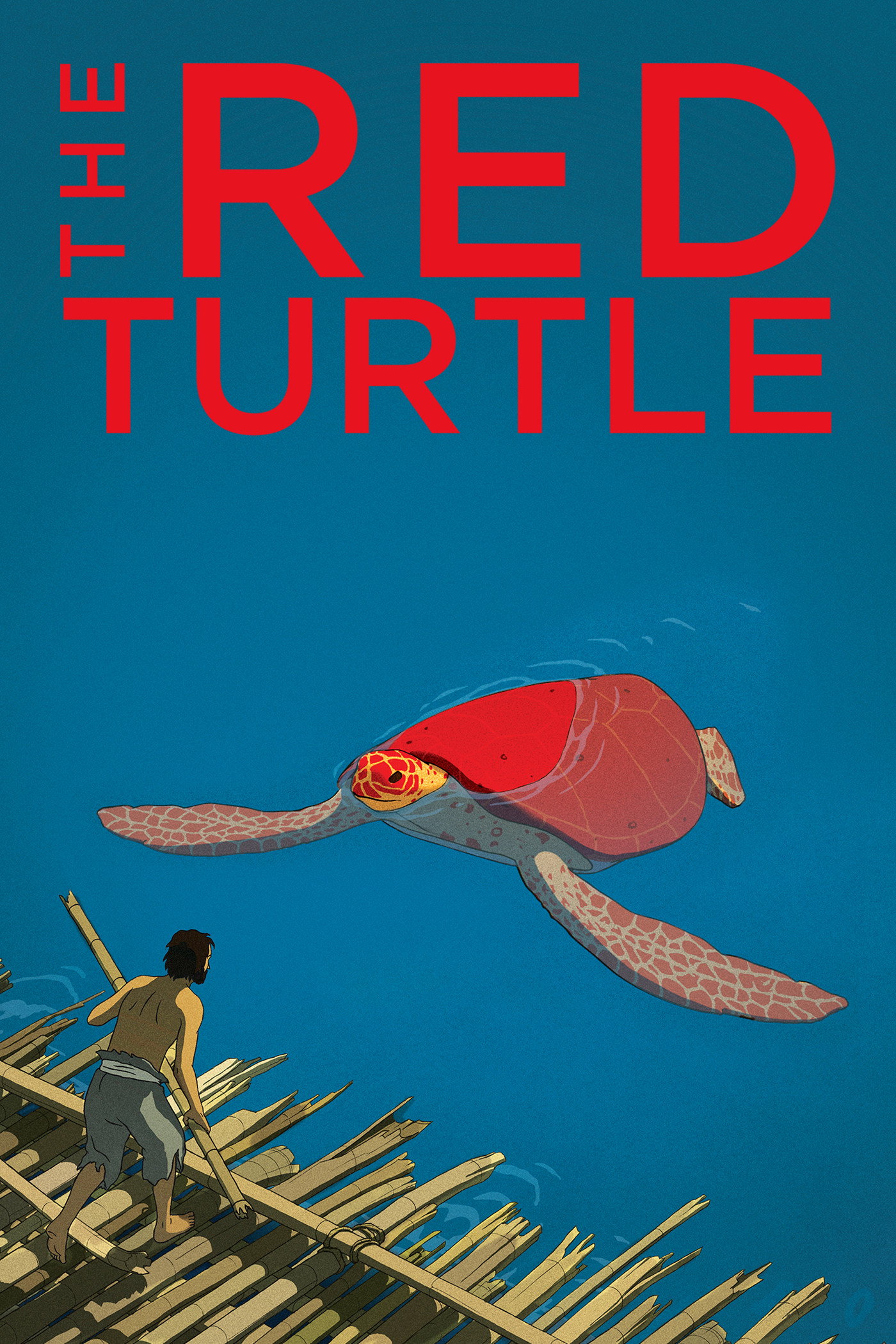
Tomm Moore’s second film draws Irish folklore in watercolour and uses it to tell a story about a grieving family. The middle sags and the magic’s rules are loose, but we recommend it, to adults as much as children.
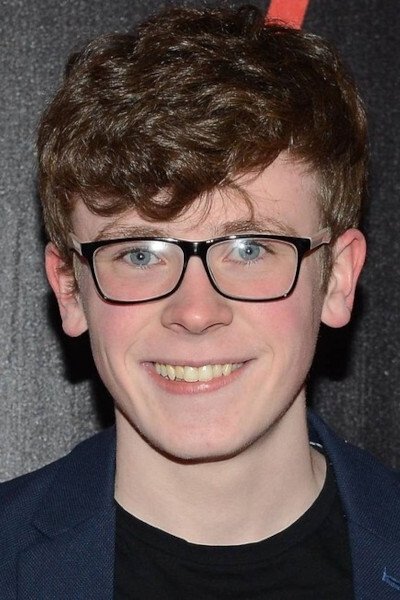
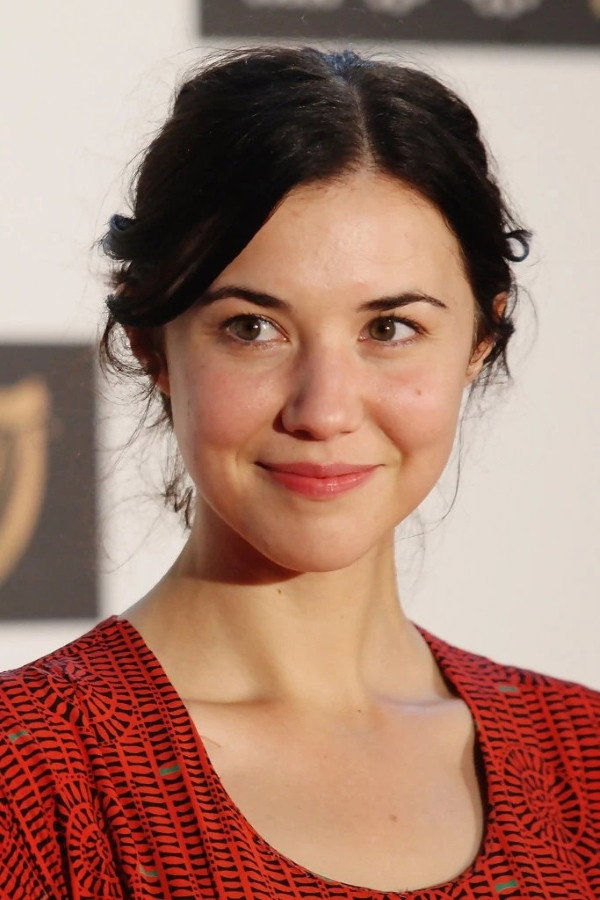
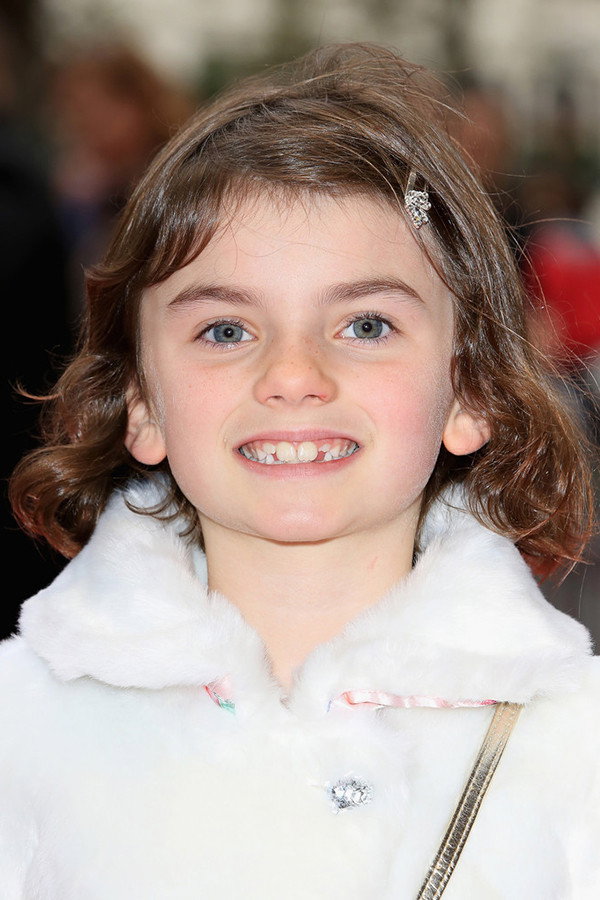
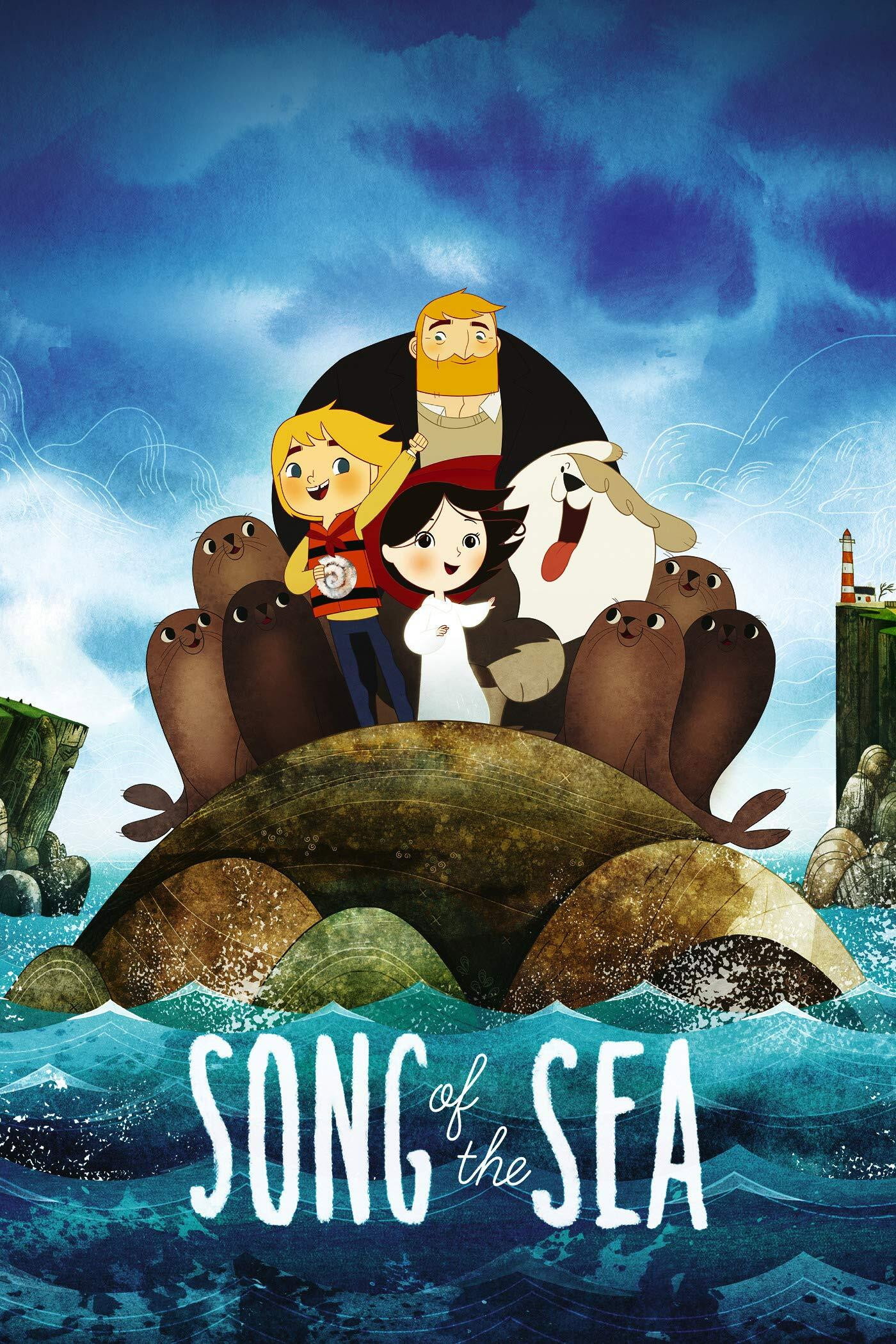
Tomm Moore’s Song of the Sea tells its family story through Irish folklore, with the children’s feelings given as much weight as the magic. Ben (David Rawle) and Saoirse (Lucy O’Connell) give the film its emotional centre, and their relationship matters more than keeping every magical rule straight. It is a handsome, moving family film with a wandering middle. We recommend it warmly, with some patience required when the mythology becomes difficult to follow.
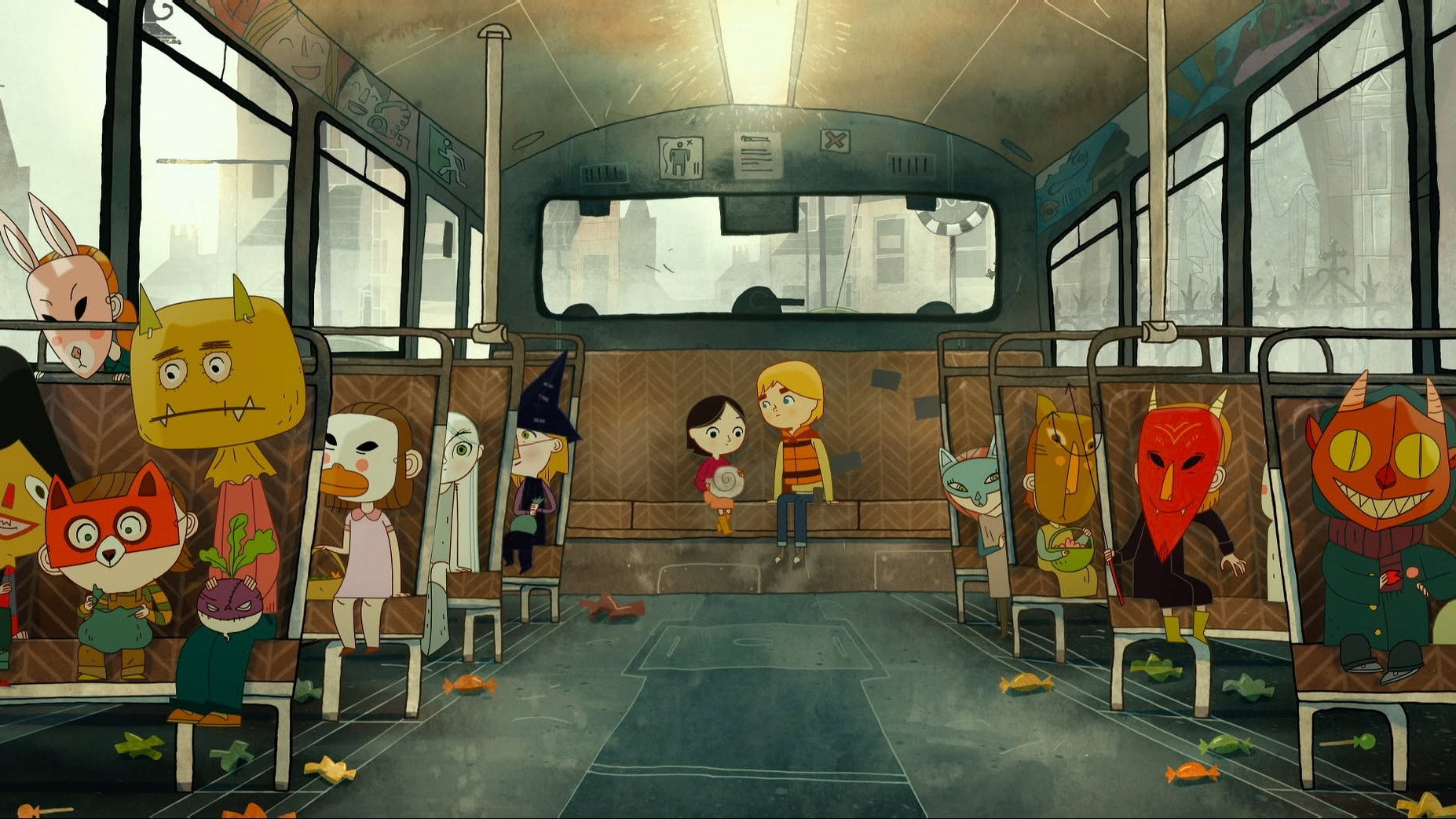
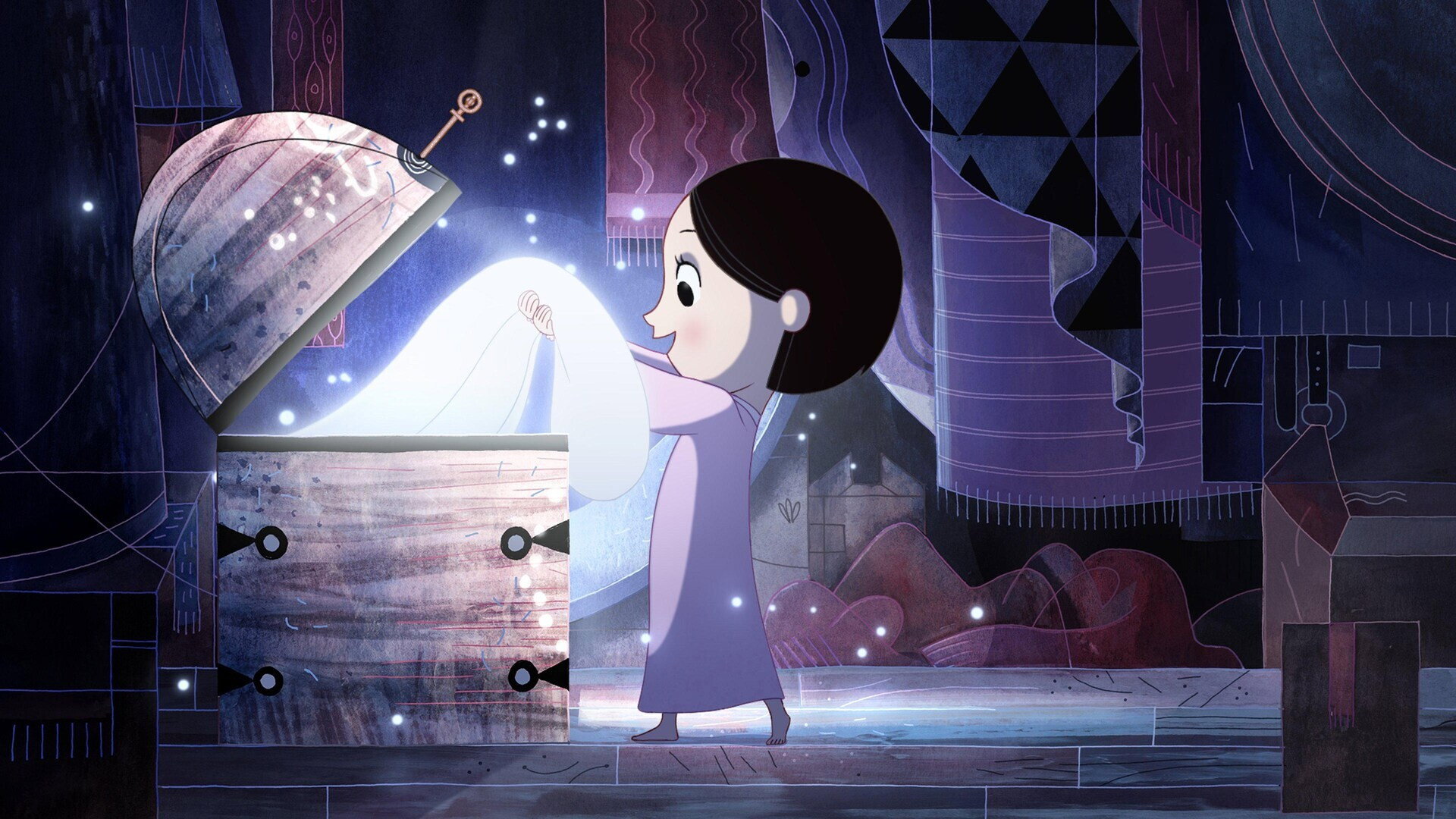
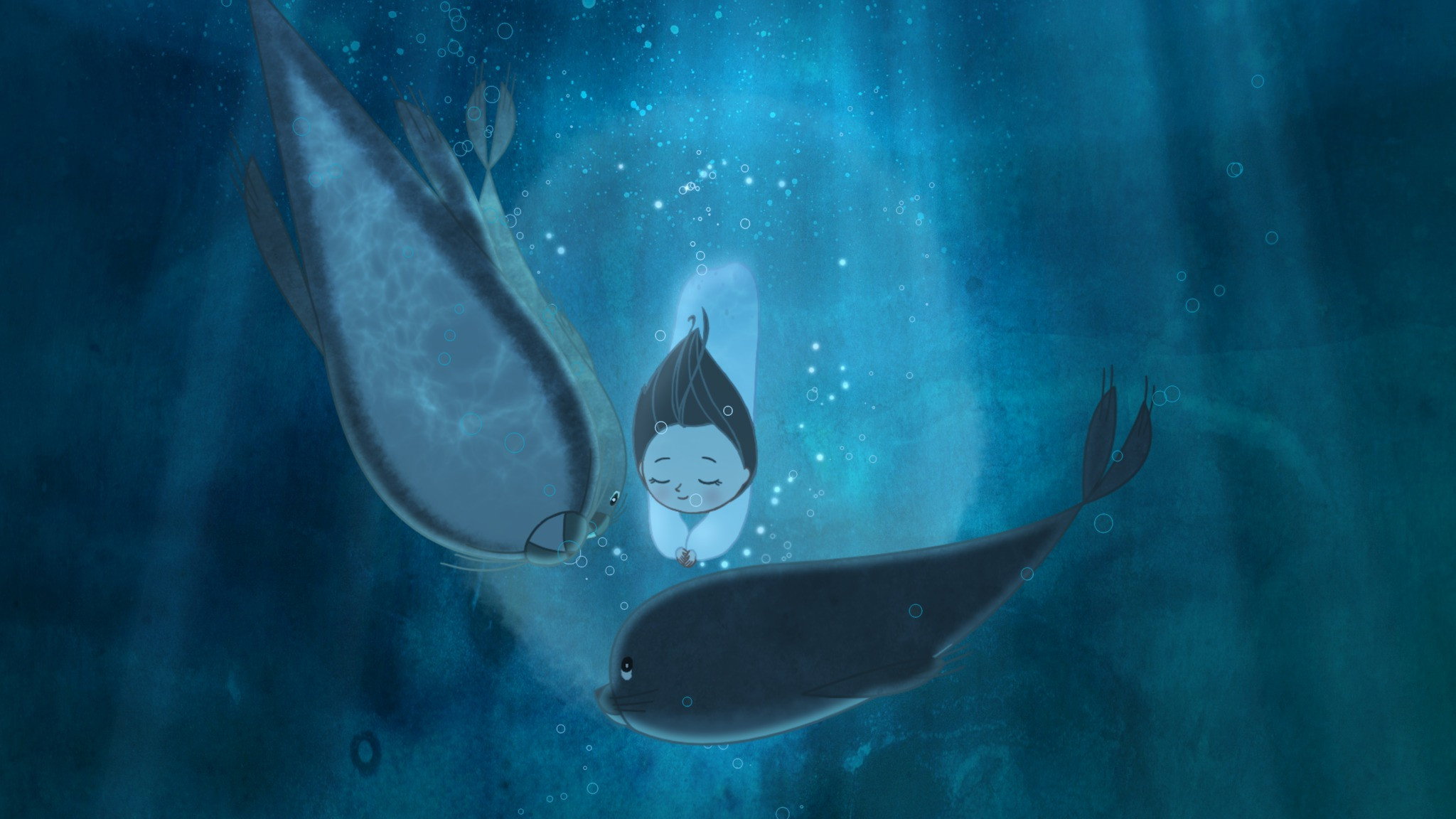
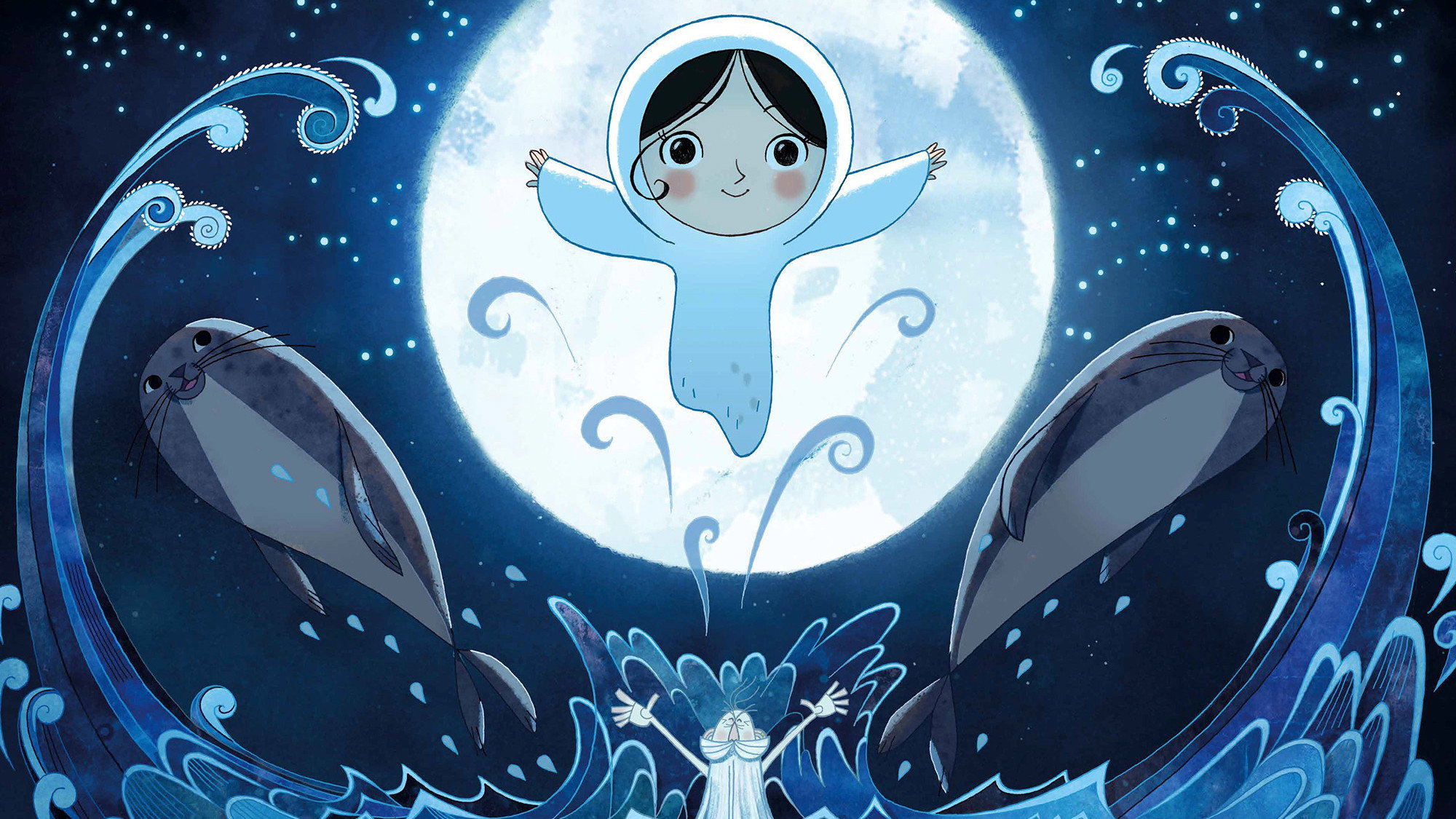
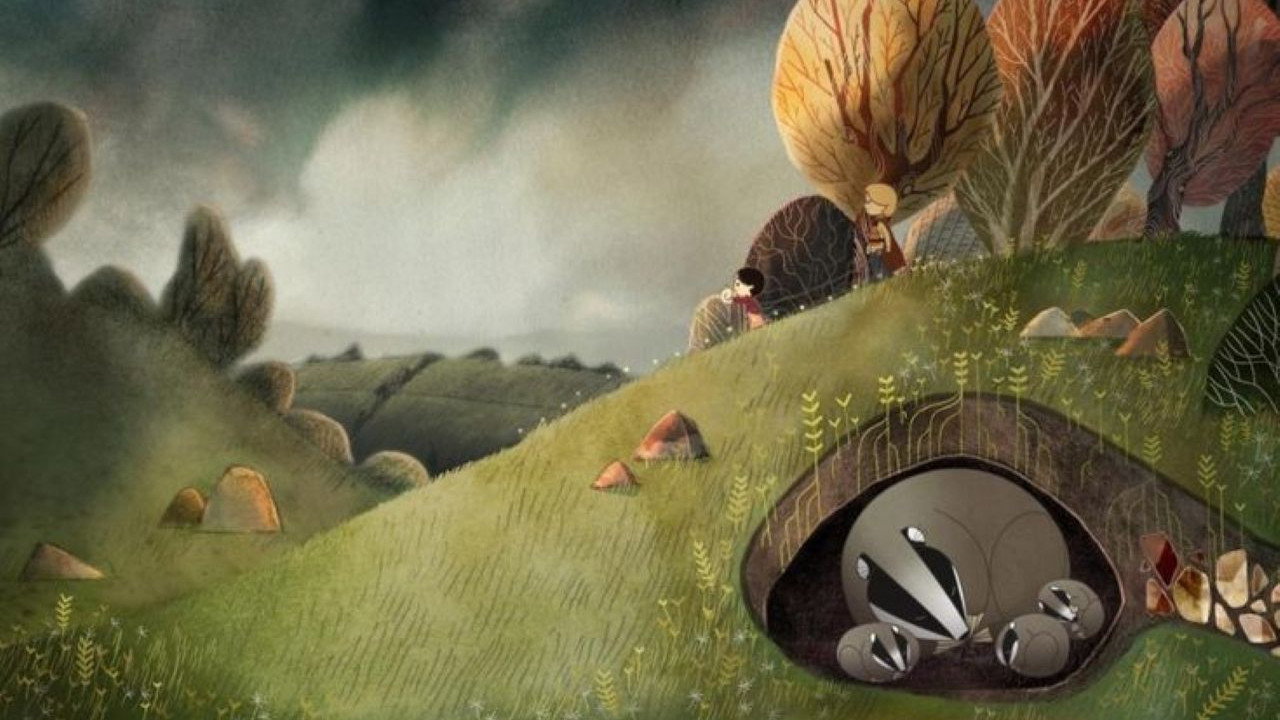
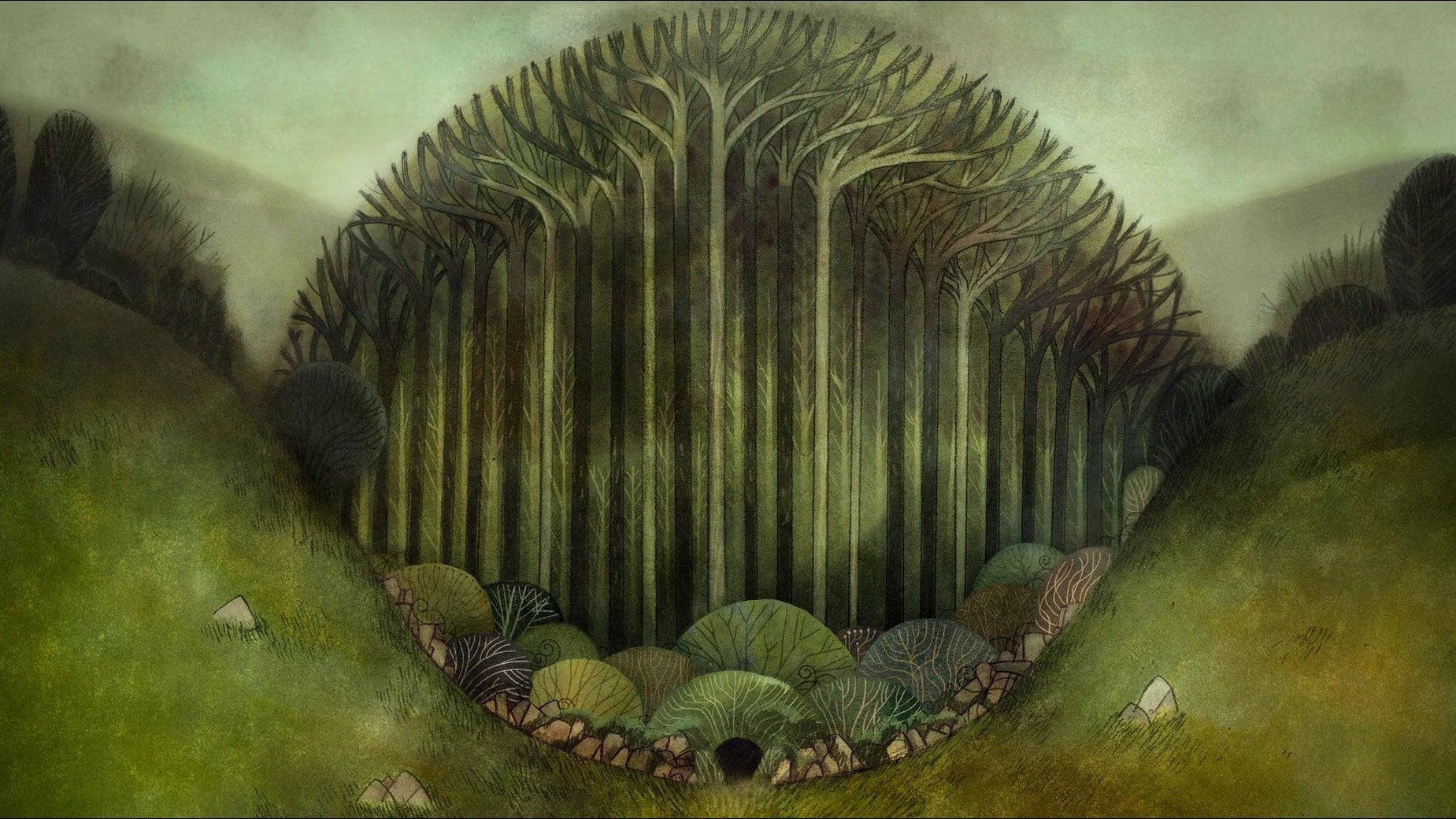
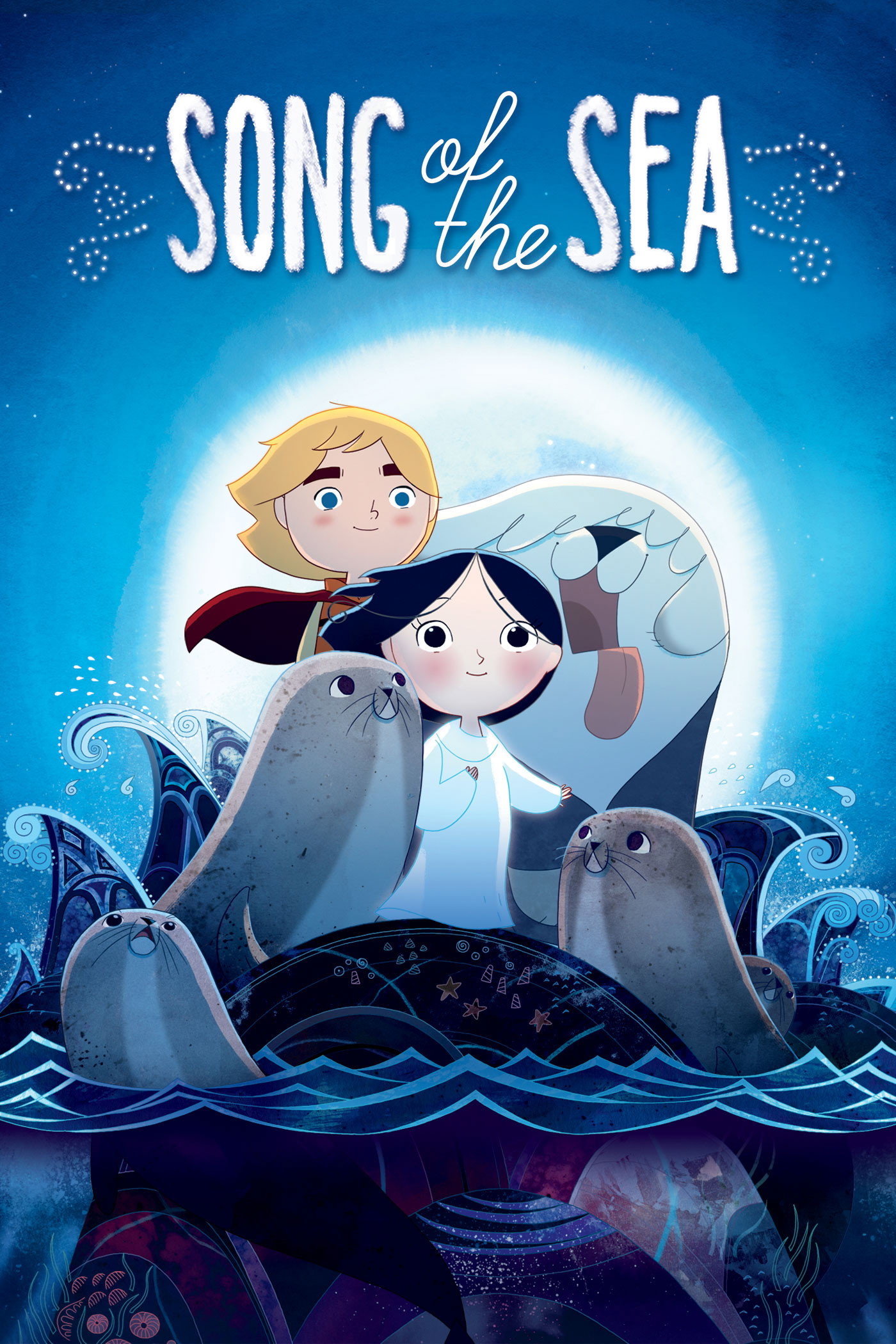
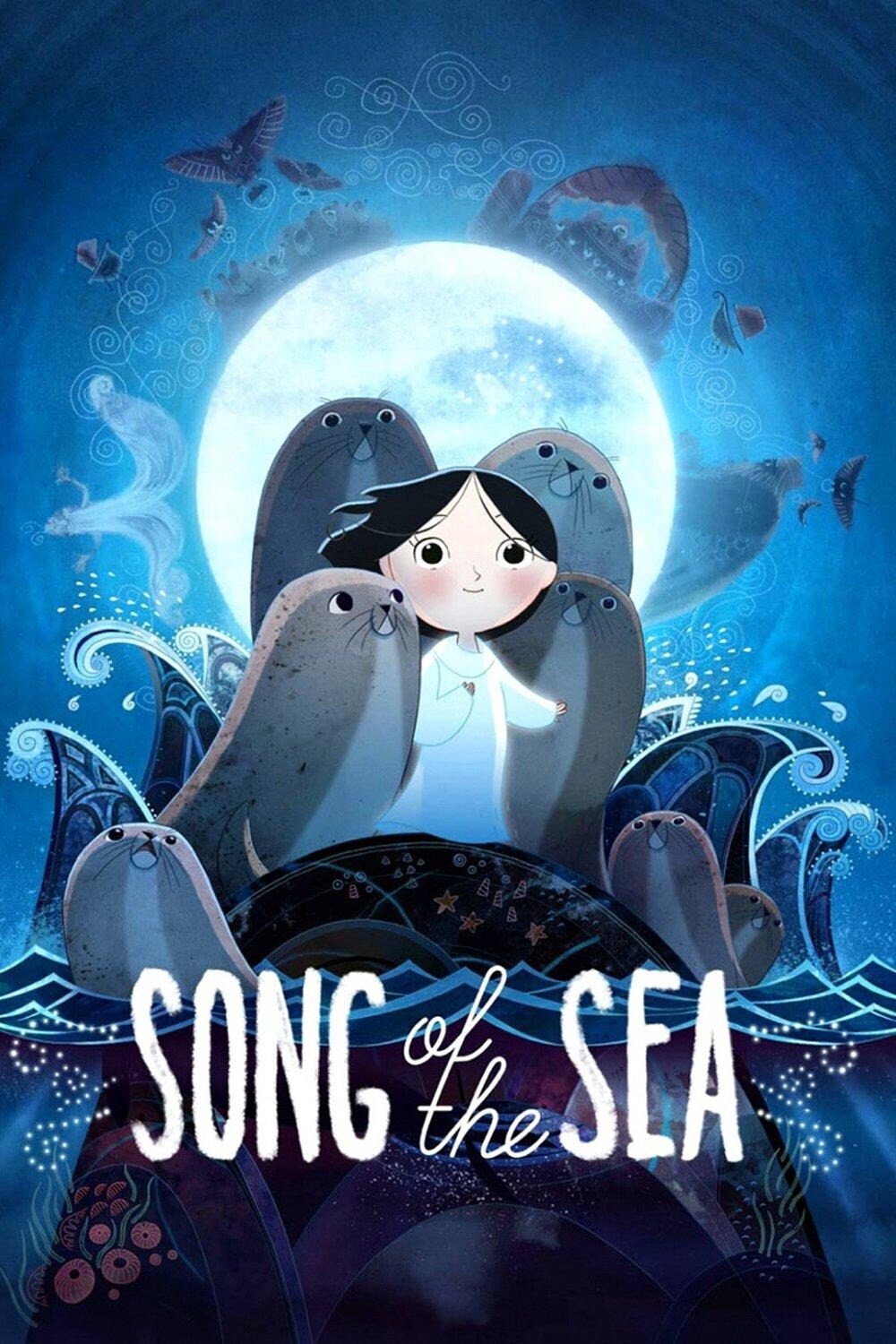
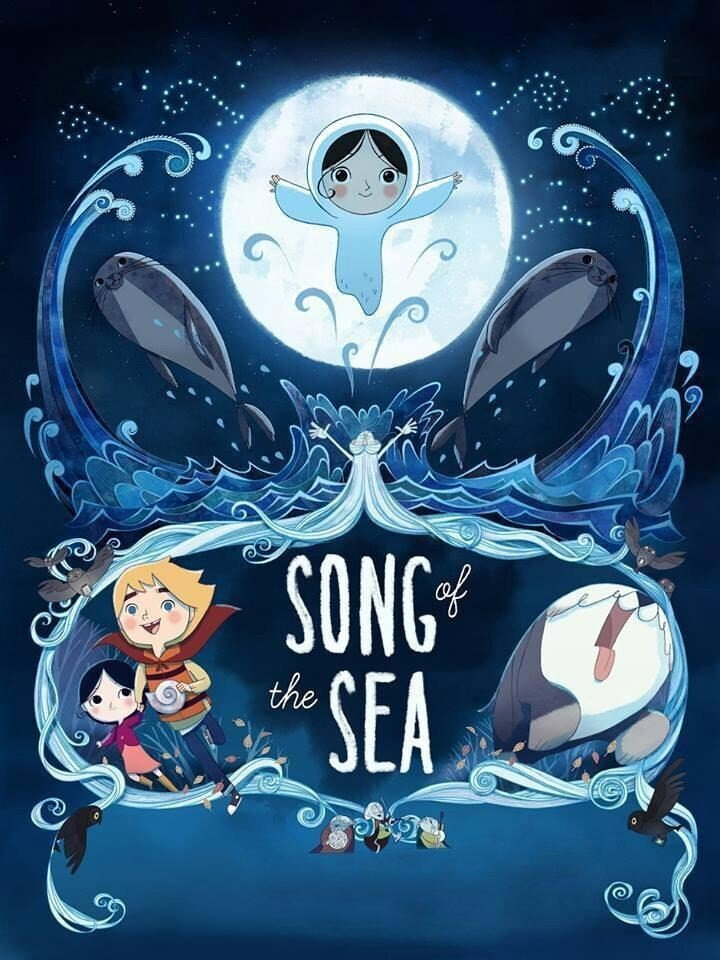
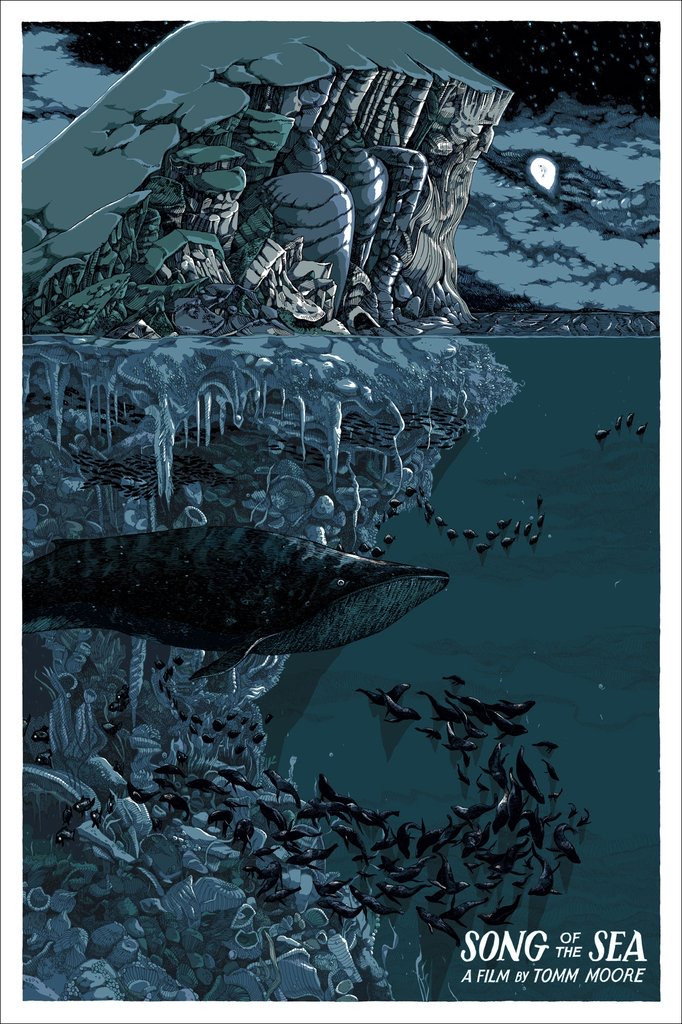
Adrien Mérigeau’s production design gives the watercolour backgrounds and hand-drawn figures enough detail to reward close attention without making every image busy. The pale, misty colours suit a story in which everyday family life and Irish legend belong beside one another. The flat drawing is a pleasure in itself; it does not need to imitate the weight and surfaces of photographed objects. We kept looking at the backgrounds, sometimes after our interest in the immediate business had faded.
The brother’s jealousy is the detail that makes the family convincing. We were moved by it: the film allows a child to resent his sister without treating that feeling as proof that he does not love her. David Rawle’s Ben can be difficult, and that is a useful quality in a family adventure. The affection has to coexist with irritation, as it does between actual siblings.
Bruno Coulais’s melodic score supports that tenderness without making the fantasy feel solemn. Darragh Byrne’s editing gives the drawings time to register, and the gentle pace is welcome when so much of the pleasure lies in looking. The music and pictures are often enough to hold our attention through a passage that does little to move the story along. They cannot make every detour necessary.
Will Collins’s screenplay is less sure when it has to organise the adventure. The mythology can be difficult to follow, and some stretches wander while the bond between the children waits for attention again. A familiar fairy-tale shape does not make the individual rules any clearer. At 94 minutes the film is not long, but the middle still feels padded. We wanted fewer interruptions to the children’s story.
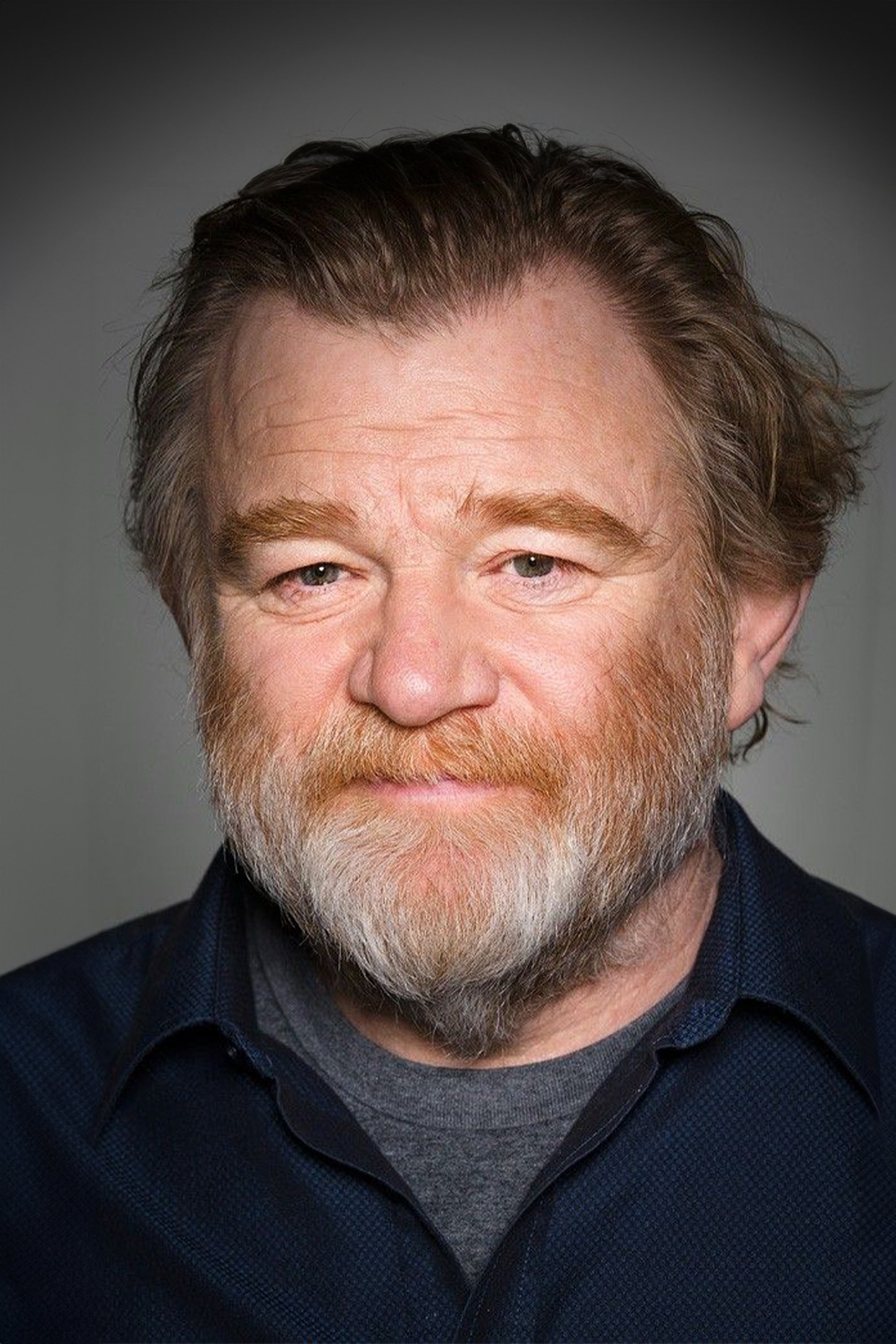
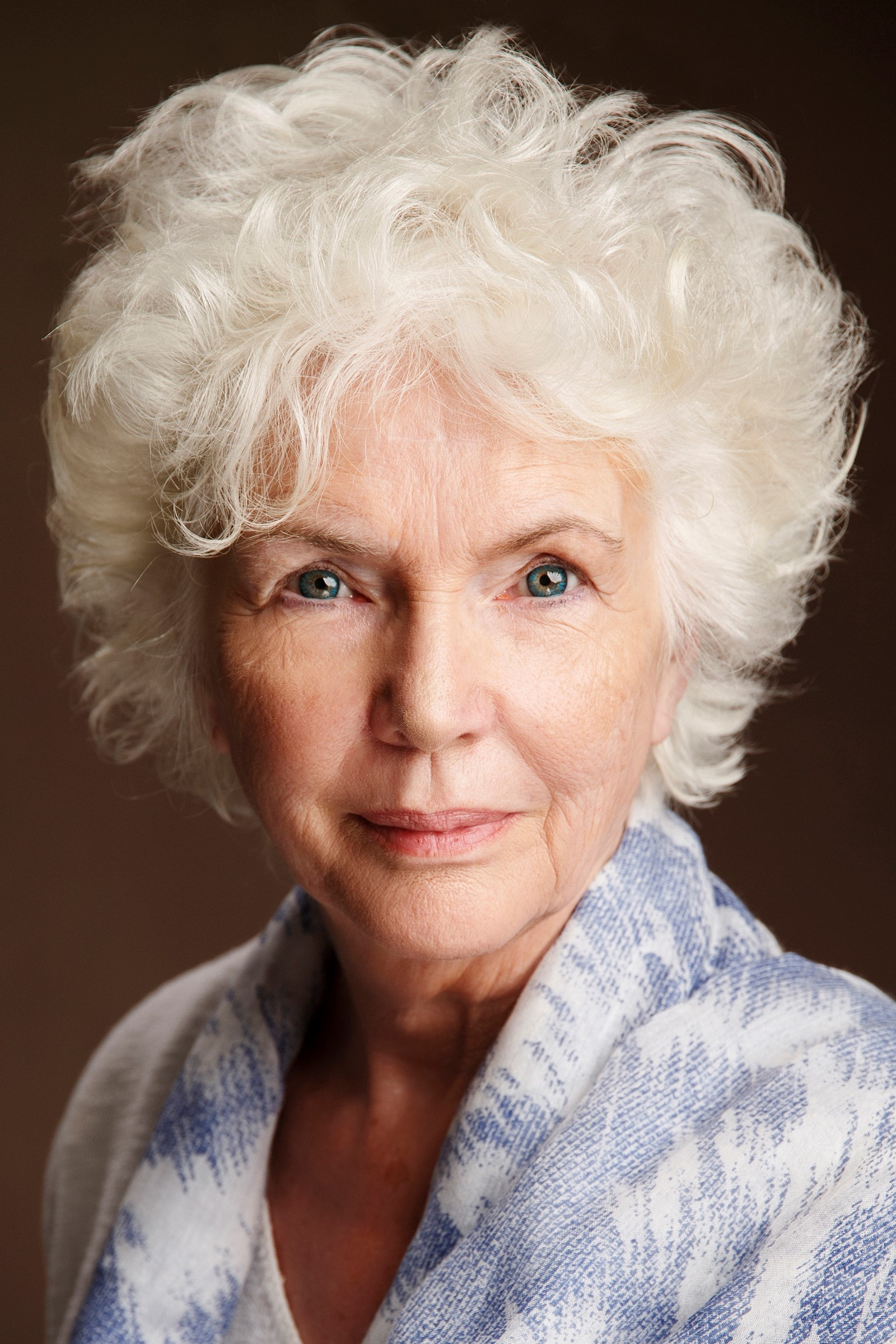
The adult voices help more than the adult writing. Fionnula Flanagan voices both Granny and Macha, while Brendan Gleeson supplies Conor and Mac Lir. Those shared voices give the movement between family story and legend a useful continuity. The performances convey kindness and hurt, though the adult characters do not receive the same attention as the children. A little more room for them would have helped.
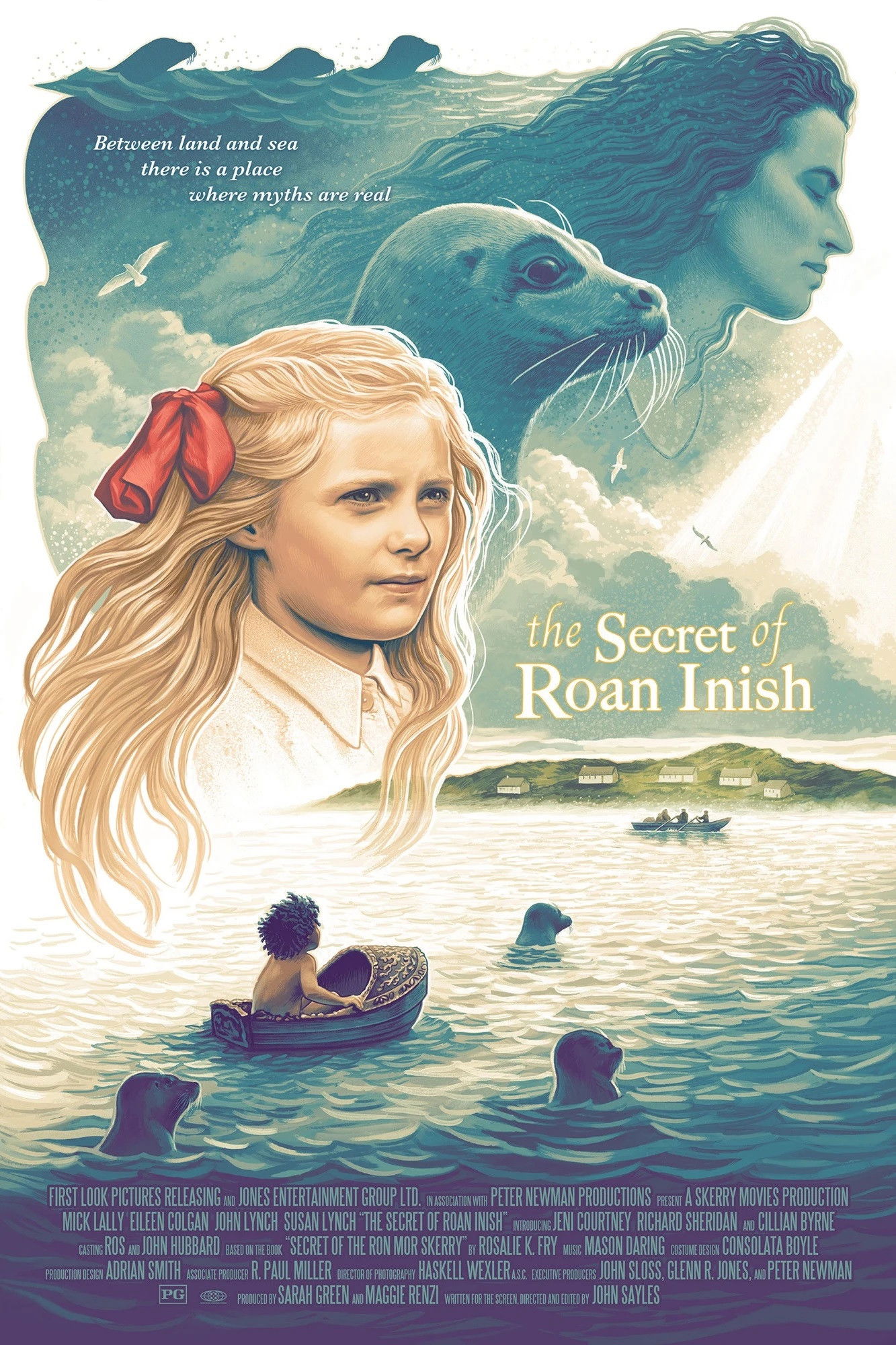
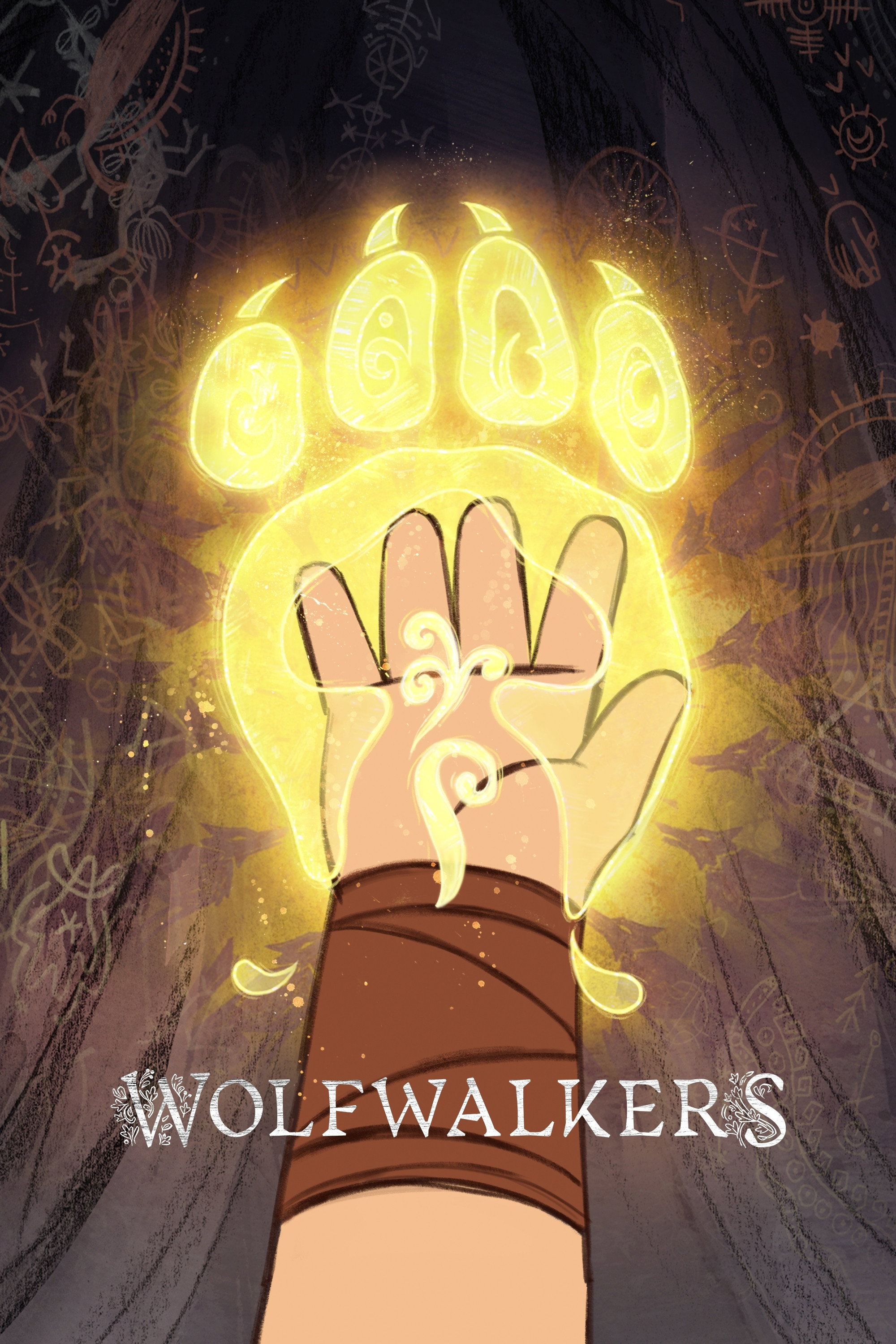
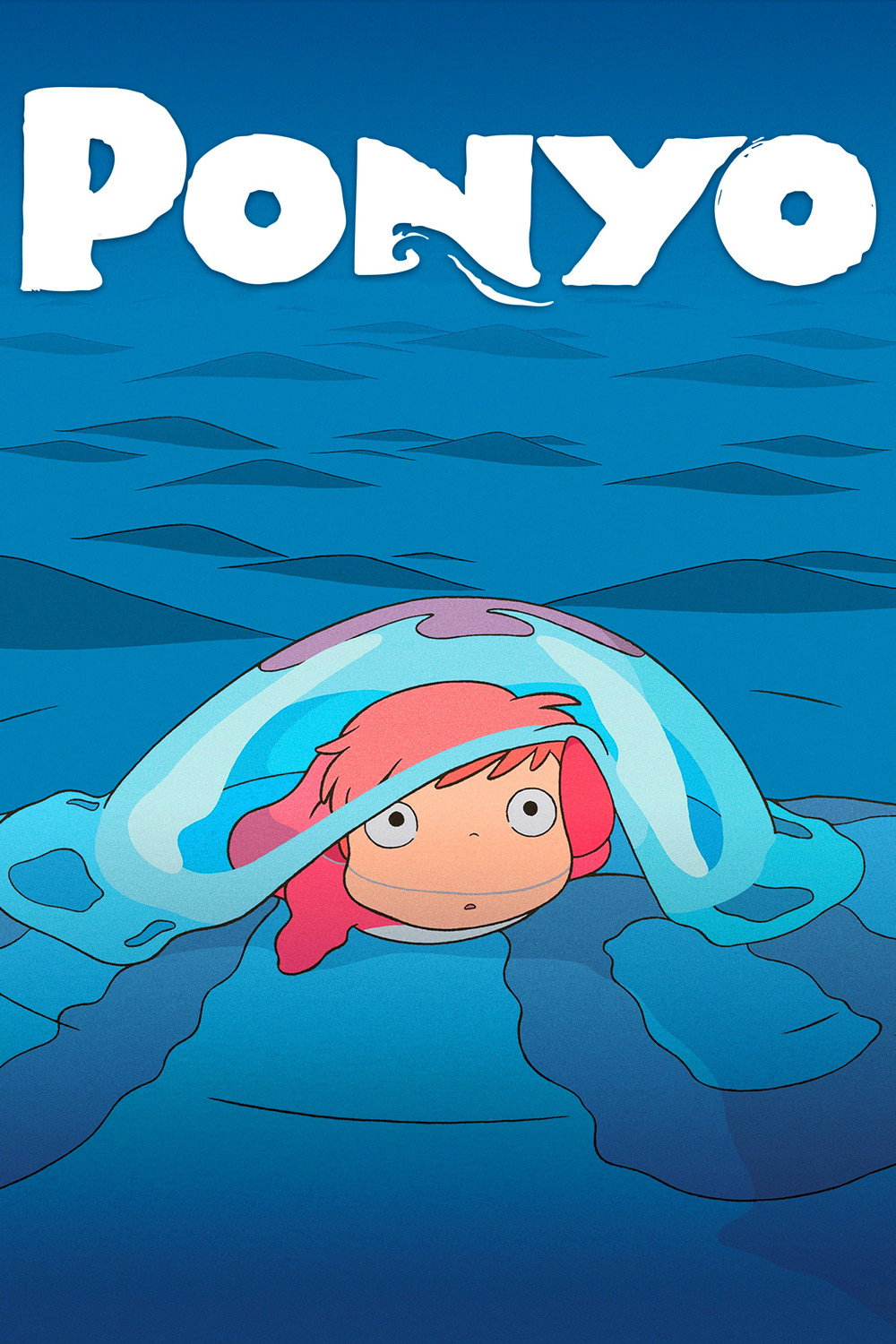
Set against Tomm Moore’s The Secret of Kells, this is a more confident film and a less surprising one. The resemblance to Studio Ghibli is apparent in its child-centred fantasy, but the Irish folklore and the drawing give it plenty of character of its own. What matters is the seriousness with which it takes jealousy and sorrow. It lets children be jealous and unhappy without becoming a lecture about behaving better.
It has a PG certificate, but we would not put it on simply to keep small children quiet. Its grief may leave them needing a conversation afterwards. Watch it together, with time to talk when it finishes.