Michaël Dudok de Wit makes a moving, occasionally over-scored island fable from spare drawings and a man’s thwarted escape. Its patience rewards attention, though the quiet stretches will not suit every family evening.
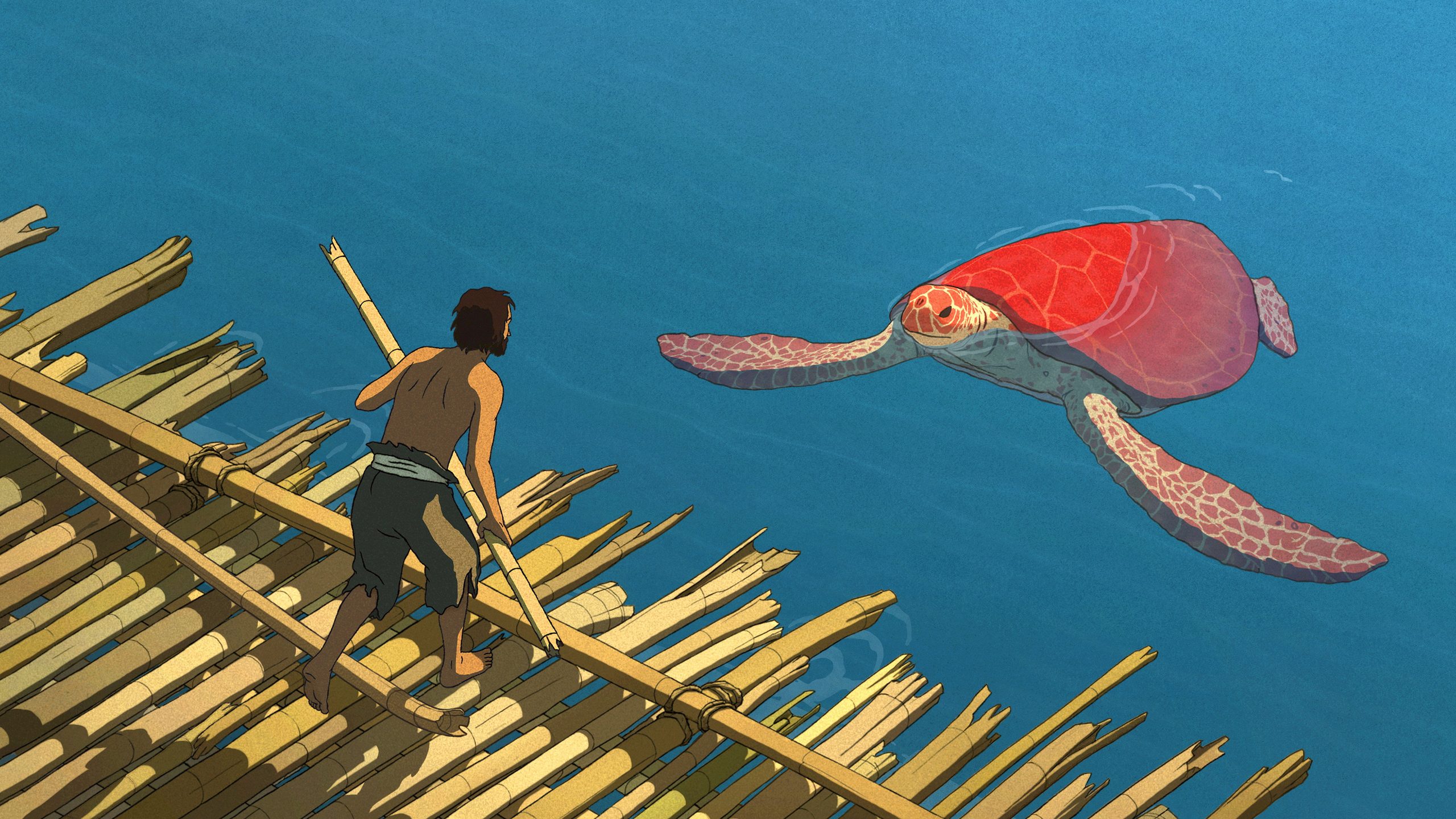
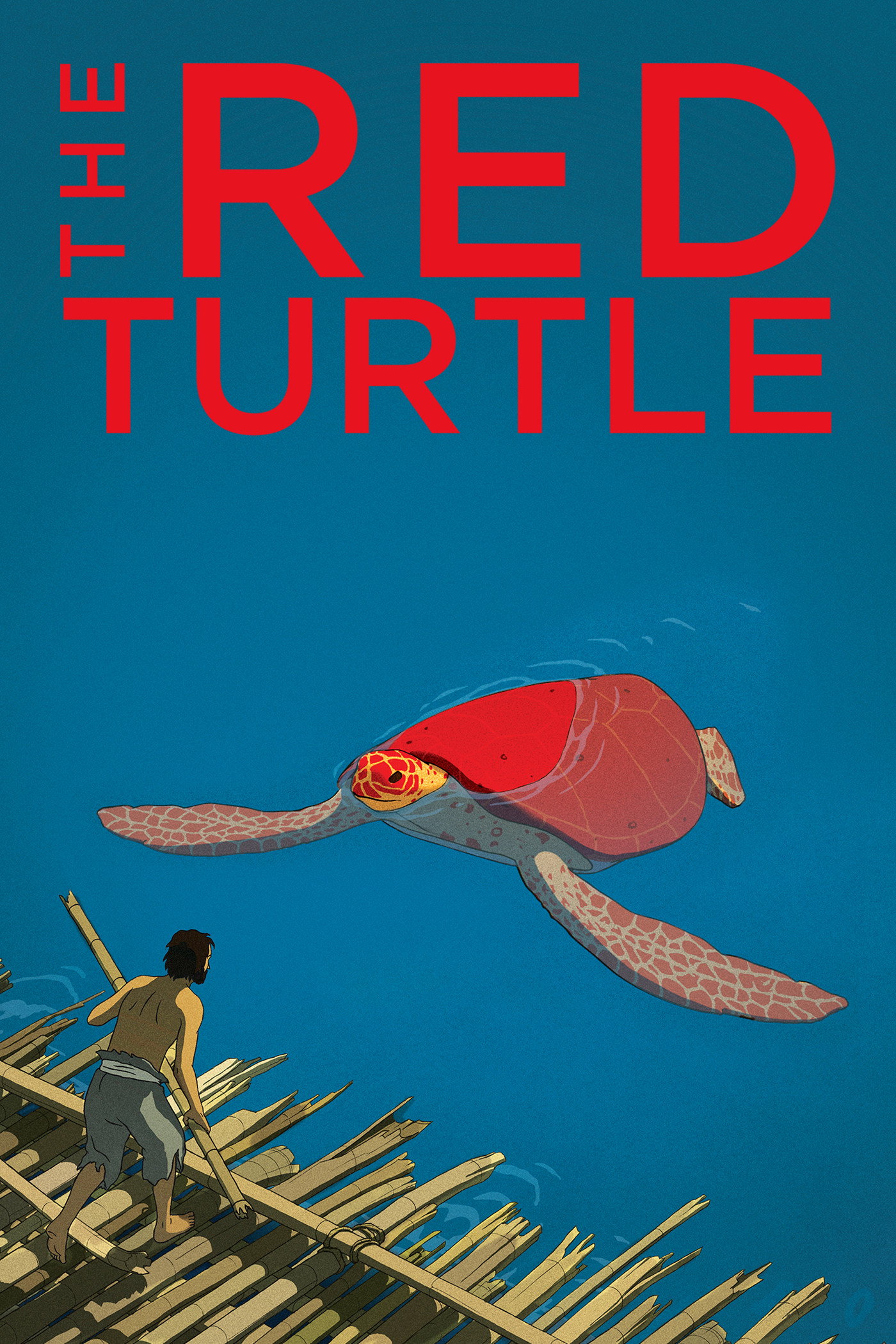
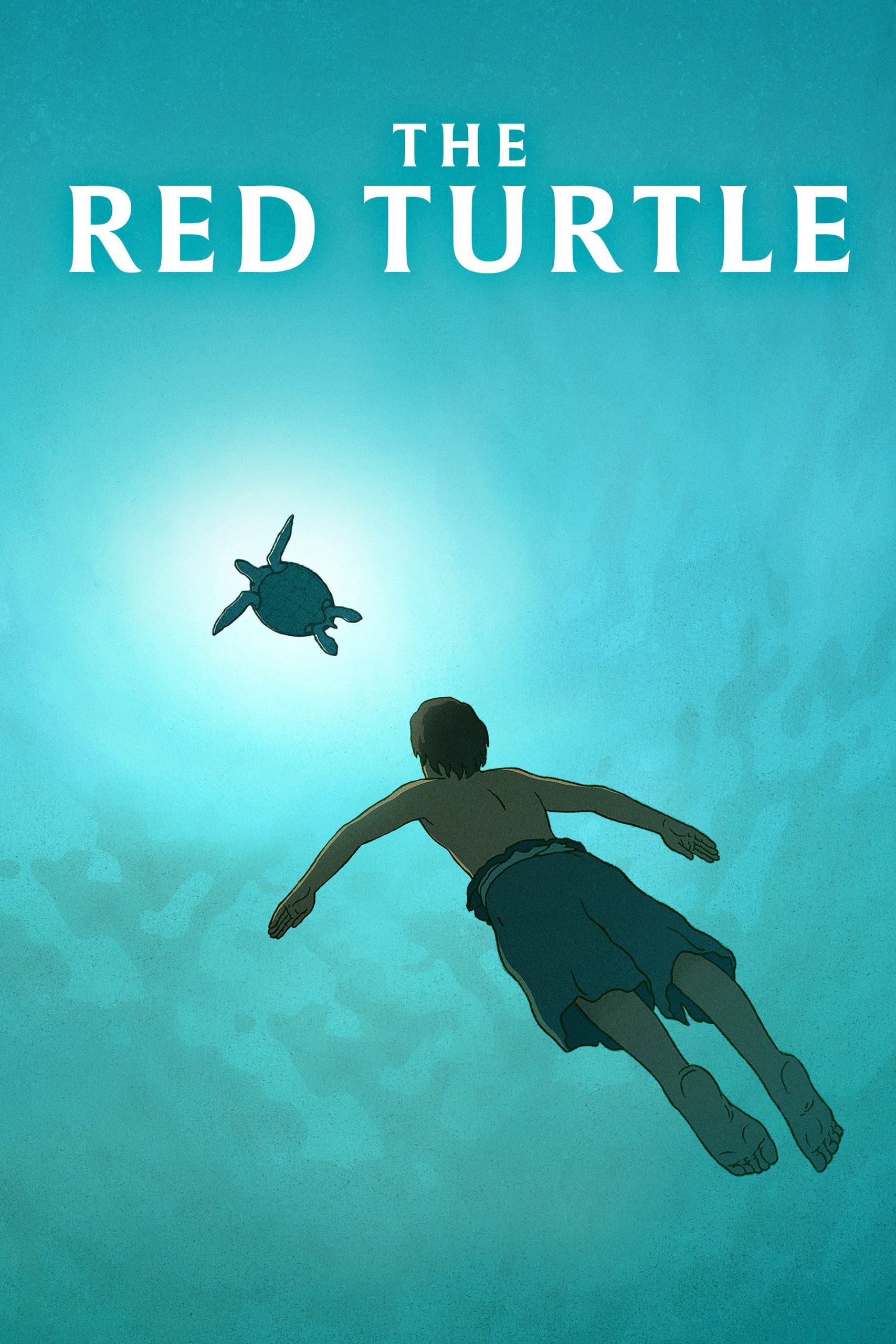
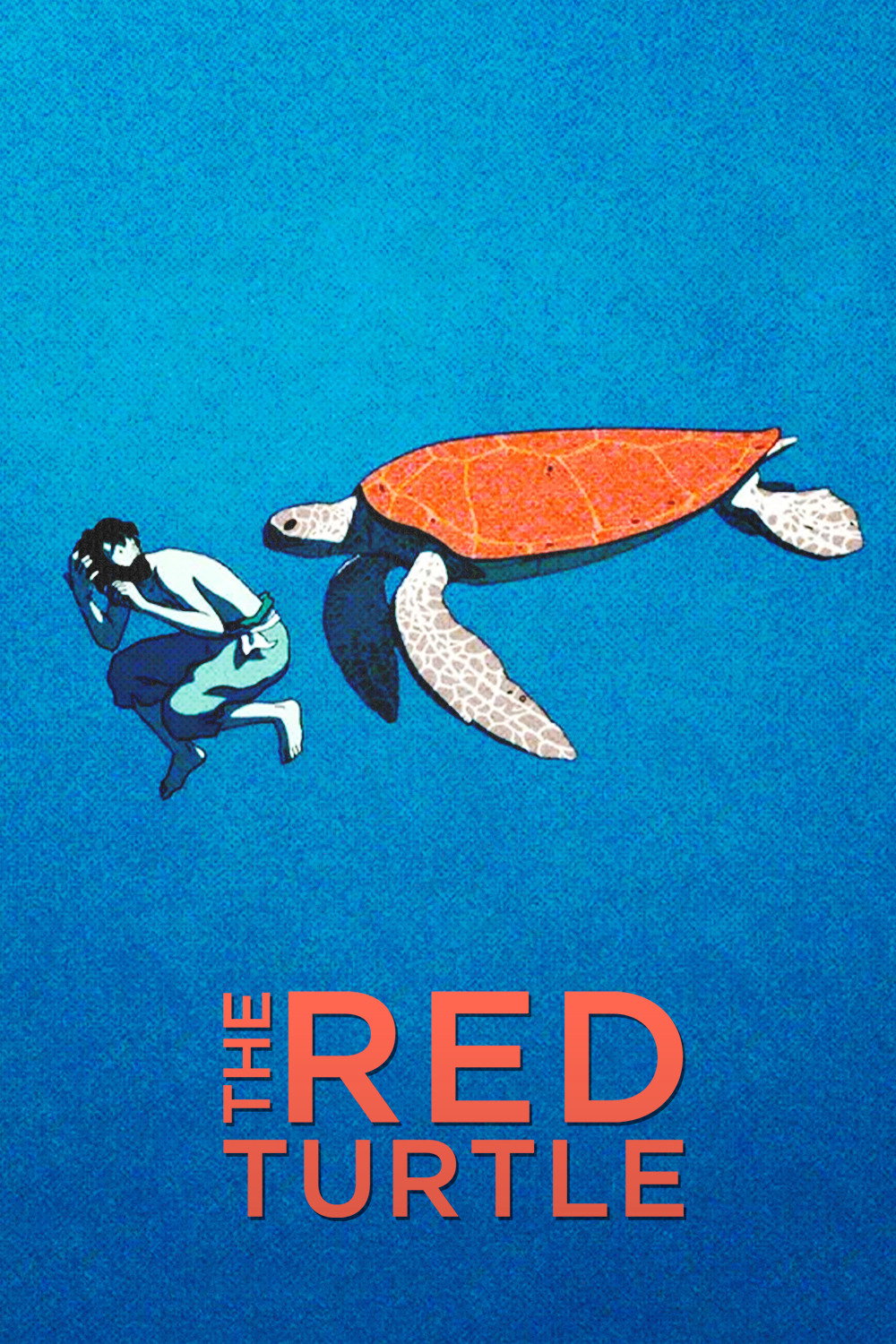
The Red Turtle asks us to spend time with a man who wants to be somewhere else. Stranded on an island, he tries to escape, and a turtle prevents him; the early struggle is simple enough to follow without a word. Michaël Dudok de Wit, who writes and directs, trusts that situation to hold our attention before asking anything more of us. It does, and this is a fine, affecting film, with a little too much musical encouragement when it could afford to leave us alone.
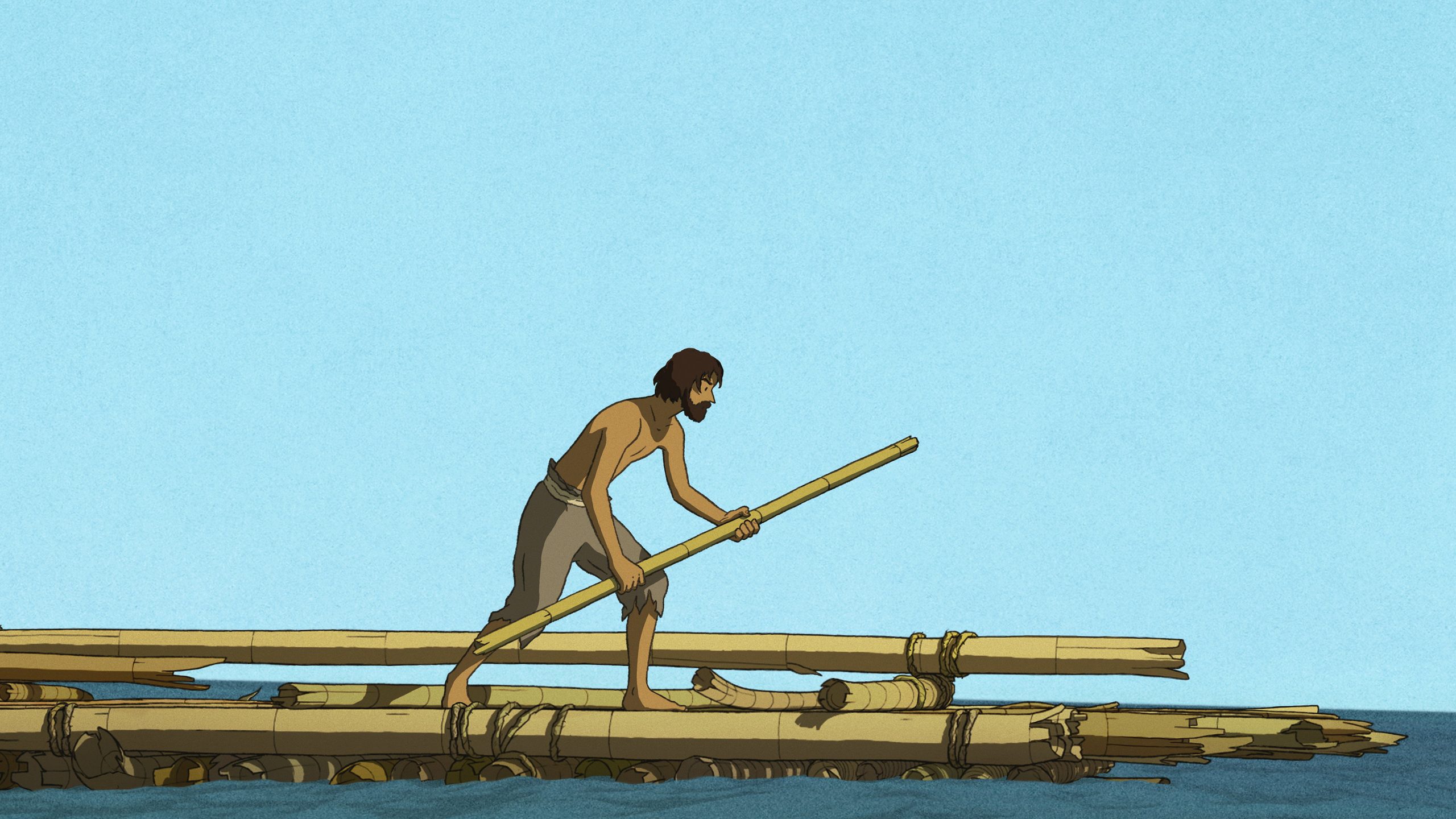
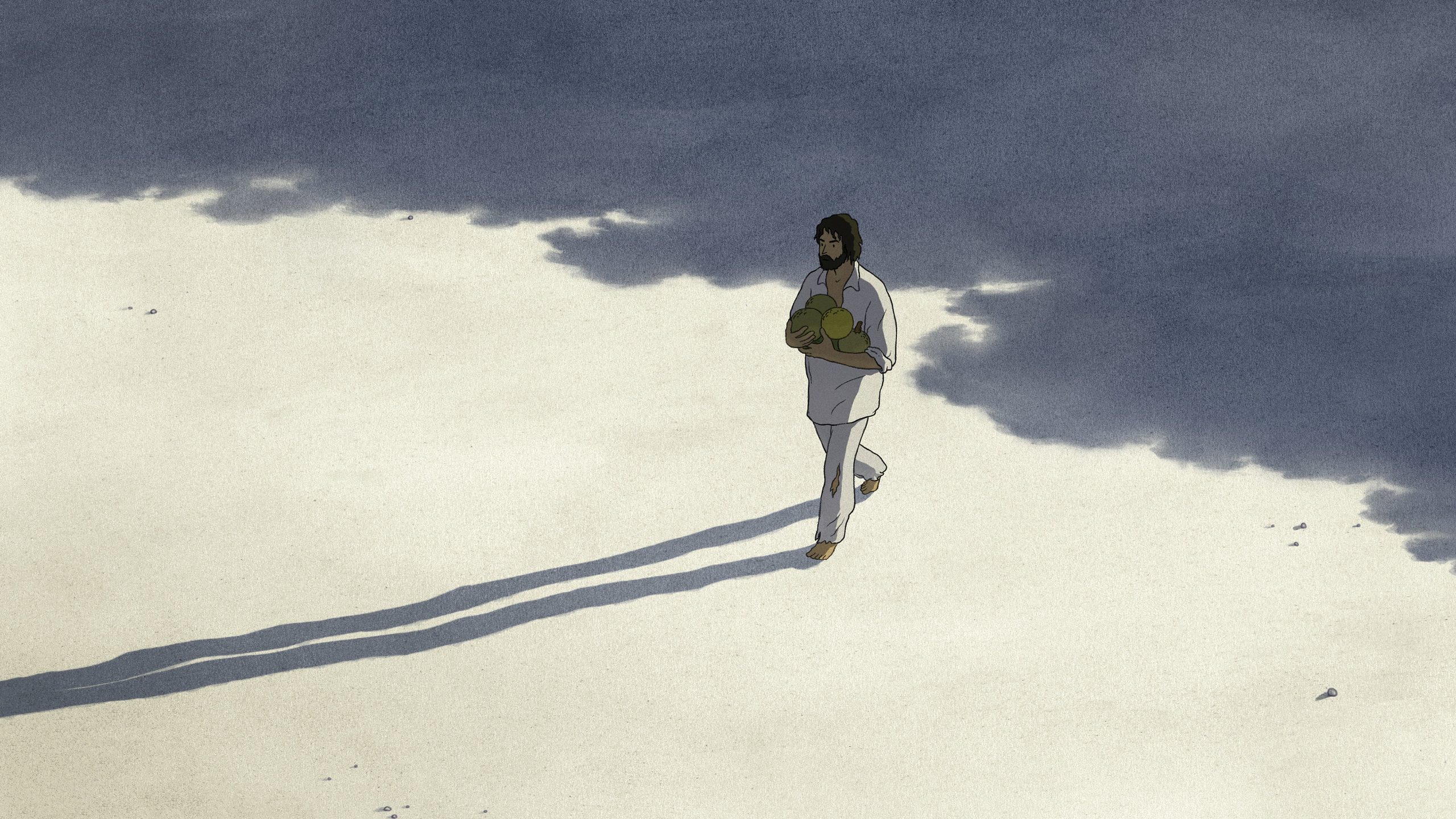
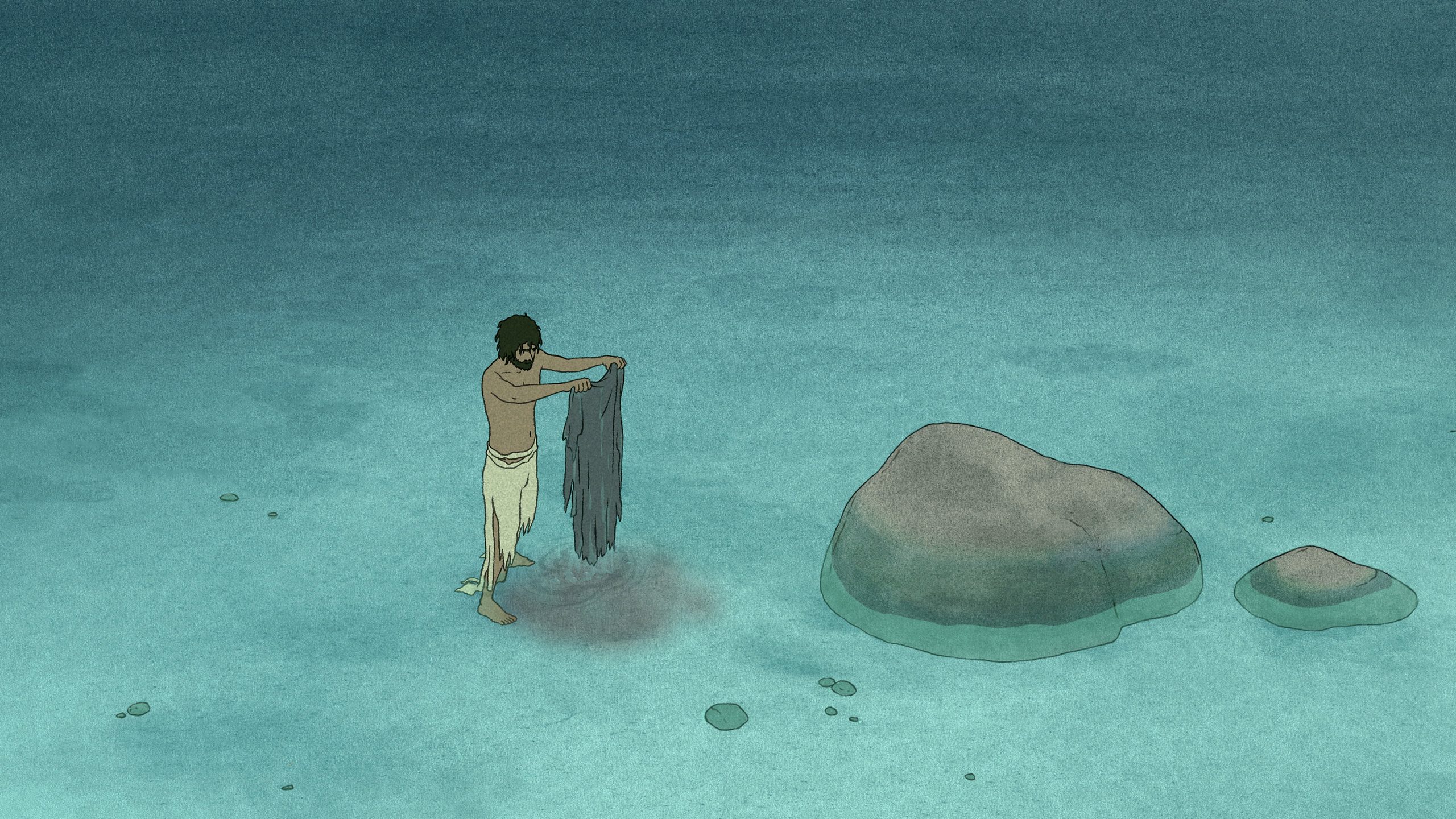
The drawing is spare enough that the man never competes with his surroundings for attention. That makes his predicament more frightening: the sea has weight and changeable moods, while he looks ill-equipped to cope with it. We were more anxious than we expected to be during his futile attempts to leave. The animation makes his effort legible without needing detailed features, while the crabs carry on without looking especially concerned about his predicament.
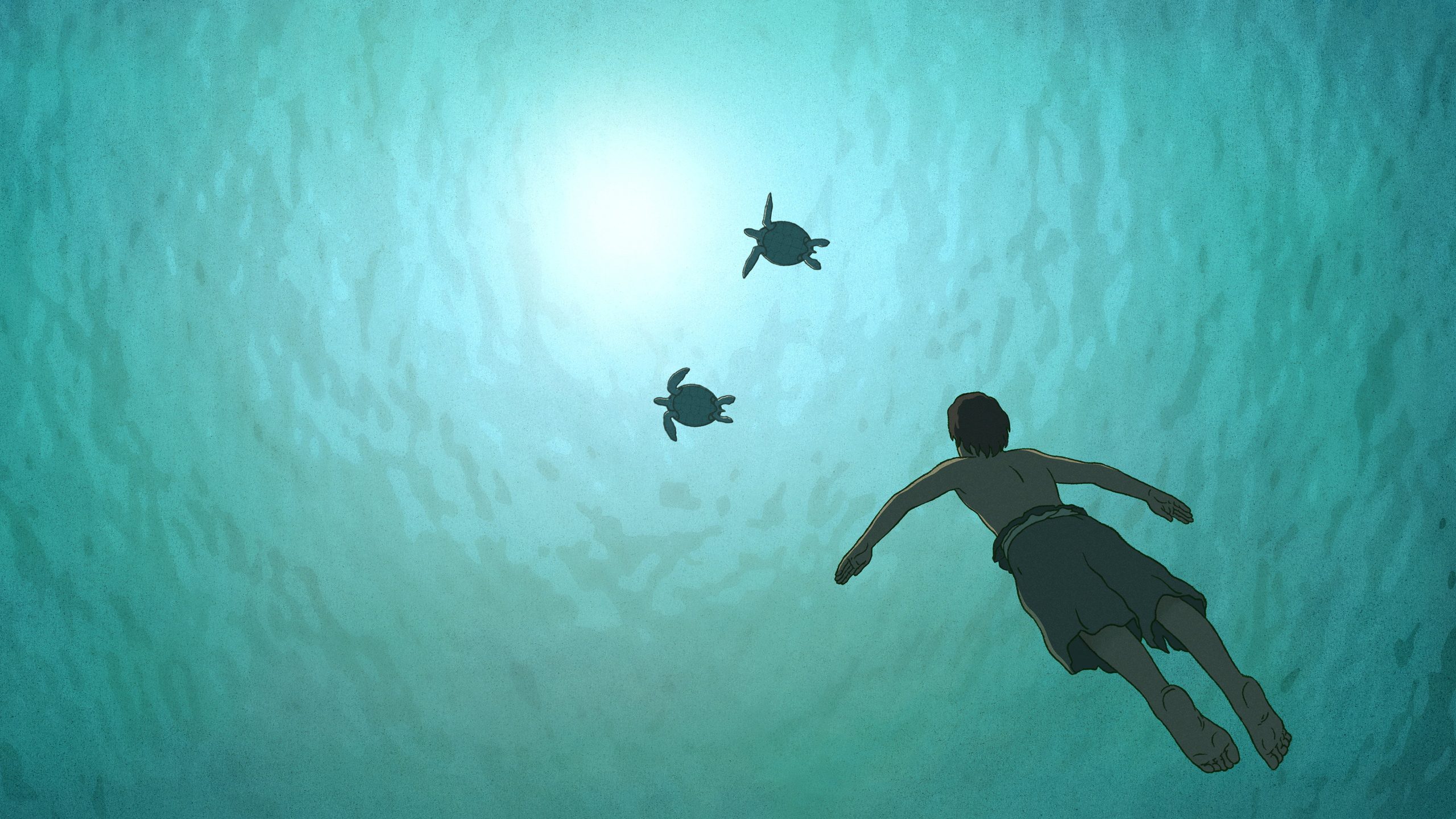
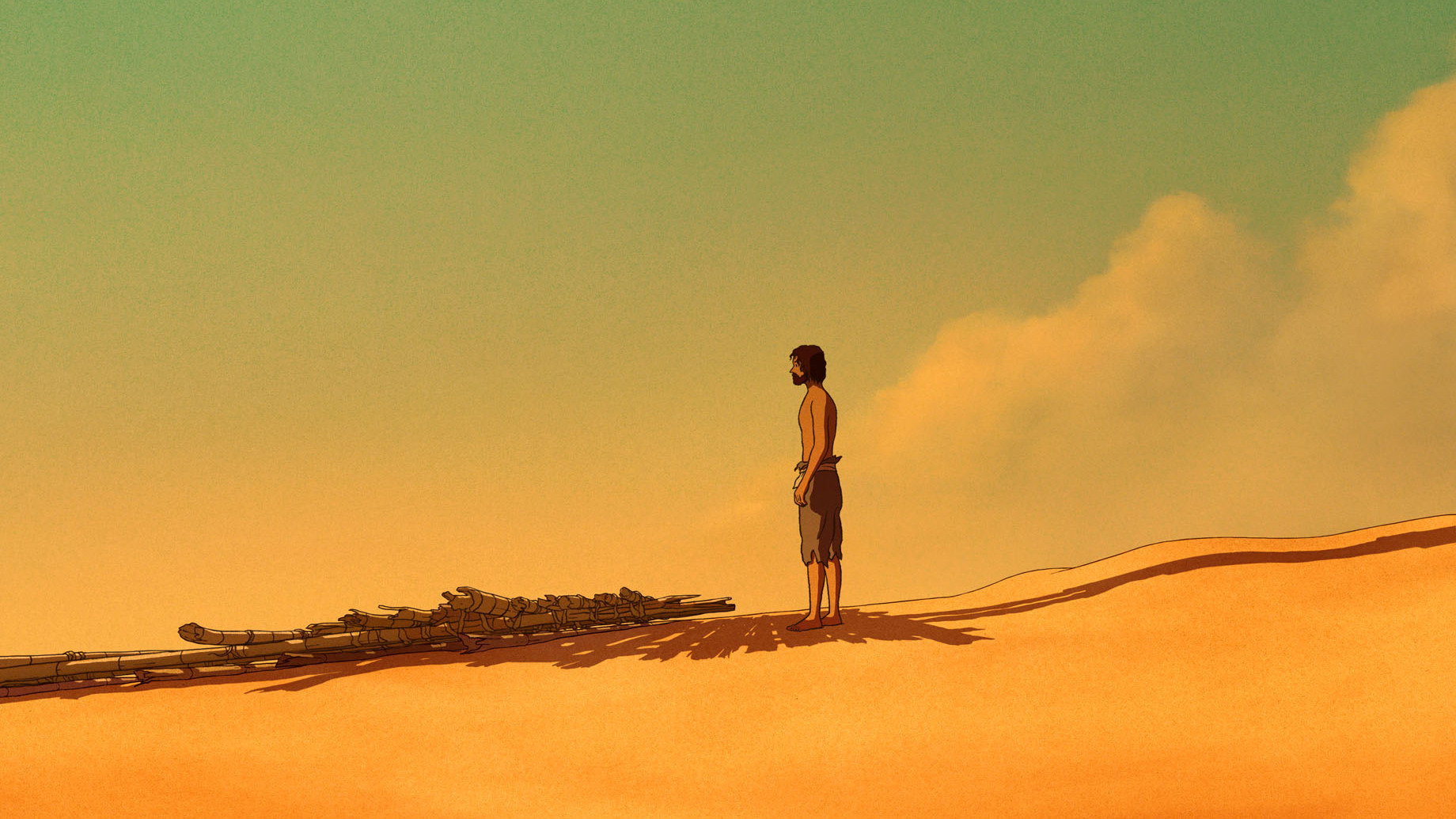
Much of the pleasure is in watching how little the pictures need. The line remains clear, the light changes the feel of the island, and colour keeps the surrounding water from becoming a flat expanse to be crossed. The sea is beautiful, but we never forget what it might do to the man. Michaël Dudok de Wit gives the natural world enough attention that we can understand why the man wants to escape without wishing the film would hurry him away.
Céline Kélépikis’s editing gives the man’s repeated efforts time to register. There is room to recognise his determination, then to feel the frustration of seeing it fail, and the deliberate pace gives the small movements of the island’s creatures proper attention. At 81 minutes, the film is short, but its unhurried stretches can feel longer if its simple predicament has not caught our interest. We would not promise that every child drawn to an animated turtle will welcome so much time without conversation.
The music is the less restrained part of the film. Laurent Perez del Mar supplies warmth and helps a story without speech communicate readily, but sometimes the score pushes a tender feeling past the point where it feels earned. The drawings are already doing enough, and the extra insistence briefly makes us conscious of being persuaded. It is a modest complaint, though an important one in a film that otherwise gives us time to respond for ourselves.
The film also makes a welcome case for animation that expects concentration. It can be enjoyed as a survival story without having every encounter translated into a lesson about humanity’s place in nature. The fantasy remains strange, and anyone wanting its mysteries explained may find that frustrating. We did not need an explanation, because the early struggle for survival had made the man worth caring about.
It deserves to be watched without distractions. The absence of dialogue should not be mistaken for permission to drift in and out; the small changes in a drawing deserve the same attention as an actor’s face. Children may take to its animals and its strangeness, but the leisurely pace is a real consideration, whatever the viewer’s age. We recommend it for a quiet evening, with the phones elsewhere.