Film review

The Secret of Kells

2009 · Directed by Tomm Moore · 1h 19m · MPA NR

In a sentenceEvery frame looks like a page you are not allowed to touch, and the story is written in the margins

AnimationFamilyFantasy

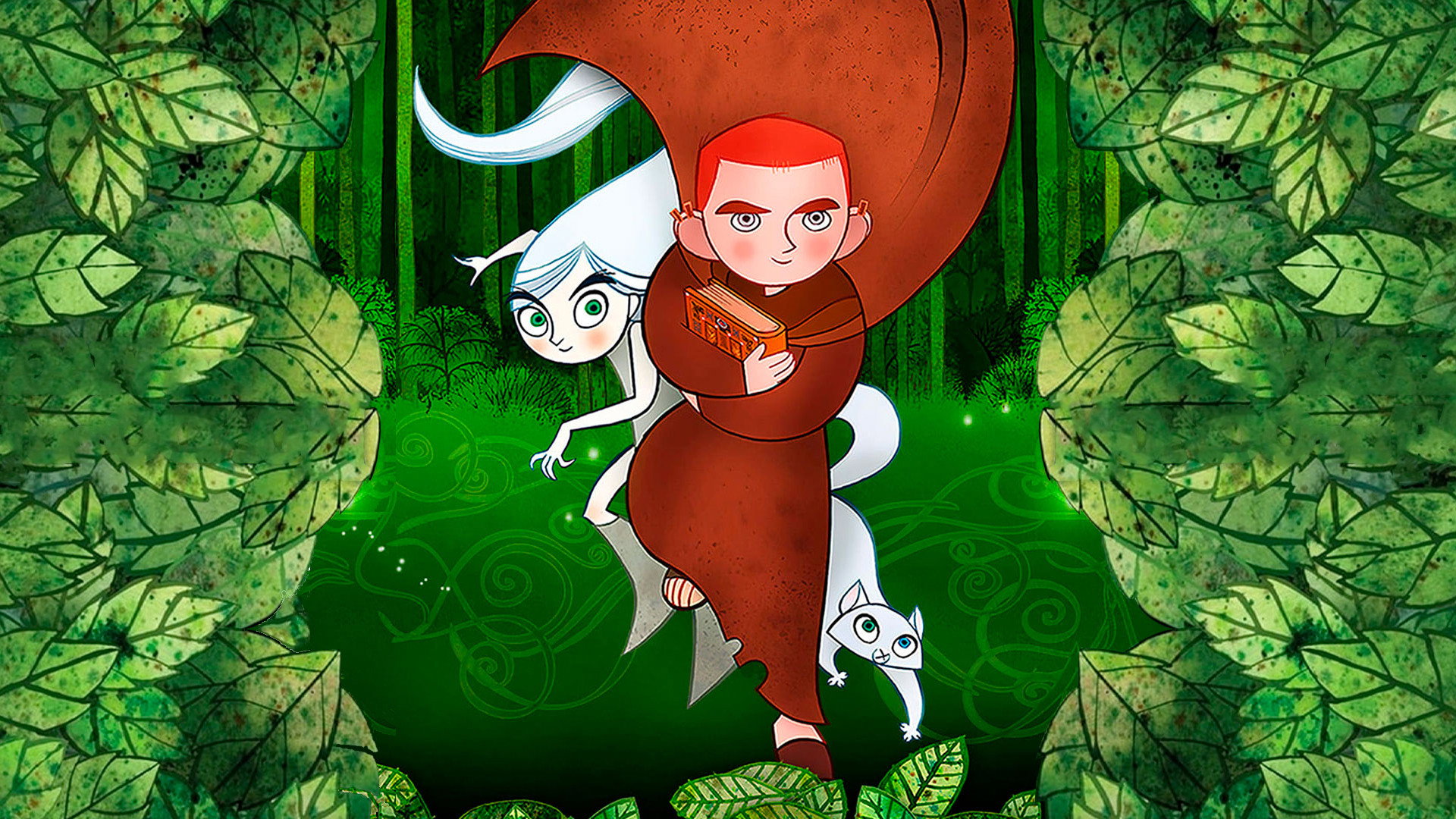
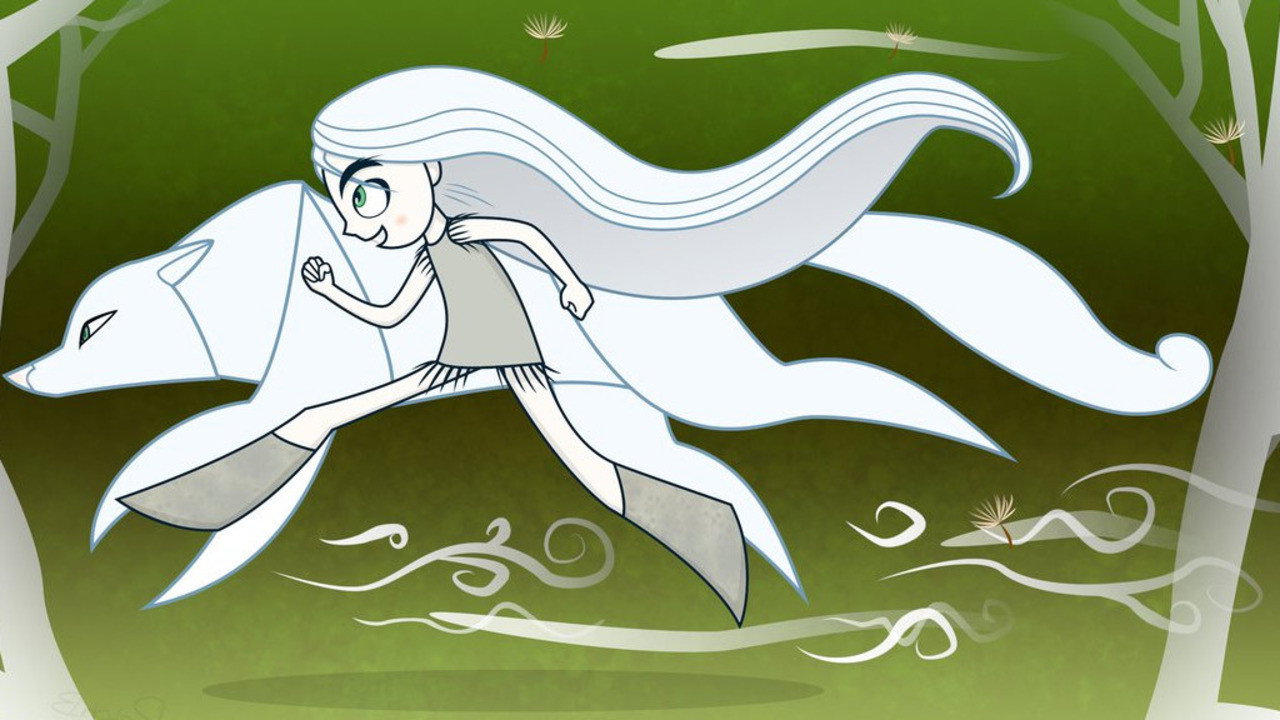
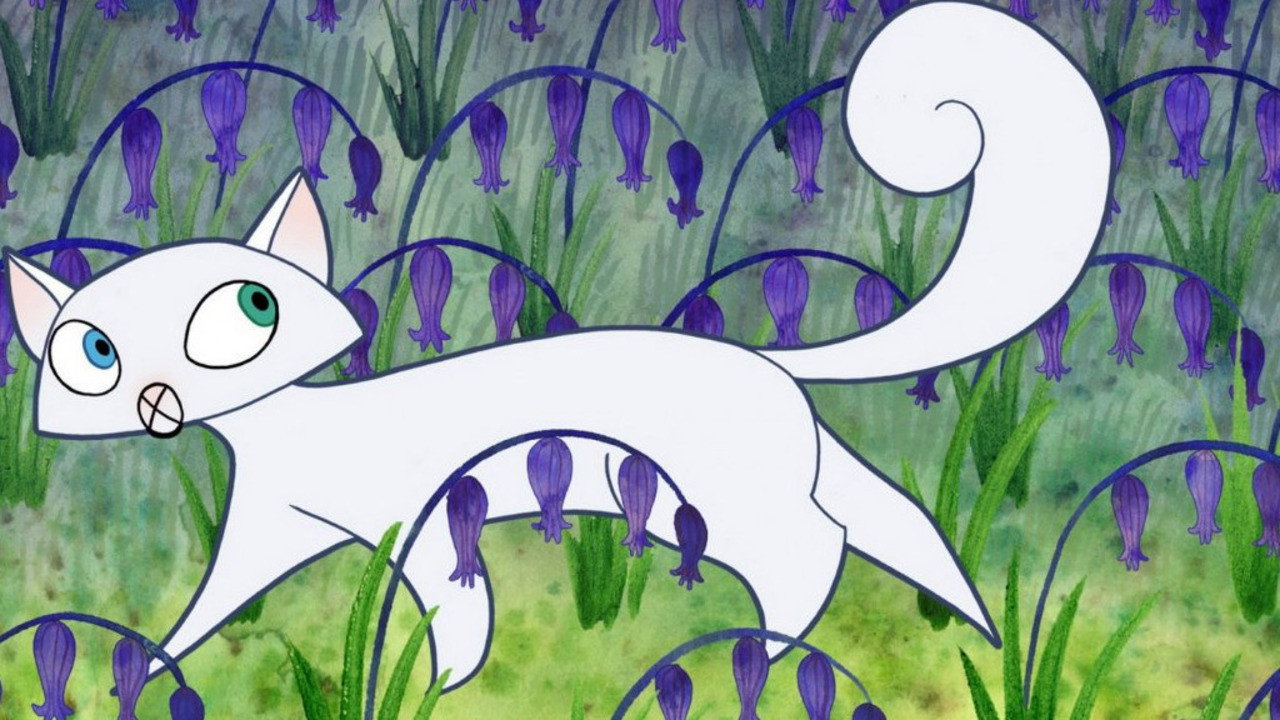
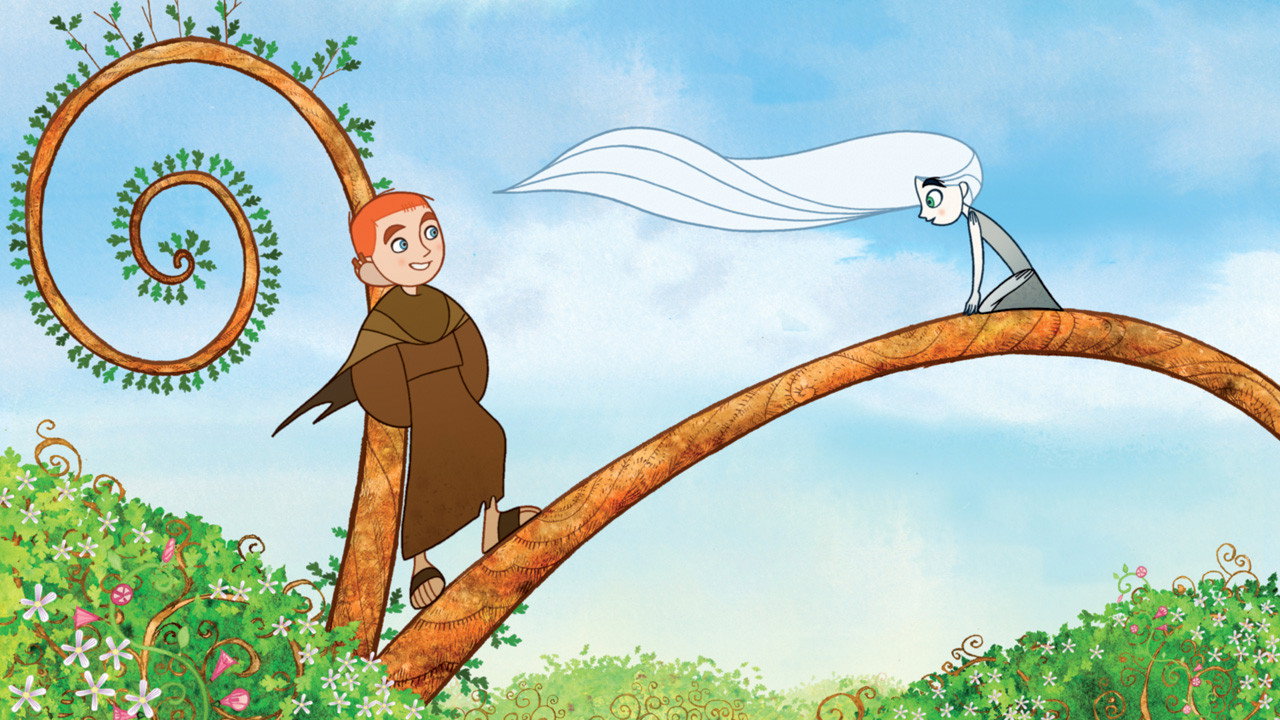
Ireland, the ninth century. Brendan (Evan McGuire) lives inside the Abbey of Kells, where his uncle, Abbot Cellach (Brendan Gleeson), has stopped the monks illuminating manuscripts and set them to building a wall against the Northmen. Aidan (Mick Lally) arrives from Iona with a white cat and an unfinished book, and he needs ink. Brendan slips out of the gate for the first time to gather berries in the forest, where he meets Aisling (Christen Mooney), a pale girl who runs with wolves and warns him away from a dark cave. He returns with the berries, and with a secret his uncle would not forgive.

Plays from YouTube when you press play; nothing loads from them until then.

Fi1m review

Tomm Moore’s first film draws the making of the Book of Kells in the style of the book itself. It is a pleasure to look at, the story is slight and the ending rushed, and we would hand it to any child with a pencil.

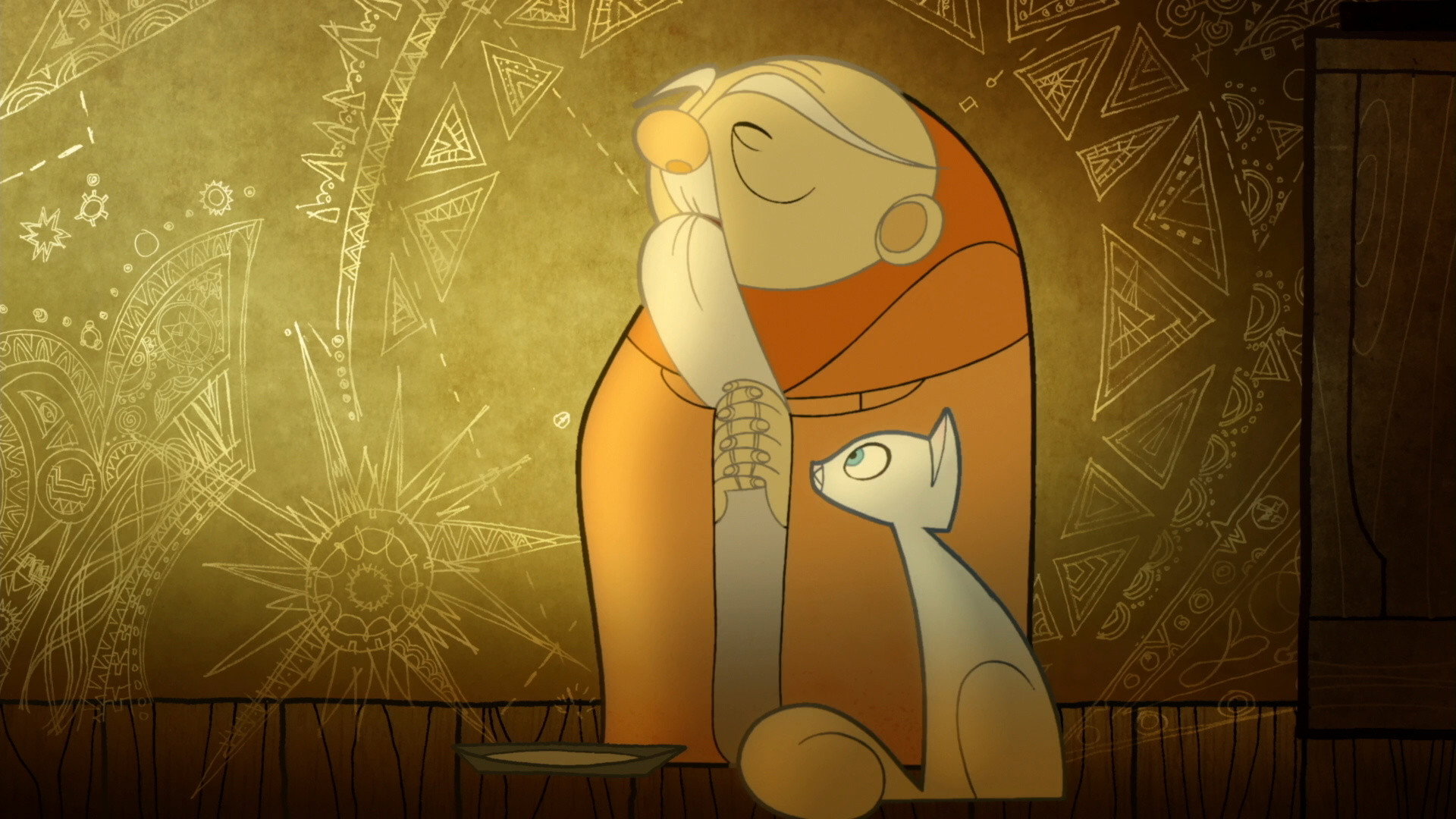
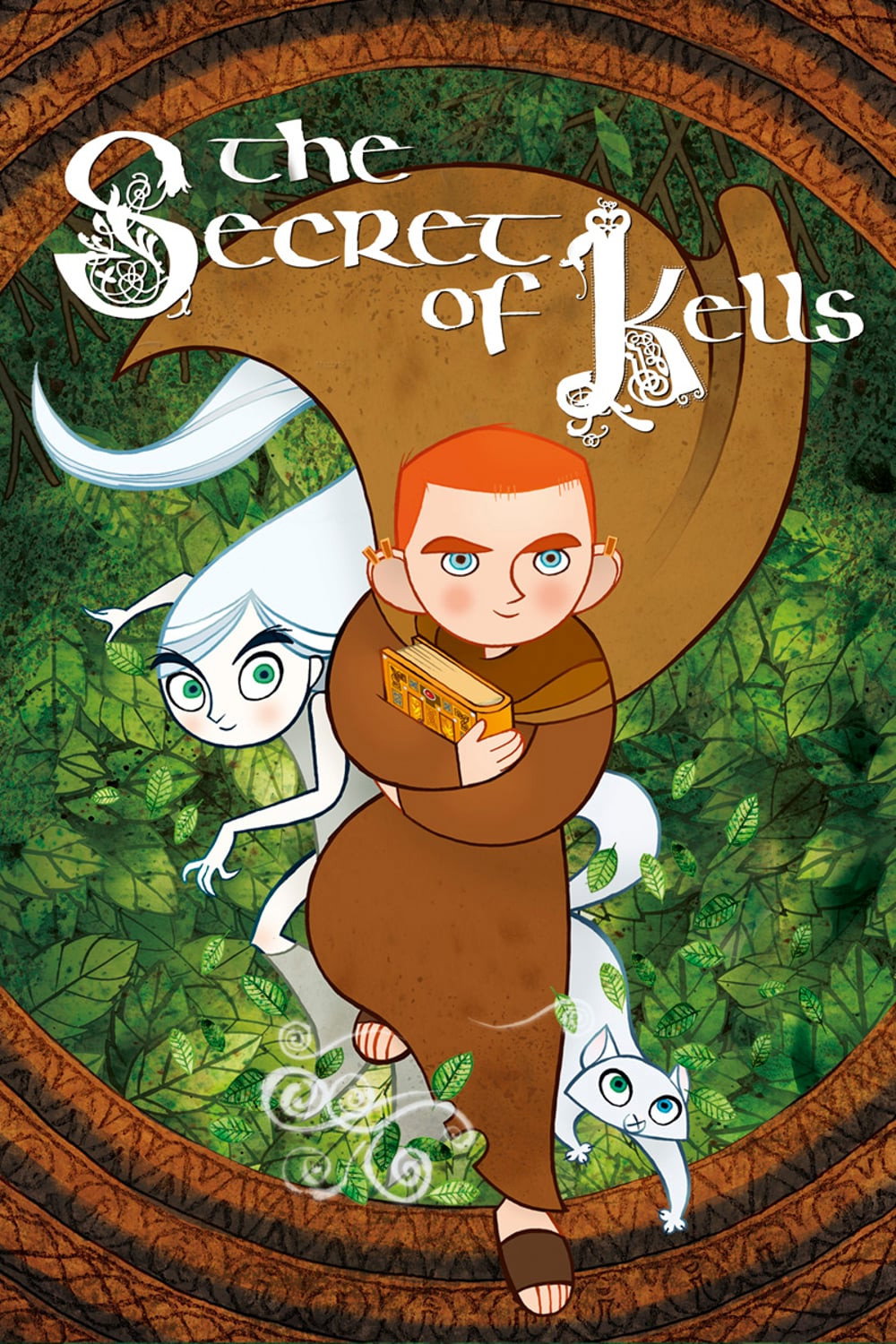
The Book of Kells is a ninth-century manuscript of the Gospels, its pages so thick with spirals, knotwork and interlaced animals that it is hard to believe human hands made it. Tomm Moore’s first film asks how they did, and answers with a boy. Brendan (Evan McGuire) lives inside the walls of the Abbey of Kells under his uncle, Abbot Cellach (Brendan Gleeson), who has given up on books and set every monk to building a wall against the Northmen. Then Aidan (Mick Lally) walks in from Iona carrying a white cat and an unfinished book, and Brendan finds he would rather draw than dig. It is a good film, a lovely one to look at, and its story is a good deal thinner than its pages.

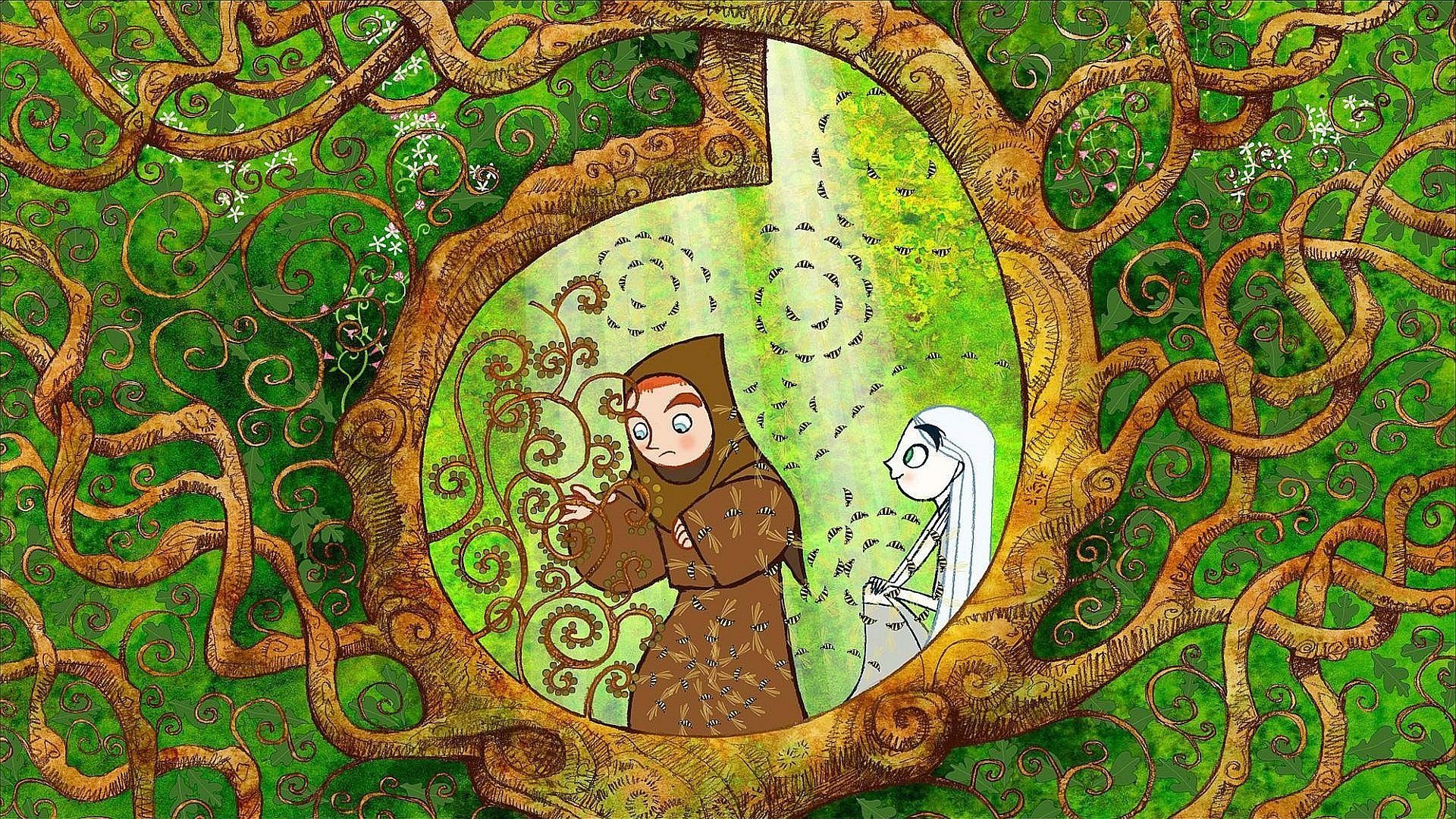
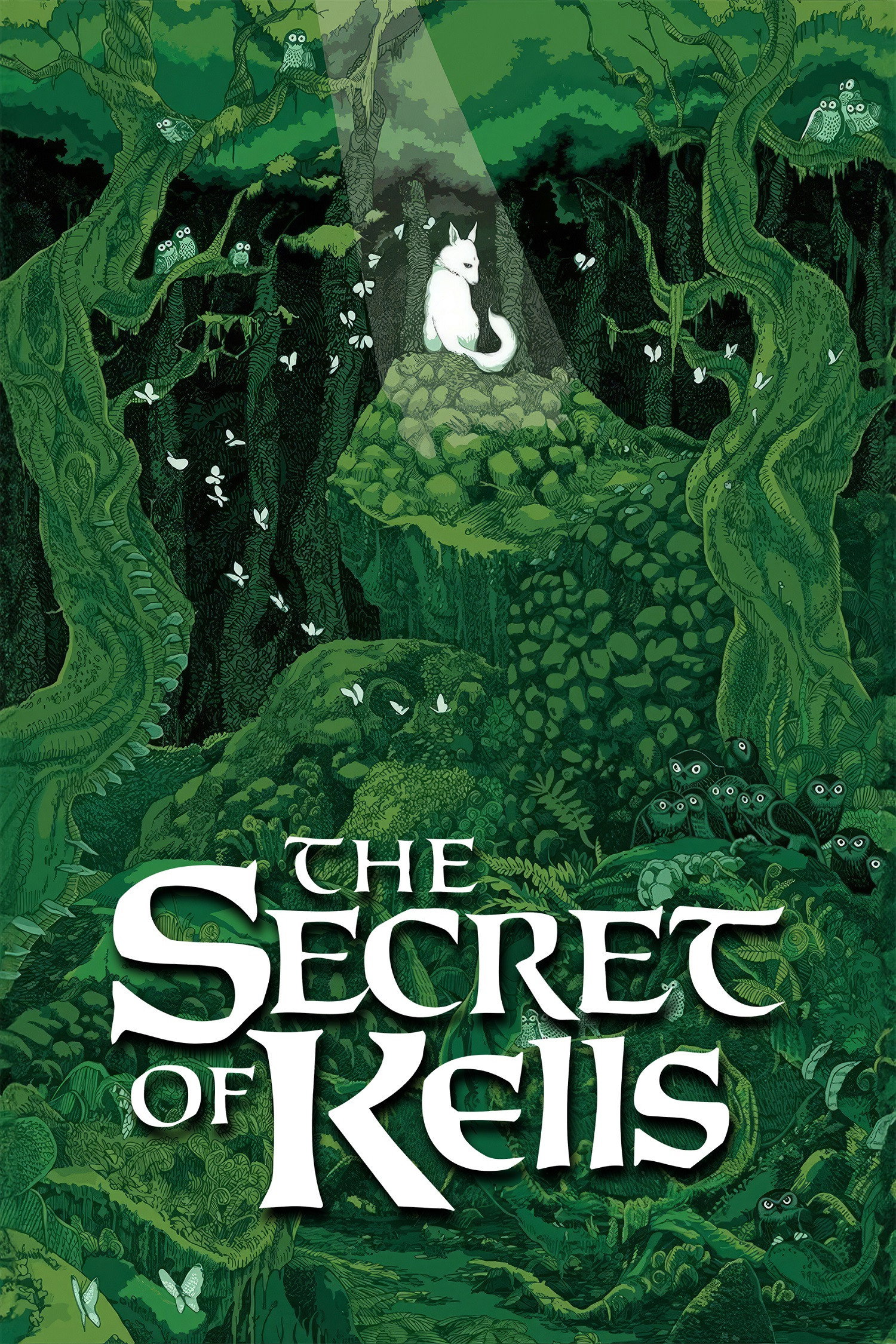
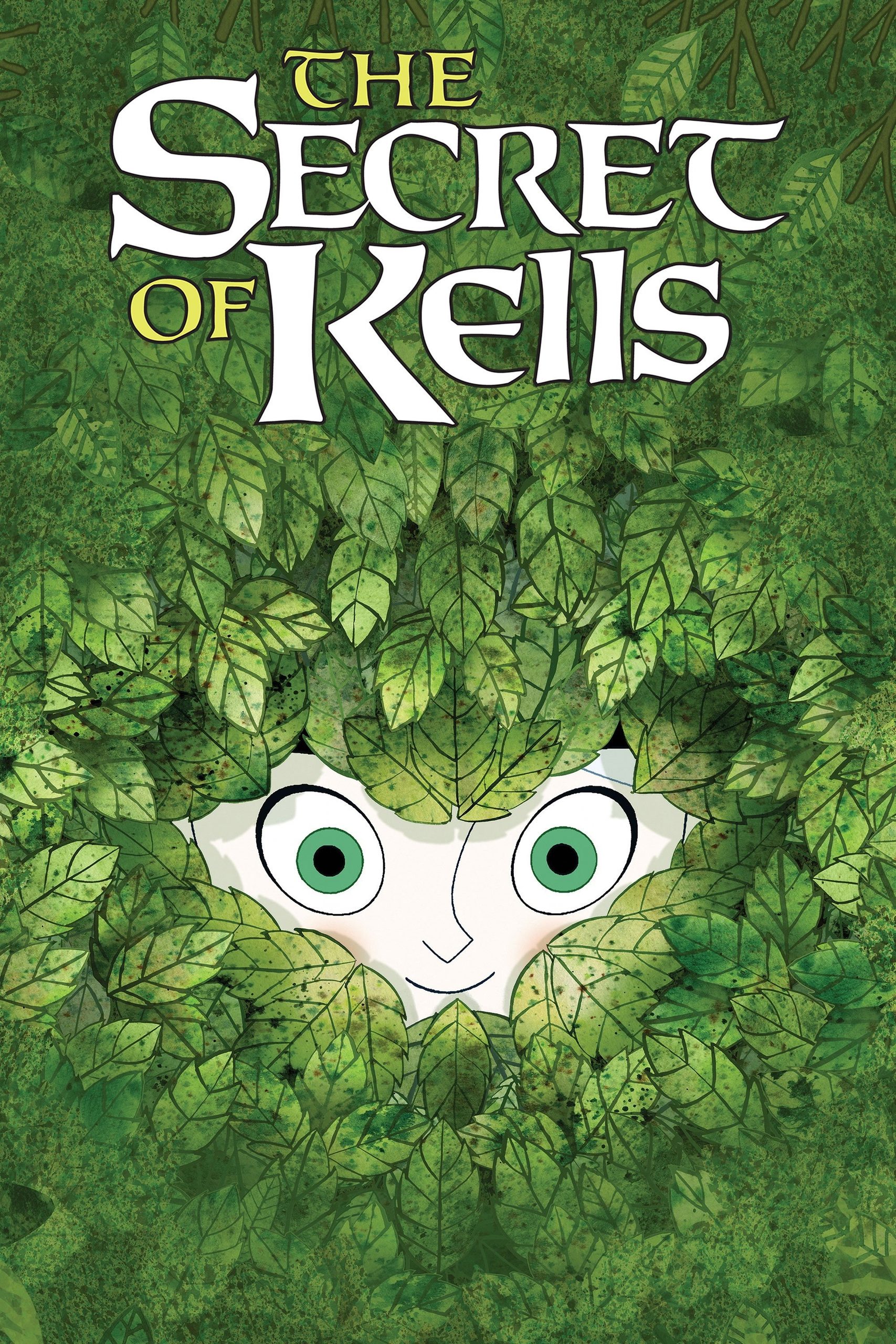
Moore draws it the way the monks drew. There is almost no perspective: the abbey sits flat on the screen like a diagram, the wall is a curve of grey stone, and the forest is a screen of green through which everything is seen at once. When Brendan first steps outside the gate the trees fill the frame with circles inside circles, and Aisling (Christen Mooney), a pale girl with white hair, appears between them as though she had been there all along and we had failed to notice. Faces are ovals and triangles. The frame keeps splitting into three panels, so a conversation looks like a page with its margins. We have seen a great many animated forests, and this is one of the few we would know from a single frame.

The Northmen frightened us, and we are a good deal older than the audience the PG is for. Moore draws them as black shapes with horns and red slits for eyes, no faces, no speech beyond a grunt, moving in a mass like ink spilled across the page. Their first appearance is a shadow on a hill. Children of seven or eight will manage; younger ones may not, and there is a sequence in a cave, later, that we will not describe except to say that the film’s own warnings about the place should be heeded.

Bruno Coulais scores it with the Irish group Kila, and the two do not always sound like the same film, which is a compliment. The abbey gets choirs and low strings, the forest gets pipes and a fiddle, and the join is where Brendan stands. Aisling has a song she sings to the cat, a thin high tune over almost nothing, and Mooney’s voice is unpolished in the right way. Gleeson plays Cellach as a man who is not wrong about the Northmen and is wrong about everything else, and never lets him become a mere obstacle. Lally, warm and rasping, gives Aidan the calm of a man who has already lost one home to the raiders and does not intend to lose the book.

The script, by Fabrice Ziolkowski, is where the film runs short. Cellach’s quarrel with Aidan, walls or pages, is a good one and it is stated in full within twenty minutes; after that the film restates it rather than testing it. Brendan’s own change, from a boy who obeys to a boy who draws, happens mostly because the plot needs it to. The other monks, Brother Tang (Liam Hourican), Brother Assoua (Paul Tylak) and Brother Square (Paul Young), are a chorus with one joke each. And at 79 minutes the last quarter arrives in a rush. Fabienne Alvarez-Giro’s editing, patient in the forest, starts hurrying once the Northmen reach the gate, and events that ought to land with weight go by in a couple of cuts. Most critics have not minded; we did, a little.

Set against the animation of its moment, which was mostly computer-rendered and mostly loud, the film stands out by being drawn, and drawn from a source nobody else had thought to use. The debt to Miyazaki is open: Aisling running with the wolves owes something to Princess Mononoke, and Moore does not hide it. What he adds is the manuscript, and the idea that a cartoon and an illuminated page are the same thing done twelve centuries apart. That idea carries the film further than its plot does.

Show it to a child who likes to draw, and sit with them for the cave. Then find a reproduction of the real book, and watch them notice.
Critical consensus AI synthesised

78
Positive
17
Mixed
0
Negative
1

Most critics like it, and nearly all of them like it for the same reason: the hand-drawn animation. Reviewers keep returning to the intricate patterns and jewel-bright colours borrowed from the Book of Kells itself, and several point out that a 2D film drawn this carefully needs no 3D to hold the eye. The mixing of Christian and pagan Ireland is praised as unforced, most agree the film works for children and adults at once, and one review reaches for Miyazaki as the nearest comparison.

The reservations, where they exist, are all about the story. Several critics find the plot tangled or hectic, a frame on which to hang the artwork rather than a reason to watch in itself, and Variety notes the earnest script is short on jokes. The spread is narrow; the lone dissenter is Slant, which admires the imagery but finds the drama schematic and thin.

Empire
28 September 2010 · Helen O'Hara
90*

The film nails Irish cultural peculiarities without stereotyping and mixes Christianity with paganism in its tale of the Book of Kells' creation. The animation is astonishing, with intricate details echoing the manuscript, and the story enchants both children and adults as a European equivalent to Miyazaki.

Read the full review →
Film Comment
90*

The review praises the film's universal appeal and visual dazzle, noting its suitability for both children and art enthusiasts while highlighting its Oscar nomination. It singles out the retro-cartoon style and Celtic-psychedelic backgrounds as standout elements.

Read the full review →
The AV Club
13 October 2010 · A- · Tasha Robinson
90

The film is a visually breathtaking metaphorical exploration of Irish history and the symbolic importance of the Book of Kells, with a rich, layered world that rewards attention to its complex themes. It may baffle viewers expecting conventional fairy-tale structure but succeeds through its intense emotions and lush animation.

Read the full review →
The Telegraph
30 September 2010 · **** · Jenny McCartney
90*

This sumptuous 2D visual feast is the year's third best animation after two 3D blockbusters. Its ravishing, intricate hand-drawn style inspired by the Book of Kells is singled out for praise.

Read the full review →
Los Angeles Times
2 April 2010 · Kenneth Turan
85*

The review calls the film a ravishing example of hand-drawn animation that fights against contemporary trends with its sophisticated European style and defense of books and imagination. Its success stems from a marvelous visual style and playful yet serious spirit that blends pagan, Christian, and monstrous elements joyfully.

Read the full review →
Little White Lies
1 October 2010 · 3/4/4 · Alice Levick
80

The critic finds the film a visually stunning animation that blends whimsy and menace effectively. They praise its detailed hand-drawn style and the way it uses the story as a metaphor for a boy's coming-of-age and imagination, though the historical elements of the Book of Kells are less clear.

Read the full review →

Cast

Awards

Academy Awards, 2010

Nominated
Best Animated Feature

Annecy Cristal for a Feature Film, 2009

Nominated
Annecy Cristal for a Feature Film

Annie Award for Best Animated Feature, 2009

Nominated
Annie Award for Best Animated Feature

European Film Award for Best Animated Feature Film, 2009

Nominated
European Film Award for Best Animated Feature Film

If you liked this, try…

Song of the Sea poster

Song of the Sea

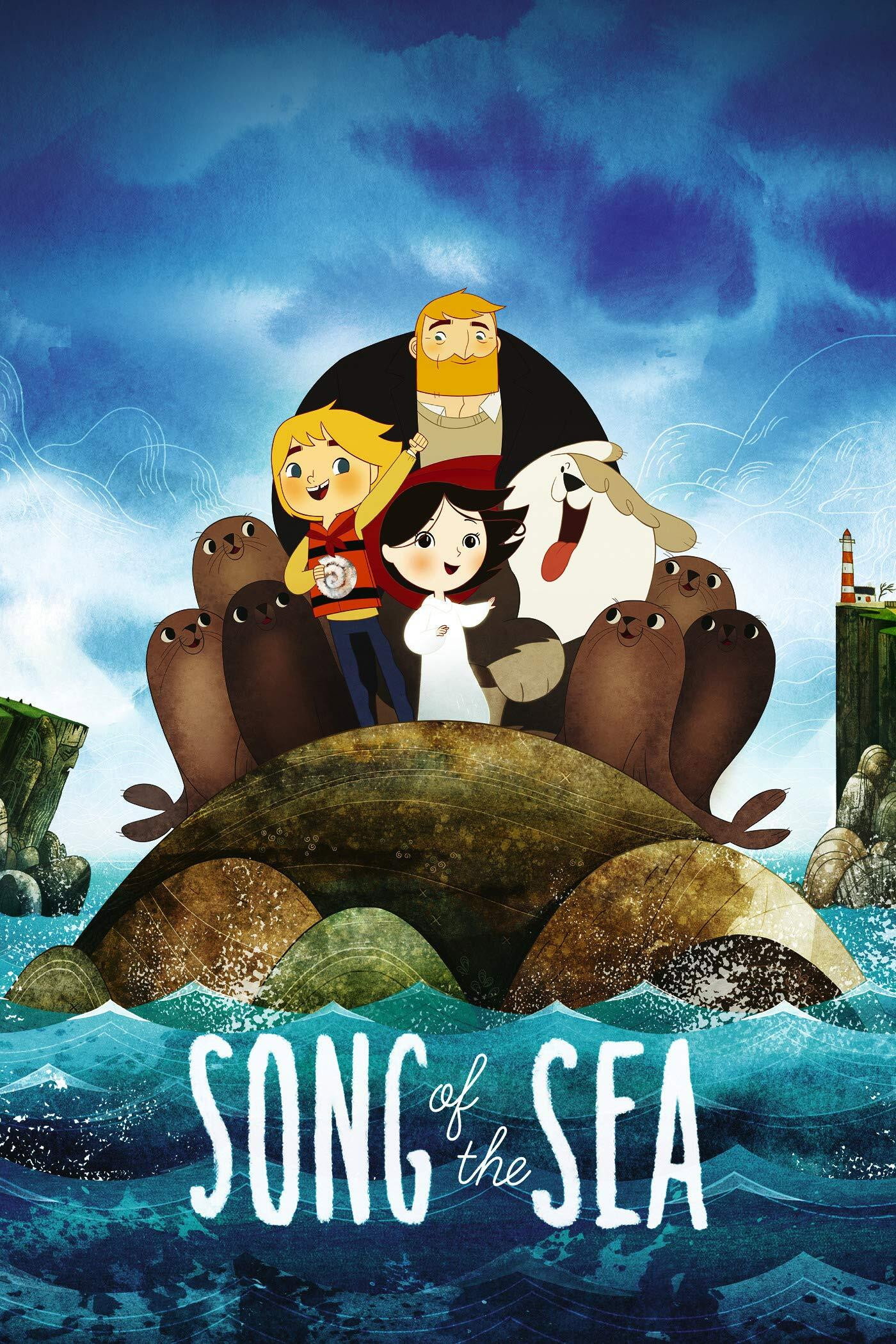
2014 · Moore’s second film, with the same drawn Ireland and a much firmer story.

Princess Mononoke poster88

Princess Mononoke

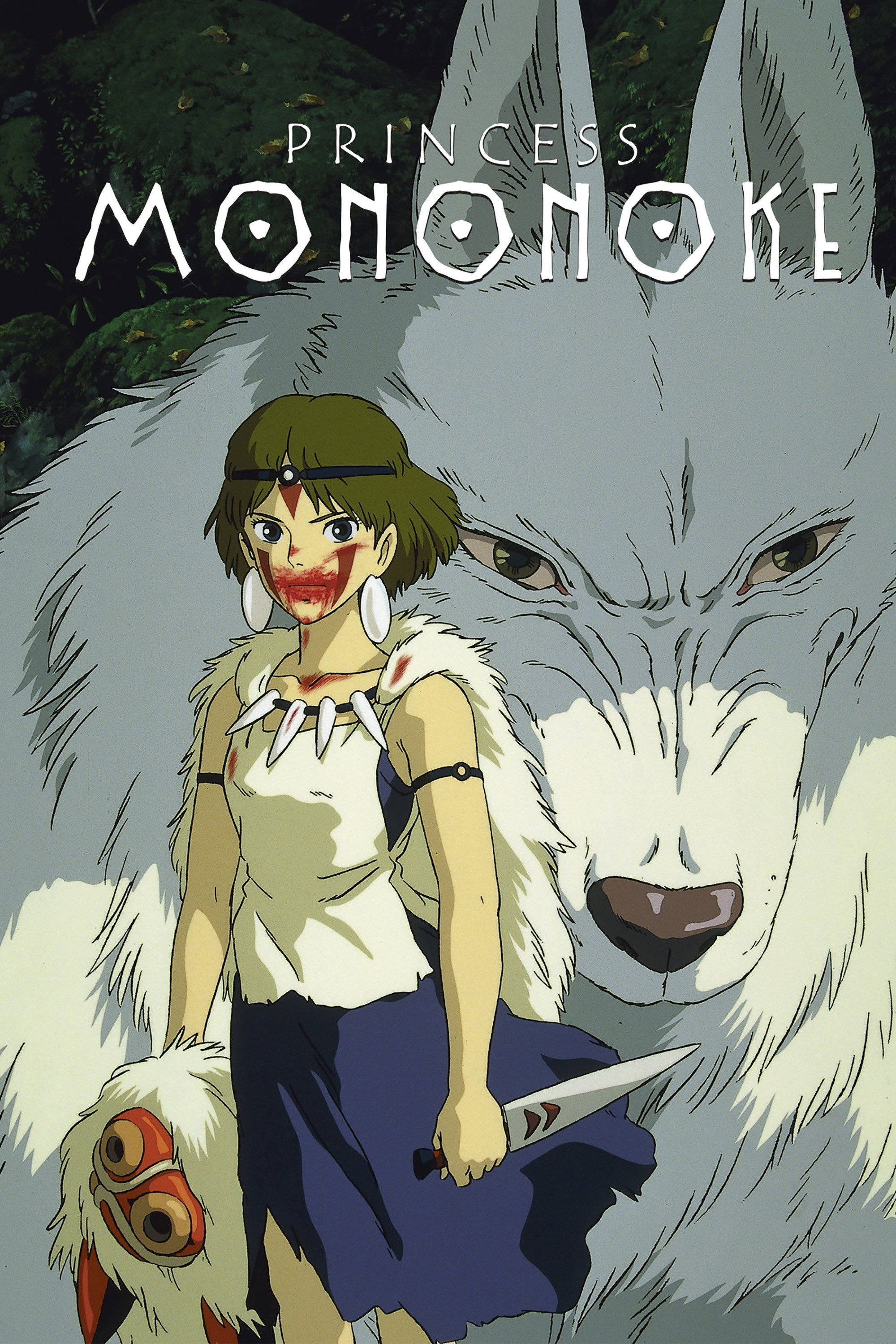
1997 · The wolf-girl and the forest gods that Aisling clearly grew up watching.

Kirikou and the Sorceress poster

Kirikou and the Sorceress

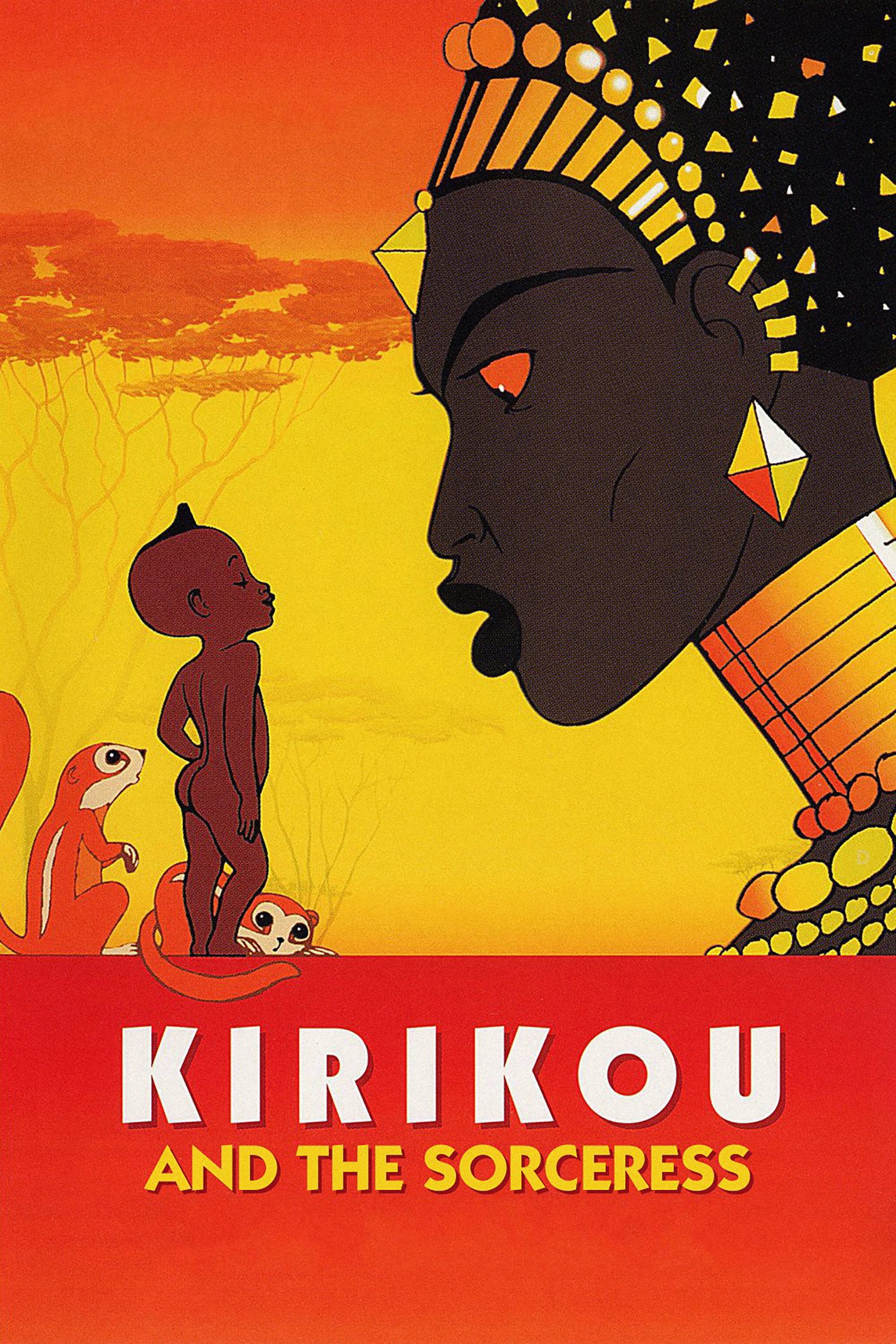
1998 · French-made West African folk tale, flat and bright, told with the same directness.

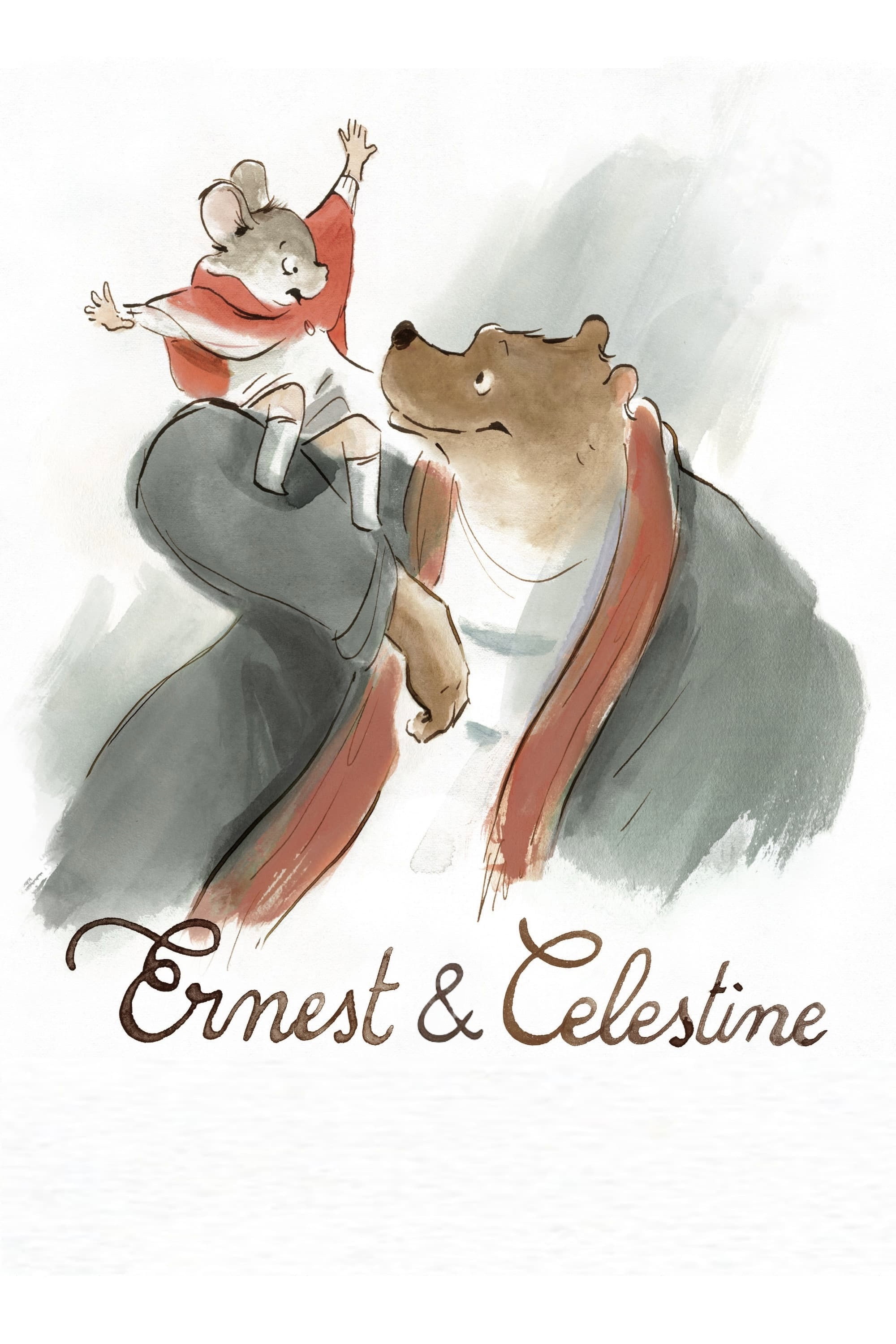
Ernest & Celestine poster

Ernest & Celestine

2012 · Watercolour bears and mice; gentle, funny, and drawn with equal affection.

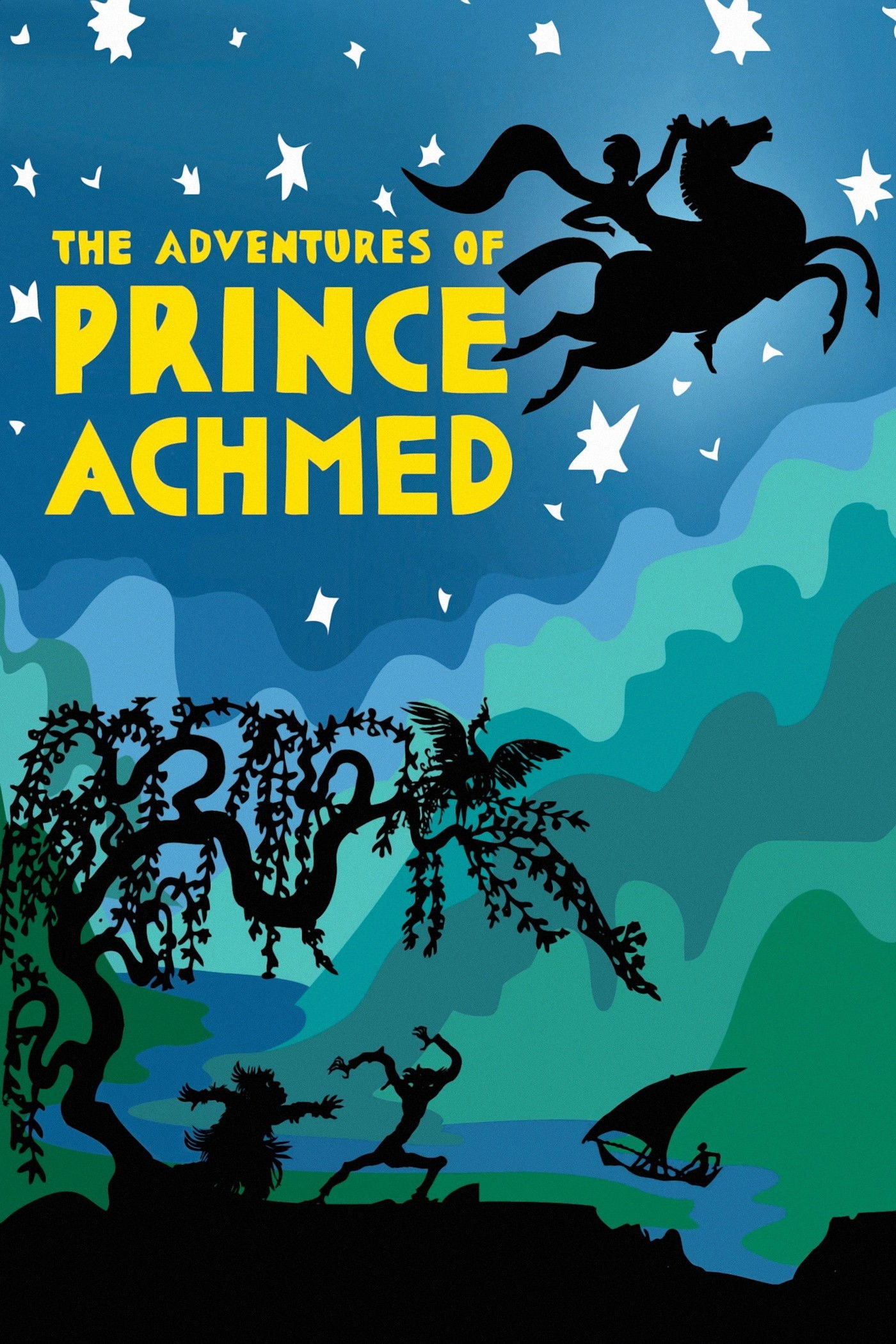
The Adventures of Prince Achmed poster

The Adventures of Prince Achmed

1926 · Silhouette animation from the silent era, proof that flat pictures can hold a spell.