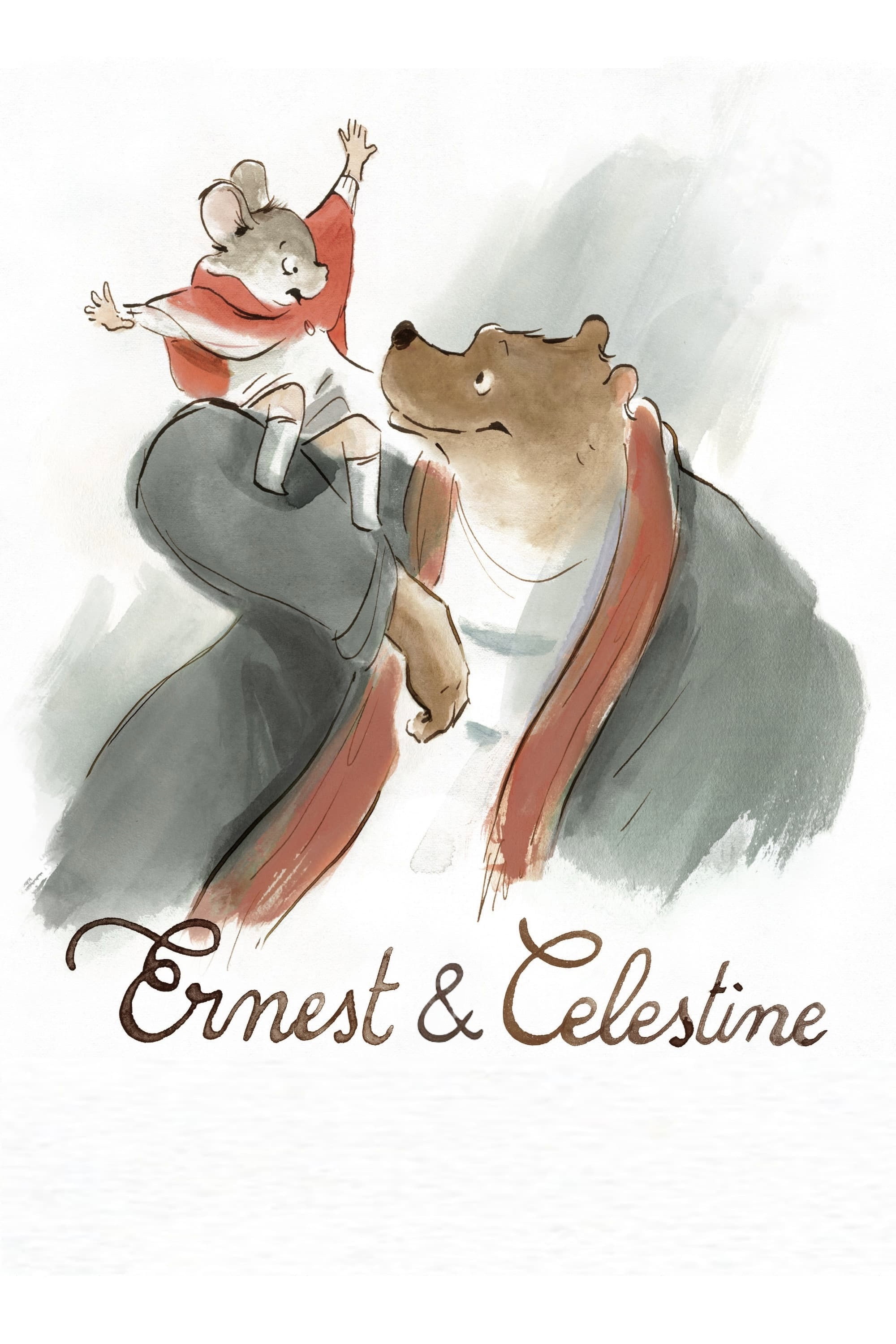
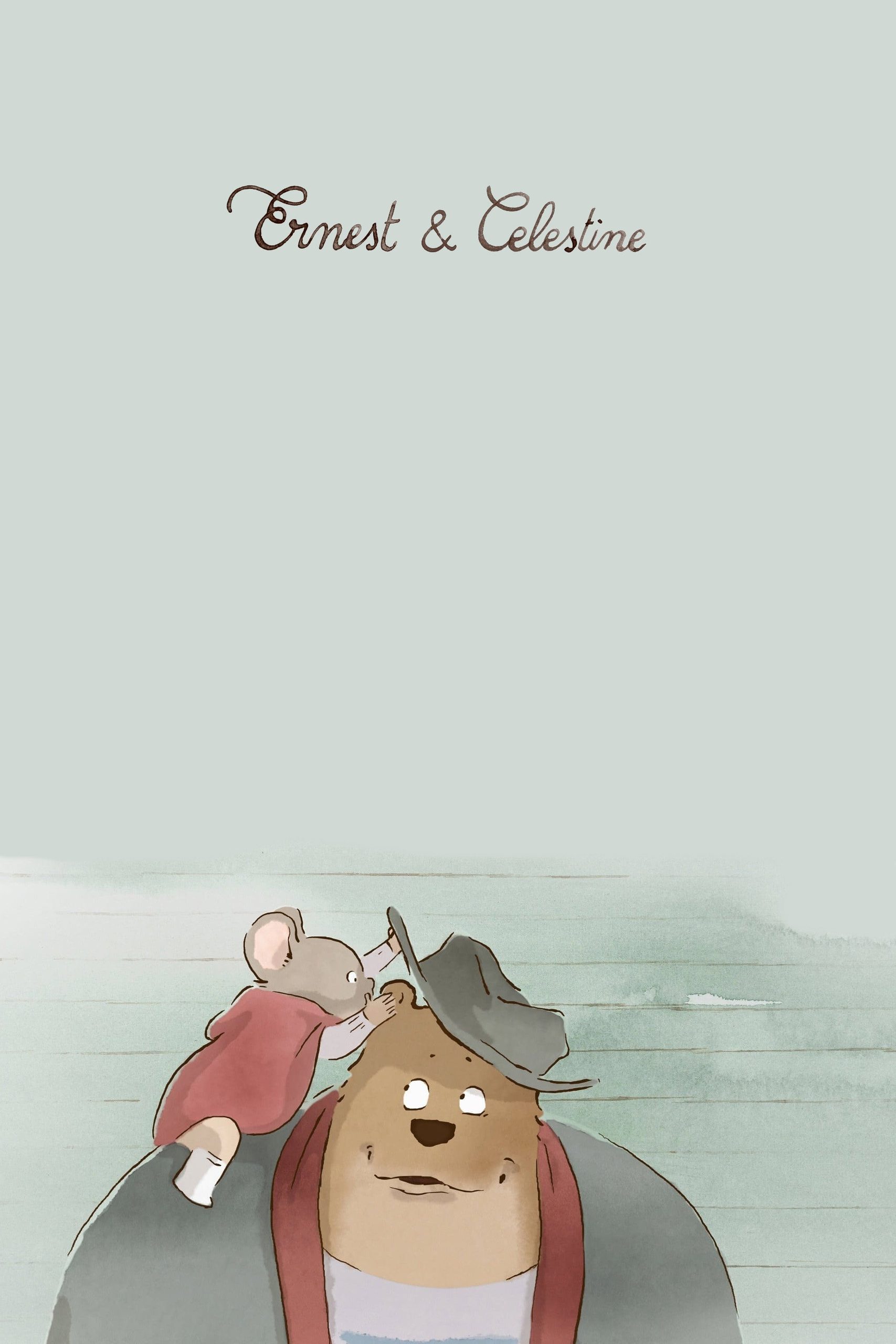
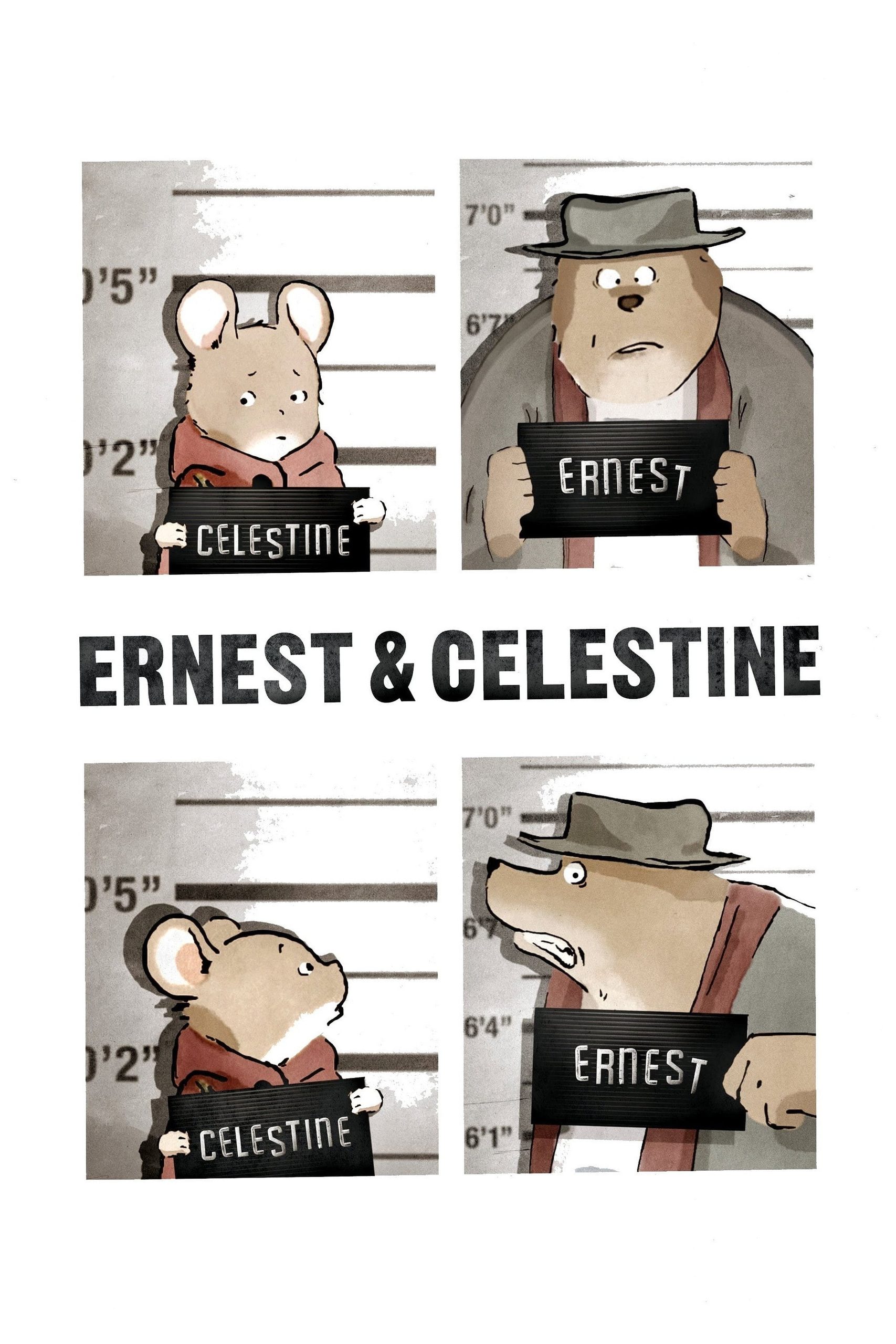
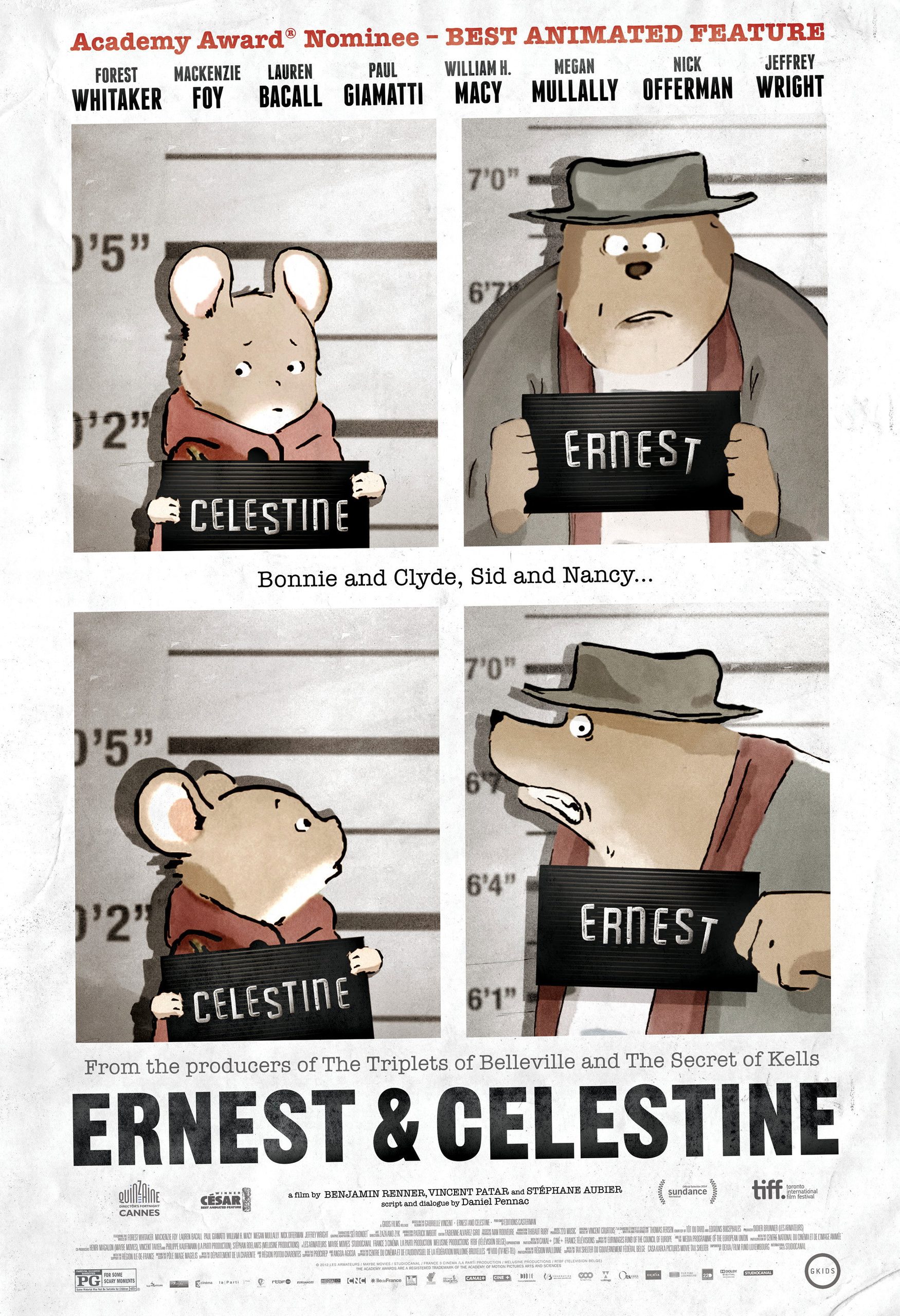
Three directors, Daniel Pennac’s screenplay and Gabrielle Vincent’s children’s books produce a film about a mouse and a bear that is funny, kind and drawn like a wet page. It is slight, and it knows it; that is most of its charm.
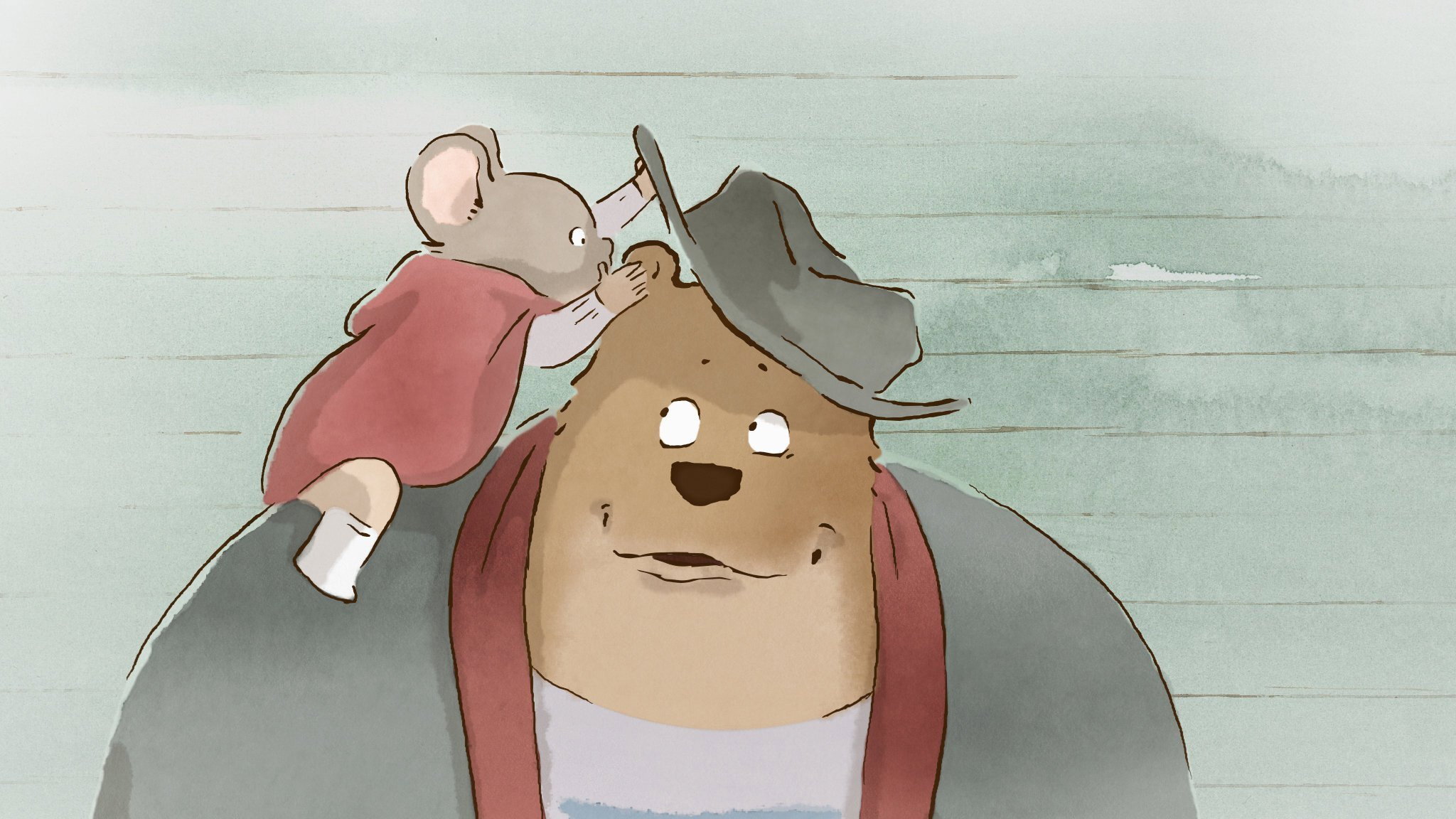
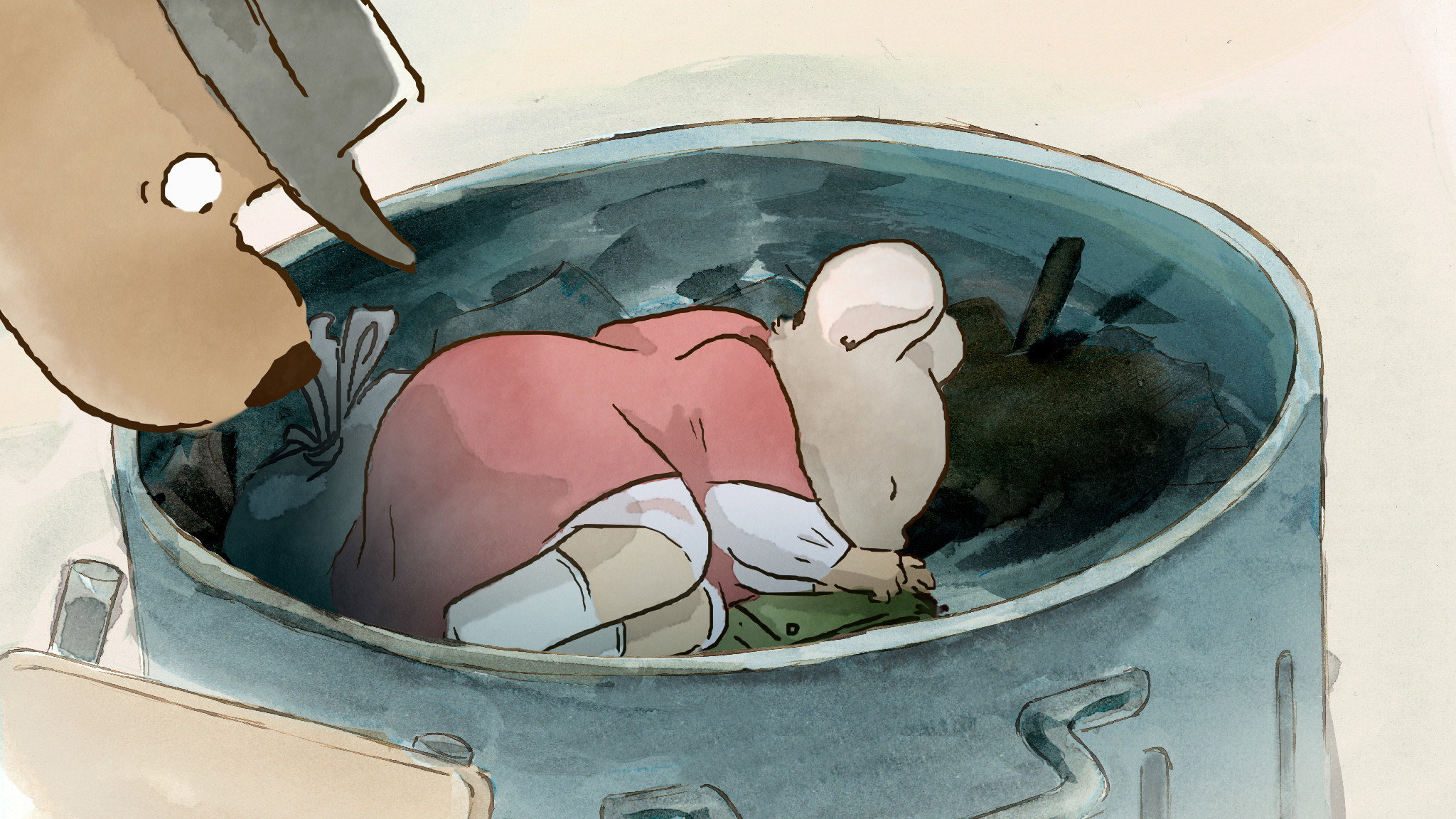
Célestine is a mouse who draws. She lives underground in an orphanage where La Grise (Anne-Marie Loop) tells the young mice each night that the Big Bad Bear upstairs will eat them, and she draws pictures of bears and mice being friends anyway. Ernest is a bear who plays every instrument at once for coins on a street corner and goes home to an empty larder. Daniel Pennac’s screenplay, from Gabrielle Vincent’s children’s books, gets them into the same dustbin and then spends the rest of its 80 minutes asking whether a bear, a mouse and a bag of stolen teeth can make a household. It is one of the kindest animated films we have seen, and it is also a heist picture. We recommend it to anyone, child in tow or not.
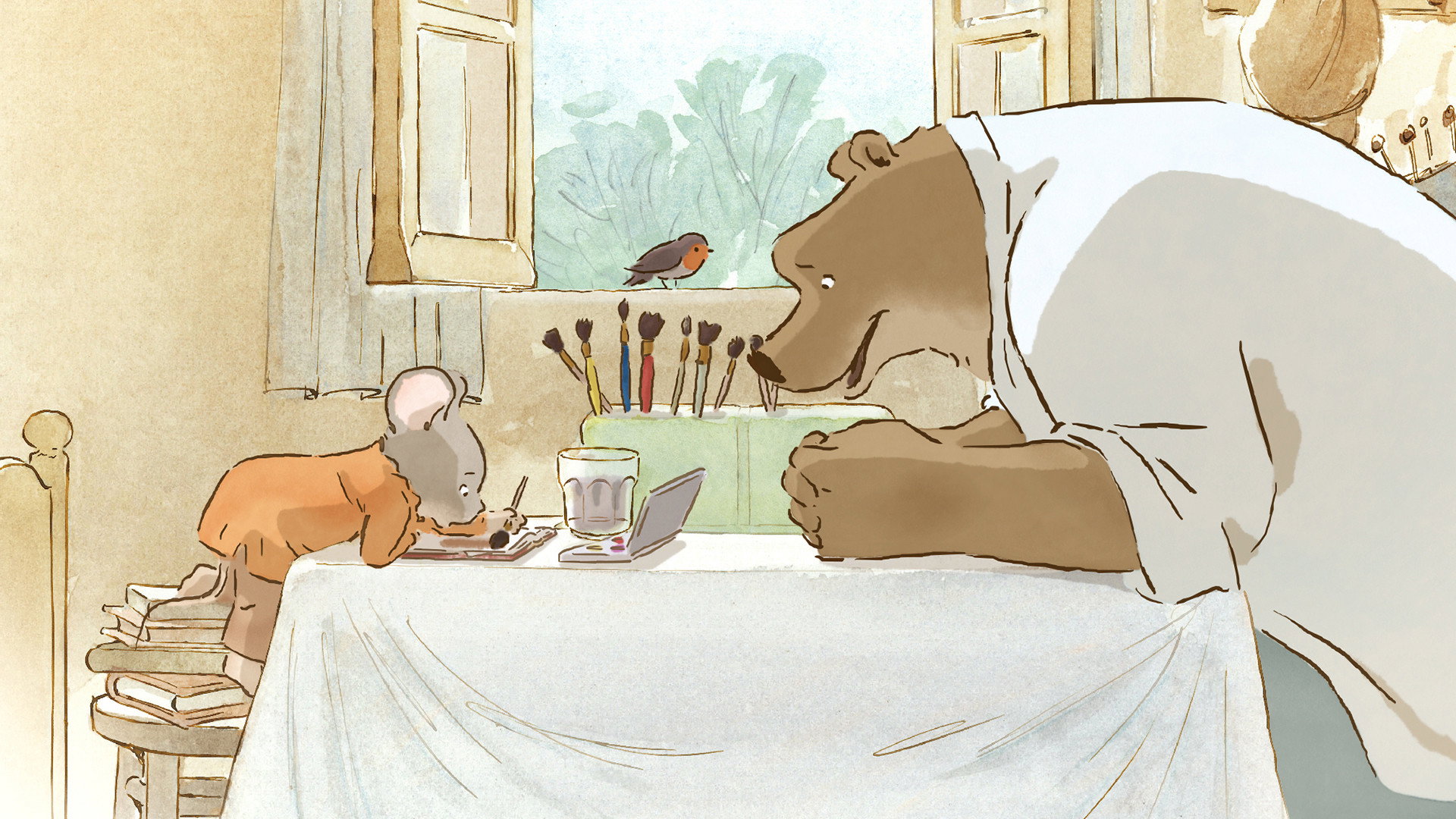
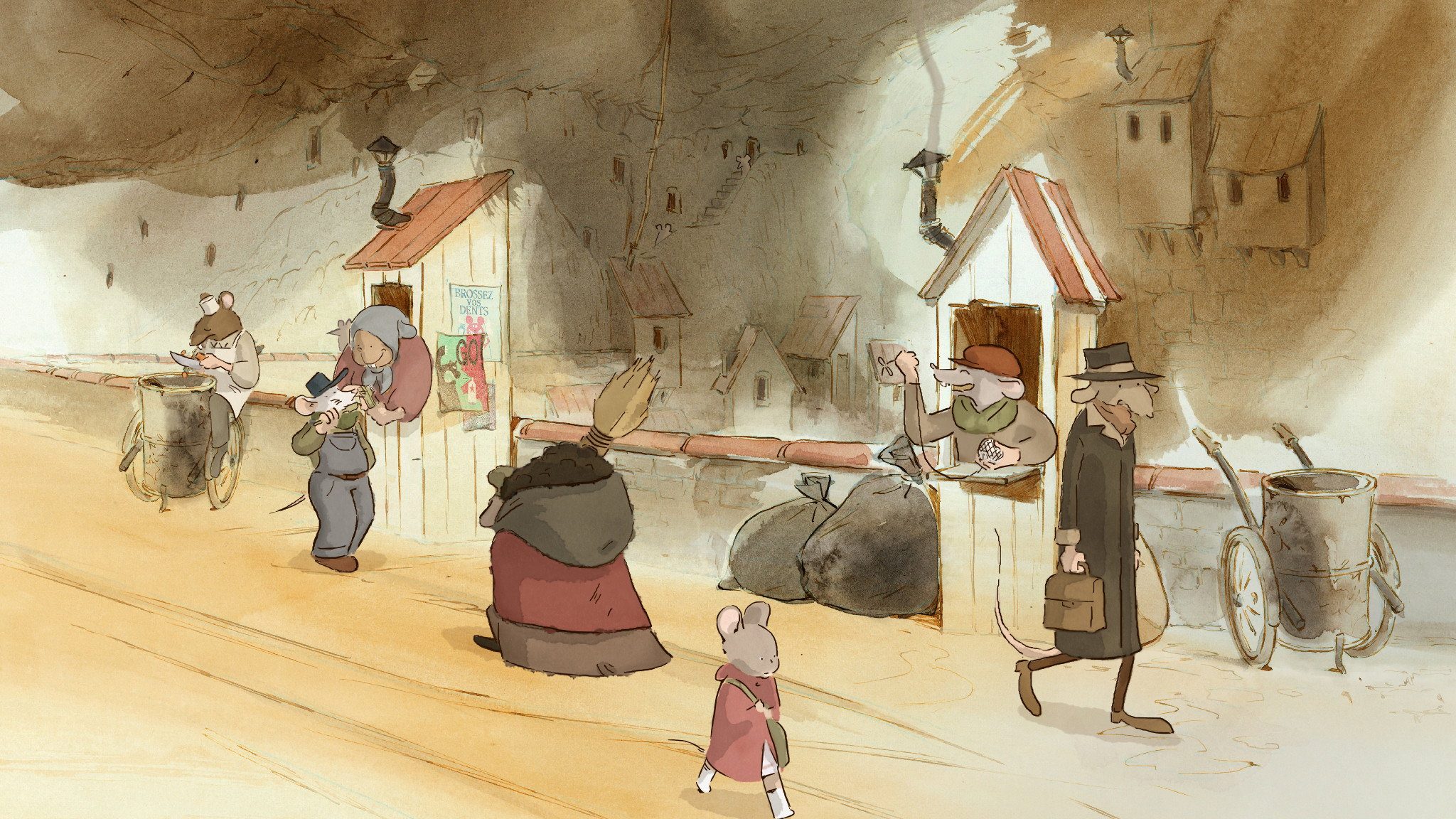
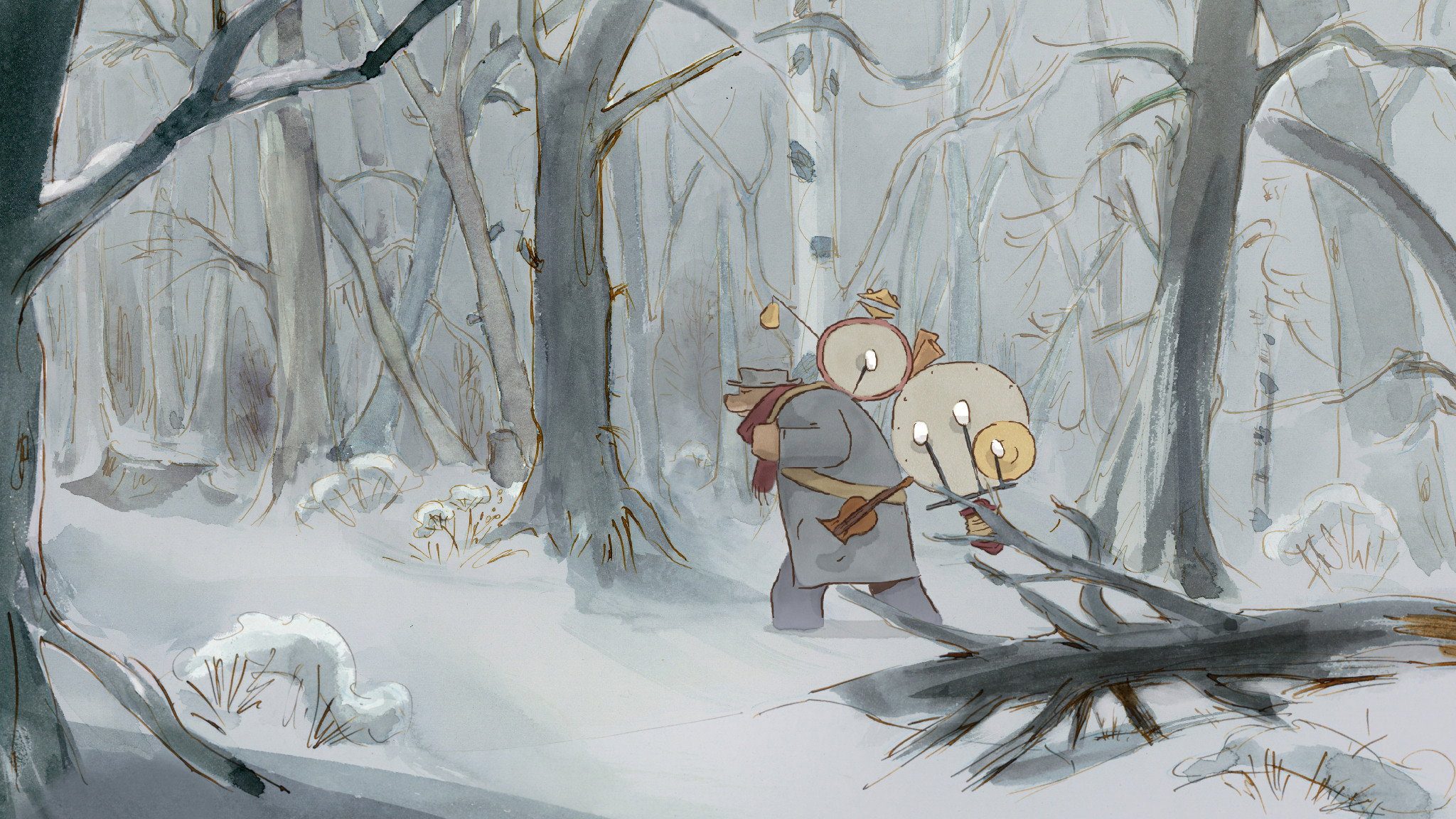
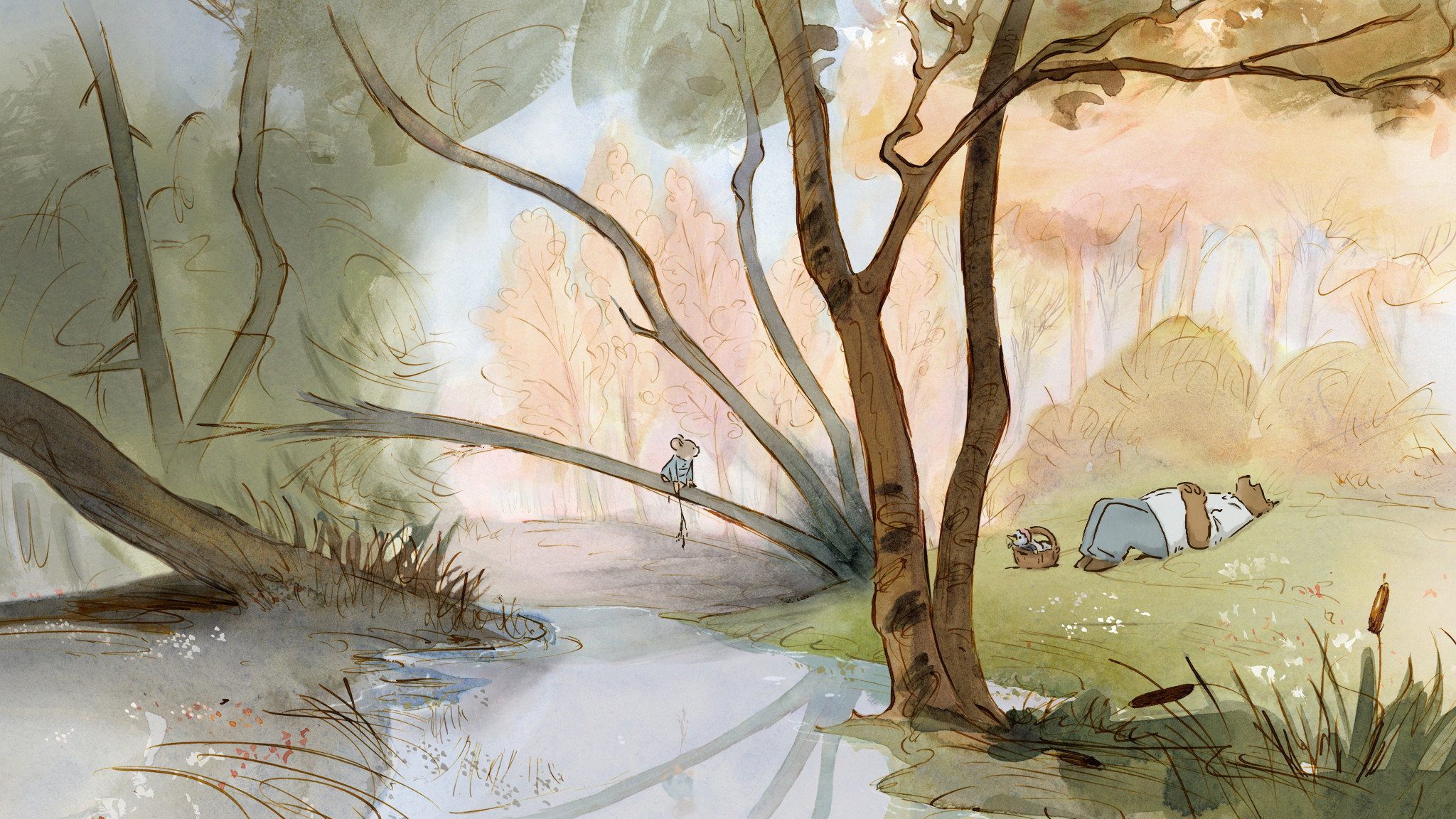
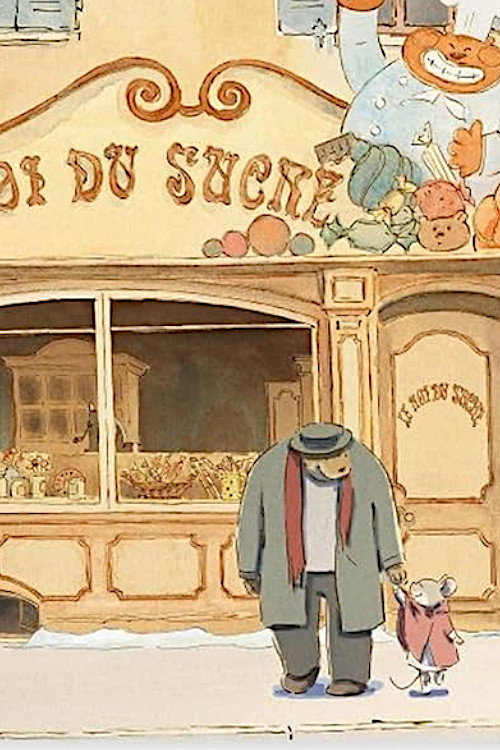
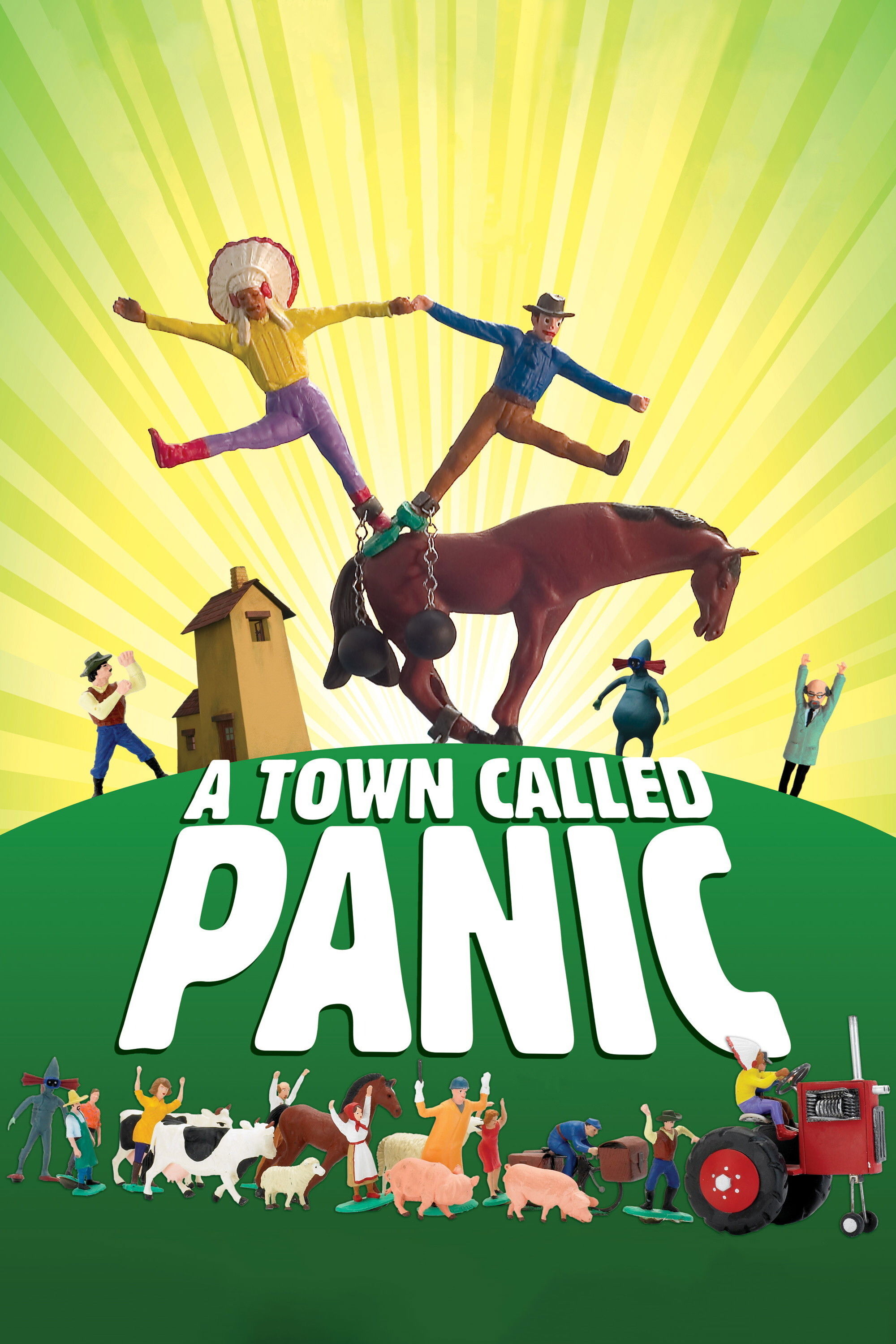
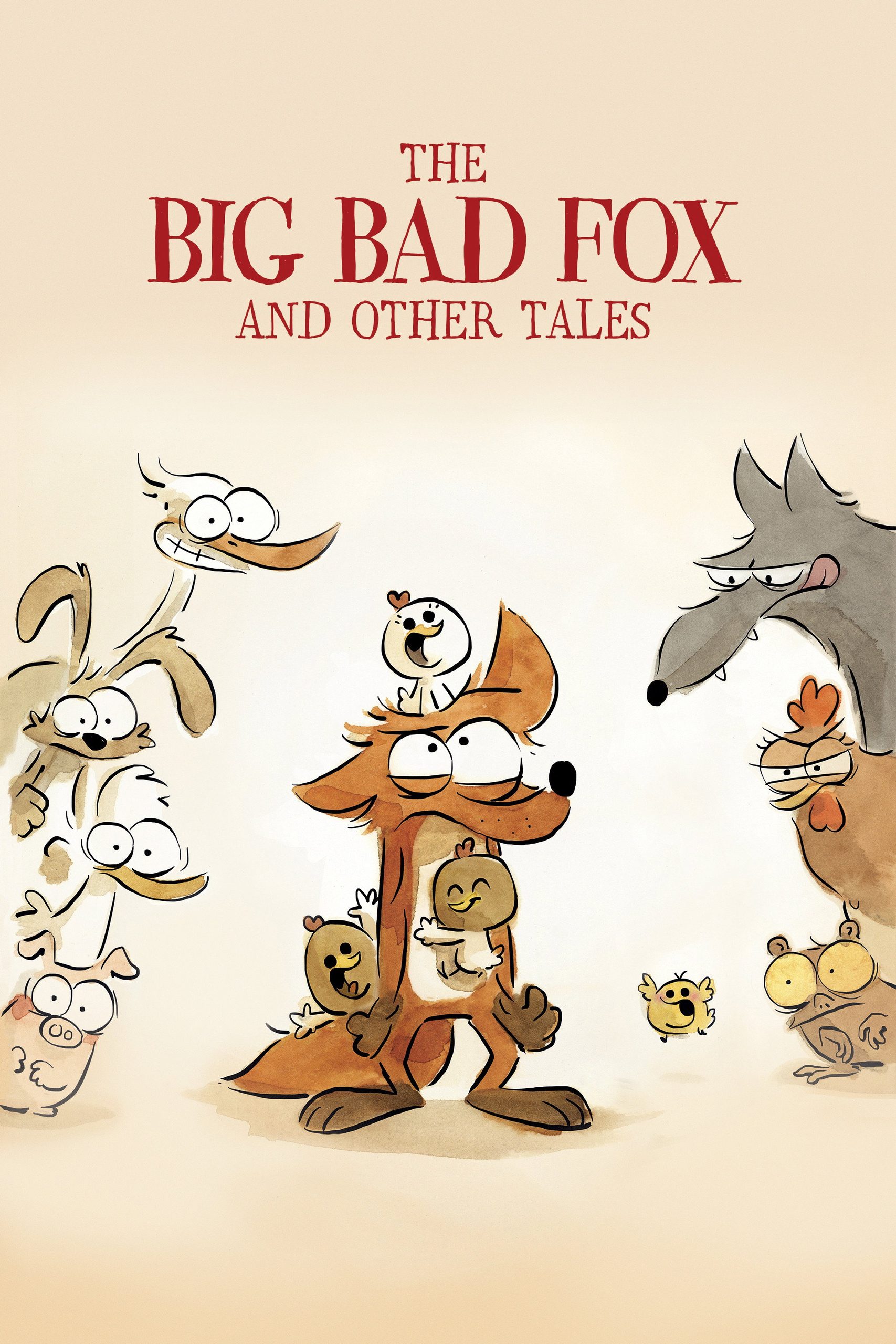
Three directors share the credit: Stéphane Aubier and Vincent Patar, whose A Town Called Panic was made from plastic farm toys and hysteria, and Benjamin Renner. The look is hand-drawn watercolour. Outlines wobble, colour bleeds past them, and backgrounds are left unfinished, so a street of bear shops trails off into white paper at the edge of the frame as though the painter had gone for lunch. It is a brave way to make a feature, because the eye has to accept a picture that is never quite complete. After about five minutes we stopped noticing and started living in it.
The production designers, credited only as Zaza and Zyk, build two towns stacked on top of each other. Above, the bears have cobbles, awnings and a sweet shop run by Georges (Patrice Melennec) next door to a dental surgery run by his wife Lucienne (Brigitte Virtudes); he rots the teeth and she fixes them, and Pennac lets a child work out the arrangement without help. Below, the mice have a city of tunnels and a clinic where the head dentist (Dominique Collignon-Maurin) sends apprentices upstairs to collect bear children’s milk teeth from under pillows. Every mouse needs a bear incisor eventually. The world explains itself in a glance and gets on with the story.
The story is a crime story. Célestine (Pauline Brunner) botches her collection at the bedside of Georges and Lucienne’s boy Léon (Léonard Louf), ends up in a bin, and is found by a hungry Ernest (Lambert Wilson). She talks him out of eating her by offering him the sweet-shop cellar, and when that goes wrong she talks him into robbing the surgery. Wilson gives Ernest a low, put-upon growl, a bear who has been let down by everything and expects the mouse to be no different. Brunner plays Célestine as quick-talking and unafraid and never once cute. Fabienne Alvarez-Giro cuts the break-ins like a proper caper, short and clean, and Vincent Courtois’s score stays small and acoustic and leaves the jokes alone.
What got to us was a nightmare. Célestine dreams, and Ernest turns into a black bear-shaped smudge that swallows the frame, the watercolour giving way to something like wet ink. It lasts perhaps a minute and it frightened us properly, in a way we had not expected from a film this soft, because it is drawn with the same brush as everything else. The scenes at Ernest’s house in the country, where she paints and he plays and the snow comes down outside, use the same brush to the opposite end, and they are the loveliest thing here.
They are also where the film thins. Once the pair have gone to ground, Pennac has to stall, and the stretch of bickering over housekeeping runs a few beats longer than it has material for. The two police chiefs, bear (Vincent Grass) and mouse (Patrice Dozier), are the same joke told twice, and the neatness of the mirrored worlds, two towns, two forces, two prejudices, starts to look like a diagram. The second half moves to a courtroom, presided over by Juge Grizzly (Féodor Atkine), and we will not say how it goes, except that it resolves faster than it deserves to.
None of that costs much. At 80 minutes the film has no room to outstay its welcome and does not. Set beside A Town Called Panic it is the gentler, tidier sibling; set beside the loud, glossy family animation of its era it looks like a handwritten letter arriving among the bills. Most critics have loved it without reservation. We have one, and it is small. Watch it with a child if you have one to hand, and if you do not, watch it anyway.