Benjamin Renner draws with as few lines as a story can take and leaves the paper showing. In Ernest & Celestine that made a small, kind film feel complete; whether the habit survives computer animation is the open question.
Fi1m perspective
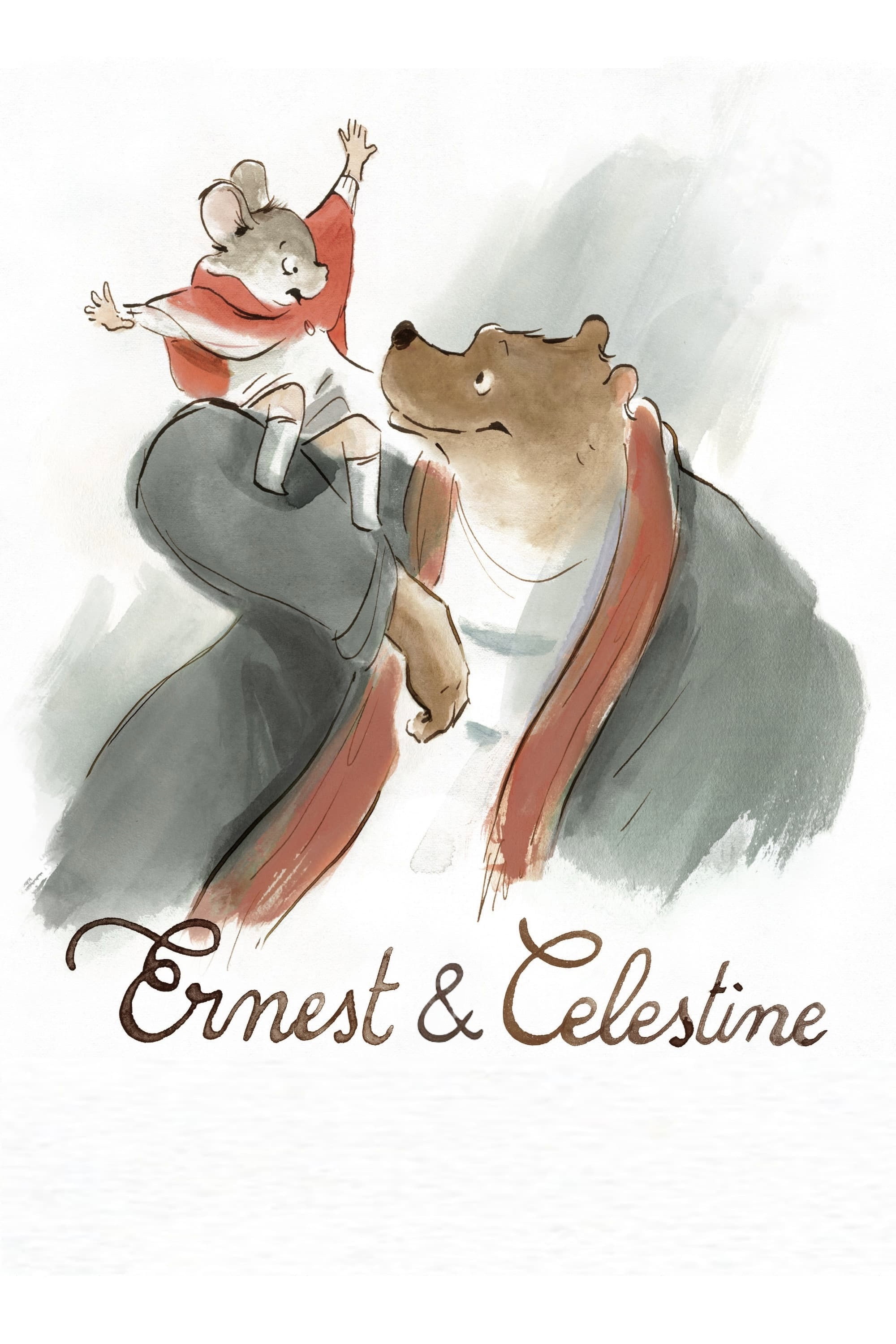
A street of bear shops trails off into white paper at the edge of the frame, as though the painter had gone for lunch. That is Ernest & Celestine (2012), which Benjamin Renner co-directed with Stéphane Aubier and Vincent Patar, and it is the plainest statement of what he does. The outlines wobble, the colour bleeds past them and the backgrounds are simply not finished. Most animated features want you to believe the world carries on past the edge of the picture. Renner asks you to accept that it does not, and it is a risk few directors of features would take.
It worked on us. For the first five minutes we kept catching the gaps, and then we stopped noticing them and were living in the parts he had painted, because the mouse and the bear were so clearly drawn that the rest of the town did not matter. Daniel Pennac's screenplay from Gabrielle Vincent's books gave him a story that is funny and kind and slight, and the film knows it is slight. Renner's talent, on this evidence, is for taking a book's few lines and its emotional tone and keeping both, when the usual instinct is to add. He said as much of Vincent in 2013: "The books were full of emotions that you’re not used to seeing in children’s books. And she’s drawing with very few lines, minimalistic style. That’s exactly what I wanted to do after film school."
Comics came first. He studied bande dessinée at Angoulême before animation, and his graduation short, La Queue de la souris (2007), got him hired as art director on Ernest & Celestine before he was made a co-director of it. He kept drawing comics under the name Reineke, and one of them, Le Grand Méchant Renard (2015), became The Big Bad Fox and Other Tales... (2017), made with Patrick Imbert: another set of animals, another book carried to the screen with the drawing left loose. He starts projects by storyboarding and drawing rather than writing, and it shows in how much the finished films still look like drawings.
Then in 2023 he directed Migration for Illumination, in computer animation, for a Hollywood studio. We have not reviewed it and will not judge it here. But the move is worth noticing, because a director whose method was leaving things out has gone to work in a medium whose method is filling everything in. The software renders the background whether you want it or not; nobody goes for lunch. Whether Renner can keep his few lines inside a machine built for millions of them is the question his next film will answer. In the meantime, start with Ernest & Celestine, ideally with a child on the sofa beside you, and watch the edges of the frame.
Biography
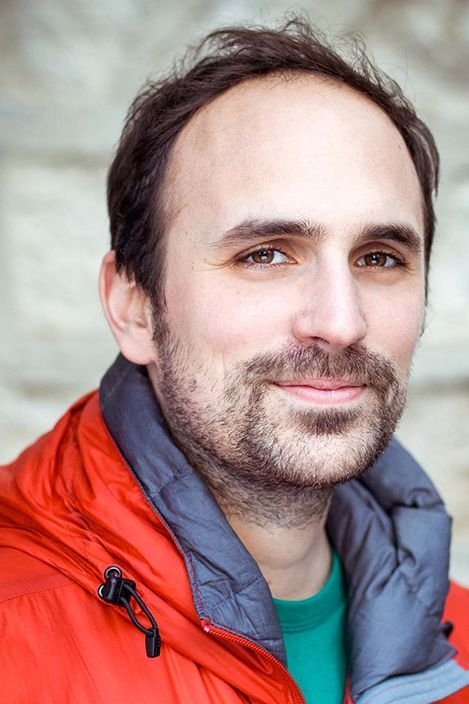
Benjamin Renner is a French cartoonist, animator and filmmaker. Born on 14 November 1983, he studied comics at the École des Beaux-Arts in Angoulême and animation at La Poudrière at the Cartoucherie de Bourg-lès-Valence.
He directed the short film La Queue de la souris (A Mouse's Tale, 2008) as a student project. Renner co-directed the feature Ernest & Celestine (2012) with Stéphane Aubier and Vincent Patar; the film received an Academy Award nomination for Best Animated Feature. He later adapted his own comic into the anthology film The Big Bad Fox and Other Tales (2017), co-directed with Patrick Imbert, and directed the Illumination feature Migration (2023).