Film review

The Illusionist

2010 · Directed by Sylvain Chomet · 1h 20m · MPA PG

In a sentenceA conjuror who cannot compete with a jukebox, a girl who thinks he can, and a rabbit that bites; sadder than any cartoon should be

AnimationDrama

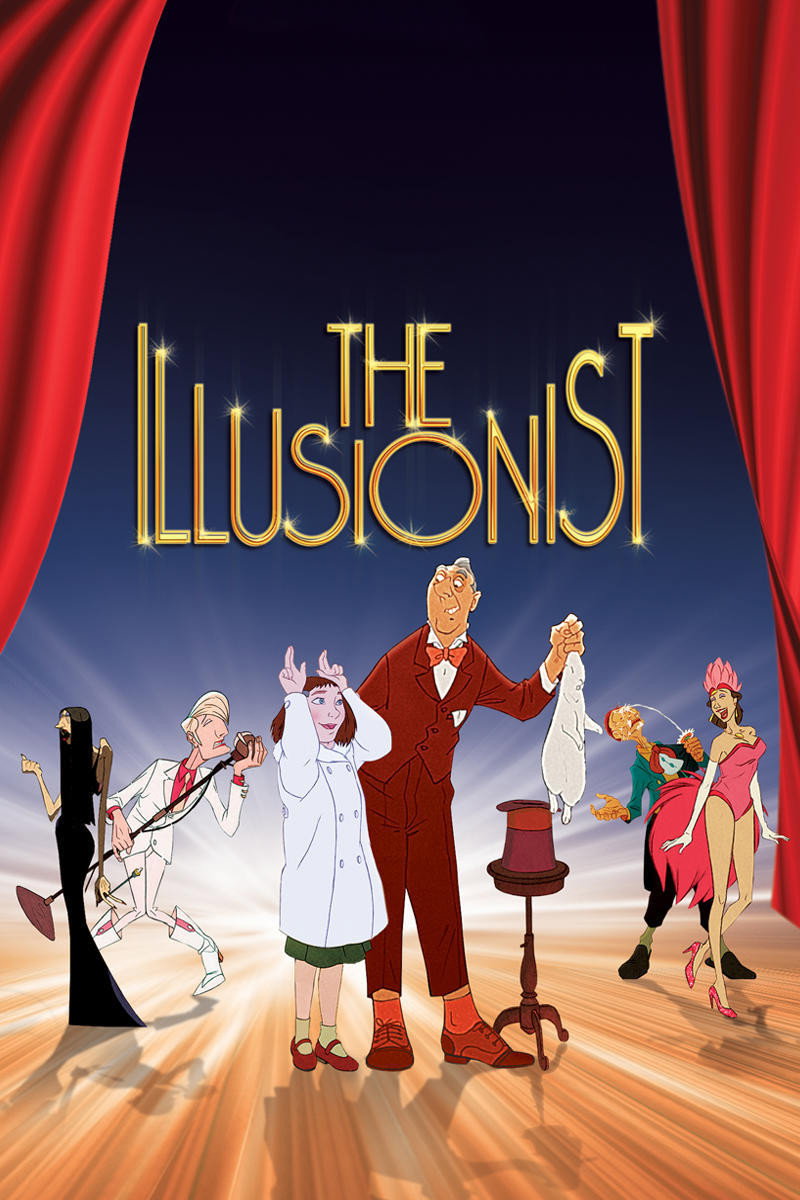
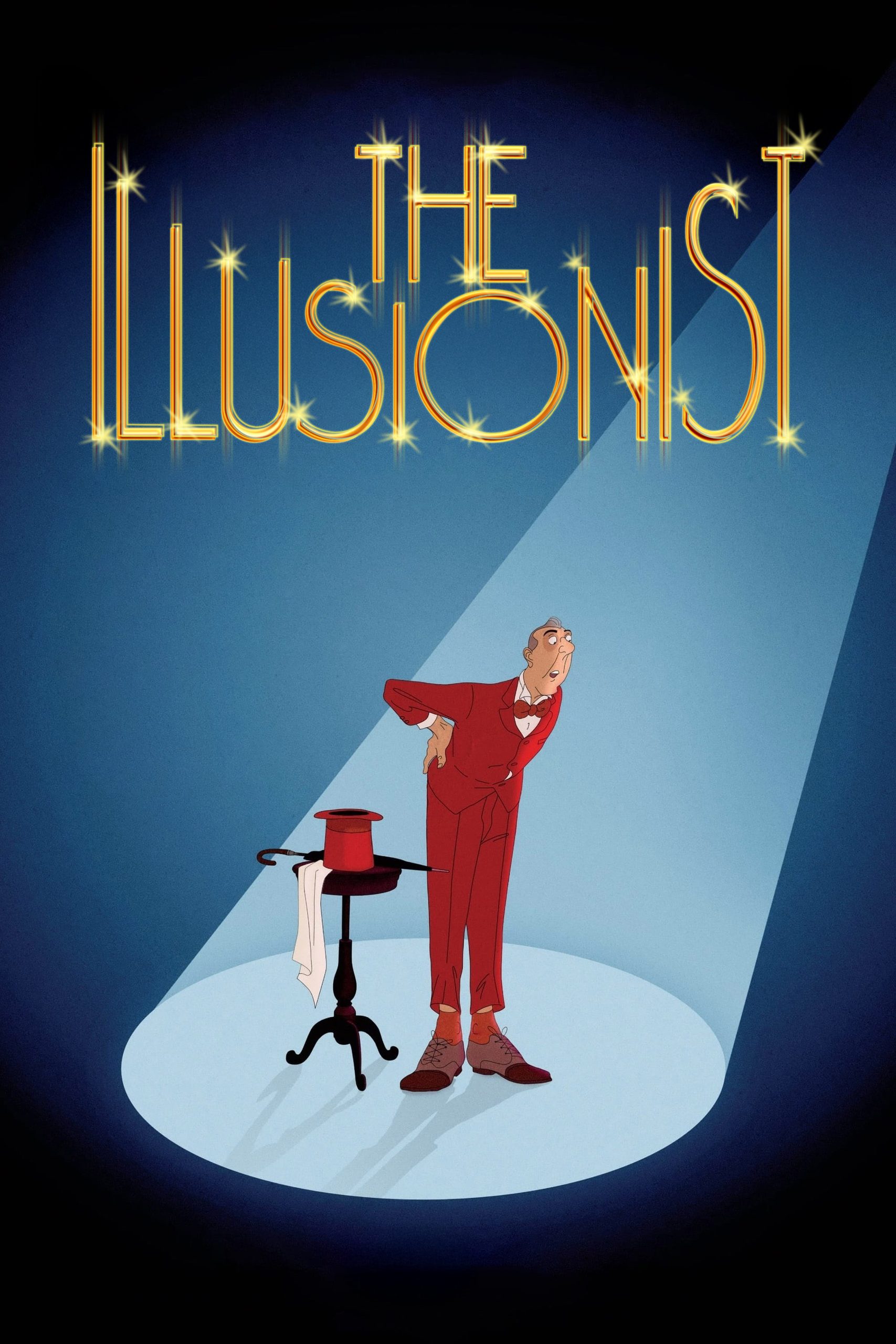
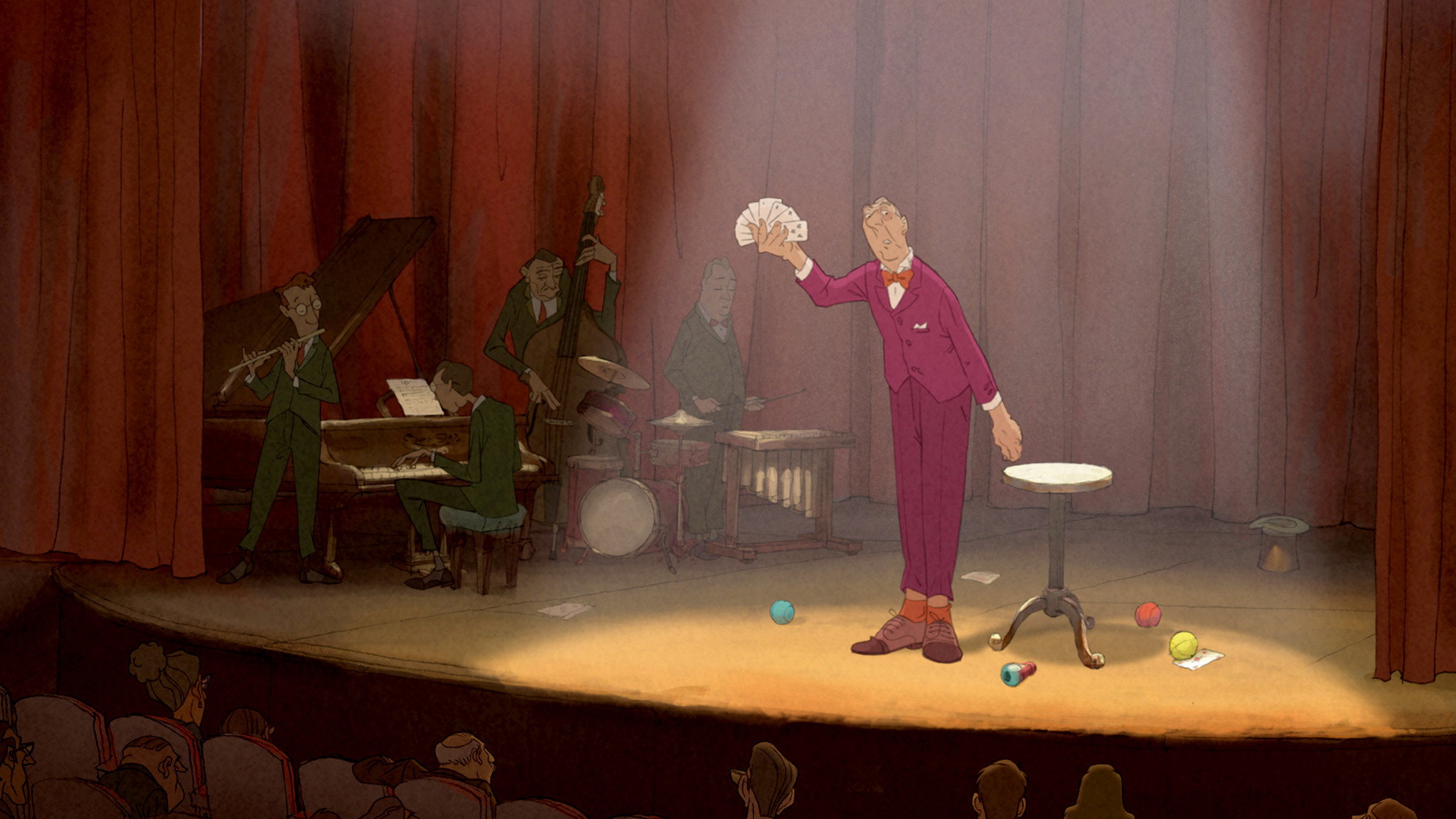
The late 1950s. Tatischeff (Jean-Claude Donda) is a French stage magician with a top hat, a card trick and a rabbit that bites, and the music halls that used to book him are closing or booking guitar bands instead. He takes work wherever it is offered and ends up in Scotland, where a girl called Alice (Eilidh Rankin), who scrubs the floors where he performs, sees his coin trick and decides it is real. When he leaves for Edinburgh she follows, and the two set up in the city while he looks for anywhere that will still put a conjuror on a stage. Almost nobody speaks, and what is said is not subtitled.

Plays from YouTube when you press play; nothing loads from them until then.

Fi1m review

Sylvain Chomet animates a screenplay Jacques Tati never got to film, and the result is a near-silent, hand-drawn and unrelievedly sad account of a magician outlived by his trade. It is lovely to look at and a little too pleased with its own melancholy.

Sylvain Chomet’s second feature is drawn, in both senses, from a screenplay Jacques Tati wrote and never filmed. Its hero, Tatischeff (voiced, in the few words he gets, by Jean-Claude Donda), is a stage magician working the last of the music halls in 1959, and he is Tati to the life: the long legs, the raincoat, the stiff polite bow to an audience that has already left. The film follows him from France to Edinburgh, and at every stop the bookings are smaller and the guitars louder. It runs 80 minutes, has almost no dialogue, and is one of the saddest films we have seen carry a PG certificate. We recommend it, and we think it is about twenty minutes of melancholy longer than its story needs.

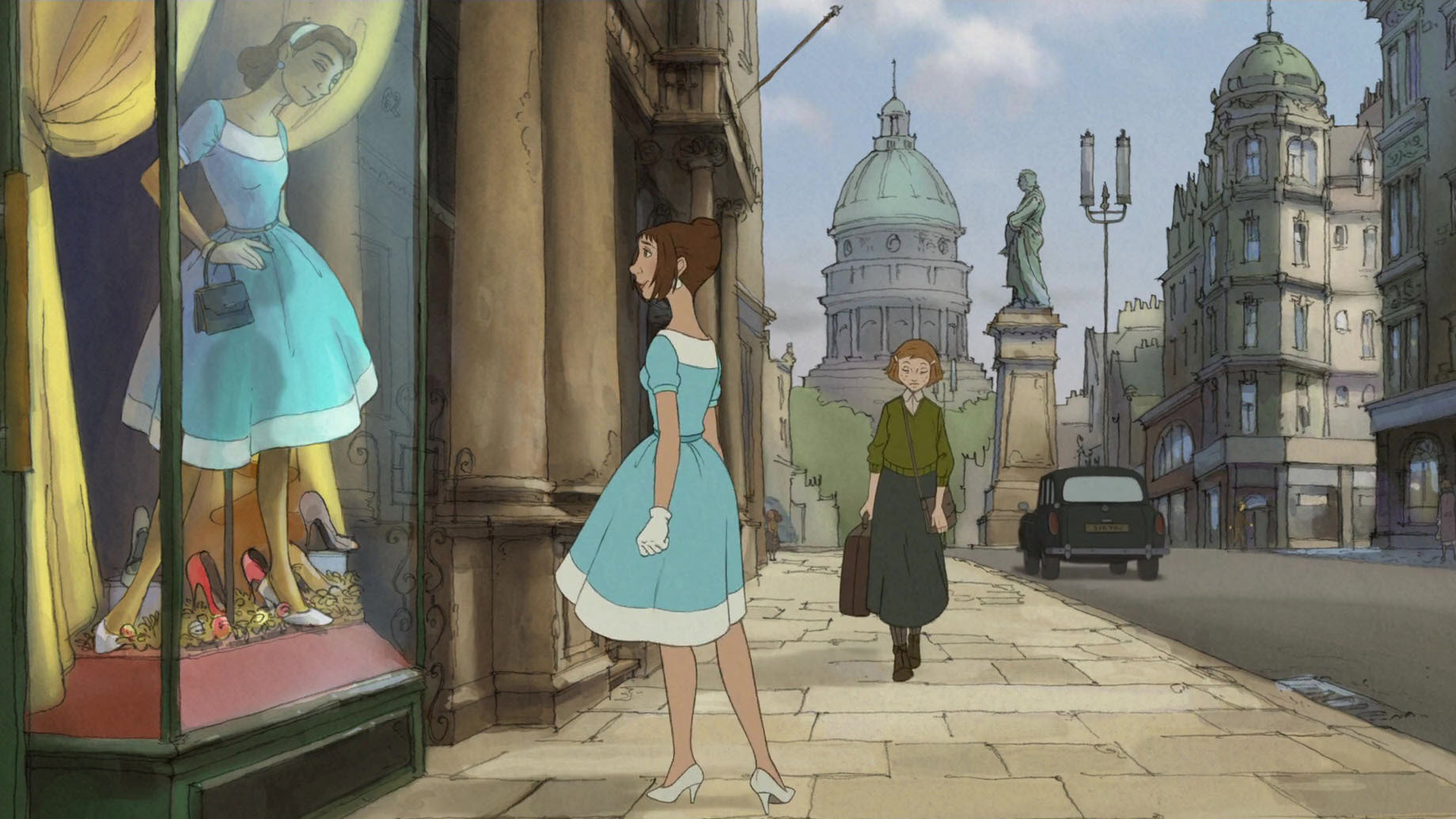
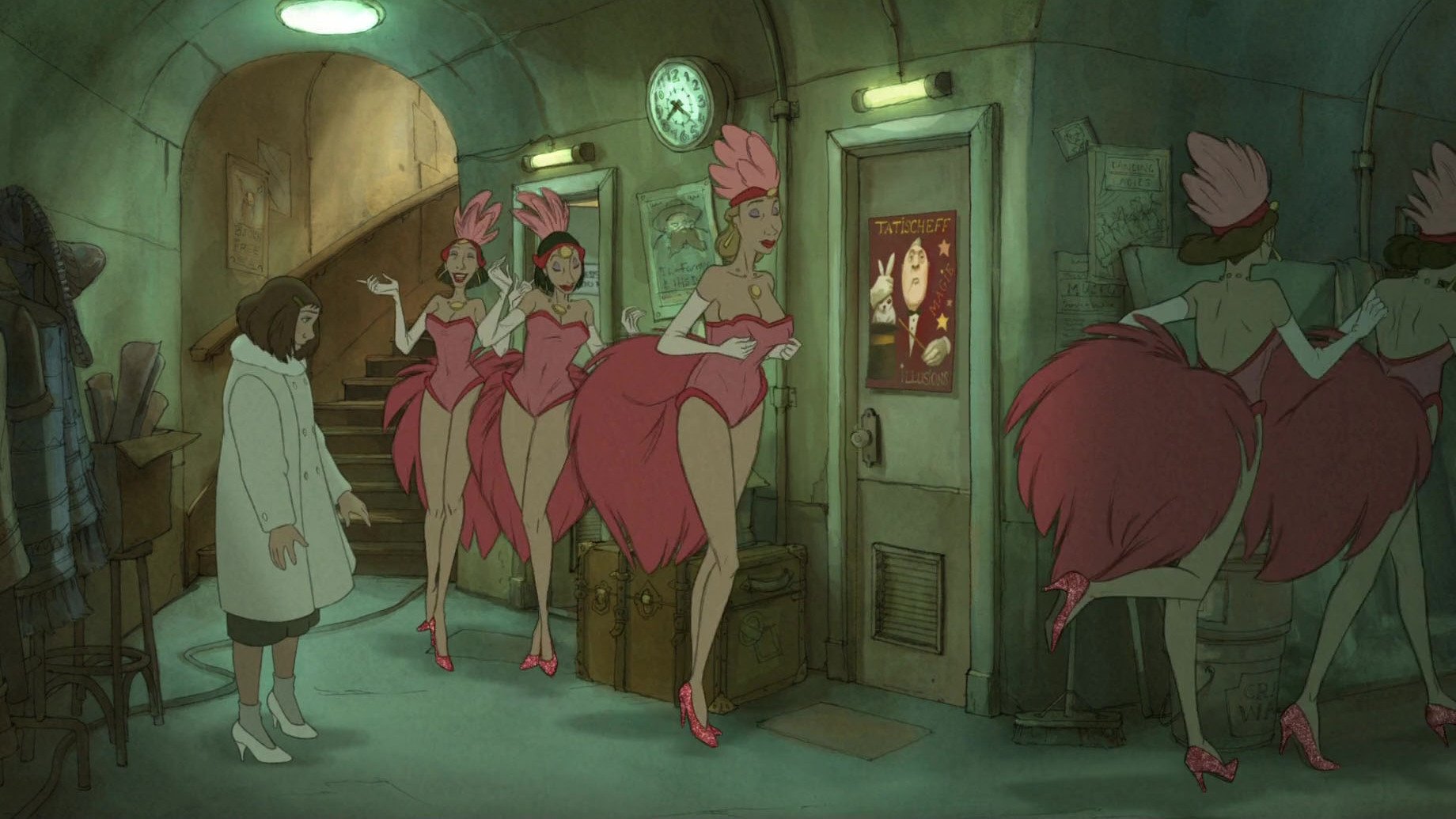
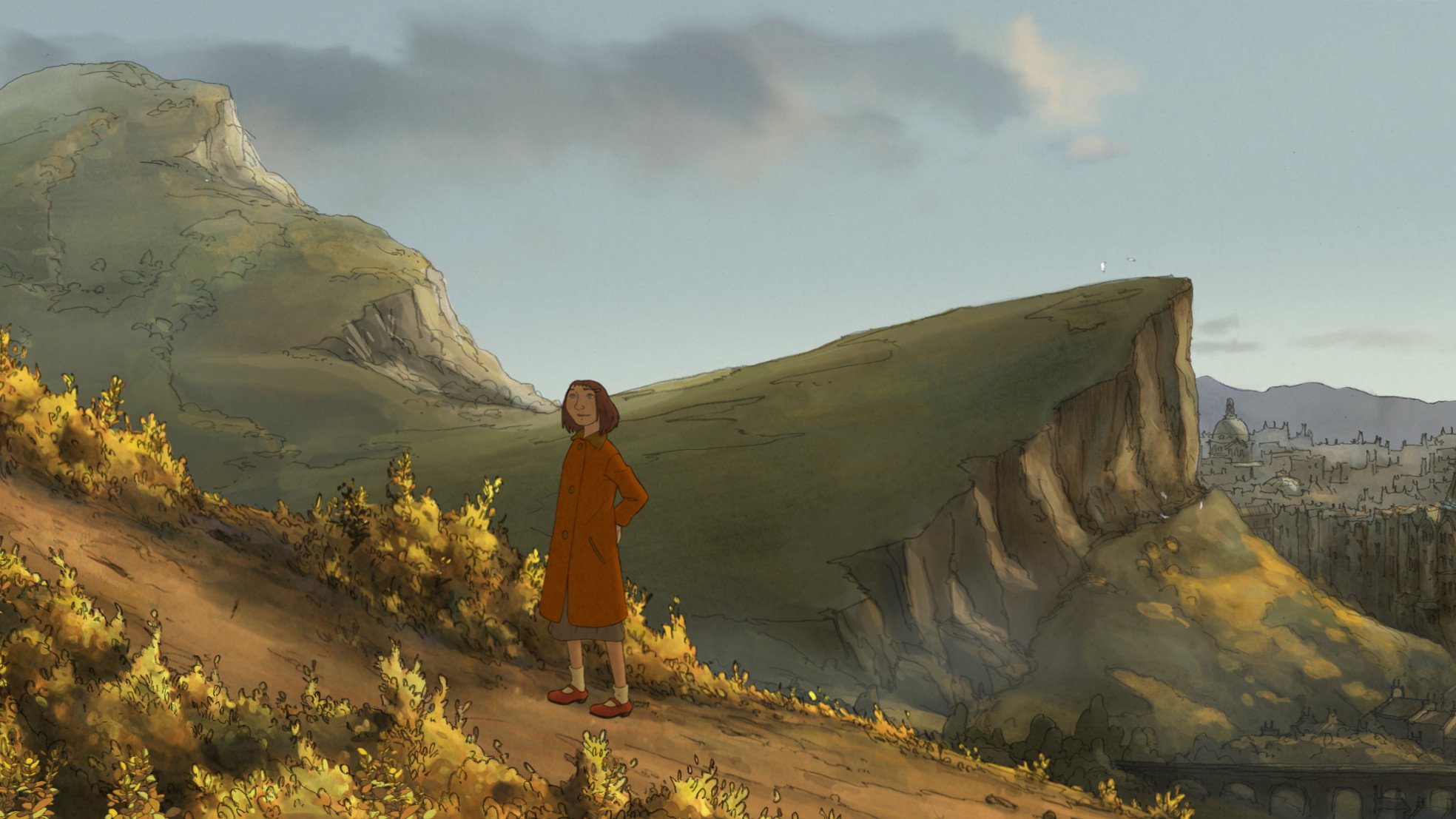
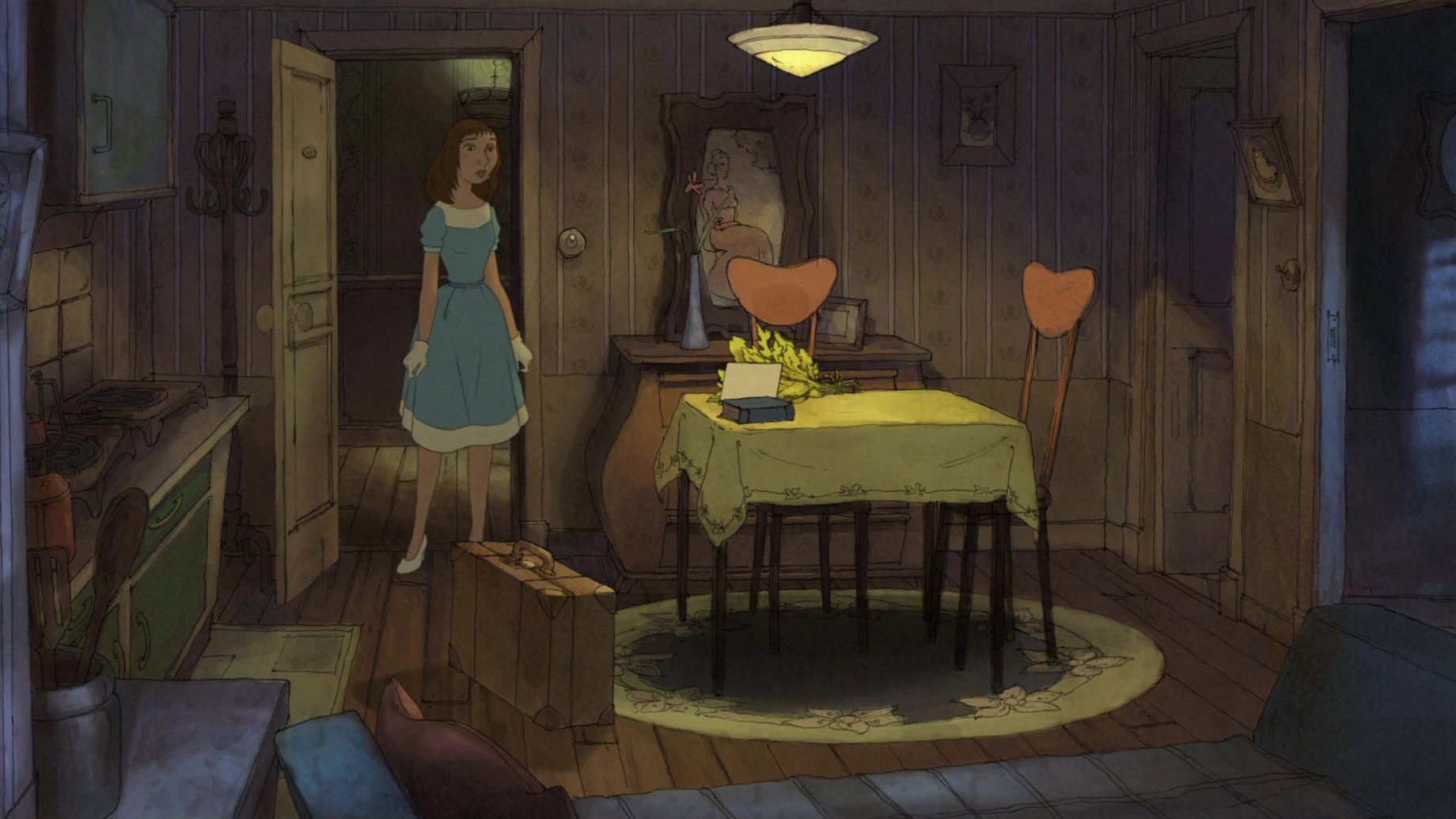
There is no cinematographer to credit on an animated film, so credit the painters. Edinburgh is done in watercolour: wet stone, gulls, a castle on its rock, a sky that goes from gold to slate in the time it takes a tram to cross the frame. Chomet fills the edges of the picture with people who have nothing to do with the plot and does not let them stand still. A drunk in a pub, a mechanic, a row of shop girls in a department store: each is drawn as a particular body with a particular walk.

Chomet also edits the film and writes the score, a piano waltz that keeps coming back a little slower each time. He knows when to hold a shot. Tatischeff’s act is shown in full, more than once, so that we learn the tricks and then watch an audience fail to care about them. The sound does the work the dialogue would normally do: rain on windows, heels on tenement stairs, a rabbit’s teeth meeting a finger. When people do speak it is in French, or in a Scots so thick it might as well be another language, and none of it is subtitled. That is the right decision; you understand everything anyway.

It is funnier than its reputation. The rabbit, which bites everyone and escapes at every opportunity, is the best animal in a cartoon for years. We laughed a good deal in the first half, and we noticed, about an hour in, that we had stopped, and that Chomet had planned it that way.

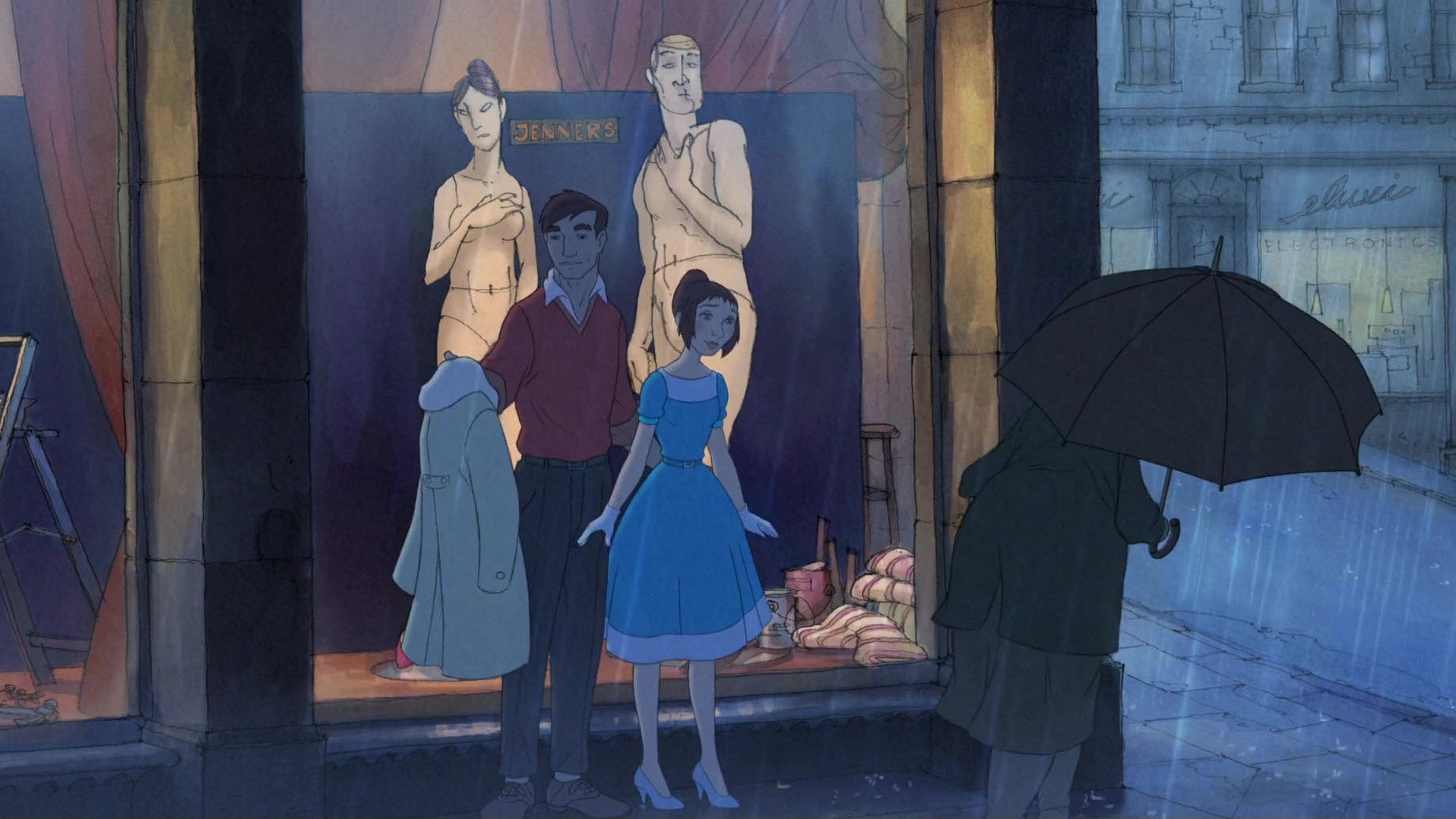
The trouble is Alice (Eilidh Rankin). She is the girl who believes the tricks are real and follows him to the city, and she wants things: red shoes, a coat, a pair of heels. Tatischeff finds ways to pay for them. That is all she is. Rankin has next to nothing to say, and Chomet draws Alice looking into shop windows so often that the middle of the film becomes a list. Tati’s own films kept their sadness moving with a crowd of jokes; Chomet pushes the jokes to the margins and lets the picture sit still and look at the rain. Most critics have found that stillness the point. We found it a limit, and by the last reel we were waiting for it to end, which is not what sadness should do to you.

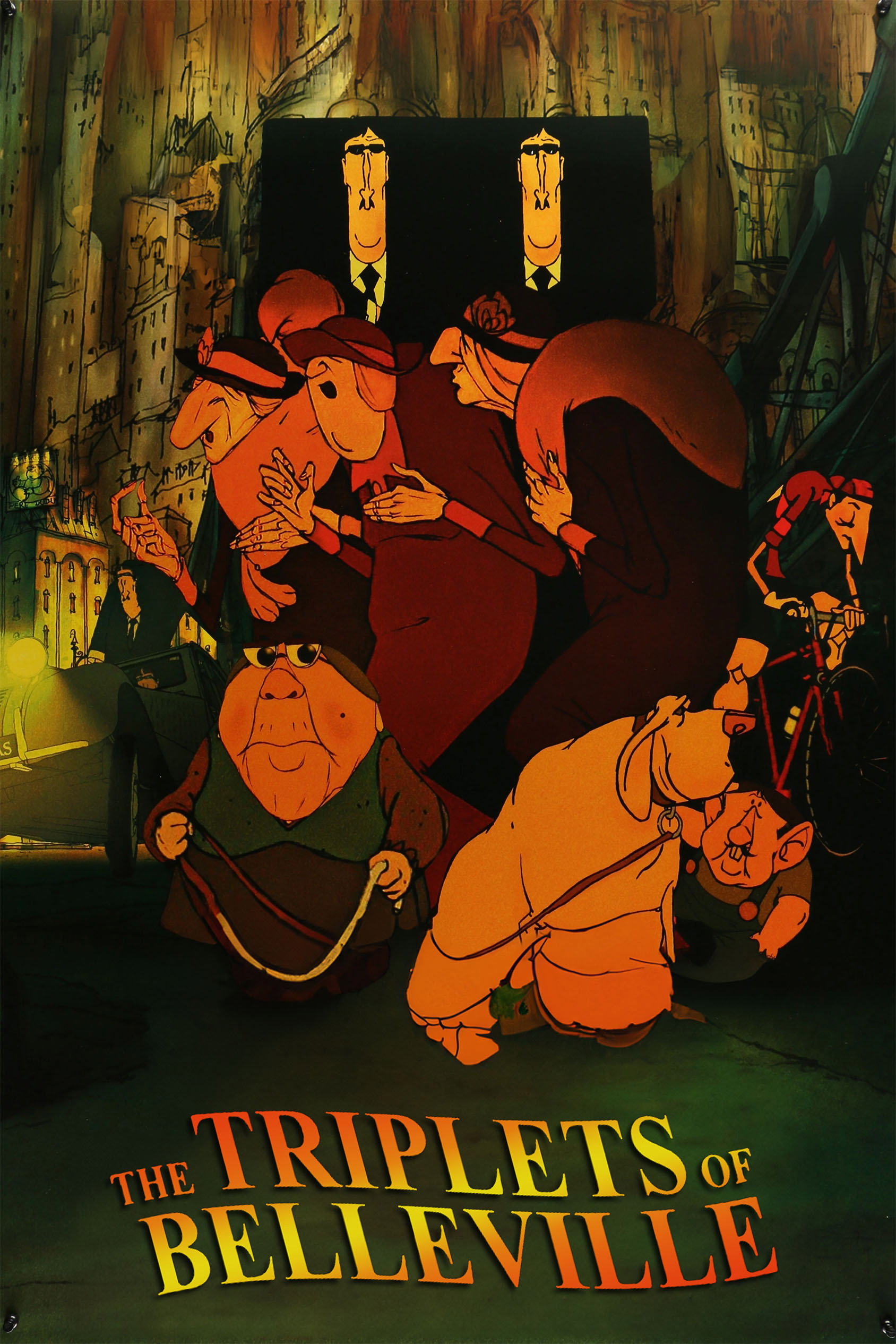
Set beside Belleville Rendez-vous, this is the smaller, kinder film: no grotesques, no set-piece chases. It is also the more careful one. The ending takes a turn we will not describe, except to say that it is quiet, that it leaves one question open, and that it has the decency not to answer it in a speech.

Watch it on a wet evening, with the sound up and the phone in another room. It asks for eighty minutes of attention and repays most of them.

Critical consensus AI synthesised

84
Positive
16
Mixed
0
Negative
0

The reviews are uniformly positive, and they praise the same things. Most critics single out Sylvain Chomet’s hand-drawn animation, the rendering of 1950s Edinburgh and the film’s debt to Jacques Tati, whose unproduced screenplay it adapts. The word that recurs is melancholy: nearly every critic describes a gentle, near-silent story about an ageing magician and a dying music-hall trade, and most find the sadness earned rather than laid on. The detail of the drawing, the mood music and the sense of place come up again and again.

The reservations are small and scattered rather than shared. A few critics note that it is downbeat rather than funny; The Hollywood Reporter calls it a rarefied adult cartoon rather than a comedy. Film Comment thinks the Tati mimicry works better in small doses. Nobody dislikes it. The spread runs from good to glowing, with the warmest notices from the British press and festival reviewers and the more measured ones from the specialist magazines.

RogerEbert.com
12 January 2011 · ★★★★/4 · Roger Ebert
100

The film is a magically melancholy extension of Jacques Tati’s career, with Chomet’s animation capturing the magician’s quiet grace and body language in a delicate, whimsical story of fading relevance and quiet devotion.

Read the full review →
Time Out
17 August 2010 · ★★★★★ · David Jenkins
100

A warmly nostalgic, near-silent comedy about the decline of music hall that stands as one of the year’s most immaculately constructed and heartbreaking releases. Chomet joins the masters of modern animation with this gorgeous visual poem on dreams, parental responsibility and sleight of hand.

Read the full review →
Screen Daily
16 February 2010 · festival review
90*

Chomet’s follow-up to The Triplets of Belleville brings an unproduced Tati screenplay to life with superb hand-drawn imagery and evocative sound design in a bittersweet valentine to the music-hall tradition. The visually rewarding film, free of dialogue, should earn widespread critical praise and arthouse play.

Read the full review →
The AV Club
11 September 2010 · A- · Noel Murray
90

Chomet’s adaptation of Tati’s screenplay follows a magician whose style is fading, paying homage to classic filmmakers while filling the story with illusions both grand and petty. It is one beautiful movie full of its own life, striking a deep chord with its melancholy yet ambiguous ending.

Read the full review →
The Guardian
19 August 2010 · Peter Bradshaw
90*

The critic praises Sylvain Chomet's hand-drawn animation as an affectionate homage to Jacques Tati, describing it as distinctive, beguiling and deeply felt with emotional pain. The film is singled out for its ability to bring the 1950s vividly to life through simple, old-style animation and its loving depiction of Edinburgh.

Read the full review →
Empire
21 July 2010 · Helen O’Hara
85*

This mature, near-wordless story of loss and grief is also funny and heartfelt, an elegy to a dying time played out against impeccably realised Edinburgh settings.

Read the full review →

Cast

Awards

Academy Awards, 2011

Nominated
Best Animated Feature

César Award for Best Animated Film, 2011

Won
César Award for Best Animated Film

Annie Award for Best Animated Feature, 2010

Nominated
Annie Award for Best Animated Feature

Critics' Choice Awards, 2010

Nominated
Best Animated Feature

European Film Award for Best Animated Feature Film, 2010

Won
European Film Award for Best Animated Feature Film

Golden Globes, 2010

Nominated
Best Animated Feature Film

New York Film Critics Circle Award for Best Animated Film, 2010

Won
New York Film Critics Circle Award for Best Animated Film

Satellite Award for Best Animated or Mixed Media Feature, 2010

Nominated
Satellite Award for Best Animated or Mixed Media Feature

If you liked this, try…

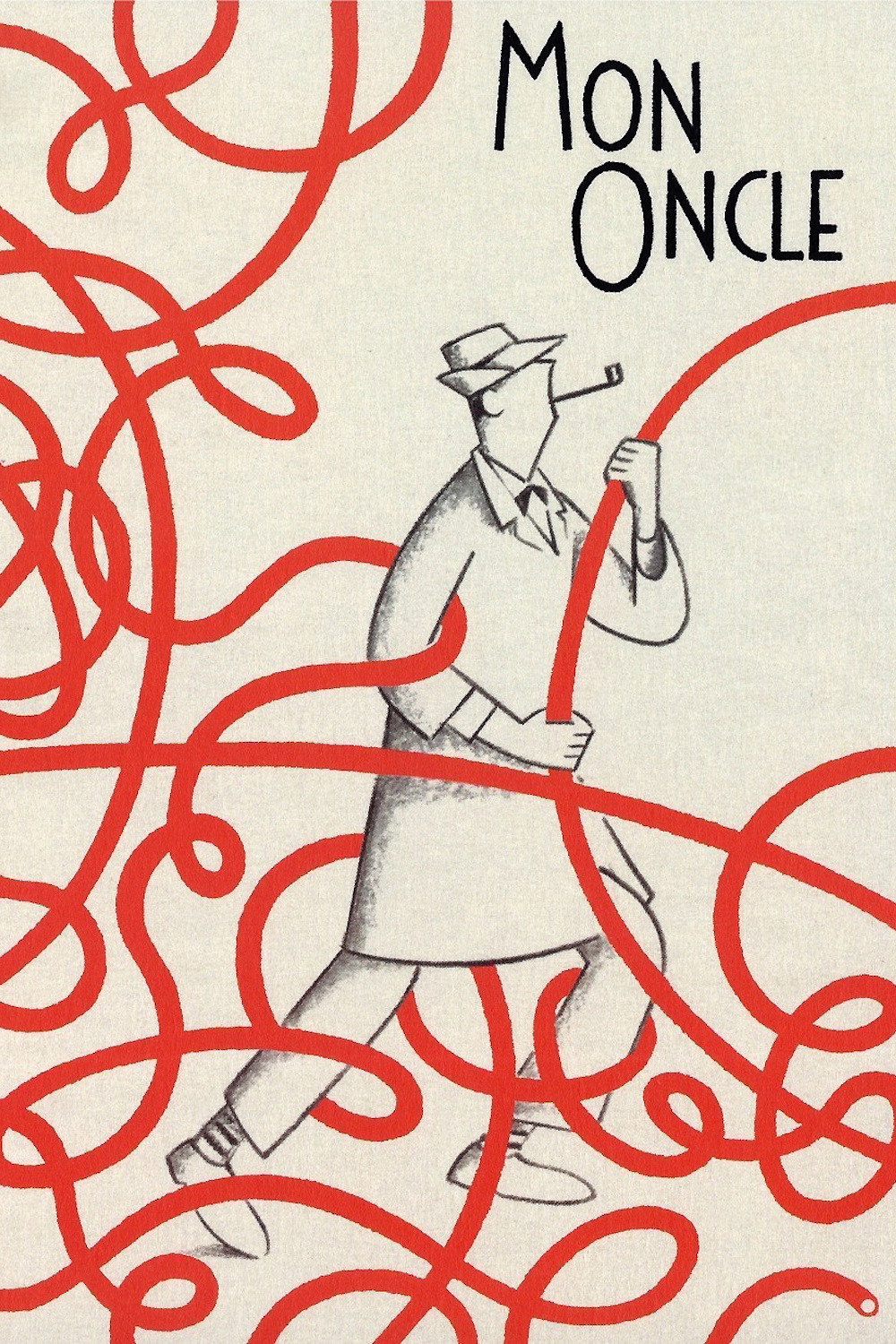
Mon Oncle poster

Mon Oncle

1958 · Tati himself, as Hulot, adrift in a modern house that hates him; the source of the walk.

Belleville Rendez-vous poster84

Belleville Rendez-vous

2003 · Chomet’s first feature: louder, uglier, funnier, and with a dog who dreams of trains.

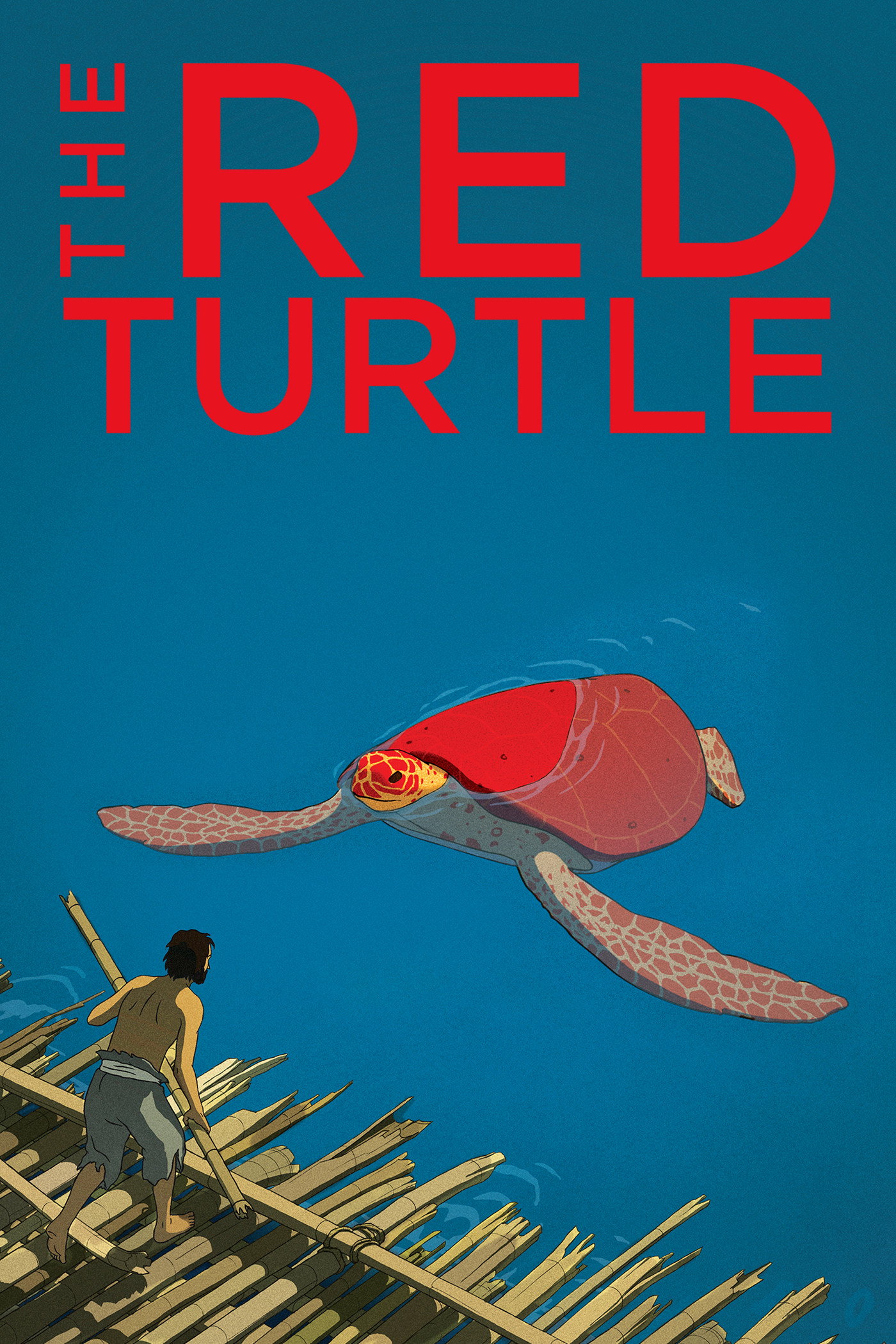
The Red Turtle poster

The Red Turtle

2016 · Another wordless, hand-drawn film about a solitary man and the years going by.

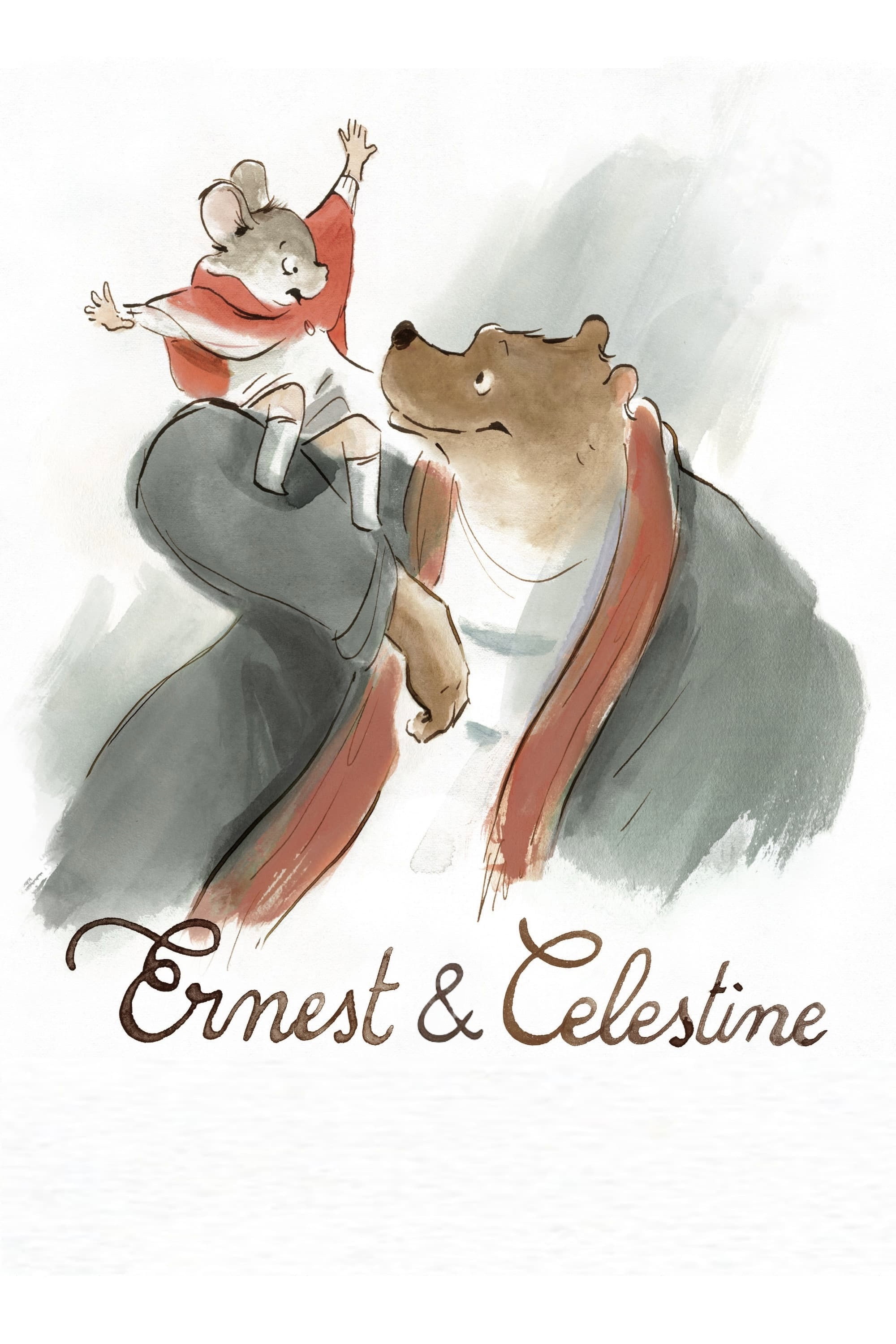
Ernest & Celestine poster

Ernest & Celestine

2012 · Watercolour animation with a proper sense of humour and a bear who plays the fiddle.

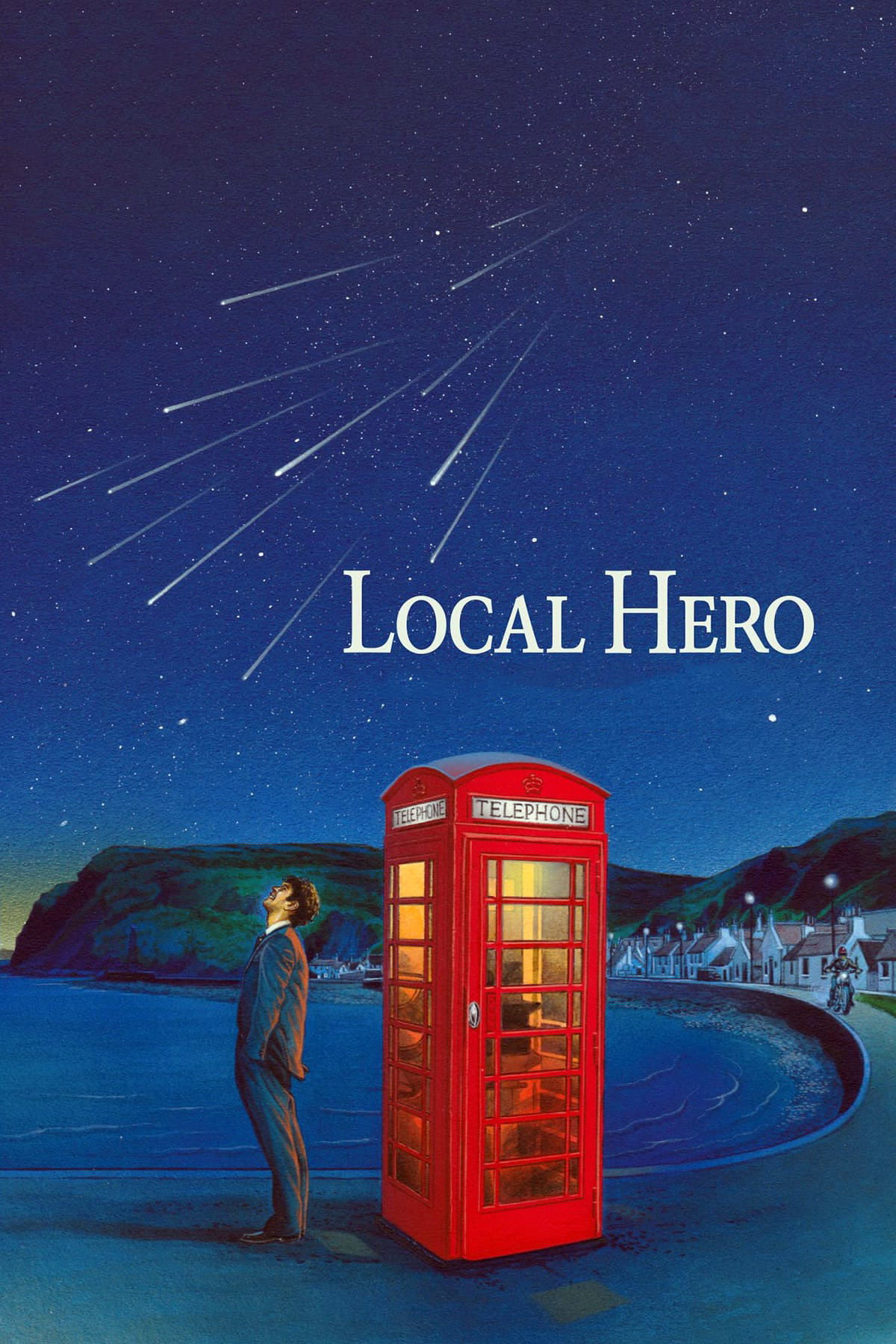
Local Hero poster86

Local Hero

1983 · An outsider arrives in coastal Scotland and is slowly, gently changed by it.