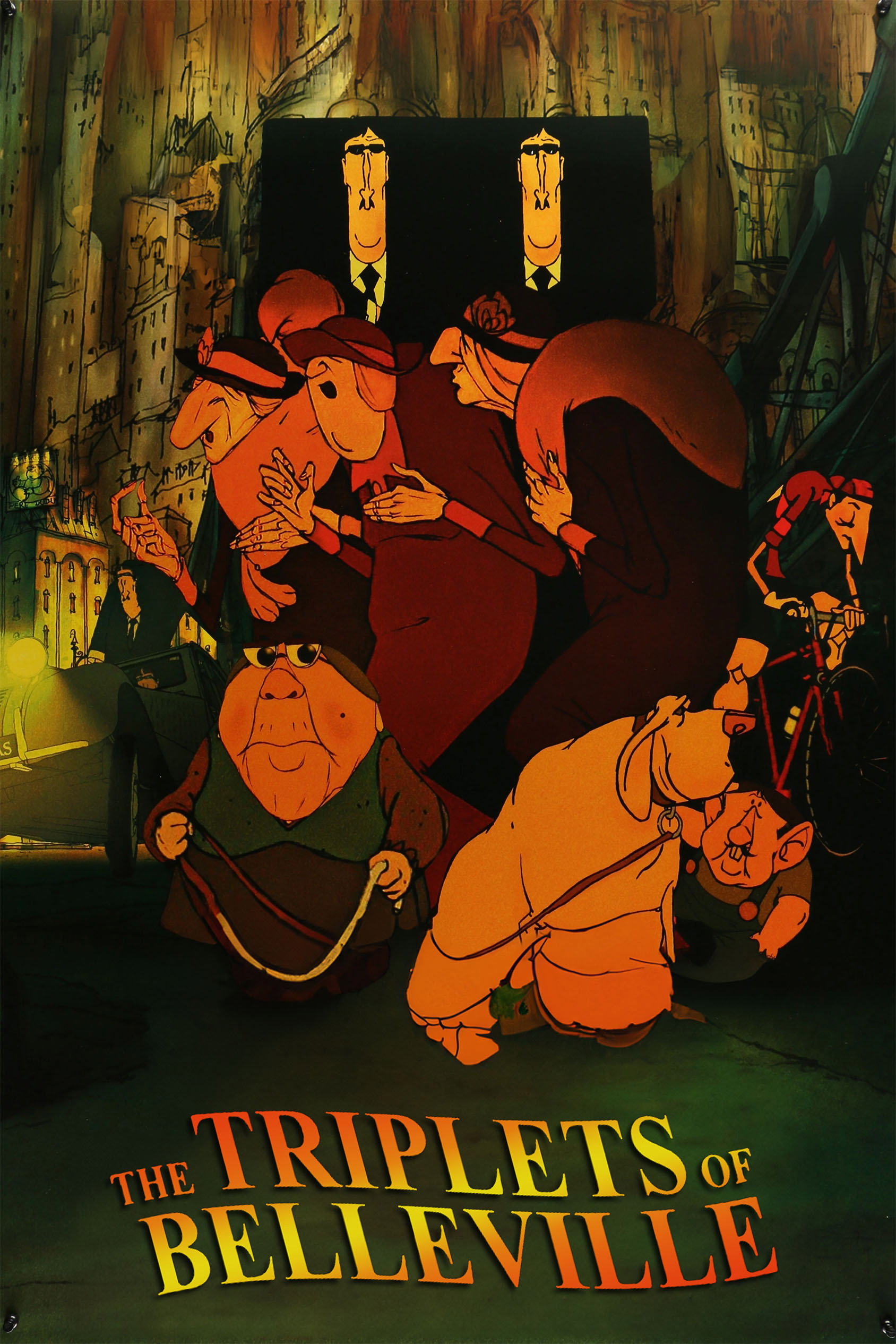
Sylvain Chomet’s near-wordless animated feature sends a tiny grandmother across an ocean after her kidnapped cyclist grandson, and draws every face in it as a grotesque. It is odd, funny, tender and a little slack in the middle. We recommend it warmly.
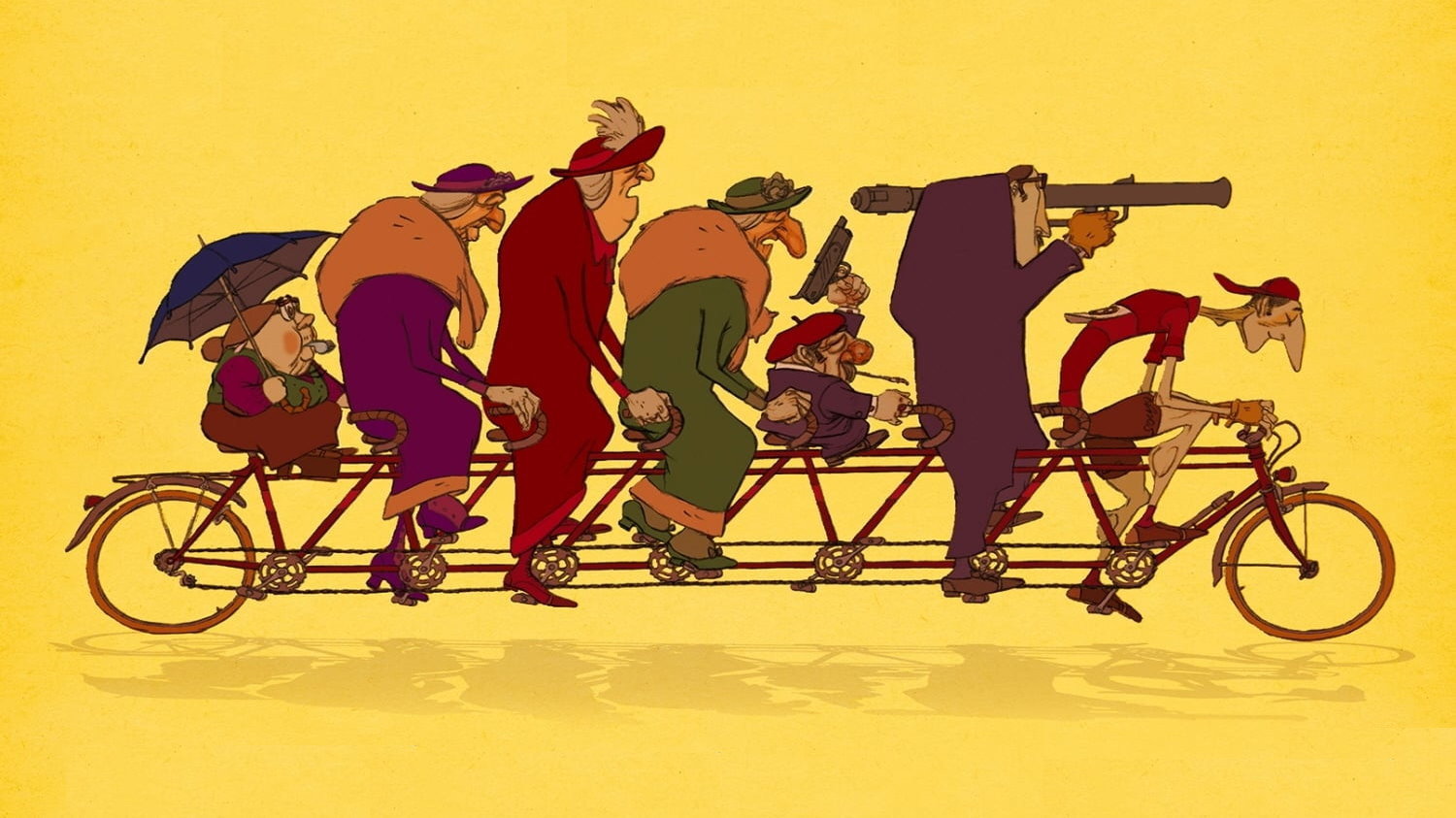
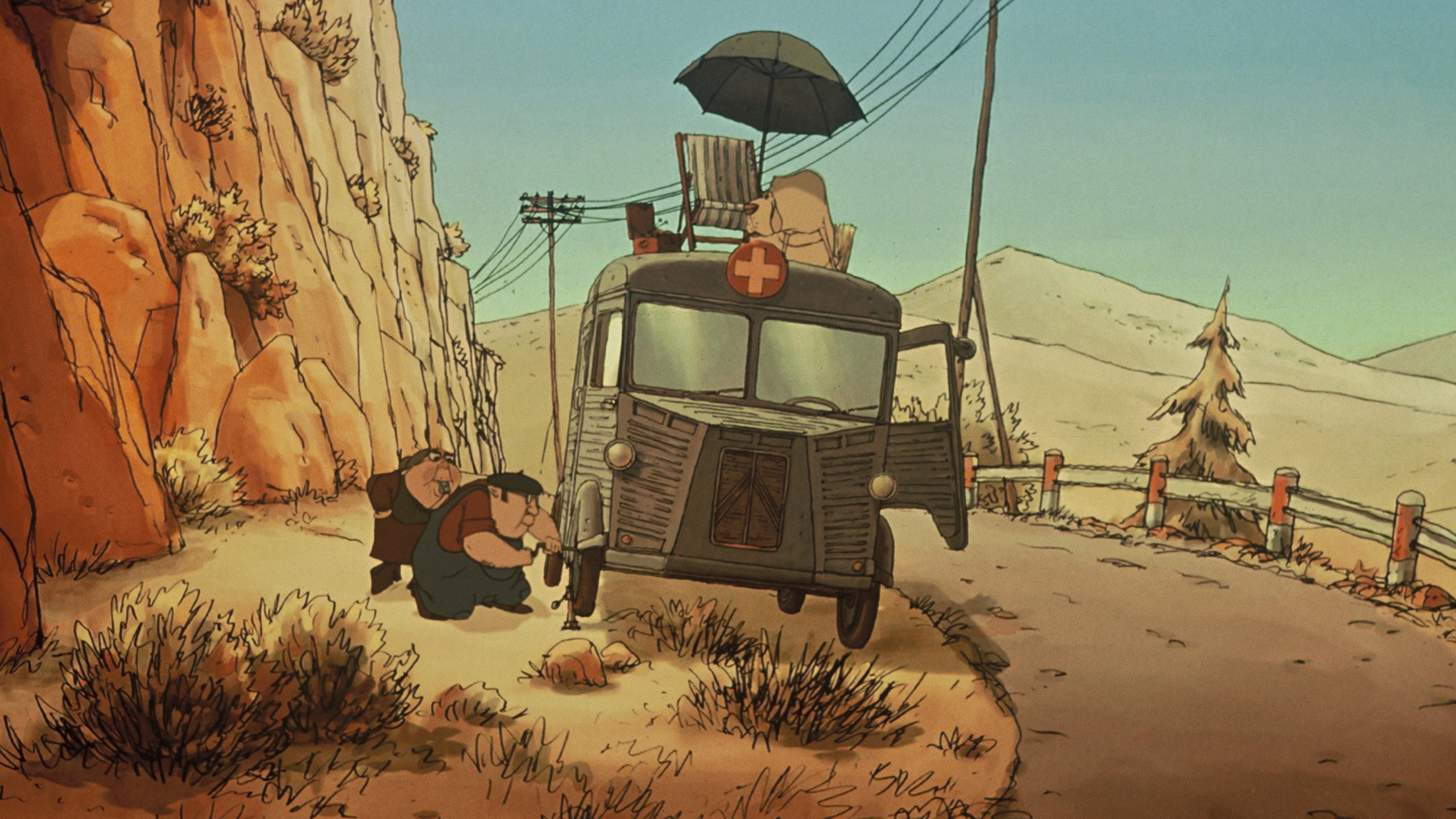
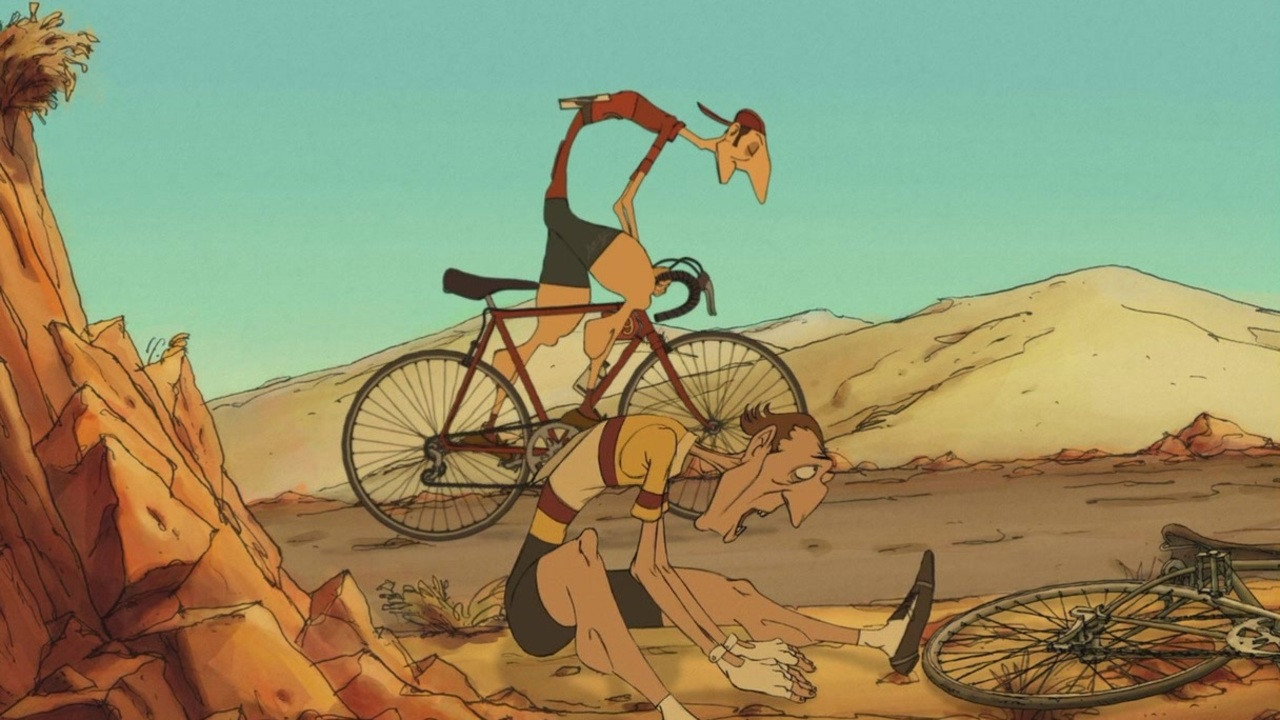
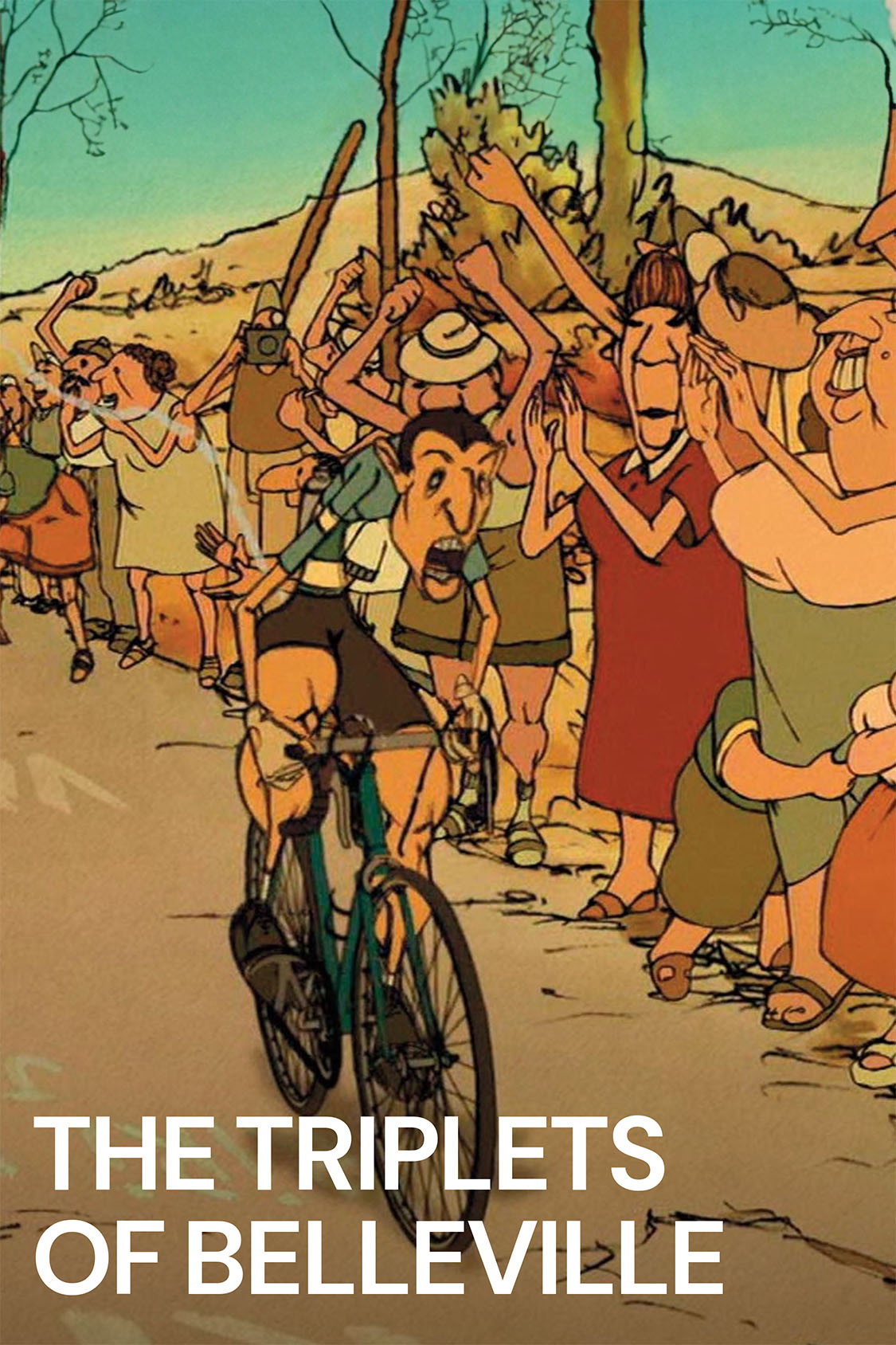
Madame Souza is about four feet tall, wears glasses like the bottoms of jam jars and has one shoe built up because one leg is shorter than the other. She lives with her grandson Champion in a house on the edge of a city, and nothing she buys him works until she buys him a tricycle. Years pass. A railway viaduct goes up so close to the house that the house leans. Champion becomes a cyclist and Souza his trainer, riding behind him on a bicycle with a whistle in her mouth, and when he is stolen from the Tour de France by men in black overcoats and shipped across the sea to Belleville, she hires a pedalo and goes after him. The Triplets of Belleville is a strange, handsome, almost silent film, and we recommend it, with a caveat about its middle third that we will come to.
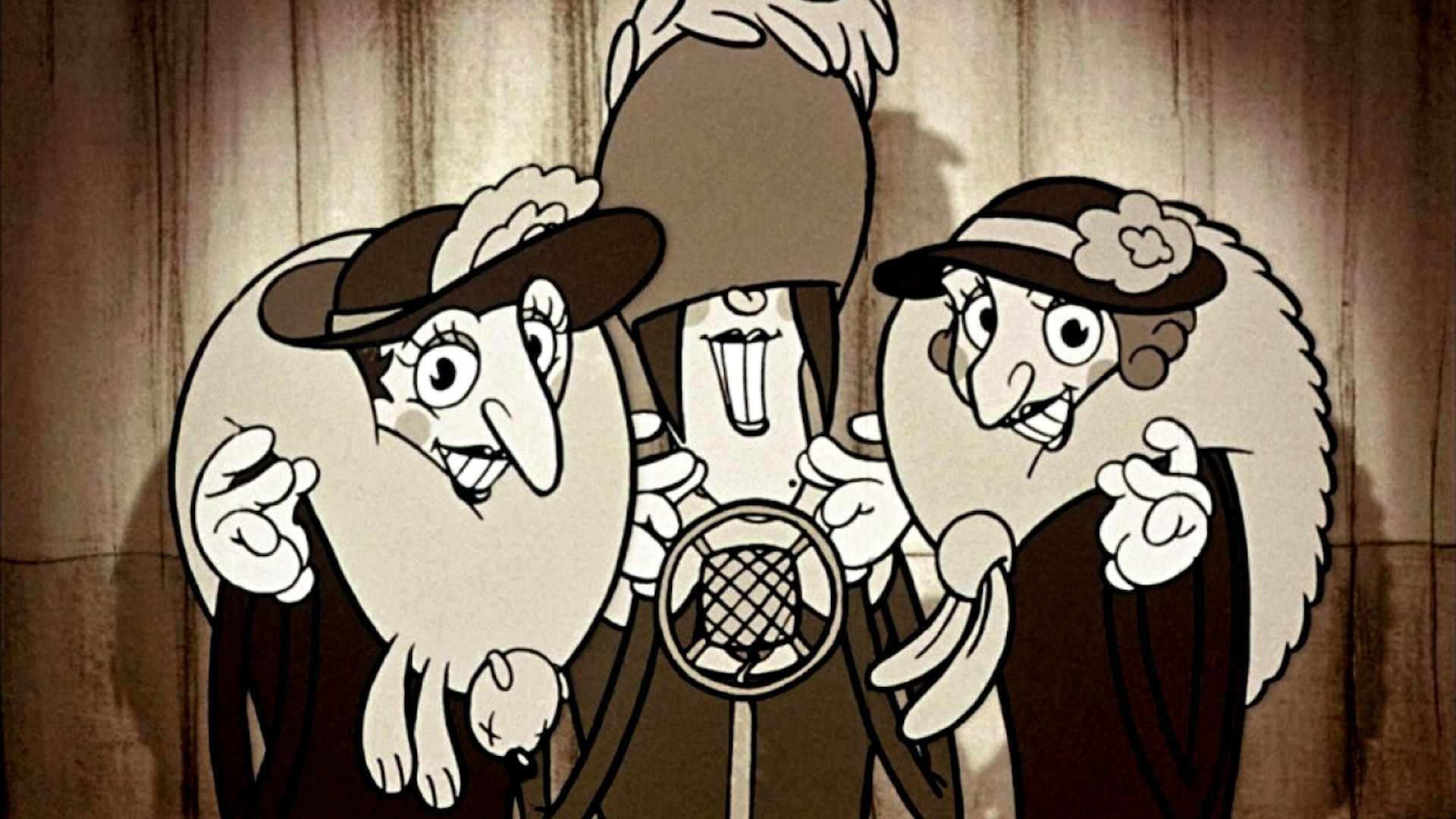
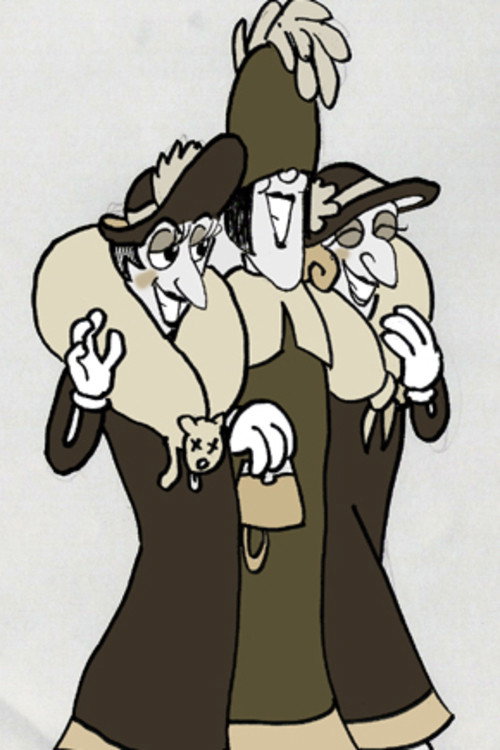
It opens in black and white, with a music-hall number done as an old newsreel: three young women in matching dresses sing the title song while a Josephine Baker figure dances in a skirt of bananas and a Fred Astaire figure is eaten by his own shoes. Benoît Charest’s tune swings on guitar and the chorus is nonsense syllables, which suits a film that has decided words are not going to be much use to it. Nobody in the film says a sentence we needed to hear. Jean-Claude Donda’s sports commentators gabble, Souza hums, the dog barks, and the story gets on perfectly well.
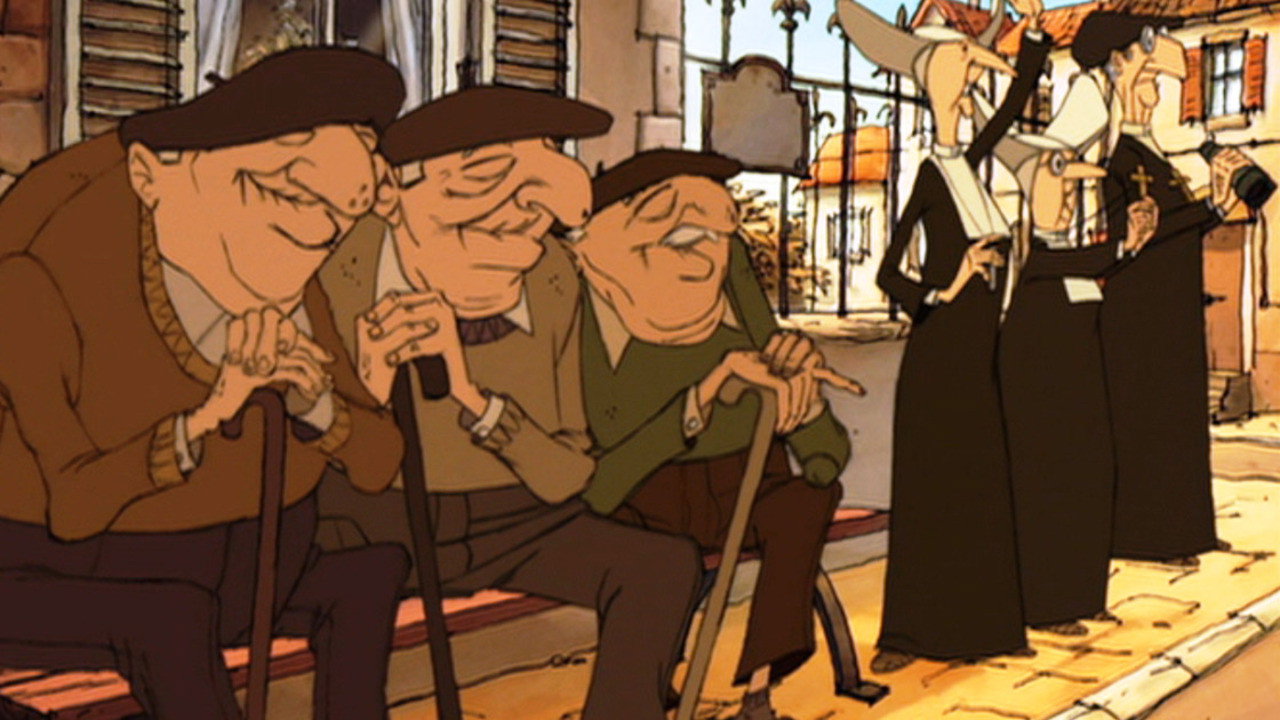
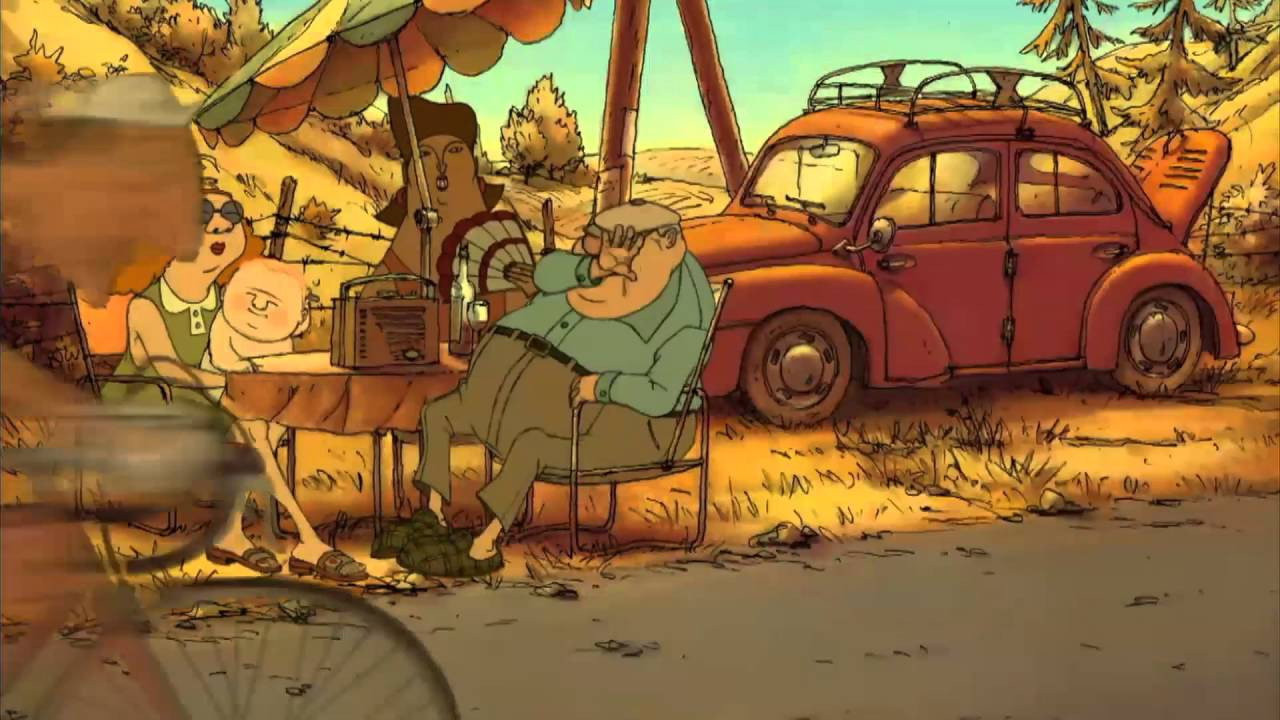
Evgeni Tomov’s production design gives France the colours of a stained tablecloth, ochre and brown and tobacco, and gives Belleville the grey-green of a fish tank. The city is enormous and so is everyone in it. The buildings bulge, the cars bulge, a Statue of Liberty at the harbour mouth is a fat woman with a hamburger. It is a good joke for about five minutes and the film keeps telling it, and Anthony Lane’s objection in the reviews, that this is a European’s idea of America drawn with a thick pen, is fair. Chomet is on surer ground indoors, in the Triplets’ flat, where three old women in a slum catch frogs with dynamite and serve them as soup, as skewers and as lollipops. We laughed, and then rather wished we had not looked so closely at the plates.
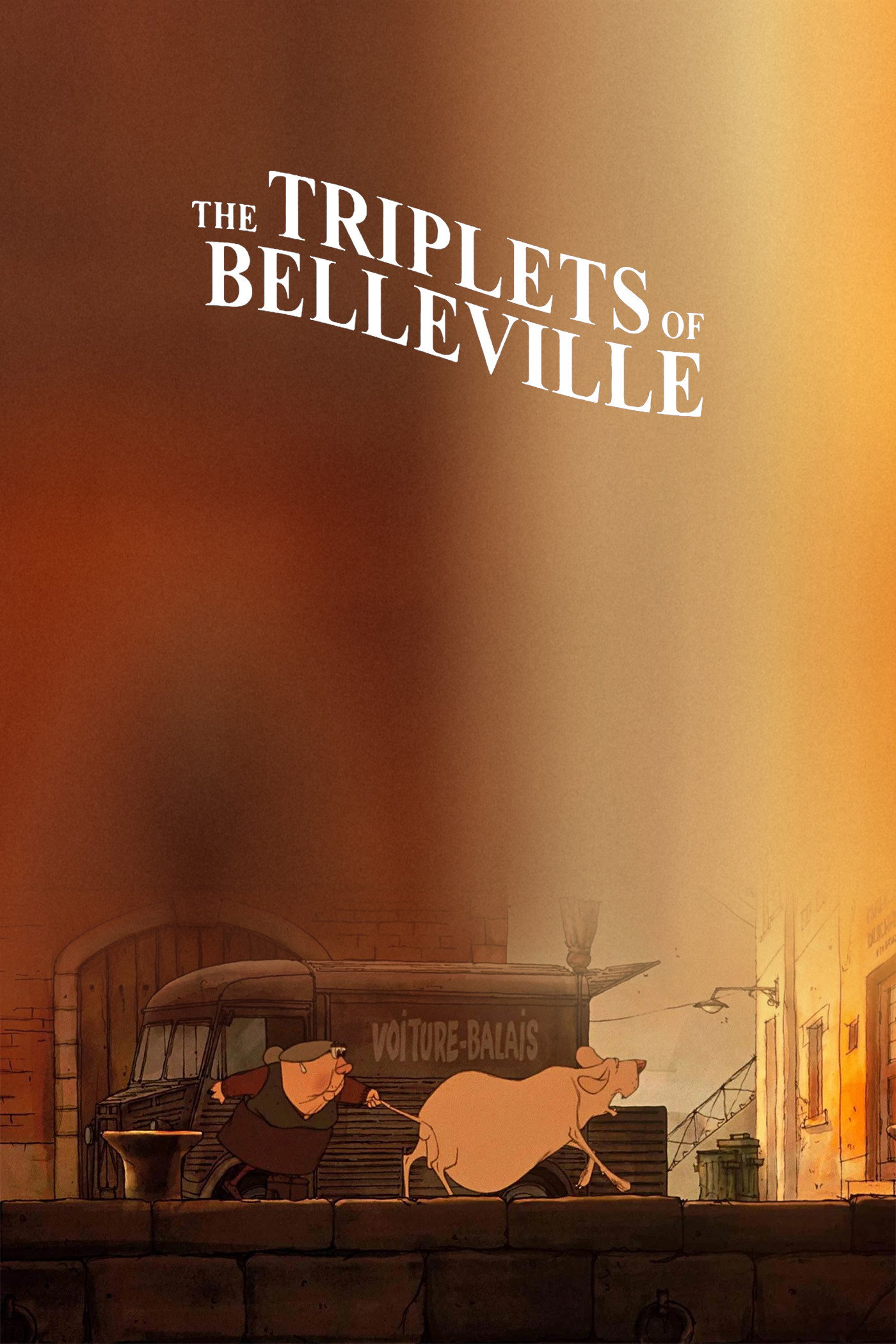
The sound is where the film lives. The Triplets perform in a nightclub on a fridge shelf, a rolled newspaper, a vacuum cleaner and the spokes of a bicycle wheel, and Charest builds a real number out of it. Earlier, Souza tunes the spokes of Champion’s wheel like a harp, and it is the tenderest thing in the film. The scene that got us, though, is the quay. The ship carrying Champion pulls out, Bruno barks at it, and Souza stands there, tiny against the grey of the water, and then simply goes and finds a pedalo. Nothing is said. The scale did it: the size of the sea and the size of the woman, and the film’s refusal to make anything of the gap.
Three editors are credited, Dominique Brune, Chantal Colibert Brunner and Dominique Lefever, and the cutting is mostly patient in the right way, letting a face or a bit of business run until it pays. Bruno’s dreams, black-and-white and all about trains, are dropped in without warning and never explained. The film is only 80 minutes long, and even so it sags once Souza reaches Belleville and before the plot finds its feet again. A pursuit through the streets goes on past its point, and one or two of the gags about size get a third airing. Champion himself is a pair of calves with a nose, on purpose, and the price of that is a rescue we cared about for Souza’s sake and not much for his.
This is Chomet’s first full-length film, and its ancestors are not the American studios but Jacques Tati, whose films also let the world do the talking and whose people were also shapes before they were characters. There are no talking animals here, no songs about believing in yourself, and the grandmother never tells anyone she loves them. She does not need to. She has crossed an ocean in a hired boat.
Watch it with the sound up and the subtitles off; there is nothing to read. Small children may find the frogs upsetting and the men in black frightening, and they will be right on both counts.