Film review

Princess Mononoke

1997 · Directed by Hayao Miyazaki · 2h 14m · MPA PG-13

In a sentenceA forest full of gods, and still the humans think they ought to be in charge

AdventureFantasyAnimation

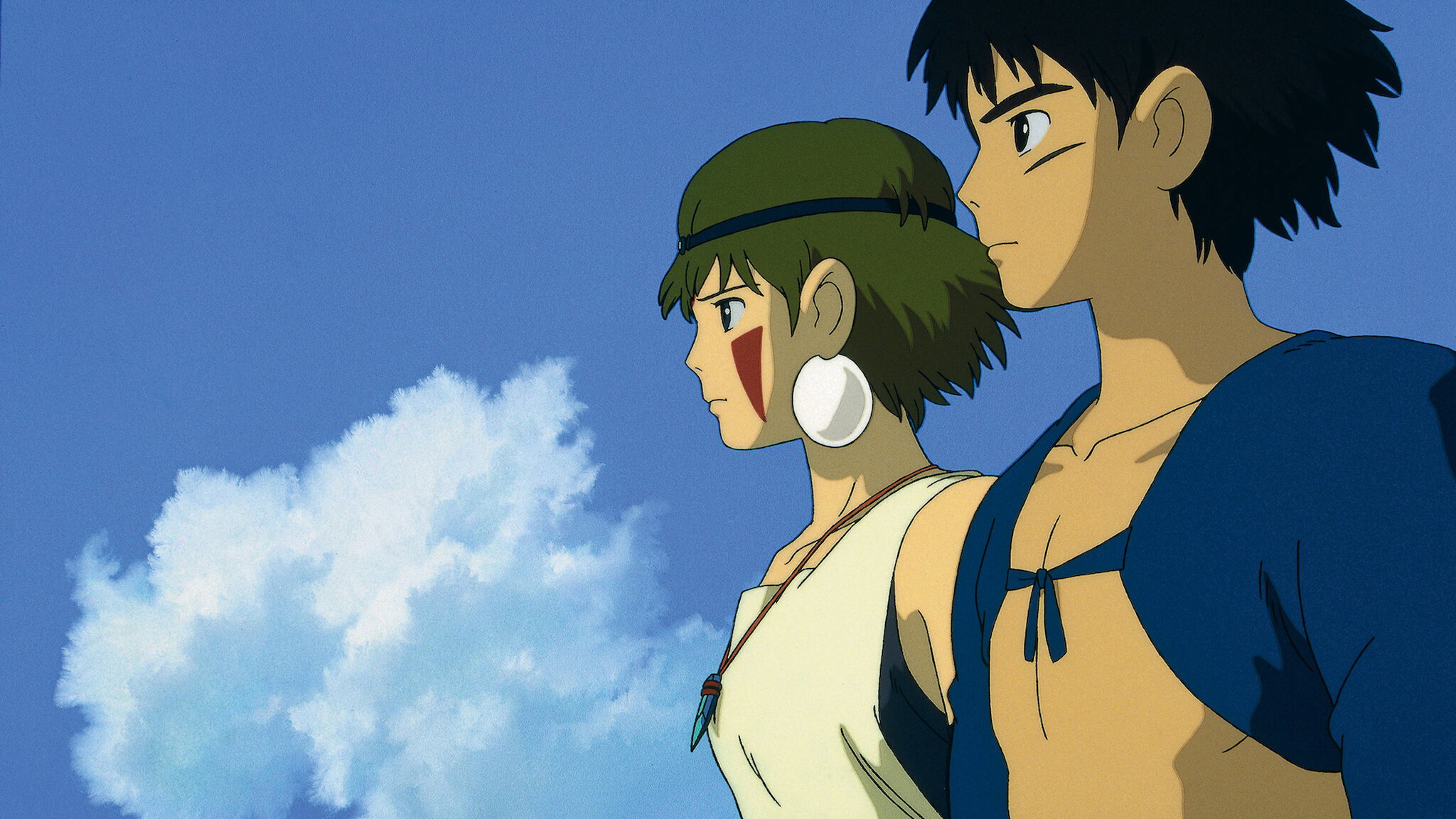
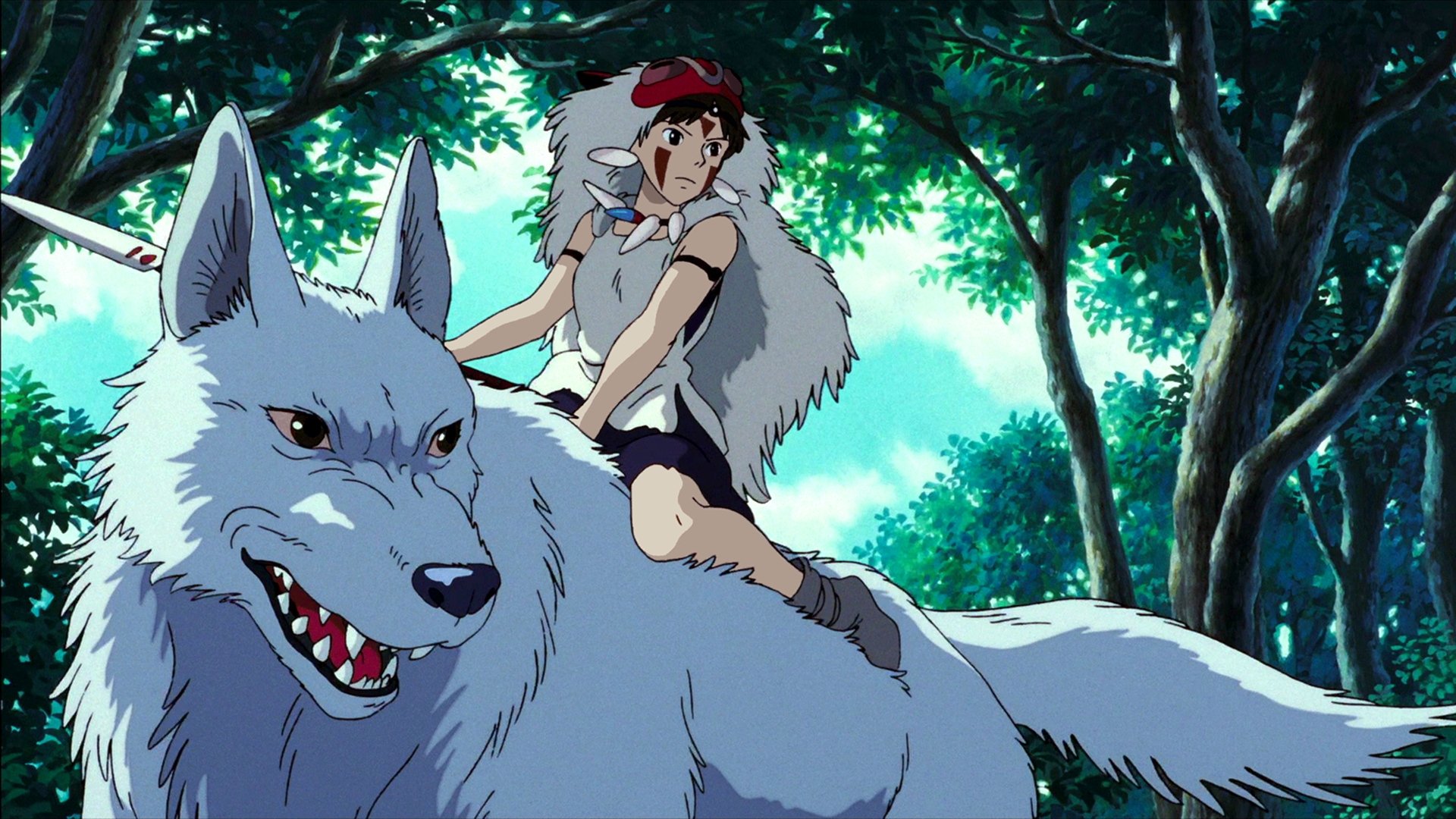
Ashitaka (voiced by Yoji Matsuda) is a warrior drawn into a conflict between humans and the gods and creatures of the forest. Industry puts pressure on the natural world, and samurai bring another set of interests to the struggle. San (Yuriko Ishida), Eboshi Gozen (Yuko Tanaka) and Jikobo (Kaoru Kobayashi) are among those involved. Written and directed by Hayao Miyazaki, this animated fantasy sets its human disputes alongside the lives of forest spirits. As the competing groups fight, the possibility of coexistence becomes as important as deciding who has the right to prevail.

Plays from YouTube when you press play; nothing loads from them until then.

Fi1m review

Hayao Miyazaki’s forest adventure gives its human combatants enough sympathy to make the destruction hurt. The crowded storytelling needs patience, but we recommend it for the creatures, the force of its action and the care given to both sides.

Princess Mononoke is a fierce, humane adventure, and we recommend it with a warning about how much there is to follow. Hayao Miyazaki takes the familiar struggle between people and nature and gives the people enough competing needs to complicate our sympathies. Industry threatens the forest, but the human beings involved retain their dignity. The creatures defending it can be frightening. There is plenty of fighting, though choosing someone to cheer for becomes an uncomfortable business.

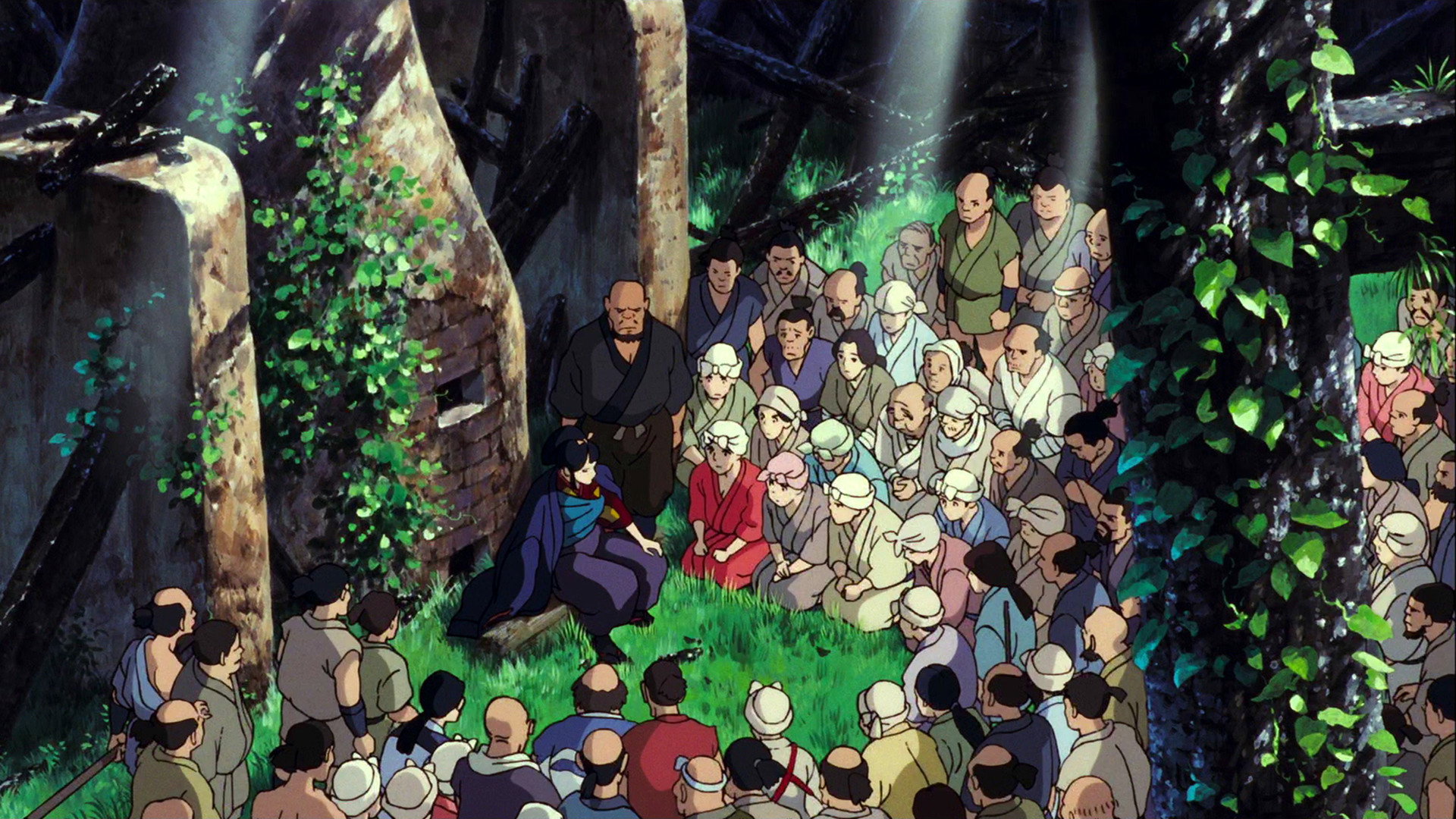
Miyazaki’s screenplay is especially good at letting a person’s needs remain understandable even when their actions are destructive. The gods, the humans and the samurai all have interests, and the film asks us to keep track of them without supplying one convenient villain. Ashitaka, voiced by Yoji Matsuda, gives us a human figure to follow through those competing demands. The ecological concerns stay close to the practical question of how people are supposed to live.

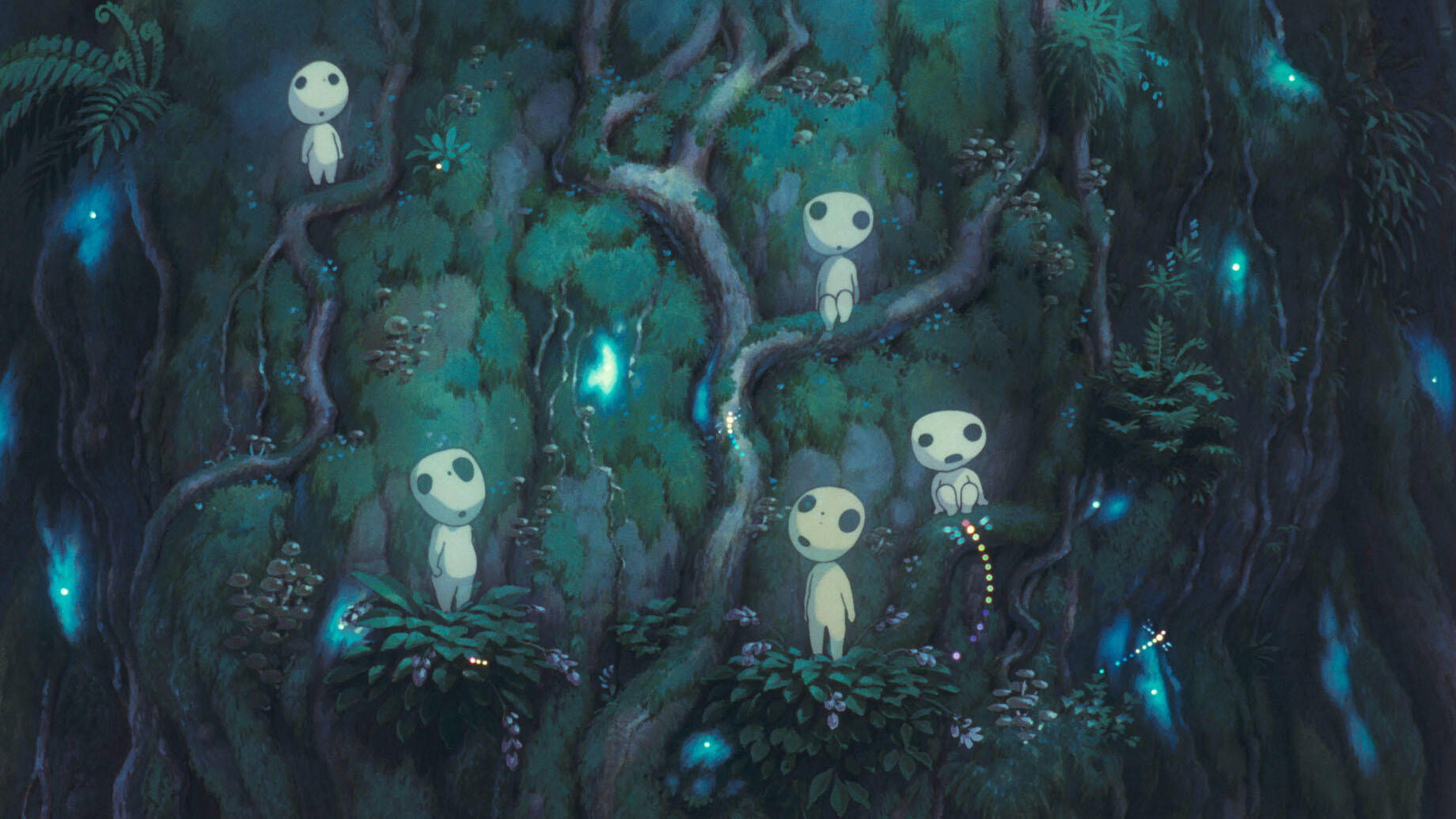
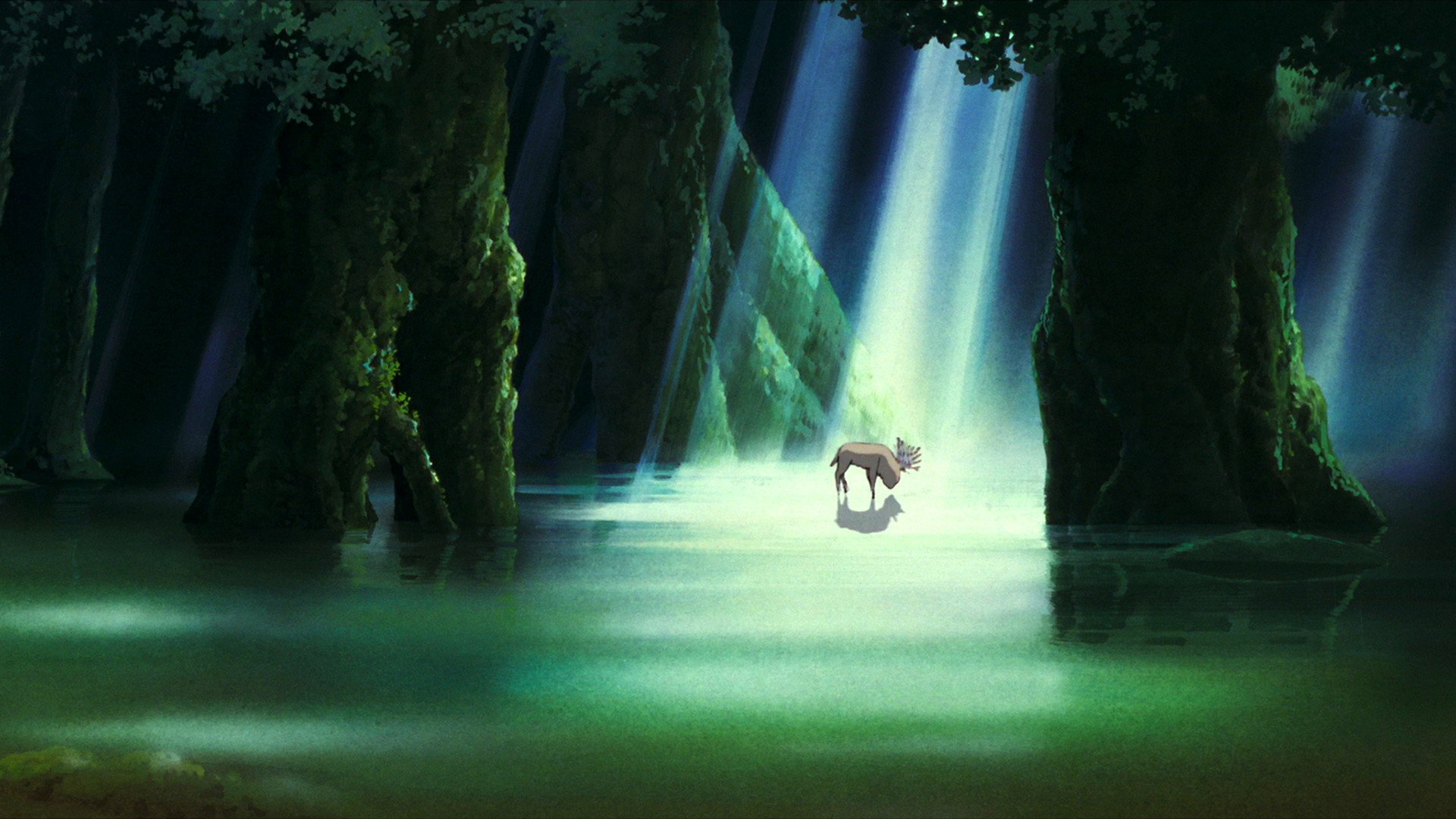
The hand-drawn animation rewards attention at a much smaller scale, too. The forest sprites and the Spirit of the Forest make the woodland feel occupied, with creatures whose existence does not depend on being useful to anyone. Atsushi Okui’s cinematography gives these presences enough weight to stand beside the human action. We found ourselves caring about the forest before we had sorted out the quarrel. Seeing its creatures makes the threatened loss more immediate than any speech about nature could.

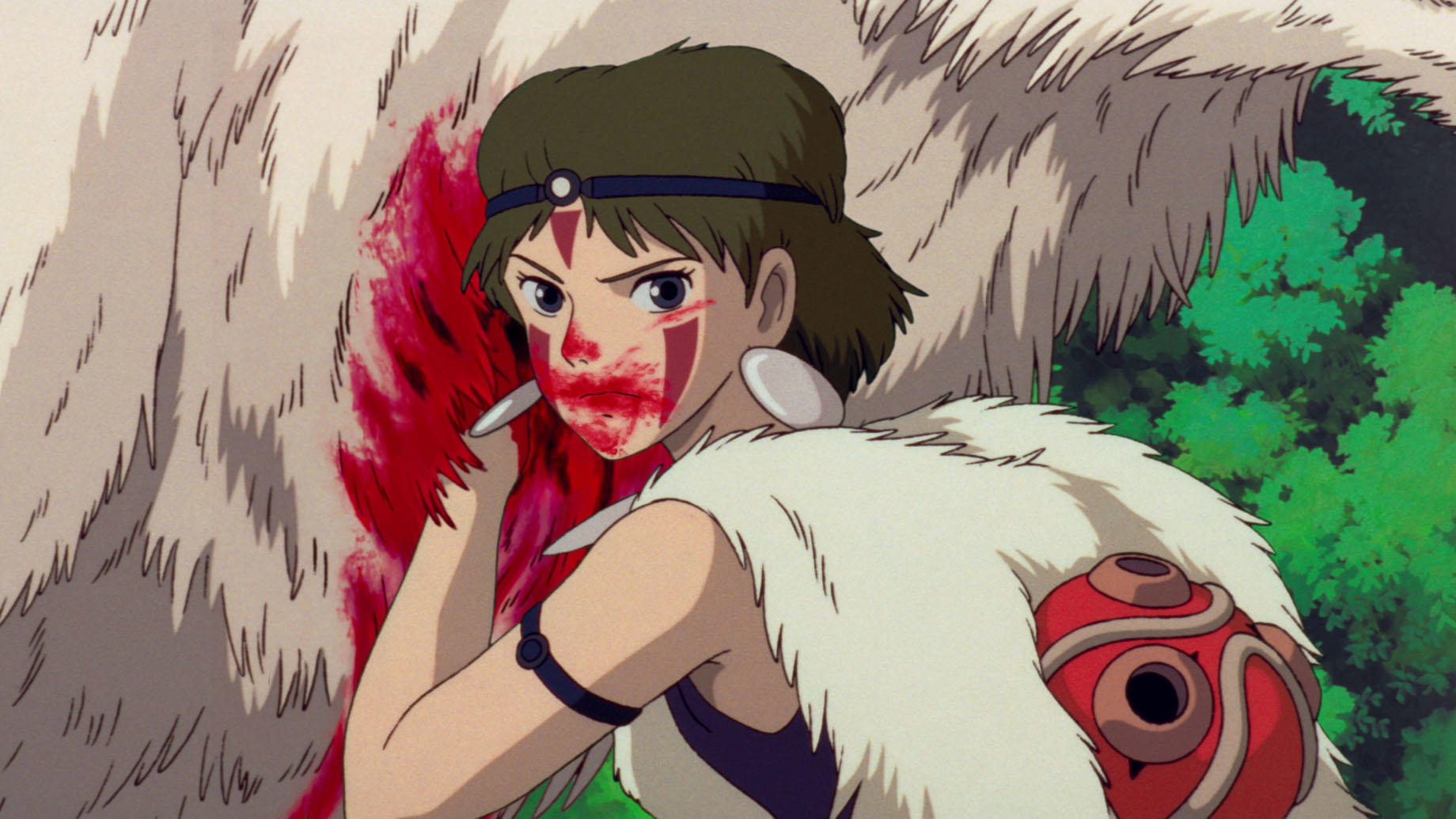
We were taken aback by the violence. The care spent drawing this living world makes the physical damage in the fighting harder to dismiss as routine adventure. Takeshi Seyama’s editing keeps the action forceful without making it seem like a separate attraction, provided for anyone losing interest in the disputes. The fighting makes the film’s concern for coexistence harder to accept on comfortable terms. The wish to live together has to survive what the combatants do to one another.

The crowded storytelling is the main reservation. At 134 minutes, the film has room for its different factions, but some of the effort spent keeping their interests in view makes the journey feel slower than it needs to be. Seyama’s editing is less convincing when the film moves between these concerns than when a confrontation is under way. Joe Hisaishi’s score can also insist too heavily on the size of the occasion. The creatures already command our attention without the extra prompting.

The film also resists the usual reassurance of an enchanted landscape. Its gods and sprites make the forest inviting to look at, but they do not make it a safe retreat from the human disputes. That is a useful complication in a fantasy adventure, where a marvellous creature can too easily become a pet or a guide. Miyazaki lets the creatures remain strange, even when we want them to help us decide whom to trust.

Give it an evening when there is enough attention left to follow the people as closely as the creatures. The crowded passages are worth sitting through for the forest scenes, though this is a demanding choice for casual family viewing. It carries a PG certificate, and the violence deserves more thought than that label alone can provide.

Critical consensus AI synthesised

80
Positive
7
Mixed
1
Negative
0

Most critics respond warmly to Princess Mononoke, with praise clustering around its detailed animation, forest creatures and the scale of its action. The reviews repeatedly single out Miyazaki’s combination of folklore and environmental concerns, finding images of nature and spirits especially memorable. Several also value the complexity of the conflict between humans and nature: the characters have competing needs, and the film resists a simple division into good and evil.

The reservations concern how clearly those ideas emerge and how appealing the animation remains across different subjects. The AV Club offers the strongest dissent, finding the ecological allegory muddled and the grand scale costly to Miyazaki’s offbeat charm, while still admiring the drawing. The Guardian is less persuaded by the animation style, particularly the human faces. Time Out’s reservation about the music is smaller, leaving a spread that runs from wholehearted enthusiasm to qualified admiration, with no outright rejection.

Time Out
22 July 2025 · ★★★★★ · TR
100

The critic praises this mythic adventure as raising Miyazaki to living national treasure status in Japan, highlighting its three-way conflict between humans, samurai and forest creatures arguing for coexistence rather than good vs evil. Superbly imagined and visually sumptuous, it is only slightly let down by the score.

Read the full review →
The New York Times
27 September 1999 · Janet Maslin
90*

The critic calls the film an amazing, intricate epic fable that is easy to see why it was a huge hit in Japan. Its breathtakingly rendered action and stirring use of nature, myth and history stand out as particularly special.

Read the full review →
Radio Times
★★★★ · Alan Jones
80

This luxuriously animated legend of ancient gods versus mankind and industry over nature's balance is beautifully drawn with classic Japanese art inspiration and delivers a modern ecological message with feminist bias. Miyazaki expertly weaves folklore and contemporary issues with breathtaking designs, highlighted by the psychedelic Deer God.

Read the full review →
Variety
29 January 1998 · Leonard Klady
80*

The critic describes it as a rich cartoon fable of gods clashing with man and industry, with a complex adult script, full-blooded characters and the sweep of a romantic epic. Its ecological bias and lush visuals are noted positively, though it may need careful handling for Western audiences.

Read the full review →
Empire
· Mark Dinning
75*

The critic finds the film an imaginative and intriguing blend of environmental philosophy and action adventure that is worth the wait for UK audiences. They single out the breathtaking scale, mythical creatures and forest sprites for praise alongside the painstaking hand-drawn animation.

Read the full review →
The Guardian
19 October 2001 · Peter Bradshaw
70*

The film is a fervently inventive and imaginative legend about man’s collision with nature, featuring a medieval warrior allying with forest spirits against iron-age profiteers. The story has simplicity and force with captivating images, though the critic remains agnostic about the animation style, especially the human characters' faces.

Read the full review →

Cast

Stills

Awards

International Submission to the Academy Awards, 1998

Nominated
International Submission to the Academy Awards

Animation Kobe Theatrical Film Award, 1997

Won
Animation Kobe Theatrical Film Award

If you liked this, try…

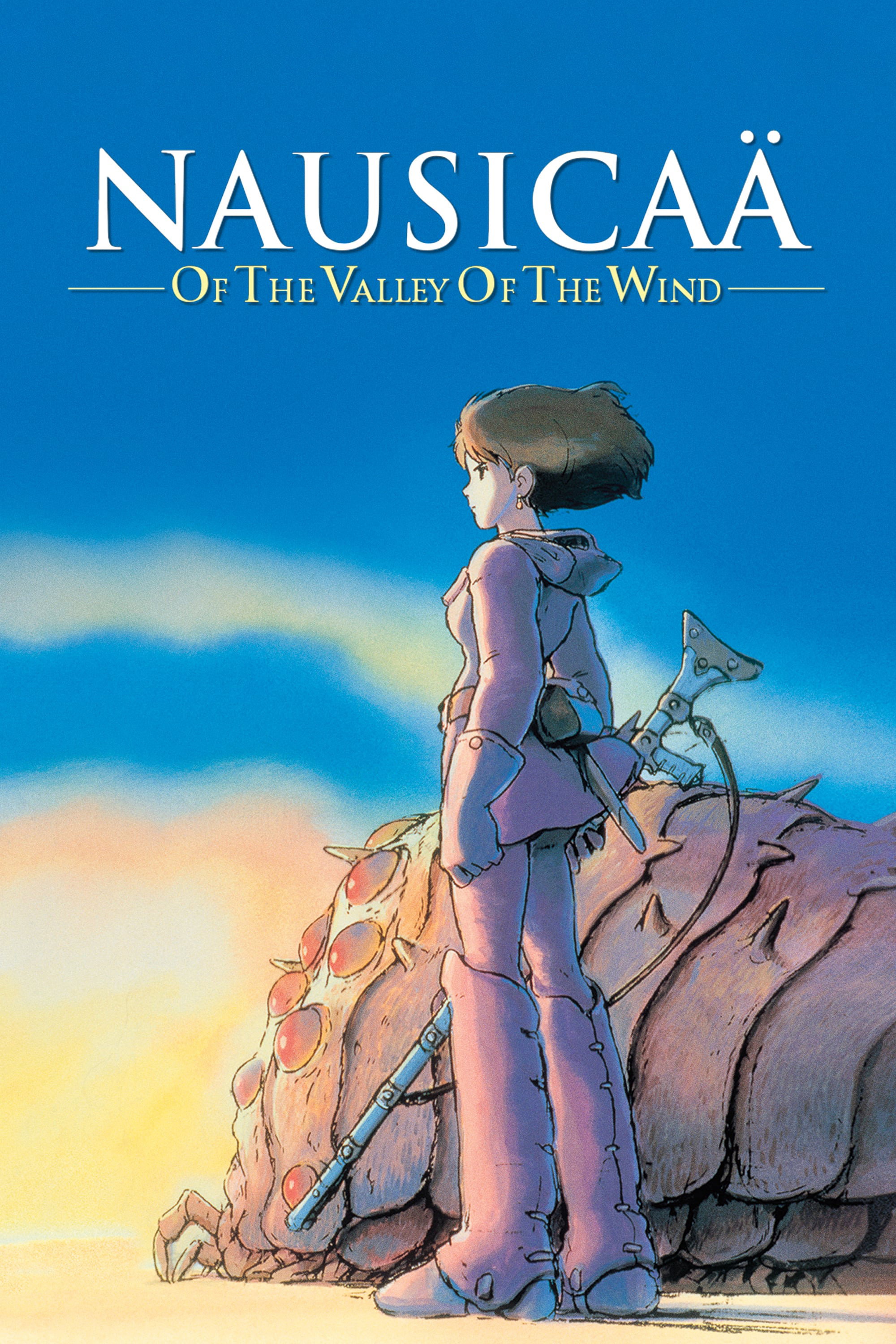
Nausicaä of the Valley of the Wind poster

Nausicaä of the Valley of the Wind

1984 · Another Miyazaki adventure with a young peacemaker and enemies who deserve a hearing

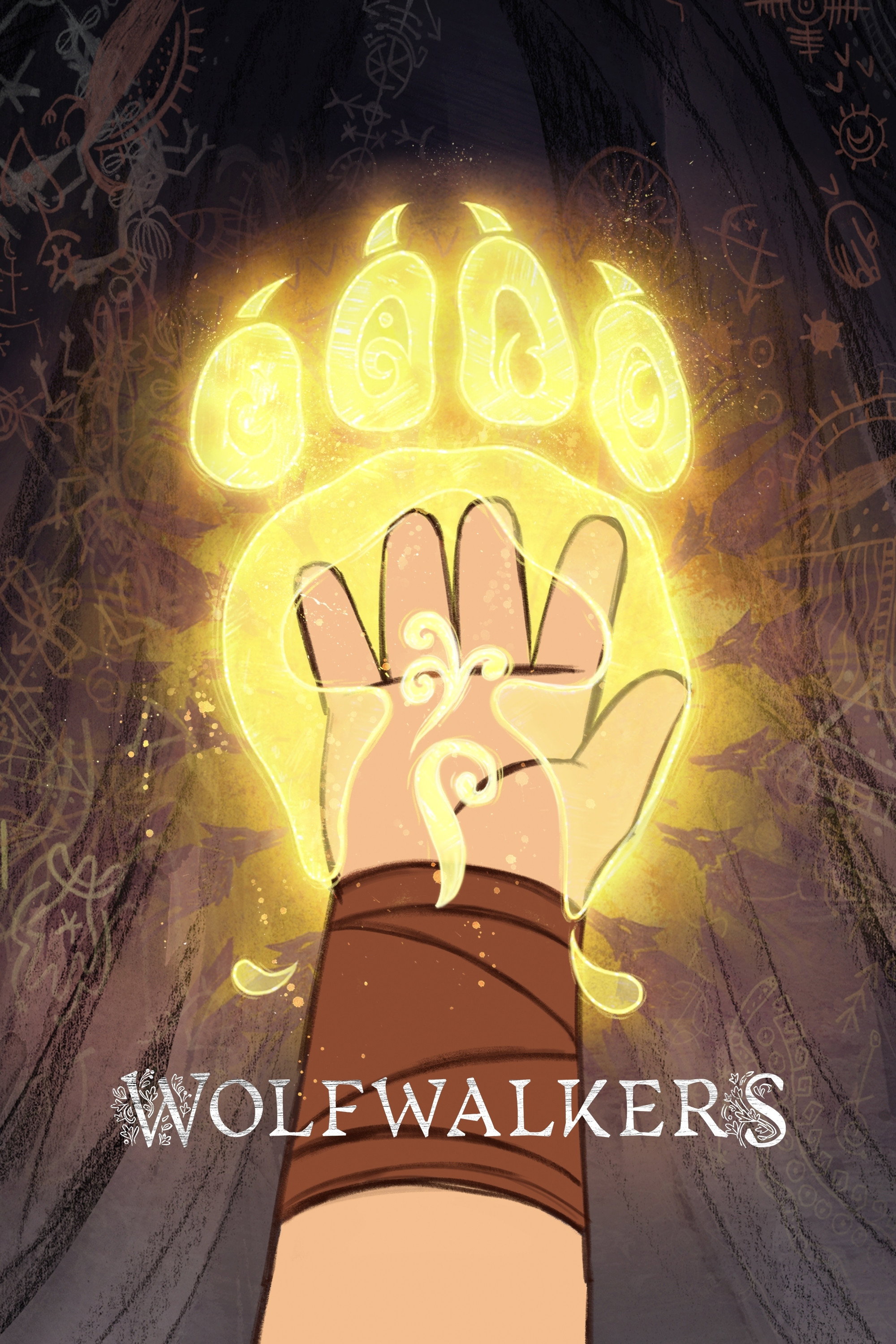
Wolfwalkers poster

Wolfwalkers

2020 · A forest under human pressure, with drawings that make its freedom feel tangible

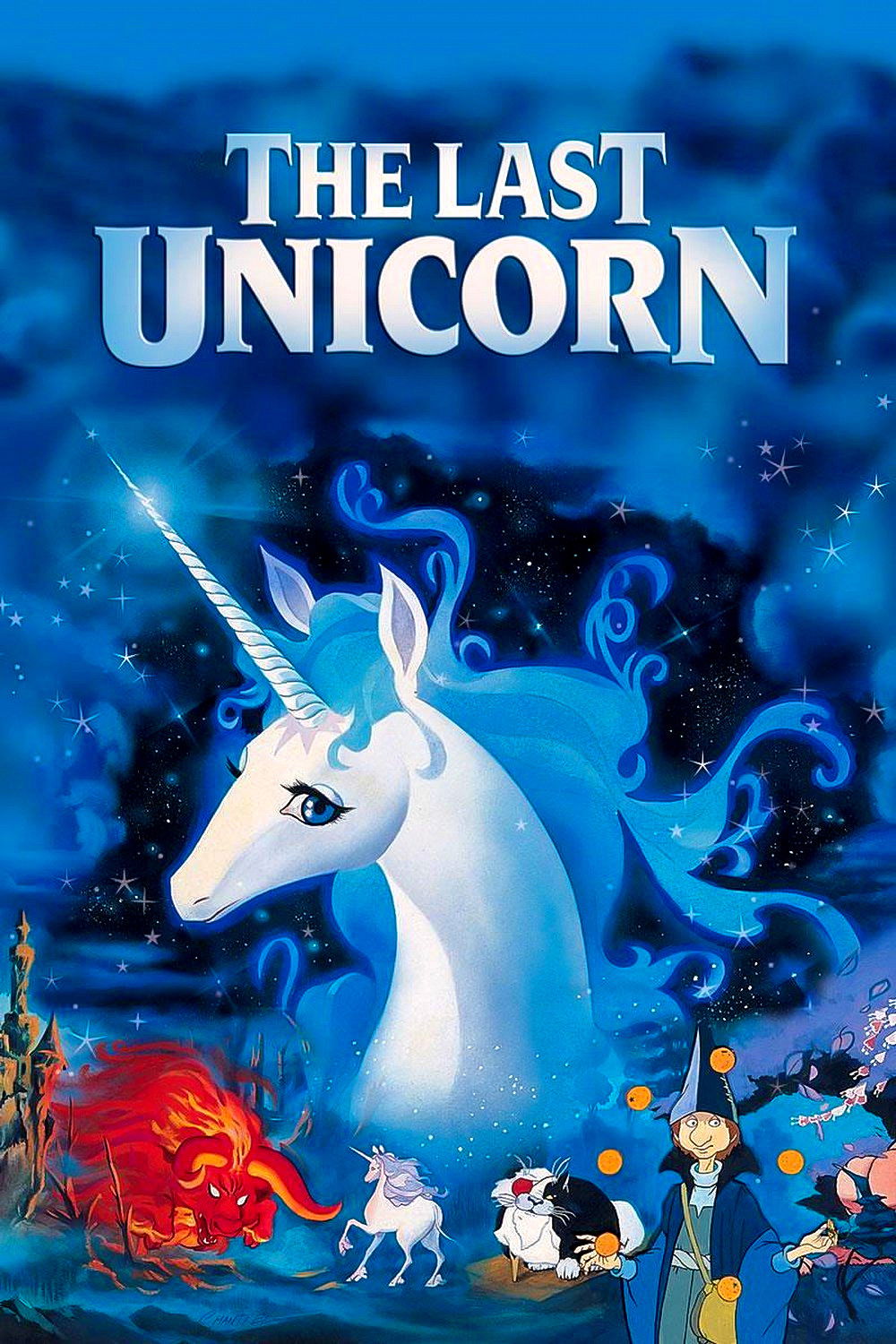
The Last Unicorn poster

The Last Unicorn

1982 · For strange creatures, human foolishness and an animated fantasy unafraid of sorrow

Fantastic Planet poster

Fantastic Planet

1973 · A less comforting animated world, where survival makes relations between species painfully difficult

The New World poster

The New World

2005 · For the forests, the competing claims on land and the patience with human contradictions