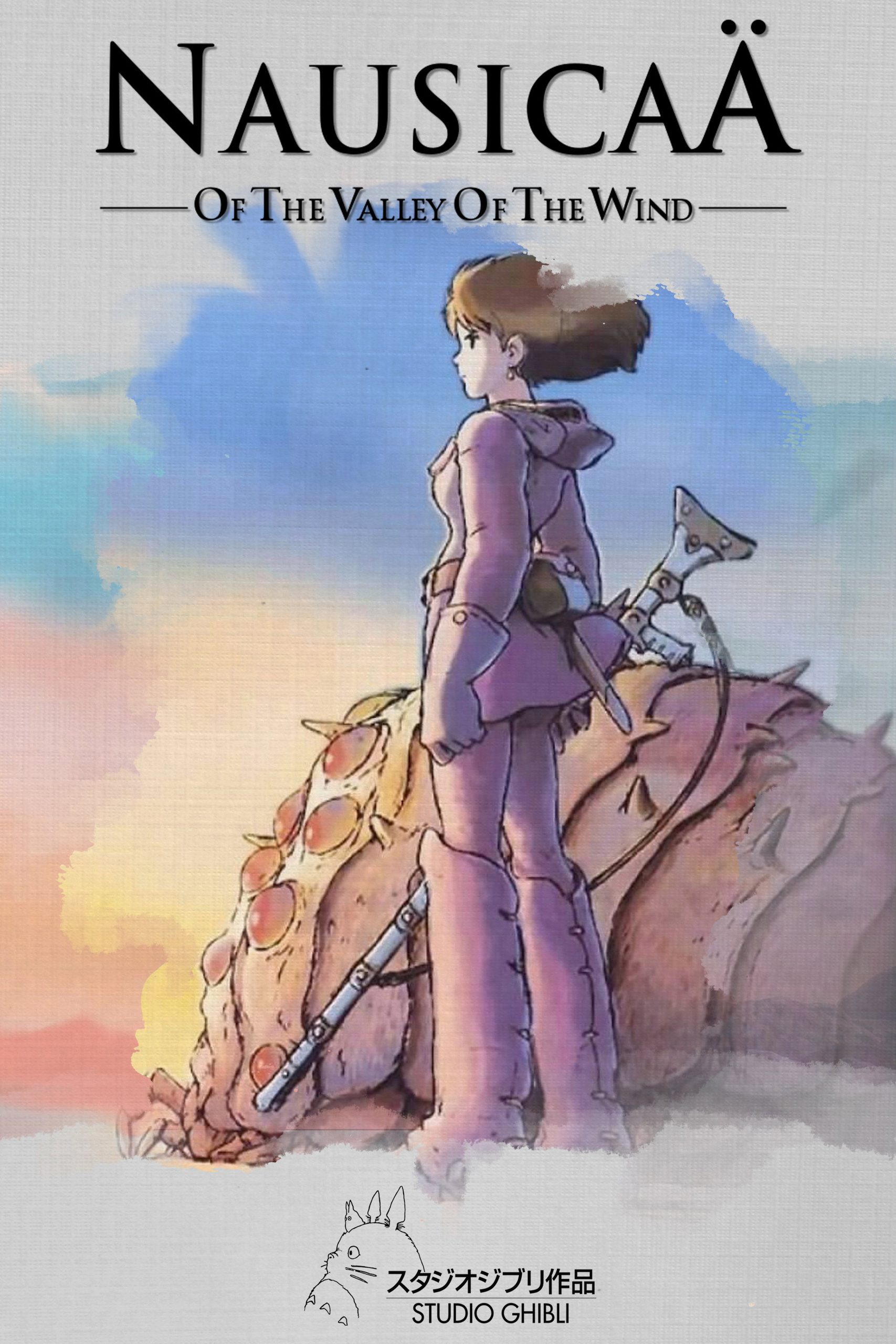
Miyazaki’s first great film, made a year before Studio Ghibli existed, sends a princess into a poisoned forest to understand the monsters rather than fight them. The plotting frays in the last half hour, and this 95-minute version is not the whole film.
Hayao Miyazaki made this in 1984, the year before he and his producer Isao Takahata founded Studio Ghibli, and it is the film in which nearly everything they went on to do is already visible. A thousand years after the industrial world burned itself down, a poisonous forest is eating what is left, and the people who survived spend their time fighting each other for the scraps. Into this Miyazaki puts a girl with a glider who would rather look at a monster than kill it. It is one of his best films, and the version carrying this title is not quite all of it, a point we will come back to.
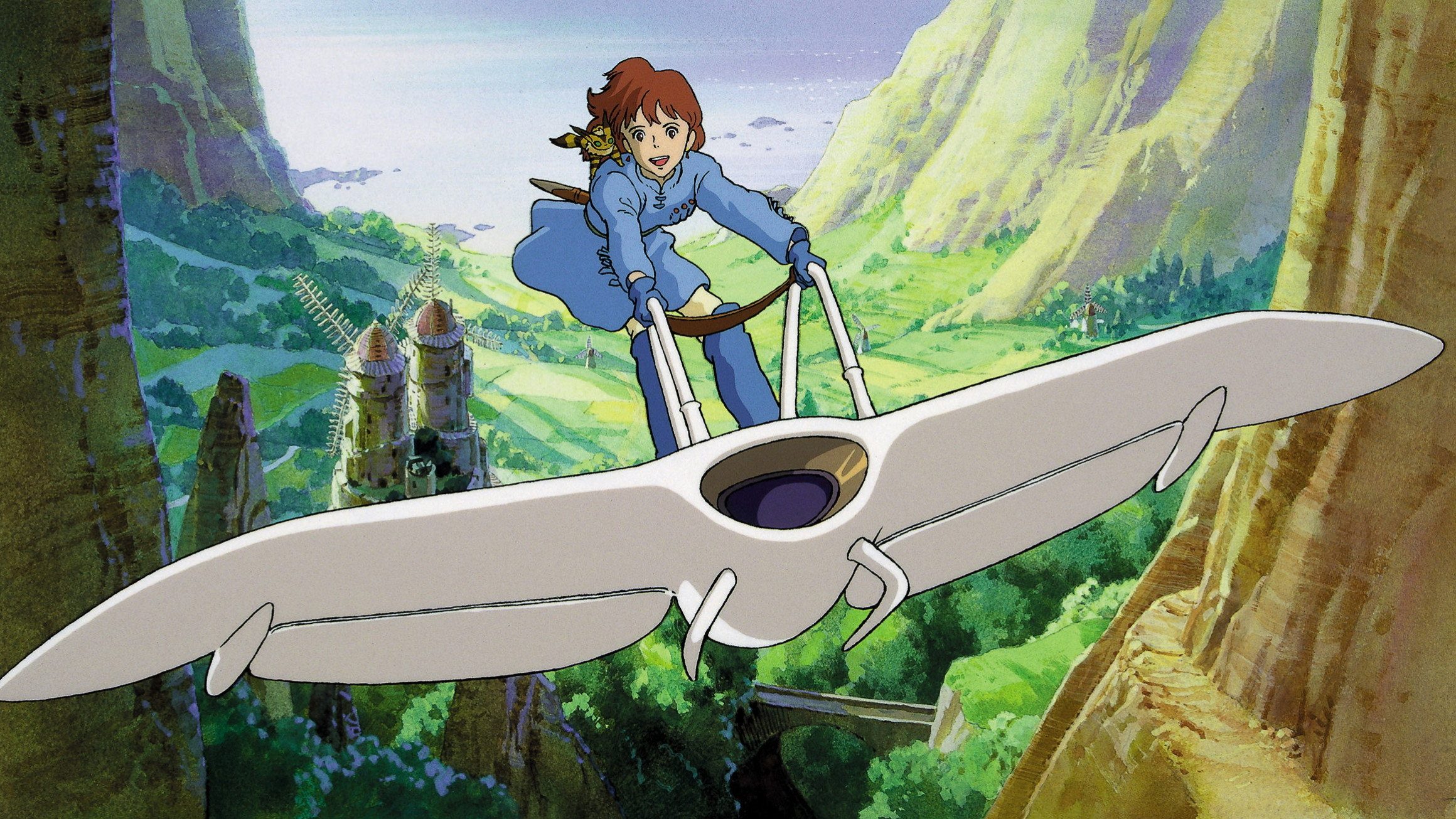
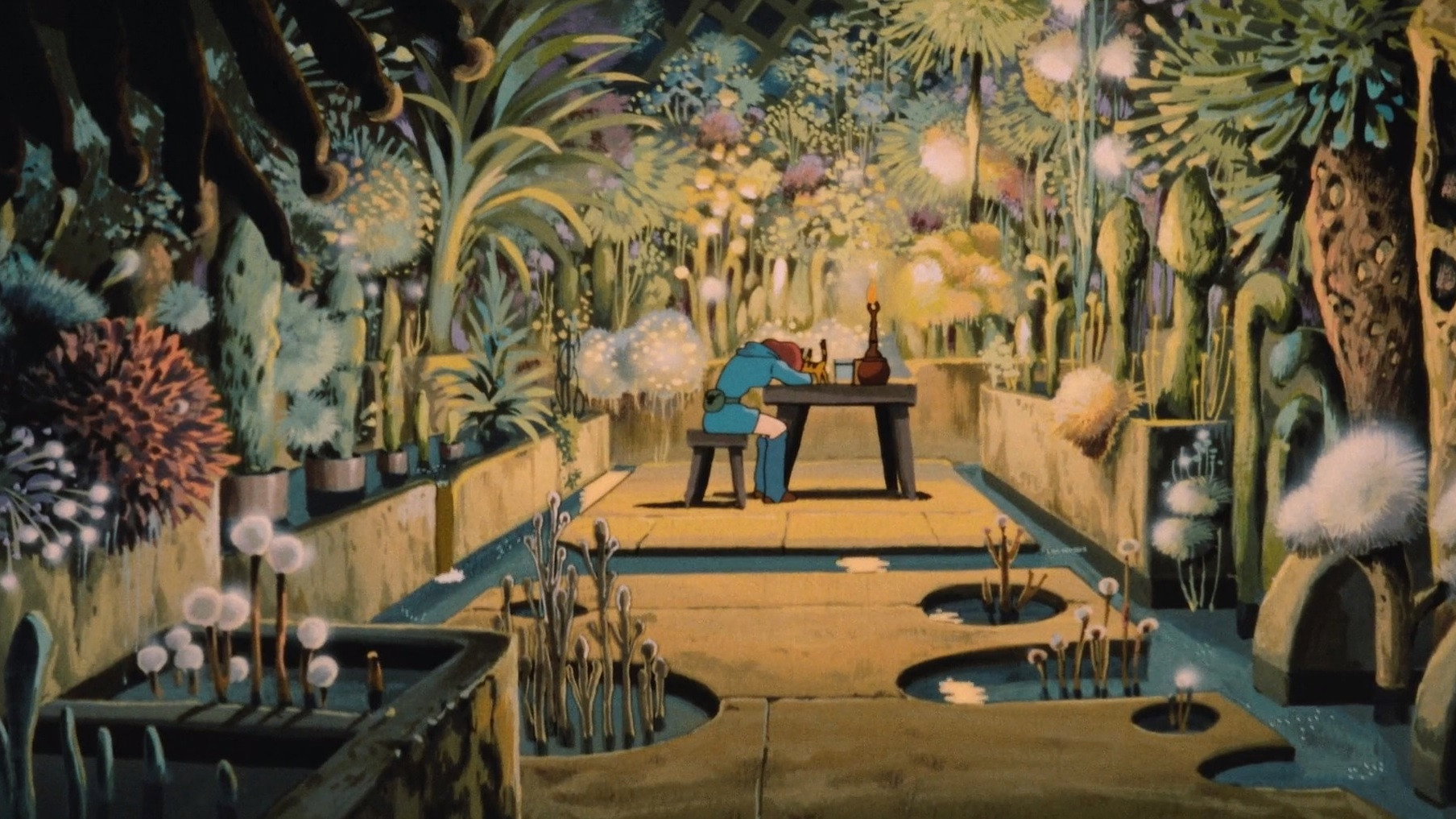
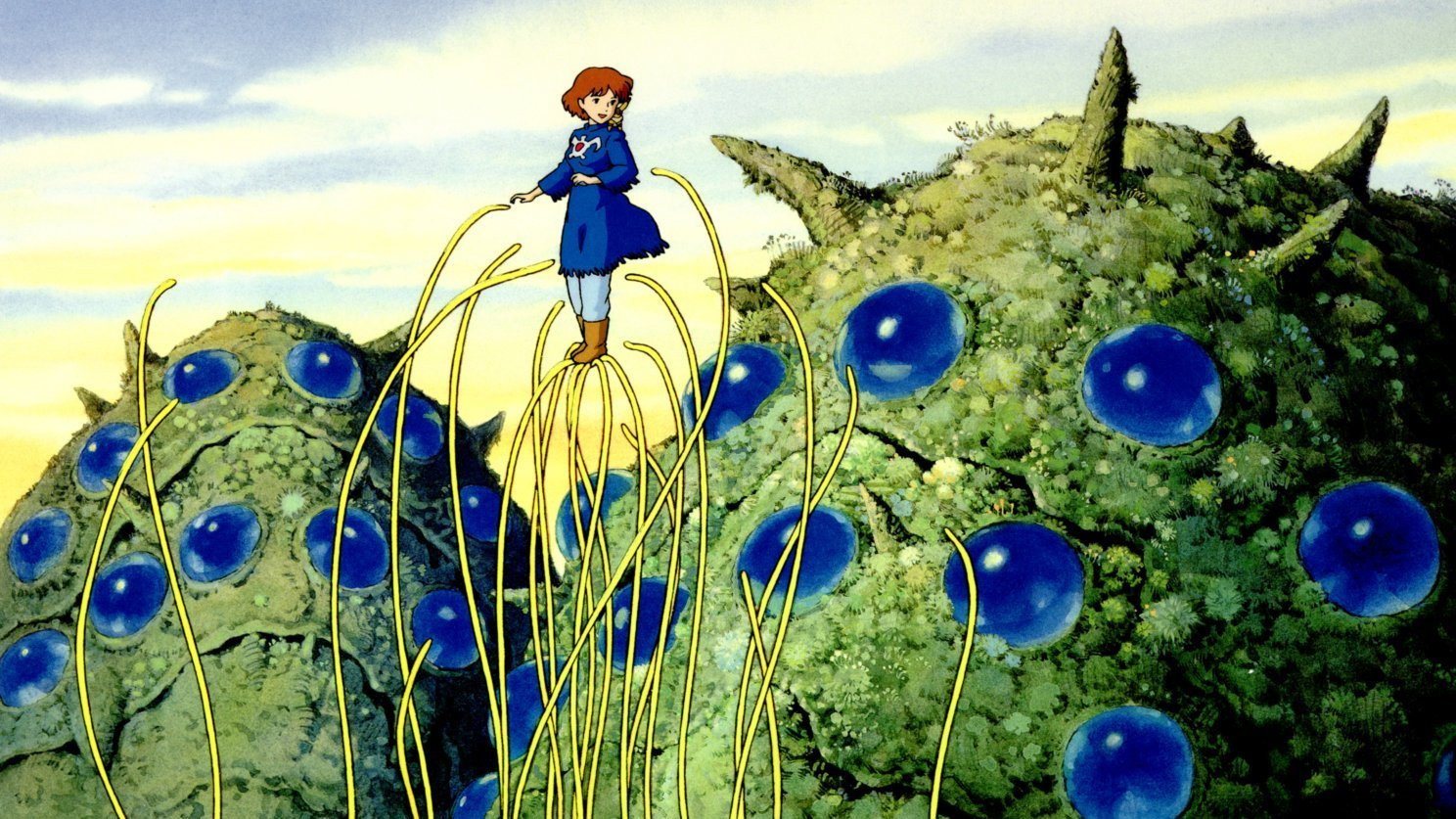
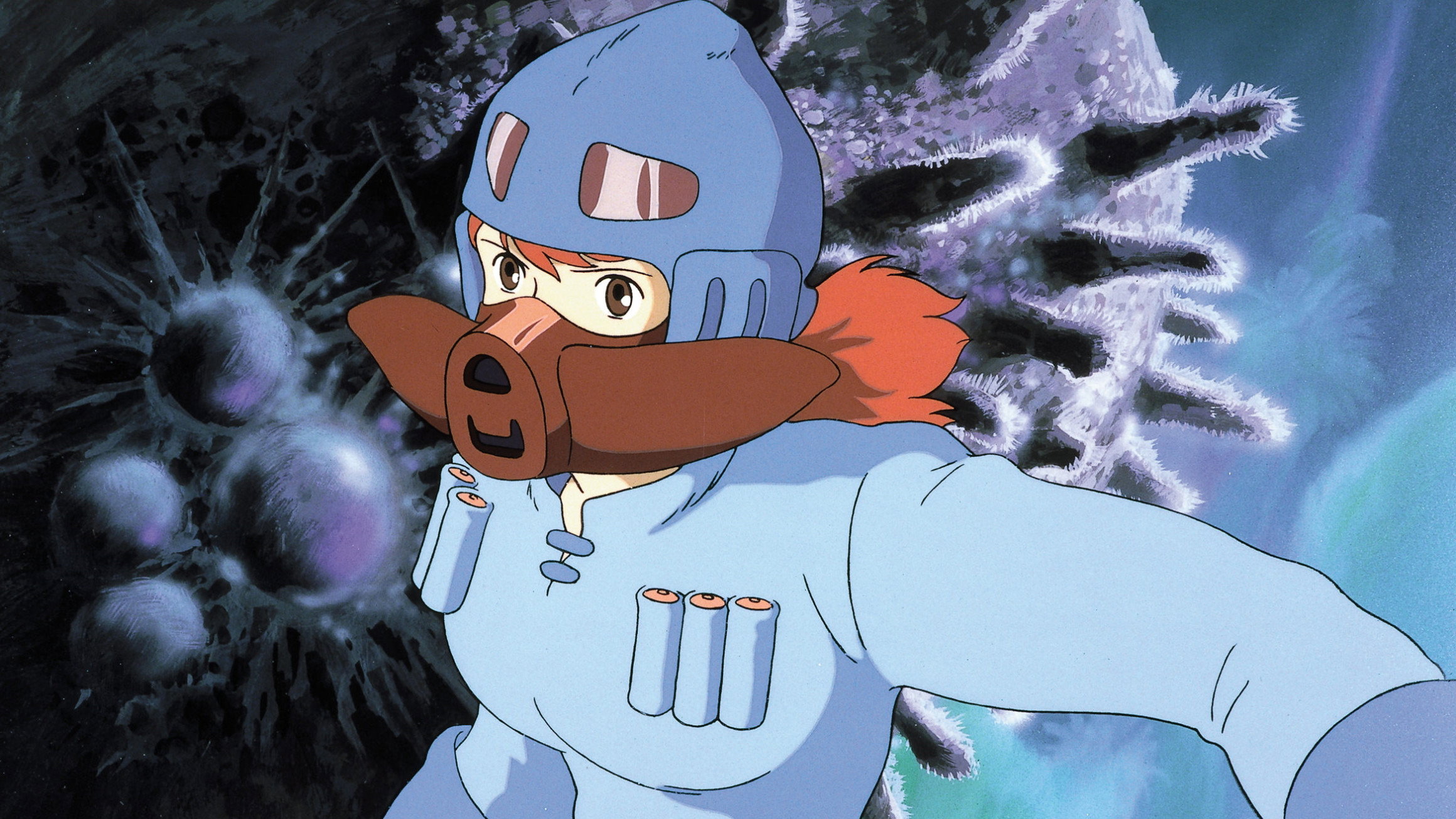
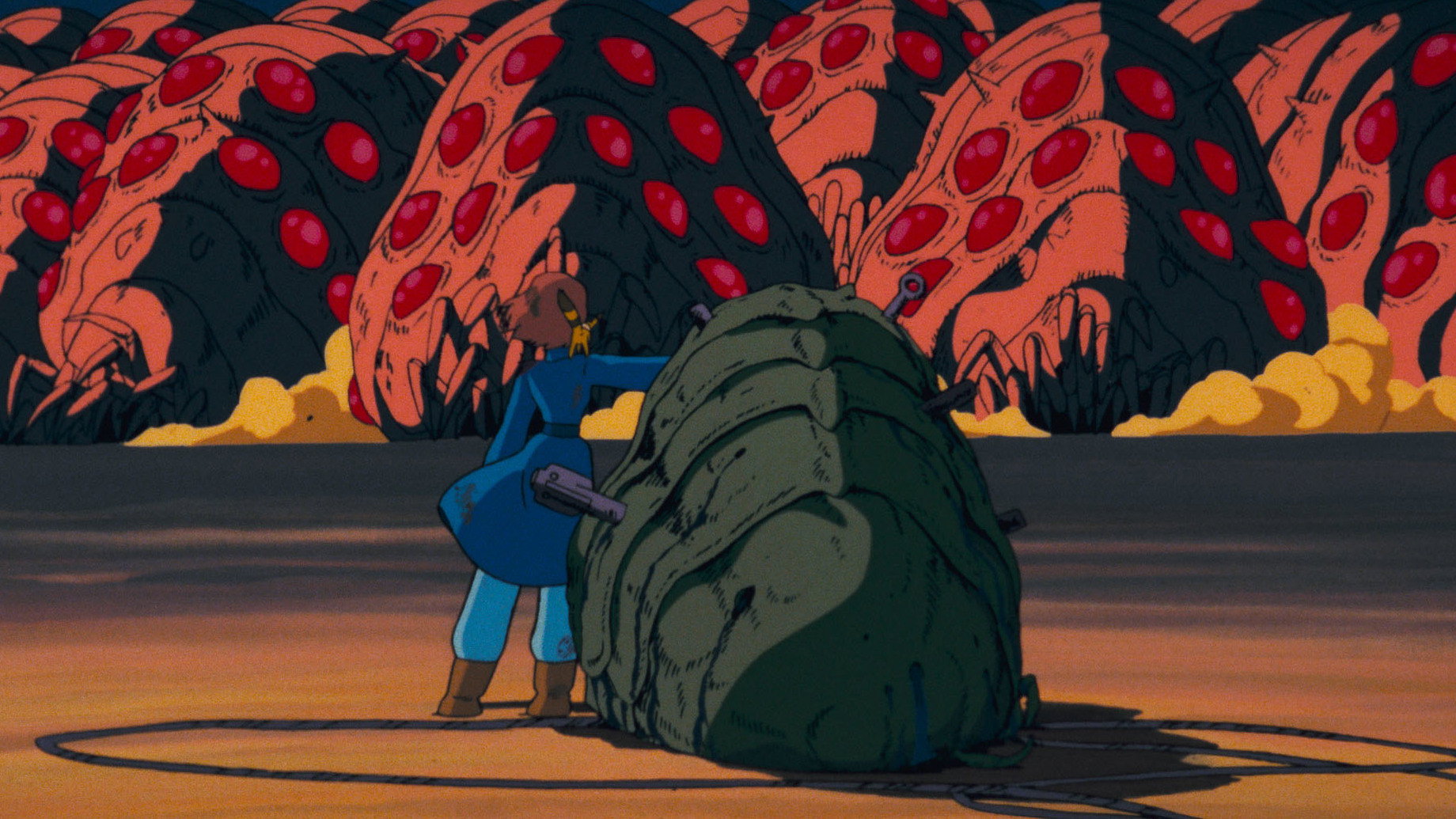
Nausicaä is the reason it works. She is a princess who does her own flying, a naturalist who chips the lens out of a dead insect’s eye to see the world through it, and a fighter who hates fighting. Sumi Shimamoto gives her a light, level voice that never tips into sweetness, and Miyazaki’s script lets her be frightened without making her small. The early scene in which she talks an enraged Ohmu, a creature the size of a hill, back into the forest with a whistle and a flare tells us more about her than any speech, and the film knows it, because it keeps the speeches short.
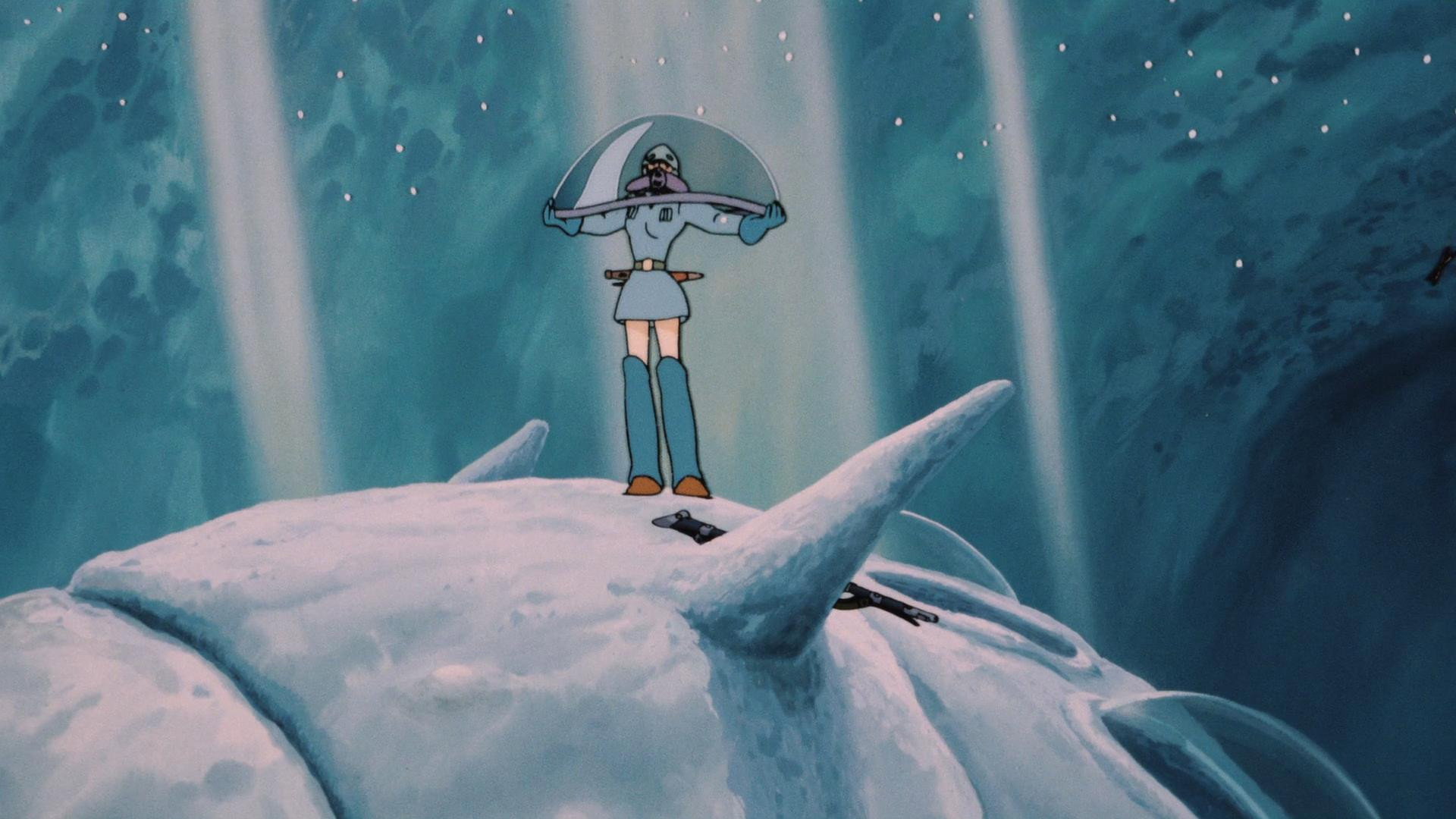
The world is drawn by someone who has thought about how it would work. The Sea of Decay is white and blue, with fungus trunks like cathedral pillars and spores drifting down like snow, and the insects in it are not slimy horrors but armoured, deliberate animals whose rows of eyes glow red when they are angry and blue when they are not. The valley is the opposite: windmills, wheat, tiled roofs, a sky that goes on. Editors Naoki Kaneko and Shoji Sakai let the flying run long enough that we feel the wind under the glider, and they cut the fighting on the ground short and hard.
The sequence that got us comes early. A Tolmekian freighter, on fire and full of insects, comes down over the valley in the dark, and Nausicaä flies alongside it trying to steer it clear of the houses. There is a girl inside who is dying, and the film gives her about two minutes. We were more shaken than we expected to be by a drawn airship, and it is because Miyazaki draws the scale honestly: the ship is enormous, the glider is a scrap of cloth, and the fire is the only light. Joe Hisaishi’s score under this is a low electronic pulse, and it is better than his grander cues, which lean on the synthesiser sound of 1984 more than they should. The wordless child’s voice he uses as Nausicaä’s theme has dated the least.
The villains are the weak part. Kushana (Yoshiko Sakakibara), the Tolmekian princess who invades the valley with a plan to burn the forest, is given one good reason to hate the insects and then not much else to do; Kurotowa (Iemasa Kayumi), her second in command, is a schemer from stock. Asbel (Yoji Matsuda), the boy from the rival city of Pejite, arrives to shoot things down and stays to be talked round. Once the armies start moving the film has three factions, a weapon from the old world and a stampede to manage, and the last half hour manages them in a rush. Motives get shouted in passing, and a legend told by Obaba (Hisako Kyōda) in the first reel is asked to carry more than any legend should.
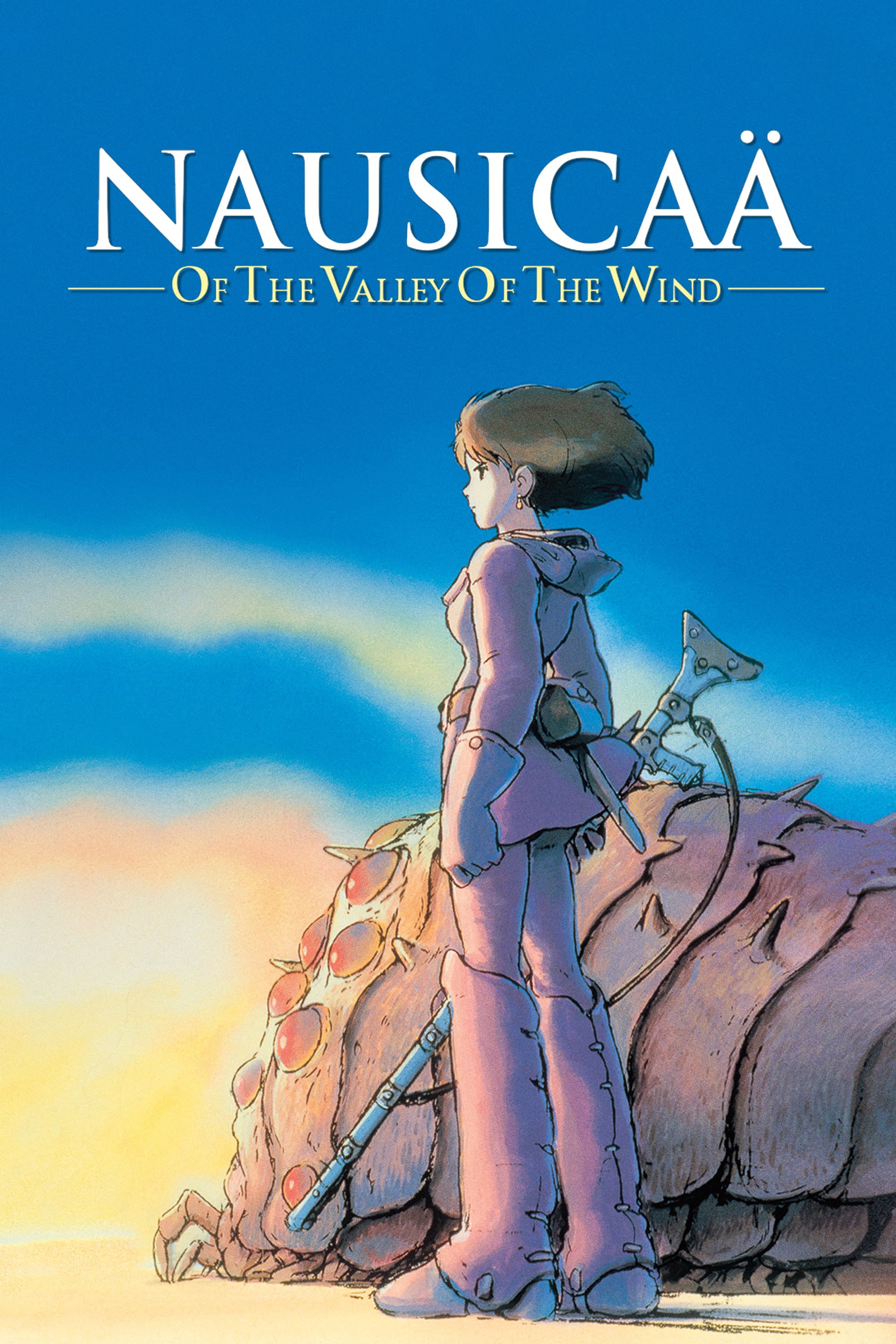
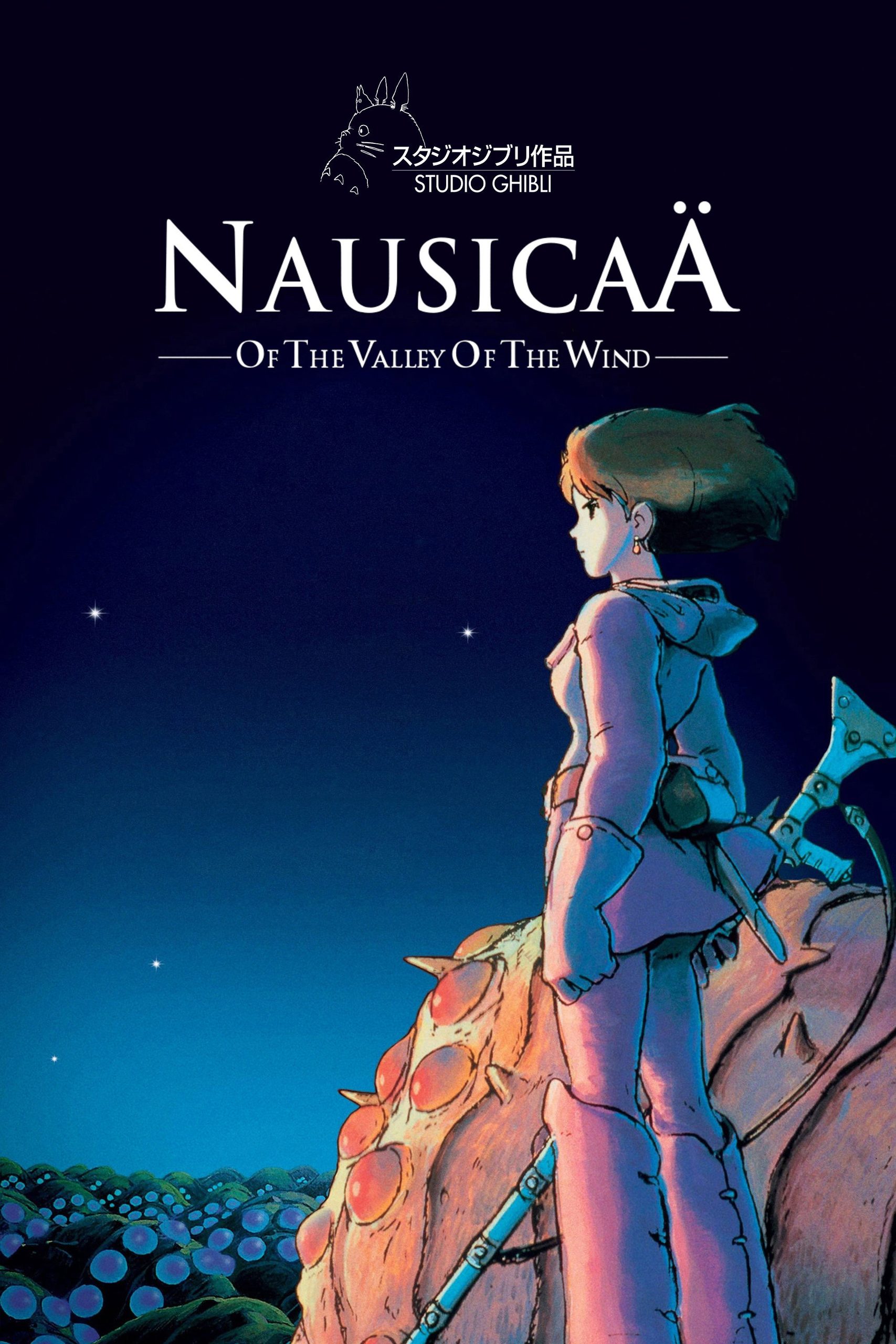
Then there is the title. The film Miyazaki made is Nausicaä of the Valley of the Wind. Warriors of the Wind is the name under which a shortened English-language version, cut by around twenty minutes and rewritten in the dubbing, went out to cinemas, and the 95 minutes listed here is that version. What was removed is mostly the quiet: the looking, the botany, the reasons. The film still plays, because the drawings carry most of it, but anyone who finds it under this title should know they are getting the edited one.
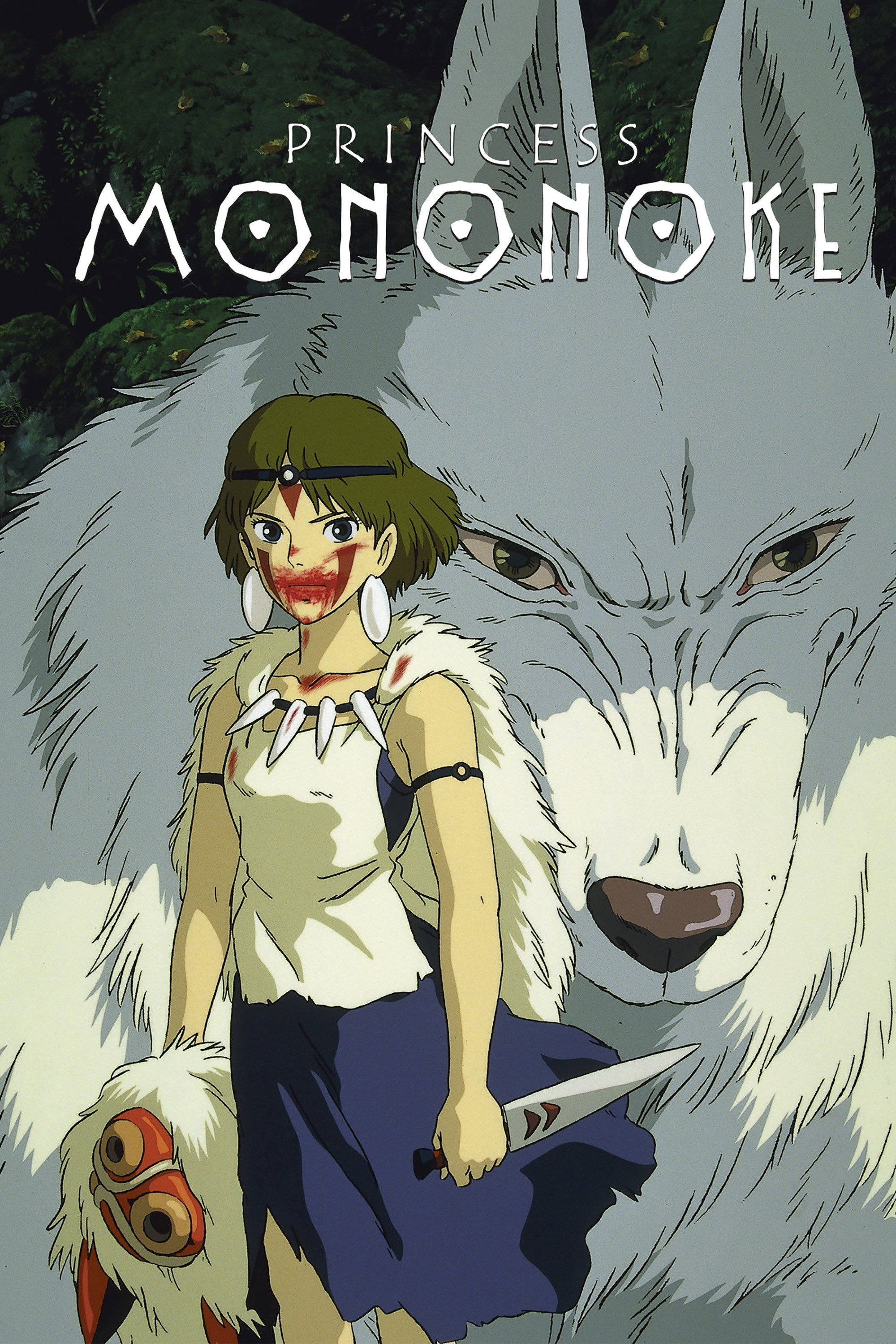
Set beside Princess Mononoke (1997), which tells much the same story with the sides more evenly shaded, this is the plainer and more hopeful film, the one that believes a single decent person can change the weather. Miyazaki would learn to doubt that. We were glad, for 95 minutes, to be in the company of someone who did not. Watch it at home with the subtitles on, and if you can find the full-length film under its own name, watch that instead.