Martin Rosen’s adaptation of Richard Adams’s novel is a rough, beautiful and frightening film that has never had any interest in being reassuring. The drawing wobbles and the plot is squeezed hard into 92 minutes, but it earns every one of its scares.
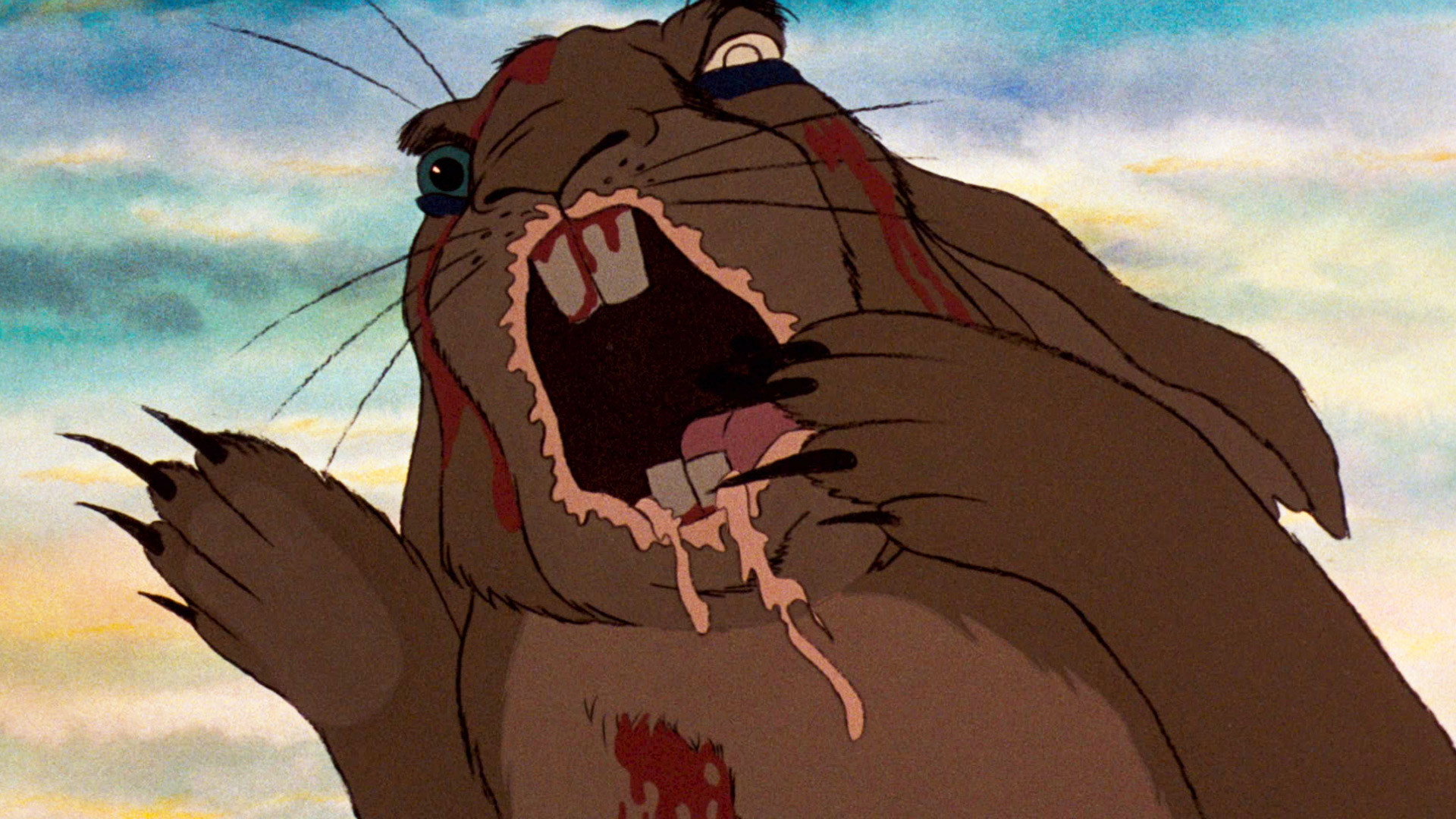
Martin Rosen wrote, produced and directed this adaptation of Richard Adams’s novel, and the first thing he does is tell us that rabbits die. A prologue in flat ochre shapes, like a cave painting that has learnt to move, has the sun god Frith give the first rabbit a thousand enemies and a pair of fast legs, and the warning the film has carried since 1978 sits right there in the dialogue: all the world will be your enemy, and when they catch you, they will kill you. Then the picture opens out into painted fields and it never softens the terms. A U certificate has rarely covered so much blood.
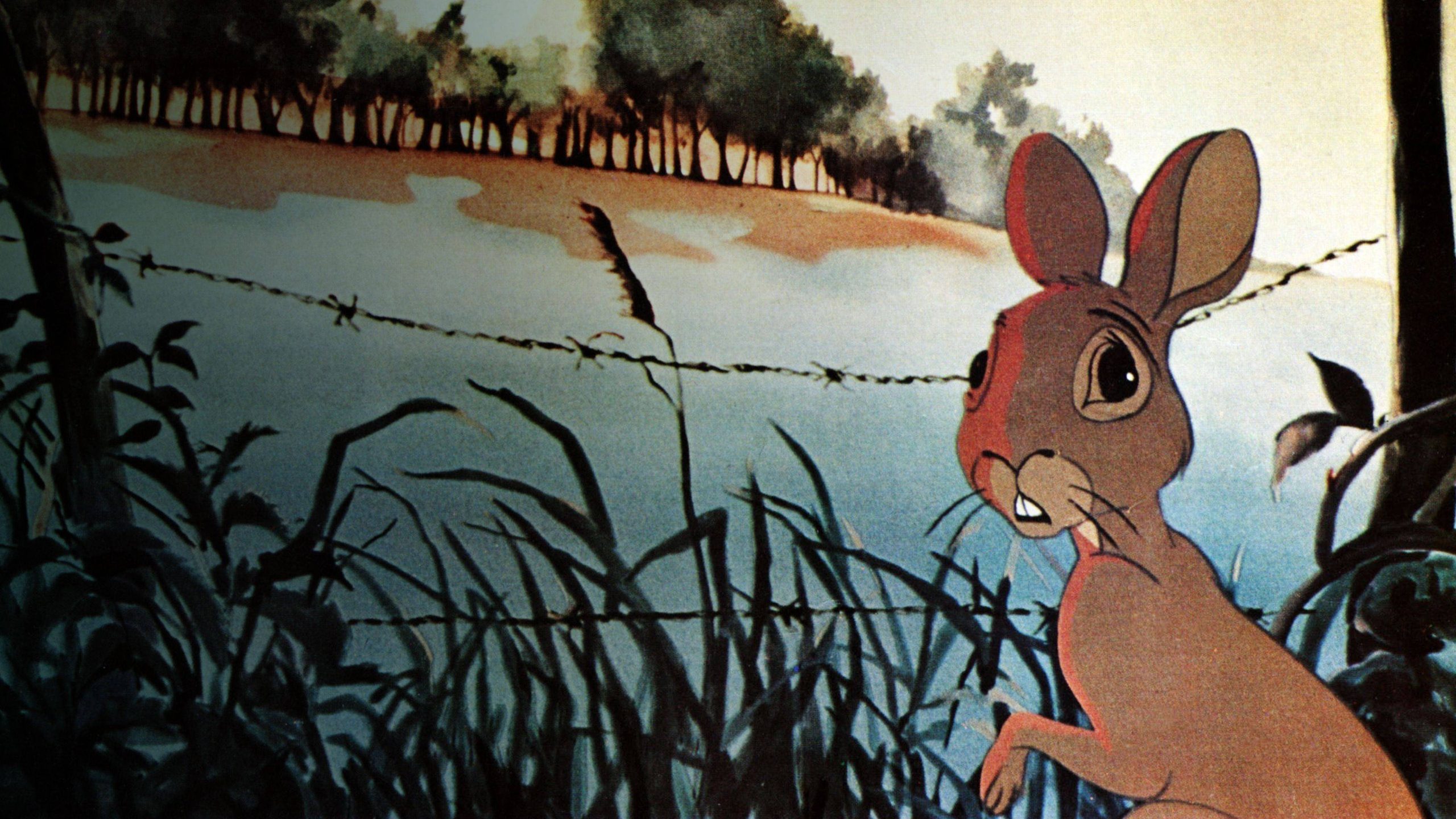
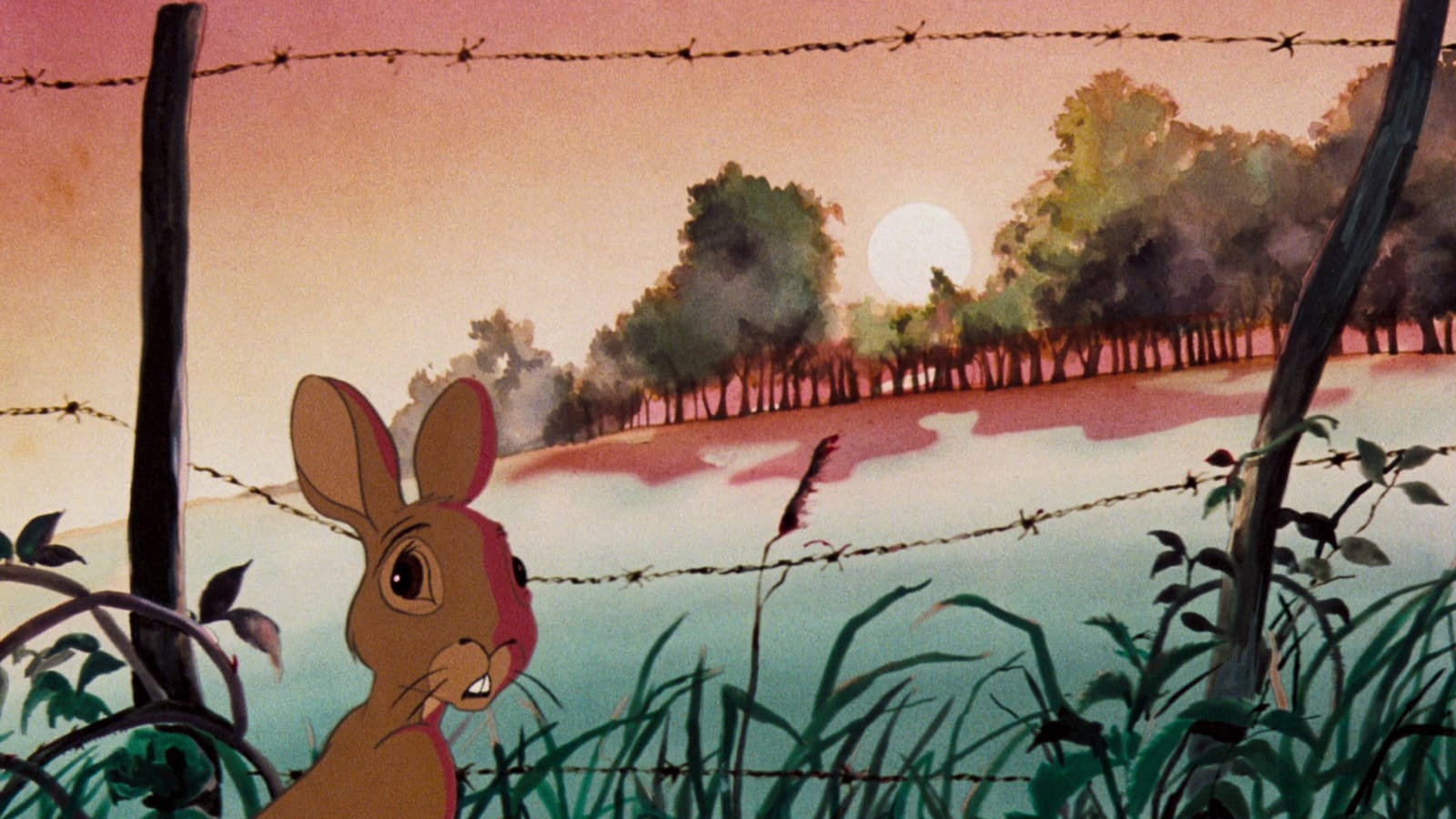
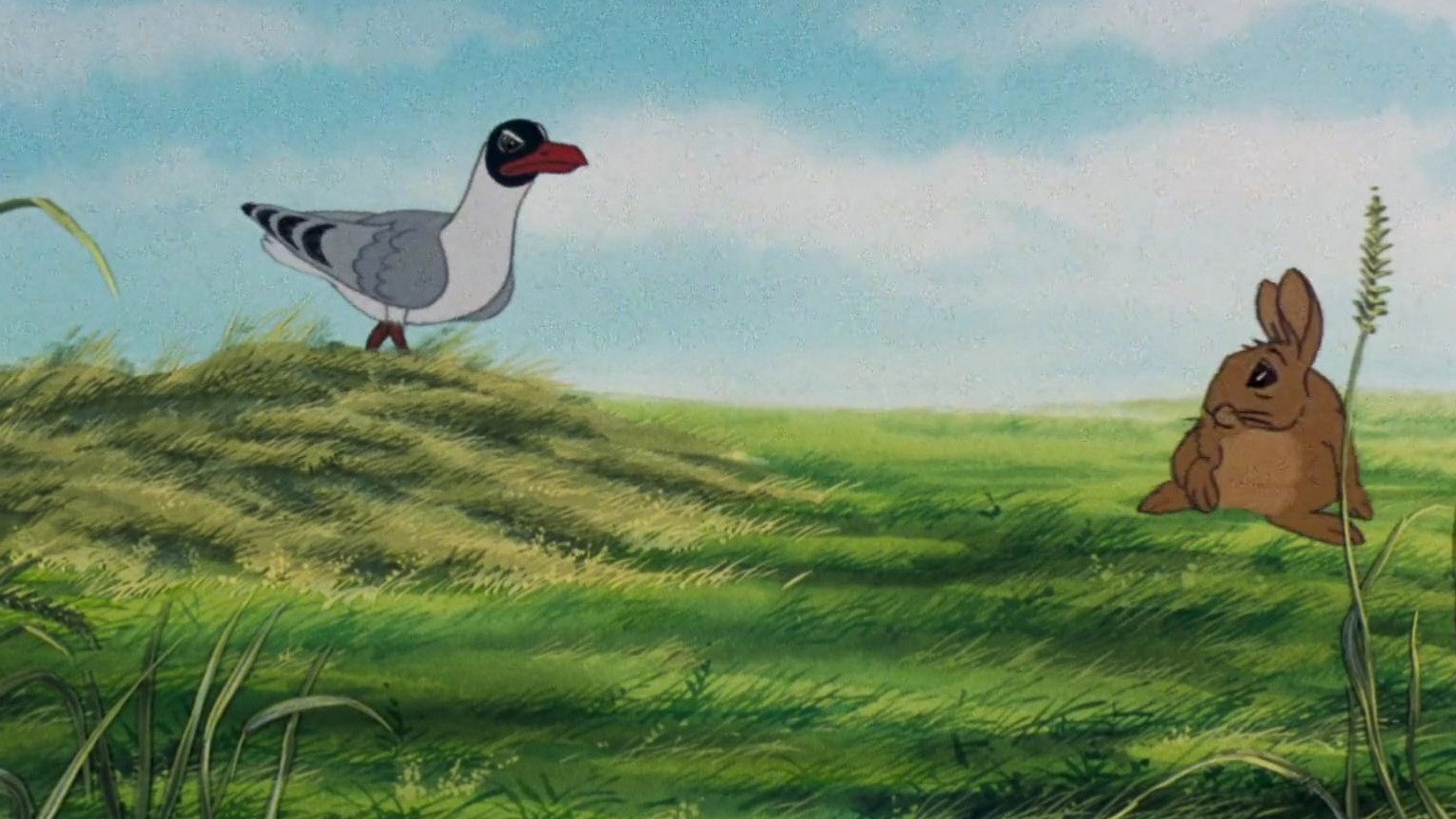
The look is the point and the look is uneven, and we will take both. The backgrounds are watercolour: hedgerows in three greens, a chalk track, a copse with the light coming sideways through it, the kind of countryside you could find on a biscuit tin if somebody had not painted the snares in. Over these the rabbits are drawn as animals rather than toys, long-backed and grey-brown, with ears that flick and faces that hardly move at all. Men are boots, a shovel, a shadow across a burrow mouth. The dog is a set of teeth. Rosen keeps the camera at rabbit height and lets the sky do most of the work.
Here is what we felt. Fiver’s vision of the field filling with red, drawn as a smear rather than a picture, frightened us more than most of what passes for horror at any certificate, and we are not five. It is not the blood that does it but the sound and the shape: Richard Briers’s thin, panicked voice over an image that has stopped pretending to be a meadow. When the film later shows what happened to the warren they left, in a survivor’s account of earth, gas and running mouths, we were horrified again, and a little angry at the certificate board on behalf of the parents who trusted it.
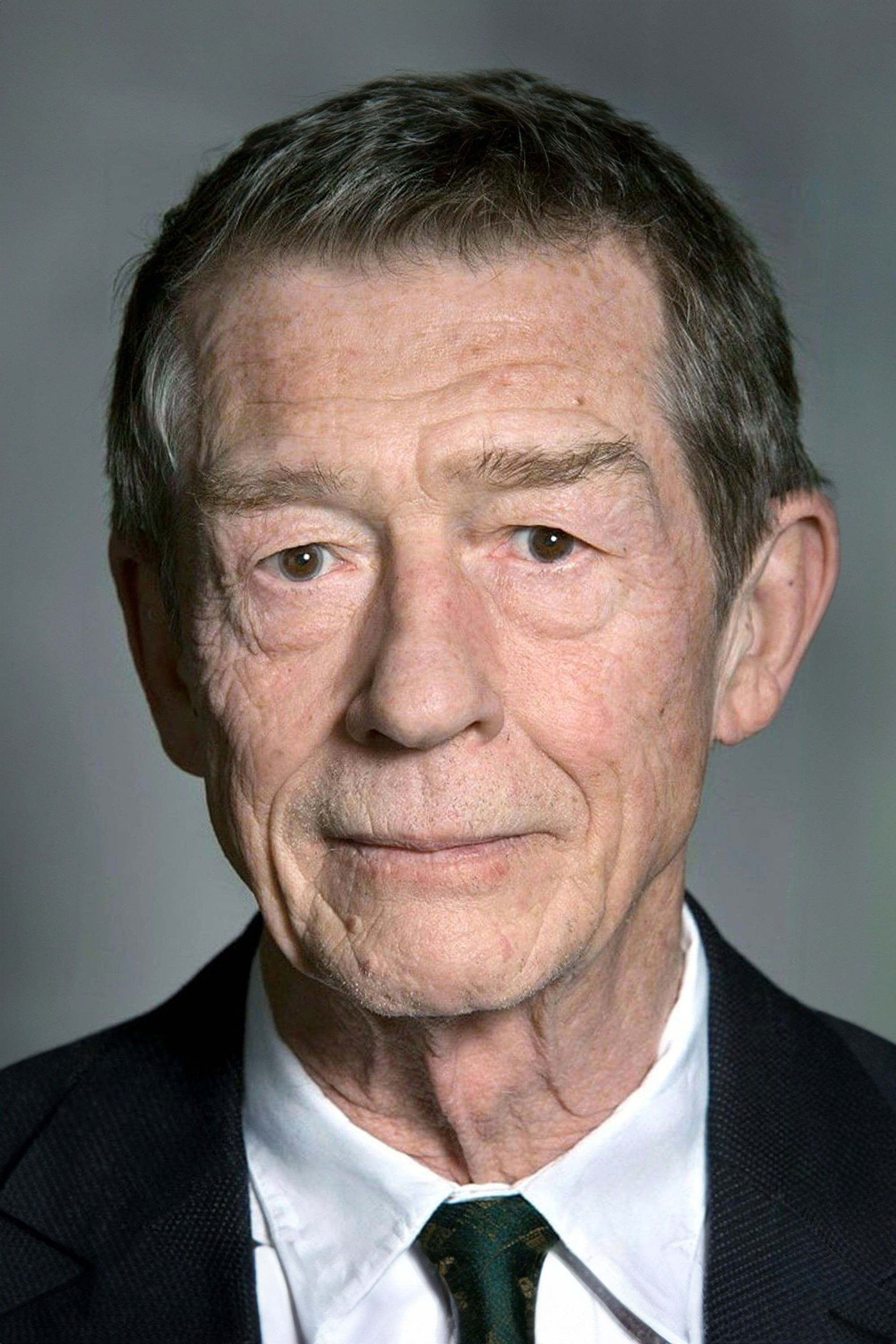
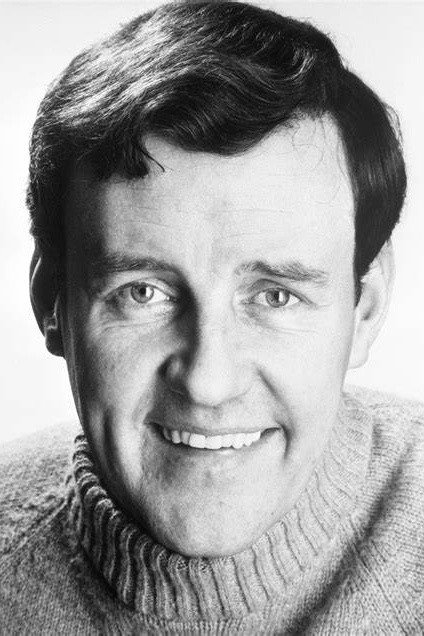
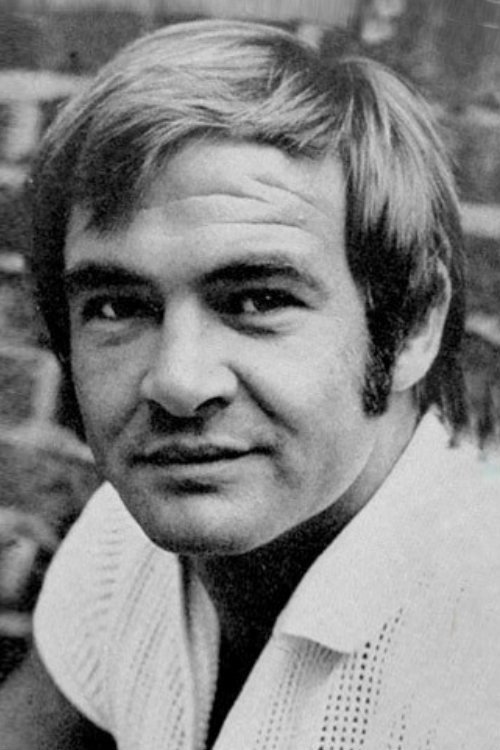
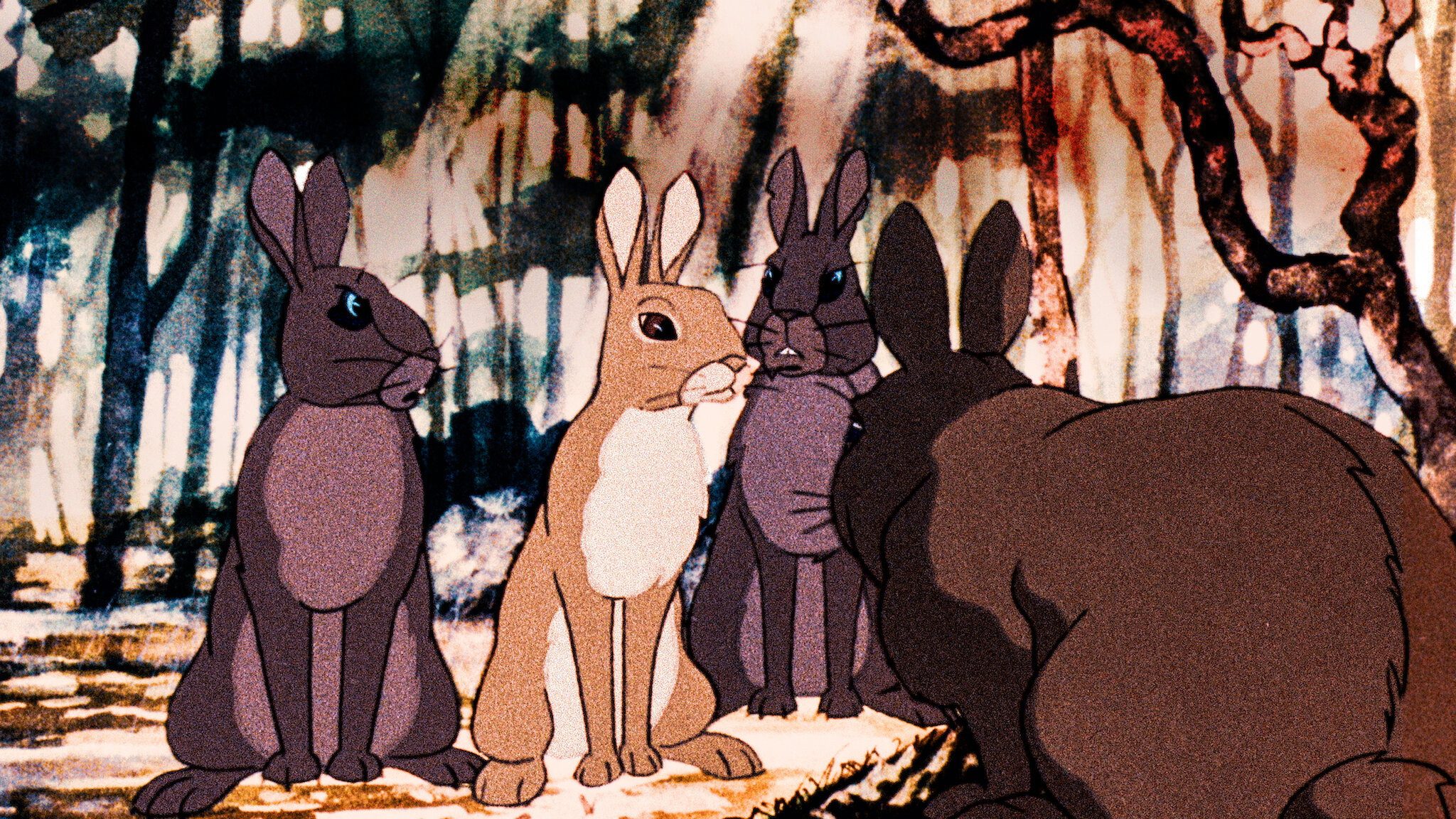
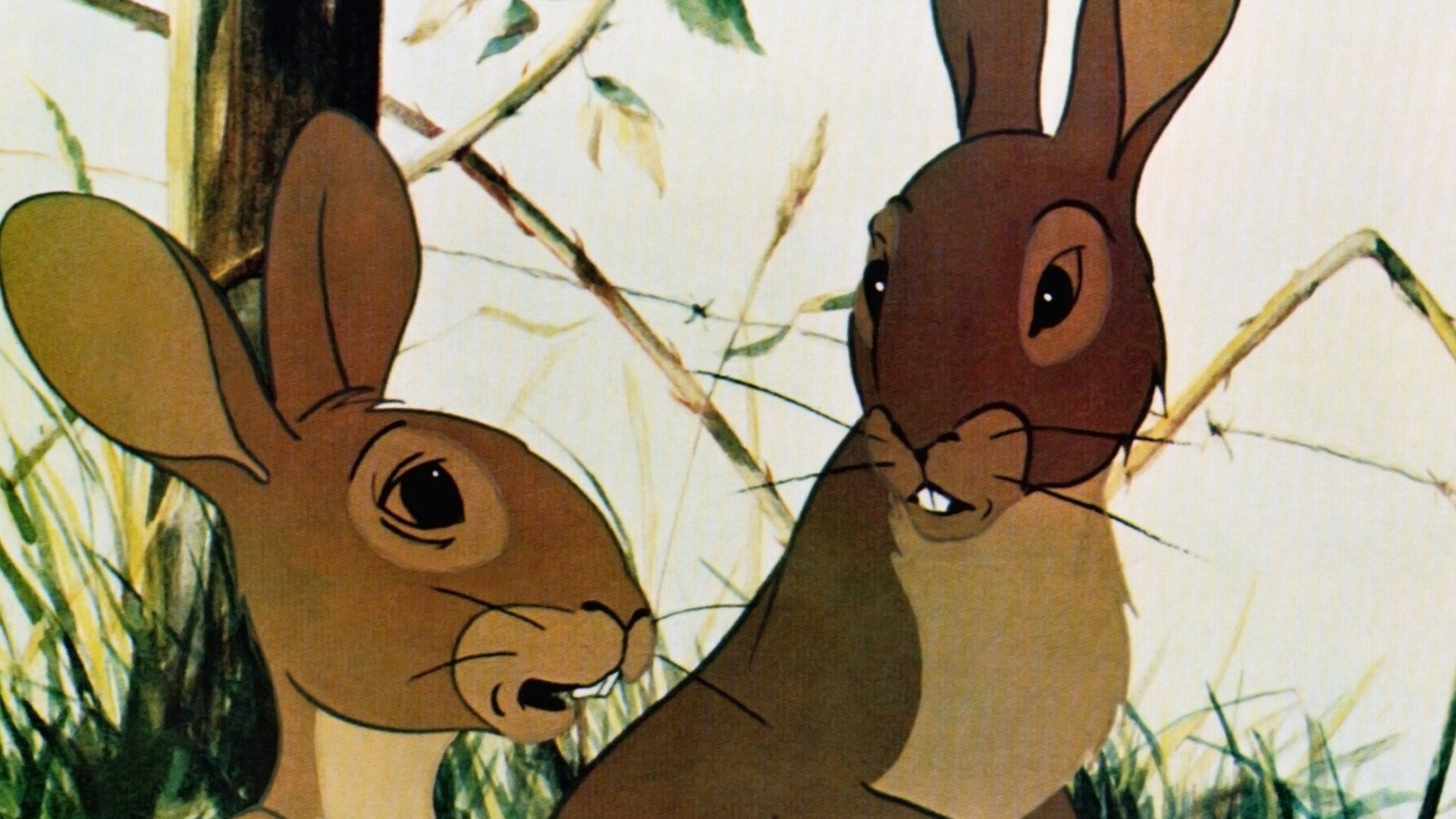
The voices are the other half of the film, and one of the reviews we read complained that they turn it into a radio play. There is something in that. The faces are so still that the actors are doing the acting, and Rosen knows it and casts accordingly. John Hurt’s Hazel is tired, decent and not at all sure of himself, which is exactly what a leader of frightened animals should sound like. Michael Graham Cox gives Bigwig a parade-ground bark that the film gradually lets crack. Ralph Richardson has two scenes as the Chief Rabbit and fills them with well-fed indifference. Denholm Elliott’s Cowslip is the best of them, courteous and oily and never quite answering the question he has been asked.
Malcolm Williamson and Angela Morley share the music credit, and the score is mostly strings and woodwind, pastoral and unhurried, until a drum comes in under a running shot and the strings go tight. The middle of the film stops for a song, Bright Eyes, sung by Art Garfunkel, and it is the one place the film allows itself to be soft; we did not mind. Terry Rawlings cuts the rest hard. Ninety-two minutes is not long for a novel of this size, and whole stretches of the journey go past as a river crossing, a road, a night, a morning. It keeps the film moving and it costs it clarity, because half a dozen grey-brown rabbits with English voices are not easy to tell apart at speed, and the film does not stop to help.
The drawing has other troubles. Characters change size between shots. Figures slide over the painted grass rather than sitting in it. The mouths move roughly against the dialogue. The female rabbits arrive late and are given almost nothing to say; Mary Maddox’s Clover has a few lines and a hutch. None of this ruins the film, but a viewer raised on the smooth surfaces of the studio animation of the period will notice, and should.
What the roughness buys is a countryside that feels like a place where things get killed, which the smooth films never managed. The second half brings the survivors to a warren run like a prison camp, and a fight we will not describe. Show it to a child if you are ready for the questions afterwards. Watch it yourself and you will find it has not aged into charm, which is the highest thing we can say about a film for children.