Film review

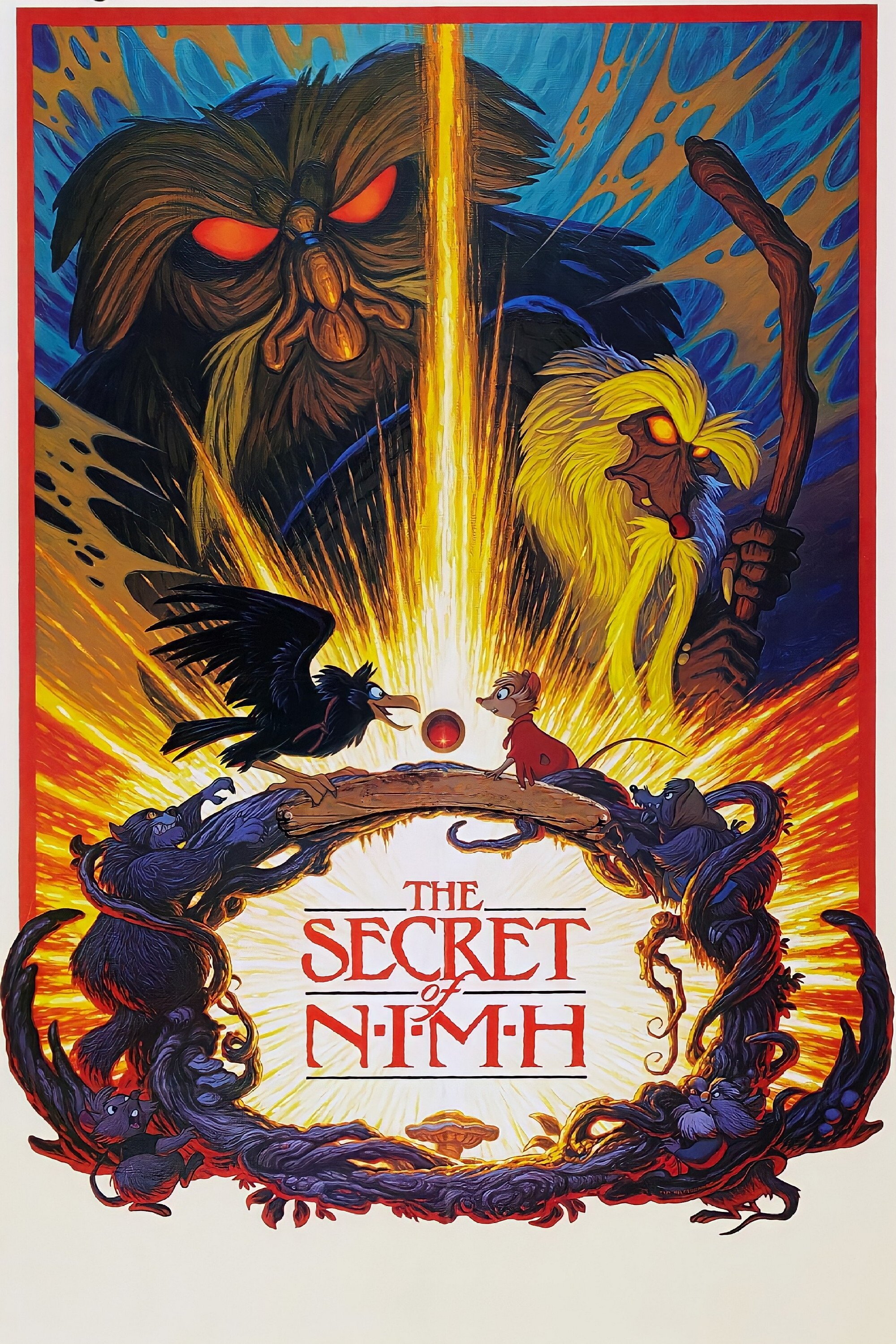
The Secret of NIMH

1982 · Directed by Don Bluth · 1h 23m · MPA G

In a sentenceA widowed mouse, a plough, a glowing necklace and the most frightening owl we have met in a cartoon

AdventureAnimationDramaFamily

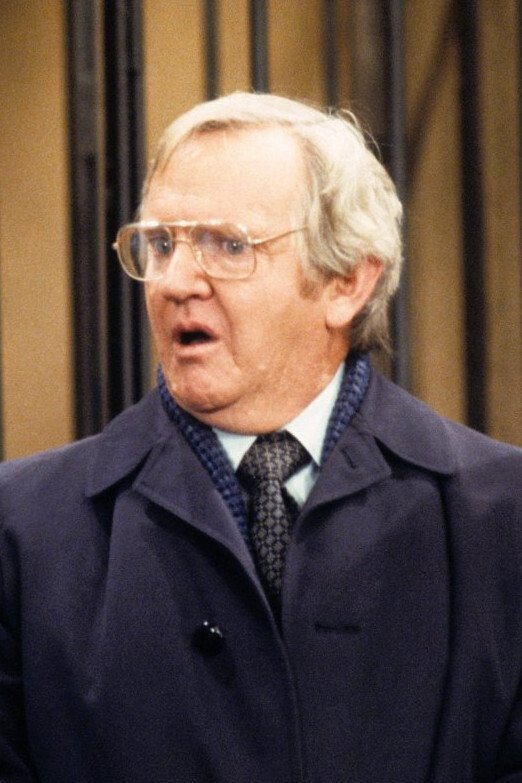
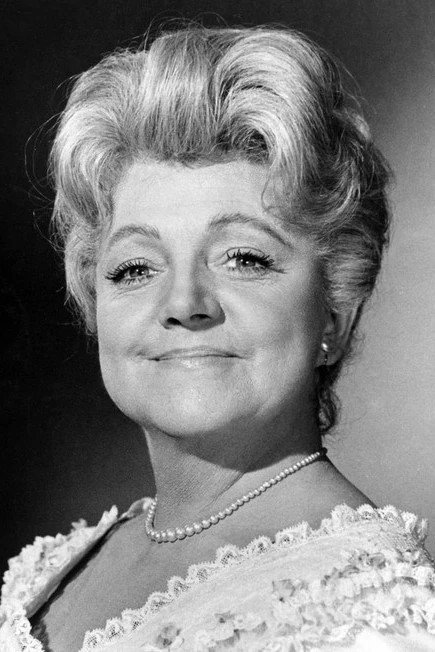
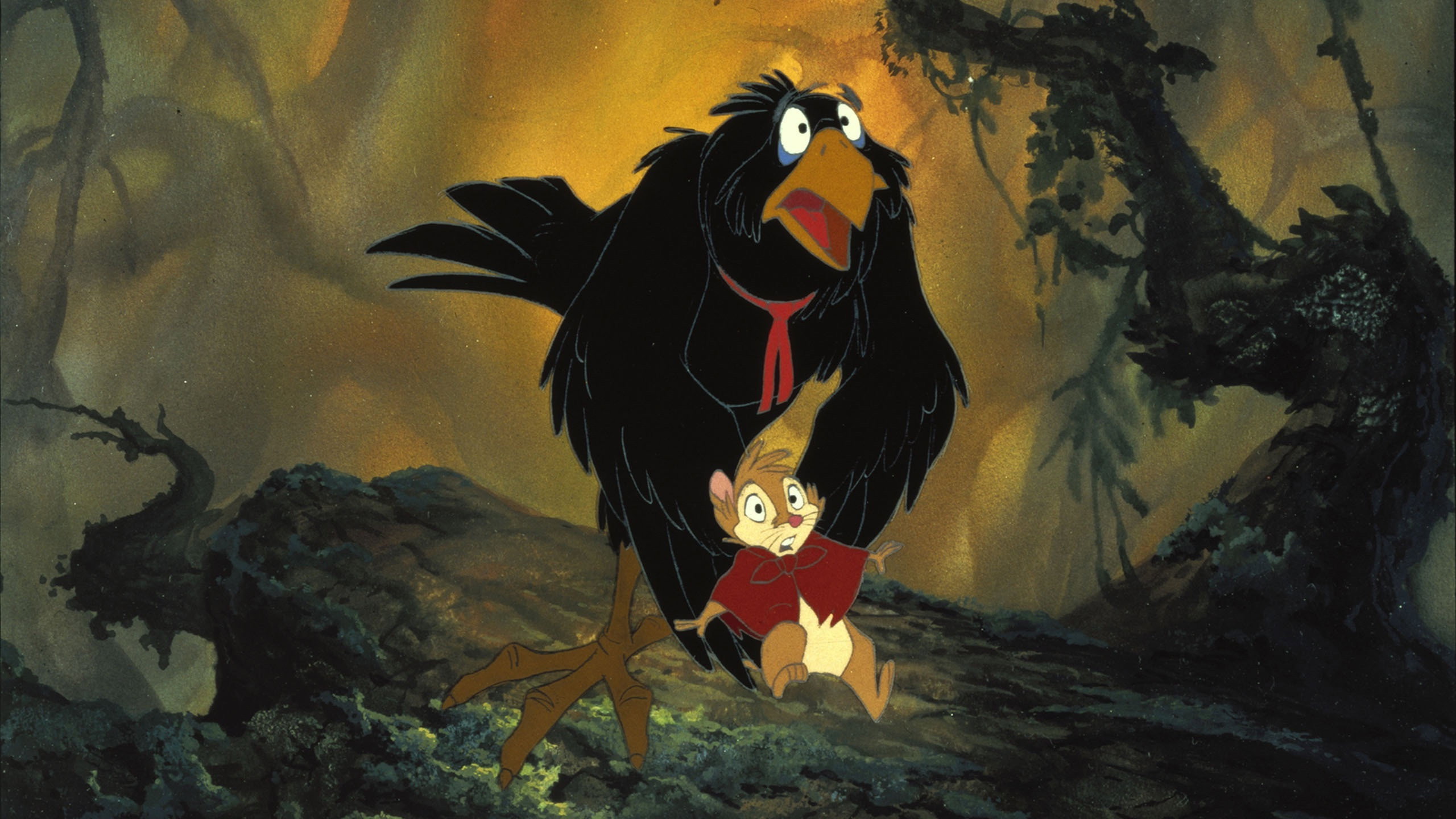
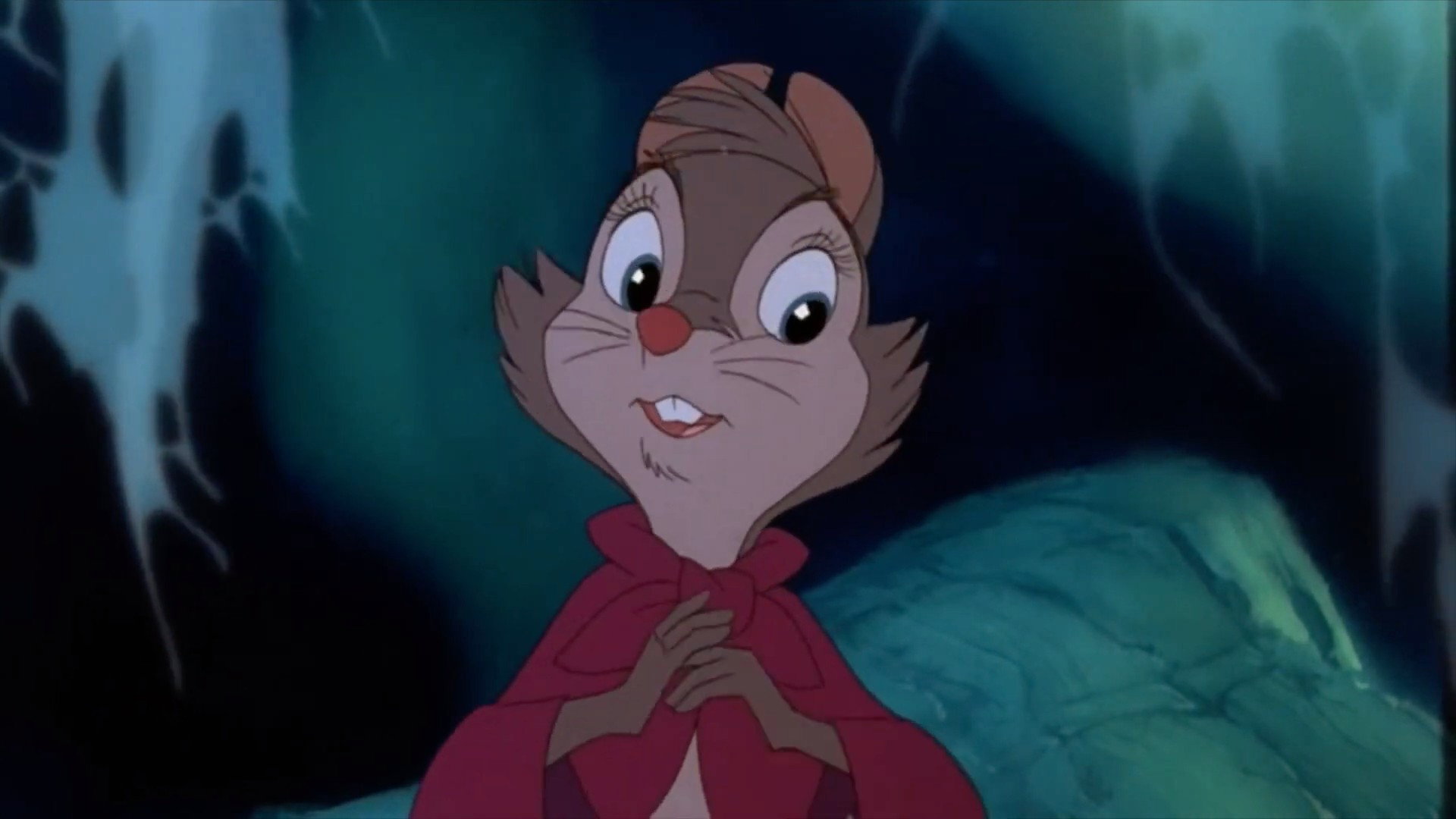
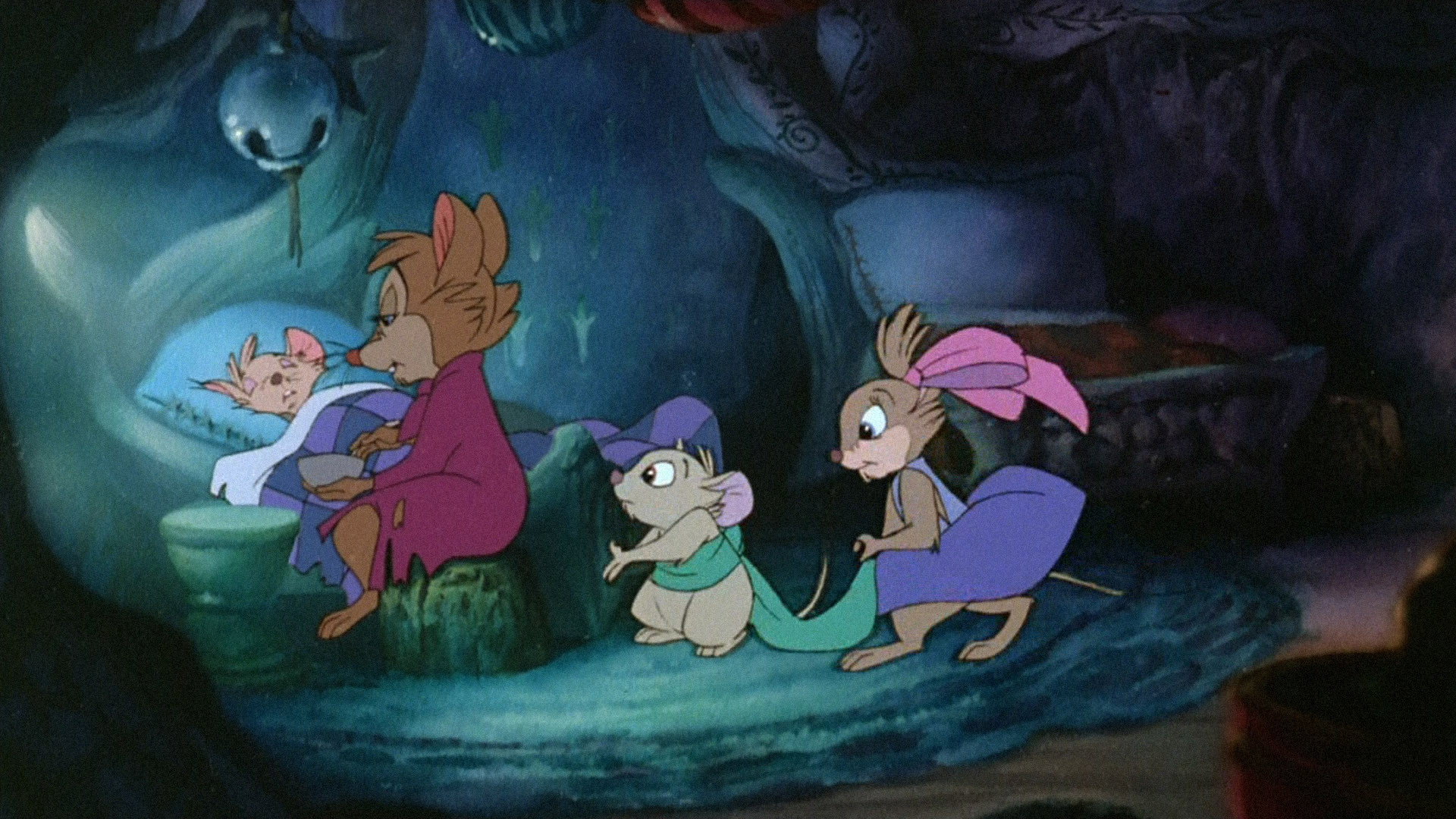
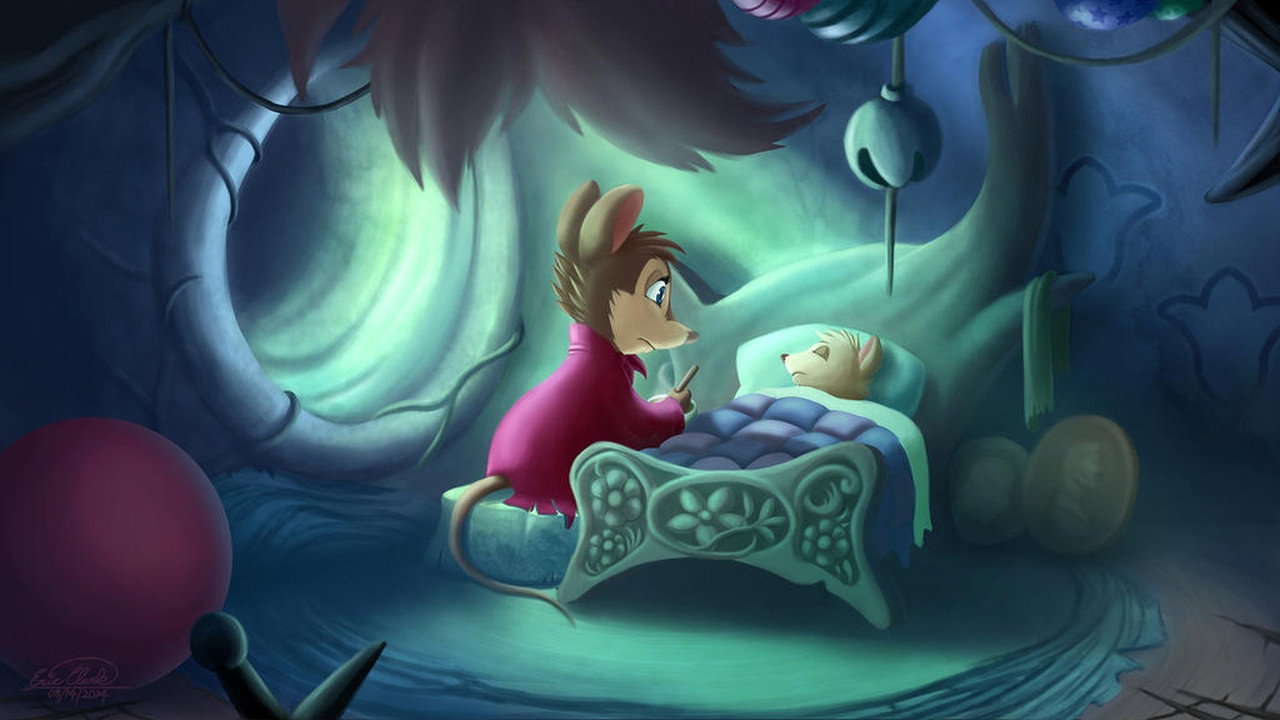
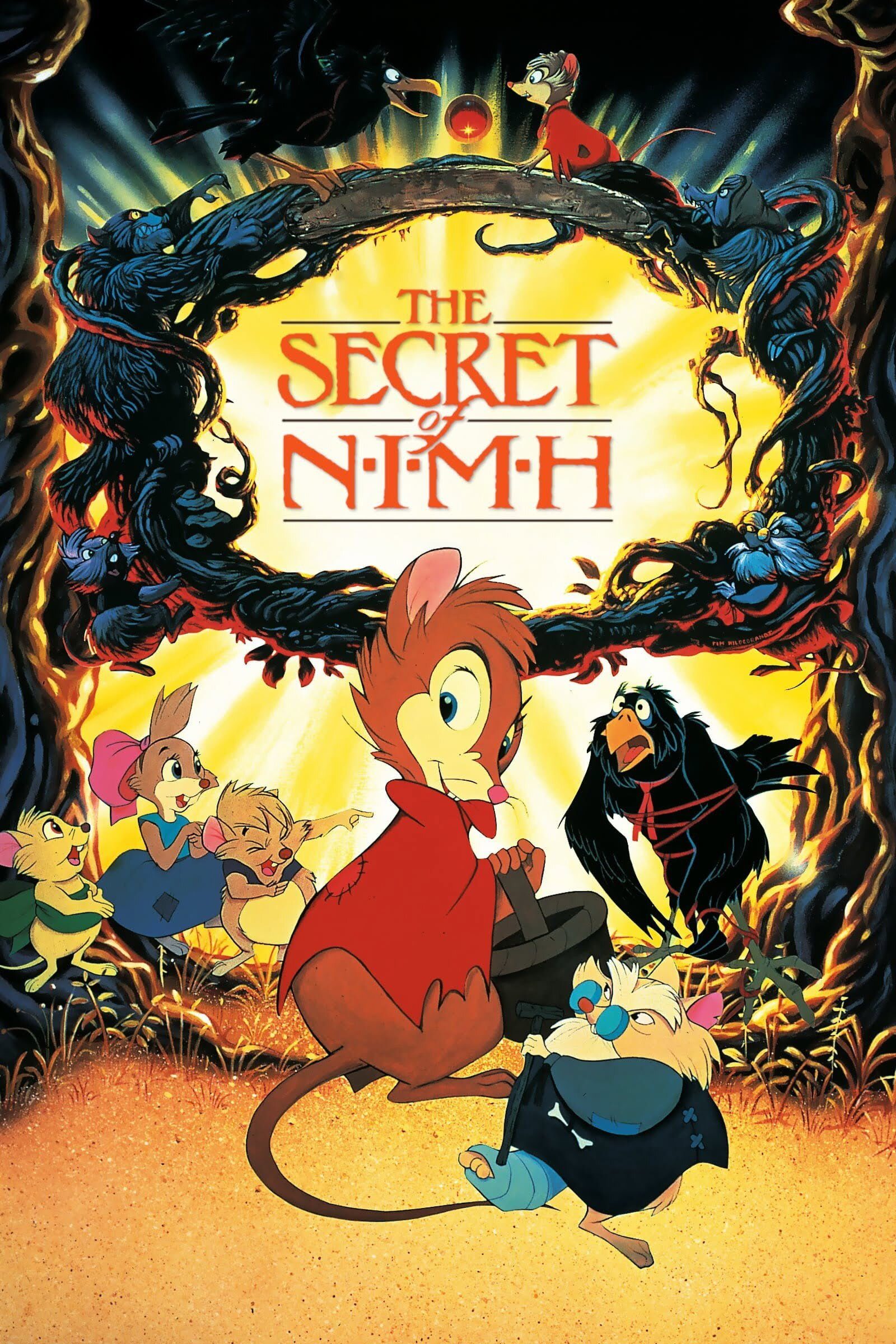
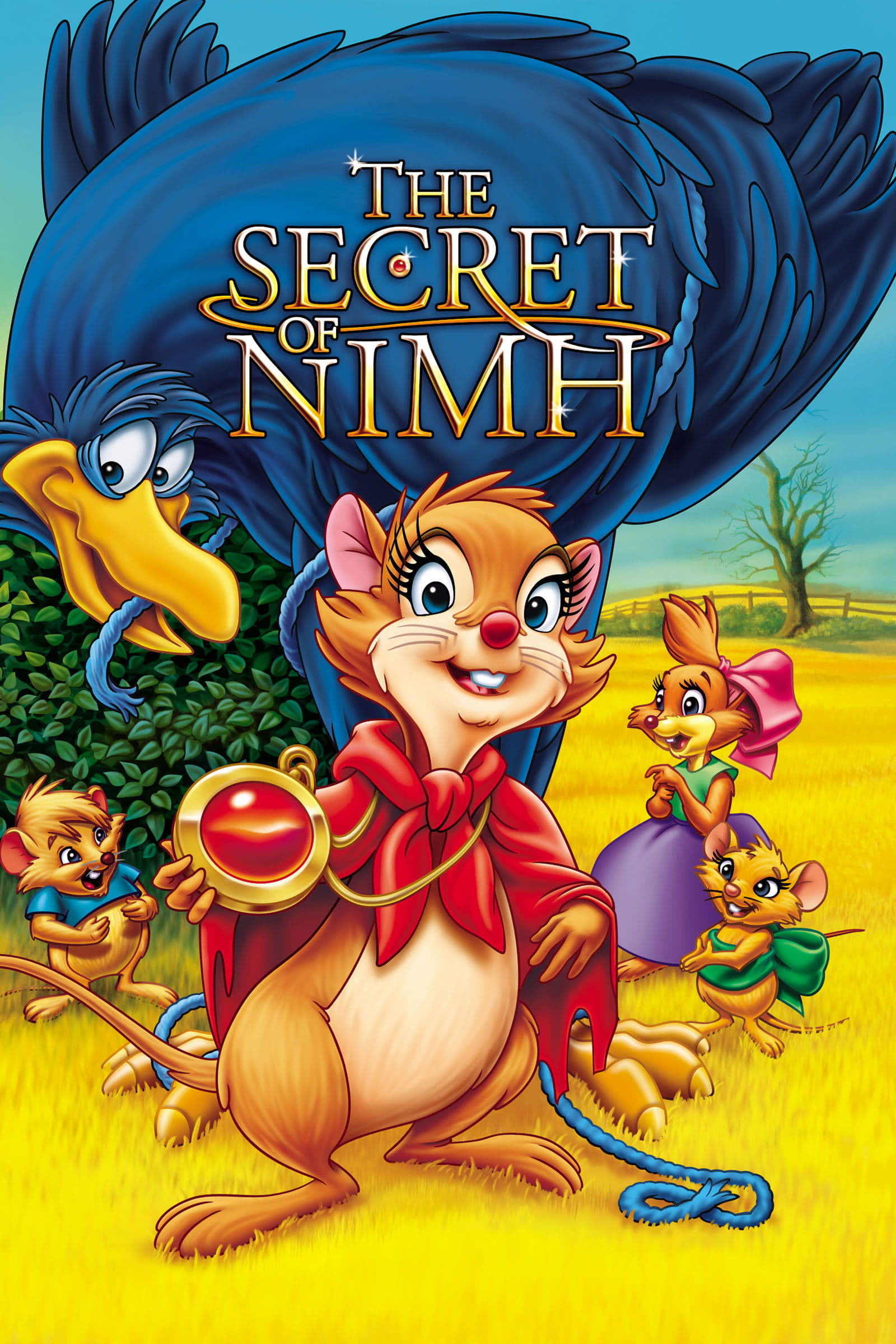
A farm field in spring, the week before the plough comes. Mrs. Brisby (Elizabeth Hartman), a widowed field mouse, lives with her four children in a cinder block at the edge of the furrows. Her youngest, Timothy (Ina Fried), has pneumonia and cannot be moved, and the ploughing will crush the block if they stay. She fetches medicine from Mr. Ages (Arthur Malet), untangles Jeremy (Dom DeLuise), a crow caught in a length of string, and is told by Auntie Shrew (Hermione Baddeley) to get out while she can. Out of options, she rides on the crow’s back to the Great Owl (John Carradine), who tells her that the rats living under the farmhouse rosebush may be able to move her house, and that they knew her late husband.

Plays from YouTube when you press play; nothing loads from them until then.

Fi1m review

Don Bluth’s first film away from Disney is drawn with a care the studio had let slip, and it frightens in ways family films rarely dare. It is let down by a script that adds a magic amulet it never explains.

Don Bluth left Disney in 1979 with a group of fellow animators, and The Secret of NIMH is what they made when they got out: a hand-drawn film from Robert C. O’Brien’s novel Mrs. Frisby and the Rats of NIMH, about a widowed field mouse who must move her house before the plough arrives and cannot, because her youngest is too ill to be carried. It runs 83 minutes and carries a U certificate. It is a good film, drawn with more care than almost anything the studio it came from was making at the time, and it is let down by a script that keeps adding things to a story that needed nothing added.

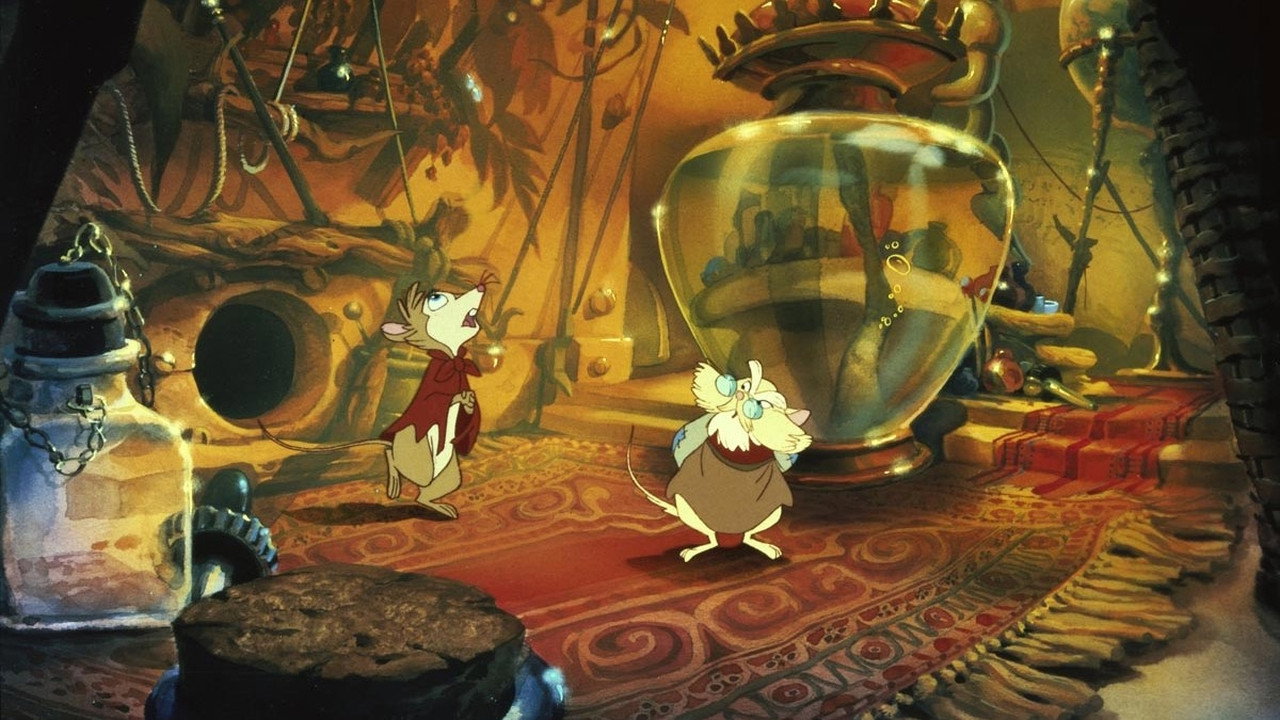
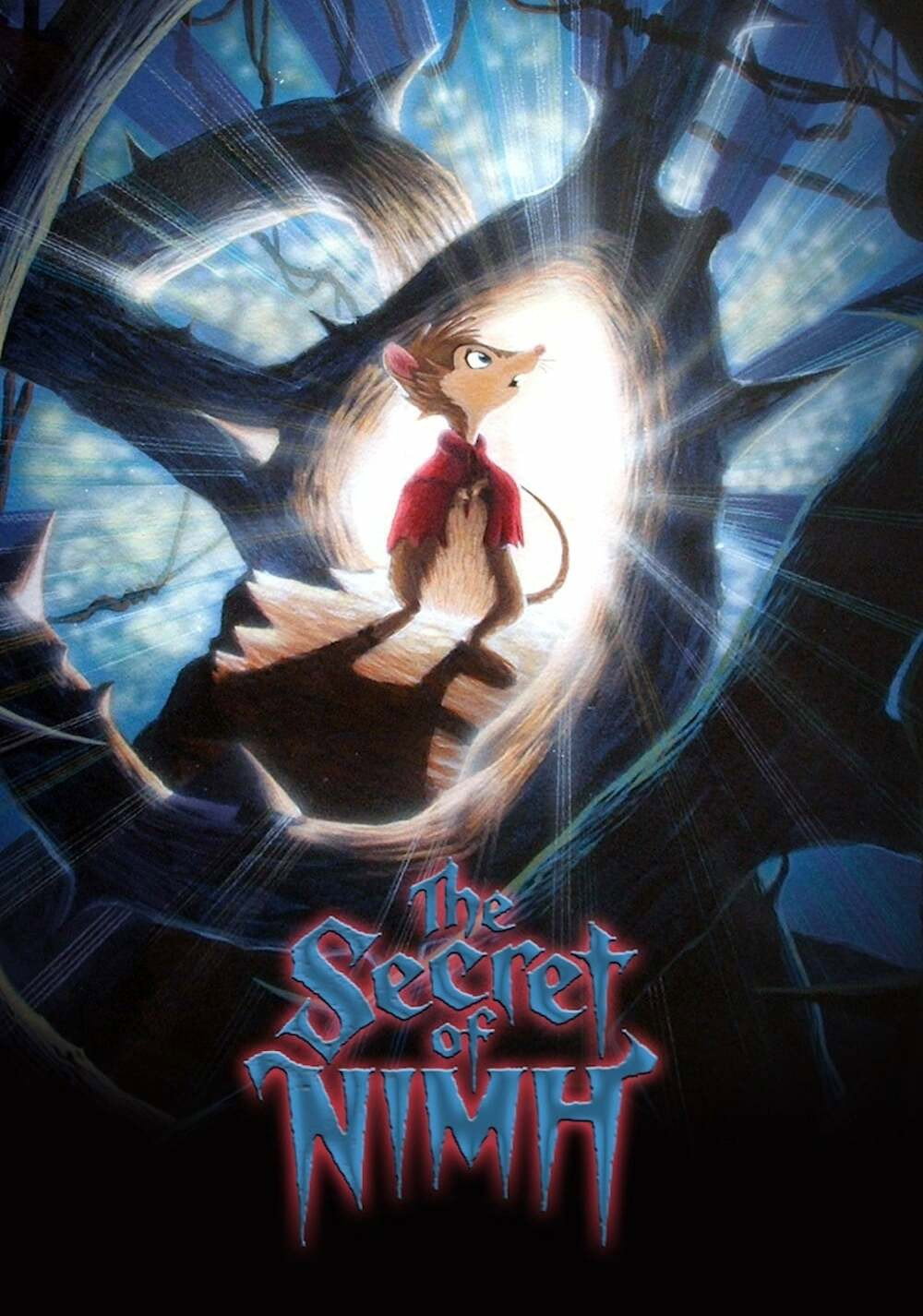
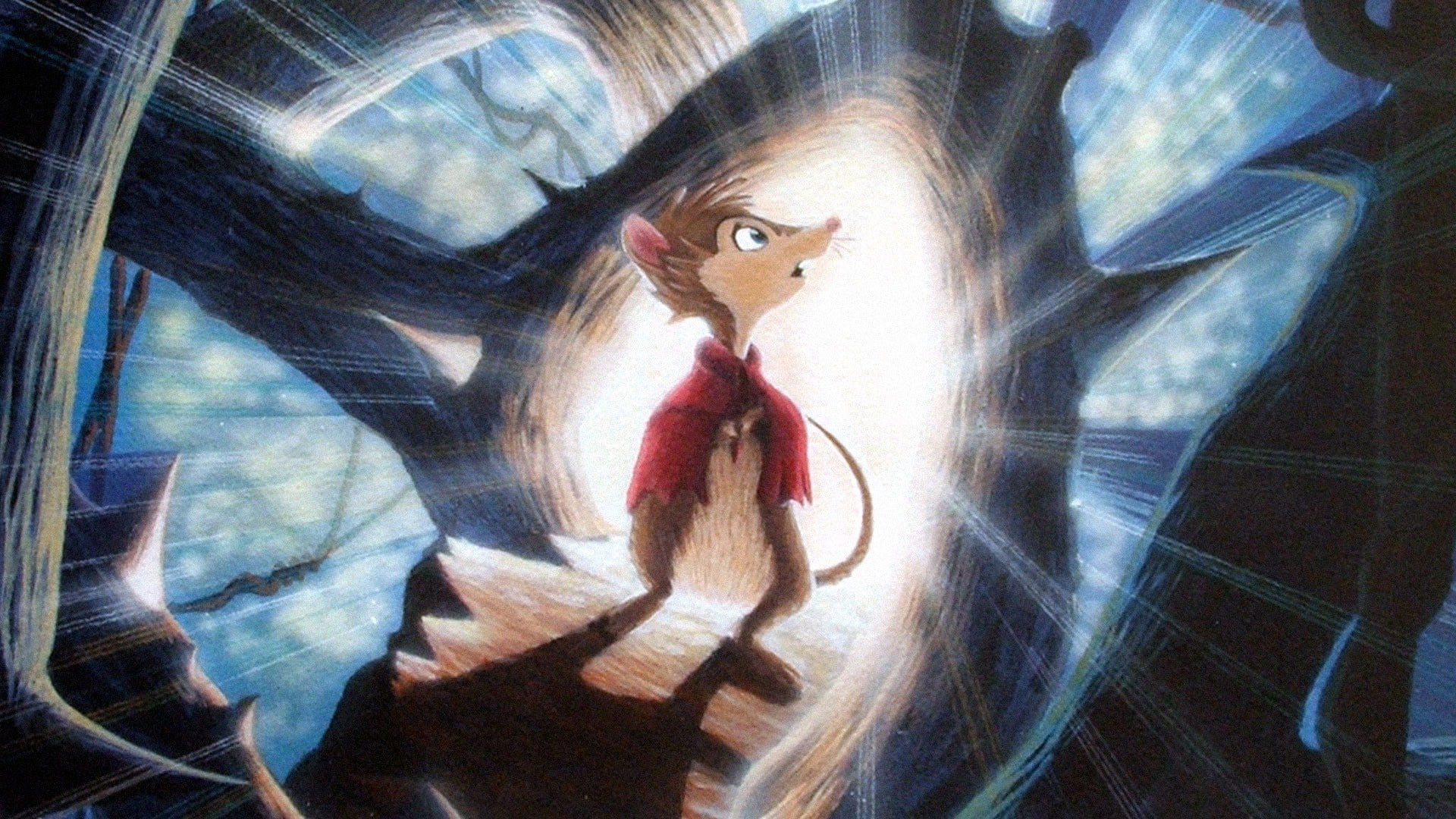
Start with the drawing, because that is what Bluth wanted us to see. Every background has three or four layers to it; the farmhouse is lit at night from its windows and from the moon, and the rats’ city under the rosebush is a cavern of cogs, pulleys and strings of electric light. Light is painted on rather than suggested: the amulet glows, Nicodemus’s eyes glow, dust hangs in the shafts from the barn door. The Great Owl sequence is the film’s best few minutes. Mrs. Brisby climbs into a hollow tree hung with cobwebs and bones, a spider drops behind her, the owl’s eyes come on like lamps, and it crushes a moth in one talon while it considers whether to eat her. We were frightened, and we are not eight.

The voices are well chosen. Elizabeth Hartman plays Mrs. Brisby thin and slightly fraying, a small creature at the far end of what she can bear, and she never once sounds like an actress doing a mouse. John Carradine gives the owl a voice as dry and old as the tree. Derek Jacobi’s Nicodemus is slow and grave, Peter Strauss makes Justin exactly the bright, capable rat a widow would hope to meet, and Paul Shenar’s Jenner does everything a villain can do short of twirling a moustache. Hermione Baddeley is funny as the bossy Auntie Shrew. Dom DeLuise, as Jeremy the crow, is the film’s one concession to the idea that children need someone falling over every ten minutes, and the joke about string is done long before the film stops telling it.

Jerry Goldsmith’s score is large, strings and brass at full stretch, a flute for the mouse and a lullaby she sings over the sick child, and it is mixed as if this were a war film. Mostly that is right: the music carries the fear when the pictures are gentle. Jeffrey C. Patch cuts the first half hour tightly, one errand after another, and lets the middle stretch of rat council and rat history slacken. At 83 minutes nothing outstays its welcome for long.

The trouble is the script, which has four names on it: Bluth, John Pomeroy, Gary Goldman and Will Finn. O’Brien’s book is a plain, sober story about a mouse and some clever rats. The film gives Nicodemus a red stone on a chain that lights up when Mrs. Brisby is brave, and near the end it does something we will not describe and the film cannot account for. It also crowds the mouse out of her own story. For a good twenty minutes in the middle she stands at the edge of the frame while rats argue about a plan and a knife, and we found ourselves wanting the film to go back to her. The rats’ history, told in a flashback around the halfway mark, is the source of the title and of the film’s best idea, and once it has been told the film does almost nothing with it.

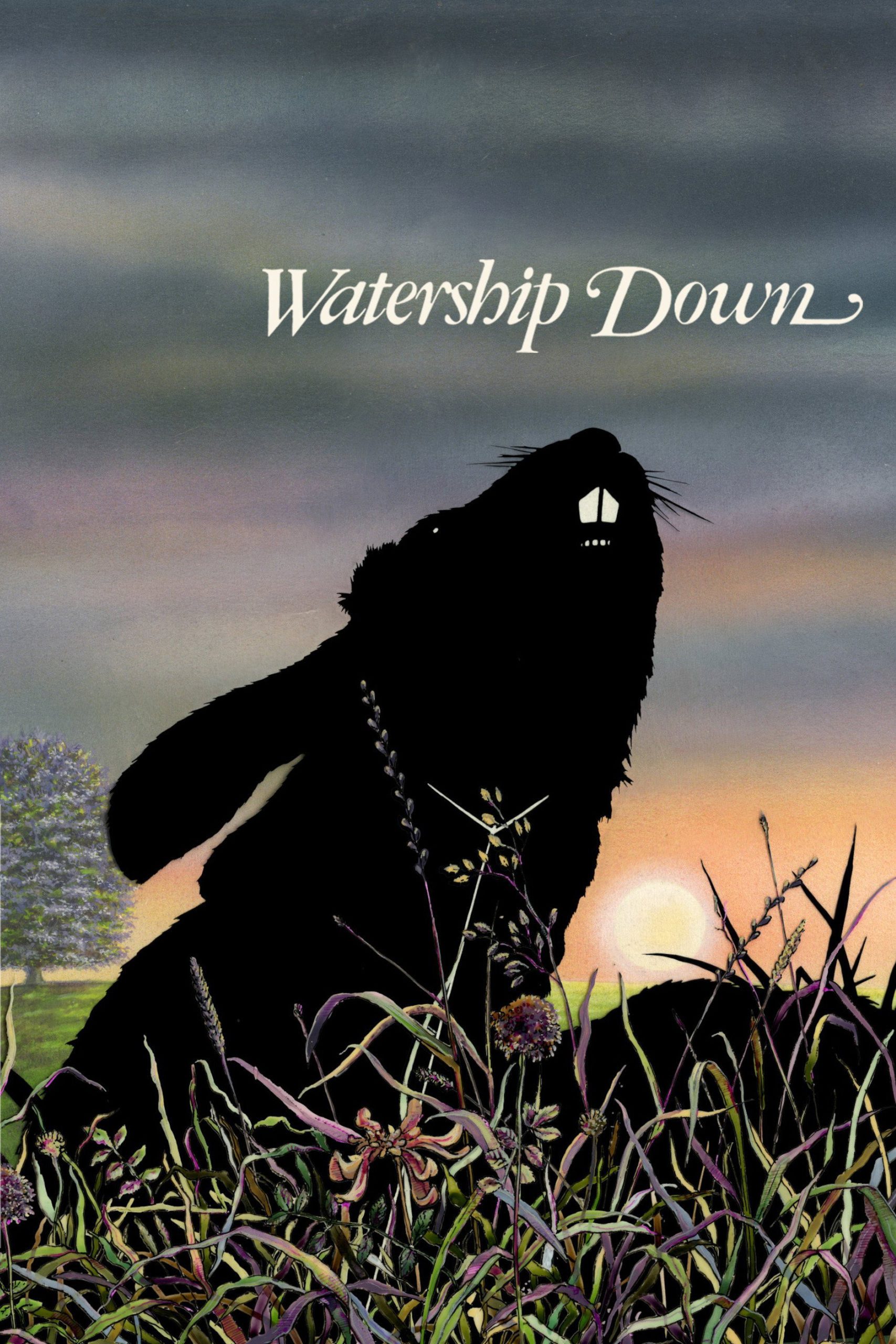
Set against what Bluth made afterwards, An American Tail (1986) and The Land Before Time (1988), this is the rougher and the more interesting picture, the one that frightens rather than reassures. Set against Watership Down (1978), the other great film about small animals in a field with something coming for them, it trusts its book less and is the poorer for it.

Watch it at home with a child who can take a fright, and keep an arm free for the owl. The drawing looks better the closer you sit, and the amulet makes no more sense from any distance.

Critical consensus AI synthesised

69
Positive
8
Mixed
1
Negative
1

Most critics like it, and the praise clusters almost entirely on the animation. Reviewers across four decades single out the same things: the detailed backgrounds, the fluid character movement and the lighting effects, which many read as a deliberate return to the Disney style of the 1940s. Later writers add a second strand, admiring the film’s willingness to put death, laboratory experiments and real danger in front of children, and several argue it stands up against modern animation.

The reservations are about the script. Several critics find the plot cluttered with characters and subplots, and a few think the added magical elements sit awkwardly beside the science-fiction premise. The New York Times goes furthest, judging the revival of the old style a technical success let down by the screenplay, and Roger Ebert thinks the crowded cast leaves young viewers with no one to hold on to. The spread is wide, from warm to unconvinced, but even the least persuaded critics praise how it looks.

The AV Club
5 July 2007 · B · Tasha Robinson
77

The critic praises the film's spectacular return to old-school craftsmanship and splendid visuals with depth and detail, while noting its clunky narrative alterations to the source material and added fantasy elements.

Read the full review →
Film Comment
25 June 2026 · Dash Shaw
70*

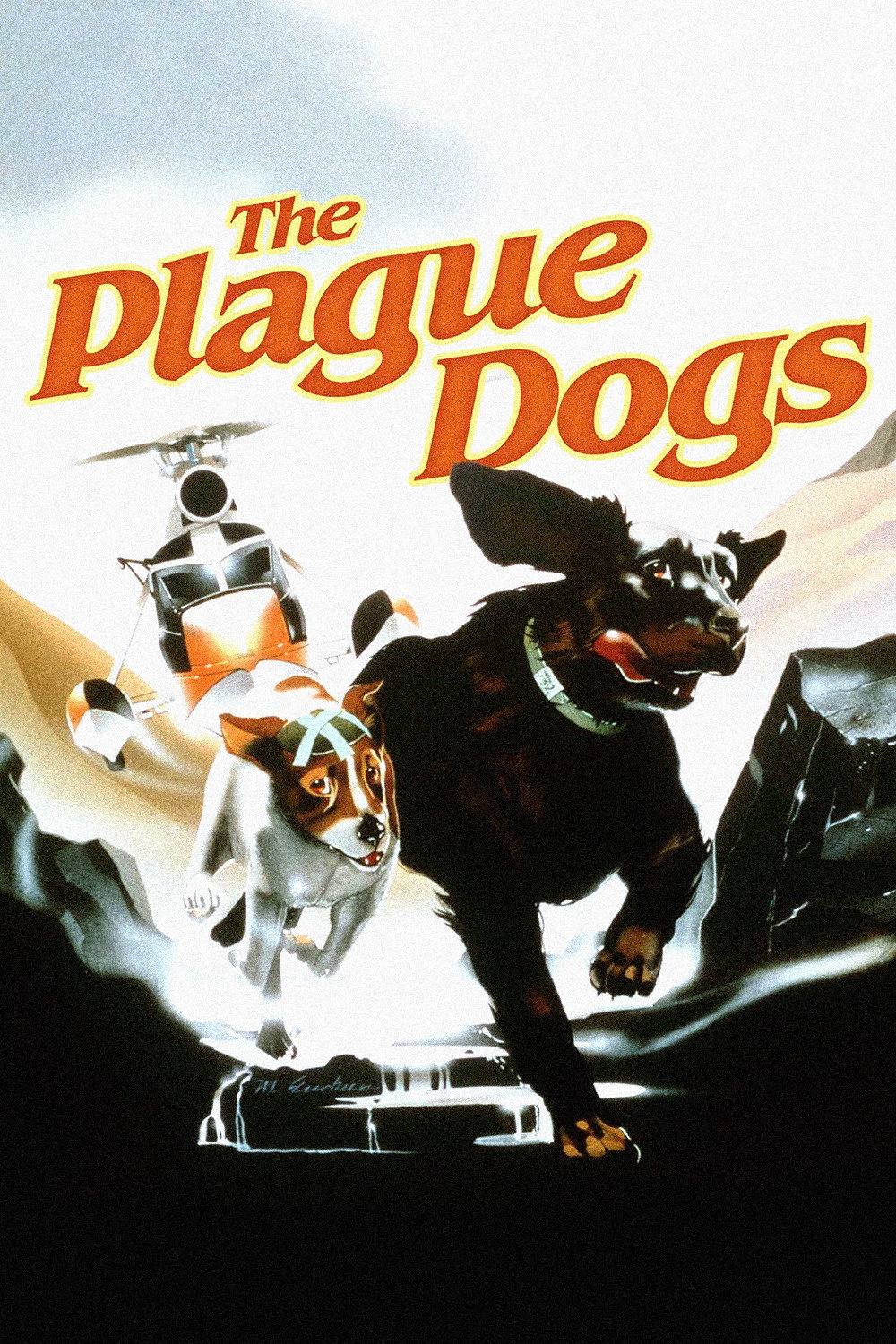
The critic views The Secret of NIMH as Bluth’s debut that established him as an artistic force to reckon with and a touchstone of edgy 1980s animation alongside The Plague Dogs, noting its grim themes of misfortune and experimentation wrapped in children’s cinema.

Read the full review →
Time Out
13 March 2014 · DP
70*

The critic praises the film's visual animation as a return to classic Disney standards but criticizes the story and insipid heroine; overall it's a pretty effective family film.

Read the full review →
Variety
31 December 1981 · Variety Staff
70*

The film is a richly animated and skillfully structured homage to classic animation, with fluid character movement, detailed backgrounds, and dazzling effects. The simple mother-mouse story gains layers from comedy, sci-fi elements, and strong voice work, making it a solid craft achievement overall.

Read the full review →
RogerEbert.com
1 January 1982 · Roger Ebert
50*

The film is an artistic success that looks good, moves well, and delights the eyes with its detailed animation and interesting premise about intelligent lab animals. It falls short emotionally, however, due to too many characters and subplots that leave young viewers without a strong identification point.

Read the full review →
The New York Times
30 July 1982 · Vincent Canby
30*

This is a resourceful though ultimately unsuccessful attempt to revive the rich, detailed style of Disney's Golden Age animation, succeeding technically and visually but lacking a screenplay to match. The visuals and effects stand out as a stylistic triumph, even as the story between fable and sci-fi feels uneven.

Read the full review →

Cast

If you liked this, try…

Watership Down poster81

Watership Down

1978 · Rabbits, a field, a coming catastrophe, and a book trusted all the way to the end

The Plague Dogs poster

The Plague Dogs

1982 · Two dogs escape a laboratory; the same year, the same dread, no comfort at all

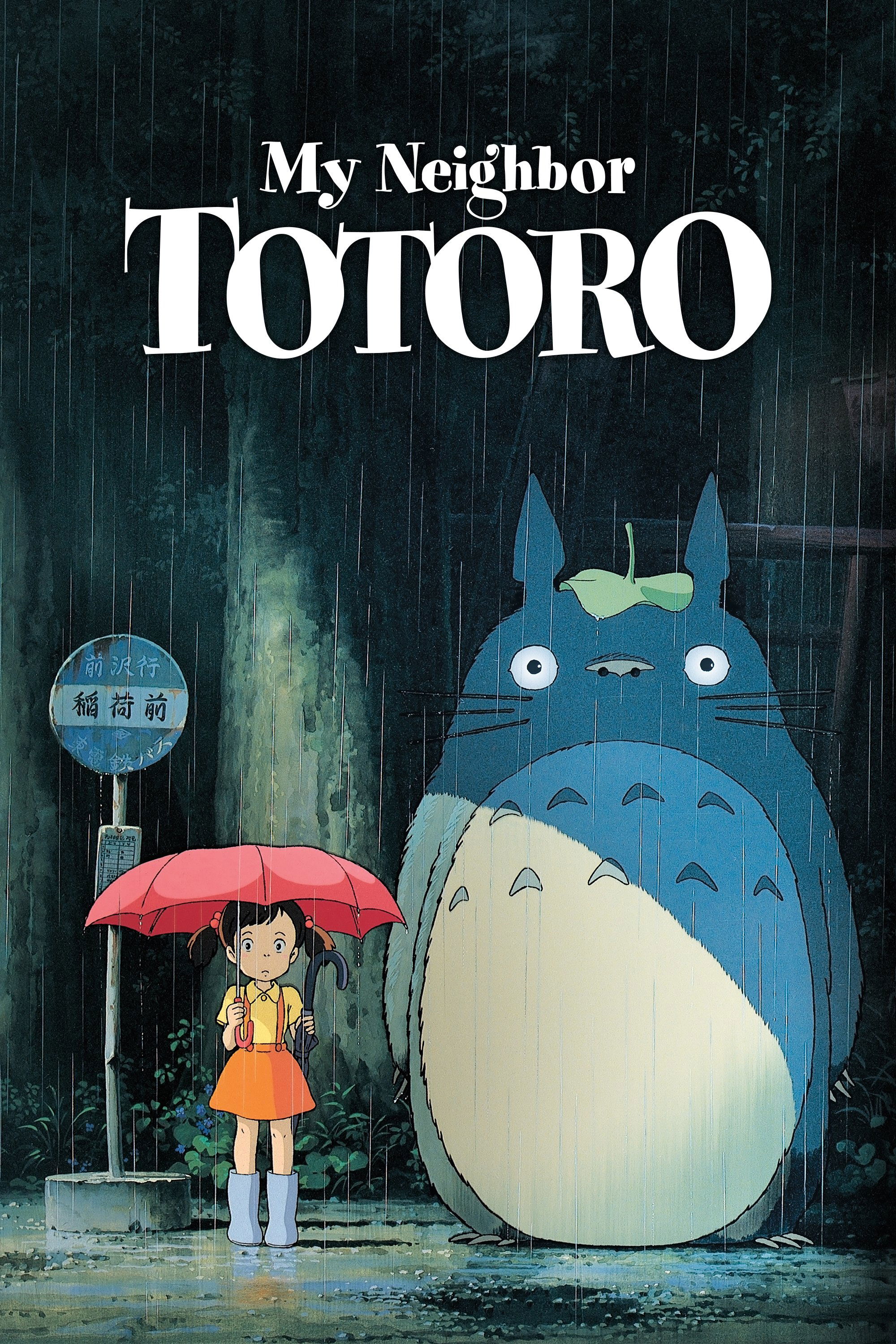
My Neighbour Totoro poster89

My Neighbour Totoro

1988 · A sick parent and two small children, handled with tenderness instead of terror

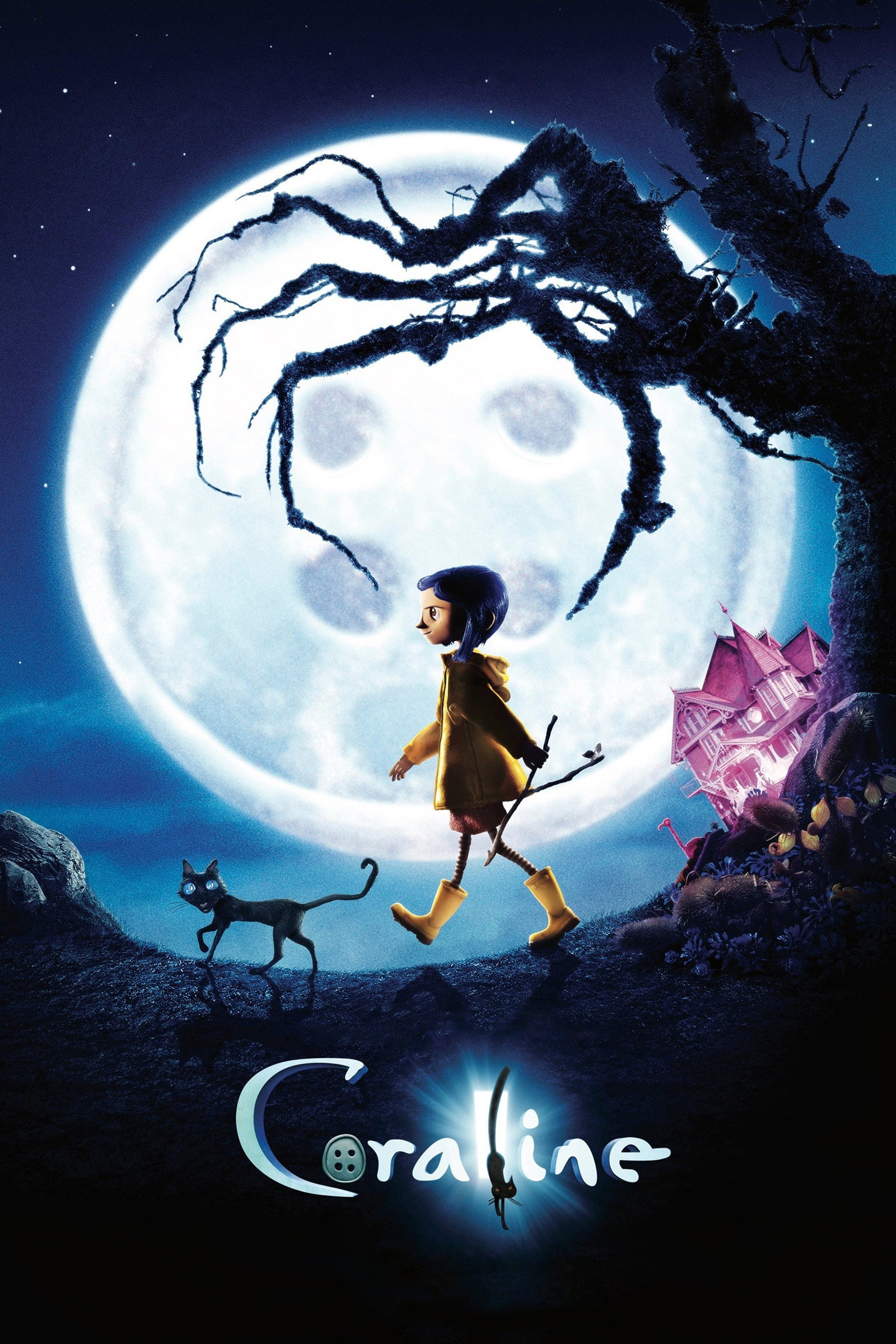
Coraline poster85

Coraline

2009 · Another small heroine sent through a door to bargain with something that eats things

Song of the Sea poster

Song of the Sea

2014 · Hand-drawn, layered light and an owl witch, from Ireland rather than a Californian barn