Film review

Coraline

2009 · Directed by Henry Selick · 1h 40m · MPA PG

In a sentenceThe button-eyed mother is a useful reminder that being ignored by your parents has its advantages

AnimationFamilyFantasy

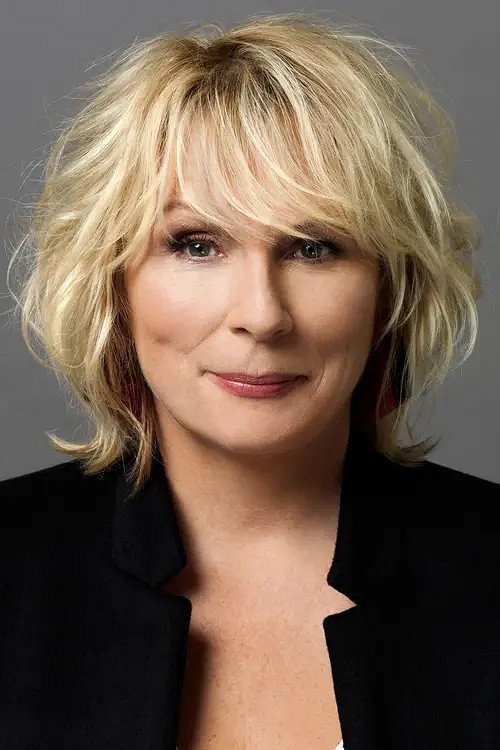
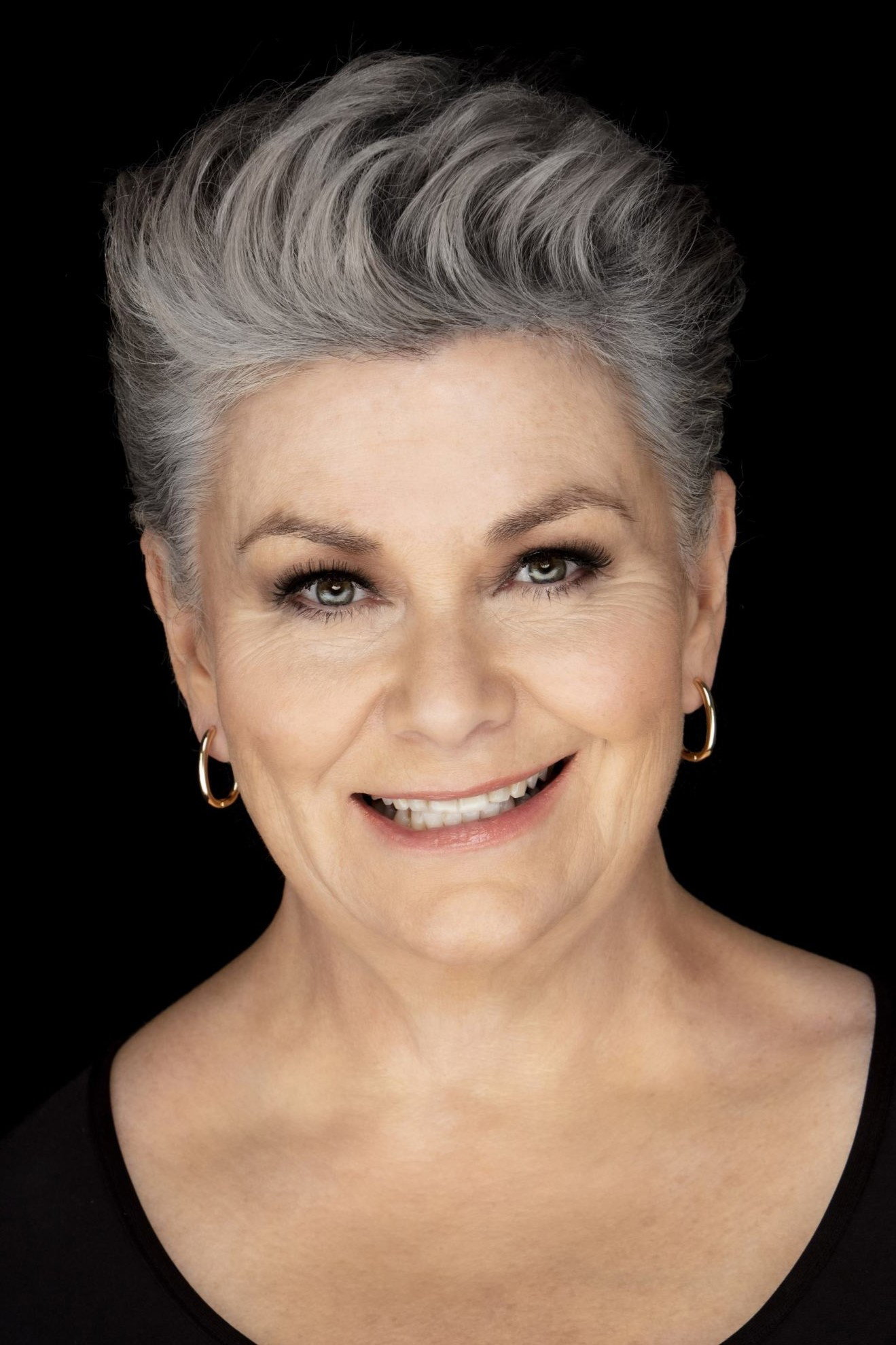
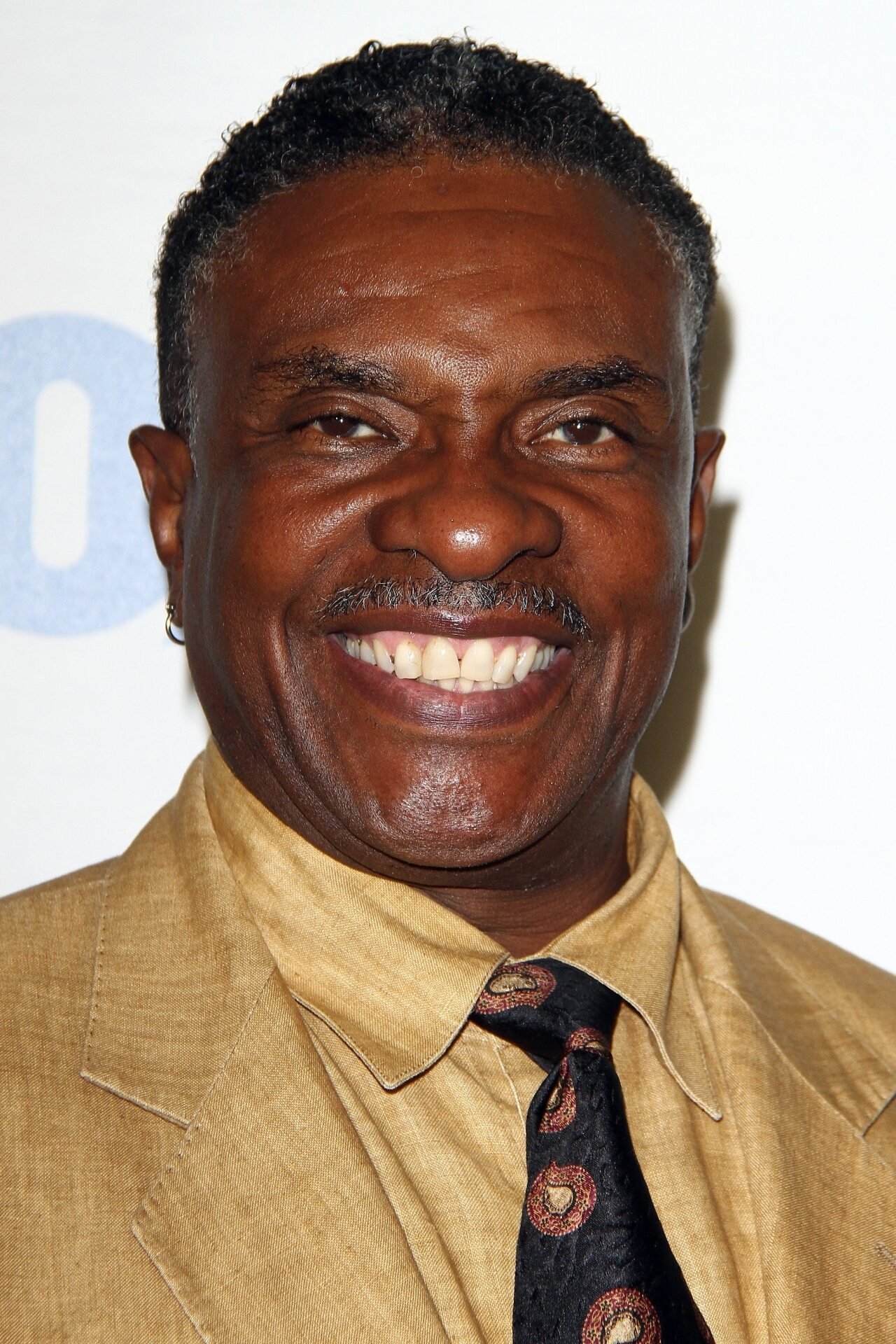
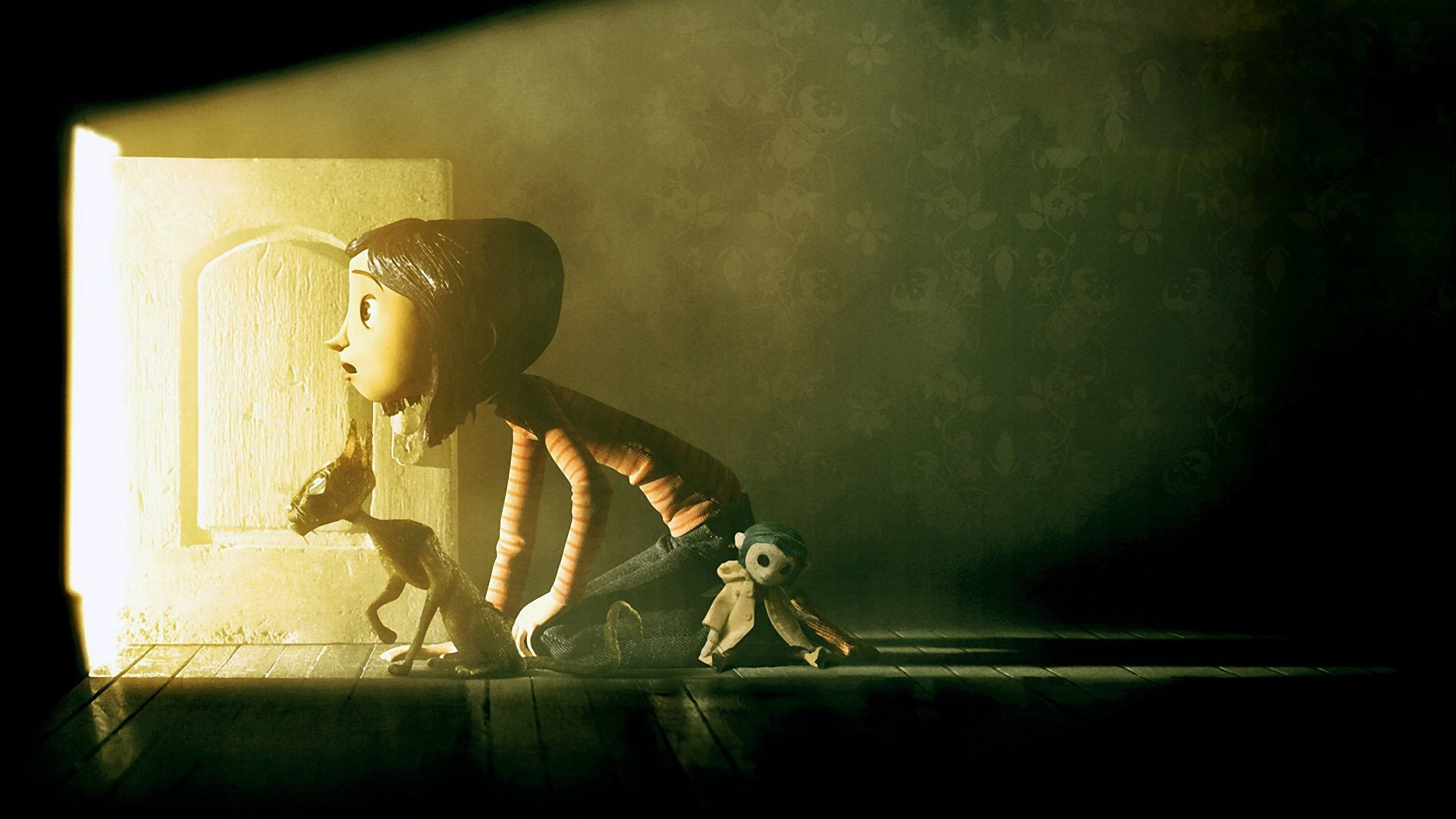
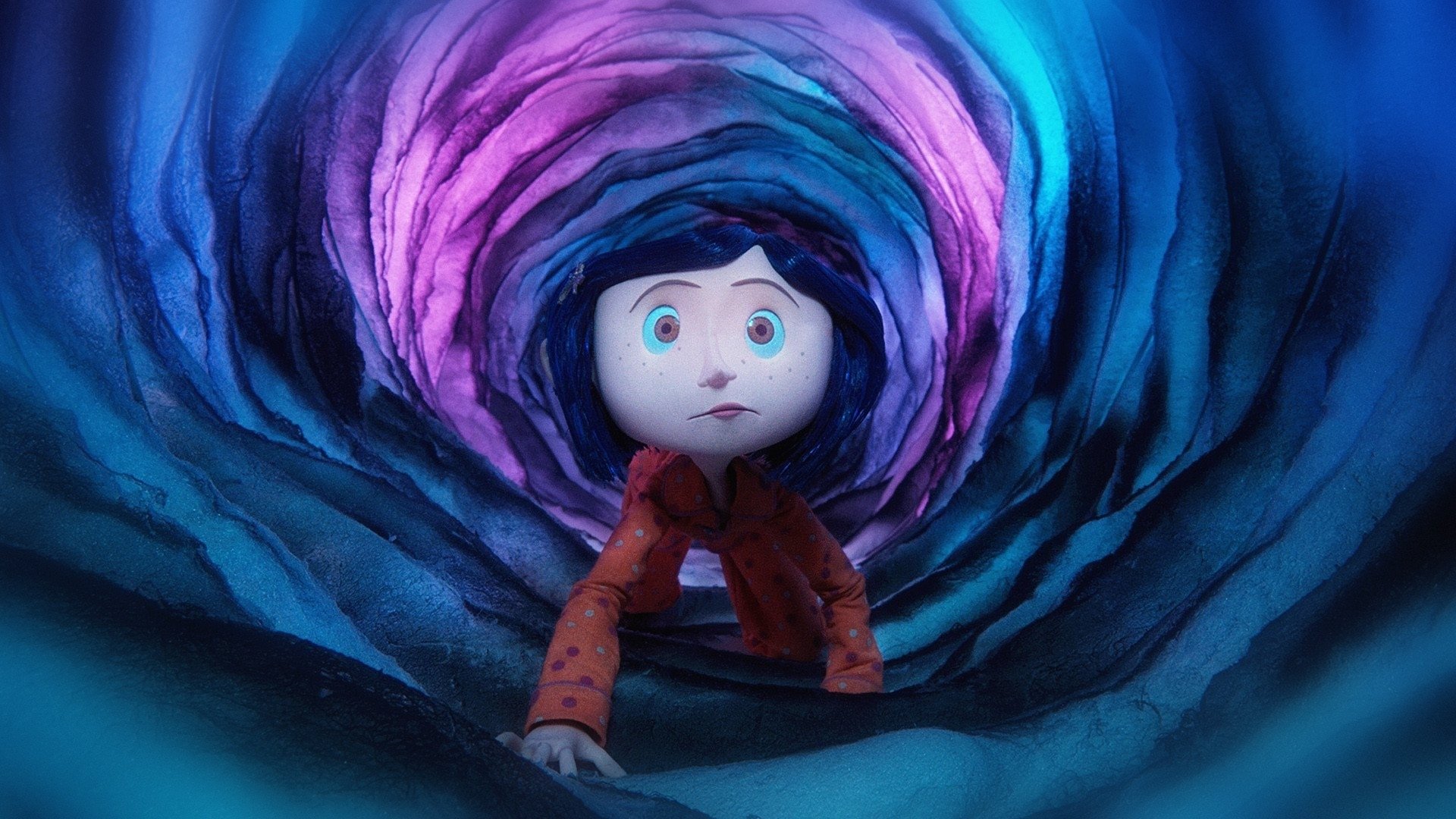
Coraline Jones (voiced by Dakota Fanning) is bored with the life she knows. A secret door offers an escape into an alternative world, where things initially seem more appealing. There she encounters doubles of her parents, voiced by Teri Hatcher and John Hodgman, with buttons where their eyes should be. As she explores, the attraction of this other place becomes harder to separate from her unease. Henry Selick writes and directs this animated fantasy, with Jennifer Saunders and Dawn French voicing Miss Spink and Miss Forcible, and Keith David as the Cat.

Plays from YouTube when you press play; nothing loads from them until then.

Fi1m review

Henry Selick’s Coraline is a frightening, carefully made fantasy that takes a child’s dissatisfaction seriously. We recommend it warmly, with a warning: the button-eyed parents may outstay bedtime by several hours.

Coraline is a fine family fantasy, confident enough to let its heroine be difficult and its horrors be frightening. Henry Selick, writing and directing, takes a bored girl’s discovery of a secret door seriously. The alternative world initially looks preferable, which gives her curiosity some sense. She has reason to be tempted. We recommend the film warmly, though its idea of family entertainment allows for a disturbed night’s sleep.

Dakota Fanning voices Coraline Jones without making her impatience merely cute. We need not approve of every complaint. There is enough annoyance in the character to make her recognisable, and enough resolve to keep us interested when the fantasy becomes threatening. Selick’s screenplay does not require her to be sweet before taking her troubles seriously. That makes the journey easier to enter: we can share her curiosity while distrusting the place she has found.

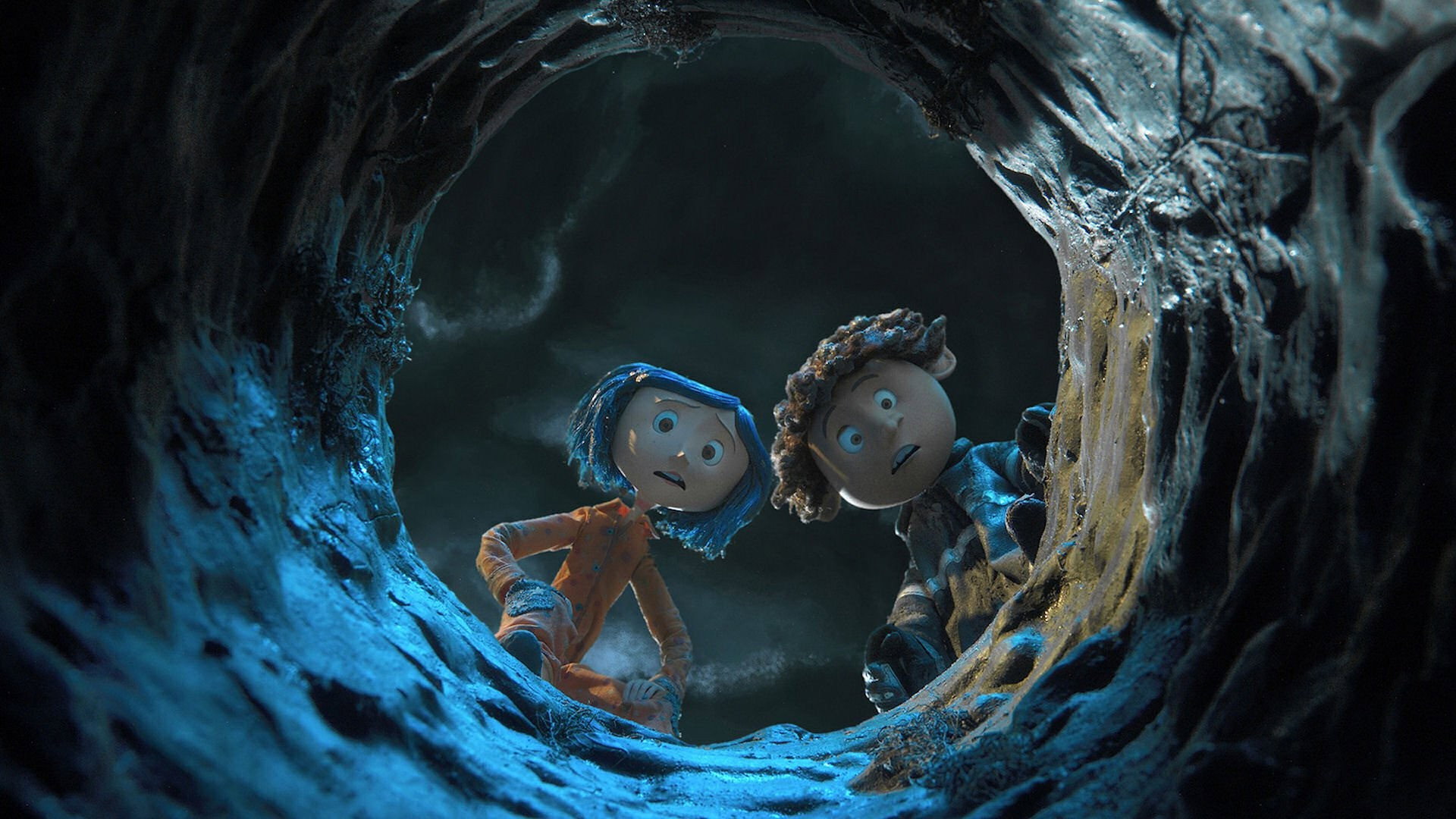
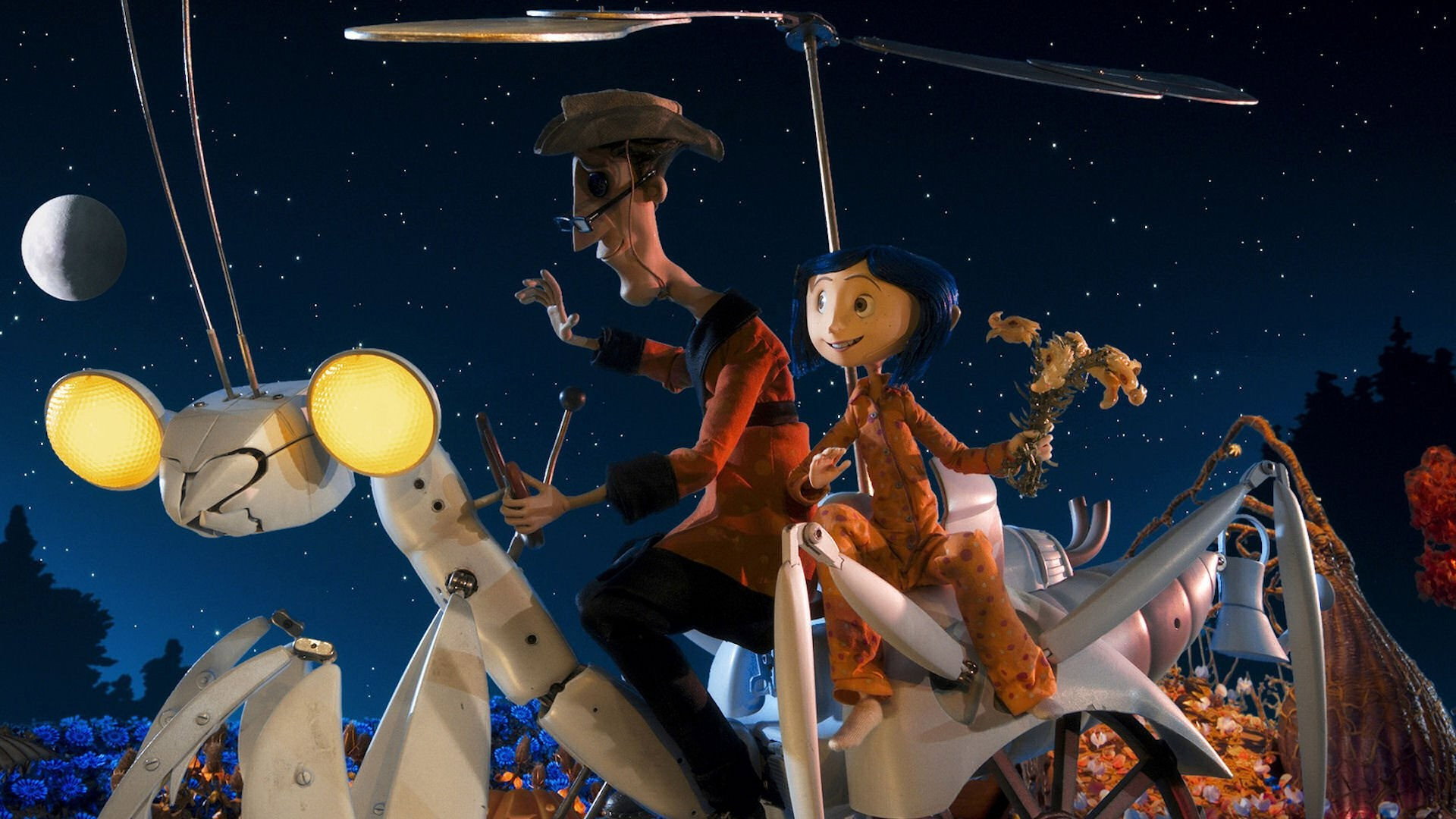
Pete Kozachik’s cinematography makes the stop-motion world feel worth exploring, with depth that draws attention into the spaces rather than simply towards the nearest spectacle. The production design supplies the necessary temptation: this other place has to be appealing before it can become alarming. The intricate sets reward looking, and the 3D helps us appreciate how those spaces fit together. Selick gives us time to enjoy the strangeness, so Coraline’s decision to explore does not depend entirely on our accepting that children will go through any door.

Teri Hatcher voices both Mel Jones and the Other Mother, keeping the ordinary parent and her unsettling double closely connected. We were unnerved by the mother’s button eyes; replacing such a familiar part of a parent’s face makes the whole promise of a nicer world feel suspect. The idea is simple enough for a child to grasp, and nasty enough to trouble an adult. Hatcher’s double casting helps because the threat comes with a voice that already belongs in Coraline’s life.

Bruno Coulais’s score sustains that unease without flattening the fantasy into a single ominous mood. Its delicacy matters, because the film needs room for wonder as well as dread. Editors Ronald Sanders and Christopher Murrie allow the exploration to breathe, resisting the assumption that animation must keep hurrying to hold our attention. At 100 minutes, the film has time to let us inspect its strange world, and that patience makes the moments of menace more effective.

The supporting characters are less consistently rewarding. Jennifer Saunders and Dawn French voice Miss Spink and Miss Forcible, and there is pleasure in the casting, but the surrounding eccentricity can feel busy beside the direct appeal of Coraline’s predicament. Selick sometimes seems more interested in another oddity than in giving the people already here more to do. It is a limited weakness, though noticeable in a film whose central child and parental double are so sharply conceived.

This is family fantasy that allows children to encounter something they may not feel ready for. Selick respects their ability to be frightened, but not every child will enjoy the experience. The PG certificate is useful information; the button eyes give a clearer idea of the sort of evening being offered. Choose it for a child who likes being scared, not merely one who likes animation.

Critical consensus AI synthesised

75
Positive
12
Mixed
2
Negative
1

Most critics respond warmly to Coraline, with praise centred on the intricate stop-motion animation, imaginative sets and use of 3D to draw viewers into its unsettling fantasy. The reviews repeatedly credit Henry Selick with combining fairy-tale charm and childhood unease, making the strange surroundings enticing before they become threatening. Several also value the attention to loneliness and imagination, while the Other Mother stands out as a source of fear.

The main divide concerns how much pleasure that fear allows, particularly for younger children. Supportive critics generally see the darkness as part of the appeal, though some question the supporting characters or the heroine’s independence. The dissent is sharper: Screen Daily finds brittle characters and too little humour beneath the accomplished animation, while The Independent argues that nightmare logic weakens the storytelling. Agreement on the craft is broad; enthusiasm for the story is less secure.

Empire
25 March 2008 · Helen O'Hara
90*

The review praises the film's terrifying yet charming blend of horror and fairy tale, highlighting its gorgeous stop-motion visuals, strong protagonist, and empowering story as one of the best children's films in years.

Read the full review →
Slant Magazine
2 February 2009 · ★★★½/4 · Bill Weber
88

The critic finds the 3D stop-motion visually enticing and kinetically stimulating, with strong integration of the technology and a compelling villain in the Other Mother. It notes some uneven supporting characters and a less independent heroine than in the book but overall strong craft and climax.

Read the full review →
Los Angeles Times
6 February 2009 · Kenneth Turan
85*

Turan calls the 3-D stop-motion a remarkable feat where the technology feels intrinsic to the story, delivering a magical yet genuinely sinister tale through Selick's craftsmanship.

Read the full review →
Radio Times
★★★★ · Terry Staunton
80

The review finds the stop-motion version darkly original and comparable to Selick's earlier work. It singles out the eye-popping set design and menacing parallel universe for creating thrills and excitement.

Read the full review →
Time Out
5 May 2009 · ★★★★ · Tom Huddleston
80

The critic praises Selick's adaptation as an original and entrancing fairy tale that adds childhood angst to gothic elements. The intricate 3D visuals and transformation into a phantasmagoria with a terrifying villain are highlighted as strengths, though it may be too scary for some children.

Read the full review →
IndieWire
5 February 2009 · Jeff Reichert
75*

The critic examines the film's multi-dimensional stop-motion animation and its expansion of Gaiman's story into a visually rich fantasy. It notes the blend of wonder and unease in the alternate world.

Read the full review →

Cast

Stills

Awards

Academy Awards, 2010

Nominated
Best Animated Feature

Annecy Cristal for a Feature Film, 2009

Won
Annecy Cristal for a Feature Film

Annie Award for Best Animated Feature, 2009

Nominated
Annie Award for Best Animated Feature

BAFTA Film Awards, 2009

Won
BAFTA's Children & Young People Award - Feature Film

Critics' Choice Awards, 2009

Nominated
Best Animated Feature

If you liked this, try…

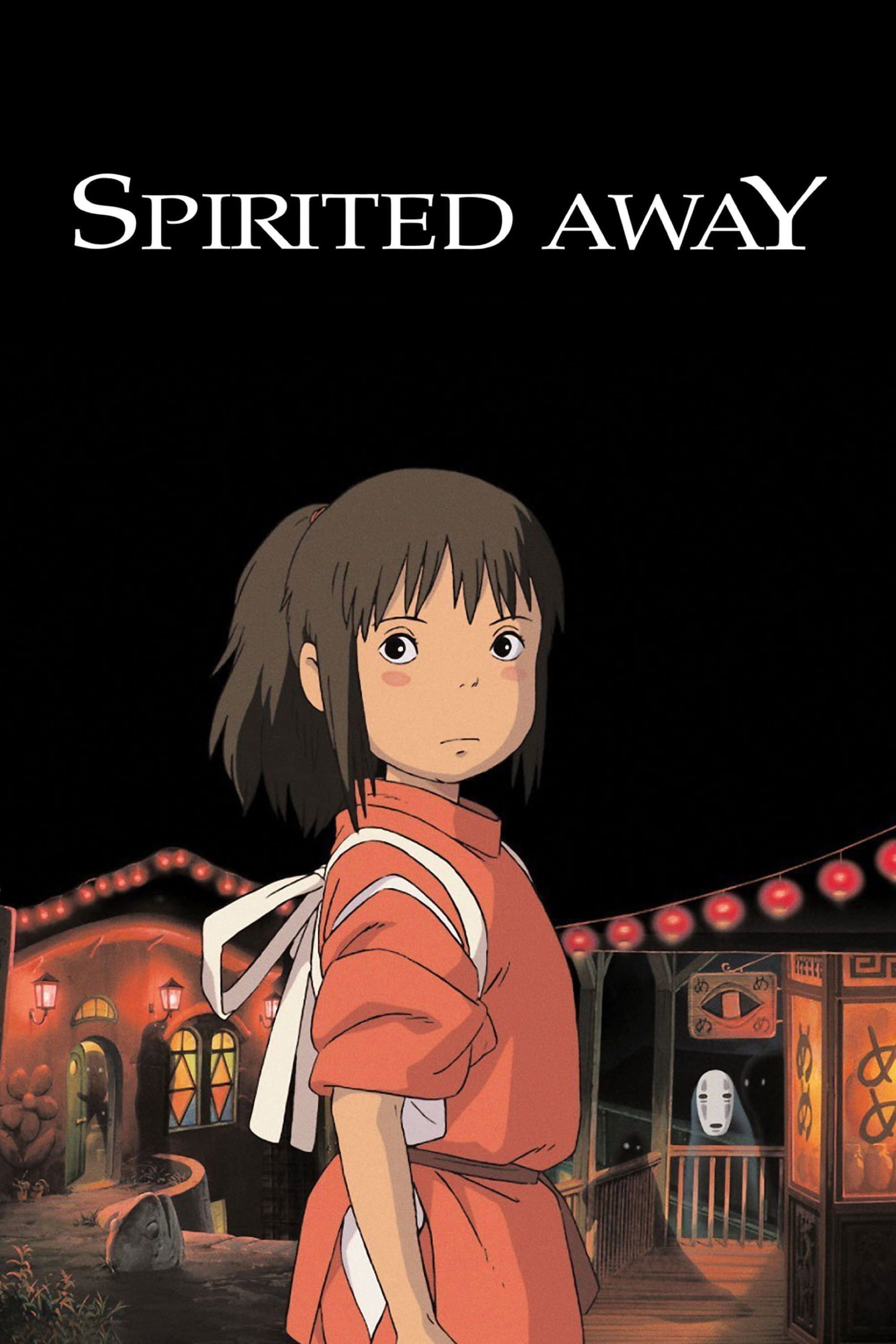
Spirited Away poster92

Spirited Away

2001 · A resourceful girl navigates an unfamiliar world where adults offer little reassurance.

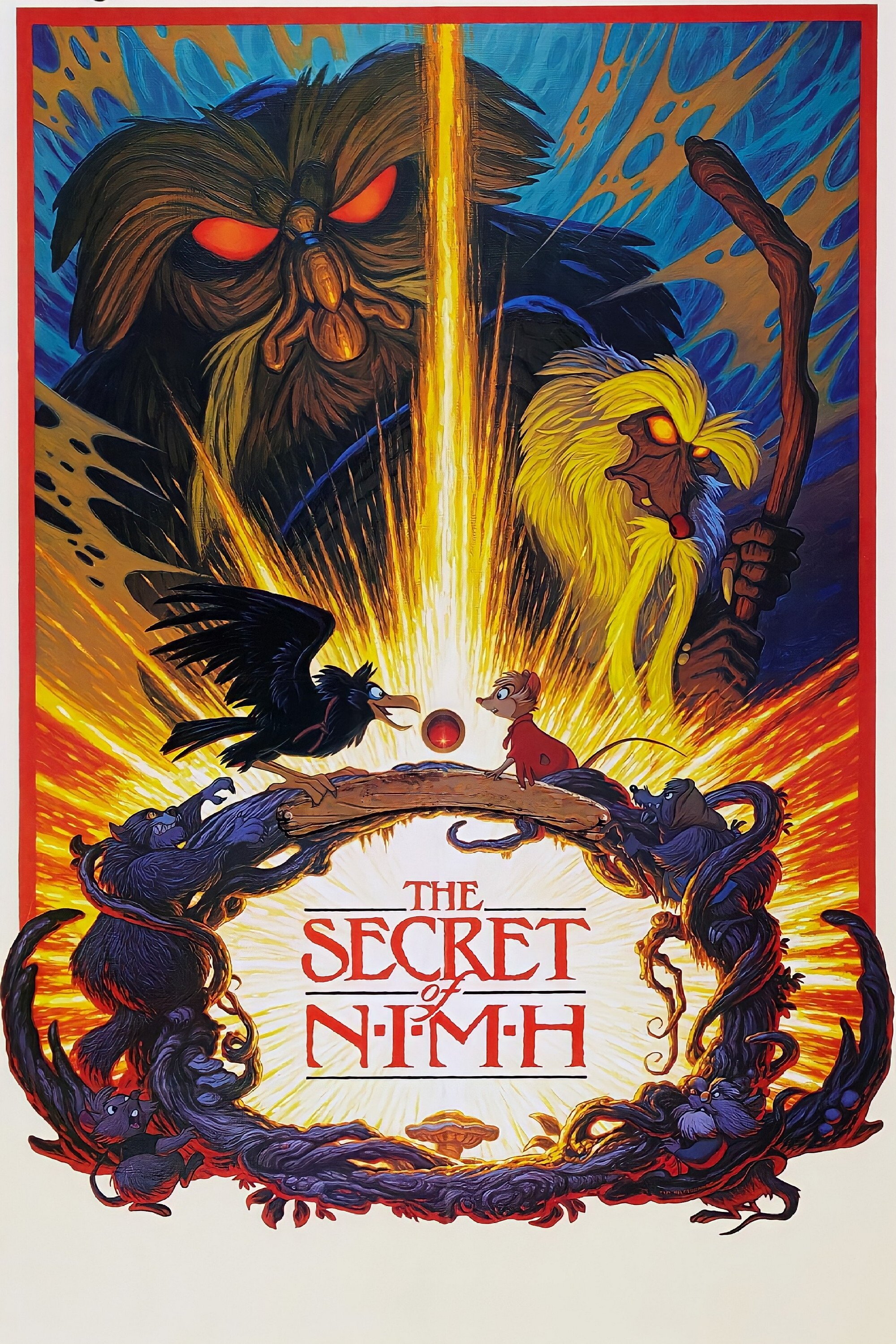
The Secret of NIMH poster

The Secret of NIMH

1982 · Another animated adventure that trusts children to cope with danger and uncertainty.

The Innocents poster

The Innocents

1961 · For adults: domestic unease, watchful children and terror that needs no hurry.

My Life as a Courgette poster

My Life as a Courgette

2016 · Stop-motion gives lonely children room to be awkward, angry and worth knowing.

Return to Oz poster

Return to Oz

1985 · Another children’s fantasy prepared to make its strange inhabitants difficult to forget.