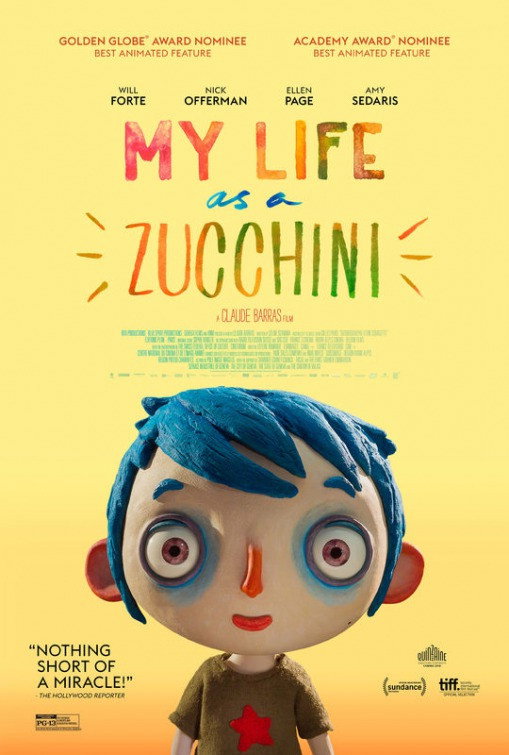
Claude Barras makes a moving stop-motion film about children finding friends after adults have failed them. It offers comfort too quickly in places, but Céline Sciamma’s writing and the expressive faces keep its warmth honest.
Claude Barras’s My Life as a Zucchini is a warm, frank film about children in care, with an occasional weakness for offering comfort too quickly. After an accident involving his alcoholic mother, Courgette has to learn how to live among other children carrying hurts of their own. This could be punishing material, especially for an animation that invites a family audience. The director makes room for jokes and ordinary friendship without treating the children’s histories as something embarrassing to hurry past. The result is moving, and mostly earns its hope.
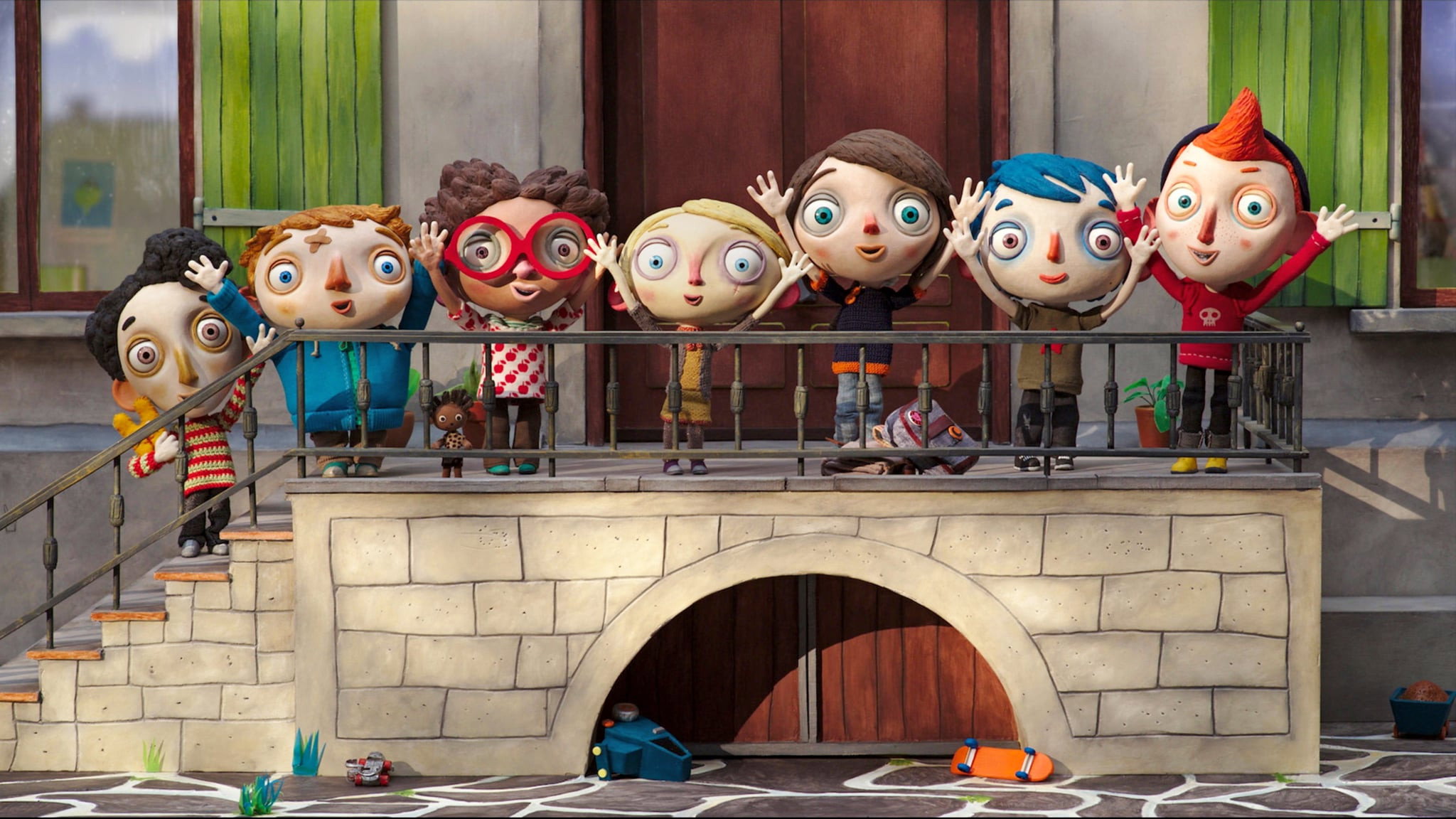
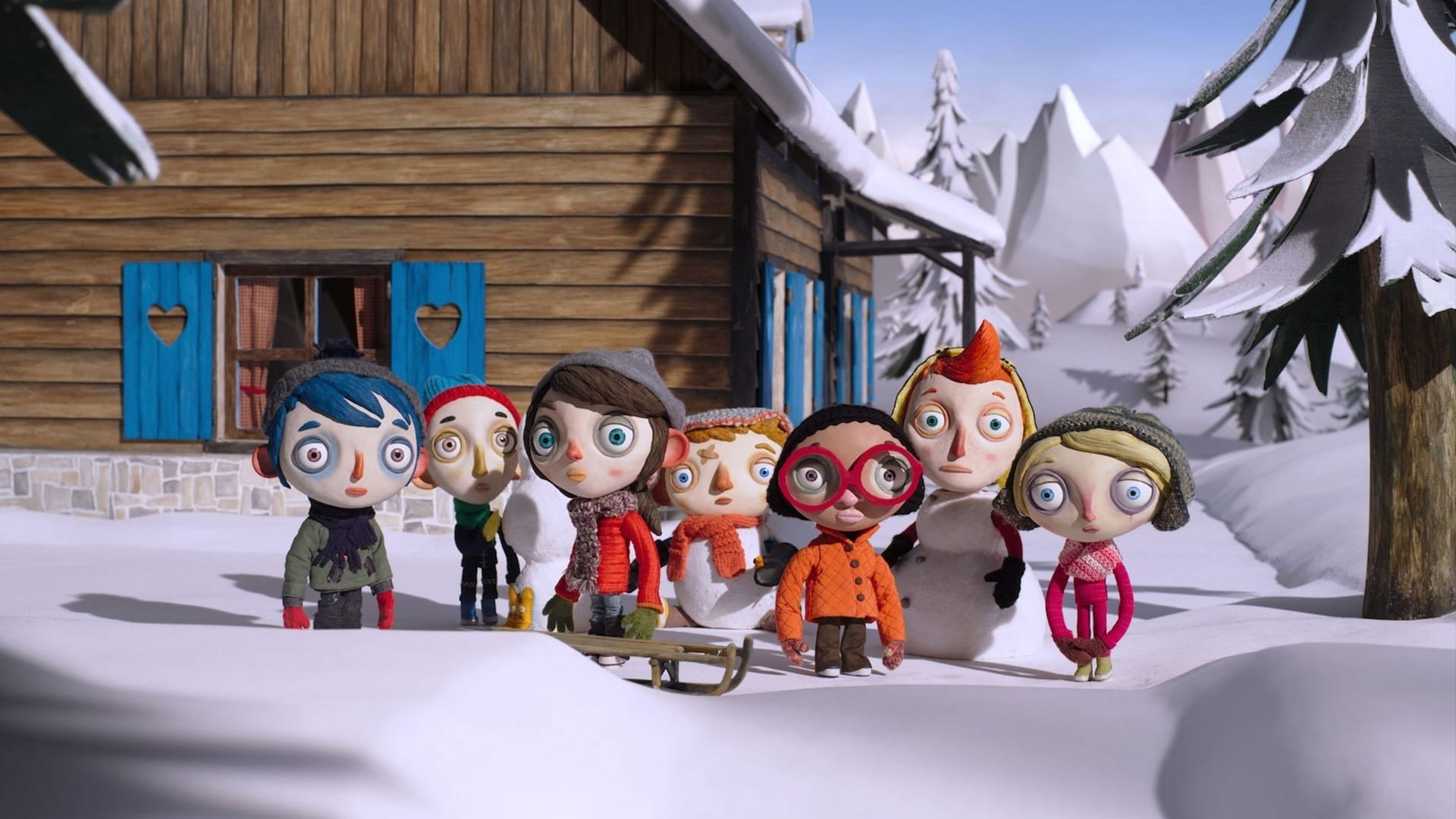
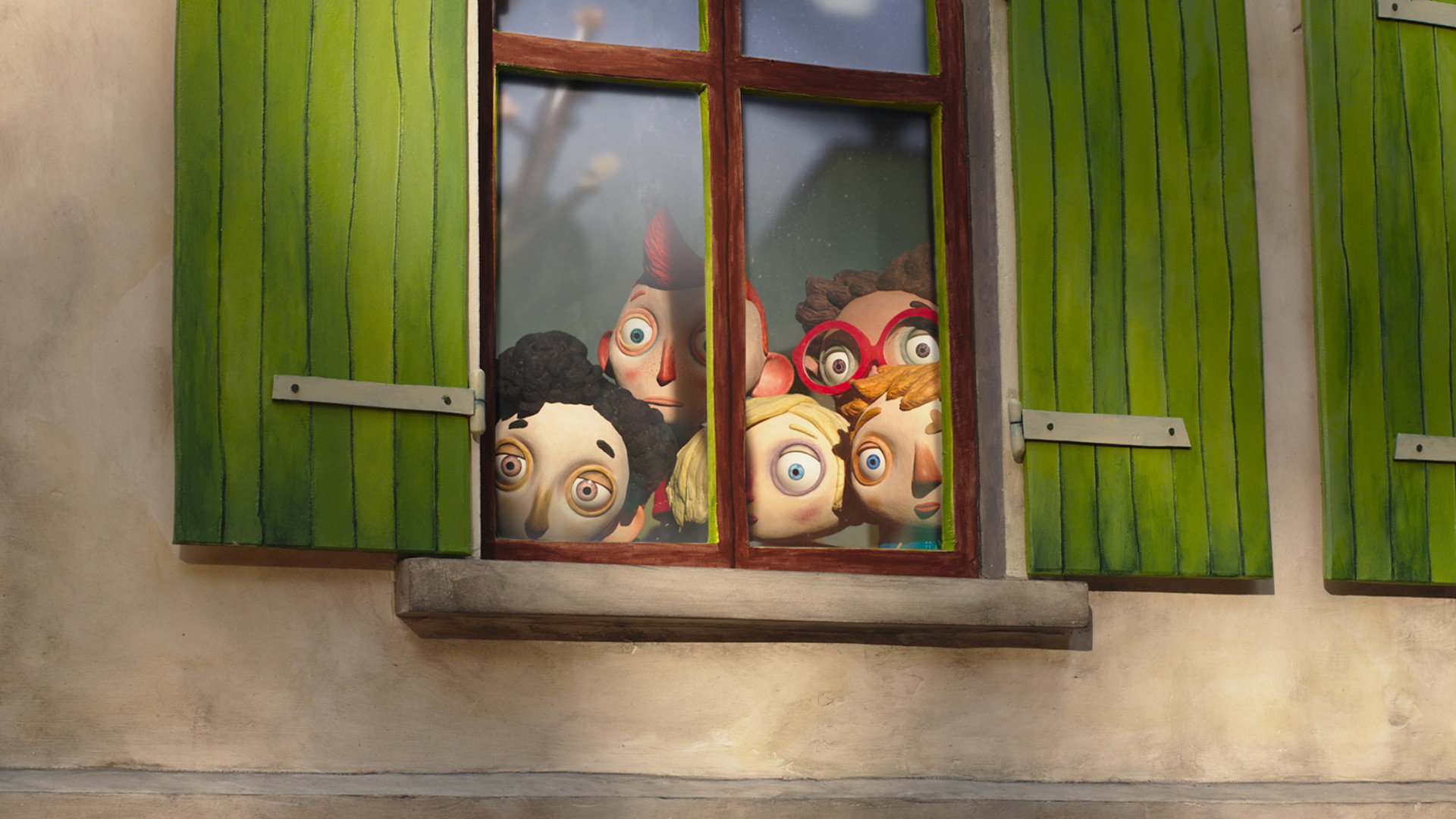
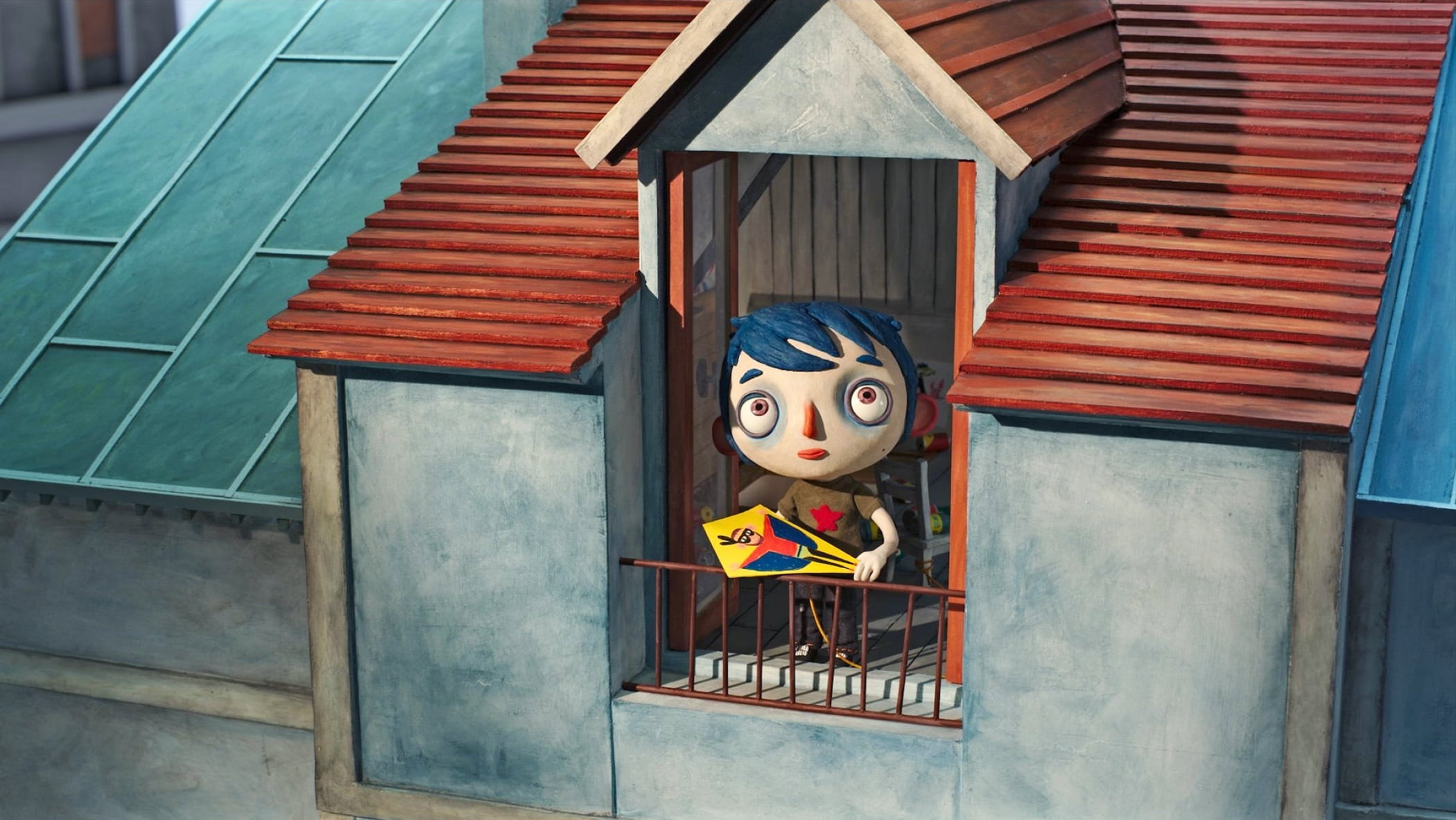
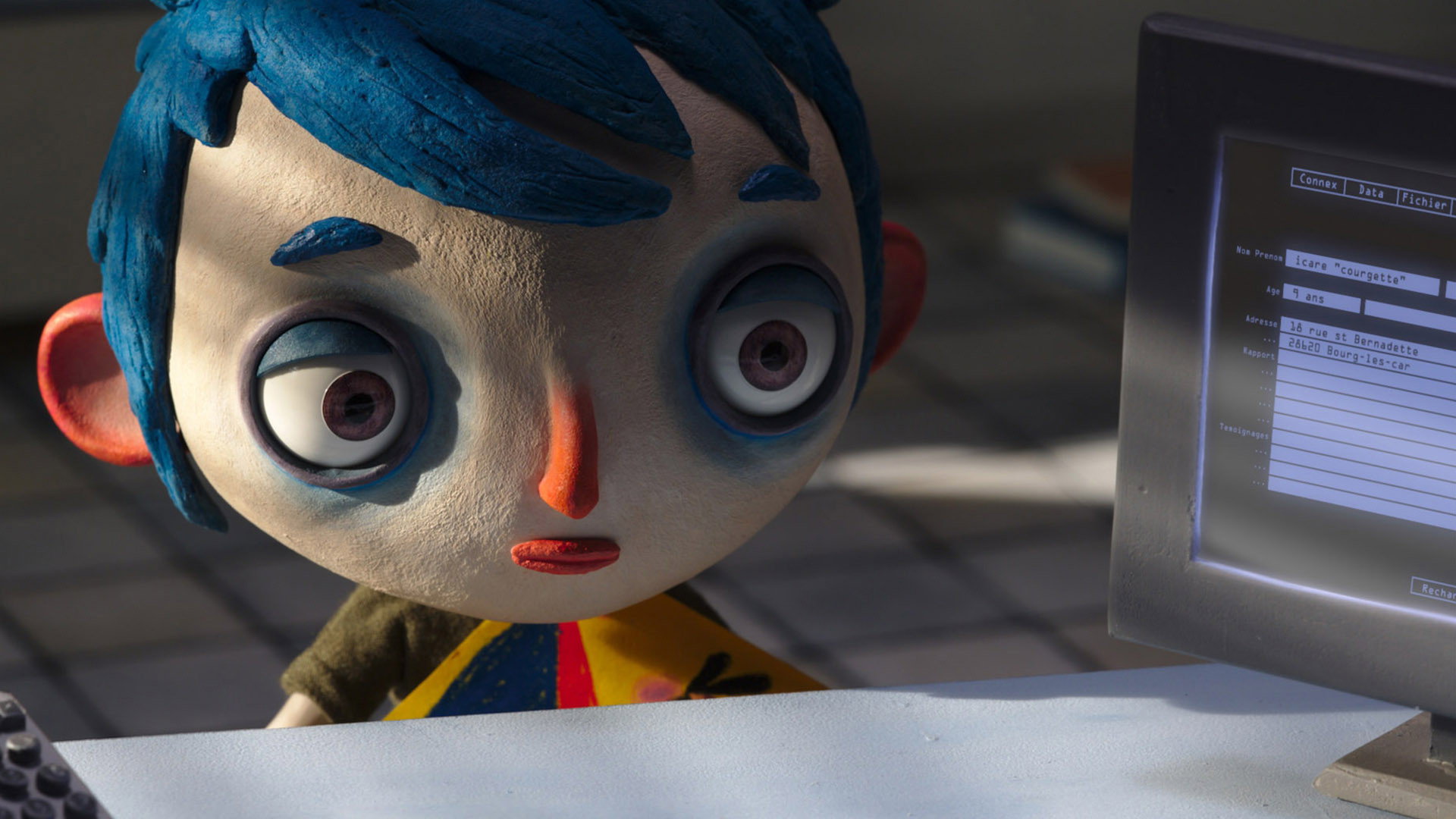
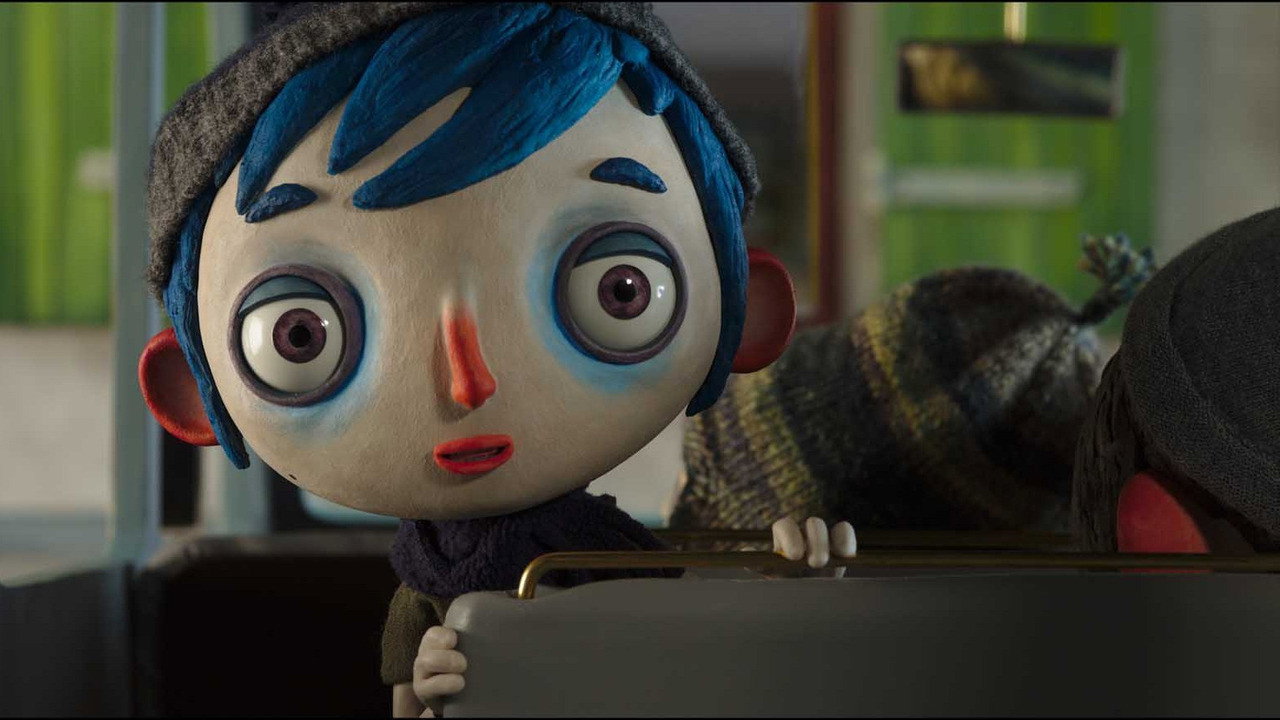
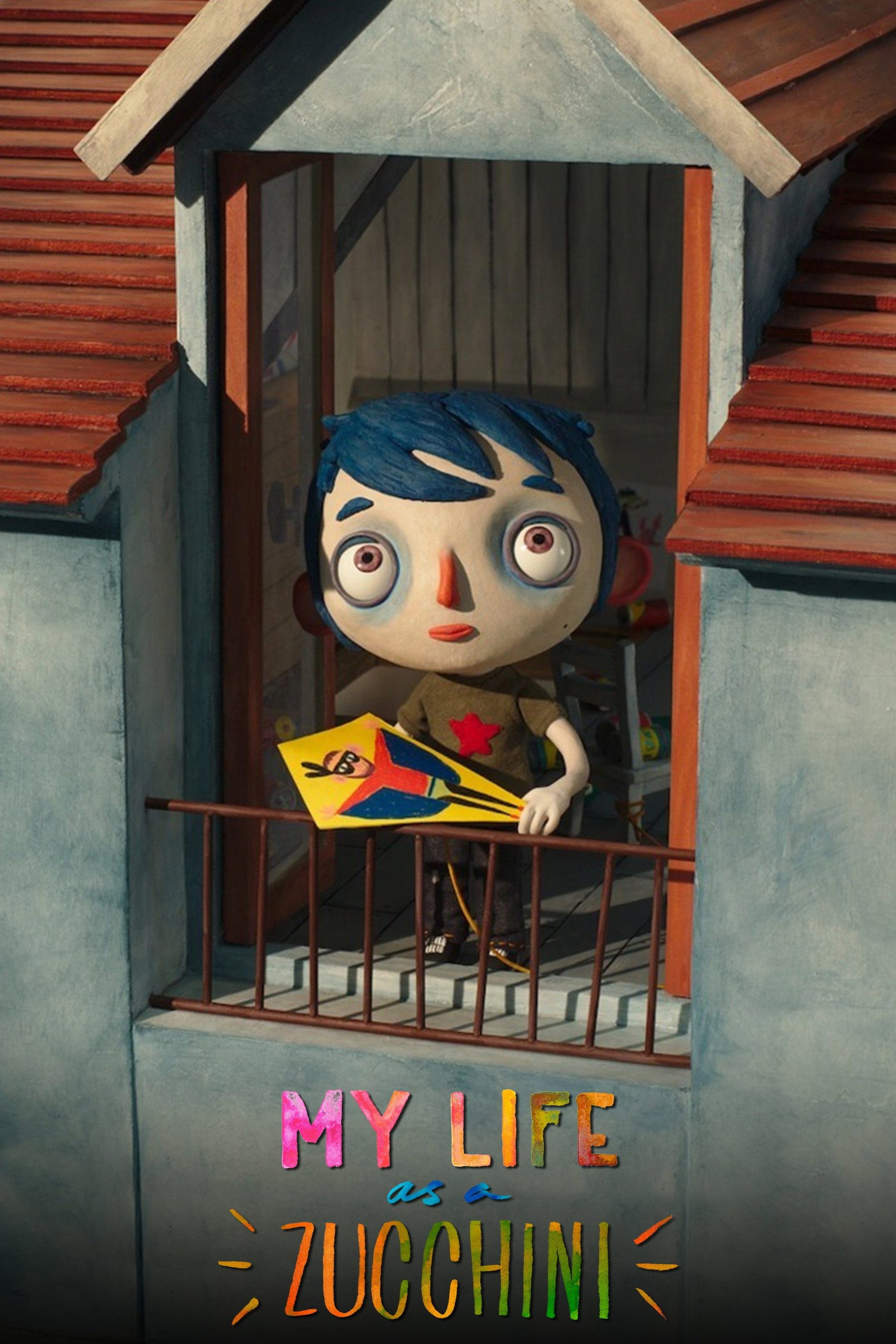
The large-headed stop-motion figures, with their enormous eyes, are expressive enough to make long explanations unnecessary. David Toutevoix’s cinematography allows those faces to hold our attention, and the bold colours keep the care home from looking relentlessly bleak. An emotional wallchart is the most telling piece of production design: feelings have an acknowledged place here. We were moved by that small detail. Giving a child’s mood space on a wall makes the home’s kindness feel practical, something that can be repeated tomorrow.
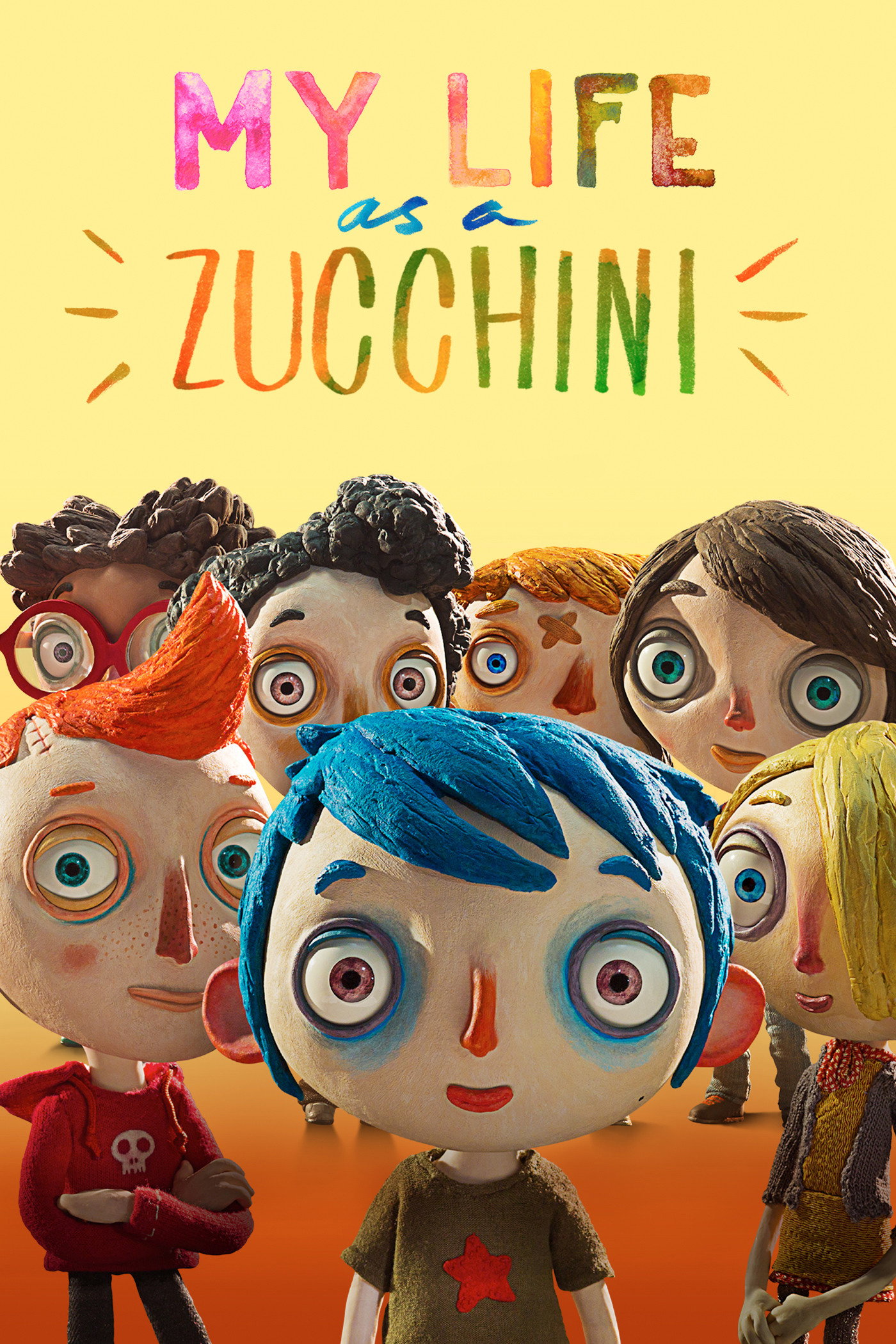
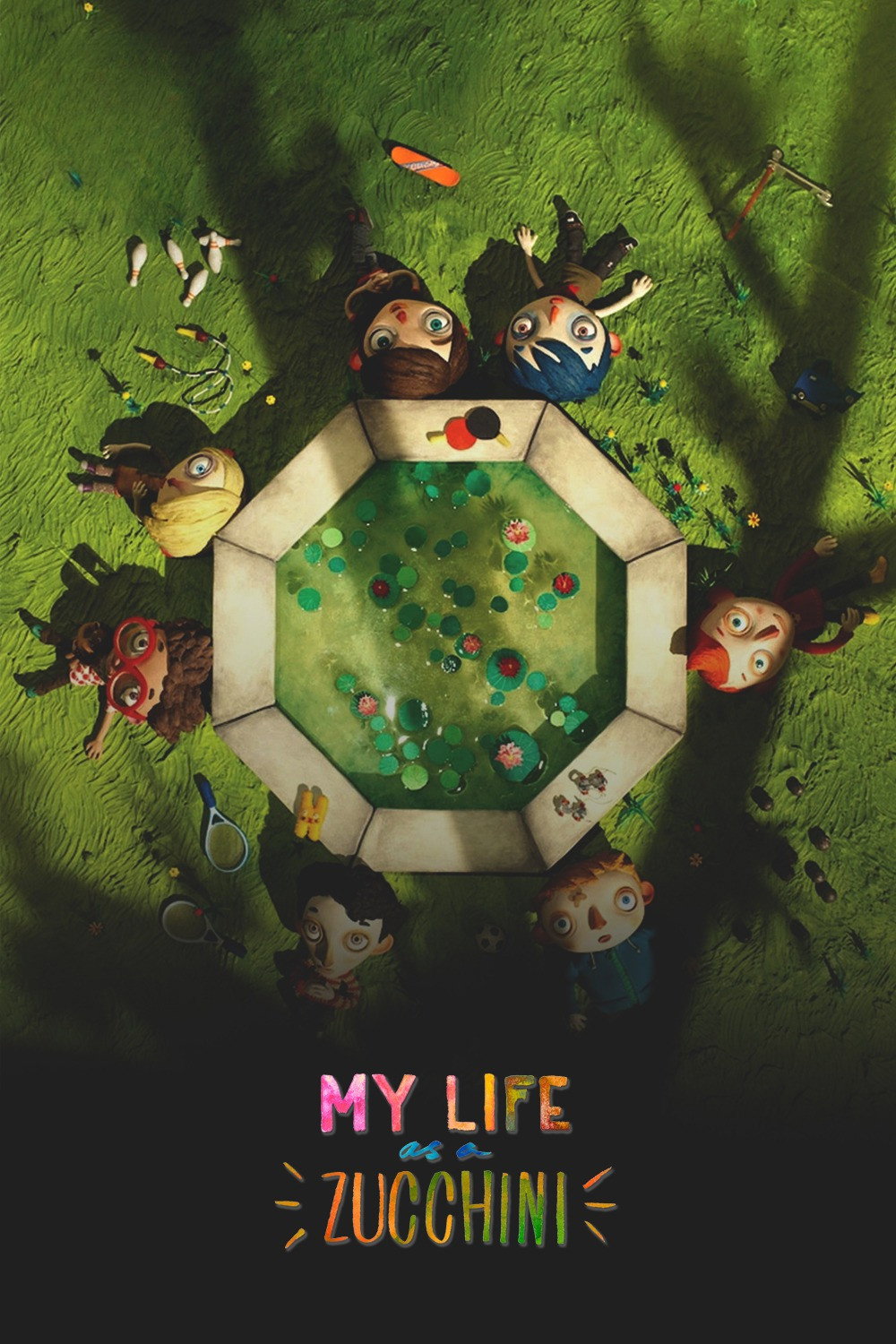
Céline Sciamma’s screenplay is alert to how children can be blunt about things adults struggle to name. Its humour is welcome because the children are allowed interests beyond being unhappy, and because their friendships involve more than mutual sympathy. Gaspard Schlatter gives Courgette a tentative voice without making him helpless. Paulin Jaccoud as Simon and Sixtine Murat as Camille help give the group distinct personalities. The voice performances have enough awkwardness to keep the dialogue from sounding like adults demonstrating how sensitively they can write children.
At 66 minutes, the film has little room for repetition, and Valentin Rotelli’s editing makes its episodes feel connected without forcing every encounter into a large dramatic event. There is a useful stillness to the way it moves between the children and their daily lives. Sophie Hunger’s music helps the warmer scenes, though we occasionally wished it would leave the faces to do the work. The quieter passages work particularly well because Claude Barras trusts a modest exchange to hold our attention.
What does not quite work is the speed with which reassurance sometimes follows distress. The children’s pasts are severe enough that the brighter present can feel a little too carefully protected, as though another disappointment would be beyond what the film could bear. A few relationships would benefit from more time before we are asked to believe in their security. Brevity is usually a virtue here, but there are moments when another ordinary day together would have done more than another nudge towards feeling better.
That reservation matters, but it does not undo the care taken with the children. Within family animation, this is an unusually direct treatment of abandonment, and its humour never depends on making vulnerability ridiculous. The adults’ failures remain serious even when the children find something to laugh about, which is why the warmth seldom feels dishonest. We would share it with children, provided there is time afterwards for questions about the hurt that brought these characters into care.