Don Bluth draws light: painted-on glow, lamps for eyes, dust in a barn door’s beam. He left Disney and made a film that frightens children the way Disney no longer would; The Secret of NIMH shows why that mattered and what its script could not carry.
Fi1m perspective
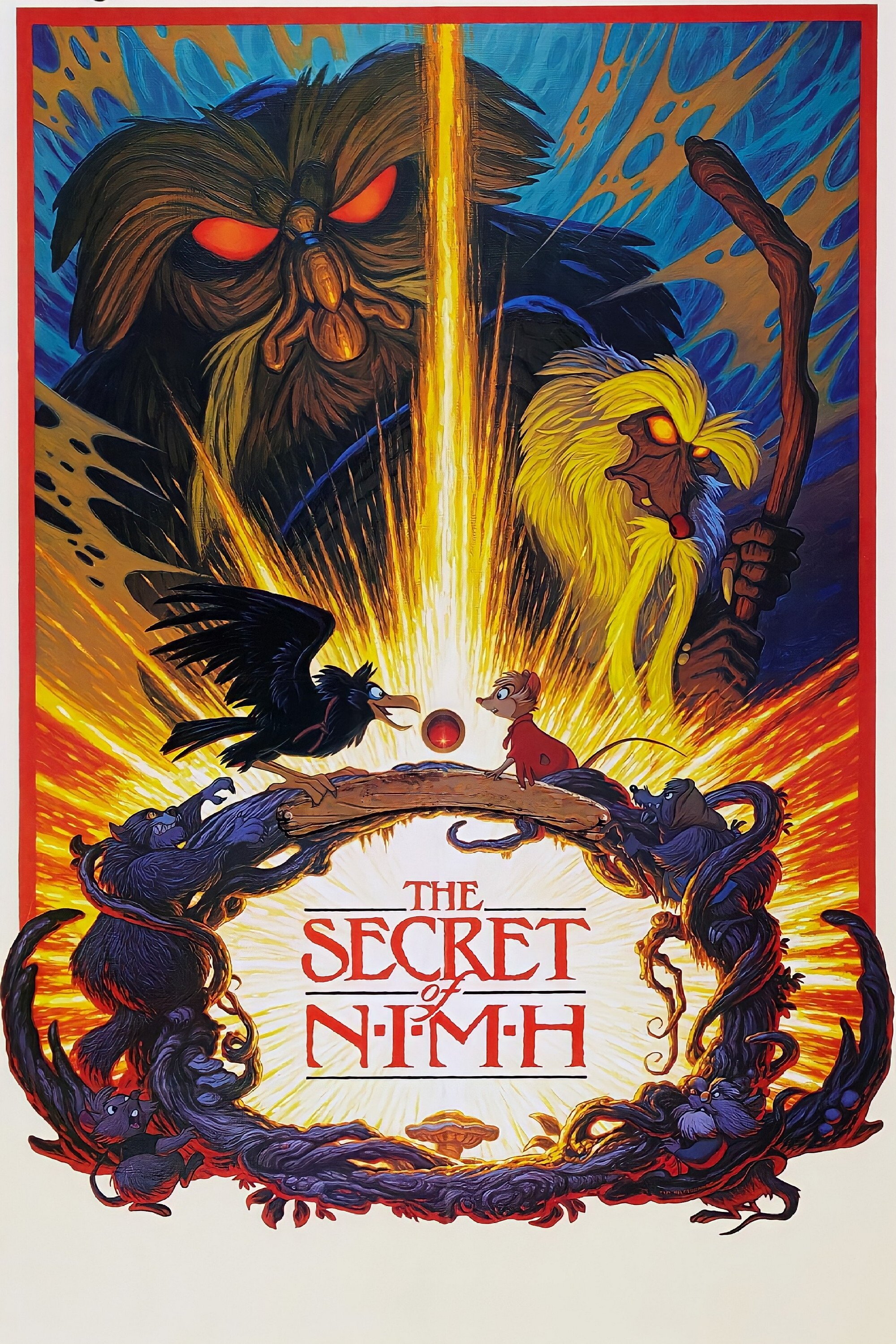
A field mouse climbs into a hollow tree hung with cobwebs and bones. A spider drops behind her. Two eyes come on like lamps, and the owl they belong to crushes a moth in one talon while it decides whether she is next. That is the Great Owl sequence in The Secret of NIMH (1982), and it is where to start with Don Bluth. It frightened us, properly, and the reason is in the drawing: the light is painted on rather than suggested, so the eyes glow and the dust hangs in the shaft from the barn door.
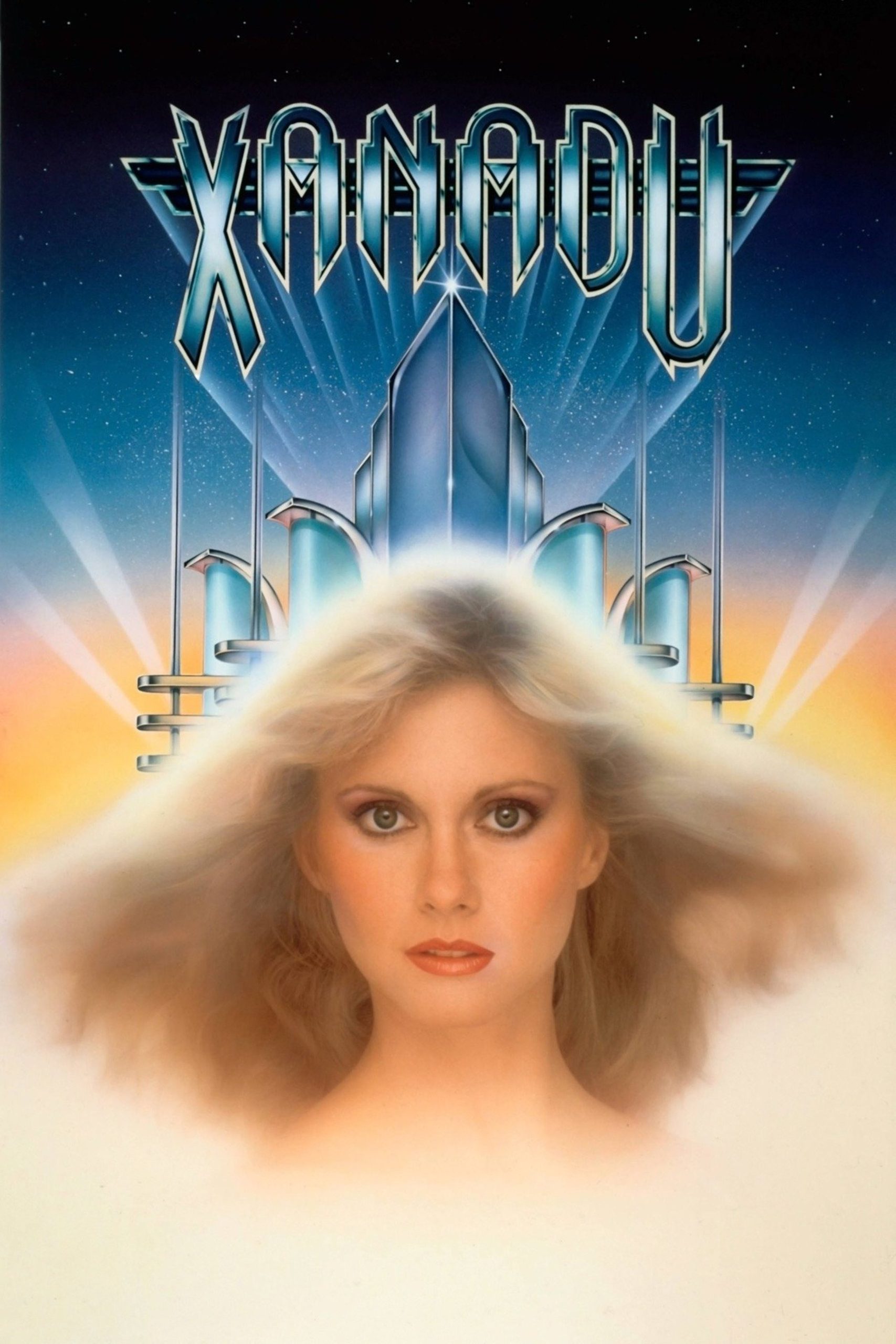
Bluth began at Disney in 1955 as an assistant animator, came back full-time in 1971, and in 1979 led eleven animators out of the building to start his own studio. NIMH was the first thing they made, and it was drawn with more care than anything Disney was making at the time, which was the point. Then came two films with Steven Spielberg producing, An American Tail (1986) and The Land Before Time (1988), which reassure where NIMH frightens. All Dogs Go to Heaven (1989) followed, then a studio in Ireland, then Anastasia (1997) at Fox, and Titan A.E. (2000), his last feature for cinemas. He has taught since.
What works is the drawing and the willingness to hurt. Every background in NIMH has three or four layers to it; the rats’ city under the rosebush is a cavern of cogs, pulleys and strings of electric light, and the farmhouse is lit at night from its windows and the moon. Underneath is a plain story: a widow who must move her house before the plough arrives and cannot, because her youngest is too ill to be carried. Bluth has said that every film he has made is, looked at closely, about going home, and here you can see it without being told.
What does not work is the writing. NIMH has four names on its script, Bluth, John Pomeroy, Gary Goldman and Will Finn, and they gave Nicodemus a red stone on a chain that glows when the mouse is brave and then used it in a way the film cannot account for. For twenty minutes in the middle she stands at the edge of her own picture while rats argue about a plan and a knife. Goldman stayed with Bluth across eight films and Pomeroy helped found the studio. The later features had a mixed reception, Rock-A-Doodle (1991) among them; we have not reviewed them and will not pretend to a verdict.
Set against Watership Down (1978), the other great film about small animals in a field with something coming for them, NIMH trusts its book less and is the poorer for it. It is still the one to see. Watch it with a child old enough to enjoy being frightened, and if the amulet bothers them, tell them it bothered us too.
Biography
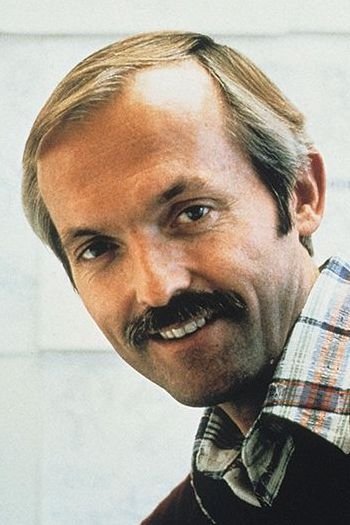
Donald Virgil Bluth is an American film director, animator, producer and writer. He was born on 13 September 1937 in El Paso, Texas, and studied at Brigham Young University. He began working at Walt Disney Productions in the mid-1950s, later returning in the 1970s as an animator and animation director on features including Robin Hood (1973), The Rescuers (1977) and Pete's Dragon (1977).
In 1979 Bluth left Disney with several colleagues to establish Don Bluth Productions. His first feature as director, producer and story adaptor was the independent animated film The Secret of NIMH (1982). He subsequently directed An American Tail (1986), The Land Before Time (1988), All Dogs Go to Heaven (1989), Anastasia (1997) and Titan A.E. (2000), and contributed to the laserdisc game Dragon's Lair (1983).