Olivia Newton-John and Gene Kelly give Xanadu moments of pleasure, but Robert Greenwald cannot turn its roller-disco fantasy into a working musical. The songs deserve better staging, and the romance barely registers.
Xanadu is a poor musical with enough good music to make its failures irritating. Robert Greenwald tries to bring romance, living muses and roller disco together with the ease of an old-fashioned song-and-dance film. The mixture is not the problem: a musical can accommodate a good deal of nonsense when the performers and the staging carry it. Here the scenes between the songs are slack, and too many of the numbers struggle to get going.
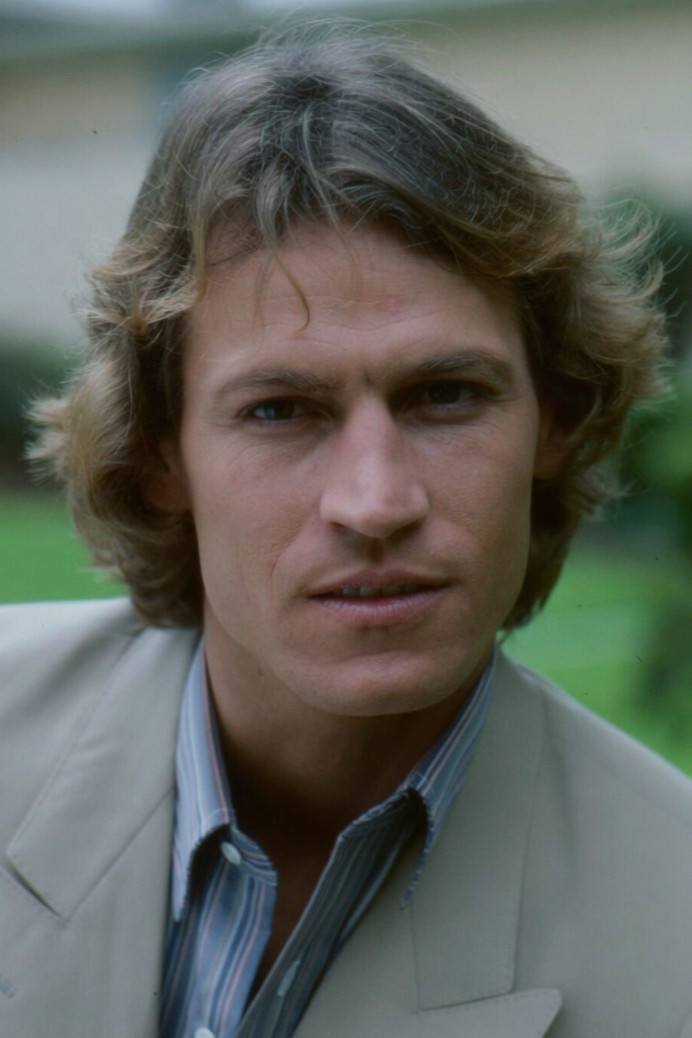
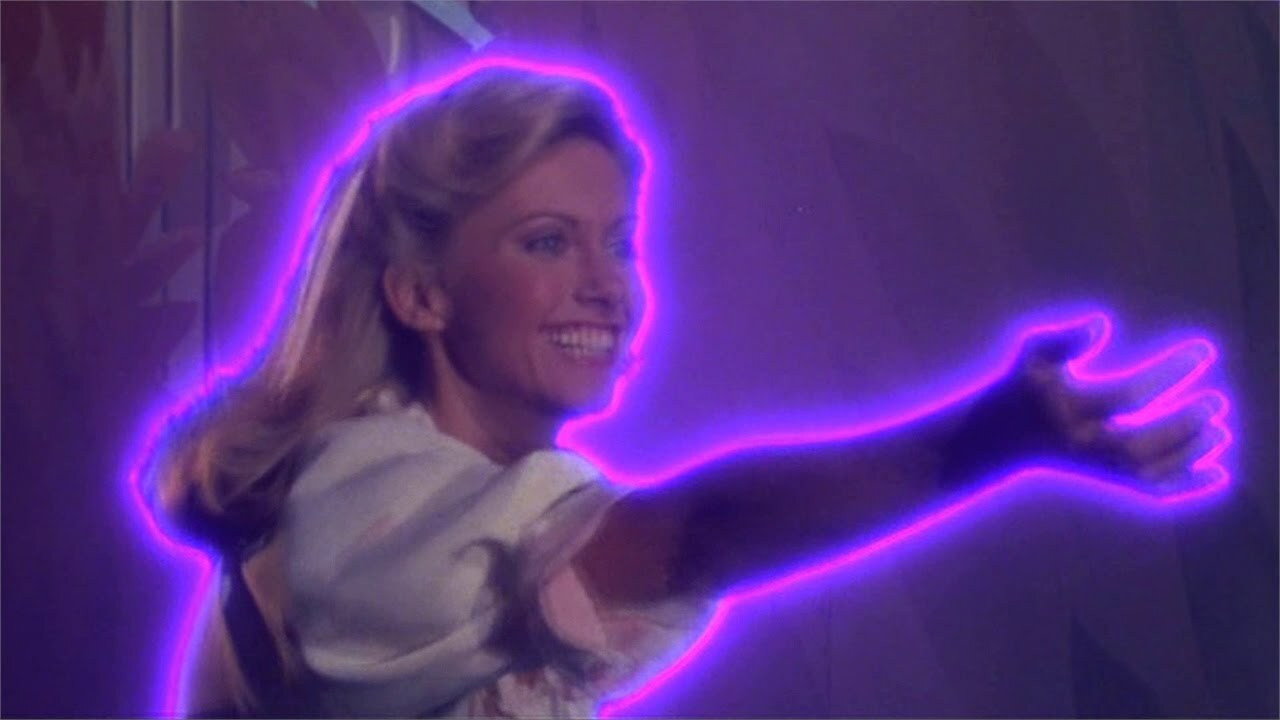
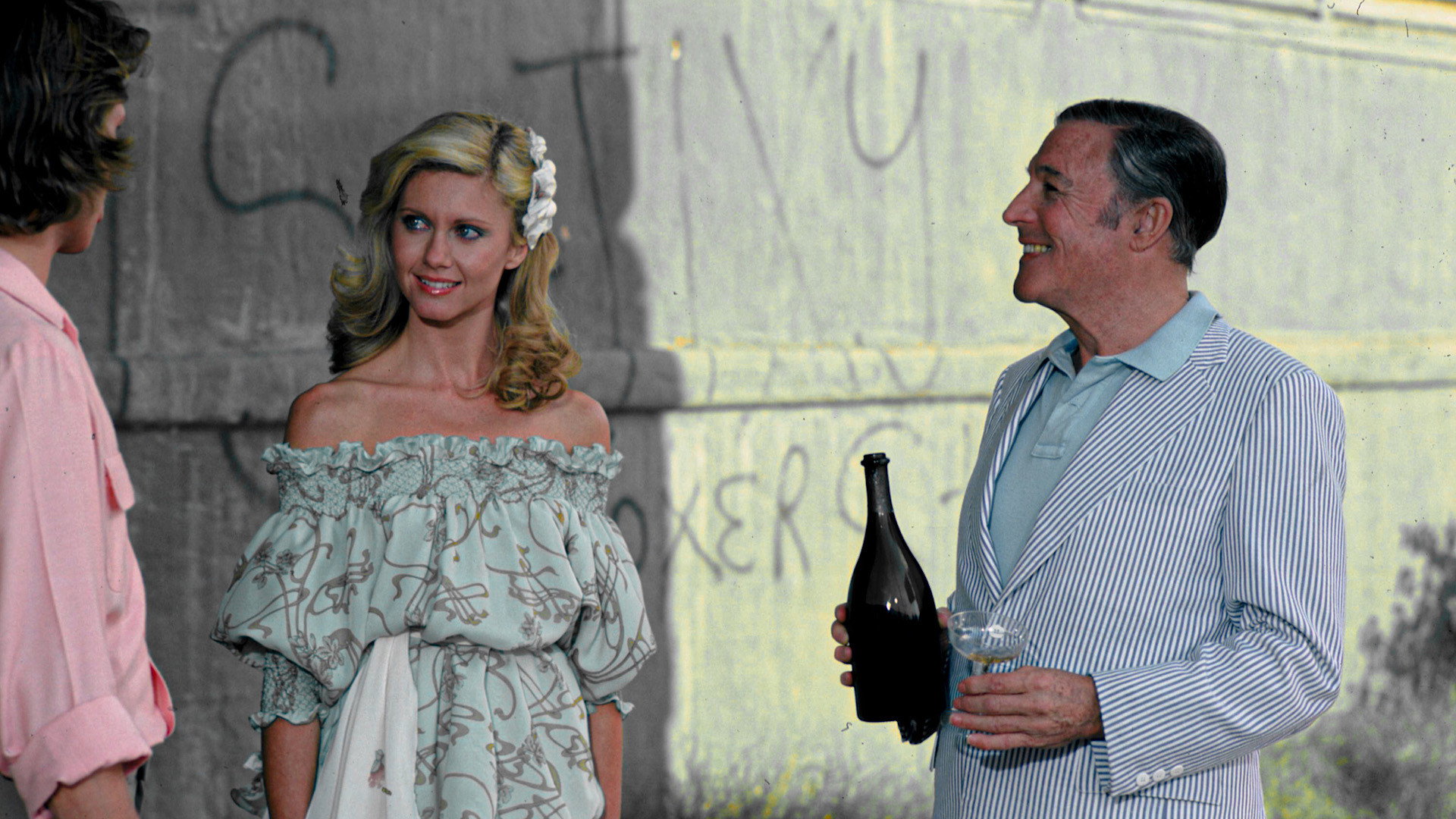
Olivia Newton-John, playing Kira, is much more persuasive when she sings than when she has to sustain a conversation. Her voice gives the fantasy a sweetness that the dialogue keeps testing, and she deserves some credit for taking it seriously. Michael Beck, as Sonny Malone, is a less helpful presence, so stiff that the romance struggles even before the writing gets in its way. Watching them together, we can hear what the scene is trying to establish without feeling much attraction.
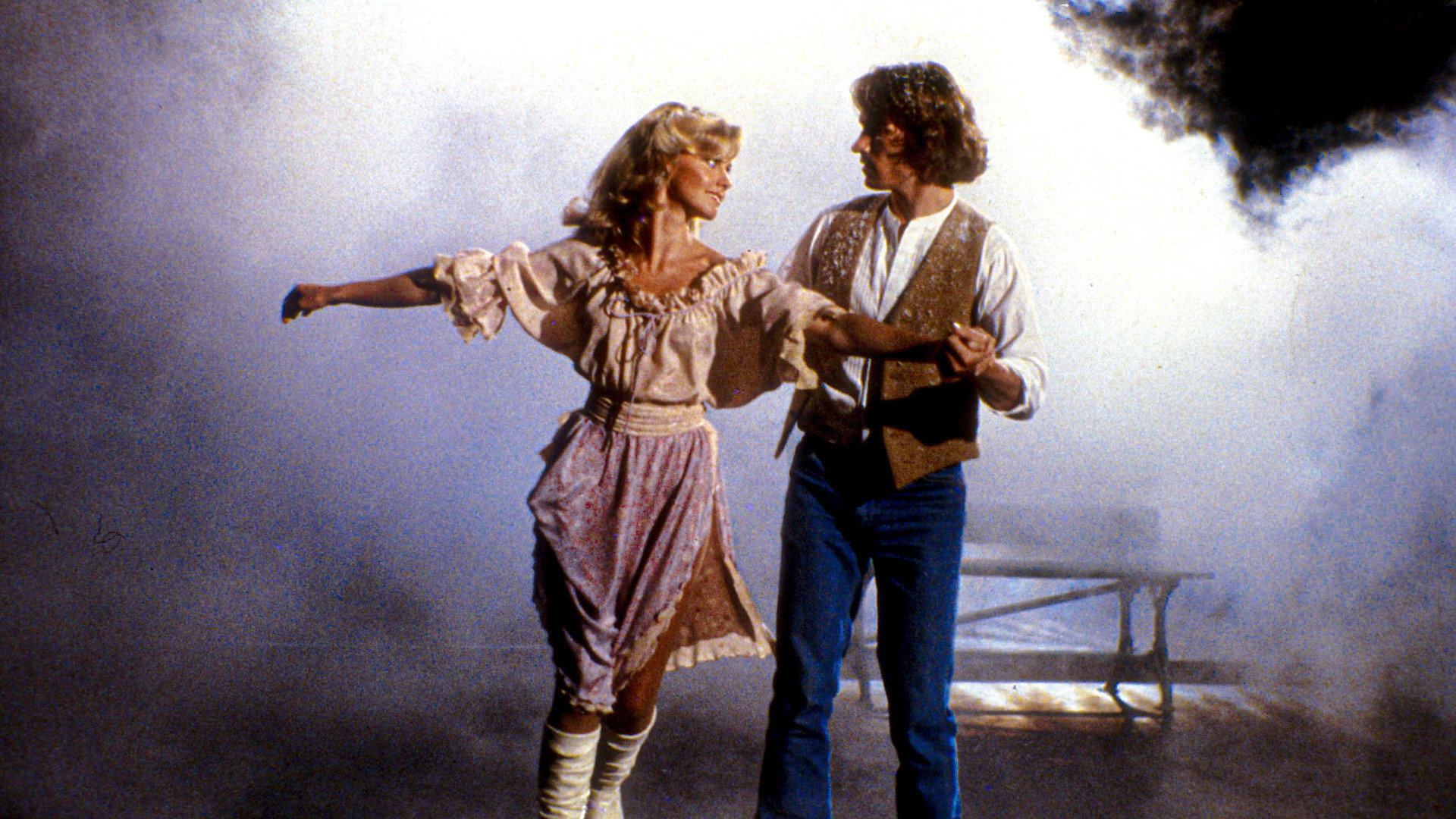
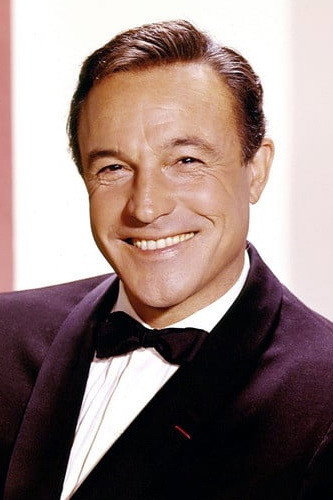
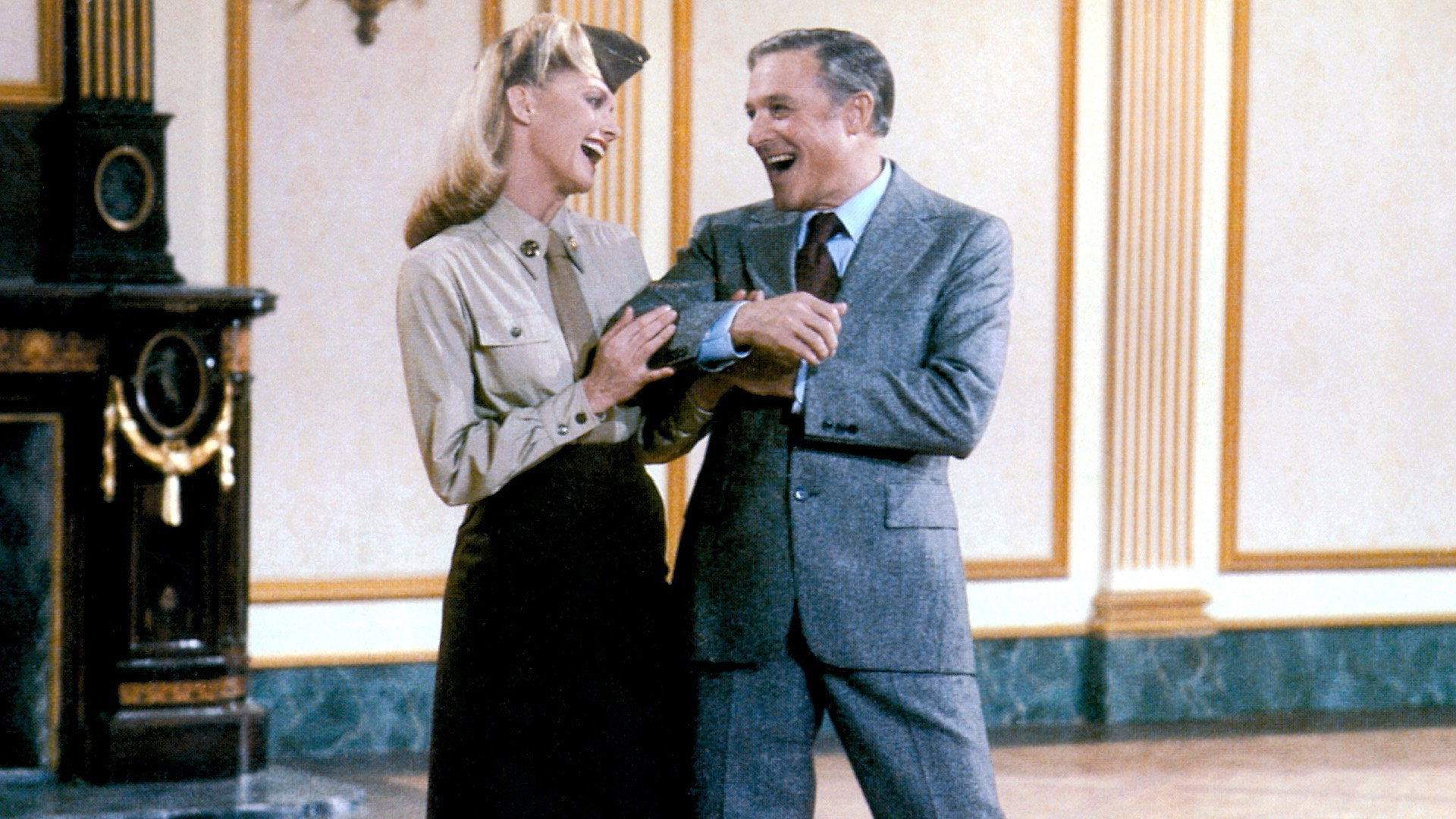
Gene Kelly, as Danny McGuire, brings a welcome ease to proceedings that otherwise look effortful. His duet with Olivia Newton-John has some of the pleasure the rest of the film keeps promising, because he looks comfortable performing alongside her. The charm is modest, but it matters. His relaxed presence gives the number a warmth that the romantic dialogue elsewhere struggles to achieve.
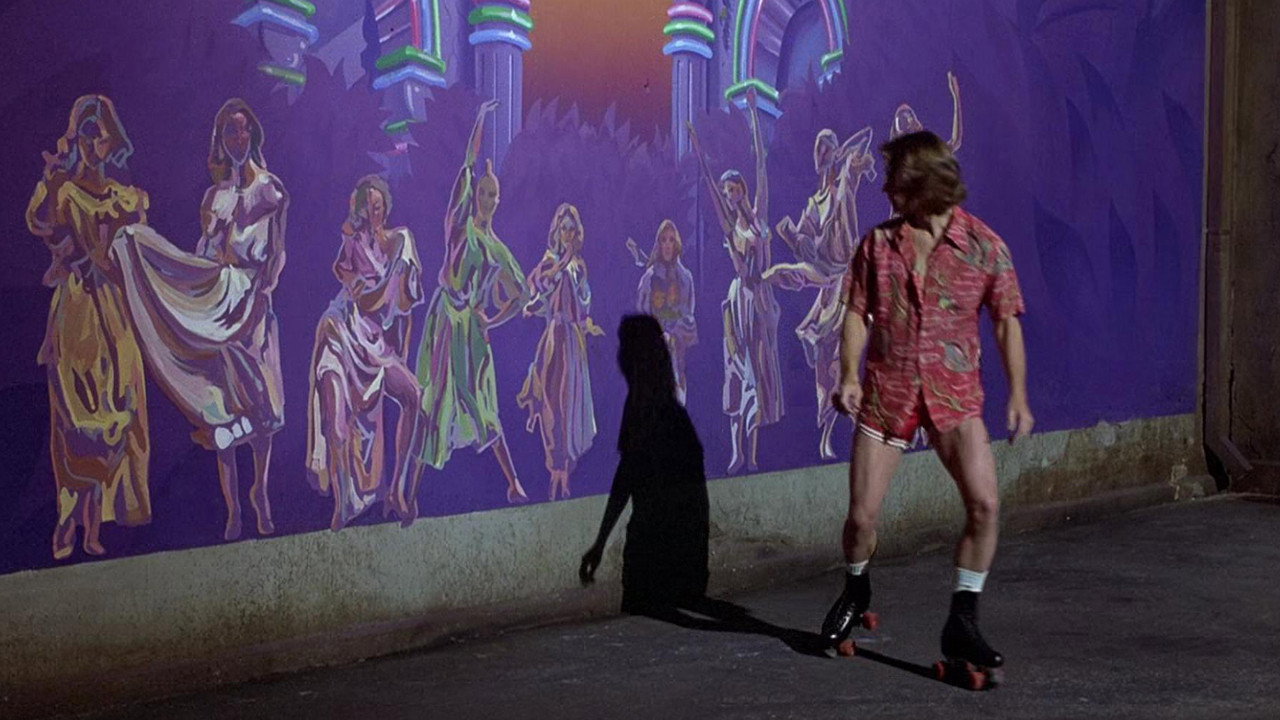
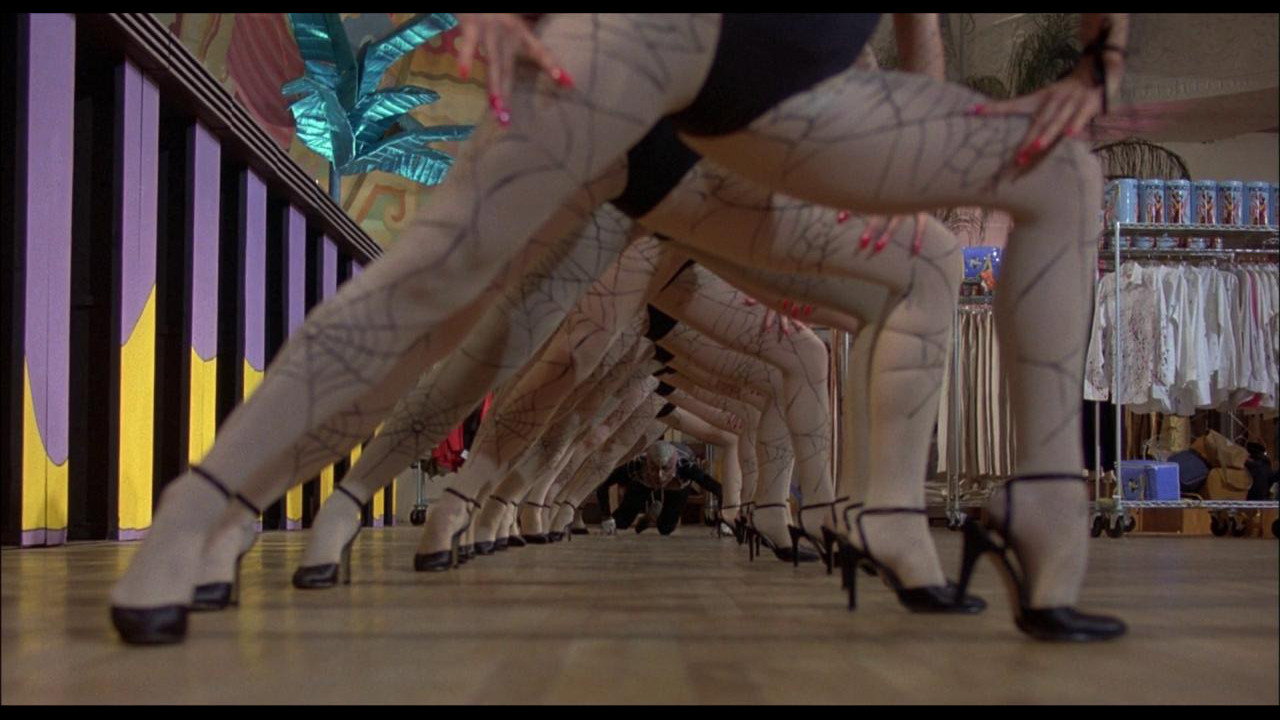
We perked up when the muses came to life to ‘I’m Alive’: the song gives the fantasy a confidence the surrounding scenes lack. This is the sort of invitation the film ought to be able to sustain, an unreasonable event made briefly convincing by music. Barry De Vorzon’s score helps keep things amiable, and the songs supply most of the energy. The trouble comes whenever the film expects that energy to last through another stretch of dialogue.
Victor J. Kemper’s photography makes the bright surfaces legible without giving the dancing much excitement. Dennis Virkler’s editing is more damaging: the numbers feel assembled from pieces that do not let a movement develop or settle. The skating needs a clearer sense of space, and the musical staging needs the confidence to let us watch a performer complete a phrase. The result is tiring even when the tune is doing its best to help.
John W. Corso’s production design at least gives the roller disco some cheerful excess. The meeting of 1940s and 1980s musical styles has possibilities, and the garish surroundings are more enjoyable than the cautious romance. Writers Marc Reid Rubel and Richard Christian Danus give the performers too little character to make the quieter scenes worth waiting through. Even at 96 minutes, the film feels stretched because its people cannot hold our interest once the singing stops.
Its appeal as camp is understandable, though treating awkwardness as entertainment only gets us so far. We would rather have more of the pleasure found in the music and the duet, which needs no indulgence to work. A musical this fanciful need not explain itself at length, but it does need to make staying with it enjoyable. Come for the songs only if patience with the rest is part of the bargain.