Baz Luhrmann’s ballroom romance is funny, affectionate and worth forgiving for its familiar story. Paul Mercurio and Tara Morice keep it human when the surrounding caricatures threaten to take over.
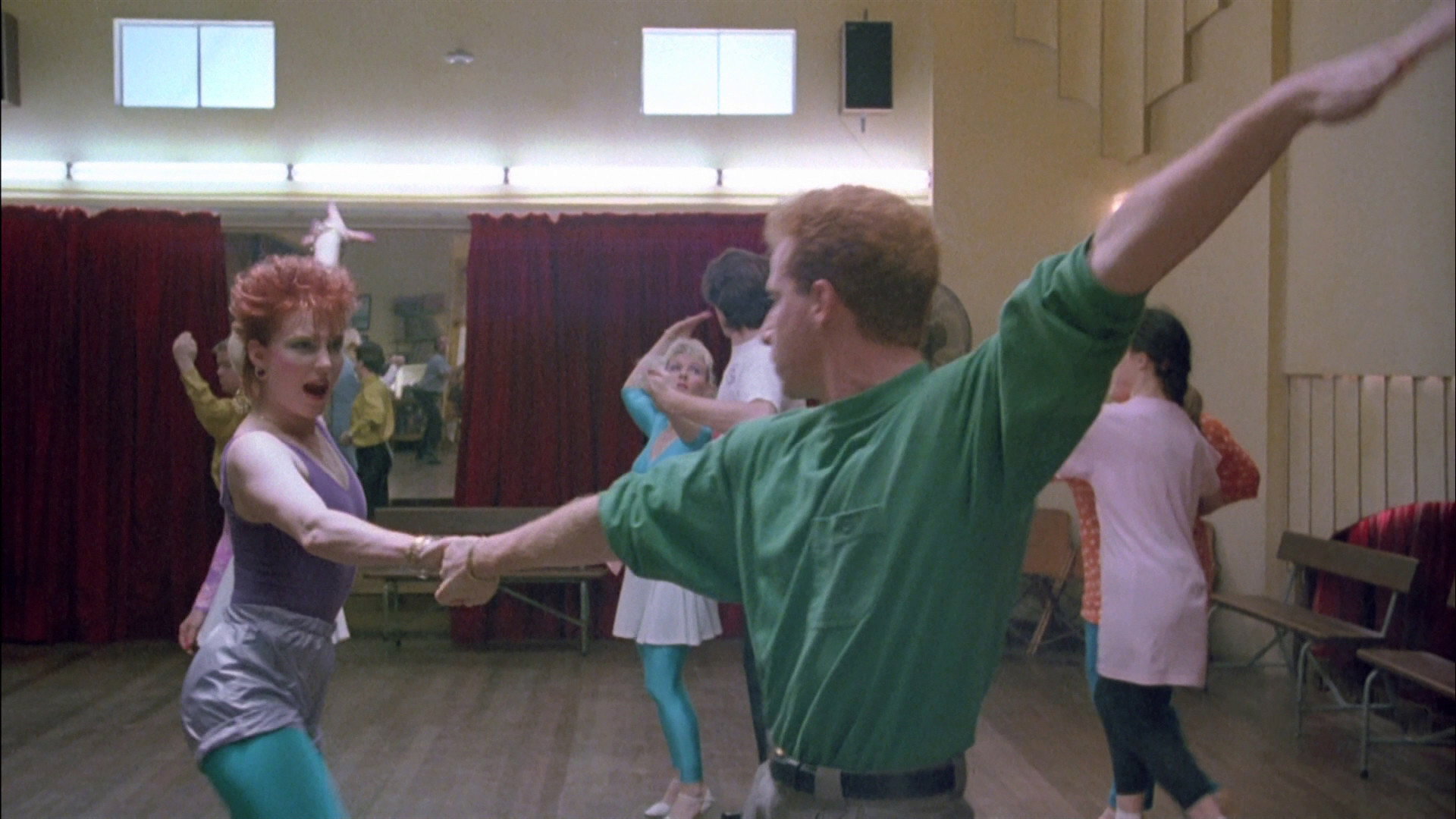
At its most enjoyable, Strictly Ballroom treats competitive dancing as something worth doing well and worth getting cross about. Baz Luhrmann lets us laugh at the snobbery without asking us to feel superior to everyone wearing sequins. We recommend it warmly, provided broad comedy and a familiar romance are what the evening needs. The story follows Scott Hastings, played by Paul Mercurio, a rebellious dancer whose partnership with Tara Morice’s Fran unsettles the old guard.
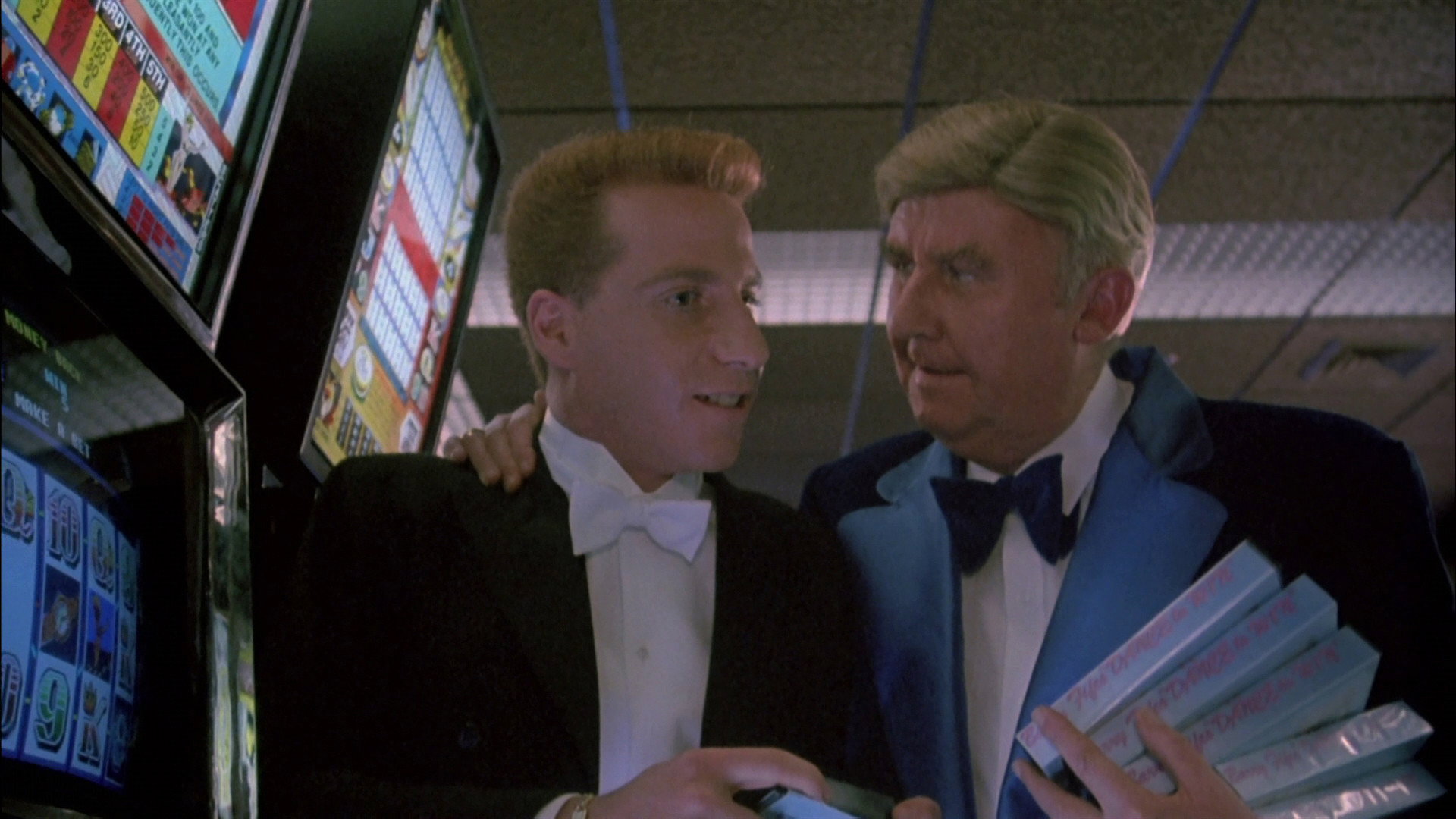
The screenplay, by Luhrmann and Craig Pearce, does not waste effort pretending that this is an unfamiliar story. A gifted young man, an unlikely partner and a community suspicious of change give it most of what it needs. There are moments when the character types feel too conveniently arranged to prove the young couple right, and the romance holds few surprises. Yet the jokes have enough affection behind them that the people rarely seem to exist merely for us to laugh at.
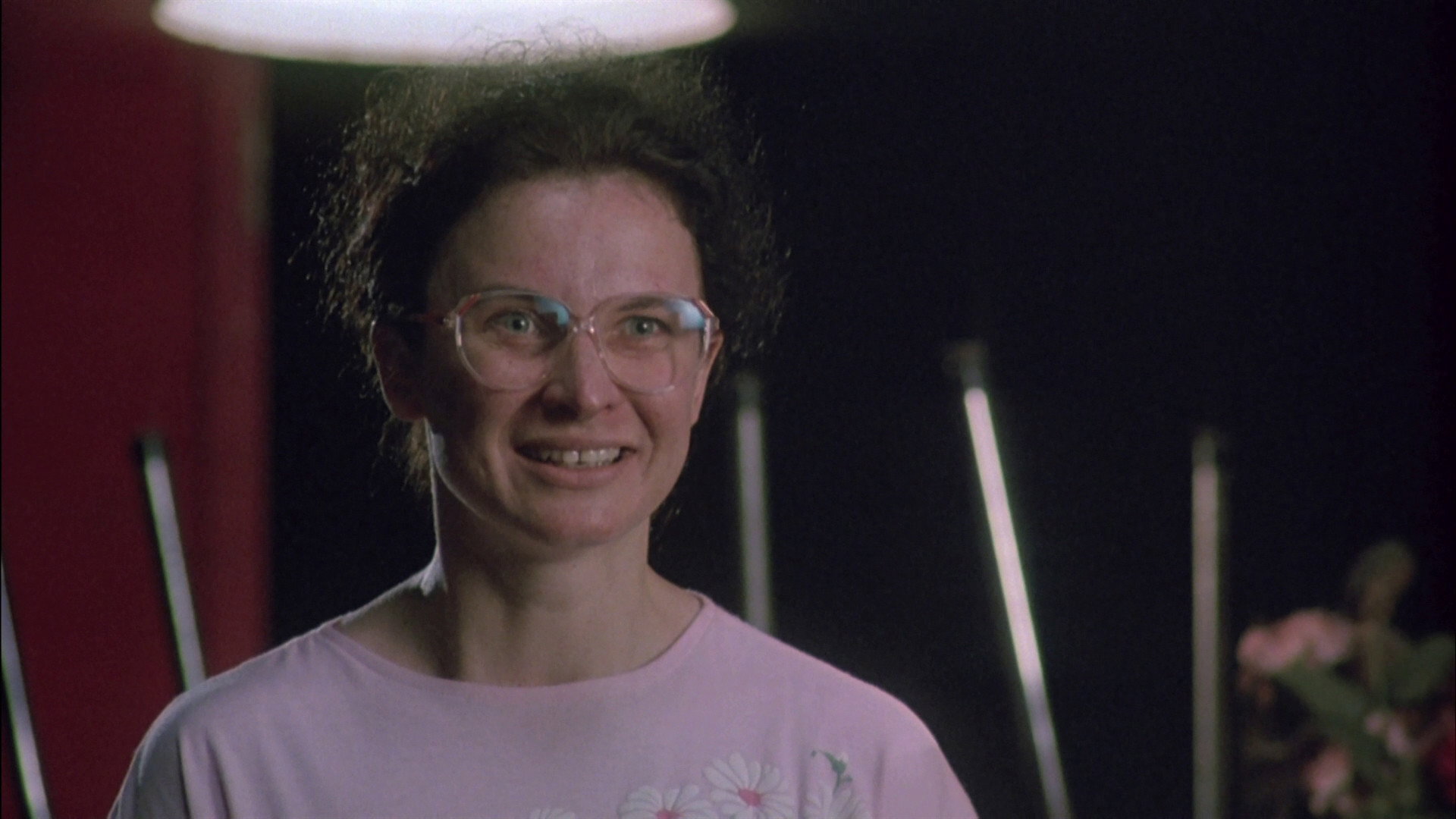
Mercurio makes Scott’s confidence convincing because the dancing gives him something to be confident about. Morice gives Fran enough determination to make the pairing feel like a choice rather than a favour. We were more moved by the couple’s dancing than we expected to be. Mercurio’s assurance and Morice’s determination make their growing ease with one another worth watching, even when the surrounding comedy is at its loudest.
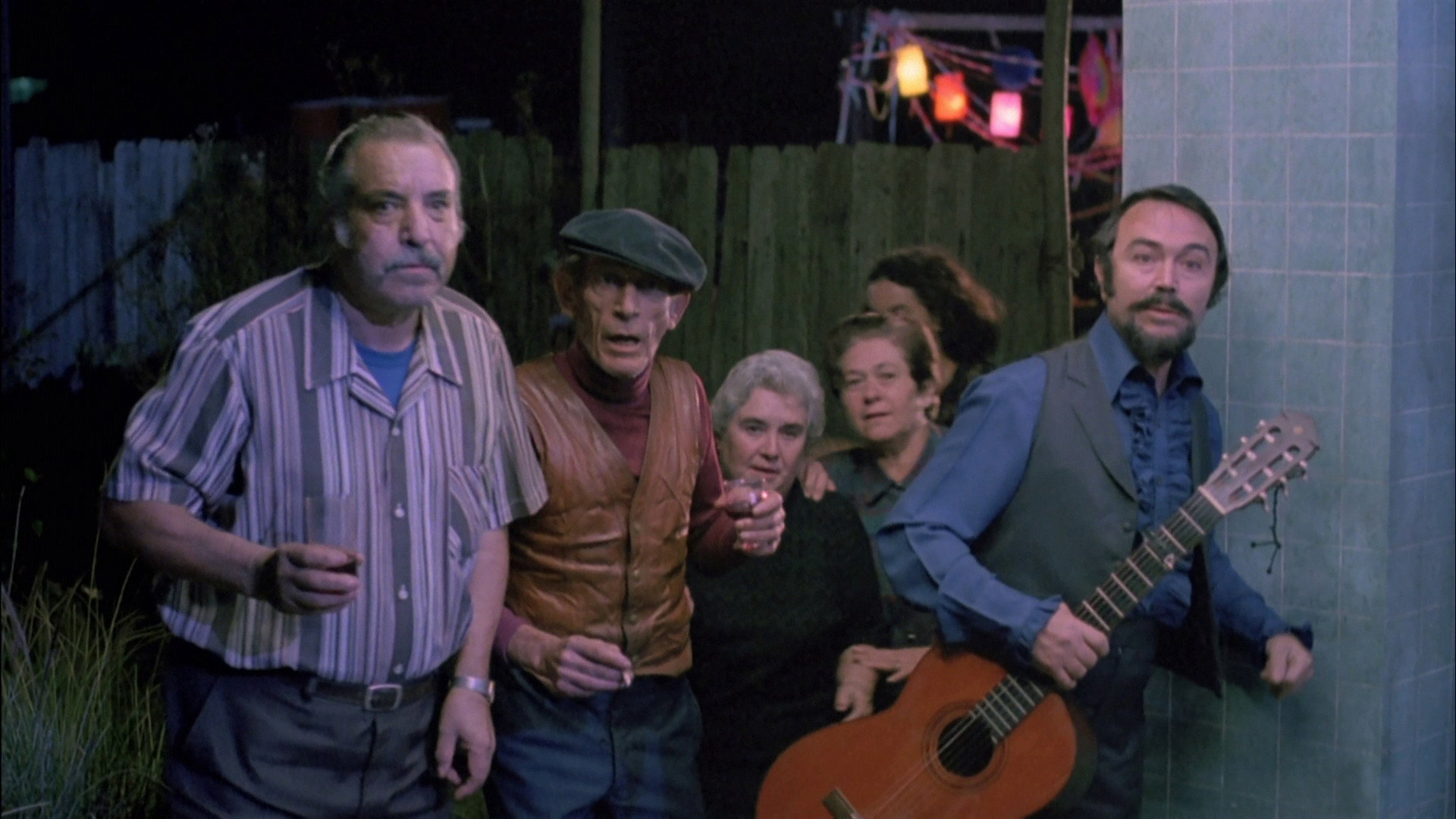
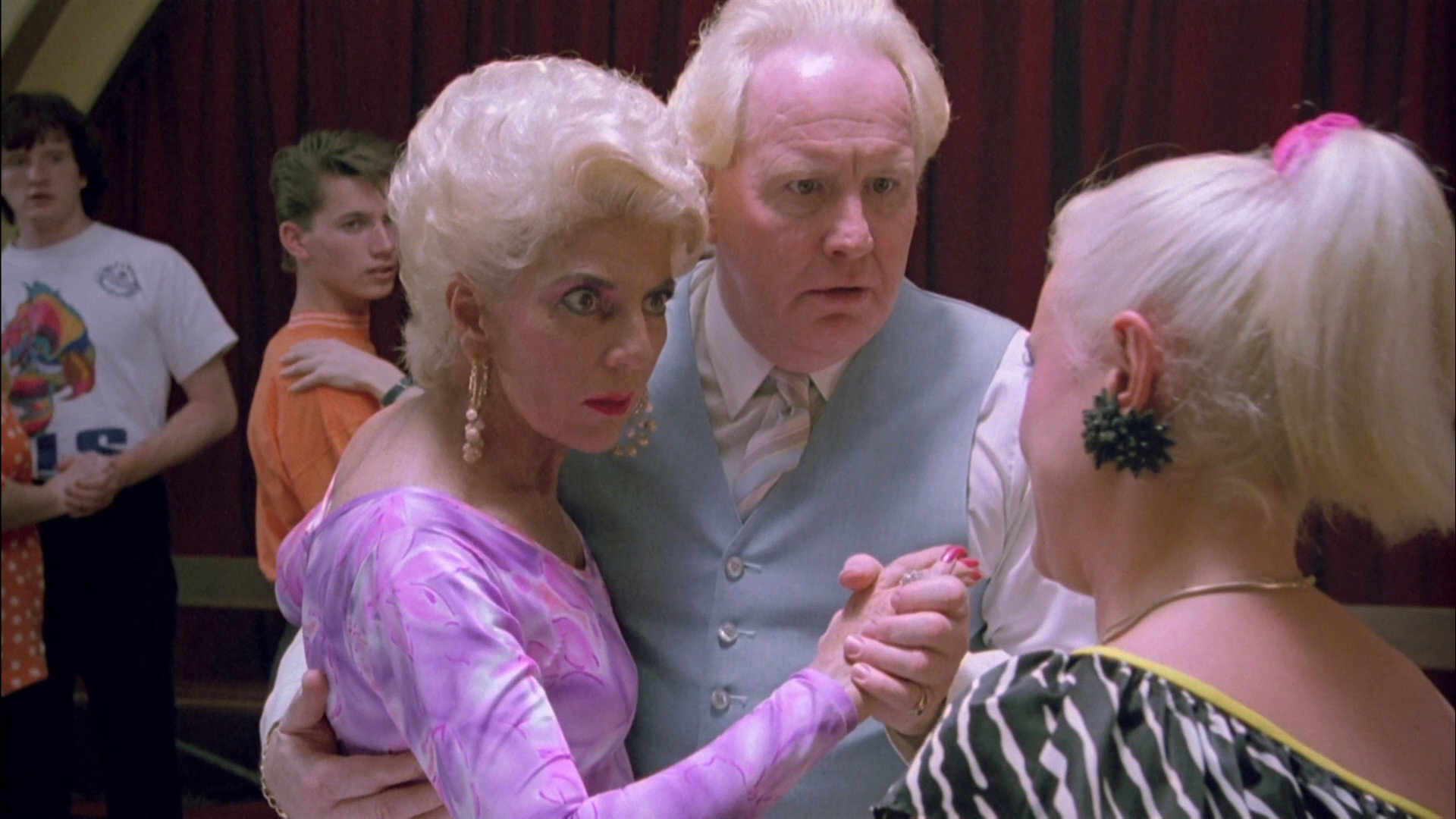
Steve Mason’s cinematography gives the glitter an aggressive brightness: these people plainly expect to be looked at. Catherine Martin’s production design makes the ballroom world look as overstated as its inhabitants, and Angus Strathie’s costumes carry the same joke in sequins and feathers. That consistency matters, because the exaggeration could easily leave the actors looking stranded in a collection of sight gags. Instead, the clothes, surroundings and performances all seem to belong together.
Jill Bilcock’s editing suits the comic panic, keeping the fuss moving before any one grievance can become too tiresome. There are passages where the pace presses a joke harder than it needs, but at 94 minutes the film does not leave much room for boredom. David Hirschfelder’s music helps the romance retain its earnestness amid the noise. We hear the same willingness to risk being sentimental that makes the central performances work.
Dance romances need enough feeling between the routines to keep us interested when the music stops. Mercurio and Morice provide it, without treating their characters as an excuse for the next display of skill. Luhrmann is willing to look silly, which helps when people are expressing their feelings with their whole bodies. The film takes learning to dance seriously, even when it is laughing at the people who insist they know how it ought to be done.
This is a good choice for an evening that needs cheering up, provided nobody is expecting subtlety from the comedy. Its noise is part of the pleasure, though the caricatures may require a little patience. Give it that patience for Mercurio and Morice, who have more to offer than the surrounding fuss initially suggests.