Film review

The Commitments

1991 · Directed by Alan Parker · 1h 58m · MPA R

In a sentenceGetting a soul band together requires more tolerance for other people than we could reasonably promise

ComedyDramaMusic

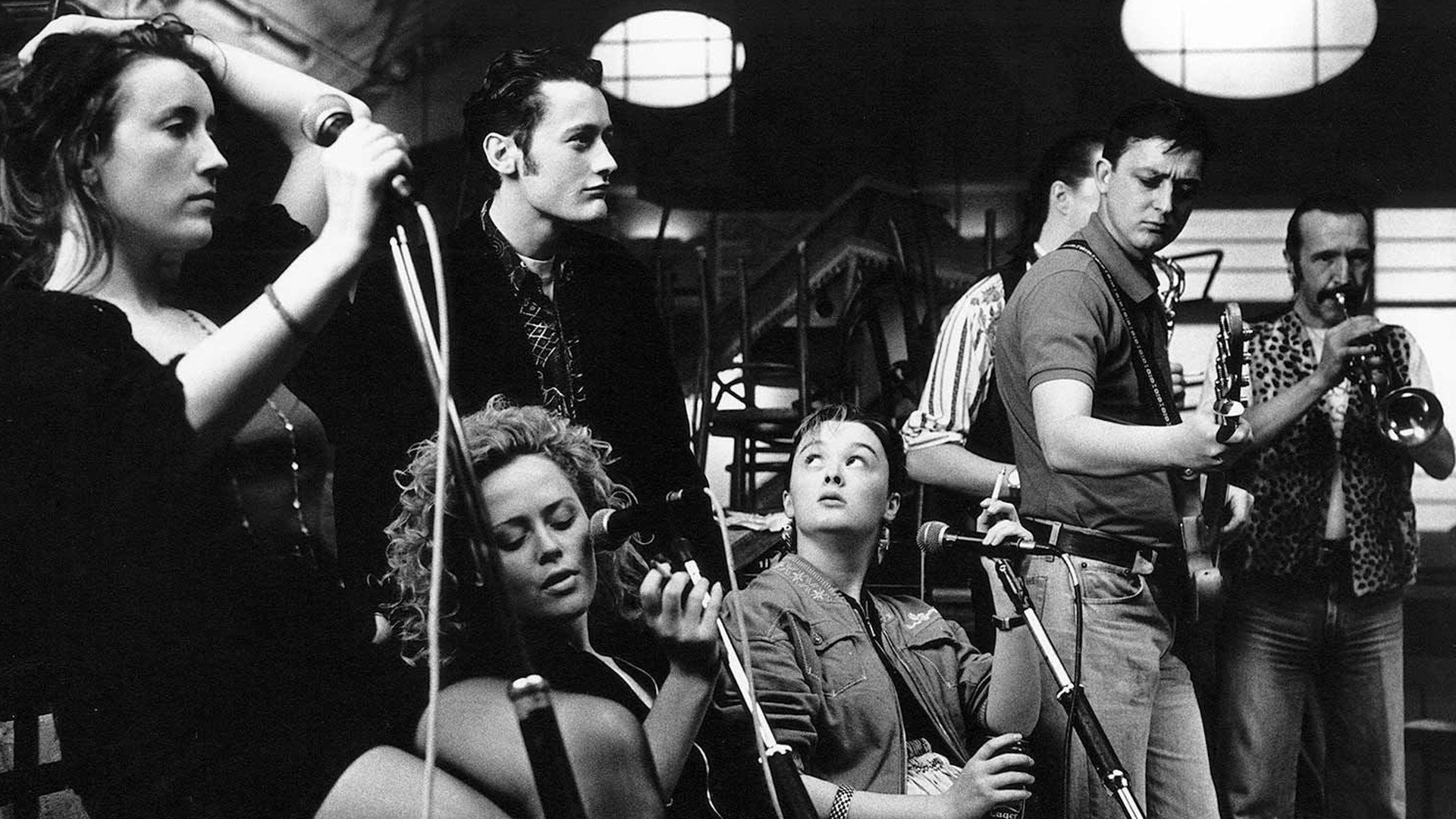
Robert Arkins plays Jimmy Rabbitte in Alan Parker’s comedy about young working-class Dubliners putting together a soul band. American music gives the prospective group a shared ambition, but finding people who can perform together is a job in itself. Auditions bring a succession of hopefuls, each with ideas about what they have to offer. As the musicians begin to form an ensemble, the business of getting along becomes part of the work. Andrew Strong, Angeline Ball, Maria Doyle Kennedy and Glen Hansard are among the cast in a story adapted from Roddy Doyle’s novel.

Plays from YouTube when you press play; nothing loads from them until then.

Fi1m review

Alan Parker’s Dublin band comedy is funny, warm and carried by the pleasure of hearing its performers come together. Some characters get short-changed, and the polish occasionally works against it, but the music earns our enthusiasm.

Alan Parker takes the work of forming a soul band seriously enough to make it funny. The young, working-class Dubliners in The Commitments have American songs to aim at and plenty of enthusiasm to spend, though getting everybody to pull together is another matter. We recommend this comedy warmly for its music and its pleasure in people trying something difficult. Parker sometimes makes their rough beginnings look a little too tidy, but he gives the performances time to work.

Roddy Doyle adapts his novel with Dick Clement and Ian La Frenais, and the script finds jokes in the practical difficulty of organising people with ambitions of their own. We laughed at the auditions. The hopefuls’ eagerness and the cast’s precise timing do it: Parker lets their efforts become funny without treating ambition itself as something shameful. That kindness matters, because the swearing and quick exchanges could otherwise become a rather tiring demonstration of how amusing everybody is.

Robert Arkins, as Jimmy Rabbitte, is good at making enthusiasm seem like a quality that might exhaust everybody nearby. Andrew Strong, Angeline Ball and Maria Doyle Kennedy help keep the ensemble from feeling like a crowd hired to agree with him. The actors have the untidy eagerness this sort of story needs, but their comic timing is controlled. Parker gets the useful impression that everybody is keen to be heard, even when nobody is keen to listen.

Gale Tattersall’s photography gives Dublin a useful roughness; the setting does not look as though it has been tidied for the band. Brian Morris’s production design gives the musicians a convincing working-class setting. The surroundings matter because they keep these ambitions modest and local, even when the singing becomes forceful. The occasional slickness is more noticeable because so much of the film looks unpolished.

Gerry Hambling’s editing is particularly good at giving the ensemble its comic rhythm. He keeps the formation of the band moving, but leaves enough space for us to enjoy the sound they make together. With Wilson Pickett among the music credits, it would be easy for the songs to dominate our attention. Parker keeps us interested in the performers’ effort, and much of the pleasure comes from hearing them begin to work as a group.

The weakness is how unevenly those people are drawn. For all its attention to getting a band together, the script leaves some members defined chiefly by what they contribute to the comedy or the music. We wanted a little more time with them when neither was required. That thinness is easy to overlook during a number, but becomes harder to ignore whenever the film asks us to care about the musicians as people.

Band films often make us sit through a good deal of difficulty before permitting any enjoyment. Parker allows the music to be pleasurable while the people are still learning how to work together, and keeps their achievement in proportion. Nobody needs to believe this group is about to change music for the performances to be worth hearing. Watch it with someone who likes soul and will forgive a crowded comedy for not giving everybody equal time.

Critical consensus AI synthesised

81
Positive
7
Mixed
0
Negative
0

The reviews are uniformly positive, with praise centred on the soul performances, the young ensemble and the humour of the band’s formation. Most critics find Alan Parker’s handling of the cast crucial: the performers become a convincing group, with comic timing that gives the scenes between songs their own energy. The Dublin setting and working-class banter also draw approval, while the auditions and backstage exchanges make a familiar story about starting a band feel lively and particular.

The reservations are modest rather than divisive. The Los Angeles Times notes occasional slickness, while The New York Times finds some slickness and unreality beneath the musical energy. Neither sees these as enough to spoil the pleasure. There is no negative dissent among these seven reviews, and the narrow spread reflects broad agreement on the film’s strengths, with small differences over its polish and credibility.

Los Angeles Times
30 August 1991 · Kenneth Turan
85*

The critic calls the film an infectious, high-spirited entertainment that succeeds through its euphoric music and the first-timer enthusiasm of its youthful cast, despite occasional slickness. He singles out the way the performers jell into a convincing group as particularly captivating.

Read the full review →
Time Out
18 May 2016 · GA
85*

This is Alan Parker's best film to date, a gritty and naturalistic comedy that is foul-mouthed, fast-talking and very funny. It treats the familiar subject of kids forming a band with deft intimacy while capturing the witty banter, modest dreams and matchless soul music of its working-class Dublin characters.

Read the full review →
Empire
1 January 2000 · Jack Yeovil
80*

The film is an infectious musical story of rise-and-fall about a Dublin hustler forming a soul band from no-hope misfits. It praises the gritty Dublin humour, funny vignettes and the sense of fun in the musical numbers and behind-the-scenes dynamics.

Read the full review →
Radio Times
★★★★ · David Parkinson
80

This musical drama is laced with Irish charm and blessed with superb music performed with passion; it is very funny, especially during the band auditions. It brought Roddy Doyle's work to wider attention and earned multiple Bafta awards.

Read the full review →
The New York Times
14 August 1991 · Janet Maslin
80*

The critic finds the film an exuberant valentine to American soul music performed by impoverished Dublin teens, praising its pumped-up energy despite some slickness and unreality. She highlights the director's skill at assembling talented newcomers and filling the screen with song.

Read the full review →
The New Yorker
19 August 1991 · Terrence Rafferty
75*

The review describes the film as a loose, friendly musical comedy about an Irish soul band, crediting the director for the young ensemble's precise comic timing and the convincing vigor with which they perform classic soul songs. It notes the story keeps the band's achievement in perspective without overvaluing it.

Read the full review →

Cast

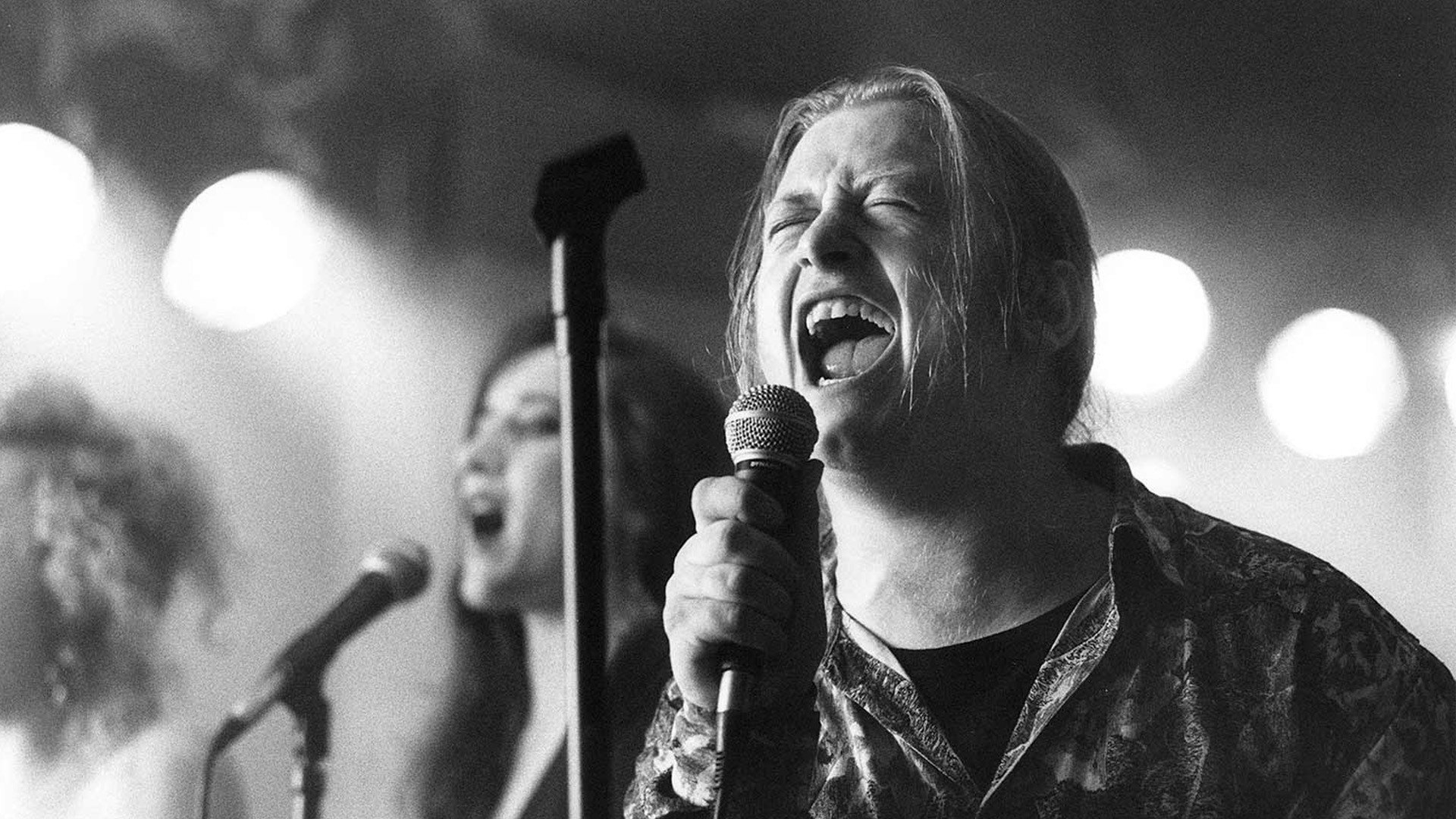
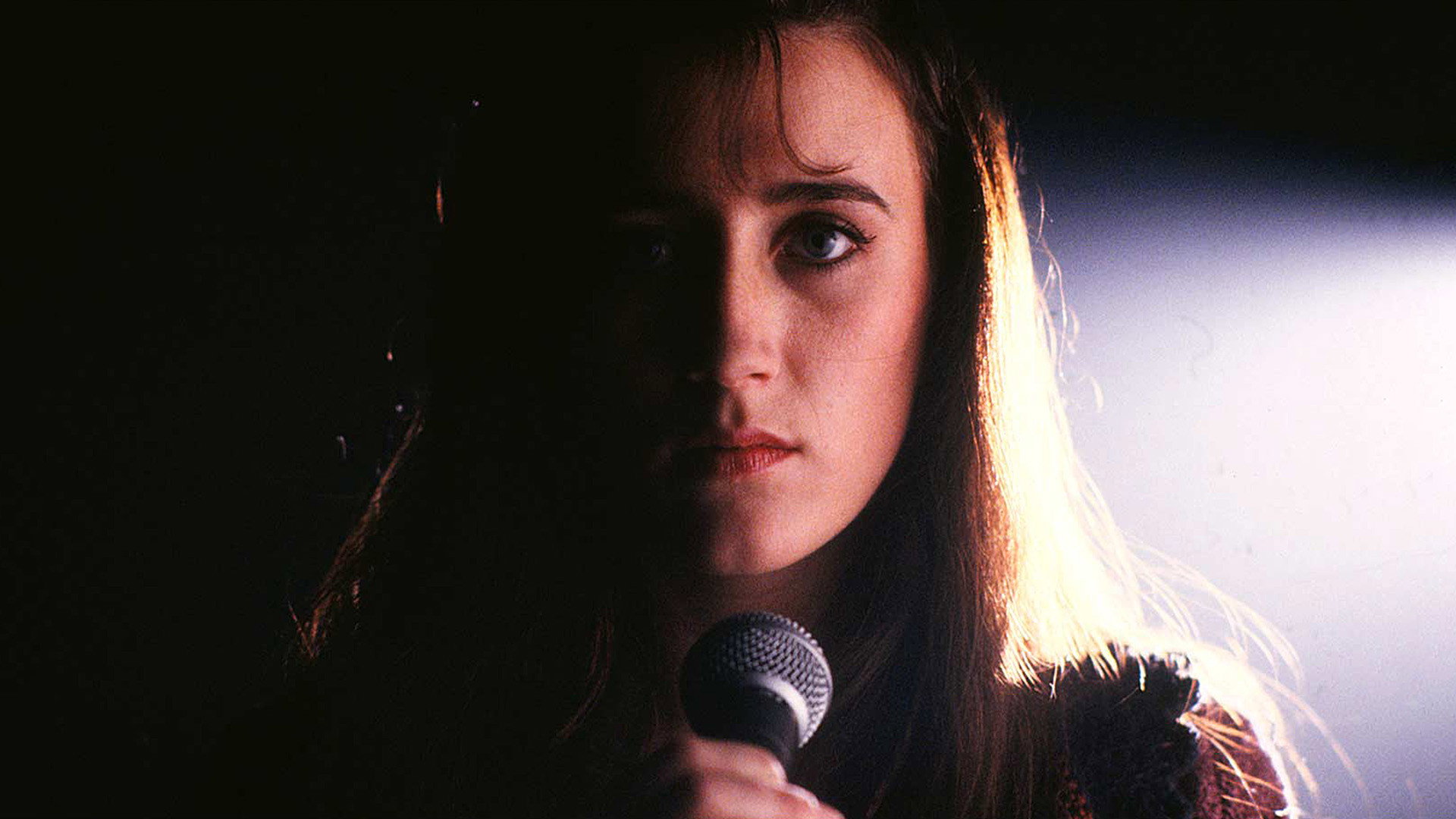
Stills

Awards

Academy Awards, 1992

Nominated
Best Film Editing

If you liked this, try…

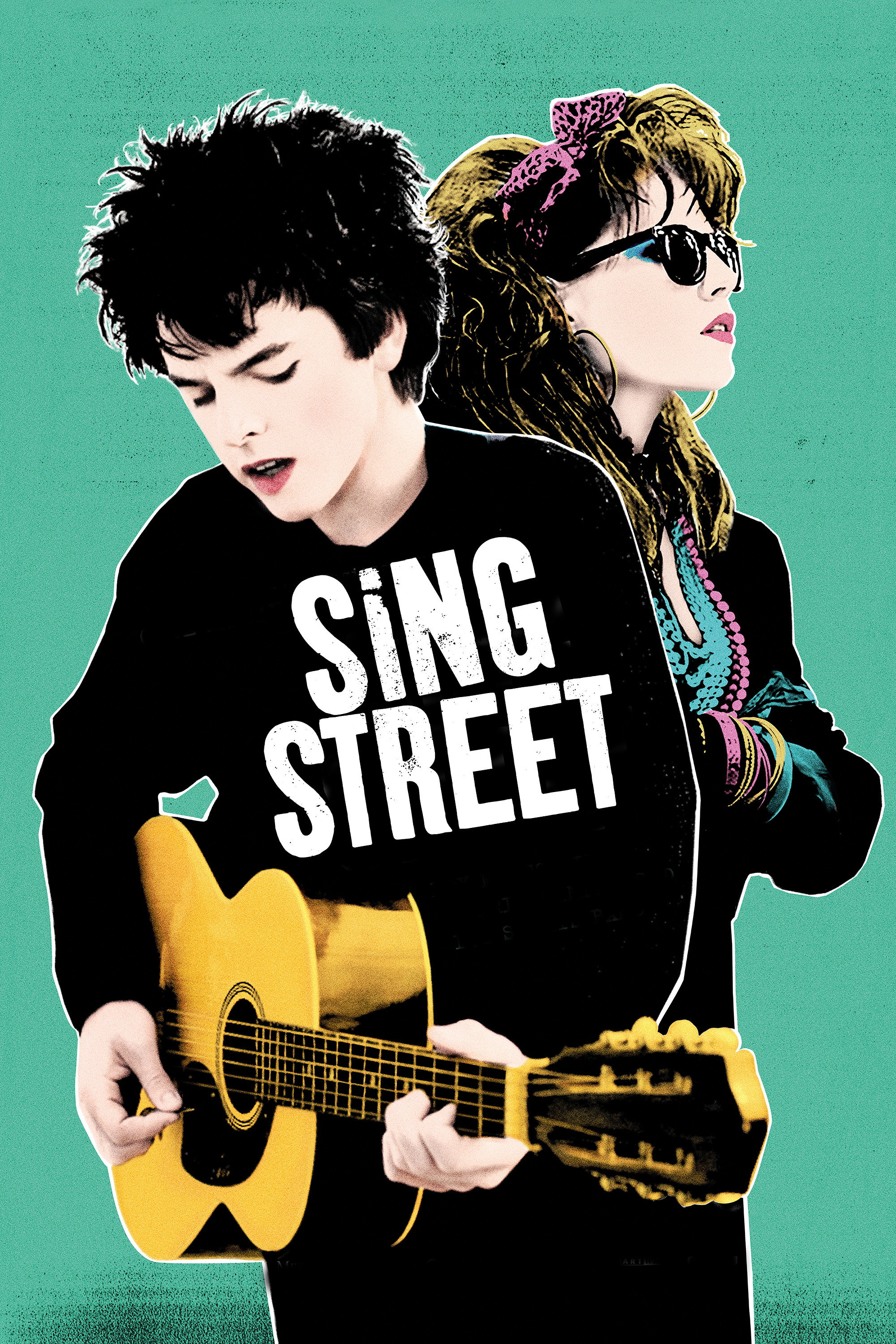
Sing Street poster

Sing Street

2016 · Another Dublin band finds that rehearsing is easier than growing up.

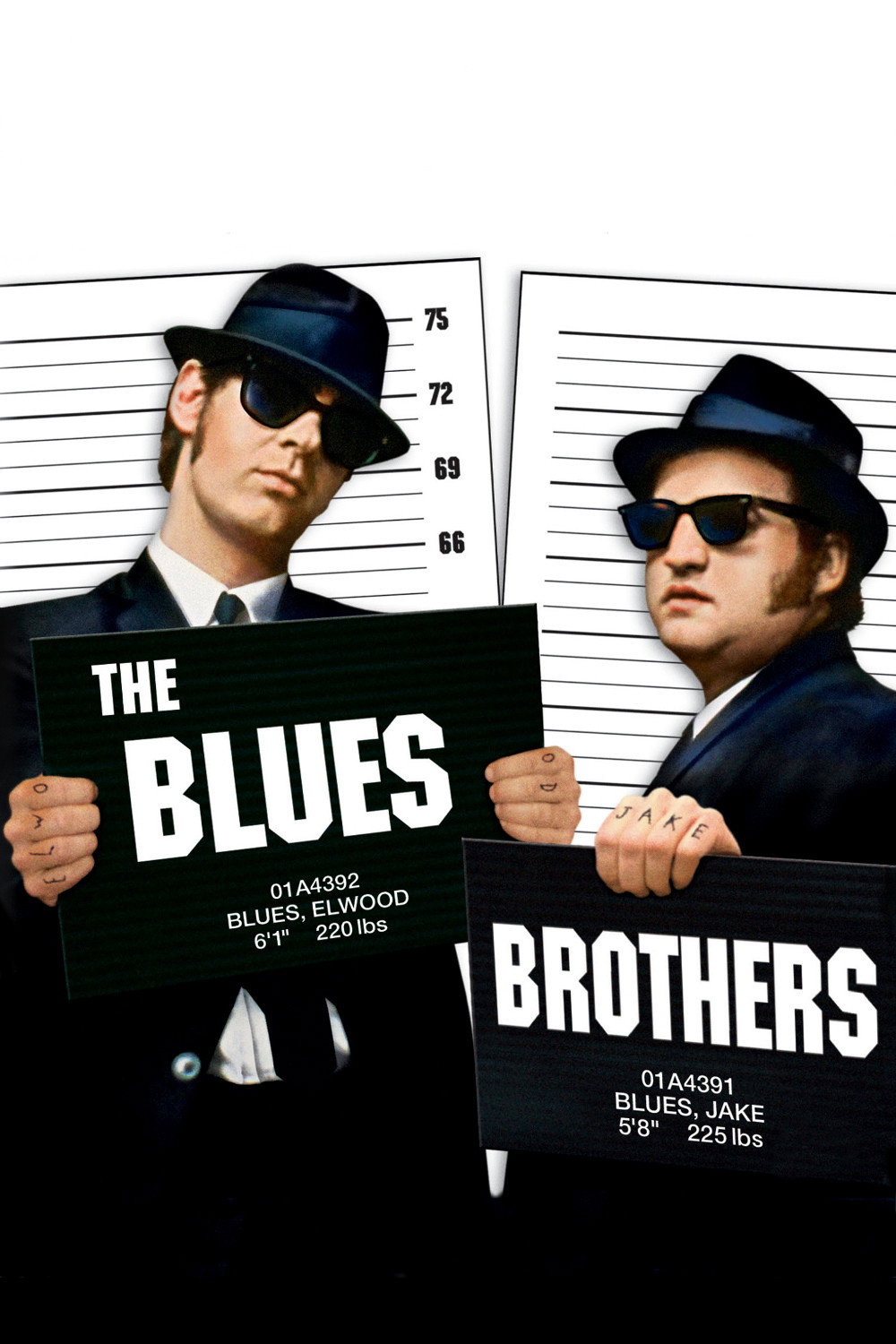
The Blues Brothers poster

The Blues Brothers

1980 · Soul performances and bickering musicians, with considerably less respect for traffic regulations.

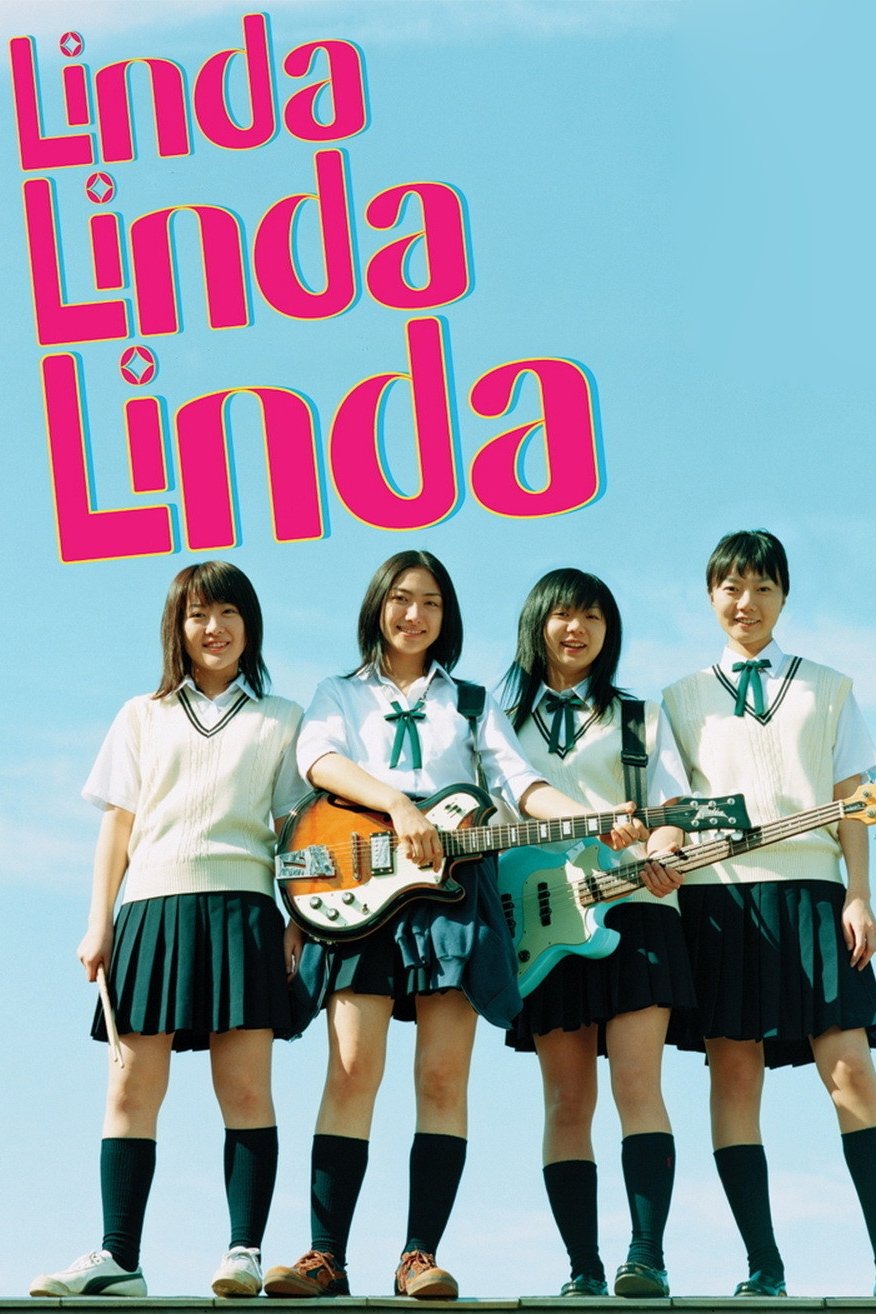
Linda Linda Linda poster

Linda Linda Linda

2005 · Schoolgirl band rehearsals observed with patience, affection and a welcome lack of fuss.

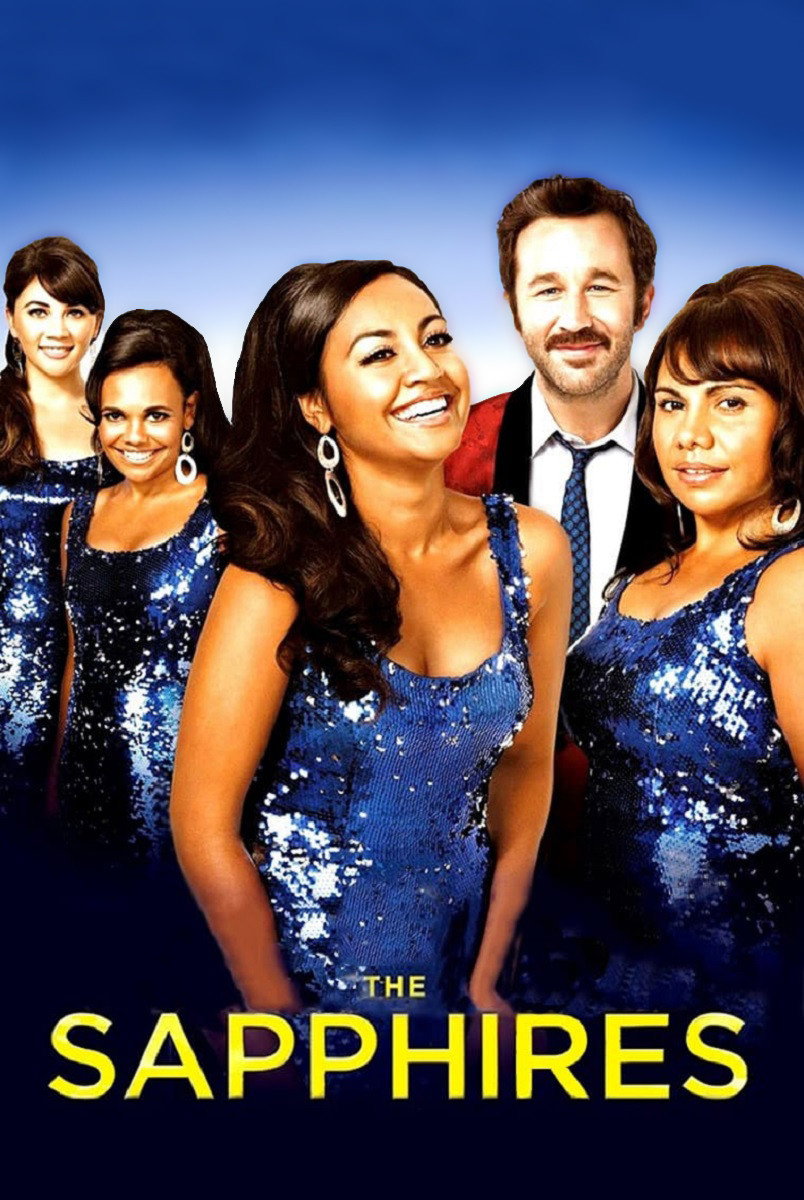
The Sapphires poster

The Sapphires

2012 · A soul singing group offers more music, backstage tensions and persuasive ensemble warmth.

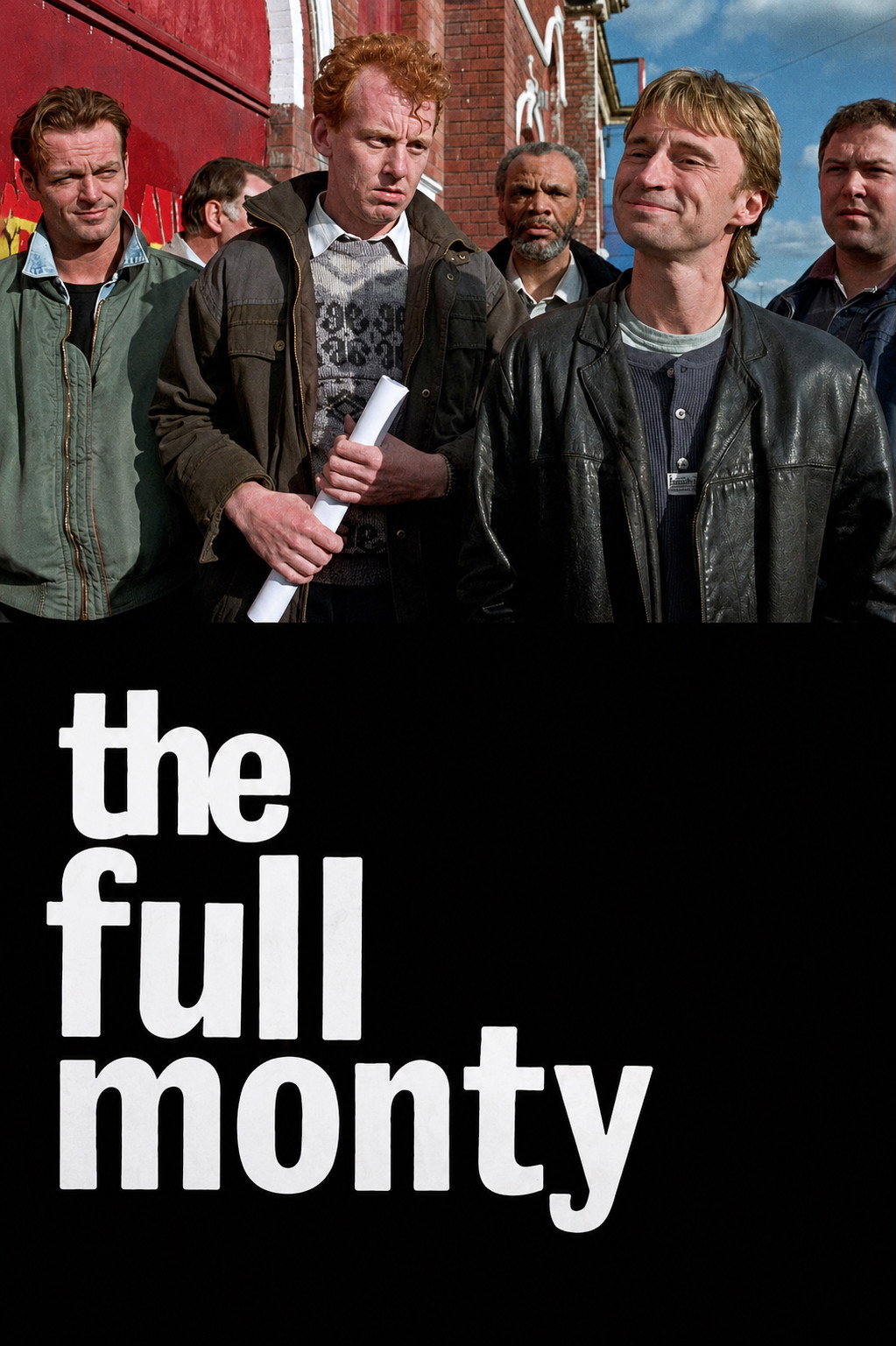
The Full Monty poster81

The Full Monty

1997 · Working-class performers discover how much organisation is required before anyone can applaud.