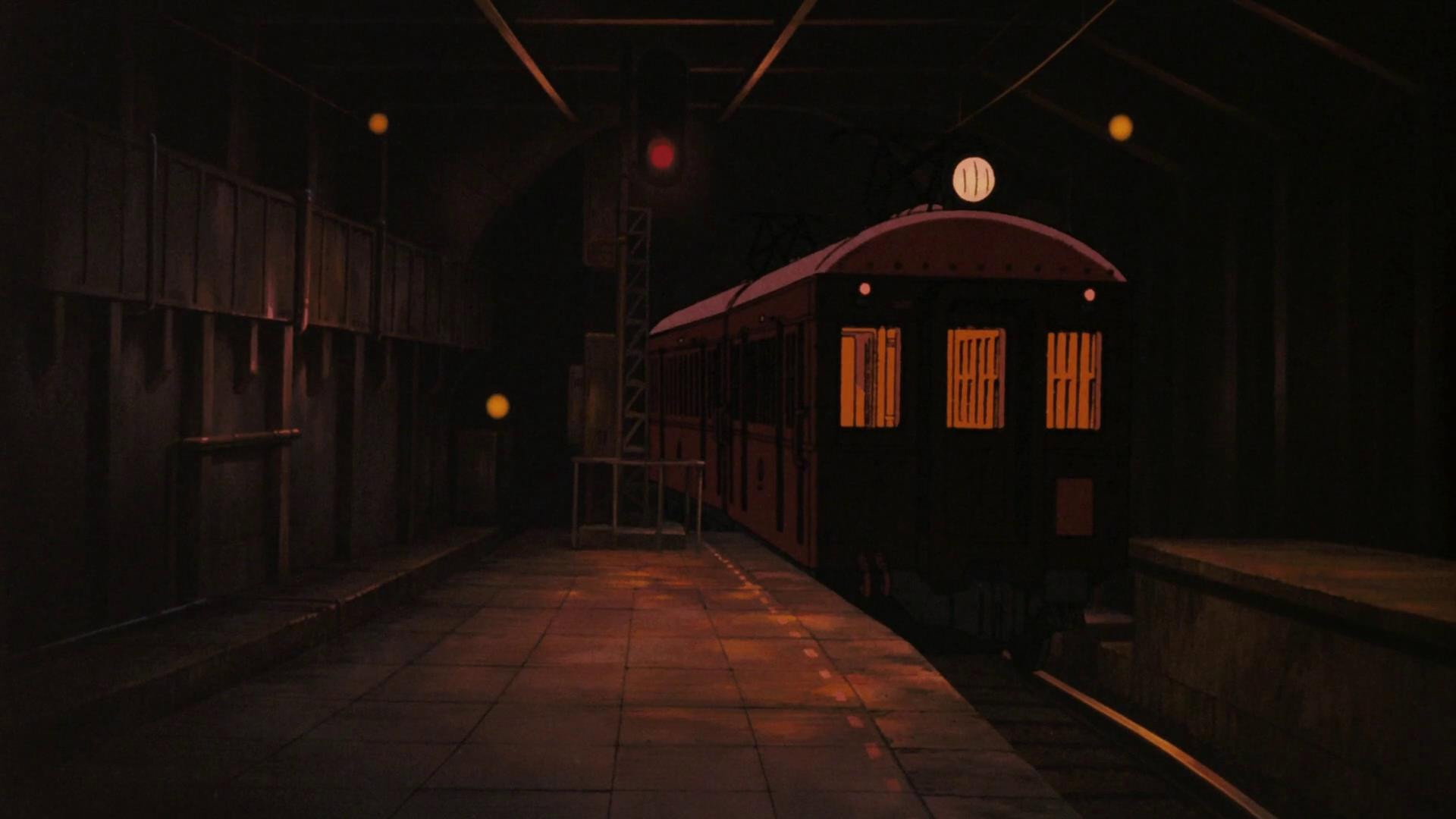
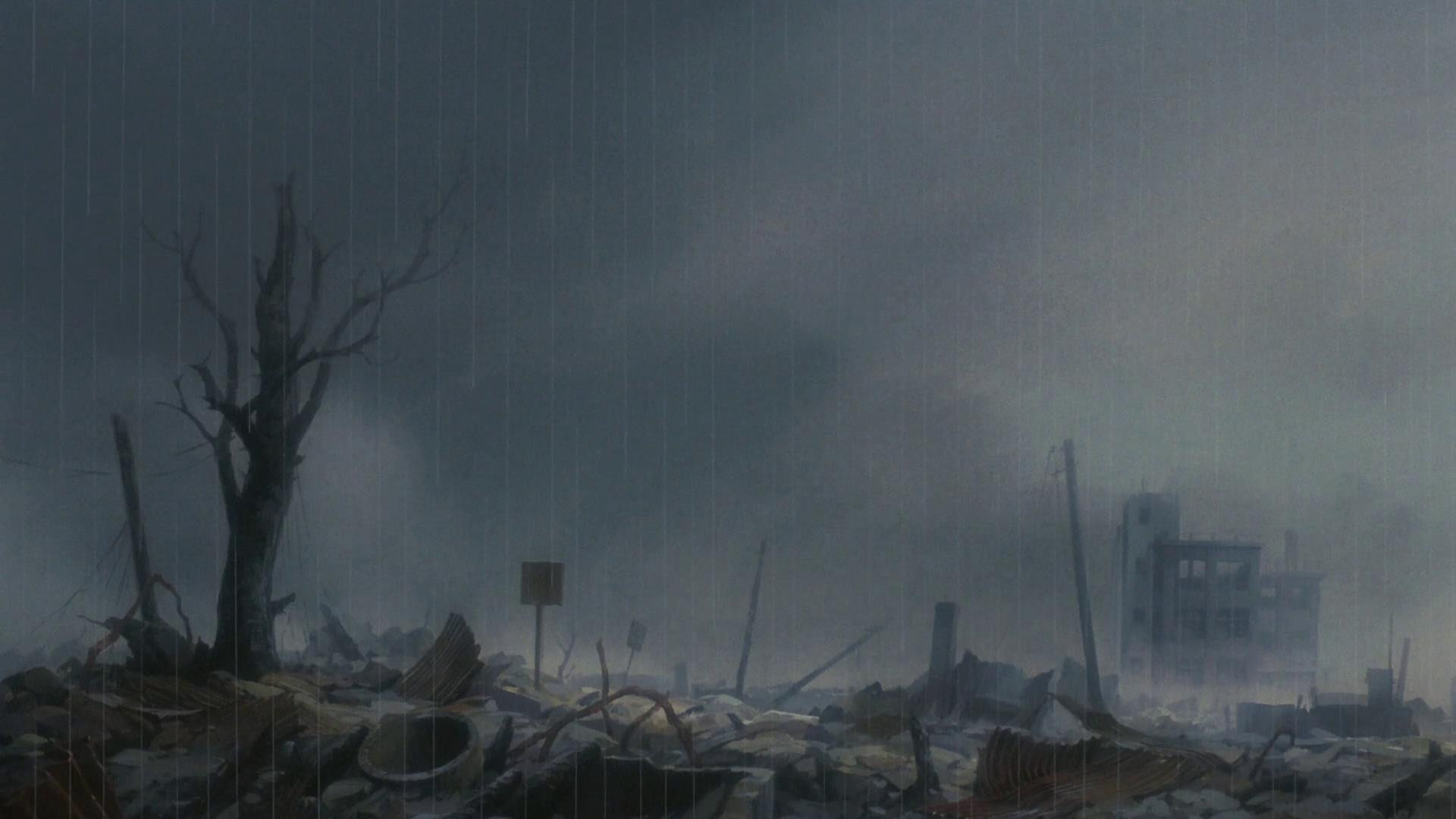
Isao Takahata’s animated war drama is harrowing because its children remain recognisably children. We recommend it strongly, with fair warning that their small moments of happiness make the suffering harder to bear.
Isao Takahata’s Grave of the Fireflies is an exceptional war film, and we recommend it strongly. Seita and Setsuko are children trying to survive in Japan during the final months of the Second World War. Takahata, who also writes the screenplay, keeps the practical business of that survival close: how to get through the day when resources are scarce and adults have their own needs. The children’s relationship gives us a reason to keep watching when the suffering becomes difficult to bear.
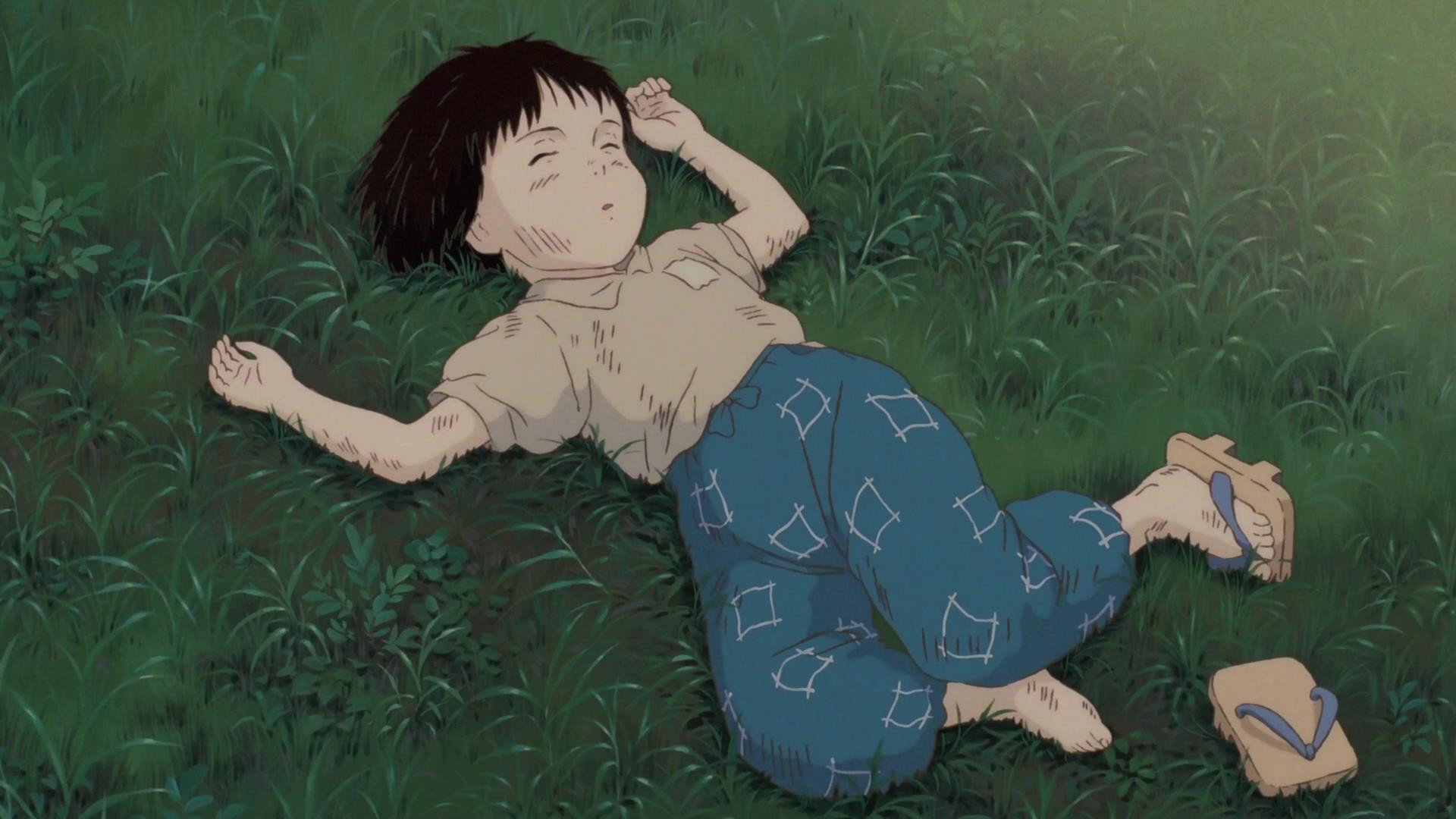
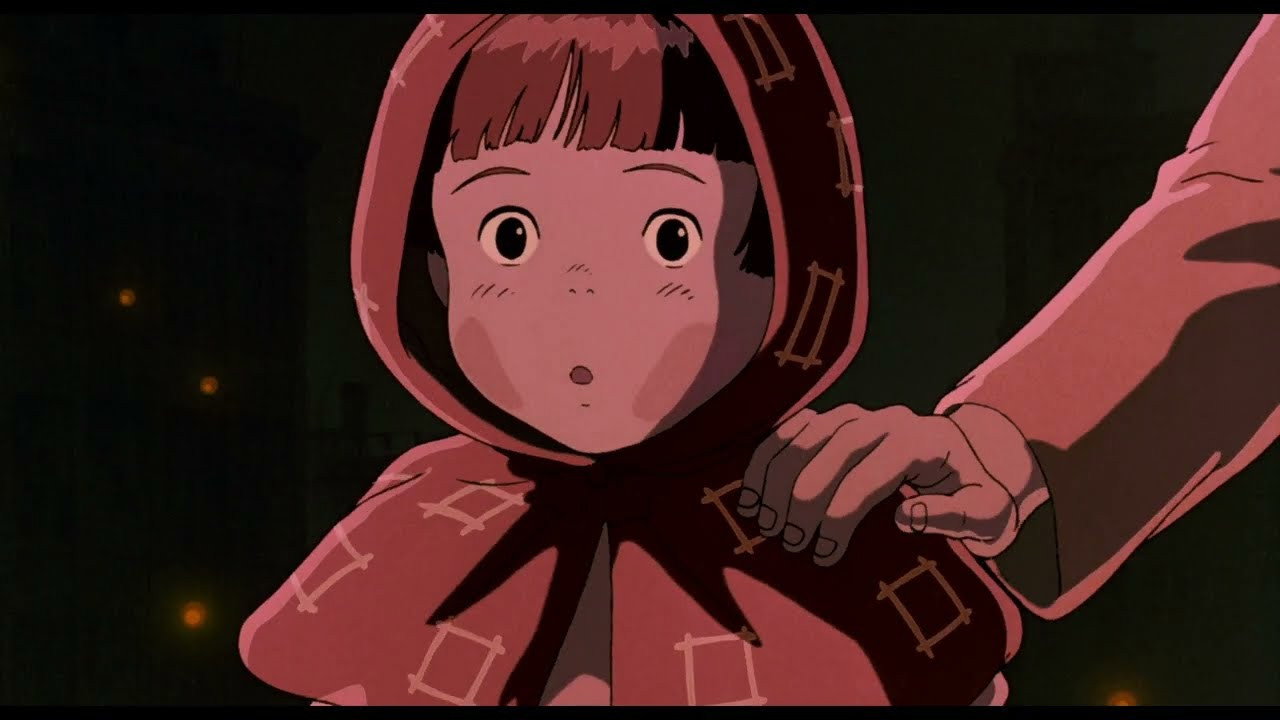
Tsutomu Tatsumi voices Seita, and Ayano Shiraishi voices Setsuko. Their performances help make the children convincing company, with room for pleasure and distraction even as their circumstances worsen. The drawing gives their ordinary responses the same care as their distress. That matters: children who existed only to be pitied would soon become unbearable for the wrong reason. Takahata allows them interests beyond the disaster, so we come to care about how they spend an ordinary hour.
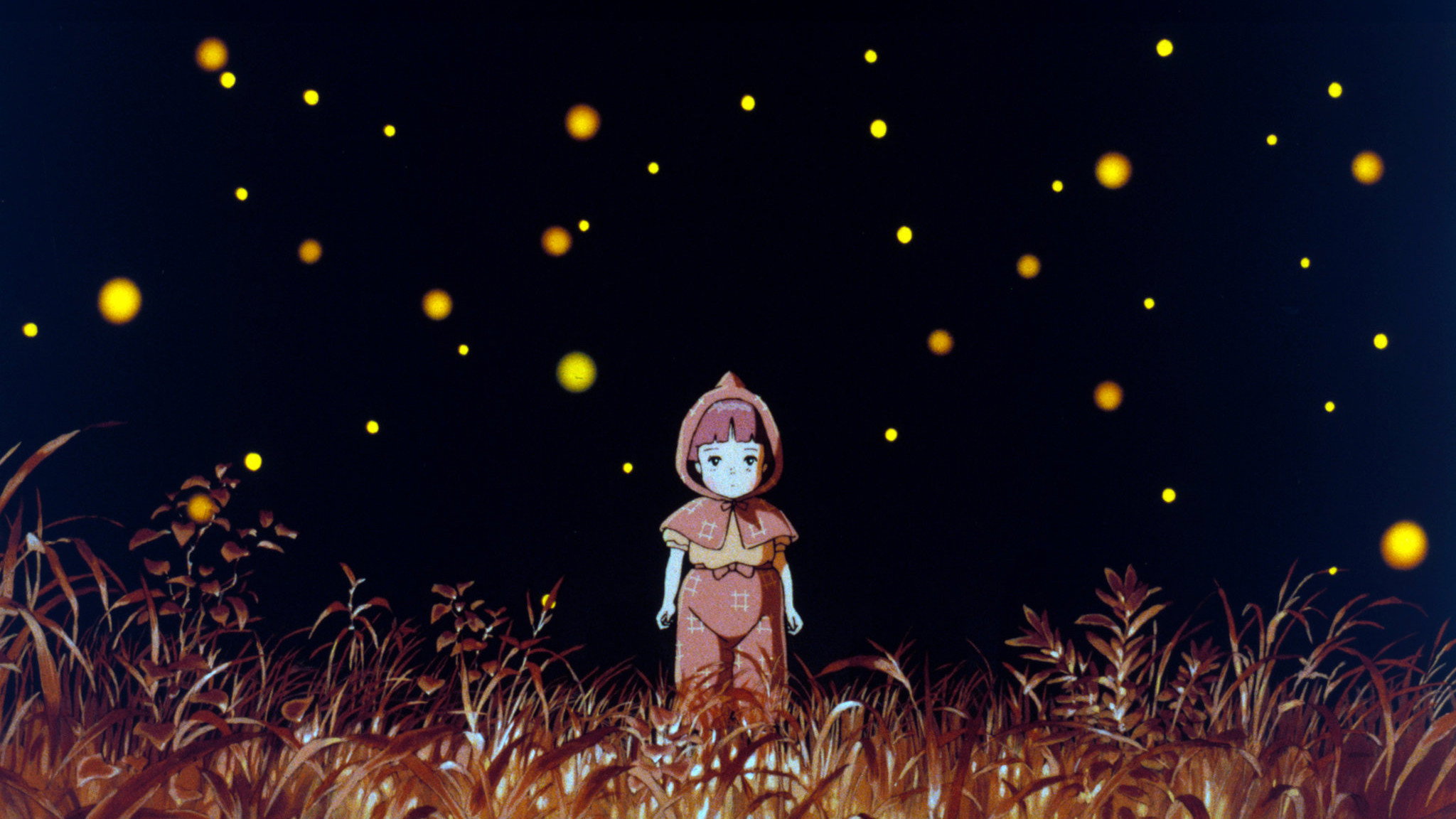
Nobuo Koyama’s cinematography finds its most affecting subject in the nocturnal fireflies. Their light is small against the darkness, and the children’s pleasure in them needs no explanation. We were moved more than we expected by that brief delight. After so much attention to hardship, seeing them absorbed in something with no practical use felt like a relief. The animation is precise enough to make the insects worth watching, without turning the surroundings into a comforting escape.
Takeshi Seyama’s editing gives the daily routines enough time to matter, which is essential to a story about having to keep going. The accumulation can be exhausting, but there is little sense of a scene being prolonged merely to extract another tear. Michio Mamiya’s music occasionally pushes harder than it needs to. The children’s faces have already made the distress clear, and the extra prompting feels unnecessary. It is a small reservation, though we would have preferred more confidence in those drawings.
Takahata is also exact about the failures of the people around the children. Scarcity encourages selfishness; pride makes decent behaviour harder, and nobody needs to become a theatrical villain for the consequences to be grave. The screenplay lets us recognise those failings without making excuses for them. The film is most disturbing when it shows how people cease to look after one another through small, recognisable decisions. The pressure of war gives those decisions consequences that cannot be shrugged off.
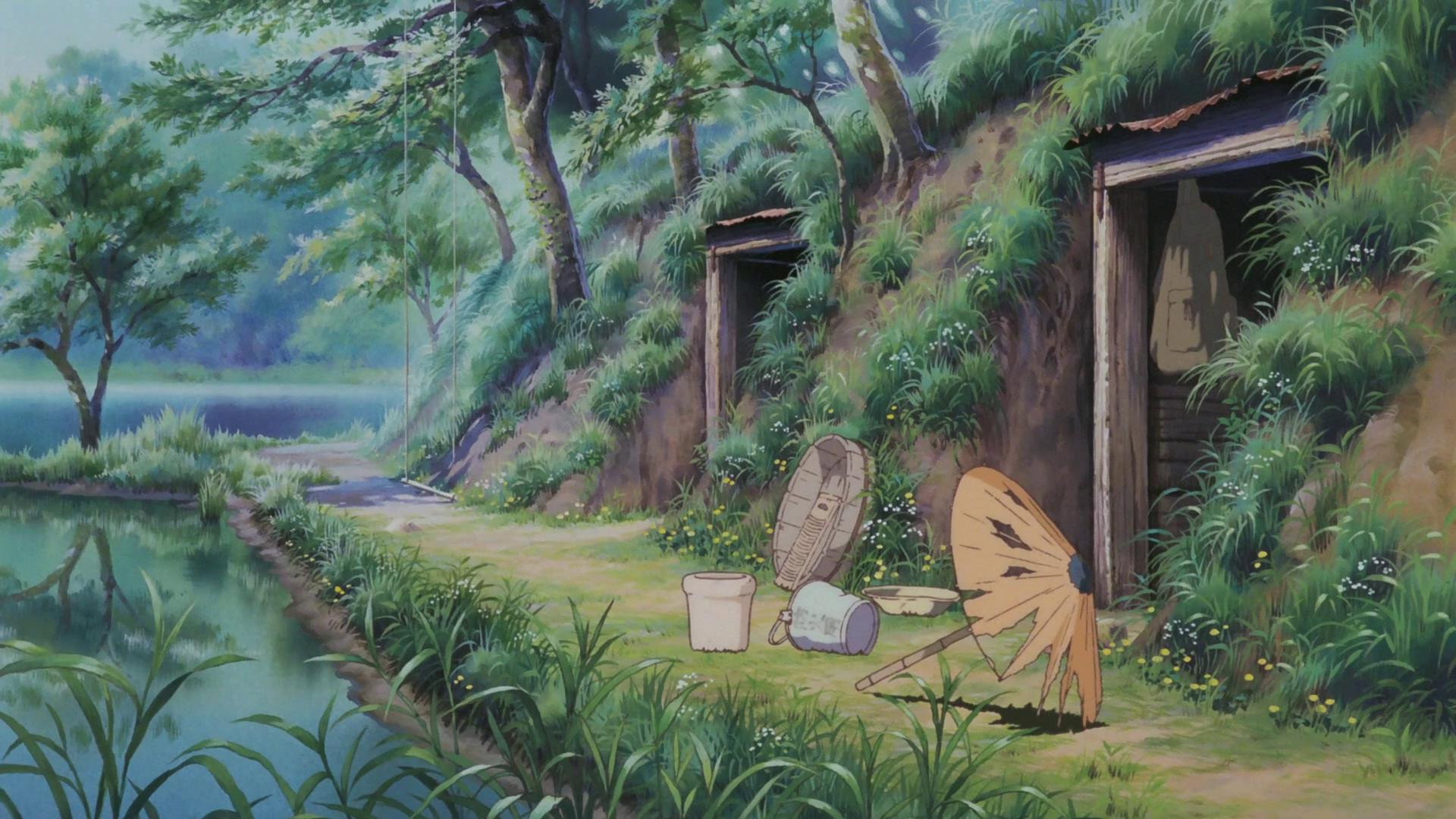
A war film can make a plan, a mission or a capable officer reassuring even when the danger is clear. Takahata gives us children with immediate needs and few ways of meeting them. The drawn figures carry a physical vulnerability that never feels softened by the medium. The moments of natural beauty belong here too: children can still be interested in their surroundings when adults would expect only fear.
We would leave the rest of the evening clear after its 89 minutes. The animation is no reason to mistake this for an easy family choice, and a 12A certificate cannot tell us how a particular child will respond. Choose it for an evening when nobody needs cheering up.