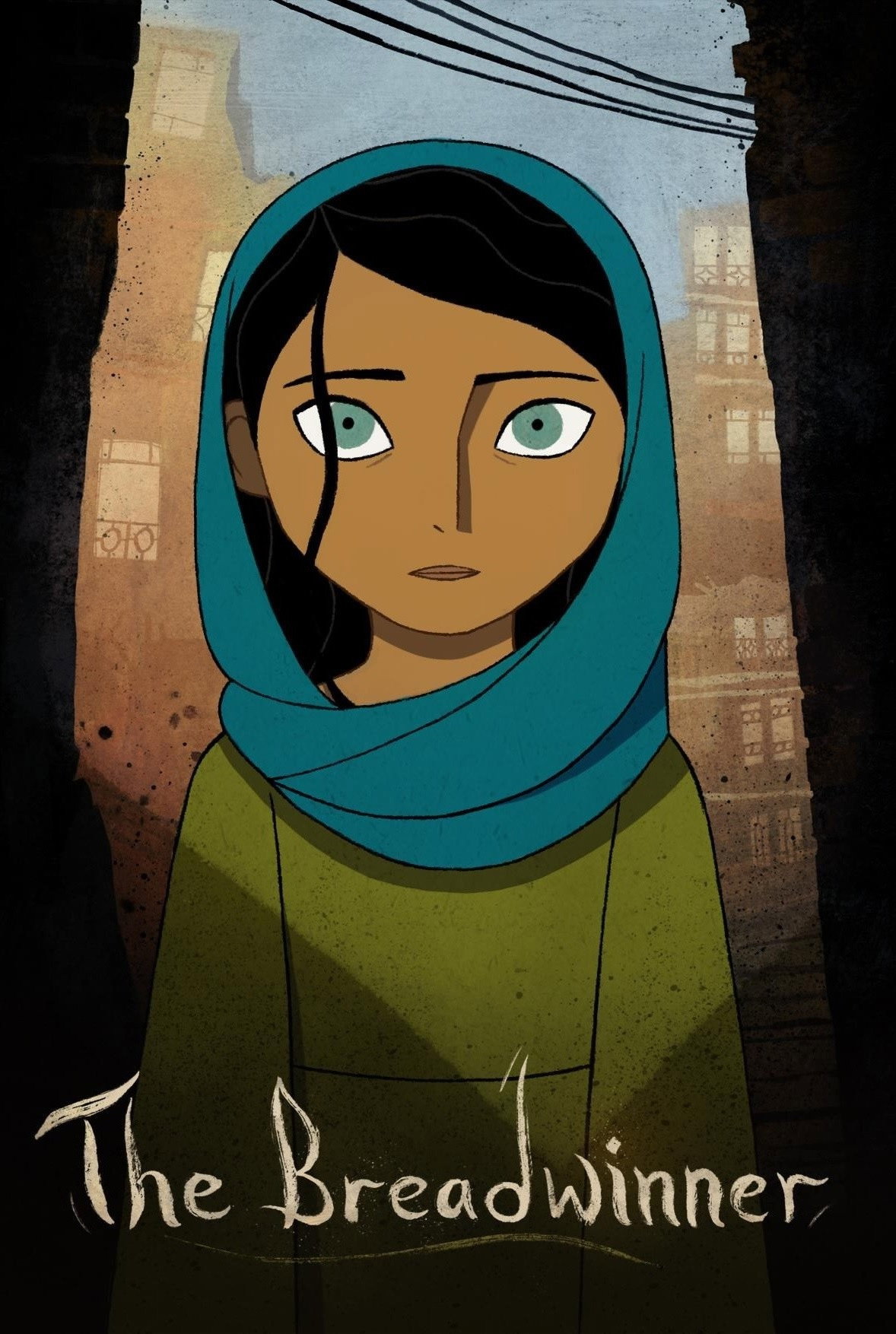
Nora Twomey’s animated drama is moving and frightening, with Saara Chaudry giving its young heroine a stubborn, believable voice. Some awkward shifts into fantasy interrupt the daily struggle to feed her family.
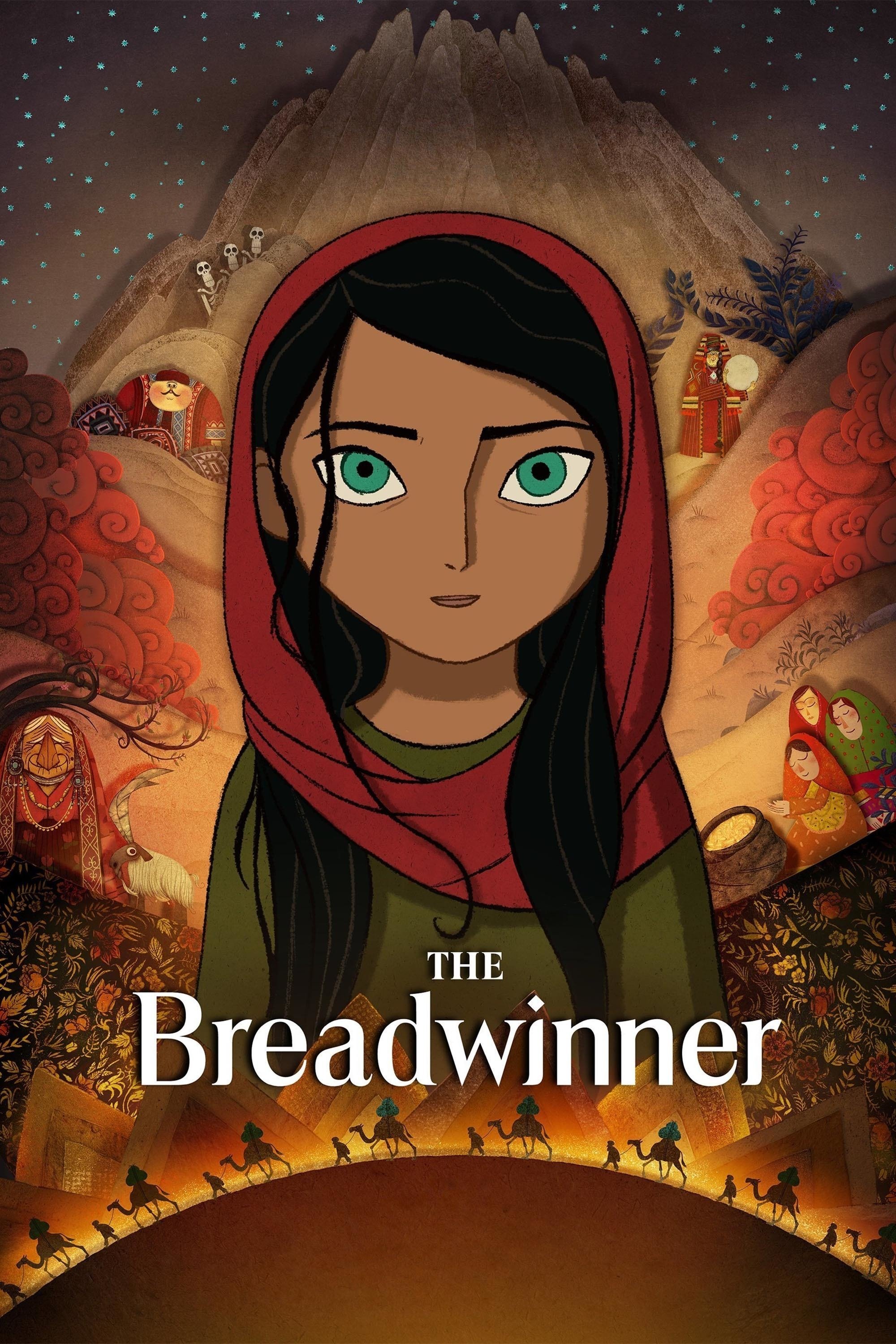
Nora Twomey’s The Breadwinner is a humane, unsettling animated drama, and we recommend it with one reservation about its shifts into fantasy. Its immediate business is food: Parvana must support her family under Taliban rule, dressing as a boy to do it. The director keeps those restrictions close enough to understand through a child’s day, and gives Parvana practical problems that cannot wait for a fairer government. Her need to keep the household fed determines where the story goes.
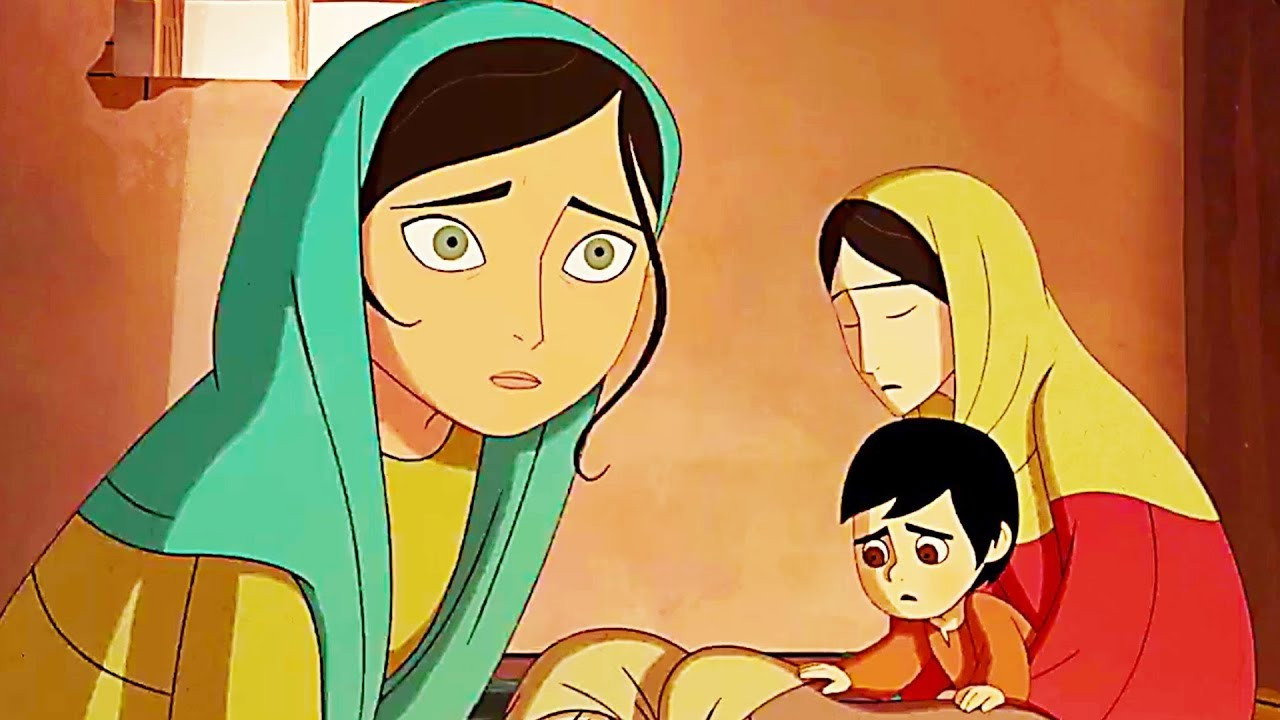
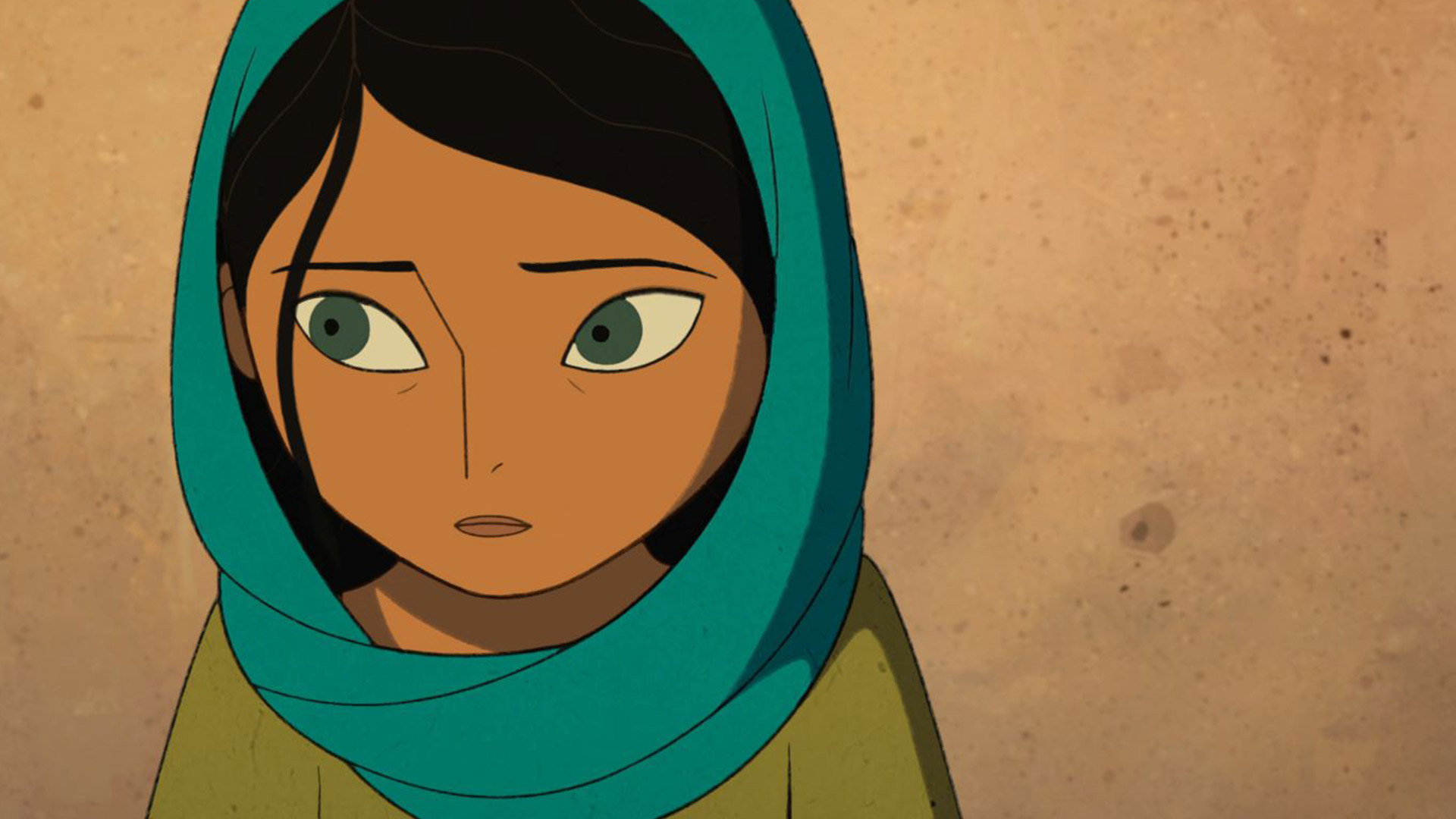
Anita Doron’s screenplay gives Parvana room to be resourceful without making her indestructible. With her father imprisoned, feeding the household becomes a child’s responsibility, and Saara Chaudry gives her voice enough firmness to make that terrible arrangement seem briefly workable. We were frightened for her when finding food depended on being taken for a boy. An ordinary encounter carries the risk of discovery, and the performance lets us hear the effort involved in getting on with things.
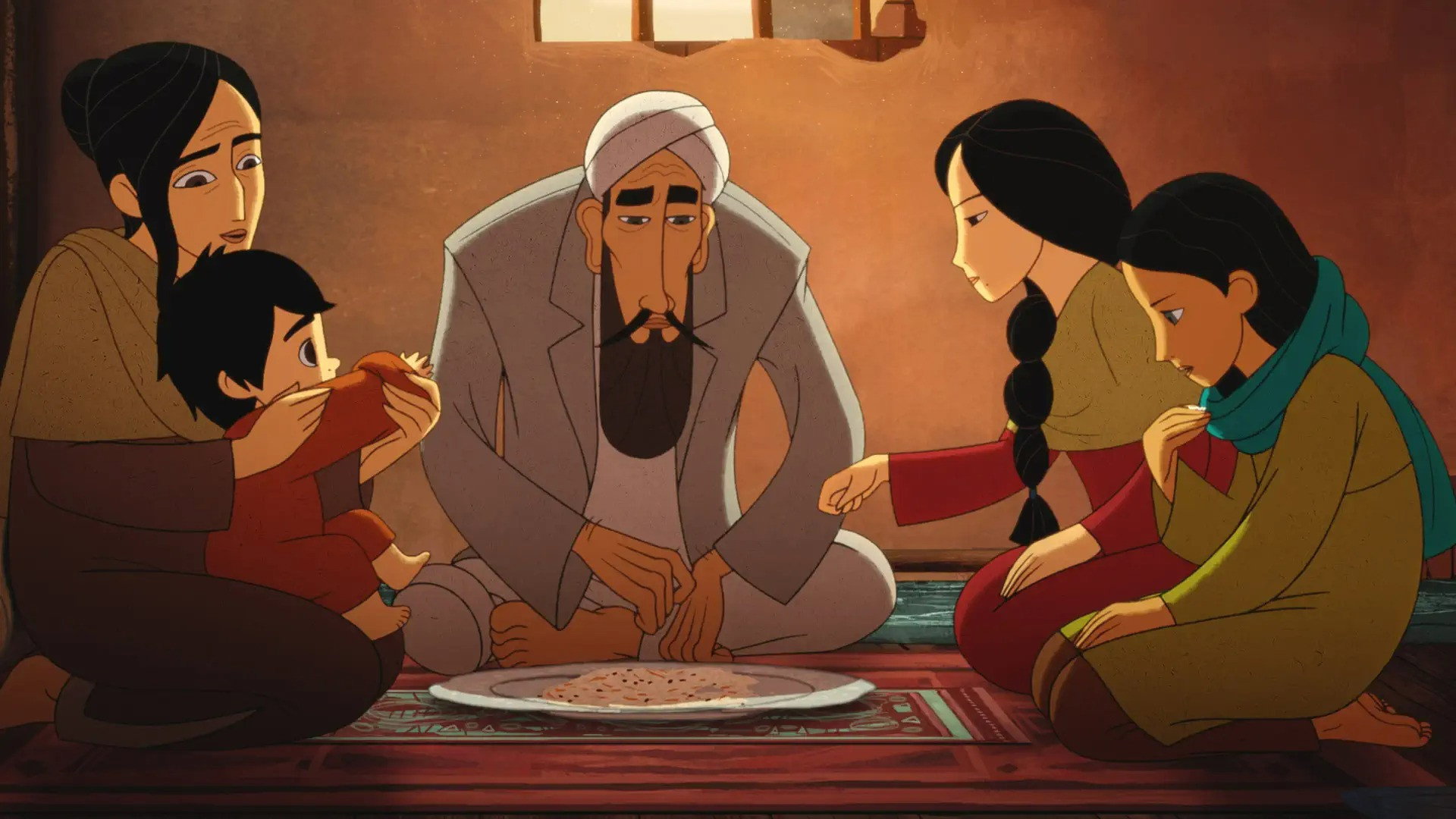
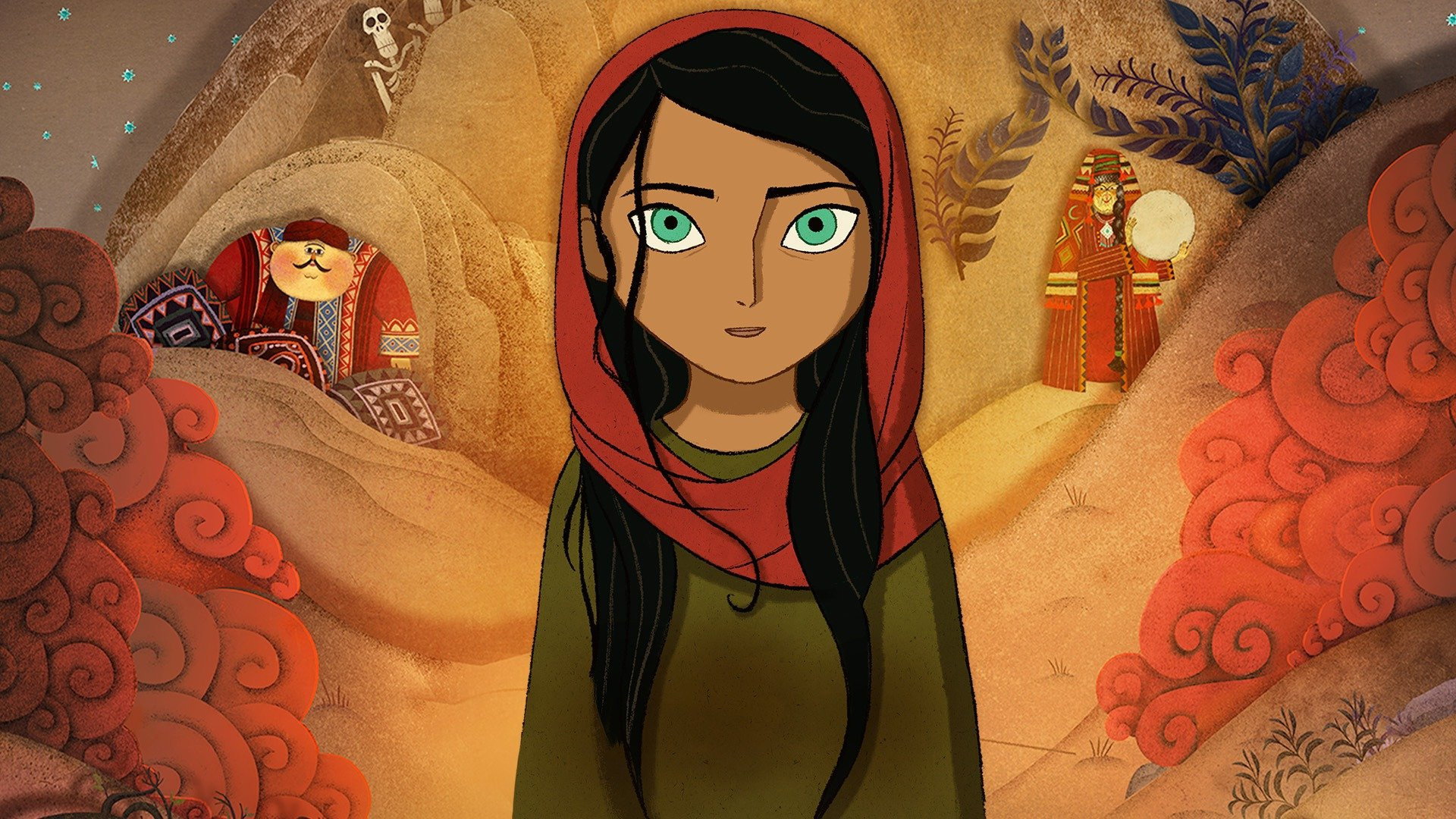
Sheldon Lisoy’s cinematography keeps the Kabul passages clear and legible, with dusty colour and simple lines that leave the characters’ expressions easy to read. The drawings do not soften the threat of violence, because the faces show enough fear for us to understand what is at stake. There is no need to explain every feeling in dialogue. That restraint makes the violence bearable to watch without making it seem harmless.
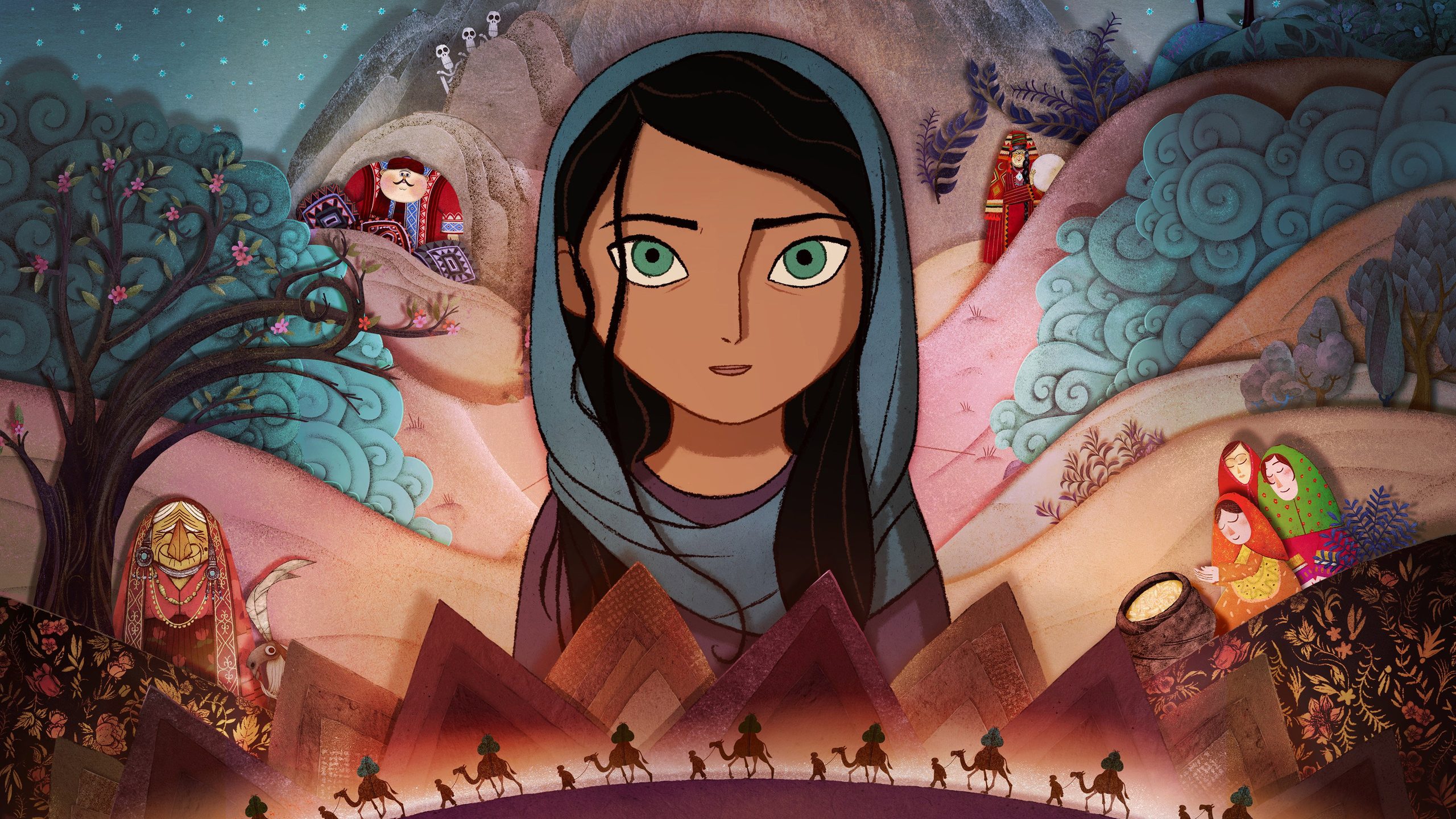
The storytelling passages let the animation become more elaborate, with folklore taking its place alongside the routines of survival. The change from the simpler drawing of daily life is clear, and the film does not need to stop and explain it. These sequences make sense for a child trying to imagine beyond the conditions around her. They also keep the film from becoming a procession of injuries, each presented to prove the same point about cruelty.
The difficulty is getting back and forth. Darragh Byrne’s editing generally makes the two strands easy to follow, but some returns to the fables arrive just as Parvana’s immediate problems have become absorbing. We occasionally wanted to stay with her and finish the task at hand. The screenplay gives the storytelling enough significance that it cannot simply be treated as a breather, yet its separate demands can make the narrative feel busier than it needs to be.
Mychael Danna and Jeff Danna’s music supplies warmth without insisting that everything will be all right. Its optimism is useful: a film about a child finding a way through terror needs to allow for her energy as well as her fear. The supporting voices have a similar steadiness, with Soma Chhaya as Shauzia helping to keep the dialogue conversational. The actors sound alert to one another, which helps when the script has a great deal to get across.
Animation is often asked to make frightening subjects easier for children, a demand this film answers carefully. The simple drawing helps us understand what is happening; the restrictions themselves remain appalling. At 94 minutes, it asks for sustained attention, and its 12A certificate is worth taking seriously. For older children, allow time afterwards to talk about why Parvana needs a disguise to do something as ordinary as buying food.