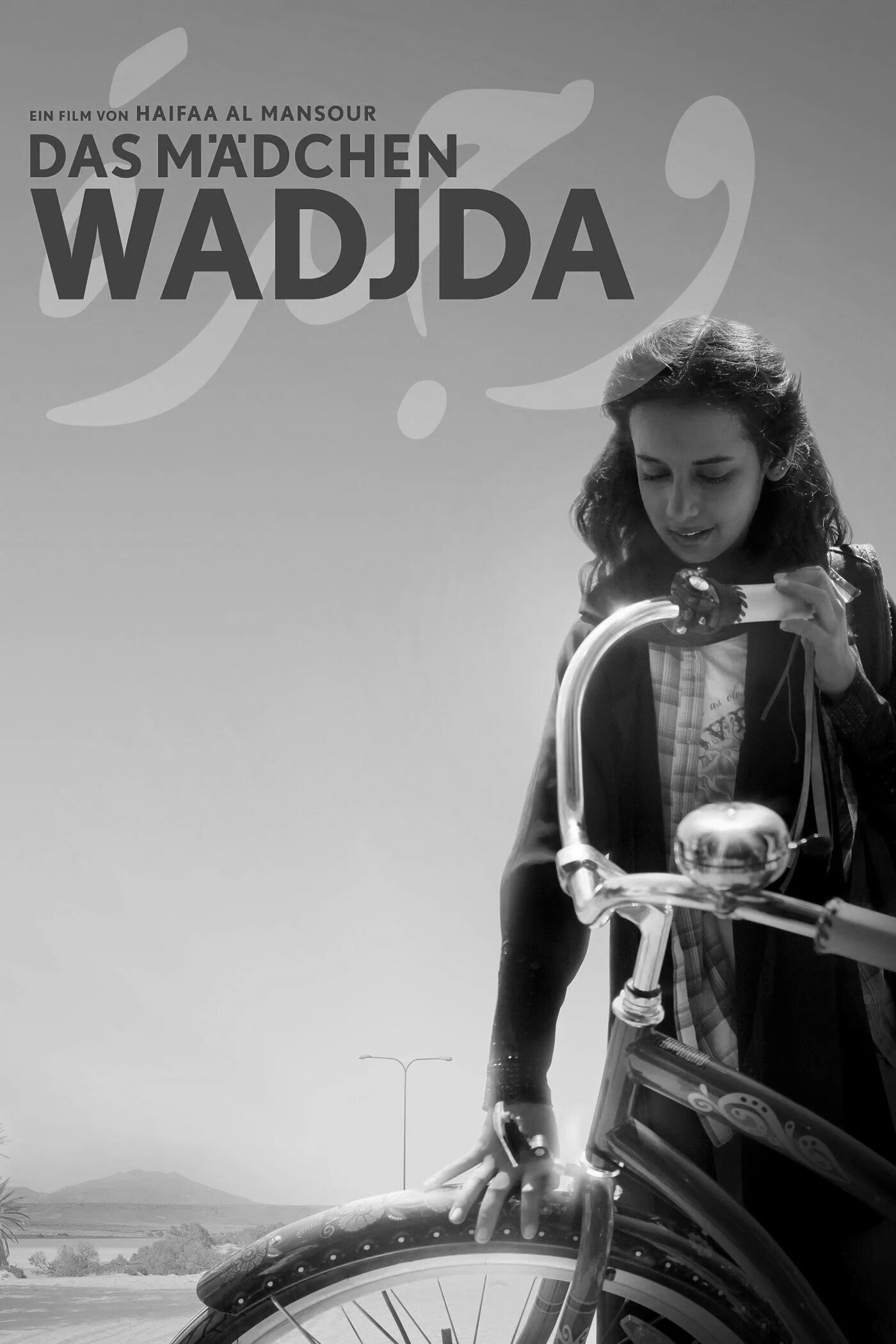
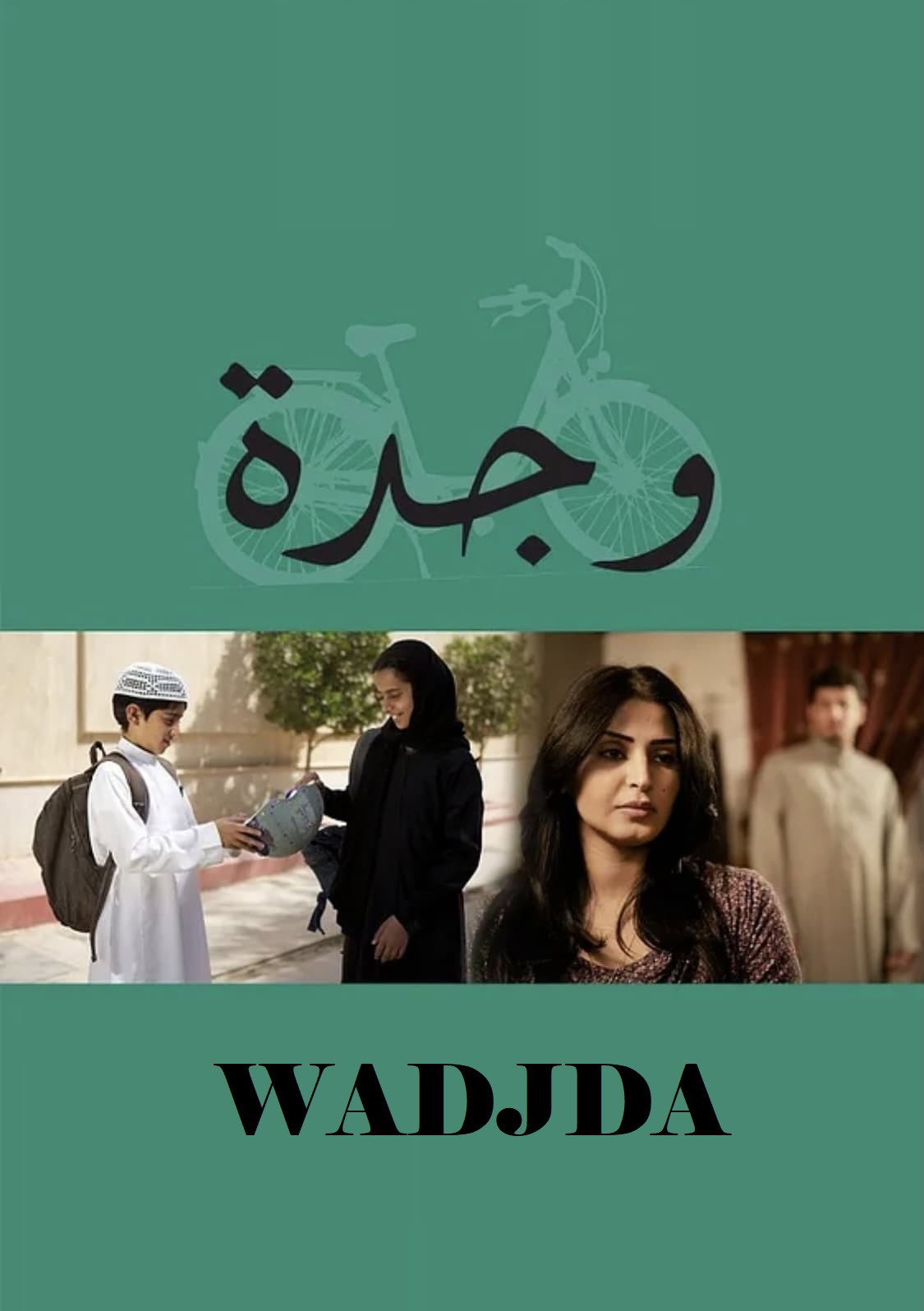
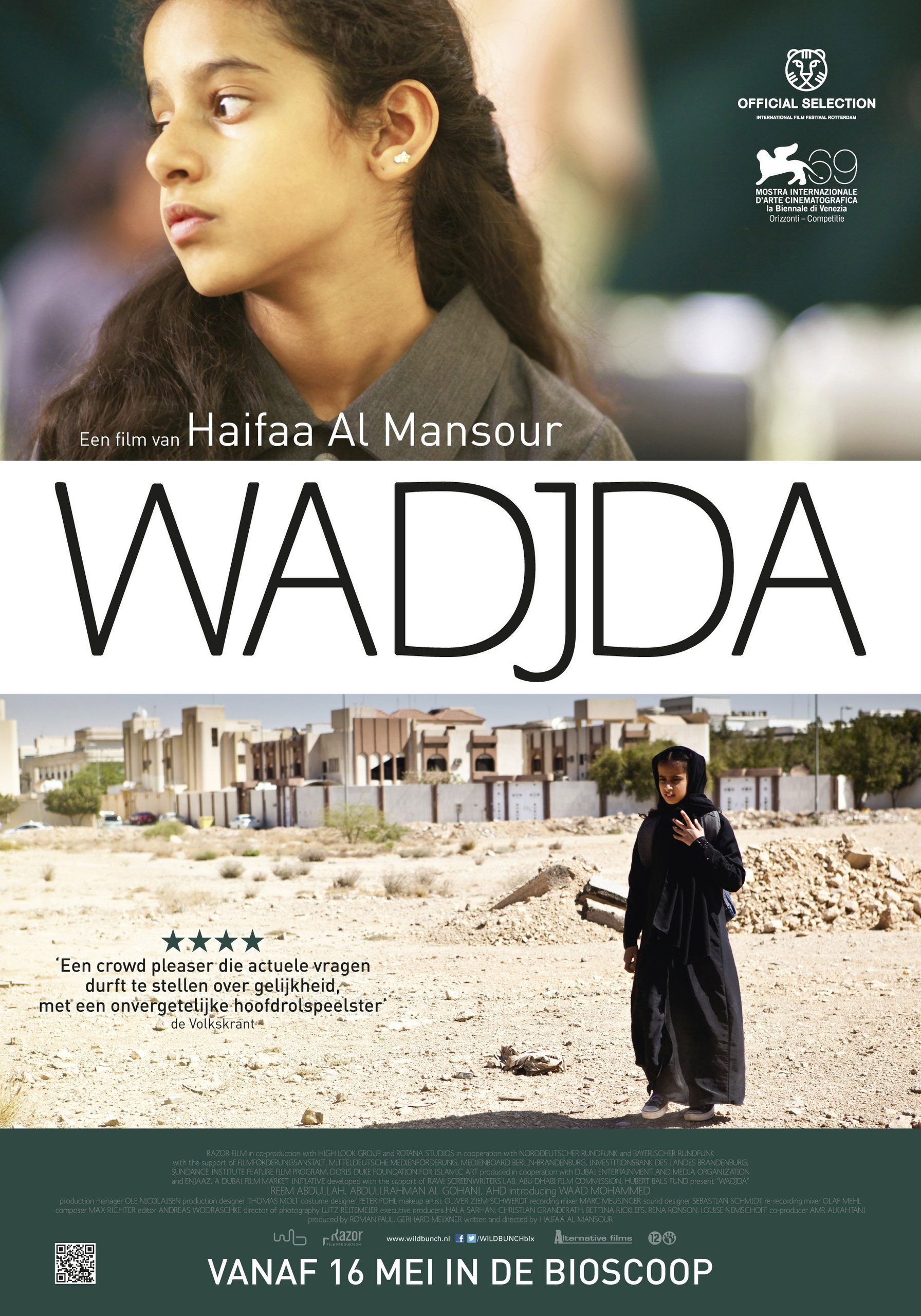
Haifaa al-Mansour’s first feature, shot entirely in Saudi Arabia, is a plain, funny story about a ten-year-old who wants a bicycle. It says hard things without raising its voice, and Waad Mohammed is a find. The adults are drawn more simply than she is.
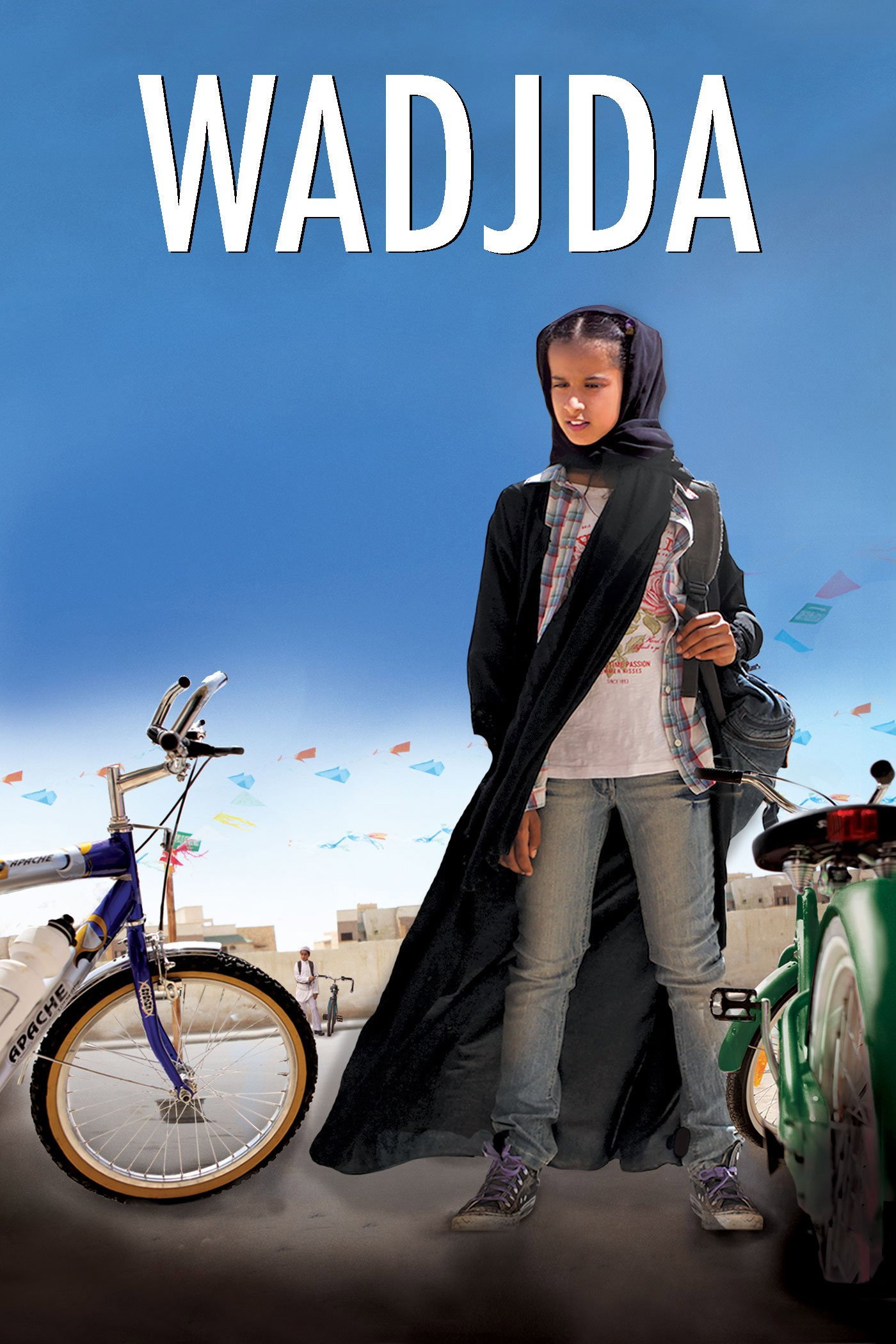
Wadjda (Waad Mohammed) is ten years old, lives in Riyadh, and wants a bicycle. That is the whole plot of Haifaa al-Mansour’s first feature, which she also wrote, and the first film shot entirely inside Saudi Arabia by a woman. She has kept the plot that small on purpose. A bicycle is a thing a boy can have and a girl cannot, and once you accept that, the rest of the city comes into focus around it.
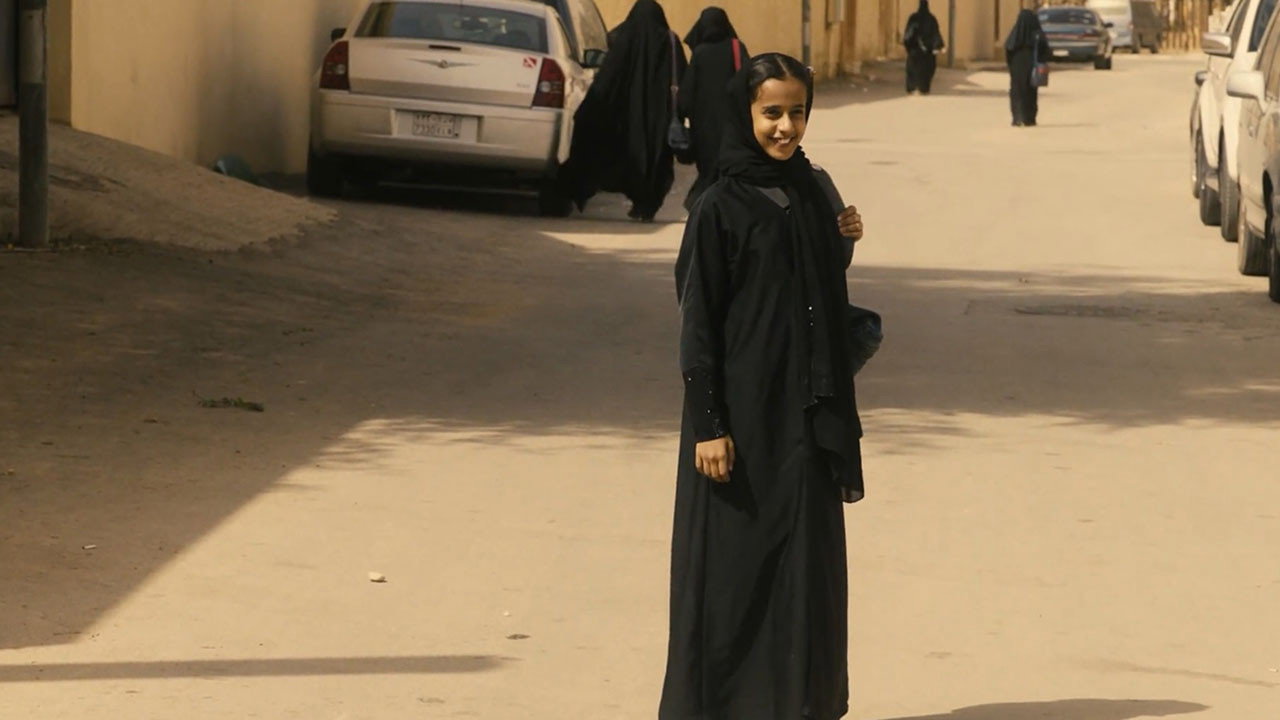
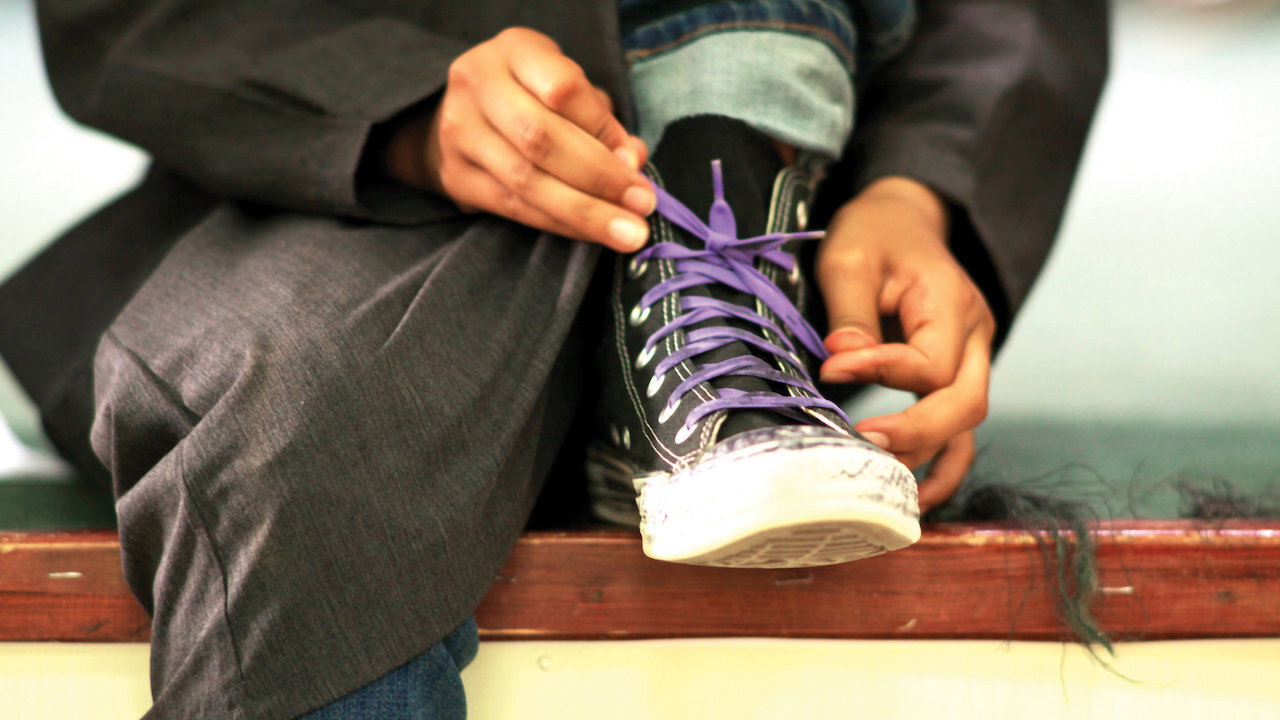
Mohammed is the reason it works. Her Wadjda wears black trainers with purple laces under her school abaya, plays Western pop off a cassette radio, and runs a trade in bracelets and mixtapes at school. She is not cute. She lies to teachers, haggles with the toy-shop owner and trades insults with the neighbour boy Abdullah (Abdullrahman Algohani), and Mohammed plays all of it with a flat, watchful face that gives nothing away. We believed her from the first shot, a line of school shoes with one pair of scuffed trainers at the end of it.
Lutz Reitemeier shoots Riyadh in a white, bleached daylight that flattens everything: concrete walls, wide empty roads, a green bicycle on top of a passing van that seems to be gliding along a wall. That shot gave us a lift we were not expecting, and Richter’s piano comes in under it, then goes quiet. Indoors, Thomas Molt’s production design does most of the arguing. The family home has a tree of paper leaves on the wall, every name on it a man’s, and Wadjda notices it before we do. Peter Pohl’s costumes make the same point without a word: black in the street, colour behind the front door.
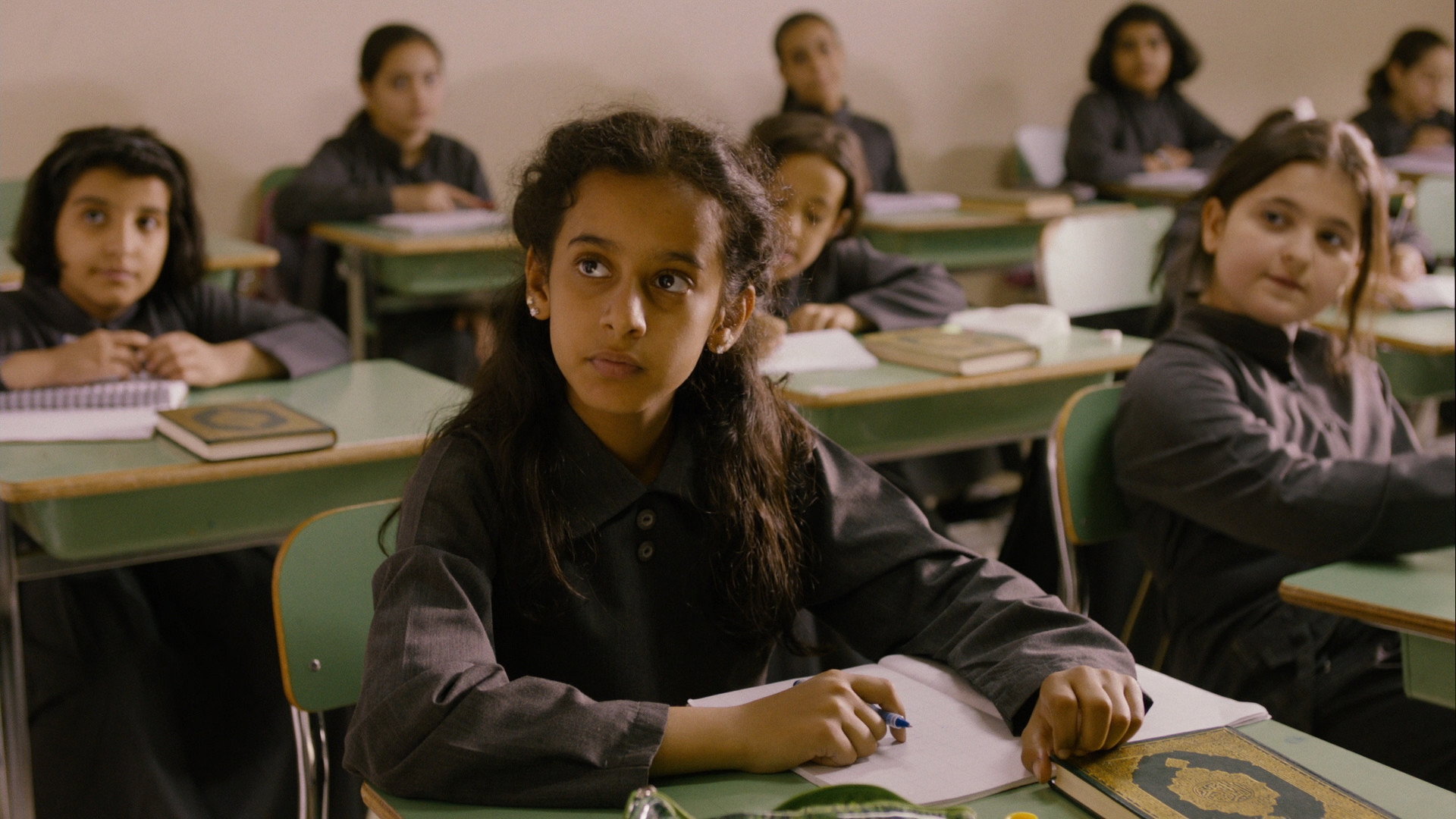
The scene that made us angrier than we expected is over in under a minute. Girls are playing in the school yard, someone spots workmen on a roof across the way, and the whole class is hurried indoors because men can see them. Nobody shouts. Andreas Wodraschke does not hold on it; the film moves on to the next lesson, as the girls do. That is how al-Mansour works throughout. The rules are shown as weather, and it is left to us to mind.
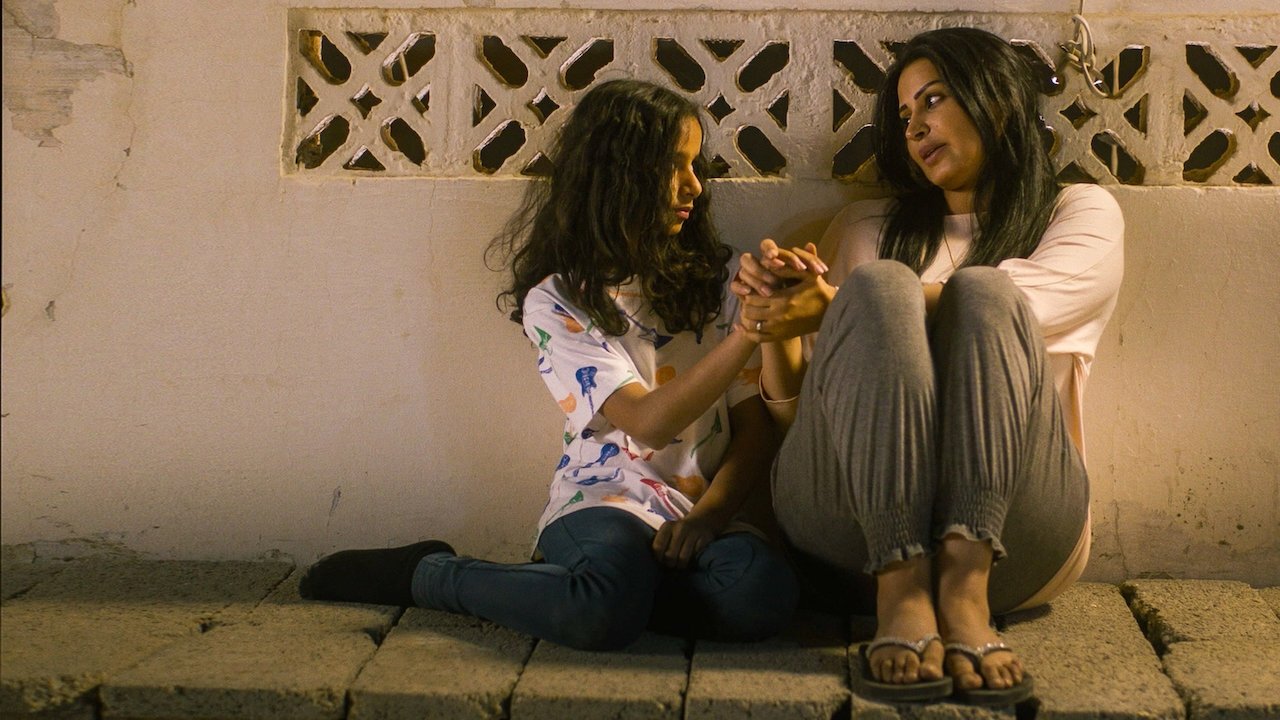
Reem Abdullah, as Wadjda’s mother, carries the strand that hurt most. She is driven to work by a man who bullies her because she is not allowed to drive herself, and she spends her evenings trying to keep a husband (Sultan Al Assaf) whose family wants him to marry again and produce a son. Al Assaf plays the father as kind, fond and absent, which unsettled us more than a brute would have. The mother and daughter scenes, singing along to a tape in the back of the car, arguing about the bicycle, are the best written in the film.
Not everything is that well judged. Ahd Kamel’s headmistress, Ms. Hussa, is close to a pantomime figure, with a rumoured private life the girls whisper about, and she is mostly there to be against. Al-Mansour makes several points twice: the family tree gets a second scene it does not need, and the business of drivers and who may sit in whose car is spelled out more than once. The children at school, Dana Abdullilah’s Salma among them, are types rather than people.
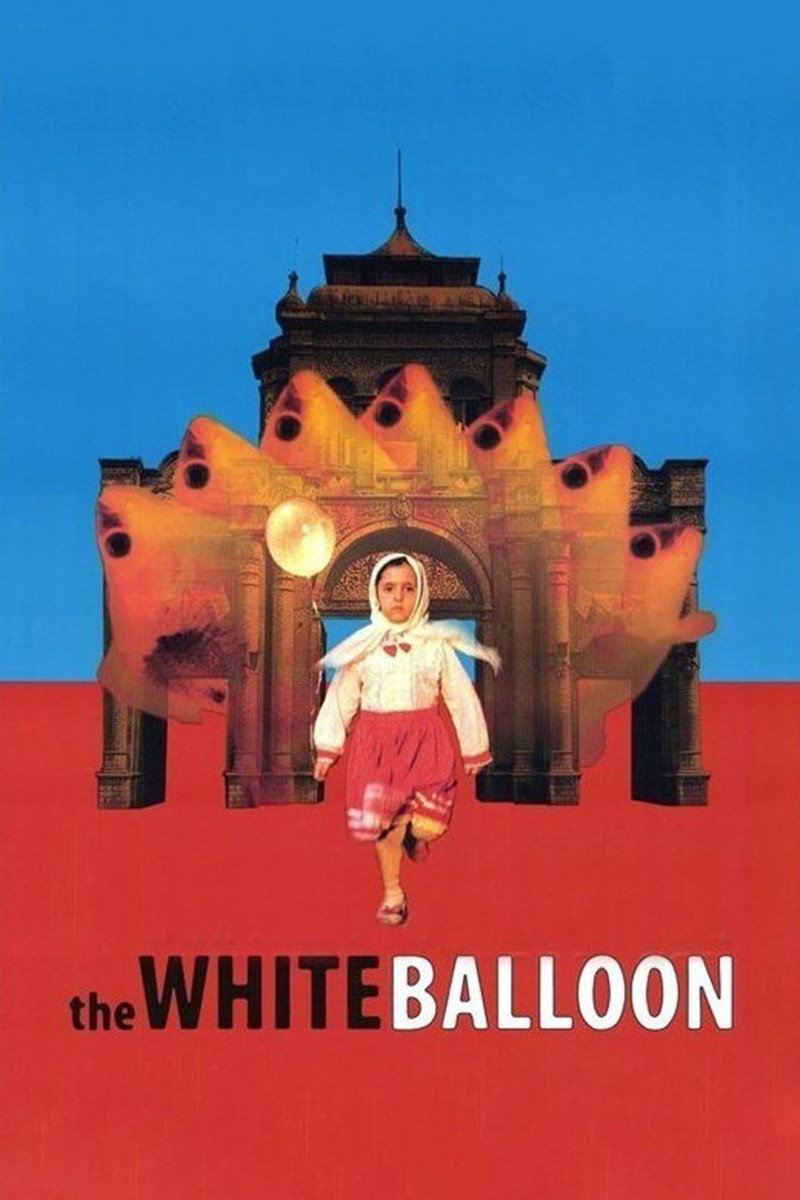
Some critics have found it too soft and too ready to end on hope. We think the softness is deliberate and mostly earned. Al-Mansour was making a film in a country with no cinemas, and she chose a story that could travel. It owes something to the Iranian films about children that came before it, Jafar Panahi’s The White Balloon in particular, and it is not as tough as the best of them. It is not trying to be.
It is 98 minutes, a PG, and it goes somewhere in its second half that we will not describe, except to say it does not go where the setup suggests. Watch it with a child of Wadjda’s age. They will side with her sooner than you do, and they will ask you why she cannot have the bike, and you will find the answer harder to give than you expect.