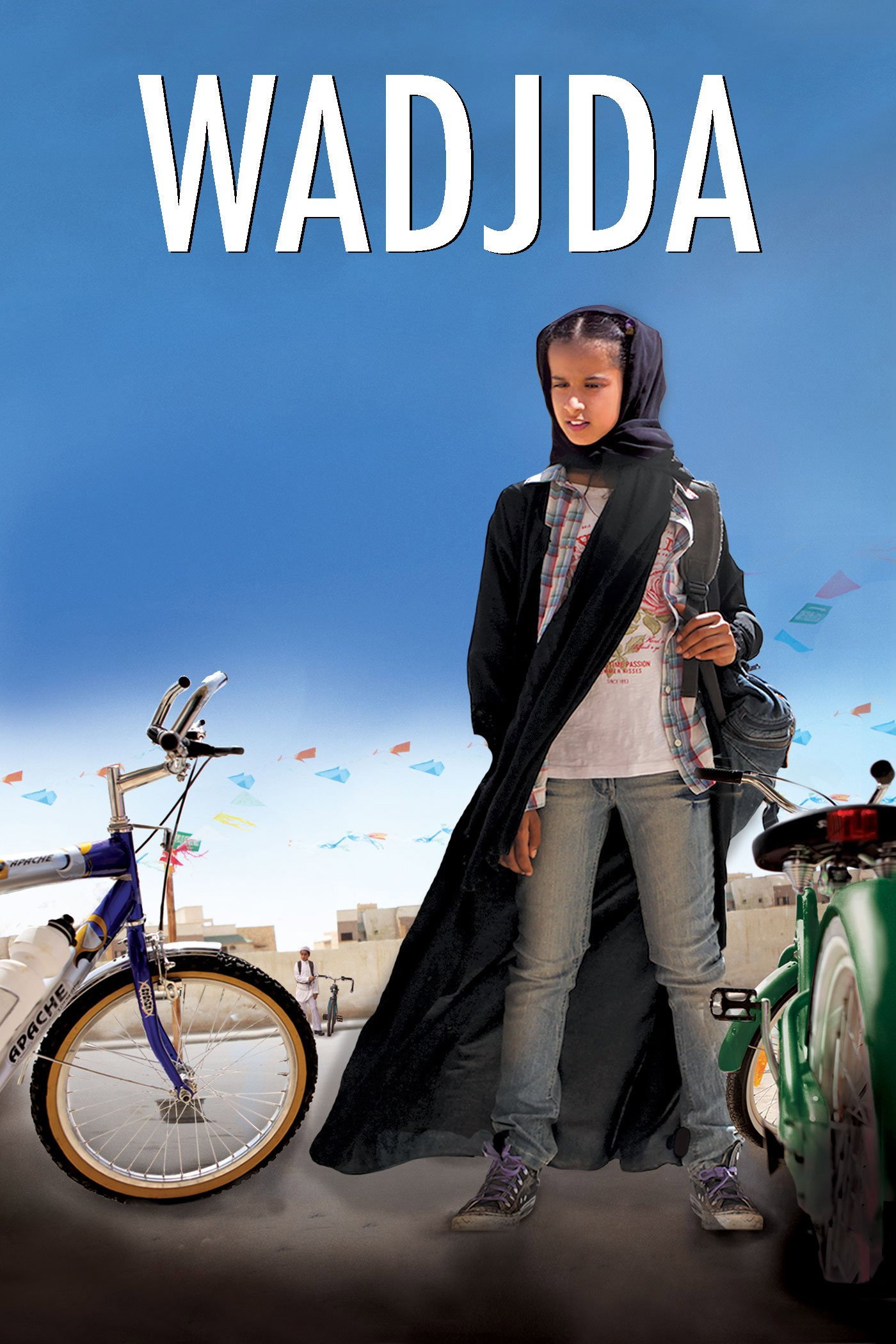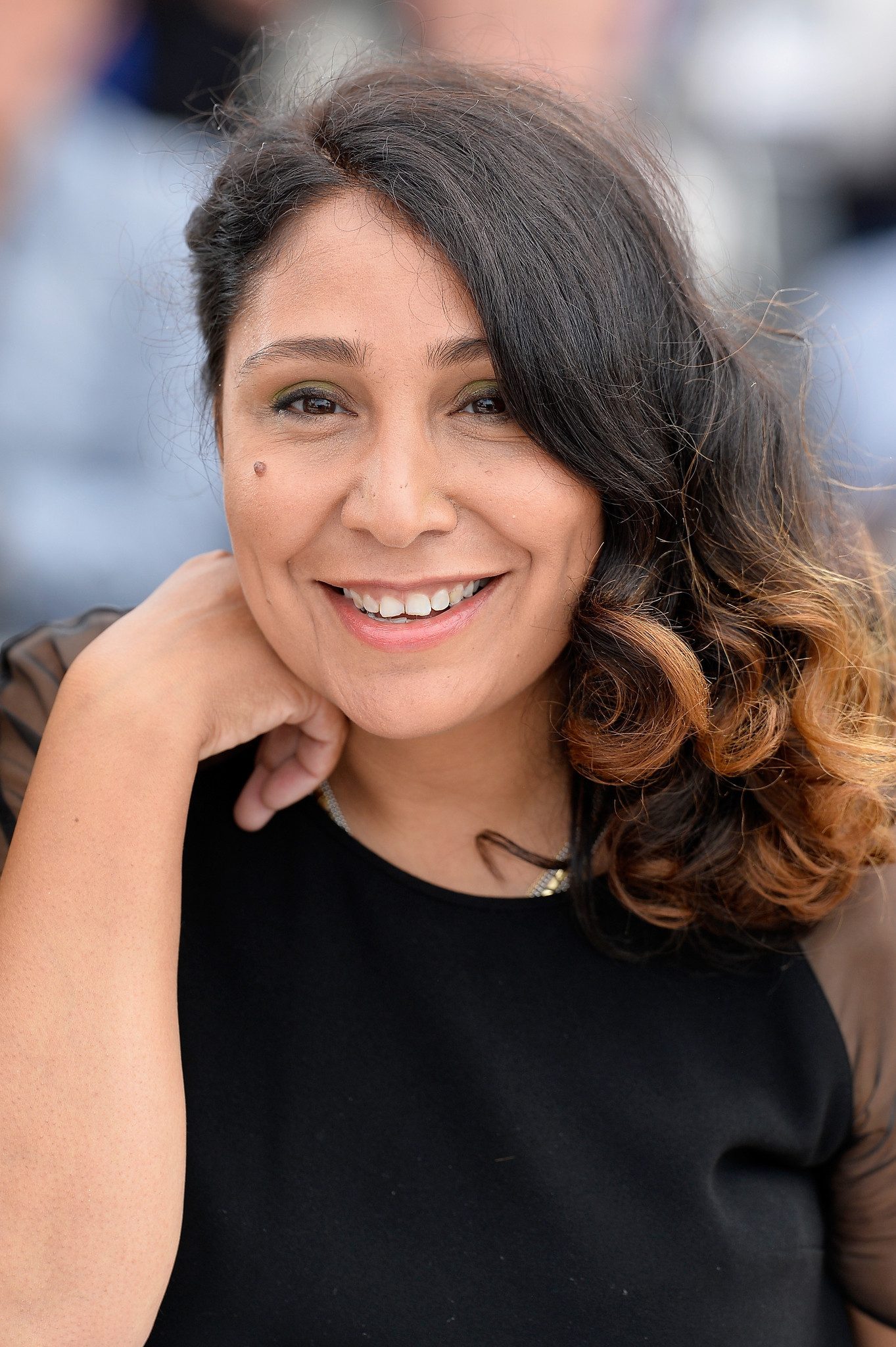
Haifaa al-Mansour makes small, plain films about women who want something they are not allowed to have. She shows the rules that stop them as weather, and leaves it to us to mind. Wadjda is still the one to see.
Fi1m perspective
Girls are playing in a school yard in Riyadh. Someone spots workmen on a roof across the way, and the whole class is hurried indoors, because men can see them. Nobody shouts, nobody explains, and Andreas Wodraschke cuts away to the next lesson before we have finished taking it in. That scene in Wadjda (2012) made us angrier than we expected, and it is the clearest statement of how Haifaa al-Mansour works. The rules are shown as weather. It is left to us to mind.
Wadjda was her first feature, written as well as directed, and the first film shot entirely inside Saudi Arabia by a woman. In public spaces where men and women are kept apart, she directed from inside a vehicle over a walkie-talkie. The plot is a ten-year-old (Waad Mohammed) who wants a bicycle, which a boy may have and a girl may not; everything else in the city comes into focus around that. Before it she had made shorts and a documentary, Women Without Shadows (2005), about the hidden lives of women in the Gulf. After it she went abroad: Mary Shelley (2017), a period drama about the author of Frankenstein, then Nappily Ever After (2018), both in English. She came home for The Perfect Candidate (2019), about a woman running for office, the first feature backed by the new Saudi Film Commission, with Bradley Niemann, who has written and produced two films with her. There has since been Unidentified (2025) and television, including episodes of Fear the Walking Dead and Mayfair Witches.
What she does well is refuse to make her women victims. Wadjda is funny and wants things, and Mohammed, who is a find, plays her without a trace of pleading. Where al-Mansour is weaker is with everyone else. Ahd Kamel's headmistress is close to a pantomime figure, there mostly to be against; the schoolgirls are types; and the film makes several of its points twice, the family tree and the business of drivers among them. She has said, "I love complicated women." In Wadjda the girl is complicated and the adults around her are not, and that gap is the one thing we would most want the later films to have closed.
Some critics find her too soft and too ready to end on hope. We think the softness is chosen. She was making a film in a country with no cinemas, and she picked a story that could travel; it owes something to the Iranian films about children, Jafar Panahi's The White Balloon in particular, and it is not as tough as the best of them. It is not trying to be. Start with Wadjda, and notice how little of it is raised above a speaking voice.
Biography
Haifaa al-Mansour is a Saudi Arabian film director, producer and screenwriter. She is one of the first female filmmakers from Saudi Arabia. Her feature debut Wadjda (2012), which she also wrote, was the first feature film shot entirely in Saudi Arabia and the first made by a female Saudi director.
She studied comparative literature at the American University in Cairo and completed a master's degree in film studies at the University of Sydney. Earlier work includes three short films and the 2005 documentary Women Without Shadows. Subsequent feature films include Mary Shelley (2017) and The Perfect Candidate (2019). She has also directed episodes of television series such as Fear the Walking Dead and The Wilds.