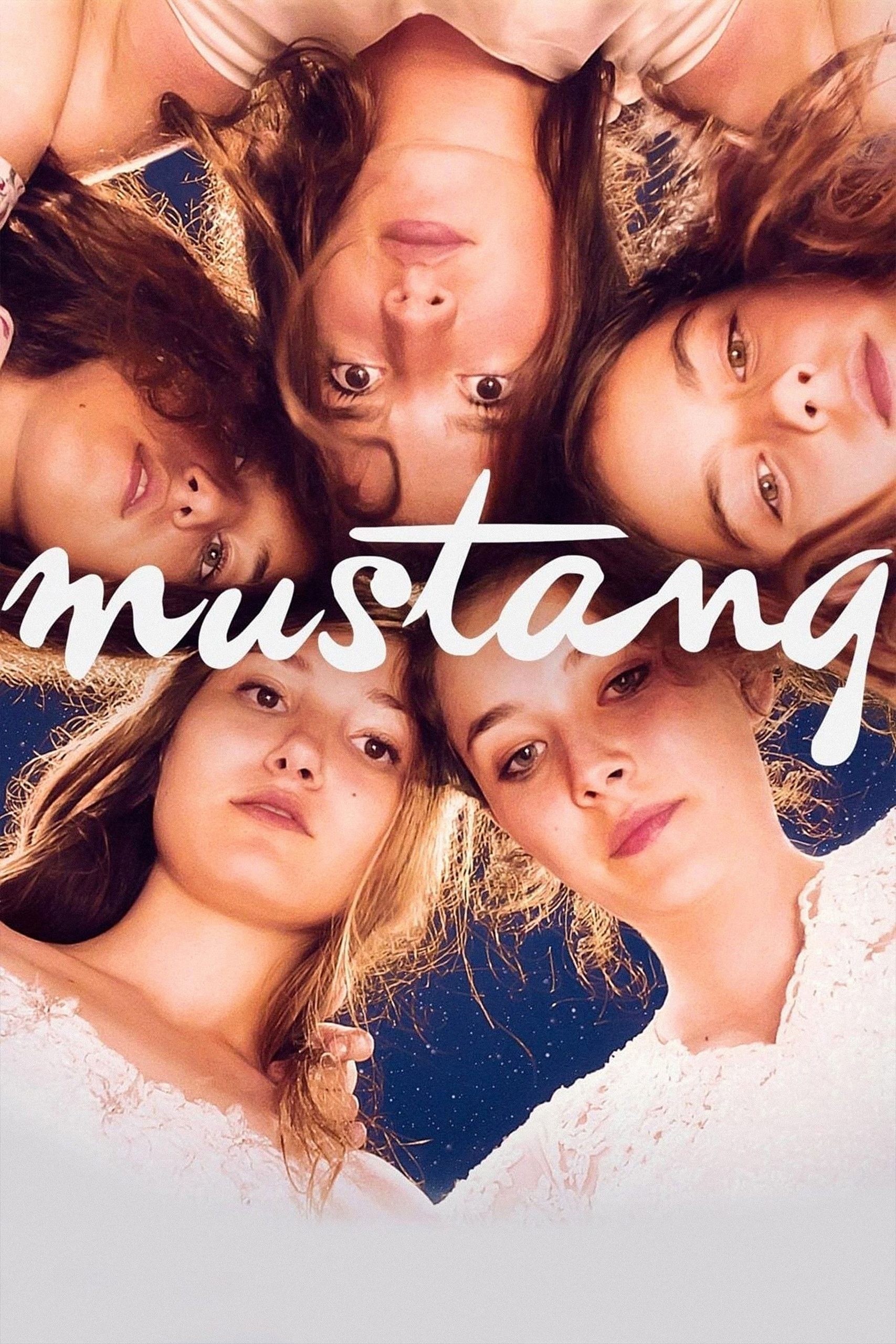
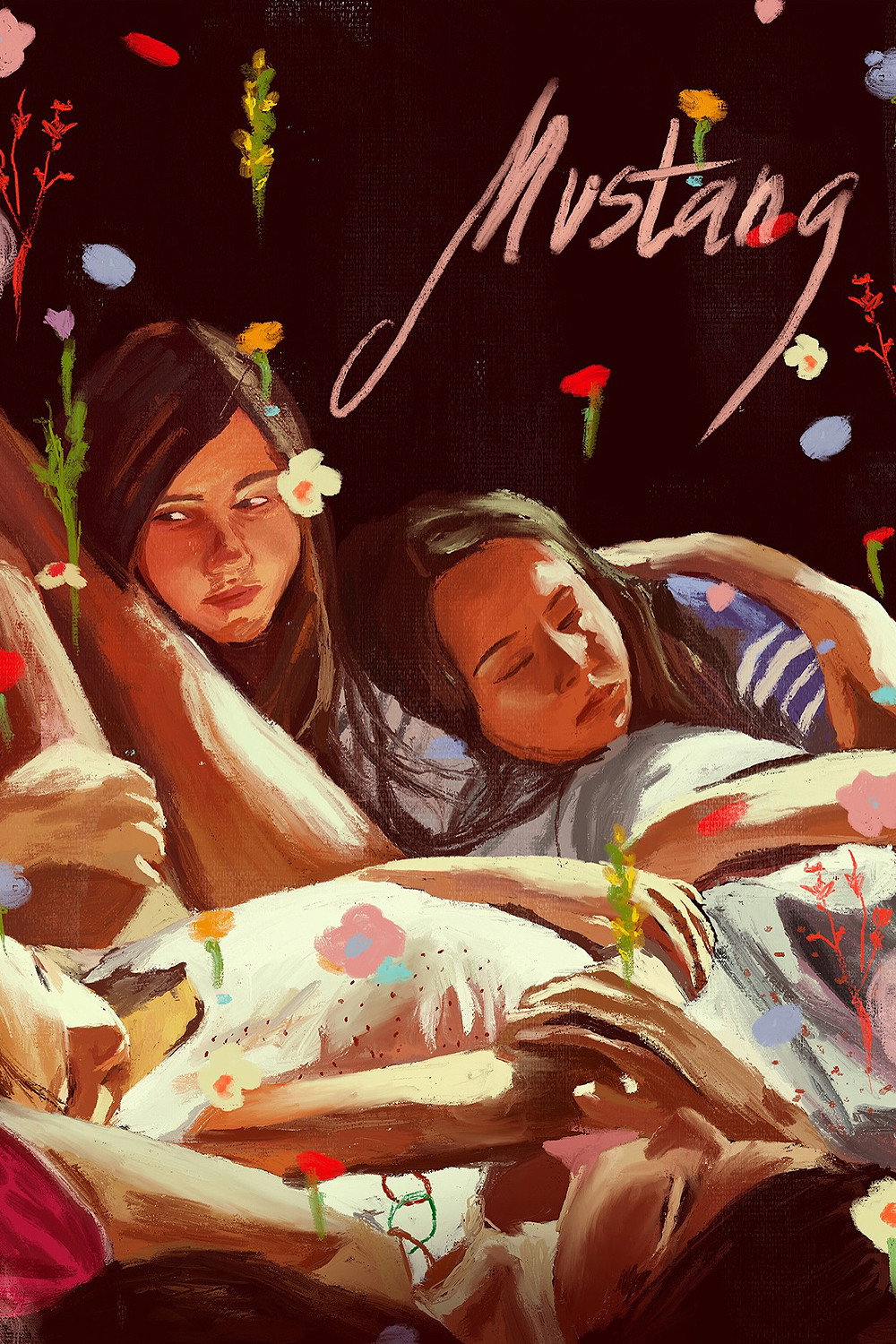
Mustang is a moving, angry drama carried by five persuasive young performers. Deniz Gamze Ergüven makes their sisterhood worth caring about before showing it under threat, though the adults are sometimes written too bluntly.
Mustang is a forceful, often moving drama whose five young performers make even its blunter passages worth staying with. Deniz Gamze Ergüven follows sisters in a conservative Turkish village as adults turn innocent play into a reason to shut them away. The film gives their pleasure in each other’s company enough attention for us to understand what confinement takes away. We know what they want to keep, beyond the simple right to leave the house.
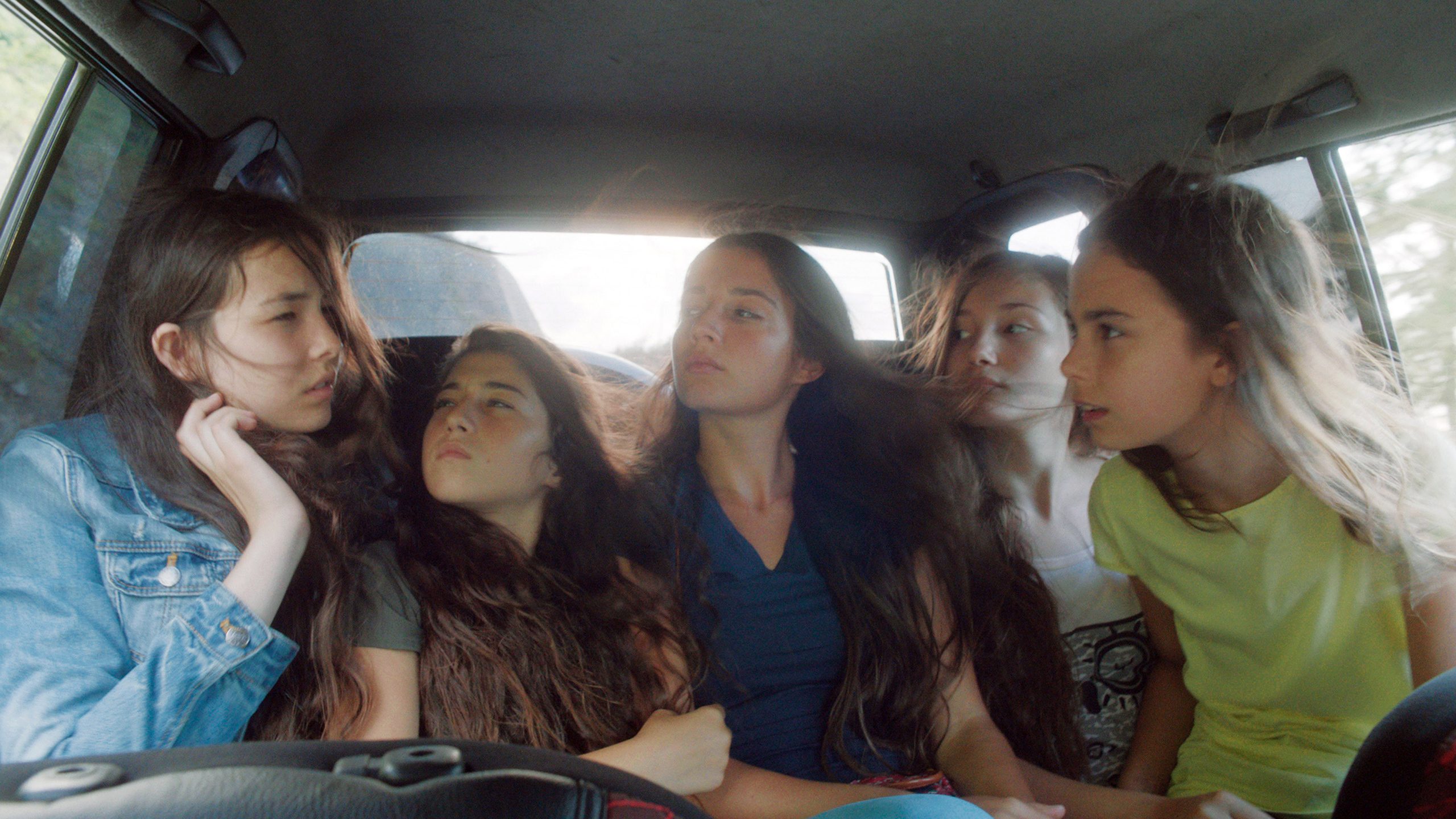
Güneş Şensoy gives Lale, the youngest, a watchfulness that makes her resistance convincing. She seems to be assessing how much the adults can be challenged, and how much she can get away with. Alongside her, Doğa Zeynep Doğuşlu, Elit İşcan, Tuğba Sunguroğlu and İlayda Akdoğan make the sisters’ closeness feel habitual, with the ease of people who have spent years together. We were moved by their enjoyment of one another; the film lets them be funny without treating every laugh as an announcement of courage.
We were angry when innocent play became grounds for locking the sisters away. The punishment is bad enough, but the certainty that it is deserved makes the scene harder to bear. Deniz Gamze Ergüven and co-writer Alice Winocour understand how ordinary behaviour becomes suspect when adults have already decided that young women need controlling. Their screenplay also leaves room for humour in the girls’ resistance, rather than asking them to look frightened in every scene.
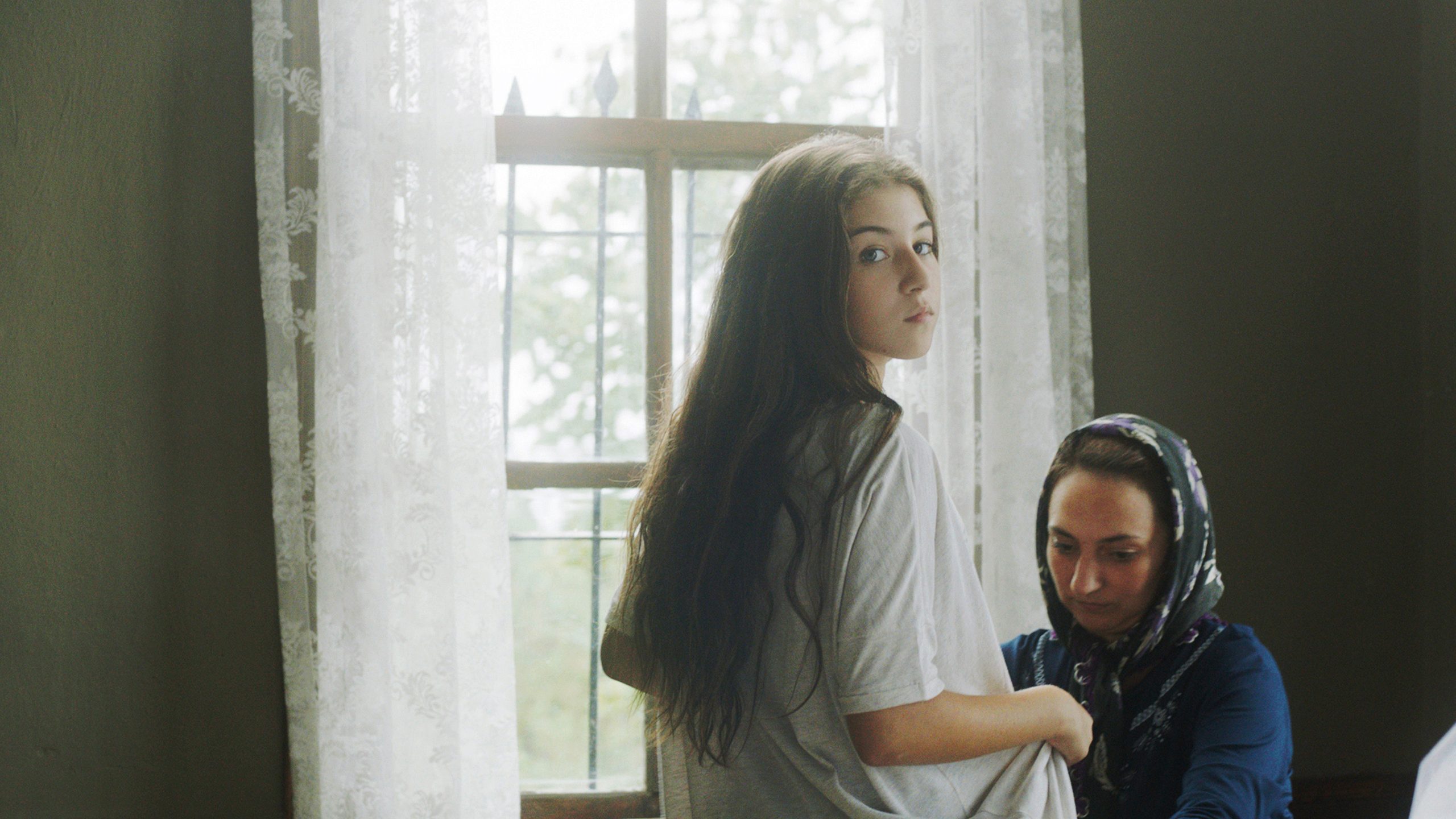
Cinematographers Ersin Gök and David Chizallet photograph the sisters at close quarters, letting their shared company fill the image. That closeness helps us understand confinement as a daily experience, rather than something the dialogue has to keep announcing. Türker İşçi’s production design keeps the domestic setting recognisable even as it becomes oppressive. The house remains a place where these girls live together, which makes the restrictions more disturbing than an openly sinister setting would.
Mathilde Van de Moortel’s editing keeps the drama moving between the sisters’ shared energy and the tightening restrictions. The result has the forward pull of a thriller, with ordinary freedom becoming something that has to be planned for. Warren Ellis’s score encourages us to believe in the girls’ resourcefulness, though it sometimes presses a feeling the performances have already supplied. At 97 minutes, the film rarely lets its anger settle into a lecture.
The weakness is the writing of the adults, who can seem assembled to prove a point already made. Deniz Gamze Ergüven and Alice Winocour sometimes press the cruelty so hard that individual motives become difficult to distinguish. There is no need to soften the repression, but giving its enforcers more recognisable human inconsistencies would make it harder to dismiss them as convenient villains. The young performers carry the film through these stretches, although we would have liked comparable care taken with the people controlling their lives.
As a coming-of-age film, Mustang is especially good at allowing its young women to remain lively, impatient and funny under pressure. They do not have to become solemn to deserve our concern, and the cast keep that point convincing even when the script grows insistent. We would recommend it for the pleasure of their company, with one warning: that pleasure does not make this an easy evening.